|
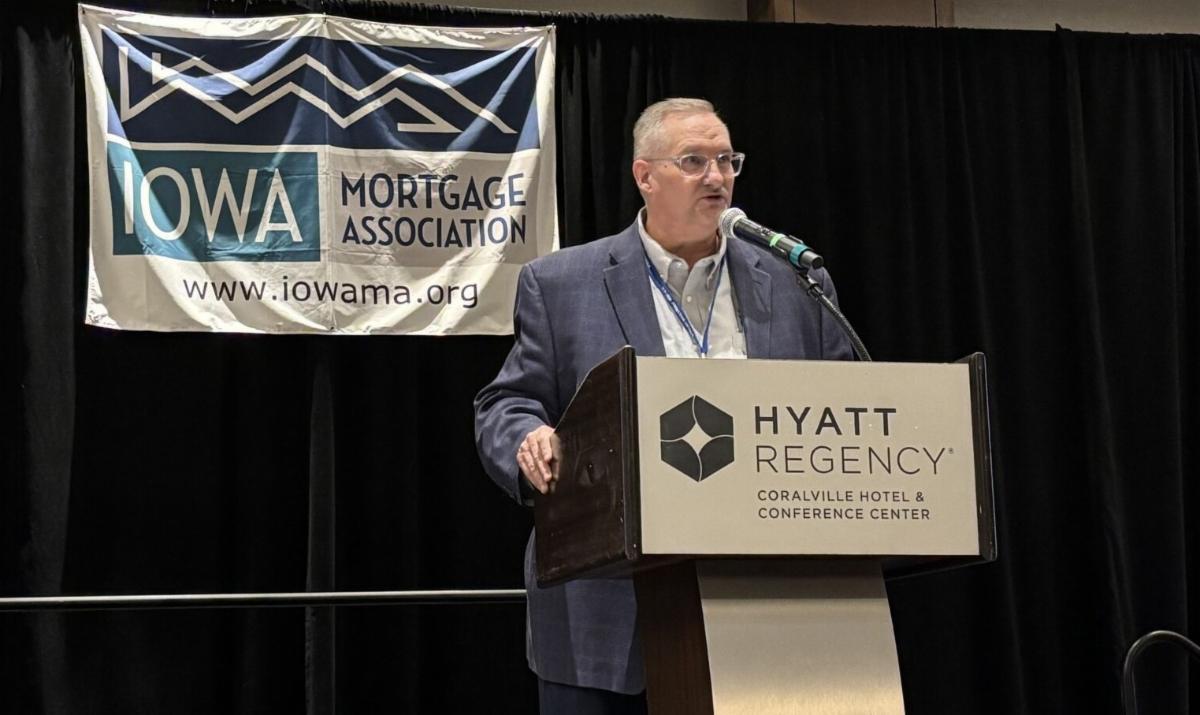
As we enter the second quarter, the Iowa mortgage landscape is showing obvious signs of a seasonal surge. The spring purchase market is intensifying, supported by a gradual increase in inventory. This momentum was palpable at our recent IMA Spring Conference, which hosted more than 125 industry professionals. The association extends its gratitude to our distinguished speakers for their time and insights at this year’s spring conference. From relationship-building strategies to market trends and industry updates, each session delivered timely perspective for today’s mortgage professionals. More on our speakers and their sessions is included below. Thank you to all our vendors and sponsors who helped make our conference magnificent.
While statewide home prices in Iowa saw a 3.5% year-over-year increase as of January 2026, localized data reveals significant appreciation in key metropolitan areas. Notably, Marion and Ames continue to lead the state in sales price growth.
Below is a list of the top 10 growth markets by sales price.
- Marion: 24.2%
- Ames: 21.4%
- Altoona: 14.5%
- West Des Moines: 13.9%
- Council Bluffs: 12.5%
- Waukee: 10.6%
- Sioux City: 10.3%
- Davenport: 7.3%
- Dubuque: 4.7%
- Ankeny: 1.6%
Current inventory levels have risen 2.1%, providing much-needed options for borrowers, even as the total number of homes sold decreased 6.1%. For professionals advising first-time buyers, Cedar Rapids continues to represent a high-value opportunity, with an overall cost of living 10% below the national average.
The trigger leads legislation is now being implemented, which is a huge win for our industry. Additionally, the IMA draws your immediate attention to Fannie Mae Lender Letter LL-2026-03, which details significant modifications to condominium project review requirements. These updates carry important implications for homeowners, associations and the mortgage professionals who serve them.
Effective Aug. 3, the “limited review” process will be discontinued, and all future transactions will require a full review. In addition, minimum reserve funding requirements will increase from 10% to 15% of annual budgets.
There is concern that many existing projects may become ineligible for conventional financing under the updated guidelines. Members are encouraged to engage in advocacy efforts through the Mortgage Bankers Association and the National Association of Mortgage Brokers to address these challenges ahead of the implementation date.
In related news, Fannie Mae has announced a relaxed policy regarding homeowner insurance requirements, offering potential relief to borrowers navigating rising insurance costs.
|