|
Reflections from the 2026 CMS Burden Reduction Conference
By Jana Weis, Principal, Gill Compliance Solutions
I had the opportunity to attend the CMS Burden Reduction Conference late February bringing together clinicians, health care leaders and policymakers. This was not the usual acknowledgment that administrative burden is a problem, but more an urgency to find measurable solutions. The conversation leaned into what can actually be changed, how quickly, and how those changes could impact clinical settings.
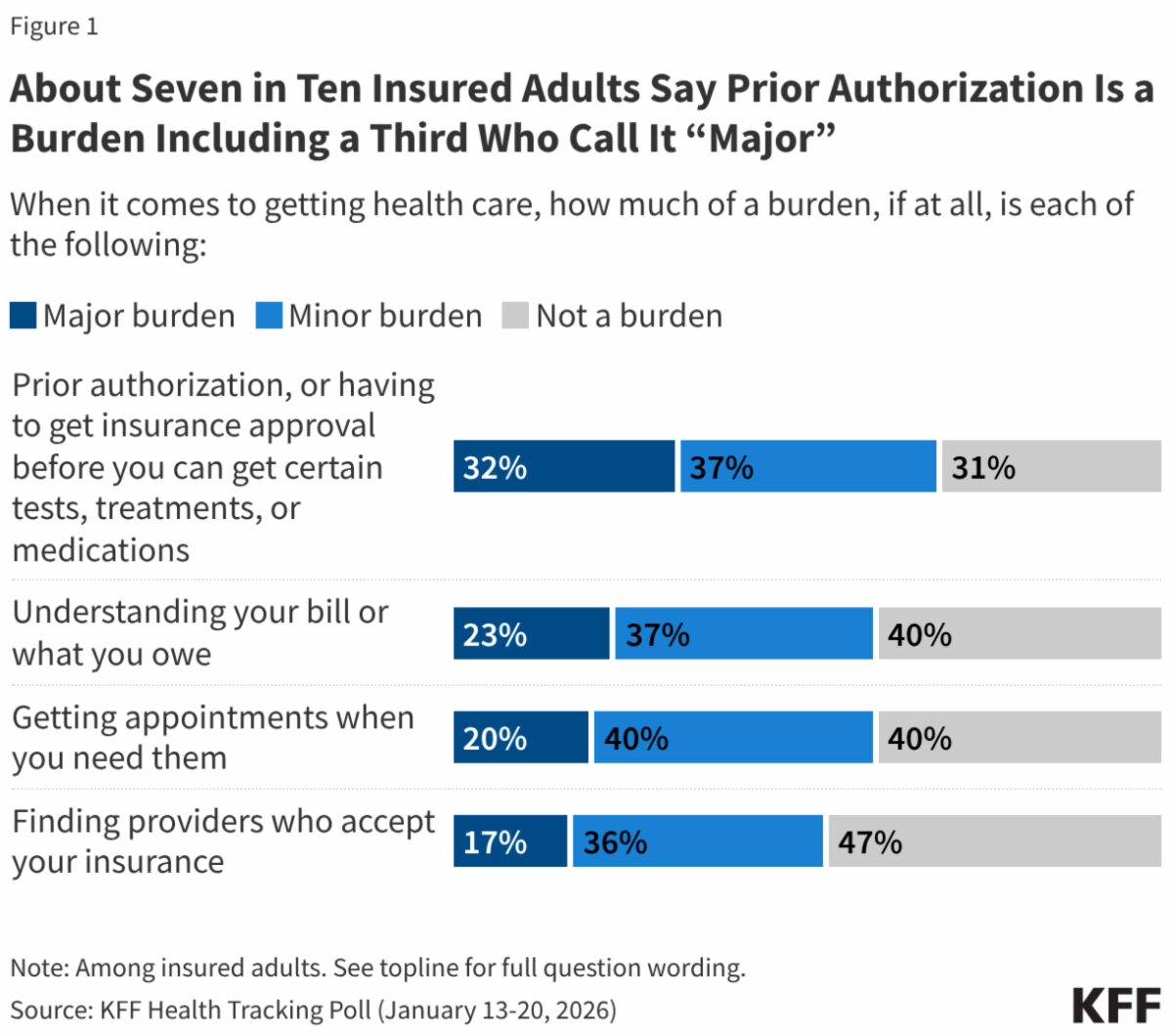
Throughout the conference, there was broad agreement that administrative burden is no longer just a physician frustration; it is directly affecting patient access and the capacity of practices to deliver care. Delays tied to prior authorization, duplicative documentation, and inconsistent payer requirements are not abstract issues; they are showing up every day as postponed treatment, longer wait times, and increasing strain on clinicians and staff. No surprise that prior authorization dominated much of the discussion and the level of alignment around what needs to happen next. CMS is working toward modernizing its claims processing system by 2027, with the goal of enabling real-time prior authorization within the clinical workflow. The practical implication is significant as most prior authorizations could be completed while the patient is still in the office. If CMS can deliver on this, it would remove one of the most persistent sources of delay and frustration in care delivery.
Another consistent theme was variability across Medicare Advantage plans, which continues to drive unnecessary complexity. The issue is not just the volume of administrative work, but the lack of consistency in how requirements are applied. Greater standardization and clearer expectations could go a long way toward reducing redundant documentation and streamlining interactions with payers.
Technology and AI were discussed as part of the solution, but there was a clear and appropriate level of skepticism. The expectation is not for more tools, but for better ones and solutions that actually reduce manual work, integrate into existing workflows, and operate in the background. The goal throughout this and other conversations was to make the burden invisible for the patient and the clinician.
CMS has indicated that it wants continued input from the public and especially physicians, promising to consider each response. They specifically asked for feedback on two points: which administrative tasks are truly necessary to support patient care, and which policies, however well-intended, could be reduced without negatively affecting outcomes. Input can be sent to burdenreductionconference@cms.hhs.gov.
What I took away from the conference is that there is real momentum behind reducing administrative burden, but the success of these efforts will depend on how well they translate into practical changes at the point of care. If initiatives like real-time prior authorization and better payer alignment are implemented effectively, they have the potential to meaningfully improve both the physician experience and patient access. The opportunity now is to make sure those changes reflect what is actually happening in medical practices every day. I encourage IMA members to submit feedback to CMS and ensure that the real experience and needs of physicians are represented.
|