|
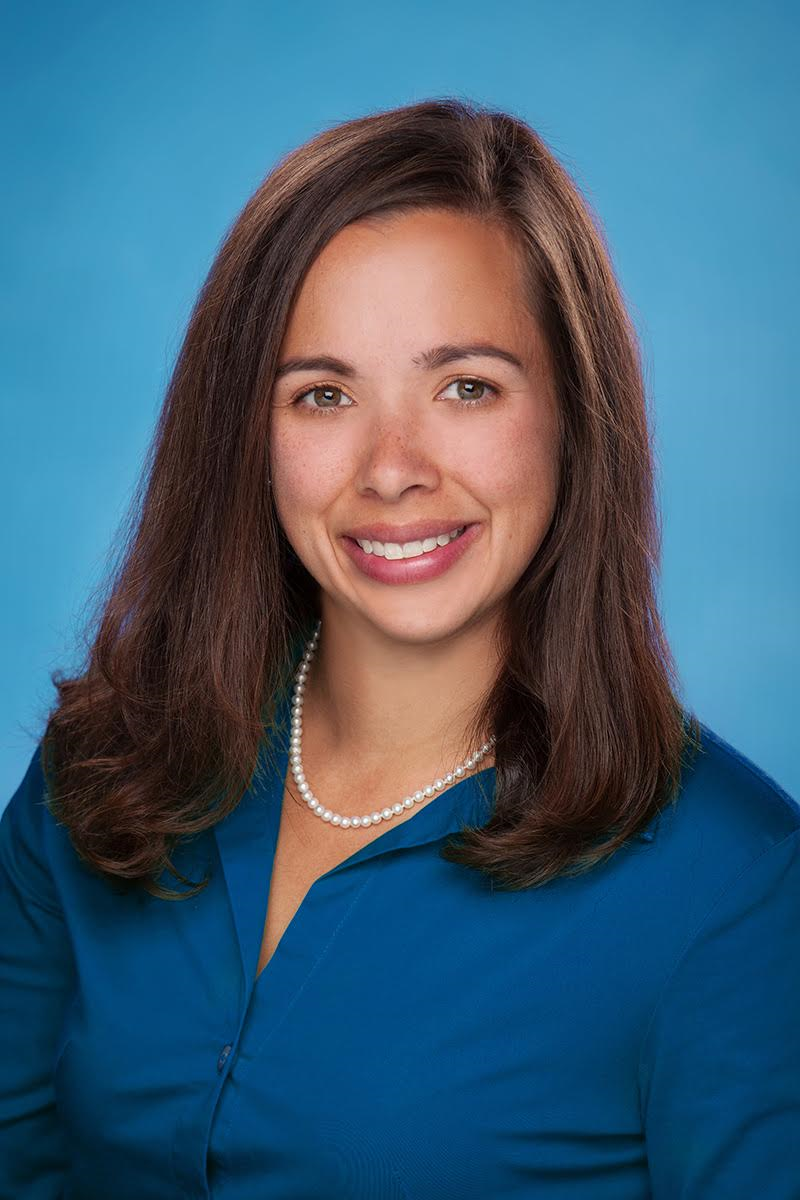
A Message from IMA President-Elect Hollie Mills, MD
Hollie Mills, MD, President-Elect, Coeur d'Alene
As we close another year of practicing medicine in Idaho, I am struck by both the challenges facing our profession and the opportunities before us. Access to care, workforce shortages, increasing administrative burdens, changes in Medicaid and federal policy, and continued uncertainty surrounding women's health all affect how we care for our patients. Through these challenges, IMA has remained a strong advocate for Idaho physicians and the patients we serve.
Perhaps one of our greatest opportunities is the Rural Health Transformation Program. Idaho is expected to receive approximately $186 million annually over five years—nearly $930M—to strengthen rural healthcare. These investments have the potential to improve access, support innovative models of care, expand the healthcare workforce, and strengthen infrastructure throughout our state. IMA has already worked to connect physicians with these opportunities, including initiatives focused on maternal health and obstetric readiness. As these resources are deployed, physicians must have a meaningful voice in determining how they are used.
Women's health remains an important and complex issue. Recent legal developments surrounding Idaho's abortion laws may provide additional clarity regarding when physicians can intervene to protect a patient's health, but uncertainty remains. Regardless of political perspective, physicians must be able to exercise appropriate medical judgment without fear that medically-necessary care will result in criminal or civil consequences. IMA continues to advocate for clear laws, accurate data, and evidence-based patient care.
Strengthening Idaho's physician workforce is equally critical. The experience surrounding WWAMI reinforced the importance of medical education, while graduate medical education, rural training opportunities, and international medical graduates remain essential to meeting the needs of our growing population. Our goal cannot simply be to train more physicians; we must create an environment where physicians want to train, practice, and build their lives in Idaho.
At the same time, we must support the physicians already caring or our communities. Prior authorization, documentation, reimbursement pressures, staffing challenges, and increasing complexity contribute to frustration and burnout. I am encouraged by IMA's continued investment in physician wellness, leadership development, education, risk management, and programs that improve communication and patient safety following adverse events.
IMA itself continues to evolve. Virtual and hybrid participation, including within House of Delegates, has made engagement more accessible to physicians balancing demanding practices, families, and Idaho's geography. Our strength ultimately comes from our members, and we need physicians from every specialty, region, and stage of their careers to recognize that their voice matters.
I am deeply grateful to CEO Susie Keller and the entire IMA staff for their dedication and for the work they do—often behind the scenes—to ensure physicians have a strong voice in Boise and beyond. I also want to extend my sincere thanks to IMA President Megan Kasper, MD, for her leadership, dedication, and service to IMA throughout the past year. I am grateful for her commitment to Idaho physicians and for the example she has set as I prepare to step into this role.
With more than 4,000 members, IMA has tremendous collective knowledge, experience, and credibility. The challenges ahead will require physicians to work together—with our patients, policymakers, healthcare organizations, and communities throughout Idaho.
I remain optimistic about the year ahead. Together, we can strengthen a healthcare system in which physicians can practice medicine with confidence, patients can access the care they need, and communities throughout Idaho can thrive.
Thank you for your continued trust, partnership, and commitment to the patients we are privileged to serve.
|