|
IMBeR Newsletter
Your news from the Integrated Marine Biosphere Research International Project Office
| |
| |
IMBeR Newsletter January 2026
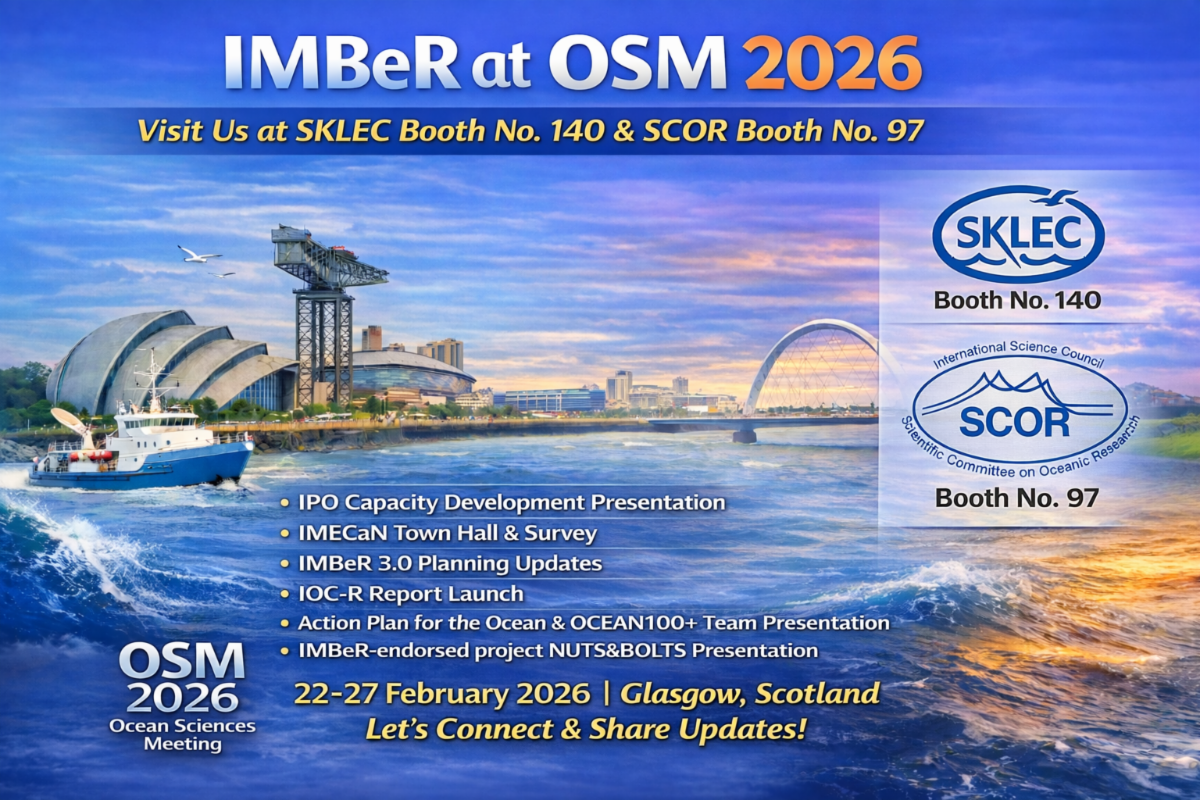
Stop by the IMBeR IPO at OSM 2026 - visit booths or set up a meet-up!
Indicate your availability here.
| | |
Vale Joel Llopiz
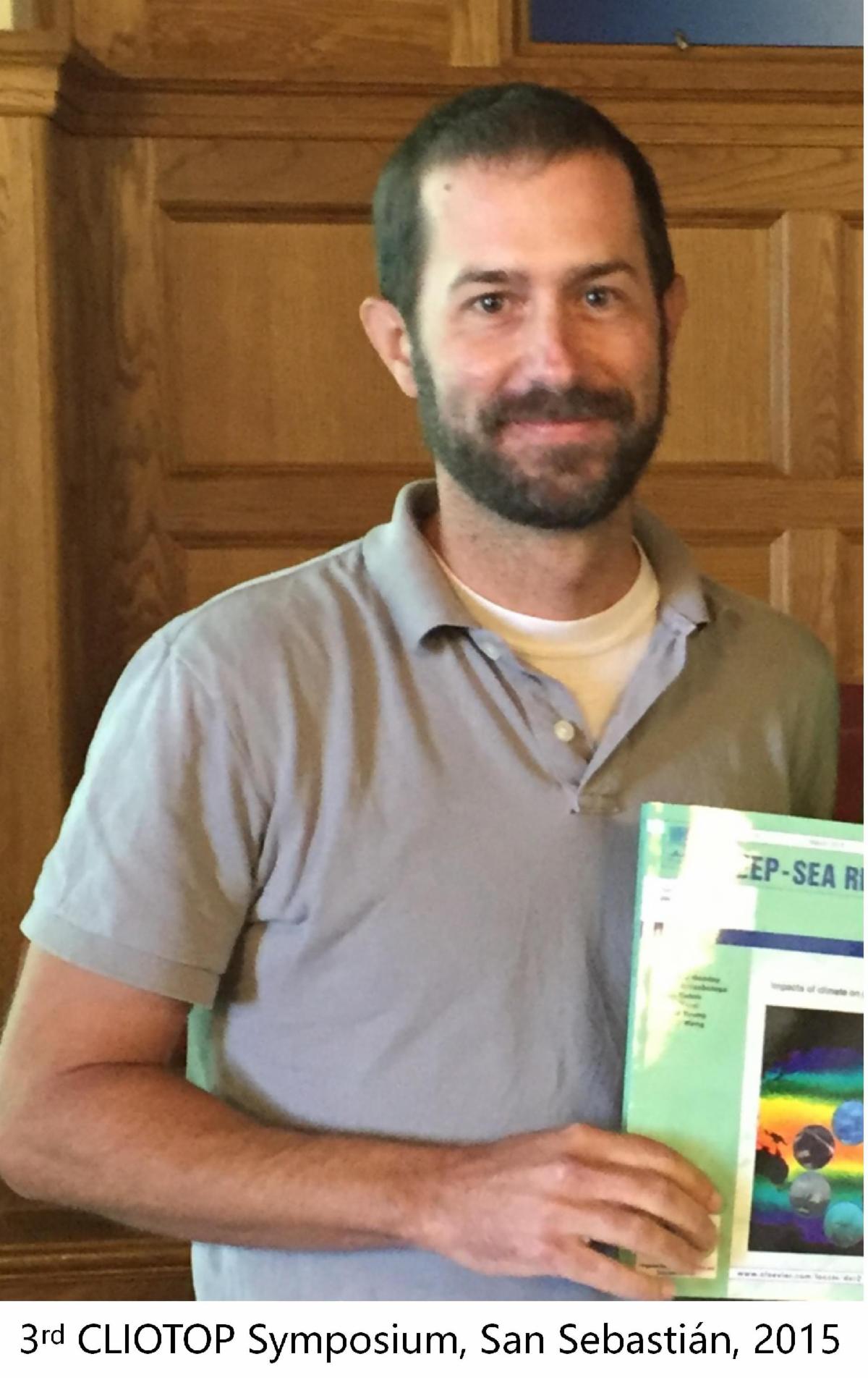
Joel Llopiz was a long-time IMBeR and CLIOTOP member, contributing as a researcher, Early life history working group lead (2008-2015), and former CLIOTOP co-chair (2018-2021).
In January 2026, Joel Llopiz passed away from glioblastoma – an aggressive form of brain cancer. At 48 years, this is unfair in so many ways that trivialise this science obituary Joel K. Llopiz | Falmouth Obituaries. While we mourn Joel, we want to share and celebrate some of his contribution to scientific discovery and to friendship in our community.
Joel joined the CLIOTOP community when he attended and present a poster on his PhD research at the 1st CLIOTOP symposium, in 2007 held in La Paz Mexico. He was awarded his PhD in 2008 by the University of Miami in Florida, with a dissertation titled “The trophic ecologies of larval billfishes, tunas, and coral reef fishes in the Straits of Florida: Piscivory, selectivity, and niche separation”, supervised by Dr Bob Cowen. After a couple of post-docs at Miami and then the Woods Hole Oceanographic Institution (WHOI), Joel joined the WHOI as an assistant scientist in 2012, where he remained for the rest of his career as he progressed through academic ranks.
Joel’s early research involved the first ever examination of the diets and feeding success of Atlantic bluefin tuna larvae in the Gulf of Mexico, which showed bluefin larvae have a notably high degree of feeding success, a high reliance on appendicularians, and a relatively early onset of piscivory (consuming other fish larvae), including the frequent occurrence of cannibalism (Llopiz et al., 2015).
He shared his passion for things larval with graduate students and classes at WHOI, and diversified research activities in the lab and on research vessels to study impacts on other marine species in north-east USA, including eel, sand lance and forage fishes such as Atlantic herring, alewife, blueback herring, Atlantic mackerel, and Atlantic butterfish. Joel’s research team used both traditional gut content analysis coupled with stable isotopes to find surprising inter-specific distinctions in diets, given that these planktivorous species exhibit substantial spatial overlap. They also revealed marked spatial and temporal variability within species (Suca et al., 2018). Joel also joined and led research abroad several Arctic research voyages, an area he was excited to visit and understand.
In his own words, written in 2022 for a very formal process, his introduction to his research summary shows his personality and passion:
“I often struggle to describe the integrative nature of my research without a bit of further explanation. When meeting new colleagues, I probably say most frequently “I’m a fish and zooplankton ecologist,” but I’m never fully satisfied with this answer. “Fisheries oceanographer” is most accurate, since it is a formal term for those who study how fish ecology, behavior, and distributions are influenced by the physical and biological environment—which is exactly what we do in my lab. But this term is confusing to many since we do not work on fisheries per se. Other somewhat suitable terms could include biological oceanographer, forage fish ecologist, or larval fish ecologist. (“Fishy oceanographer” would be close to perfect, but I doubt this will catch on.) None of these descriptions, however, fully capture what I enjoy most about science: collaboration and education. Both of these facets of my work keep me motivated and invigorated.”
Joel also continued his involvement in IMBeR and CLIOTOP, attending IMBeR-wide Open Science meetings, IMBIZO events, and CLIOTOP symposia from Bergen to Brest and beyond. He would arrive at these meetings with back-streets restaurant suggestions, and we’d wander those streets looking for these places, all before mobile phones made it easy. He was a fan of shared houses when we attended international meetings, and those experiences were so much more fun than staying in a hotel and riding an elevator to the meeting floor. Of course, each time we travel for work, we leave behind family and commitments, but these face-to-face experiences make our professional lives so much richer, and I thank Joel’s family for sharing him in this parallel life with us over all those times. While our photos may be of stiff meeting attendees, and we worked hard through agendas and to share research, the time spent with Joel led to his many enduring friendships in our community.
Joel was a natural teacher and leader, generous with his time and knowledge, and deeply invested in the growth of others. He led not through authority, but through curiosity, kindness, and example, encouraging early-career scientists and peers alike to think broadly and trust their scientific instincts. Many in our community benefited from his quiet guidance and steady encouragement. His legacy lives on not only in his science, but in the confidence, collaborations, and careers he helped to shape.
Across his career, Joel was a valued member of many research efforts – he brought unique skills, appreciation of observational data, and no ego. We will continue to share the values that Joel espoused and we miss his warmth and generosity.
Selected citations
Llopiz, J. K., B. A. Muhling, and J.T. Lamkin (2015). Feeding dynamics of Atlantic bluefin tuna (Thunnus thynnus) larvae in the Gulf of Mexico. ICCAT Collective volume of scientific papers, 71(4), 1710-1715.
Suca, J. J., J. W. Pringle, Z. R. Knorek, S. L. Hamilton, D. E. Richardson, and J. K. Llopiz (2018). Feeding dynamics of Northwest Atlantic small pelagic fishes. Progress in Oceanography,165, 52-62.
|
| |
IMBeR Relevant Sessions at OSM 2026
Sessions chaired/co-chaired by IMBeR participants or linked to IMBeR science teams
Monday, 23 February 2026
08:30 – 10:00
Forth
HE11C – Pelagic and Coastal Nutrient Cycles in Changing Polar Marine Ecosystems
11:50 – 12:00 | IOC-R In-person Presentation
Lomond Auditorium
CC12B-09 – Integrated Ocean Carbon Research: a vision primed for implementation
(The IOC-R report will be officially launched during this session)
16:00 – 18:00
Hall 4 (Poster Hall)
CB14D – Trait Development and Resilience of Aquatic Microbial Communities to Anthropogenic Stressors in Coastal Oceans: A Focus on the Global South
OB14G – Respiration in the Mesopelagic Ocean: Reconciling Ecological, Biogeochemical, and Model Estimates
HE14D – Pelagic and Coastal Nutrient Cycles in Changing Polar Marine Ecosystems
Tuesday, 24 February 2026
08:30 – 10:00
Hall 3, Coral Cove
OB21A – Animal-Mediated Carbon Pathways: The Role of Metazoans in the Biological Carbon Pump
08:30 – 10:00
Hall 3, The Abyss
CM21A – Biogeochemical and Ecological Insights for Evaluation of Marine Carbon Dioxide Removal (mCDR)
16:00 – 18:00
Hall 4 (Poster Hall)
CB24D – Under Pressure: Multistressor Impacts on Coastal Vegetation and Greenhouse Gas Dynamics
ME24E – Top Predators as Ecosystem Sentinels: A Novel Tool for Proactive Management
OB24A – Animal-Mediated Carbon Pathways: The Role of Metazoans in the Biological Carbon Pump
Action Plan for the Ocean and the OCEAN100+ Team – In-person Poster Presentation
Wednesday, 25 February 2026
08:30 – 10:00
Hall 3, Coral Cove
OB31A – Carbon Dioxide, Methane, and Nitrous Oxide Cycling from the Coast to the Deep Ocean
14:30-14:40 IMBeR-endorsed project NUTS&BOLTS
Hall 1
PI33A-04 – Light as a control on pico and nanoplankton abundance and distribution in Irish Marine Transitional Waters
14:00 – 15:30
Hall 3, The Sound
F33A – Harnessing Fisheries Oceanography from Nowcasts to Climate Projections for Sustainable and Resilient Fisheries
16:00 – 18:00
Hall 4 (Poster Hall)
F34A – Harnessing Fisheries Oceanography from Nowcasts to Climate Projections for Sustainable and Resilient Fisheries
OB34D – Carbon Dioxide, Methane, and Nitrous Oxide Cycling from the Coast to the Deep Ocean
Thursday, 26 February 2026
12:45 – 13:45 Town Hall
TH43A – Broadening the Ocean Science Workforce for a More Equitable, Inclusive, and Engaged Community
Convened by the Challenger Society for Marine Science, The Oceanography Society JEDI, and IMECaN.
16:00 – 18:00
Hall 4 (Poster Hall)
ME44E – Trait-Based Approaches to Biodiversity-Ecosystem Function and Biogeographic Patterns
Friday, 27 February 2026
Friday, 27 February 2026
10:30 – 12:00
Dochart
ME52B – Trait-Based Approaches to Biodiversity-Ecosystem Function and Biogeographic Patterns
09:35 – 09:40 IMBeR IPO In-person Presentation
Alsh
ED51A-13 – Capacity Development for International Collaborative Integrated Marine Biosphere Research (IMBeR): Lessons from the International Project Office
| | |
SKLEC-Related Sessions at OSM 2026
Sessions chaired/co-chaired by researchers affiliated with State Key Laboratory of Estuarine and Coastal Research (SKLEC) - host of the IMBeR IPO
- or related to SKLEC-led projects
Monday, 23 February 2026
10:30 – 12:00
Carron
CB12B – Mapping, Monitoring, and Modeling Greenhouse Gas (GHG) Fluxes in Coastal Habitats to Advance Blue Carbon Science
16:00 – 18:00
Hall 4 (Poster Hall)
CB14C – Mapping, Monitoring, and Modeling Greenhouse Gas (GHG) Fluxes in Coastal Habitats to Advance Blue Carbon Science
CP14D – Physical-Sedimentological-Ecological Coupled Dynamics in Turbid Estuary–Marginal Sea Continuum
Thursday, 26 February 2026
10:30 – 12:00
Dochart
HC42B – Plastics in the Aquatic Environment
16:00 – 18:00
Hall 4 (Poster Hall)
CM44A – The Science of Current and Emerging Blue Carbon Ecosystems
HC24C – Plastics in the Aquatic Environment
Friday, 27 February 2026
10:30 – 12:00
Hall 3, Tidal Pool
CM52A – The Science of Current and Emerging Blue Carbon Ecosystems
| | |
The IMBeR IPO, represented by Fang Zuo and Kai Qin, will be at the host’s booth (SKLEC, Booth No. 140) for most of the exhibit time, and will also spend some time at the SCOR booth (Booth No. 97). We warmly welcome you to stop by either booth or to propose a meet-up during the conference week. Indicate your availability here and view the booth map here.
The latest information is available here.
|
| |
The IPO is delighted to share recent advances in deep-sea observation being developed at the South African Institute for Aquatic Biodiversity (SAIAB). This work builds on their Marine Remote Imagery Platform (MaRIP) and ongoing research activities across the Indian Ocean. Further details are available in the poster below.
If you are interested in co-developing a joint newsletter focused on remote imagery technologies and their applications across diverse research and societal needs, we warmly invite you to share or recommend relevant content and areas of interest. Please contact the IPO at imber@ecnu.edu.cn by 31 March 2026.
| | |
This month’s Editor Picks showcase a diverse set of studies advancing our understanding of ocean systems and their societal impacts. Highlights include assessments of the economic costs of sargassum events across the Caribbean and Florida, interdisciplinary insights into Asia-Pacific marine ecosystems, and innovative methods for tracking animals to inform marine protected area design. Other featured work explores the role of the viral shunt in subsurface oxygen maxima, convection nowcasting using AI, macroalgal carbon export in Greenland, priority research questions on UK marine heatwaves, and tools for evaluating ocean equity globally. Together, these studies demonstrate the power of combining observational, modeling, and socio-economic approaches to inform science-based management and policy decisions.
If you have papers or reports you would like to share in future issues, please feel free to send the information to imber@ecnu.edu.cn.
| |
Economic impacts of sargassum events
in Puerto Rico, USVI, and coastal Florida
| | |
Authors: D. Jin, A. Wang, T. Dalton
Journal: Harmful Algae
The frequency, intensity, and distribution of sargassum events have been rising in the Caribbean region in recent years causing social and economic disruptions. We develop estimates of the scale of annual economic impacts on local economies of sargassum events using multi-sector economic impact models for Puerto Rico, U.S. Virgin Islands, and coastal Florida. Using field observations from the Sargassum Watch database, we validate the current sargassum forecast in the region. We show that the forecast is performing well and that sargassum season has started earlier and lasted longer in recent years. The high-risk regions for sargassum inundation include Puerto Rico, U.S. Virgin Islands, and southeast coastal areas in Florida. Results of the study show that sargassum events are expected to cause significant negative economic impacts, in multimillion dollars each year, across the study regions, and the impact may be in billions of dollars along Florida’s Atlantic coast. These results provide important input to the planning process in deciding the investments in future sargassum response and cleanup. They can also facilitate targeted data collection and valuation efforts to develop more accurate measures of economic losses.
Click to read the full paper
| |
Pathways to an integrated understanding of marine environments
and ecosystems in the Asia-Pacific Region
| | |
Authors: H. Adiwira, S. Yasunaka, J. M. Kass, A. H. O. Açıkbaş, S. Adiningsih, E. Gairin, H. B. C. Ilham, E. Lahcene, Y. Li, G. Nishihira, P. Peñalver-Pereira, F. M. P. Sie, C. L. Amedo-Repollo, C. L. Ames, D. Armitage, Å. Brännström, U. Dieckmann, T. Fujii, F. Husnik, M. Kawamiya, T. Masuda, C. Plessy, L. Sallan, T. Shimada, S. L. Smith, P. G. Strutton, A. Wirasatriya, T. Suga
Journal: Frontiers in Marine Science
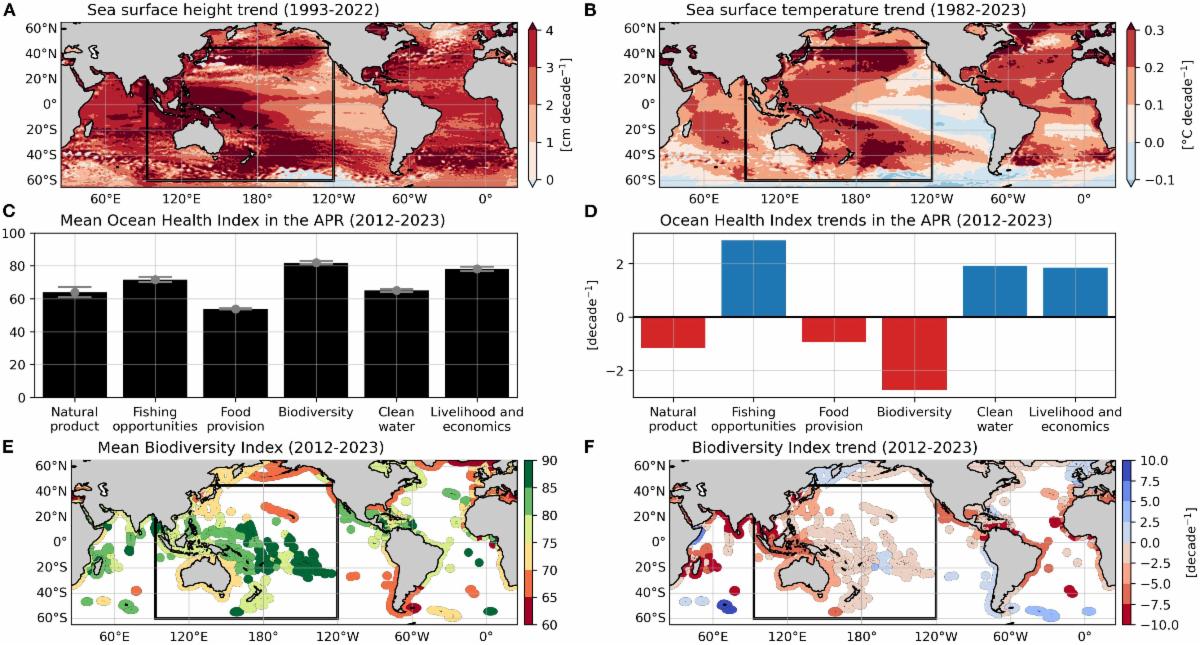
The Asia-Pacific Region (APR) encompasses a vast geographical area rich in marine biodiversity that plays critical roles in global ecological stability and climate regulation, but it also faces daunting challenges in maintaining these roles under global change. Environmental dynamics in the APR manifest regularly over a range of timescales, including storms, earthquakes, floods, and extreme heat events. Further, coastal and marine ecosystems, including extensive commercial fisheries and coral reefs, are under threat from intense resource extraction and increasingly frequent marine heatwaves. Knowledge gaps for understanding these complex systems are aggravated by substantial barriers to cross-national efforts caused by the region’s vast diversity of cultures, languages, socioeconomics, politics, and management practices. Effective management of marine resources in the APR will necessitate multidisciplinary research based on continuous, region-wide observations supported by robust collaborations. In 2023, we gathered APR researchers across disciplines to discuss these issues and find solutions during a thematic seminar and workshop program at Tohoku University in Japan. Based on the results of this program, we present a review of the current state of APR marine ecosystems, raise key questions addressable through multidisciplinary approaches, and identify future priorities for the region. We conclude that sustaining biodiversity, ecosystem functions, and climate resilience in the APR will depend on stronger interdisciplinary collaboration, better integration of biological and geophysical data, and broader access to marine observations. These efforts are both urgent and essential for supporting better science-based policy decisions to address the escalating effects of global change on marine systems across the region.
Click to read the full paper
| Figure 1. Trends of (A) sea surface height from 1993 to 2022 and (B) sea surface temperature from 1982 to 2023. (C) Average scores of Ocean Health Index (OHI) components in the APR. The error bars indicate one standard deviation of the annual mean. (D) Trends of OHI components in the APR from 2012 to 2023. (E) Average scores of the biodiversity component of the OHI. (F) Trend of the biodiversity component from 2012 to 2023. The trends are calculated by using linear regression. The black box (93°E-120°W, 60°S-45°N) indicates the APR. | |
Four-hour thunderstorm nowcasting
using a deep diffusion model for satellite data
| | |
Authors: K. Dai, X. Li, J. Fang, Y. Ye, D. Yu, H. Su, D. Xian, D. Qin, J. Wang
Journal: PNAS
Convection (thunderstorm) develops rapidly within hours and is highly destructive, posing a significant challenge for nowcasting and resulting in substantial losses to infrastructure and society. After the emergence of AI-based methods, convection nowcasting has experienced rapid advancements, with its performance surpassing that of physics-based numerical weather prediction and other conventional approaches. However, the lead time and coverage of it still leave much to be desired and hardly meet the needs of disaster emergency response. Here, we propose a deep diffusion model for satellite data (DDMS) to establish an AI-based convection nowcasting system. Specifically, DDMS employs diffusion processes to effectively simulate complicated spatiotemporal evolution patterns of convective clouds, achieving more accurate forecasts of convective growth and dissipation over longer lead times. Additionally, it combines geostationary satellite brightness temperature data and domain knowledge from meteorological experts, thereby achieving planetary-scale forecast coverage. During long-term tests and objective validation based on the FengYun-4A satellite, our system achieves effective convection nowcasting up to 4 h, with broad coverage (about 20,000,000 km2), remarkable accuracy, and high resolution (15 min; 4 km). Its performance reaches a new height in convection nowcasting compared to the existing models. In terms of application, our system is highly transferable with the potential to collaborate with multiple satellites for global convection nowcasting. Furthermore, our results highlight the remarkable capabilities of diffusion models in convective clouds forecasting, as well as the significant value of geostationary satellite data when empowered by AI technologies.
Click to read the full paper
| | 40 priority questions to advance understanding of the risks and opportunities of UK marine heatwaves | |
Authors: Z. Jacobs, K. E. Smith, J. B. Kajtar, D. A. Smale, P. J. Moore, F. Stephenson, M. T. Burrows, C. Rowland, R. Renshaw, S. Oliver, M. Jakins-Pollard, F. I. Palmer, A. Kloker, C. Baker-Austin, B. Townhill, S. Rees, S. Coulthard, E. Popova
Journal: npj Ocean Sustainability
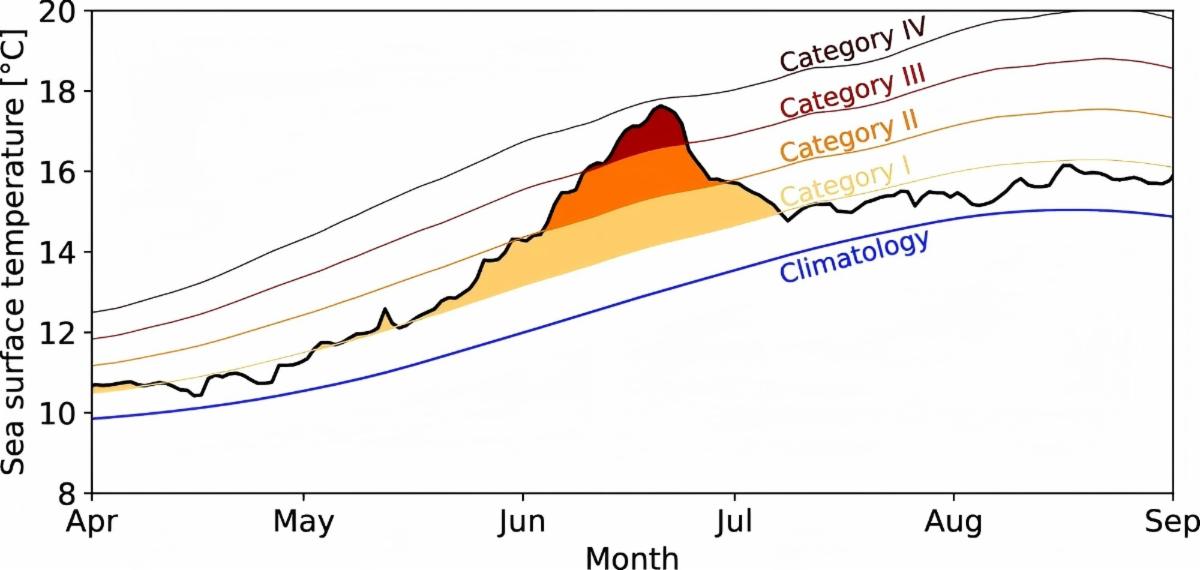
Marine heatwaves (MHWs) are periods of anomalously warm sea temperatures that are becoming increasingly recognised as ocean stressors. Globally, MHWs have impacted marine ecosystems, with significant socioeconomic implications for coastal communities and industries. The unprecedented MHW that occurred in the waters surrounding the UK and Ireland in summer 2023 highlighted a crucial gap in our understanding of the region-specific characteristics of MHWs and their impacts on marine ecosystems, the services they underpin, the blue economy and society. Using diverse expert opinion, we propose 40 priority questions for interdisciplinary research in the UK that must urgently be addressed to prepare for future risks and potential opportunities associated with MHWs. The targeted questions are listed under a broad range of themes. Recommendations to policy makers and those influencing the strategic direction and allocation of funding and resources are also suggested to assist decision-makers towards evidence-based action and guide funding streams.
Click to read the full paper
| | Figure 4. Daily sea surface temperature (SST) at 54.1°N, 10.9°W during the MHW in June 2023, selected to illustrate the MHW definition by Hobday et al.10, i.e., when SST > 90th percentile for at least 5 consecutive days, as well as the MHW category definition by Hobday et al.11 The 30-year climatology and 90th percentile are calculated over the period 1983–2012. Daily SST data is from the NOAA OI SST V2.1 High Resolution Dataset provided by NOAA PSL (https://psl.noaa.gov). | |
Ocean transport and vertical mixing
connect Greenland's macroalgae to deep ocean carbon sinks
| |
Authors: D. F. Carlson, N. Suzuki, R. Carrasco, K. Filbee-Dexter, L. C. Gillard, P. G. Myers, A. M. Queirós, J. Assis, C. M. Duarte, M. Sejr, D. Krause-Jensen
Journal: Science of The Total Environment
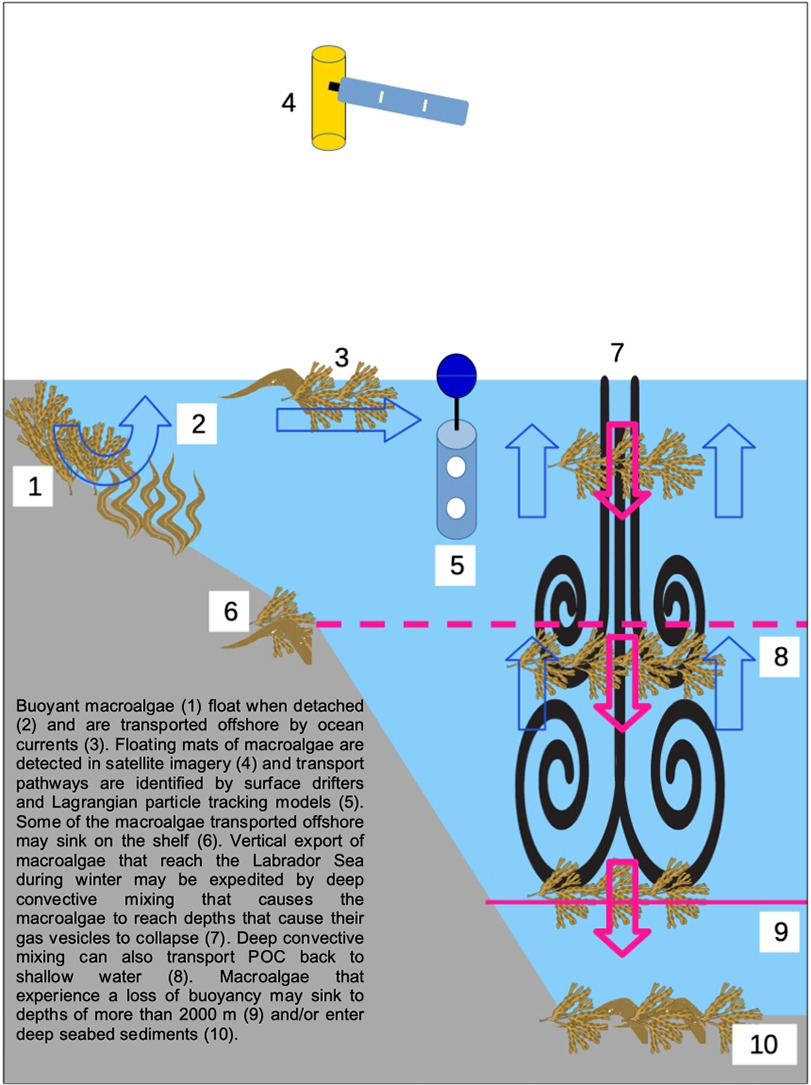
Macroalgal carbon export estimates make assumptions about lateral transport away from the coast and vertical export to deep ocean sinks. Yet, few studies have resolved these pathways. This paper tests lateral surface transport and vertical export assumptions using the Southwest Greenland continental shelf and the Labrador Sea as a testbed. Macroalgae grow on Greenland's rocky shoreline and previous studies have documented oceanographic connectivity between coastal and offshore regions. This study analyzed 1380 Sentinel-2 satellite images to find 7973 patches of floating macroalgae on the SW Greenland shelf and in the Labrador Sea, providing evidence of their presence on the shelf and offshore waters. Since satellite imagery provides a snapshot of macroalgal positions at a given time, 305 surface drifter trajectories and a Lagrangian particle tracking model (LPTM) are used to quantify residence times and transport pathways. The average drifter-derived surface residence times on the SW Greenland shelf and the Labrador Sea are 12.1 days and 63.6 days, respectively. Applying results from studies of macroalgal longevity, the drifter-derived residence times suggest that macroalgae can remain intact during their transit of the shelf, allowing them to sink in deeper water offshore. The LPTM traced the origins and pathways of selected patches in June 2018. To explore vertical export mechanisms, a Large Eddy Simulation revealed that deep convection can transport buoyant macroalgae to depths where their gas vesicles implode, expediting sinking. These interdisciplinary findings indicate that Greenland's macroalgal ecosystems can supply detrital carbon to the adjacent shelf and open ocean and highlight the importance of testing key transport assumptions used to estimate macroalgal contributions to carbon sequestration.
Click to read the full paper
| | Figure 5. Graphical abstract | | |
Authors: J. L. Blythe, J. Claudet, D. Gill, N. C. Ban, G. Epstein, G. G. Gurney, S. D. Jupiter, S. L. Mahajan, S. Mangubhai, R. Turner, N. J. Bennett, S. D’Agata, P. Franks, J. Lau, G. Ahmadia, M. Andrachuk, P. Annasawmy, V. Brun, E. S. Darling, A. Di Franco, L. Evans, N. Lazzari, J. Naggea, V. Relano, M. C. Pertuz, S. Villasante, N. Zafra-Calvo
Journal: Nature
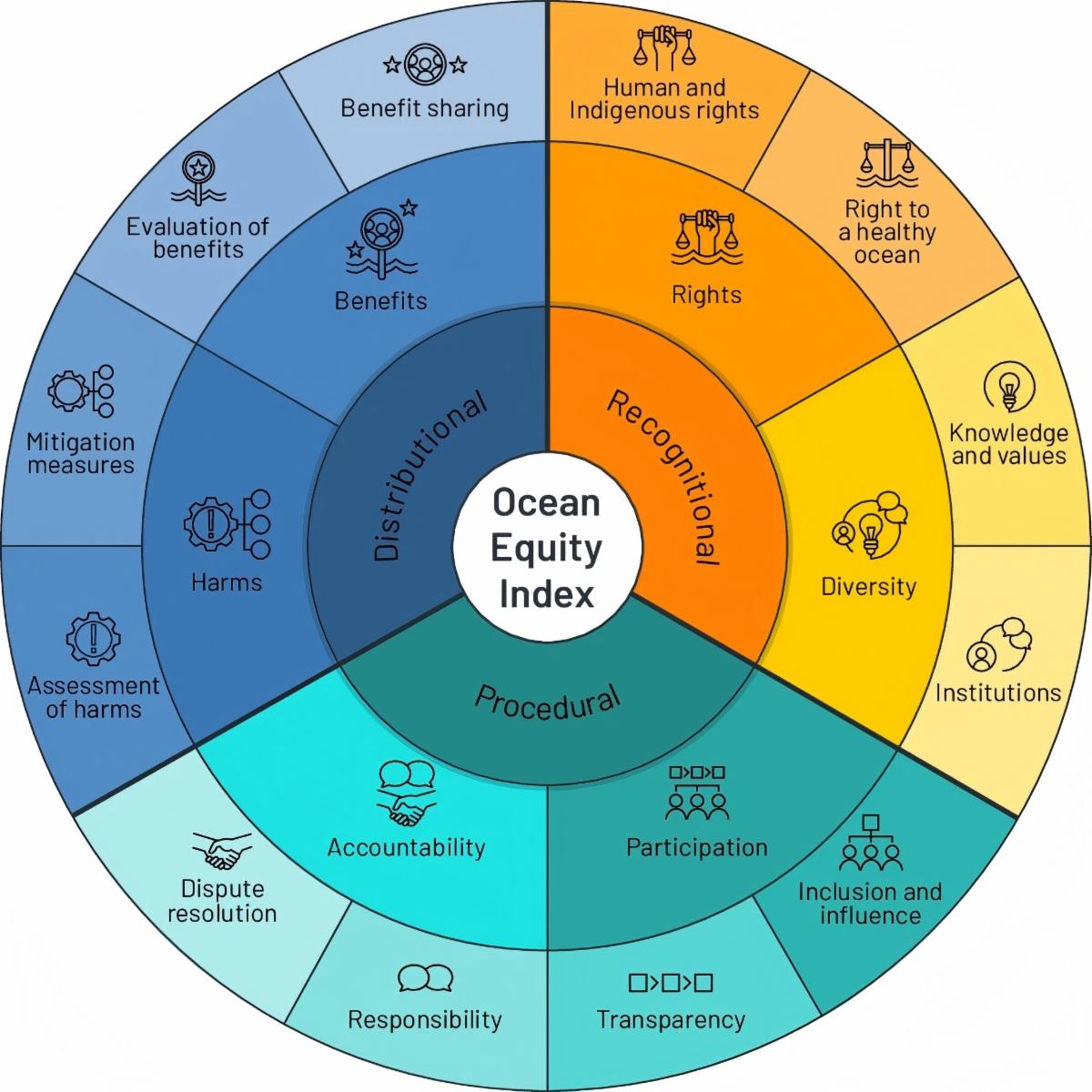
The ocean is essential for humanity1,2,3. Yet, inequity in ocean-based activities is widespread and accelerating4,5,6,7,8. Addressing this requires governance approaches that can systematically measure equity and track progress9. Here we present the Ocean Equity Index (OEI)—a framework for assessing and improving equity in ocean initiatives, projects and policies. We apply the index, which scores twelve criteria, to case studies at local, national and global scales. We show that the OEI can generate structured data to support evidence-based decision-making across ocean sectors and scales. As a theoretically robust and widely applicable tool, the OEI can guide the design of more equitable ocean initiatives, projects or policies, ensuring better outcomes for coastal people and marine ecosystems.
Click to read the full paper
| | Figure 6. Conceptual framework for the OEI | | Events, Webinars and Conferences | | |
Information shared by our contacts:
- Workshop on Environmental Radioactivity and Radiation Protection (RAD 2026)
- Held as part of RAD 2026, this workshop brings together researchers in environmental radioactivity and radiation protection, with selected papers to be published in the Journal of Environmental Radioactivity.
- Read more
-
ECSA 61 - Bridging the gap between science and policy in estuarine and coastal marine biodiversity: the way forward, 24-27 August 2026, Square, Brussels, Belgium.
-
Abstract Submission Deadline: 6 March 2026
| | |
-
CommOCEAN 2026 – International Marine Science Communication Conference. 2–3 September 2026. Bergen, Norway. Further information will be available in early 2026.
| | |
Information shared by our contacts:
-
Employment Opportunities: The Nelson Mandela African Institution of Science and Technology (NM-AIST), Arusha, Tanzania New
- Application period: 19 January – 18 February 2026
- NM-AIST invites applications from suitably qualified Tanzanian and non-Tanzanian candidates for multiple academic and research positions at this postgraduate and research-focused institution.
- Read more
-
Belmont Forum Ocean 2 CRA: Towards the Ocean We Want – Biodiversity and Ecosystem Sustainability for Nature and Human Well-being New
- Registration deadline: 5 March 2026
- This call supports international, transdisciplinary ocean research on biodiversity, ecosystem sustainability, and human well-being, contributing to the UN Ocean Decade.
- Read more
-
Call for Papers: Ocean Decade - Promoting Ocean Literacy
- Participating journals: Ocean & Coastal Management, Journal of Sea Research
- Submission deadline: 30 April 2026
- This Special Issue aims to explore innovative approaches to enhancing knowledge of ocean science and instilling a sense of stewardship for marine environments.
- Read more
-
Anthropocene Coasts Recruiting Position: Associate Editors
- Applications will continue until the position is filled.
-
Anthropocene Coasts is a Golden Open Access journal hosted by East China Normal University, and published by Springer. The journal publishes multidisciplinary research addressing the interaction of human activities with our estuaries and coasts. The journal has been selected for the "Outstanding Case of English-language University Journals of 2025".
-
To help build on the success of Anthropocene Coasts and to expand the opportunities for international collaboration and contributions to the work of the journal, the journal is seeking more international Associate Editors. Read more
| | |
-
Senior Lecturer in Physical Oceanography – University of Tasmania New
- Location: Hobart, Australia
- This fixed-term position (with potential for transition to continuing/tenure track) is based at the Institute for Marine and Antarctic Studies. A PhD in physical oceanography is required; candidates with primary expertise in biogeochemistry and a strong background in ocean physics are also encouraged to apply.
-
Application deadline: 15 February. Read more
-
Tenure-Track Faculty in Geological Oceanography – University of South Florida, Saint Petersburg New
-
This position focuses on hydrography or marine geophysics within the Department of Geological Oceanography. Applications are accepted until the position is filled. Read more
- 2026 NF-POGO-SPC-CSIRO Shipboard Training on GO-SHIP P15S Cruise
- Nippon Foundation - Partnership for Observation of the Global Oceans (NF-POGO), Pacific Community (SPC) and Commonwealth Scientific and Industrial Research Organisation (CSIRO) are offering Pacific Early Career Ocean Professionals (ECOPs) the opportunity to participate in either leg 1 or 2 of the GO-SHIP P15S Cruise, to take place between 9 November and 19 December 2026.
-
The application deadline is 21 January 2026. Read more
| |
-
Funding Opportunity: 2026 Shanghai Government Scholarship
- The scholarship opens to excellent degree programs (undergraduate, master and Phd) students.
-
Application Deadline (Undergraduate) - 30 April 2026.
-
Application Deadline (Graduate - First Batch) - 1 March 2026.
- Application Deadline (Graduate - Second Batch) - 30 April 2026.
- Read more
-
Funding Opportunity: U.S. National Science Foundation
- Biological Oceanography (BioOce)
-
February 17 2026 - Target date. Read more
- Chemical Oceanography
-
February 17 2026 - Target date. Read more
| | For more information on activities and opportunities for early-career researchers, you can check the IMECaN Newsletter. Read more | | Turn Your Innovation into Global Impact | | |
IMBeR Blue Innovation Alliance
We invite you to explore our first partner, Nanopure, and join the IMBeR Blue Innovation Alliance. We welcome other companies to join us in this global initiative, where together we can advance ocean sustainability, support cutting-edge marine research, and foster innovation to shape a more sustainable future for our oceans.
| | Capturing IMBeR: Share Your Photos and Memories | | |
We invite all IMBeR participants - past and present - to contribute photos that capture the spirit of IMBeR’s activities over the years. Whether from fieldwork, meetings, workshops, summer schools, or community engagement events, your photos will help illustrate IMBeR’s impact and legacy.
Please send high-resolution images, along with a brief description and credit information, to imber@ecnu.edu.cn.
| | If you would like to put some recruitment information in the IMBeR monthly newsletter, please contact us through imber@ecnu.edu.cn. | | |
DISCLAIMER: The views expressed in the news articles, project updates, and publications featured in this newsletter are those of the authors and do not necessarily represent the positions of IMBeR, its sponsors,
or the IMBeR International Project Office and its host institutions.
| | |
Chief Editor: Suhui QIAN
Editors: Fang ZUO, Kai QIN
| | | |
Contact us
IMBeR International Project Office
State Key Laboratory of Estuarine and Coastal Research, East China Normal University
500 Dongchuan Rd., Shanghai 200241, China
| | | | | |