|
IMBeR Newsletter
Your news from the Integrated Marine Biosphere Research International Project Office
| |
| |
IMBeR Newsletter June 2026
2026 ESSAS Annual Science Meeting
Borealization: Subarctic and Arctic Marine Systems in Transition
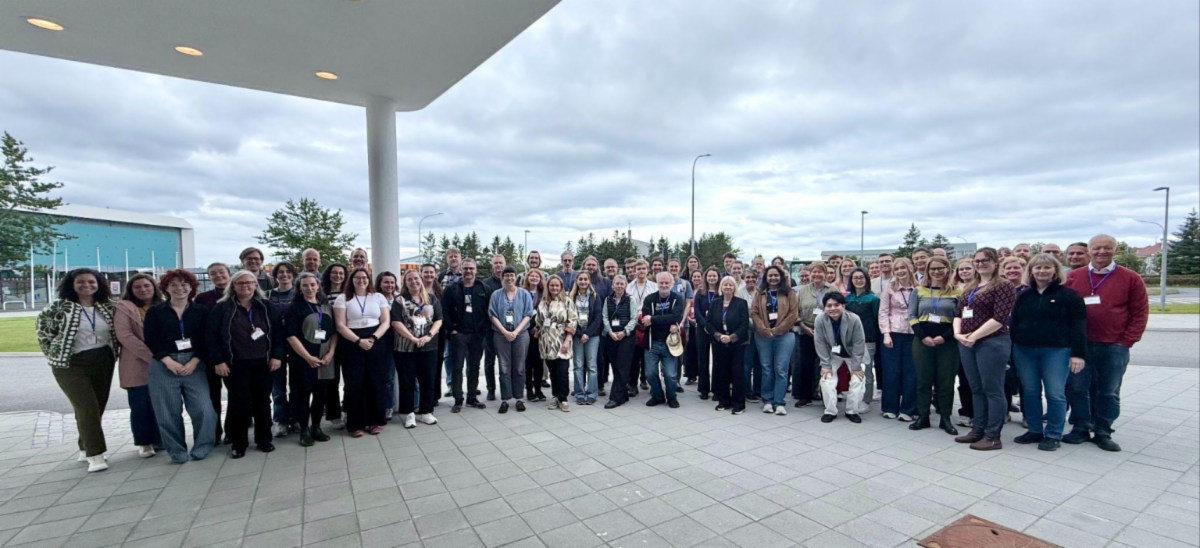
The goal of the 2026 ESSAS Annual Meeting was to bring to the spotlight all the research conducted across physical, chemical, biological, and human dimensions. The meeting occurred over three days of sharing high-level research with representation from nine countries that have a connection with Arctic and Subarctic research.
Learn more
| | |
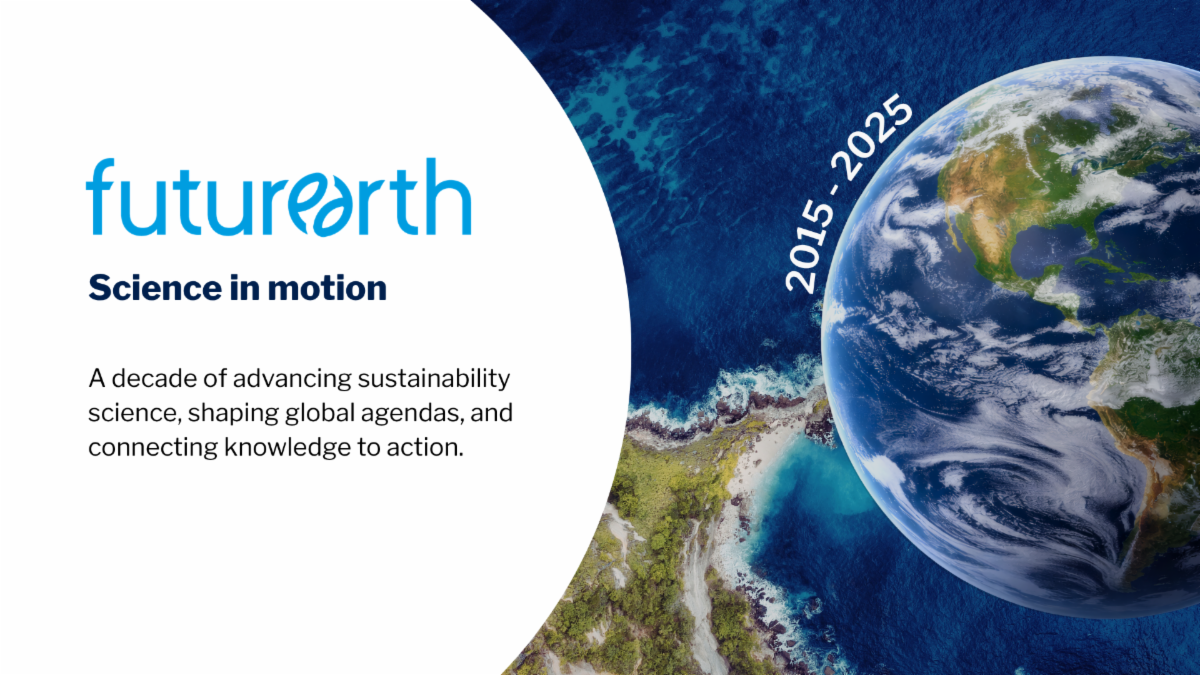
Future Earth Releases 10 Year Impact Report
Science in Motion: 2015-2025 reflects on Future Earth’s first decade as an operational network, highlighting how our global community has advanced sustainability science by building transdisciplinary capacity, catalyzing transformative research, shaping global agendas, expanding the reach of sustainability science, and enabling collective action. Looking back on ten years of impact, the report also bridges to the opportunities and challenges of the decade to come.
Learn more
|
| | | |
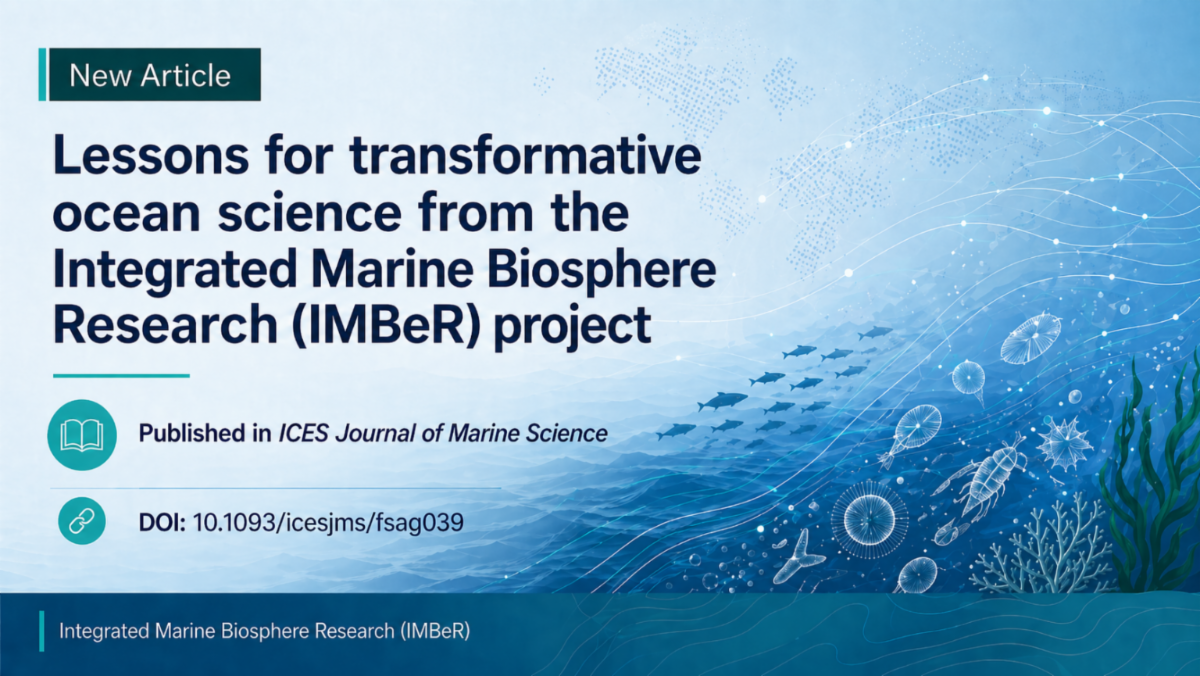
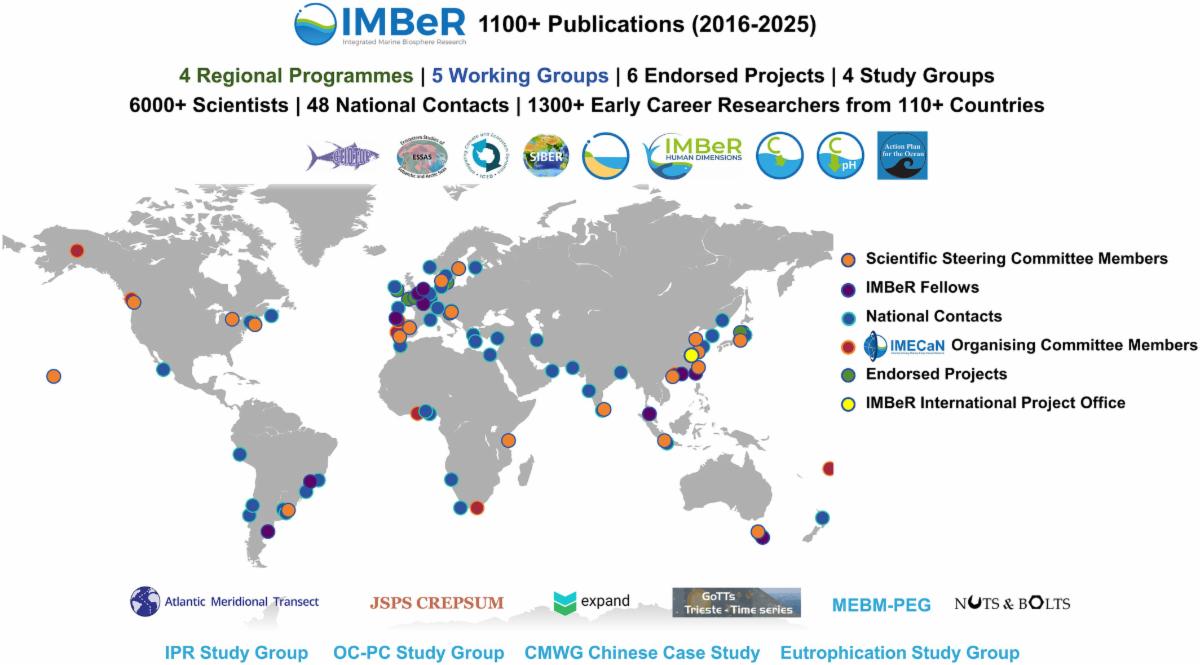
The IMBeR Cross-Grand Challenges synthesis paper concludes IMBeR’s second decade (2016-2025)
Prado, D. S., Muhl, E.-K., Strand, M., Armitage, D., Bednaršek, N., et al. (2026). Lessons for transformative ocean science from the Integrated Marine Biosphere Research (IMBeR) project. ICES Journal of Marine Science, 83(4), fsag039.
Read the article here
| | | | |
Editorial: Integrated Marine Biosphere Research: Ocean Sustainability, Under Global Change, for the Benefit of Society
Robinson, C., Hobday, A. J., Murphy, E. J., Nayak, P. K., & Newton, A. (2025). Editorial: Integrated marine biosphere research: Ocean sustainability, under global change, for the benefit of society. Frontiers in Marine Science, 12, 1684348.
Read the article here
| | | | |
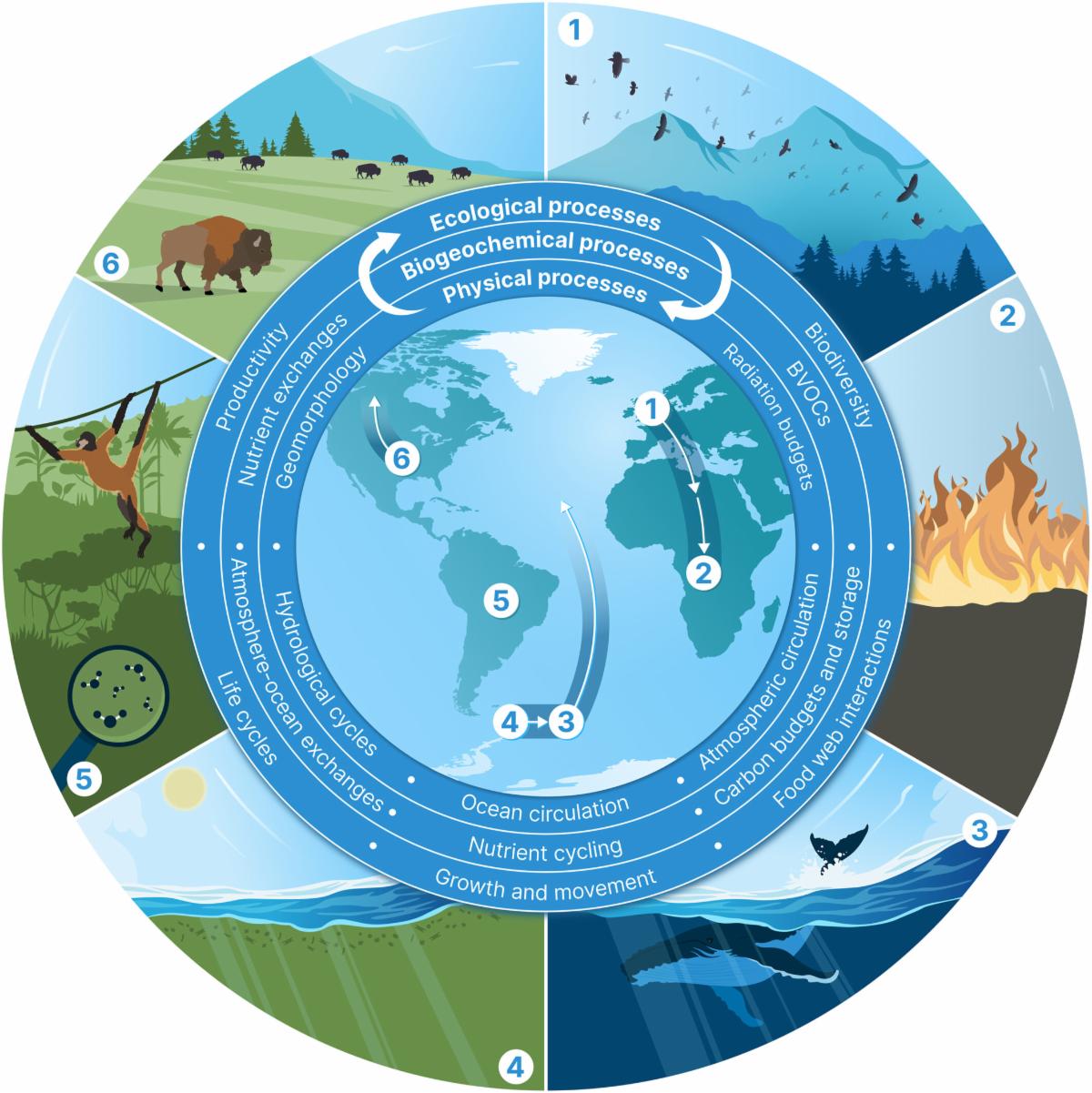
“Ecological Feedbacks in the Earth System” published, IMBeR calls for urgent action
Murphy, E. J., Williams, J. J., Myers-Smith, I. H., Groner, V. P., Jacoby, D. M. P., Kwiatkowski, L., et al. (2026). Ecological feedbacks in the Earth system. Earth's Future, 14, e2025EF006478.
Read the article here
| | | | |
IOC leads efforts to close key knowledge gaps in understanding the ocean carbon sink to support stronger climate action
IOC of UNESCO. 2026. Integrated Ocean Carbon Research: a vision primed for implementation. Paris, UNESCO. (IOC Technical Series, 214.)
Read the report here
| | | |
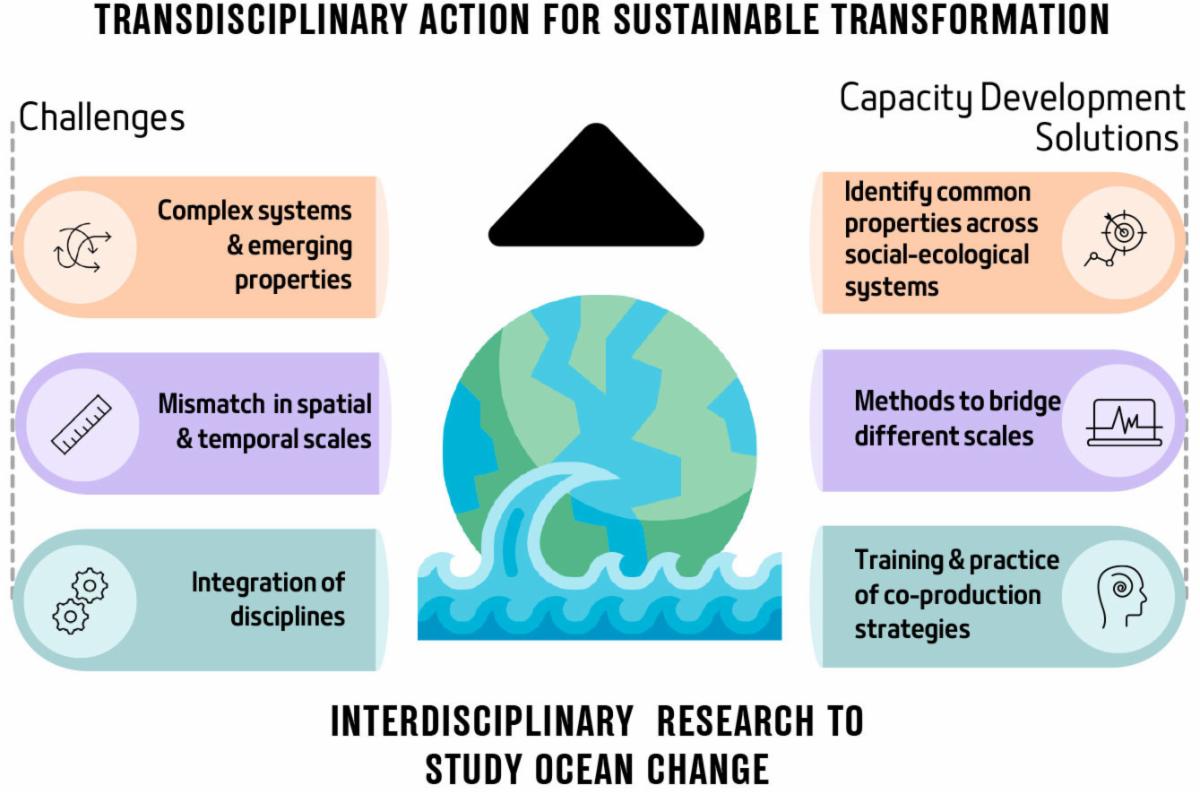
Developing capacity for transdisciplinary studies of changing ocean systems
Renaud, P. E., Belgrano, A., Dupont, S., Boyd, P. W., Collins, S., Blenckner, T., et al. (2024). Developing capacity for transdisciplinary studies of changing ocean systems. Oceanography, 38(1), 79–80.
Click to read the full paper
| | | | |
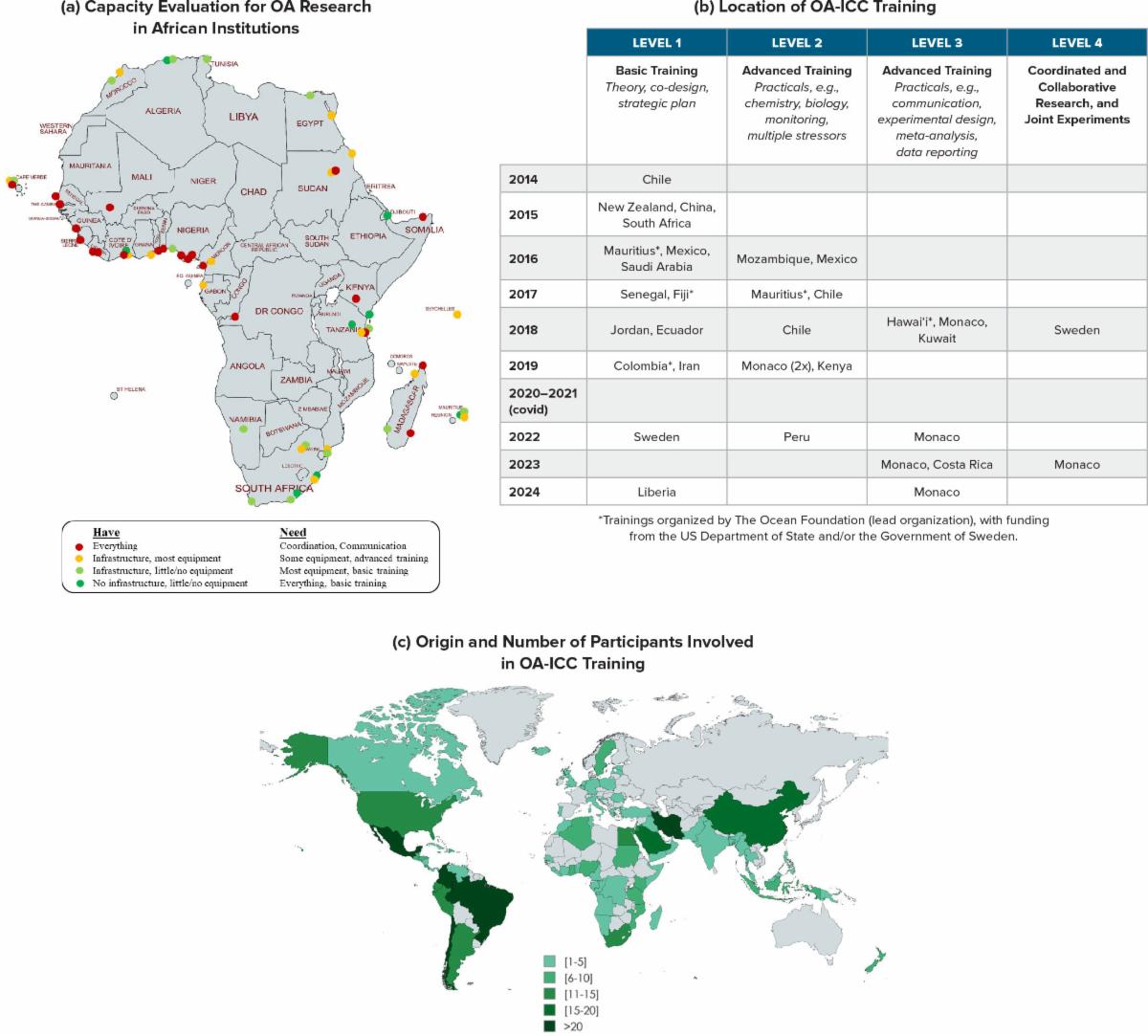
The IAEA Ocean Acidification International Coordination Centre Capacity Building Program: Empowering member states to address and minimize the impacts of ocean acidification
Edworthy, C., Potts, W. M., Dupont, S., Duncan, M. I., Bornman, T. G., & James, N. C. (2022). A baseline assessment of coastal pH variability in a temperate South African embayment: Implications for biological ocean acidification research. African Journal of Marine Science, 44, 367–381.
Read the article here
| | |
| |
Building successful international summer schools to enhance the capacity of marine early career researchers
Cvitanovic, C., Blythe, J., van Putten, I., Maddison, L., Bopp, L., Brodie, S., et al. (2024). Building successful international summer schools to enhance the capacity of marine early career researchers. Ocean and Society, 1, Article 9328.
Read the article here
| | | | |
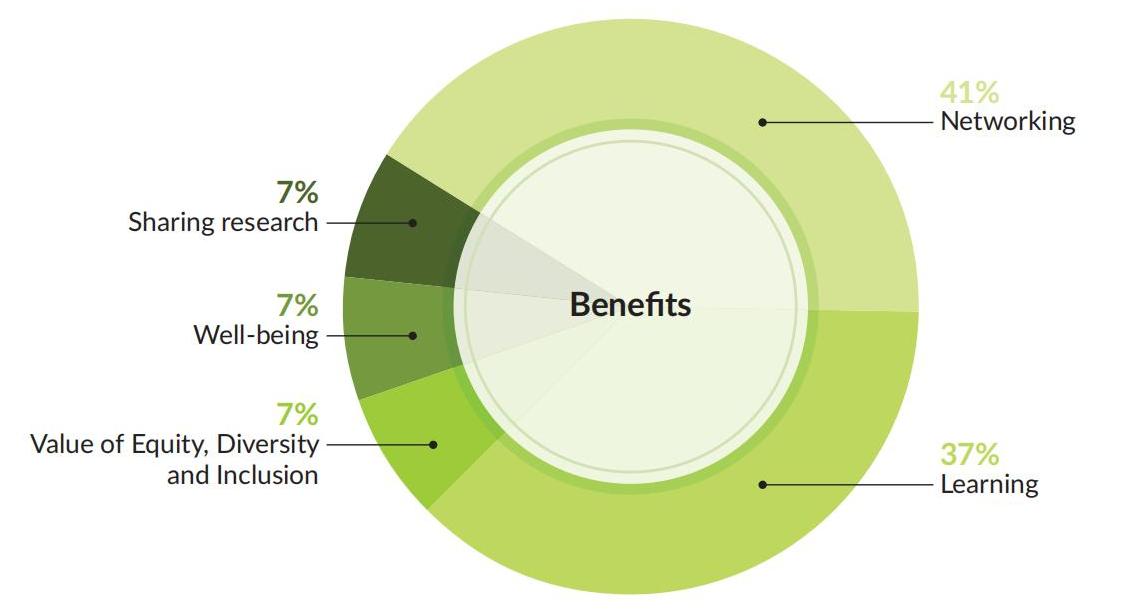
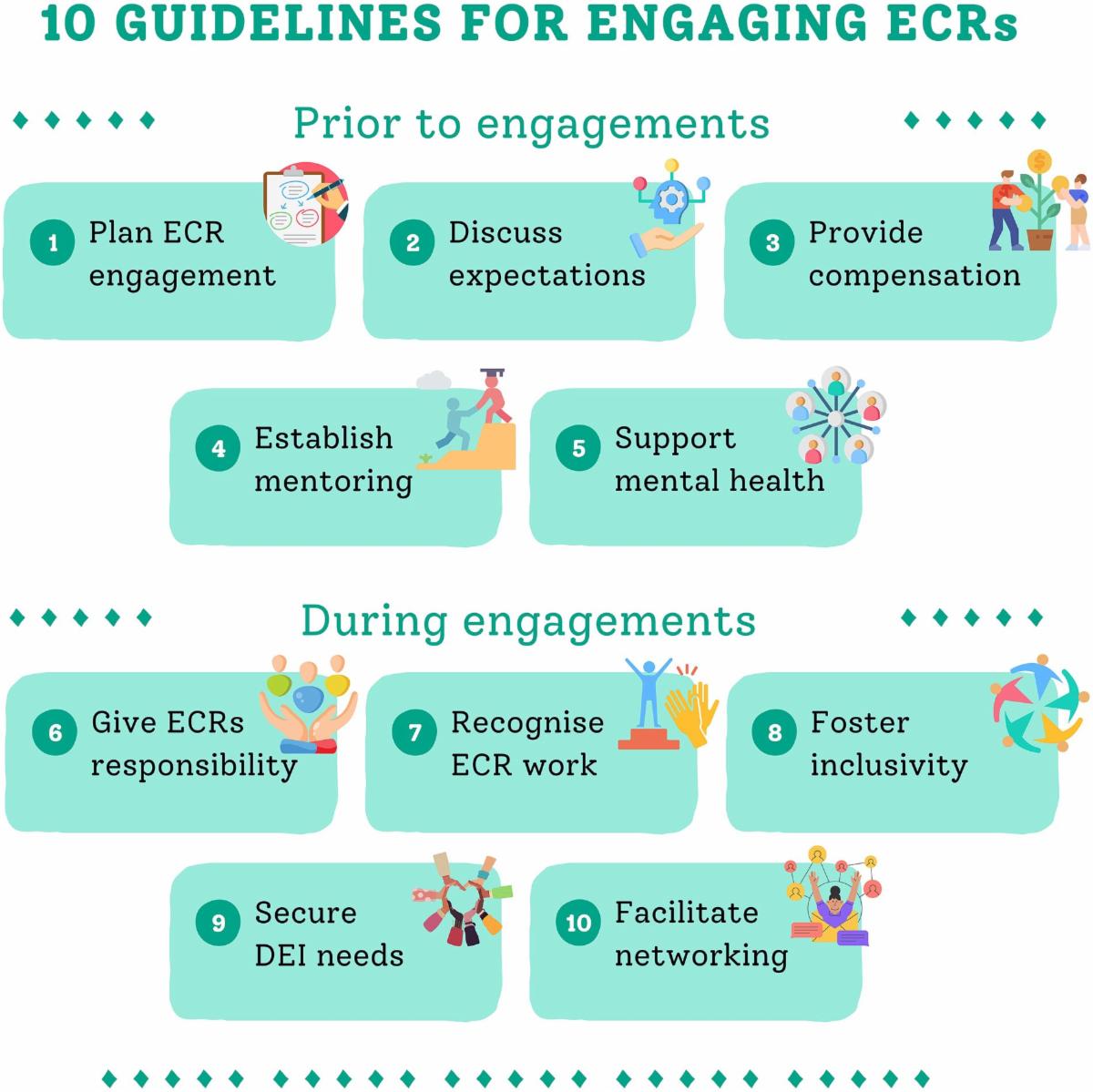
Guidelines for ensuring meaningful engagement of early career researchers in scientific collaborations: Recommendations from and for marine and polar scientists
Kaikkonen, L., Strand, M., Singh, P., Shellock, R., Roman, R., Smith, A. J., et al. (2025). Guidelines for ensuring meaningful engagement of early career researchers in scientific collaborations: Recommendations from and for marine and polar scientists. ICES Journal of Marine Science, 82(8), fsaf143.
Read the article here
| | | | |
A Decade of IMBeR: Advocating at a Transition Point
Zuo, F., Hong, G., Qin, K., & Qian, S. (2025). A decade of IMBeR: Advocating at a transition point. Limnology and Oceanography Bulletin, 34, 51–53.
Read the article here
| | |
| |
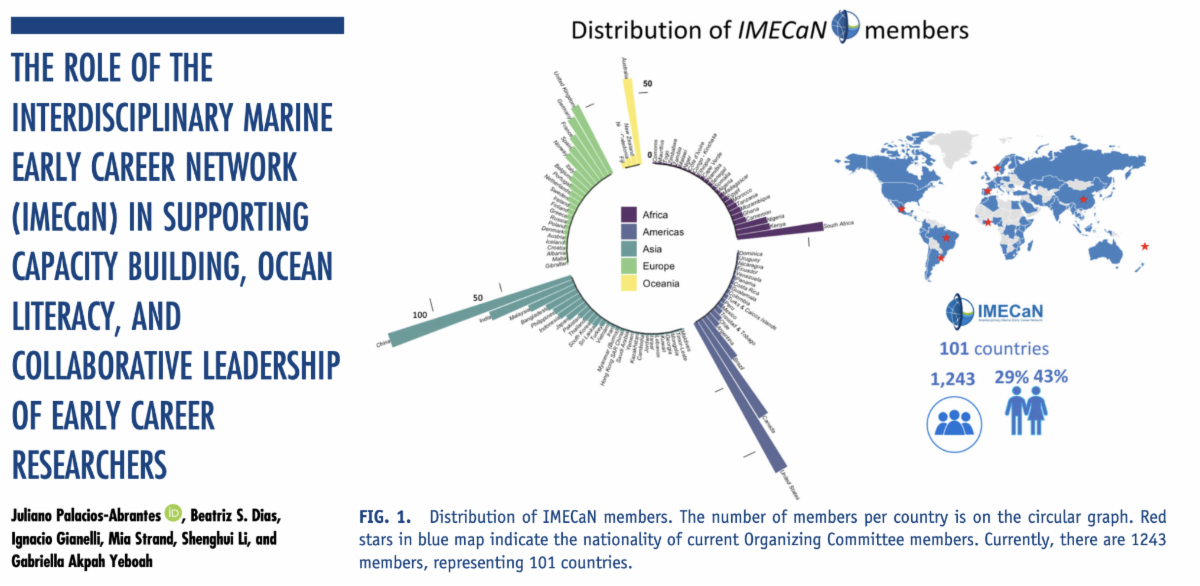
The role of the Interdisciplinary Marine Early Career Network (IMECaN) in supporting capacity building, ocean literacy, and collaborative leadership of early career researchers
Palacios-Abrantes, J., Dias, B. S., Gianelli, I., Strand, M., Li, S., & Yeboah, G. A. (2025). The role of the Interdisciplinary Marine Early Career Network (IMECaN) in supporting capacity building, ocean literacy, and collaborative leadership of early career researchers. Limnology and Oceanography Bulletin, 34, 53–55.
Read the article here
| | | | |
Envisioning the Future of Marine Biosphere Research — Summary of Breakout Group Discussions at Future Oceans 3
IMBeR International Project Office. (2025). Envisioning the Future of Marine Biosphere Research. IMBeR Synthesis and Future Planning Conference (Future Oceans 3) (FO3), Shanghai, China. Zenodo.
Read the report here
| | |
| |
Event Report: IMBeR at the Ocean Sciences Meeting 2026 has been released
Zuo, F., & Qin, K. (2026). IMBeR at the Ocean Sciences Meeting 2026. Ocean Sciences Meeting 2026 (OSM26), Glasgow, Scotland. Zenodo.
Read the report here
| | |
| |
Capacity Development for International Collaborative Integrated Marine Biosphere Research (IMBeR): Lessons from the International Project Office
Zuo, F., Qin, K., & Hong, G. (2026). Capacity development for international collaborative Integrated Marine Biosphere Research (IMBeR): Lessons from the International Project Office. ESS Open Archive. 30 April 2026.
Read the article here
| | |
This issue's Editor Picks showcase recent advances in observing, understanding, and protecting the ocean across a wide range of disciplines. From innovative satellite- and fiber-optic-based technologies that reveal previously unseen ocean processes to new insights into marine heatwaves, coastal resilience, and the global status of seagrass ecosystems, these studies highlight how cutting-edge research is improving our ability to monitor marine environments and inform conservation and management. Together, they demonstrate the importance of integrating emerging technologies with interdisciplinary science to better understand our changing ocean and support sustainable ocean stewardship.
If you have papers or reports you would like to share in future issues, please feel free to send the information to imber@ecnu.edu.cn.
| | An unprecedented view of ocean currents from geostationary satellites | | |
Authors: L. Lenain, K. Srinivasan, R. Barkan, N. Pizzo
Journal: Nature Geoscience
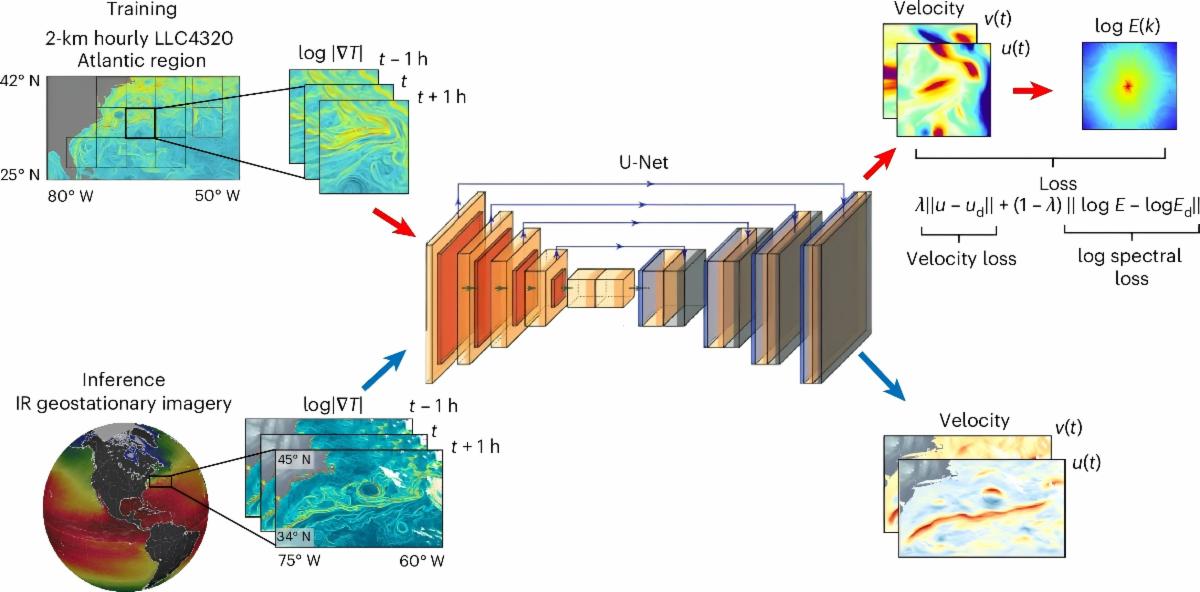
Oceanic submesoscale currents dominate the vertical exchanges of heat, biological nutrients and carbon between the shallow and the deep ocean and strongly influence the lateral dispersion of biogeochemical tracers and pollutants. Observing these surface intensified currents, however, has been a long-standing challenge due to their small scales and rapid evolution. Here we introduce Geostationary Ocean Flow (GOFLOW), a deep learning framework that takes advantage of geostationary satellites’ contiguous sequences of thermal imagery to produce hourly, high-resolution surface velocity fields that capture submesoscale circulations. Our approach does not assume simplified dynamical balances and inherently filters internal wave noise, both of which limit state-of-the-art satellite altimetry. Applying GOFLOW to the Gulf Stream, we provide satellite-based measurements of submesoscale current statistics, revealing characteristic asymmetries in vorticity and divergence previously documented only in high-resolution circulation models. This ability to routinely map the ocean’s energetic submesoscale currents provides a transformative data source to advance Earth system forecasting, to mitigate ocean pollution, to monitor marine ecosystems and to reduce climate model uncertainties.
Click to read the full paper
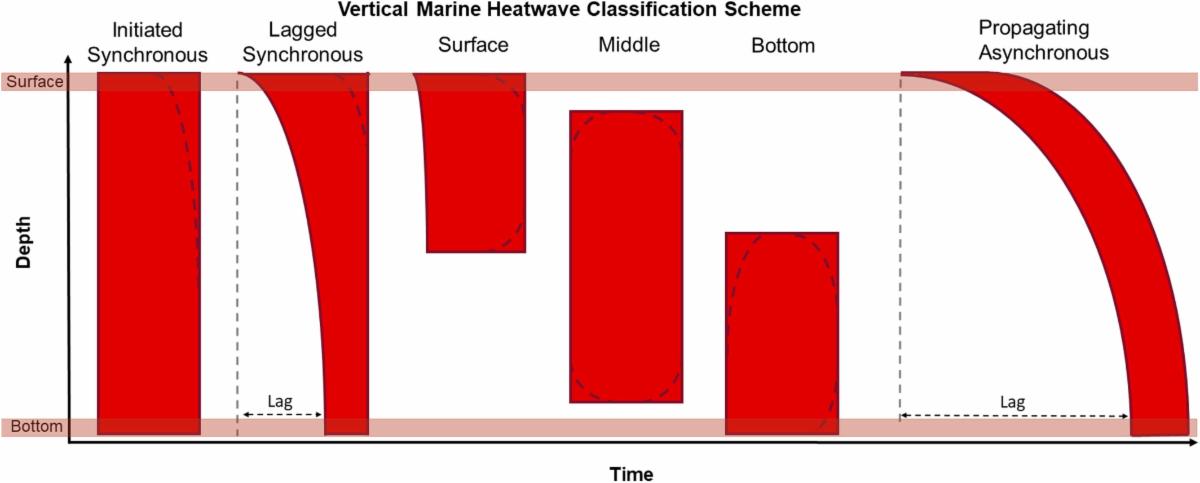
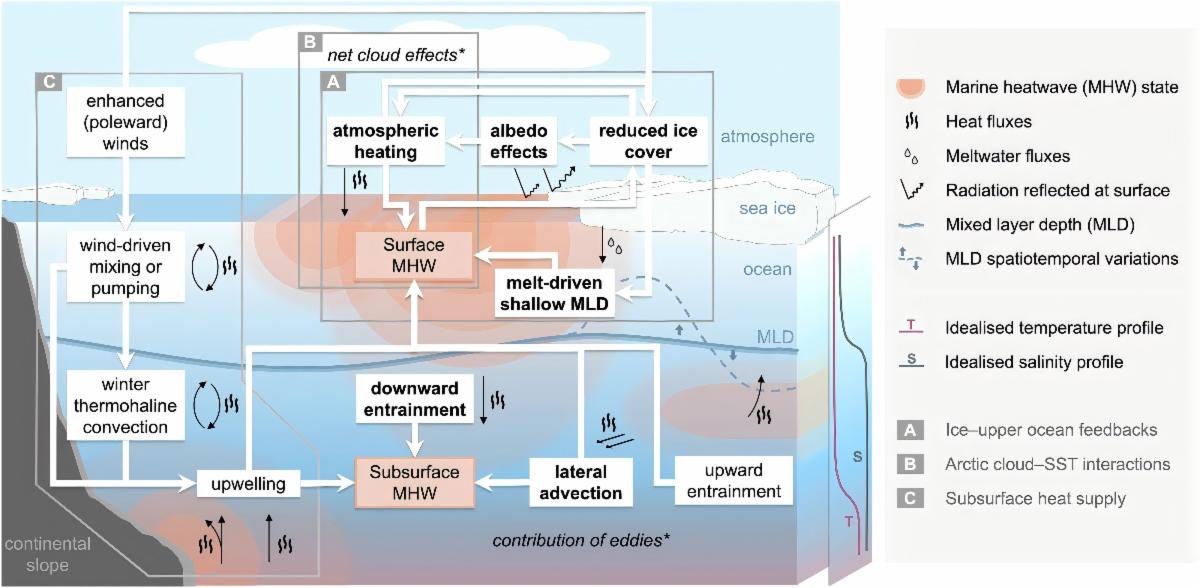
| Figure 1.Flow chart of the GOFLOW product. | | Figure 2. Vertical Marine Heatwave Classification Scheme. The filled polygons represent the development of an event across time and depth. Dashed lines indicate alternate beginnings and endings based on the classification definition. For example, Initiated Synchronous events begin synchronously but can be terminated synchronously or asynchronously. | |
Major contribution of anaplerosis to inorganic carbon fixation
in the dark ocean
| | |
Authors: C. Amano, U. Willhelm, T. Koch, T. Reinthaler, R. L. Hansman, E. Sintes, G. J. Herndl, J. M. González, F. Baltar
Journal: Nature Geoscience
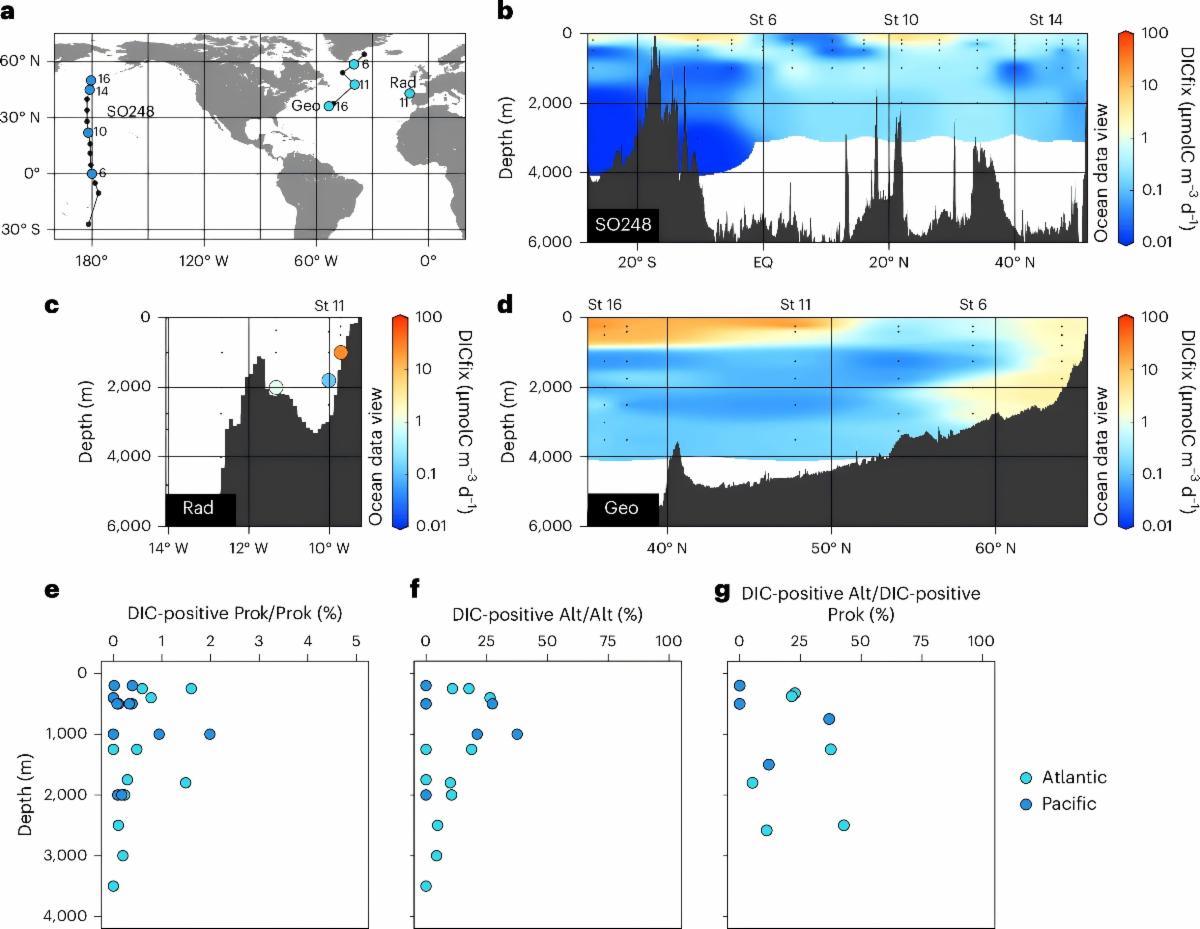
While CO2 fixation by photo- and chemolithoautotrophs is a central process of the global carbon cycle, many organisms also incorporate inorganic carbon into organic compounds through anaplerotic carbon fixation, a process that replenishes intermediates of central metabolic pathways. However, the active drivers and quantitative importance of anaplerotic carbon fixation in the oceanic carbon cycling remain poorly understood. Here, through analysis of global ocean multi-omics datasets, we identified widespread expression of enzymes involved in this process, especially phosphoenolpyruvate carboxylase. The heterotrophic bacterial genus Alteromonas, a globally distributed marine taxon lacking genes for autotrophic carbon fixation pathways, exhibited particularly high transcriptional and proteomic activity for this enzyme. Laboratory incubations confirmed that Alteromonas assimilated dissolved inorganic carbon (DIC) into biomass, with rates regulated by temperature and organic matter availability. Single-cell tracer analyses of the deep ocean microbial communities quantified Alteromonas’s contribution at about 17% of total dark DIC fixation (median; confidence interval, 10–28%), equivalent to a potential global flux of about 0.2 PgC yr−1. These results reveal substantial DIC fixation via anaplerosis, indicating that dark carbon fixation is partly supported by heterotrophic metabolism and modulated by environmental conditions, with responses that may differ from those of canonical autotrophic processes.
Click to read the full paper
| Figure 4. Bulk dark and putative anaplerotic DIC fixation by Alteromonas in the North Atlantic and the Pacific Ocean. | |
Global impacts of drifting fish aggregating devices
on marine protected areas
| | |
Authors: L. Schiller, J. C. Villaseñor-Derbez, J. Lynham, B. Worm
Journal: Science Advances
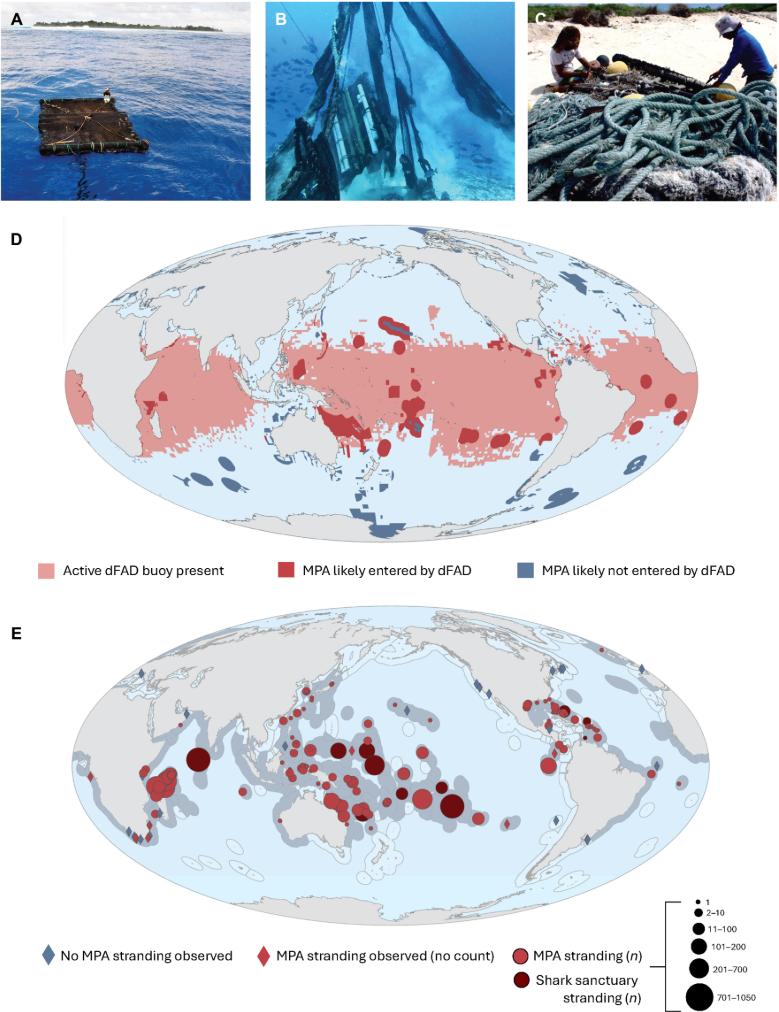
Protected areas are a critical component of efforts to reverse biodiversity loss by 2050. In the ocean, free-drifting fish aggregating devices (dFADs) are released in large numbers by industrial purse seine fishing companies to help catch tuna. These devices can enter marine protected areas (MPAs) undetected, potentially leading to wildlife entanglement, plastic pollution, and habitat degradation. Here we investigate processes by which dFADs may compromise MPA objectives and assess the burden they put on existing MPAs. By analyzing drift, strandings, and expert interview data, we show that dFADs have likely interacted with 53% of the global MPA network by area and stranded in 174 protected areas, which are home to at least 490 at-risk species. While recent improvements to dFAD design should reduce harm to wildlife, our findings suggest that improved regulation, transparency, and industry accountability are required to mitigate additional effects on MPAs, especially around documented hotspots in the central Pacific, western Indian Ocean, and Caribbean.
Click to read the full paper
| | |
Figure 5. Global impacts of dFADs on MPAs. (A) Abandoned dFAD drifting at Palmyra Atoll (no-take MPA); (B) sunken dFAD on reef in French Polynesia (shark sanctuary); (C) clean-up of stranded dFAD by local environmental organization at Aldabra Atoll in the Seychelles (no-take MPA); (D) intersection between 88,359 tracked dFAD buoys (pink) with existing MPAs showing where dFADs have likely entered (red) or not (blue); (E) MPAs and shark sanctuaries where dFAD strandings were identified with count (circle), observed but not counted (red diamond), or not observed (blue diamond). Shaded in gray are all maritime jurisdictions that have documented dFAD strandings, independent of their MPA coverage. Photo credits: (A) K. Pollock/Palmyra Program, The Nature Conservancy; (B) L. Clément/Direction des Ressources Marines (French Polynesia); (C) Seychelles Islands Foundation (SIF).
| |
Significant coastal dune loss challenges California's climate resilience
and biodiversity goals
| |
Authors: T. I. Baxter, I. J. Walker, J. E. Dugan, D. M. Hubbard, L. Engeman, K. A. Emery, S. Vitousek, K. K. Johnston, A. J. Pickart, S. Smith, D. R. Fee, D. Willett, J. Wisniewski
Journal: Earth's Future
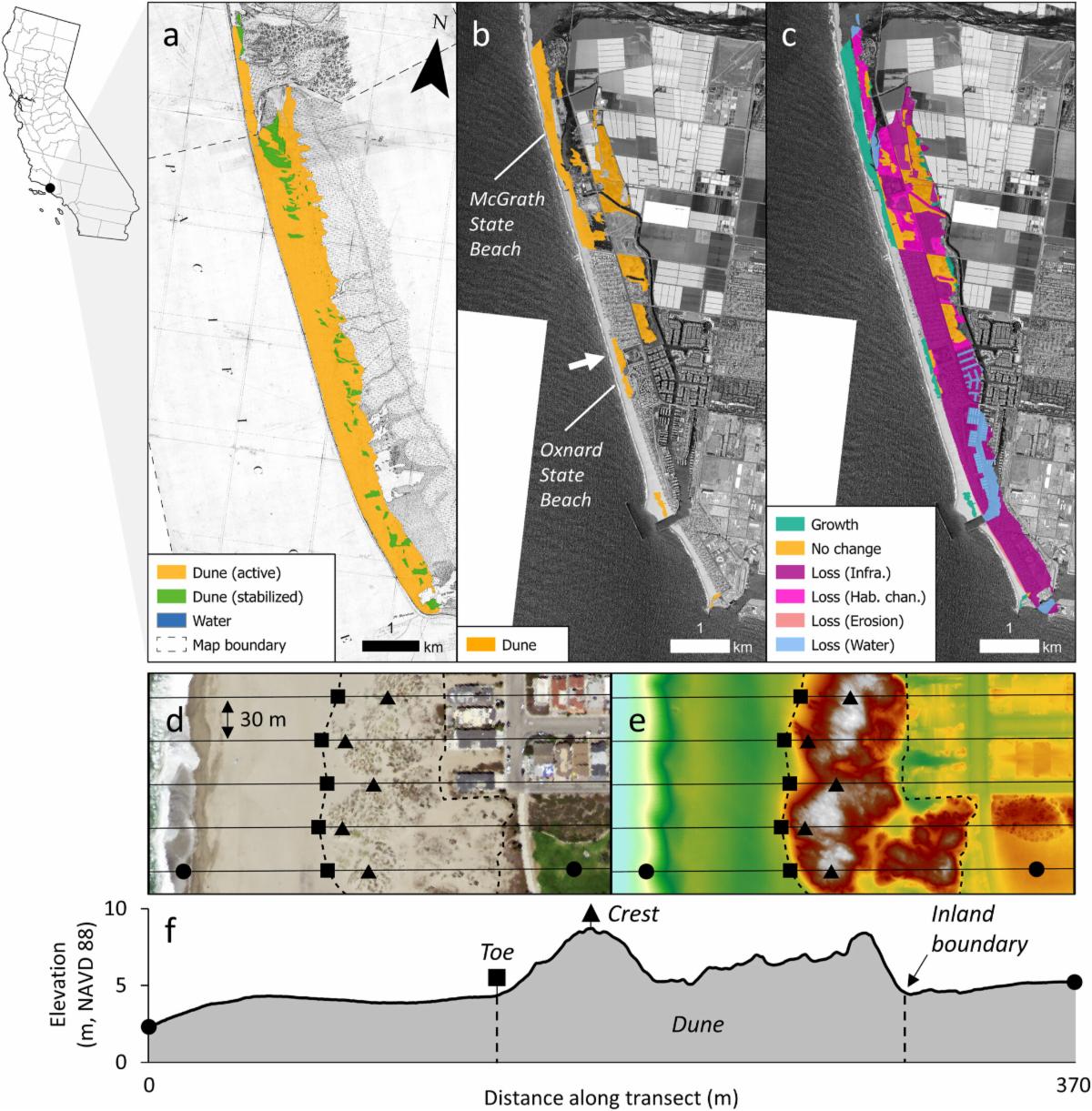
Coastal sand dunes support unique biodiversity and buffer beaches and communities against storm impacts. However, these sensitive and dynamic ecosystems are increasingly threatened by erosion, sea-level rise (SLR), and encroaching coastal development. Restoration projects designed to re-establish the eco-geomorphic functions of degraded dunes and associated ecosystem services present a viable pathway to relieve these stressors. Yet, even for populated coasts like California, insufficient information on the location of dunes and patterns of change over time constrain regional efforts to identify suitable restoration/conservation sites, and forecast future impacts on vulnerable beach–dune systems. Here, we present a comprehensive assessment of coastal dune extent and loss, spanning 165 years and 9.5° of latitude across California. Areas and drivers of change were quantified by comparing historical and current dune extents generated using historical surveys, high-resolution aerial imagery, and LiDAR, combined with a machine-learning tool. Coastal dunes currently extend along 352 km (22%) of California's 1,625 km coastline, covering almost 300 km2. This represents a 60% (442 km2) decrease in area since the mid-1800s with the loss, degradation, and fragmentation of many dune ecosystems attributed to urban development, altered land-uses, and erosion. Strong regional patterns of dune loss were evident, reflecting population demographics and land uses. Densely populated areas of southern California experienced the greatest dune losses (95%, 108 km2), although substantial reductions were also found in central California (60%, 331 km2). Our results highlight the magnitude of coastal change in California over time and can inform future conservation, restoration, and resilience-planning efforts and priorities.
Click to read the full paper
| | Figure 6. (a) Extent of coastal dunes shown in historical (1855) topographic surveys (T-sheets no. 576 and 682) along McGrath State Beach and Oxnard State Beach, Ventura County. (b) Current (2016) extent of coastal dunes, and (c) drivers of change over time at the same location. (d) High-resolution aerial imagery (NAIP 4-Band Imagery; EROS, 2023) and (e) elevation data (2016 USGS West Coast El-Nino LiDAR digital elevation model, Office for Coastal Management (OCM), 2024a) showing a small section of Oxnard State Beach with the extent of modern (2016) dunes outlined (dashed line), as well as the location of toe (black square) and crest (black triangle) features along five shoreline-perpendicular transects (black lines). (f) An elevation profile of the most southerly transect is also shown. | | Detecting silent whales using seabed fiber-optic cables | |
Authors: R. A. Rørstadbotnen, M. Landrø
Journal: PNAS
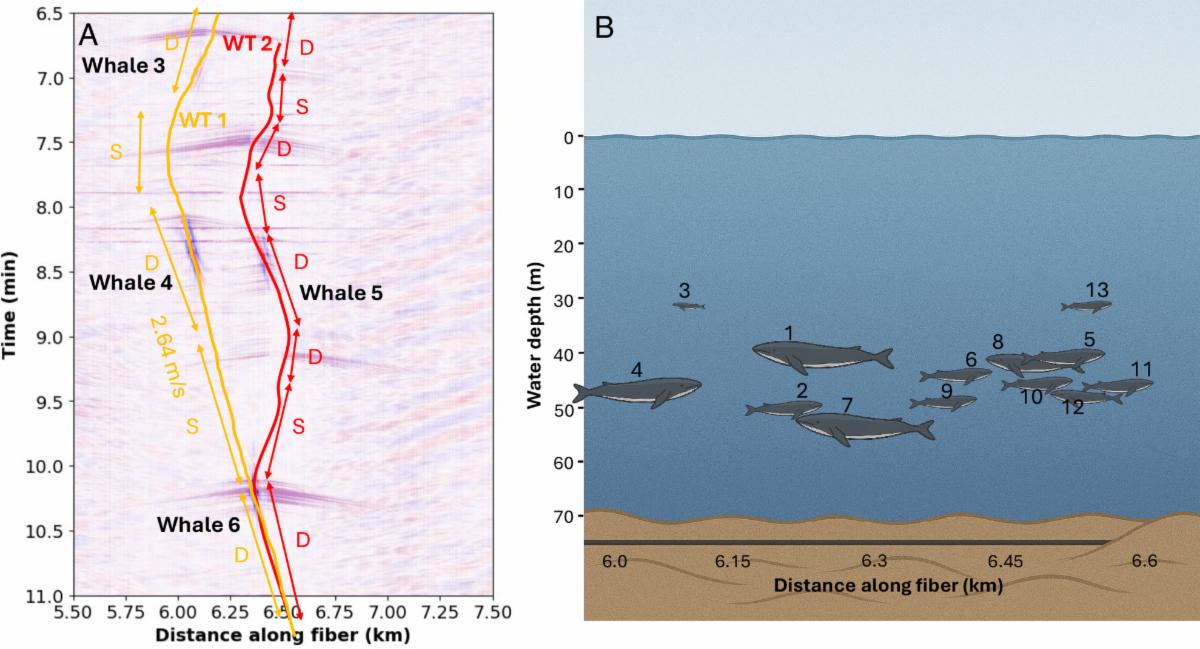
Distributed acoustic sensing (DAS) has emerged as a powerful tool for passive whale monitoring, enabling both the detection of vocalizations and the simultaneous tracking of multiple individuals. However, a fundamental limitation of passive acoustic monitoring is that most methods rely on acoustic data, which is only available when whales vocalize. This clearly demonstrates the need for new sensing methods that can detect silent whales. In this paper, we detect hydrodynamic pressure and velocity fields in the low-frequency DAS data induced by a whale’s motion and develop methods to analyze these signals. First, we use ships as proxies to demonstrate and calibrate the proposed method. Then, we show that a simple fluid mechanical model can be adapted to understand how whale swimming can be detected and analyzed using DAS. We detect multiple silent whales simultaneously, estimate their characteristics, and show that whale motion signals decay as one over distance cubed. Moreover, we demonstrate that we can observe hydrodynamic pressure and velocity signals from a cruise ship at 413 m water depth, and up to 550 m from the fiber cable. In comparison, the smaller blue whales can be observed when diving within 40 m of the fiber-optical cable. This sensing method enables an approach to monitoring one of the world’s most endangered species.
Click to read the full paper
| Figure 7. Whale track interpretation and whale location. (A) Our interpretation of two whale tracks (WT) over 5.5 min of data. WT1 shows a track containing surface waves and hydrodynamic pressure field signals. WT2 includes vocalizations, surface waves and hydrodynamic pressure fields. Our interpretation of when the whale is diving deep (D) into the water column is indicated (when surface waves and hydrodynamic pressure fields are produced), and when shallow (S) is indicated (whale vocalizes). Note that only the apex of the acoustic signals has been used and that the annotated whales refer to Fig. 5 and Table 1 and are not necessarily four different whales. (B) A schematic plot showing the locations of the whales (along the fiber) at their estimated depths as given in Table 1. The sizes are scaled relative to the biggest whale (whale 1). This is an integrated image displaying all whales over the 30 min time window shown in Fig. 5. | | Global high-resolution mapping of seagrass to support conservation | |
Authors: J. Peng, J. Li, J. R. Krause, M. B. Lyons, N. J. Murray, S. R. Schill, C. M. Roelfsema, G. P. Asner
Journal: Nature
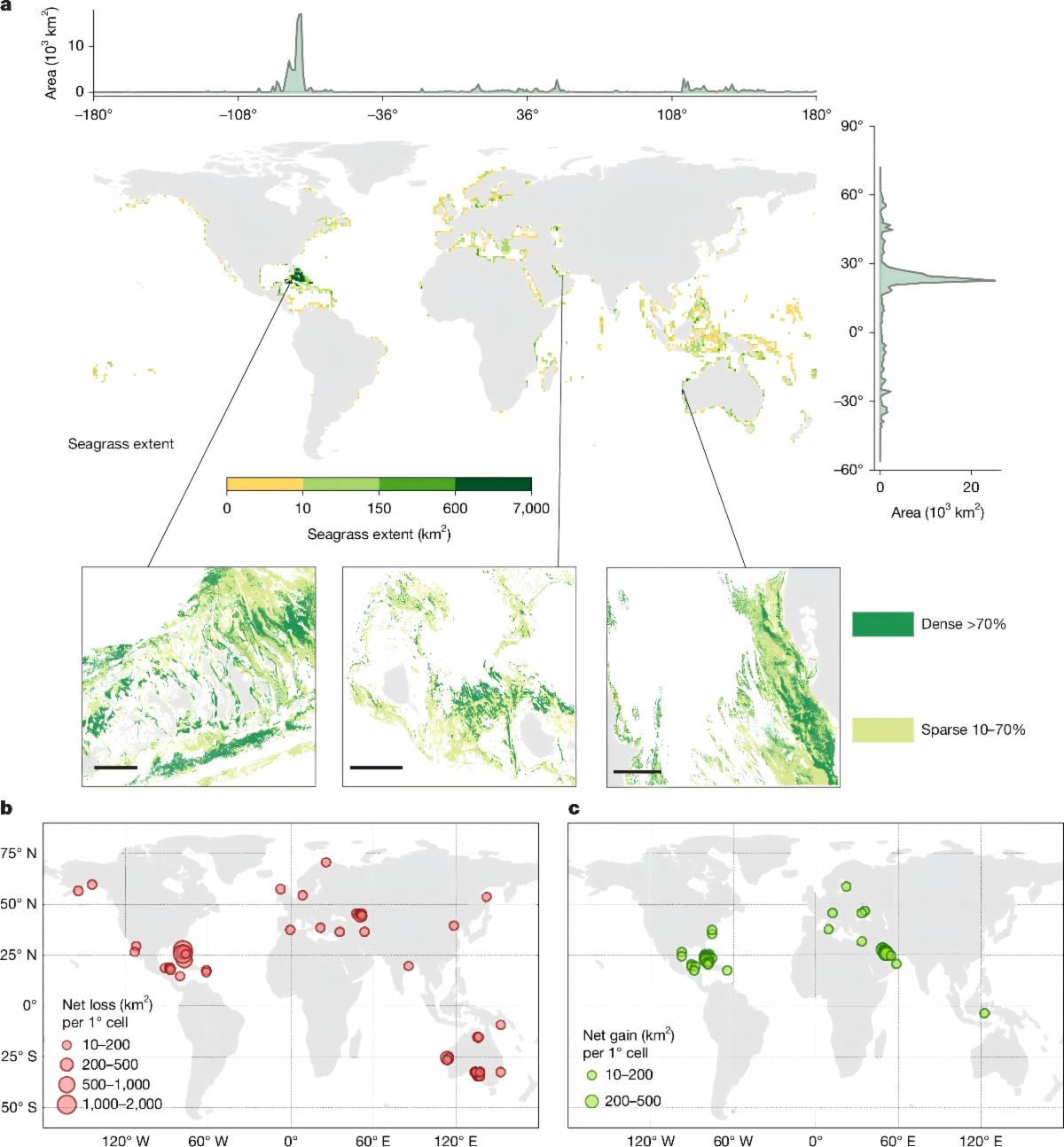
Seagrass ecosystems underpin coastal biodiversity1 and provide vital ecosystem services, including shoreline protection2, food security3 and climate mitigation4. Despite growing recognition as a nature-based climate solution, seagrasses are among the least mapped and most poorly understood vegetated coastal ecosystems5. Here we present, to our knowledge, the first global 10-m spatial resolution maps and change analysis of seagrass extent in clear, shallow coastal waters, derived from 4.75 million Sentinel-2 MSI satellite images for two periods (2019–2020 and 2023–2024). Using a deep-learning classifier trained on curated reference data, we identified 148,506 km2 of seagrass globally, including 5,961 km2 of intertidal and 142,545 km2 of subtidal areas. Sixty-nine per cent of global seagrass extent is concentrated in The Bahamas, Cuba, the USA, Australia and Indonesia, yet only 21% of seagrass areas are located within marine-protected areas. Over the 4 years of the study, 5,969 km2 (4%) of seagrass was lost, and an additional 6,221 km2 (4.2%) was degraded from dense to sparse cover in tropical regions. Our findings identify seagrass meadow hotspots and vulnerable regions to inform conservation and climate policy.
Click to read the full paper
| | |
Figure 8. Global distribution of shallow-water seagrass and its changes from 2019 to 2024.
| | Events, Webinars and Conferences | | Information shared by our contacts: |
-
XMAS 2027 New
- The Xiamen Symposium on Marine Environmental Sciences (XMAS 2027) will be held from January 12 to 15, 2027, in Xiamen, China. Please note that the dates have been adjusted to accommodate the schedule of the C&D Xiamen Marathon 2027.
- Abstract submission deadline: 21 July 2026 (Extended)
- Conference Website
- Read more
- Call for Abstracts - Session 6 at XMAS 2027
-
Session 6 – Hidden Fluxes, Visible Impacts: Submarine Groundwater Discharge and Coastal Sustainability will be held during the XMAS 2027 Symposium in Xiamen, China, on 12–15 January 2027. Under the symposium theme Transformation Science and Technology for a Resilient and Sustainable Ocean, this special session will explore the role of submarine groundwater discharge (SGD) in coastal systems and its implications for ocean sustainability.
- The session welcomes contributions covering a broad range of topics, including novel tracers and modelling approaches for quantifying SGD, nutrient loading, coastal acidification, carbon sequestration, transport of emerging contaminants, and management frameworks for sustainable coastal environments.
-
The session is convened by Xiaogang Chen (Westlake University), Bochao Xu (Ocean University of China), Guizhi Wang (Xiamen University), and Jinzhou Du (East China Normal University).
-
Abstract submission deadline: 21 July 2026
- Read more
|
-
The 8th International Marine Conservation Congress New
- 13-17 November 2026, Edinburgh, Scotland
- Hosted by the Society for Conservation Biology Global Marine Program, the congress brings together hundreds of marine scientists, conservation practitioners, policymakers, educators, students, artists, journalists, and community leaders working across research, policy, management, communication, and community engagement. The goal is to connect marine science with action for the planet and its peoples.
- Read more
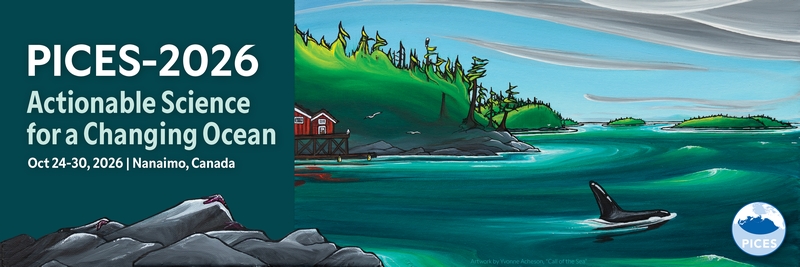
- PICES-2026 Annual Meeting: Actionable Science for a Changing Ocean. 24-30 October. Nanaimo, Canada.
- Abstract Notification Deadlines: 7 August 2026.
- Read more
-
Registration is open for the 7th DMS(P) Symposium: Sulfur Carbon Nexus in the SOLAS Sphere.
- 12–15 October 2026. Bigelow Laboratory, Boothbay Harbor, Maine, USA, and online.
- Themes:
- Atmosphere: carbon–sulfur chemistry and aerosols
- Air–sea exchange of carbon–sulfur compounds
- Carbon–sulfur ocean processes: molecular to ecosystem to global scales
- Translating observations into models: biogeochemistry to climate
- Read more
-
ECSA 61 - Bridging the gap between science and policy in estuarine and coastal marine biodiversity: the way forward, 24-27 August 2026, Square, Brussels, Belgium.
- Registration is still open.
| | |
-
EMBL Plankton Discoveries Conference – A new view of plankton in the global ocean: celebrating 10 years of Tara Oceans. 1-4 September 2026. Heidelberg and Virtual. Registration deadline: 21 July 2026.
-
CommOCEAN 2026 – International Marine Science Communication Conference. 2–3 September 2026. Bergen, Norway. Registration is still open.
| | |
-
Assistant Professor – Scripps Institution of Oceanography, UC San Diego New
- Marine Natural Products / Marine Biotechnology
- Assistant Professor of Biological Oceanography – California State University, Monterey Bay
- The Department of Marine Science invites applications for a tenure-track Assistant Professor position in Biological Oceanography, with interdisciplinary expertise in areas such as population modeling, remote sensing, biogeochemistry, and climate-related marine processes.
- Open Until Filled.
- Read more
| |
-
NOAA Ocean Acidification Program Seeks Proposal Reviewers New
- The NOAA Ocean Acidification Program (OAP) is inviting experts to join its reviewer pool for upcoming proposal review opportunities. The program welcomes individuals with expertise in ocean, coastal or Great Lakes acidification, as well as education and outreach, community engagement, natural resource management, and other acidification-related fields.
- Honoraria are provided to non-federal reviewers in recognition of their time and contributions. Interested individuals are encouraged to submit their information through the reviewer registration form at their earliest convenience.
- Read more
- 2026 NF-POGO Open Call for Shipboard Training Fellowships
- The Partnership for Observation of the Global Ocean (POGO) is planning* to offer shipboard fellowship opportunities on board research vessels throughout 2026 and early 2027. The programme is designed to promote training and capacity building, contributing to the development of a global ocean observation system.
- Read more
|
- Fund at NSF – Arctic Research Opportunities
- Supports research that advances a fundamental, process or systems-level understanding of the Arctic's rapidly changing natural environment and social and cultural systems, as well as to improve capacity in projecting future change.
- Target date: 15 July 2026
- Read more
- Fund at NSF – Chemical Oceanography
- Supports research on ocean chemistry and the role of oceans in global geochemical cycles. Focus areas include chemical composition, speciation and transformation; internal cycling; and chemical exchanges with other Earth system components.
- Target date: 17 August 2026
- Read more
- Fund at NSF – Biological Oceanography (BioOce)
- Supports research in biological oceanography and marine ecology in environments ranging from estuarine and coastal systems to the deep sea and the Great Lakes.
- Target date: 17 August 2026
- Read more
- Fund at NSF – Physical Oceanography
- Supports research on the structure and movement of oceans, how quantities are transported, how the ocean's structure interacts with biological and chemical processes within it, and the interactions between the ocean, atmosphere, climate and ice.
- Target date: 17 August 2026
- Read more
| | For more information on activities and opportunities for early-career researchers, you can check the IMECaN Newsletter. Read more | | Turn Your Innovation into Global Impact | | |
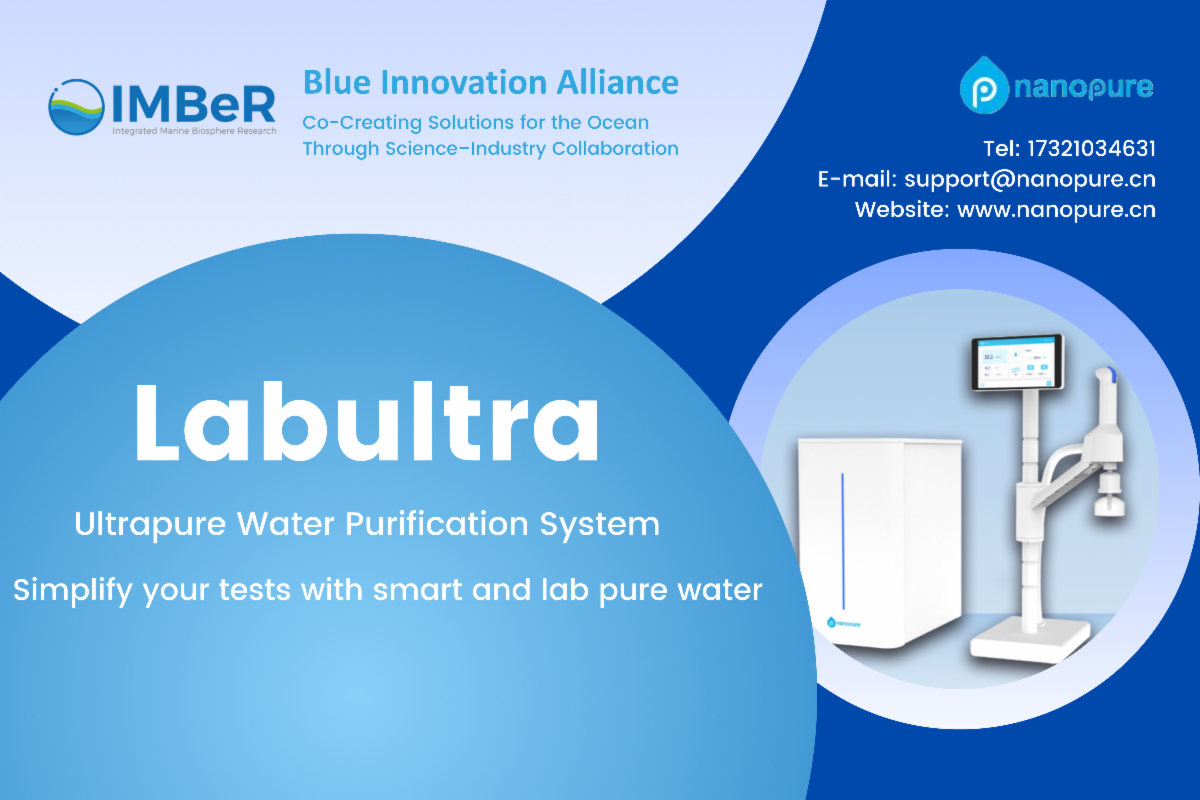
IMBeR Blue Innovation Alliance
We invite you to explore our first partner, Nanopure, and join the IMBeR Blue Innovation Alliance. We welcome other companies to join us in this global initiative, where together we can advance ocean sustainability, support cutting-edge marine research, and foster innovation to shape a more sustainable future for our oceans.
| | Capturing IMBeR: Share Your Photos and Memories | | |
We invite all IMBeR participants - past and present - to contribute photos that capture the spirit of IMBeR’s activities over the years. Whether from fieldwork, meetings, workshops, summer schools, or community engagement events, your photos will help illustrate IMBeR’s impact and legacy.
Please send high-resolution images, along with a brief description and credit information, to imber@ecnu.edu.cn.
| | If you would like to put some recruitment information in the IMBeR monthly newsletter, please contact us through imber@ecnu.edu.cn. | | |
DISCLAIMER: The views expressed in the news articles, project updates, and publications featured in this newsletter are those of the authors and do not necessarily represent the positions of IMBeR, its sponsors,
or the IMBeR International Project Office and its host institutions.
| | |
Chief Editor: Suhui QIAN
Editors: Fang ZUO, Kai QIN
| | | |
Contact us
IMBeR International Project Office
State Key Laboratory of Estuarine and Coastal Research, East China Normal University
500 Dongchuan Rd., Shanghai 200241, China
| | | | | |