|
IMBeR Newsletter
Your news from the Integrated Marine Biosphere Research International Project Office
| |
| |
IMBeR Newsletter March 2026
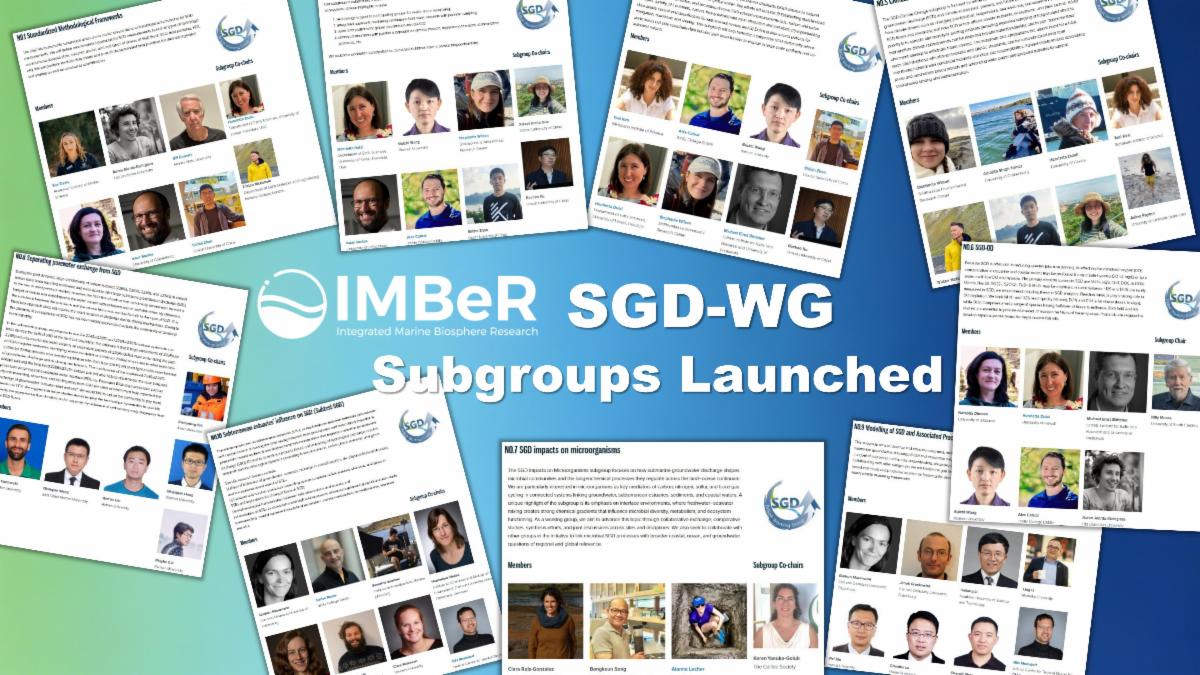
Subgroups Formed within the IMBeR Submarine Groundwater Discharge Working Group (SGD-WG)
See the Special Feature in this issue for more details on the subgroups
| | |
Sincerely invite you to apply for the 2026 Excellent Young Scientists Fund Program (Overseas) via State Key Laboratory of Estuarine and Coastal Research (SKLEC).
Call for applications
For further details, please refer to the program guidelines and learn more about SKLEC.
| | |
IMBeR Submarine Groundwater Discharge Working Group (SGD-WG)
Co-chairs: Bochao Xu, Isaac Santos
The Submarine Groundwater Discharge (SGD) Working Group is an interdisciplinary initiative focused on advancing understanding of benthic exchange processes in the global ocean, with emphasis on the dynamics, impacts, and significance of SGD. SGD encompasses all fluid fluxes from the seabed to coastal waters along continental margins, regardless of salinity or driving forces. This includes “fresh SGD (FSGD)” driven by terrestrial hydraulic gradients, and “recirculated SGD (RSGD)” involving brackish or seawater cycling through sediments.
SGD serves as a critical, yet understudied, pathway for transporting terrestrially derived nutrients (e.g., nitrogen, phosphorus), carbon (e.g., inorganic/organic carbon), heavy metals, greenhouse gases (carbon dioxide, methane, nitrous oxide) and other solutes to marine ecosystems. Over 60% of coastal studies globally indicate that SGD-derived nutrient inputs exceed those from nearby rivers. However, SGD remains systematically overlooked in coastal budgets due to sparse monitoring data, methodological challenges, and unresolved uncertainties.
This group seeks to address these gaps by integrating cutting-edge isotopic tracing, resistivity imaging, remote sensing, and modelling frameworks to quantify SGD fluxes, map their spatial-temporal variability, and assess their biogeochemical and ecological impacts. By fostering collaboration among hydrologists, geochemists, ecologists, and policymakers, the initiative will:
(1) A reflection of the benefits and challenges of the existing SGD definition and related language
(2) establish standardized protocols for SGD detection and quantification, set up long-term SGD monitoring stations/networks worldwide
(3) estimate SGD flux in global continental margins and elucidate its ecological response (e.g., eutrophication, carbon outwelling, and coastal habitat health) in diverse ecosystems
(4) incorporating SGD into international marine management frameworks and water quality regulations
IMBeR SGD-WG Webpage
We are glad to share that new subgroups have been launched under the IMBeR Submarine Groundwater Discharge Working Group!
| | |
N0.1 Standardized Methodological Frameworks
Subgroup Co-chairs: Henrietta Dulai, Tristan McKenzie
The SGD Measurements subgroup’s goals are to create standardized methodological frameworks for SGD measurements. We will define recommended protocols for SGD measurements based on types of hydrologic environments (coastal plain, volcanic, glacial, etc.) and types of drivers of SGD (fresh SGD, tidal pumping, PEX, etc). We will produce decision flow charts and a set of recommended best practices for data management and sharing as well as uncertainty quantification.
Learn more
| | |
N0.2 SGD Monitoring Network
Subgroup Co-chairs: Xiaoyi Gloria Guo, Bochao Xu
Our subgroup is establishing a global network of long-term SGD monitoring stations across diverse marine ecosystems. Unique highlights include:
- Technology support to participating groups for in-situ radon monitoring;
- Integrated approach combining continuous field measurements with periodic sampling;
- Open data platform for global visualization and QA/QC;
- Strong collaboration with parallel subgroups on climate impacts, hypoxia mechanisms, Standardized protocols, etc.
Learn more
| | |
N0.3 Global SGD Dataset and Flux Estimates
Subgroup Co-chairs: Shibin Zhao, Bochao Xu
This subgroup focuses on building a global submarine groundwater discharge (SGD) dataset to support integrated data analyses from regional to global scales. Key efforts will include:
- Establishing standardized protocols for data submission, and accepting diverse SGD-related measurements (e.g., radium and radon isotopes, salinity, pH, nutrients, carbon, heavy metals) with clear attribution and metadata.
- Implementing data quality control and classification through manual review.
- Defining data access policies for navigation, download, and sharing.
This subgroup will help fostering a supportive SGD community where participants not only contribute data but also gain opportunities to engage in large scale synthesis and co-authored outputs.
Learn more
| |
N0.4 Community Consensus on SGD Definition
Details regarding Subgroup N0.4 (Community Consensus on SGD Definition) will be made available in due course.
| | |
N0.5 Climate Change Impacts on SGD
Subgroup Co-chairs: Yael Kiro, Adina Paytan
The SGD-Climate Change subgroup is focused on understanding two-way interactions between submarine groundwater discharge (SGD) and climate across past, present, and future conditions. The group is tackling how climate drivers such as changing precipitation, temperature, sea level rise, and extreme events can alter SGD fluxes and chemistry, and how SGD in turn affects coastal nutrients, ecosystems, and blue carbon. A key priority is to compile and reanalyze existing datasets (including repeated sampling at long-studied sites) to test whether climate-related trends can be detected beyond natural variability, and to use “space-for-time” and event analogs to anticipate future change. The subgroup also emphasizes the urgent need for a FAIR, open SGD database with strong metadata and QA/QC standards, and for a standardized long-term monitoring network with consistent methods and clear site responsibilities. Parallel efforts include developing proxy and mechanism-based models and advancing white paper and proposal activities to support coordinated funding and implementation.
Learn more
| | |
N0.6 SGD-OD
Subgroup chair: Billy Moore
Because SGD is often rich in reducing species (electron donors), its effect on the dissolved oxygen (DO) concentration in estuarine and coastal waters may be profound. It may create hypoxia (DO <2 mg/L) or tip a system with low DO into hypoxia. The primary electron donors in SGD are NH4+, H2S, CH4, DOC, & DON. Others, like S0, SO32-, S2O32-, Fe2+ & Mn2+ may be important in some systems. H2S and DON are rarely measured in SGD; we recommend including these in SGD analyses. Reaction kinetics play a strong role in DO depletion. We think NH4+ and H2S react quickly (<hours); DON and CH4 a bit slower (hours to days); while DOC comprises a wide range of species having half-lives of hours to millennia. Both field and lab studies are essential to provide estimated of reaction half-lives of these species. Protocols are required to develop rapid response teams for major coastal fish kills.
Learn more
| |
N0.7 SGD Impacts on Microorganisms
Subgroup chair: Keren Yanuka‑Golub
The SGD Impacts on Microorganisms subgroup focuses on how submarine groundwater discharge shapes microbial communities and the biogeochemical processes they regulate across the land–ocean continuum. We are particularly interested in microorganisms as key mediators of carbon, nitrogen, sulfur, and trace gas cycling in connected systems linking groundwater, subterranean estuaries, sediments, and coastal waters. A unique highlight of the subgroup is its emphasis on interface environments, where freshwater–seawater mixing creates strong chemical gradients that influence microbial diversity, metabolism, and ecosystem functioning. As a working group, we aim to advance this topic through collaborative exchange, comparative studies, synthesis efforts, and joint discussions across sites and disciplines. We also seek to collaborate with other groups in the initiative to link microbial SGD processes with broader coastal, ocean, and groundwater questions of regional and global relevance.
Learn more
| | |
N0.8 Separating Porewater Exchange from SGD
Subgroup Co-chairs: Xiangming Shi, Qingquan Hong, Pinghe Cai
During the past decades, large enrichments of radium nuclides (228Ra, 226Ra, 224Ra, and 223Ra) in coastal waters have been reported worldwide and were used to infer large submarine groundwater discharge (SGD) to the sea. In most previous studies, however, the SGD flux of radium was not directly determined. Instead, a budget of radium was established in the water column with all known source and sink terms. By difference, the imbalance between the sink terms and the source terms was ascribed totally to the input of SGD. This black-box approach does not resolve the exact location of discharge and its driving mechanisms. Owing to this dilemma, the recognition of SGD has not been widely appreciated outside the community of chemical oceanography.
In this sub-working group, we propose to use the 224Ra/228Th and 226Ra/230Th isotope systematics to trace directly the path of SGD at the land-sea boundary. The rationale is that if large enrichments of 226Ra (or 224Ra) are observed in the water column, an equivalent quantity of 226Ra deficit must occur along the path of SGD in aquifer sediments. Identifying where the deficit of 226Ra (or 224Ra) occurs and to what extent the 226Ra (or 224Ra) deviates from secular equilibrium with 230Th (or 228Th) will shed light on the exact location of groundwater discharge and its driving mechanisms. The combination of the short-lived 224Ra/228Th isotope pair and the long-lived 226Ra/230Th isotope pair will also help to discriminate the local transport processes occurring at the sediment-water interface (PEX, i.e., Porewater EXchange processes such as physcial reworking, shear flow, and bio-irrigation) from SGD, the latter of which must truly represent the exchange of groundwater “between land and sea”. We would like to call on the community to pay more attention to PEX. We suggest that future studies should employ the two isotopic systematics to quantify directly the regeneration flux of radium and to separate the influence of sedimentary early diagenesis from true SGD fluxes.
Learn more
| |
N0.9 Modelling of SGD and Associated Processes and Impacts
Subgroup Co-chairs: Ling Li, Nils Moosdorf
This subgroup aims to develop and advance integrated, multi-scale numerical models that simulate submarine groundwater discharge (SGD) and associated solute fluxes across the land-ocean interface, with the goal of improving mechanistic understanding, predictive capacity, and integration with observational data. Collaborating with other subgroups, we will bridge the gap between field measurements (including tracer-based estimates) and predictive science by fostering the development of standardized, open-access, and interoperable modelling frameworks.
Learn more
| | |
N0.10 Subterranean Estuaries’ Influence on SGD (Subtest-SGD)
Subgroup Co-chairs: Hannelore Waska, Nils Moosdorf
The subgroup focuses on subterranean estuaries (STEs) as key interfaces between terrestrial groundwater and coastal oceans. It investigates how mixing between fresh groundwater and recirculated seawater in permeable coastal aquifers drives biogeochemical transformations that regulate submarine groundwater discharge (SGD). Central to its work is a process-based understanding of hydrological exchange, reactive transport, and microbiological dynamics controlling fluxes of nutrients, carbon, trace elements, and gases.
Specific research themes include:
- Physical behaviour of groundwater–seawater exchange in coastal aquifers, the physicochemical structure, and the spatio-temporal extent of STEs;
- Transport and reaction processes controlling nutrients, carbon, redox-sensitive elements, and gases in STEs and implications for chemical fluxes in SGD;
- Methodological harmonization between field observations and models; and
- Evaluation of STEs as ecosystems with high socioeconomic relevance experiencing significant man-made pressures (e.g. coastal squeeze through land reclamation, coastal construction, recreational use, sea level rise etc).
Learn more
| | We welcome you to follow the SGD Working Group and its subgroups webpages for the latest updates and developments. | | |
The IPO is delighted to share recent advances in deep-sea observation being developed at the South African Institute for Aquatic Biodiversity (SAIAB). This work builds on their Marine Remote Imagery Platform (MaRIP) and ongoing research activities across the Indian Ocean. Further details are available in the poster below.
To gather relevant information and perspectives from the community, we have prepared a short Call for Contributions survey. We warmly invite IMBeR partners and collaborators to share relevant activities, case studies, resources, or areas of interest by completing the survey. (Deadline EXTENDED)
If you would like to contribute, please complete the survey by 30 April 2026 . For any questions, please contact the IMBeR IPO at imber@ecnu.edu.cn.
| | |
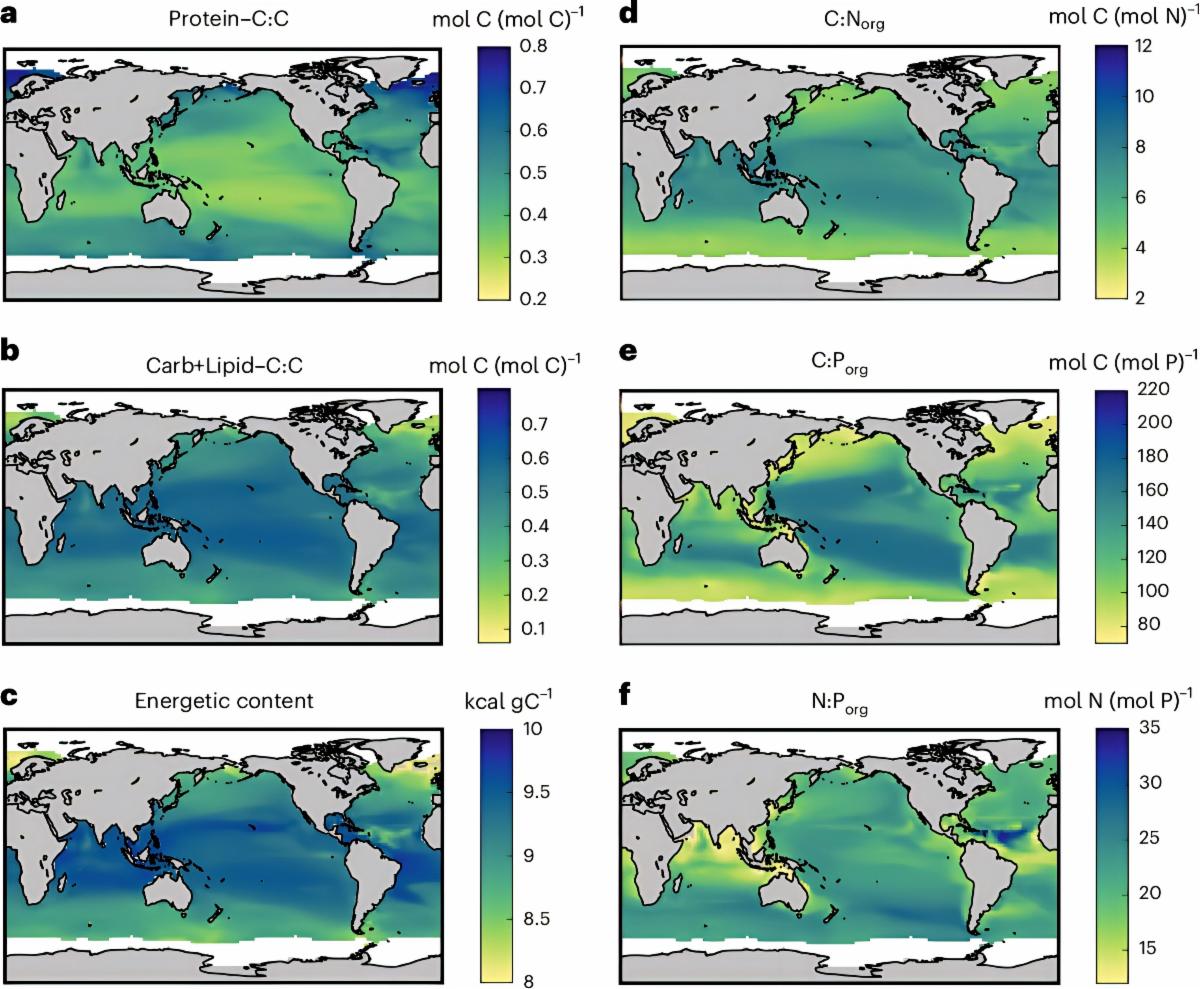
This month’s Editor Picks bring together studies spanning ocean resources, coastal risk, biogeochemistry, and marine ecosystems across multiple scales. From projections of Canada’s Blue Economy and reassessments of global coastal hazards, to carbonate system variability in Jakarta Bay and shifts in phytoplankton composition, these contributions highlight the complex links between ocean processes and human systems. A reflection on the social side of research cruises further underscores the collaborative nature of ocean science.
If you have papers or reports you would like to share in future issues, please feel free to send the information to imber@ecnu.edu.cn.
| | Projecting the future of Canada’s ocean resources for a Blue Economy | | |
Authors: P. C. González-Espinosa, M. N. Tighsazzadeh, H. J. Debus, M. A. Oyinlola, W. W. L. Cheung, G. Reygondeau, A. M. Cisneros-Montemayor
Journal: Regional Studies in Marine Science
The Blue Economy promotes ocean-based sectors that support social equity, environmental sustainability, and lasting economic development, and Canada is currently developing a national ocean strategy to meet these goals. However, climate change is reshaping ecosystems by altering variables like water temperatures, oxygen levels, acidity, sea levels, wind, and current patterns, with direct consequences for sectors that rely on ocean resources. This study projects the future availability of marine resources in Canada for fisheries, mariculture, ocean energy, blue carbon, and ecotourism, with a focus on regional differences and impacts on coastal communities that depend on them. Across Canada’s Pacific, Arctic, and Atlantic coasts, results indicate mixed outcomes depending on the region and climate scenario. By the end of the century, compared to today, mean changes in resource potential under a low-emissions scenario (SSP1–2.6) are projected to range from approximately + 1 % to + 18 %, while under a high-emissions scenario (SSP5–8.5), from approximately −7 % to + 38 %, depending on the region. Nationally, average availability is projected to rise by 5.7 % (SSP1–2.6) and 8.6 % (SSP5–8.5). However, these averages obscure severe, localised declines, particularly in parts of the Arctic and East Coast, where resource availability could decrease by up to 50 %. Such declines could directly affect the livelihoods of approximately 6000 people, primarily in Indigenous communities, employed in the fisheries and aquaculture sectors. These findings demonstrate the need for local, regional, and national adaptive climate-resilient policy frameworks that prioritise support for coastal communities, foster inclusive leadership, promote equity in benefits and responsibilities, and ensure the long-term sustainability of ocean-dependent livelihoods and ecosystems.
Click to read the full paper
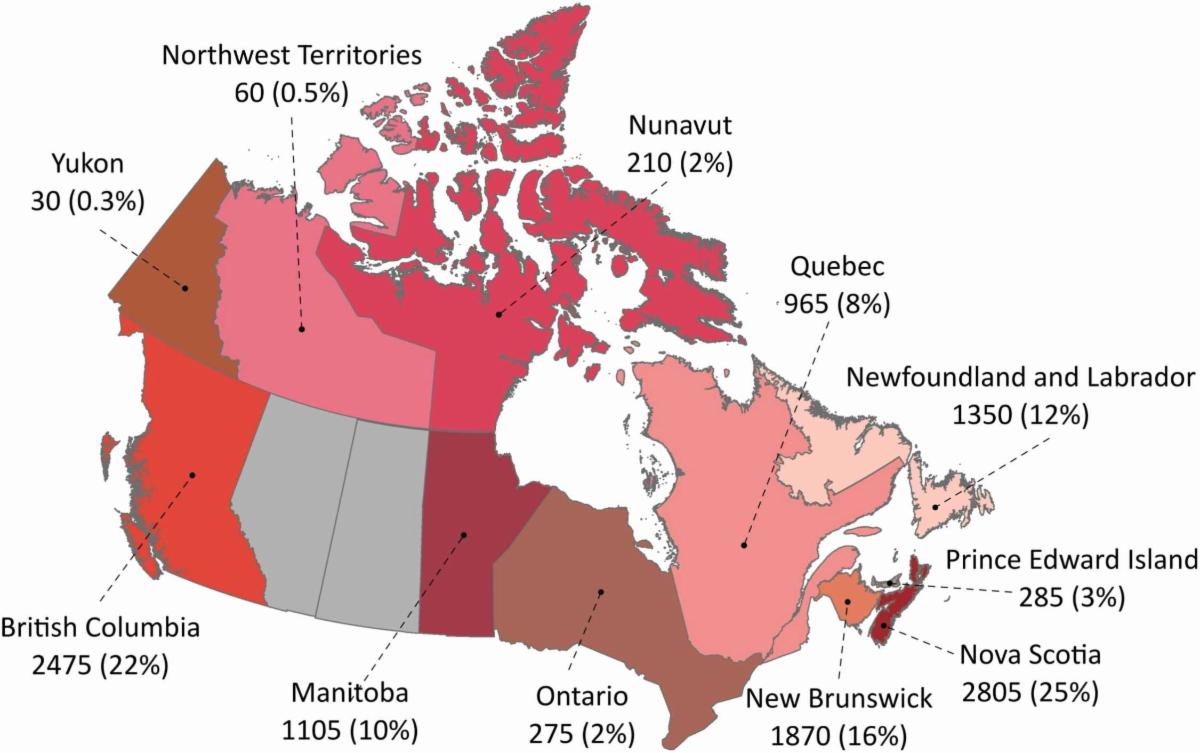
| Figure 1. Number of employment income recipients identified as Indigenous (First Nations, Métis, or Inuit) in the Fisheries and Aquaculture sectors. Source: Statistics Canada. The data represent individuals aged 15 and over who reported income in 2015 and were classified as employed in the fishing and aquaculture industries. The percentage indicates the share of provincial Indigenous employment from the national total. Alberta (20 recipients – 0.2 %) and Saskatchewan (165 recipients – 1.5 %) were excluded from this study because the projections focus on marine and coastal regions. | | Sea level much higher than assumed in most coastal hazard assessments | | |
Authors: K. Seeger, P. S. J. Minderhoud
Journal: Nature
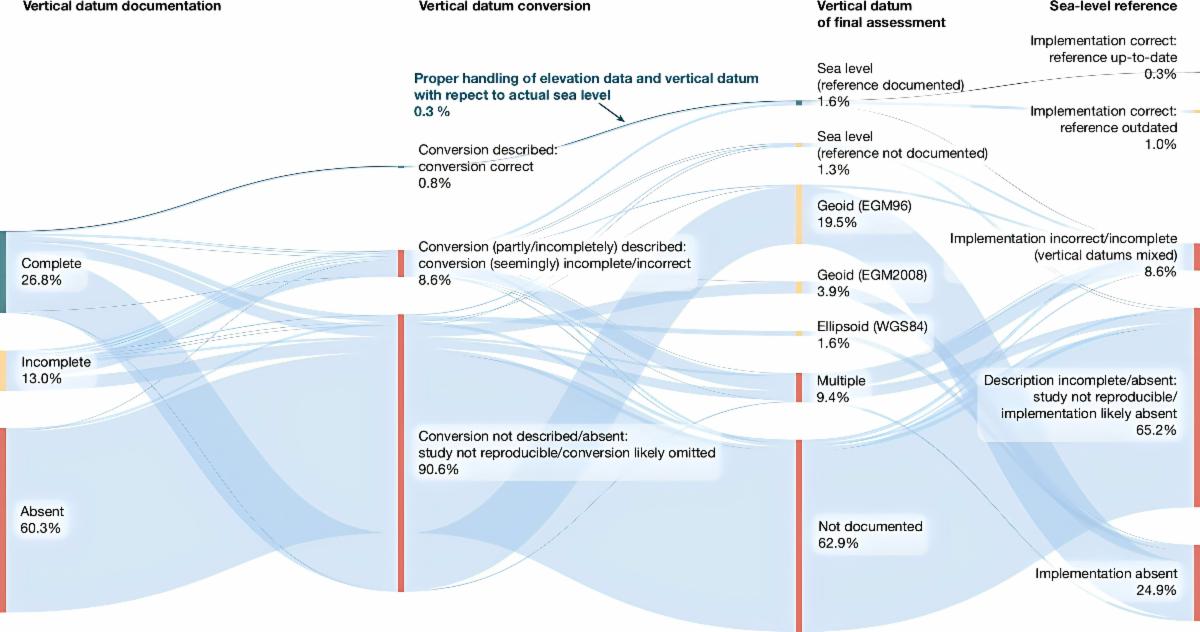
The impacts of sea-level rise and other hazards on the coasts of the world are determined by coastal sea-level height and land elevation1. Correct integration of both aspects is fundamental for reliable sea-level rise and coastal hazard impact assessments2,3, but is often not carefully considered or properly performed. Here we show that more than 99% of the evaluated impact assessments handled sea-level and land elevation data inadequately, thereby misjudging sea level relative to coastal elevation. Based on our literature evaluation, 90% of the hazard assessments assume coastal sea levels based on geoid models, rather than using actual sea-level measurements. Our meta-analyses on global scale show that measured coastal sea level is higher than assumed in most hazard assessments (mean offsets [standard deviation] of 0.27 m [0.76 m] and 0.24 m [0.52 m] for two commonly-used geoids). Regionally, predominantly in the Global South, measured mean sea level can be more than 1 m above global geoids, with the largest differences in the Indo-Pacific. Compared with geoid-based assumptions of coastal sea level, the measured values suggest that with a hypothetical 1 m of relative sea-level rise, 31–37% more land and 48–68% more people (increasing estimates to 77–132 million) would fall below sea level. Our results highlight the need for re-evaluation of existing coastal impact assessments and improvement of research community standards, with possible implications for policymakers, climate finance and coastal adaptation.
Click to read the full paper
| Figure 2. Evaluation of sea-level and coastal elevation data documentation and their proper use and alignment in coastal hazard assessments (n = 385). | | More Than Science! the Social Part of Research Cruises | | |
Authors: I. Seguro
Journal: Frontiers for Young Minds
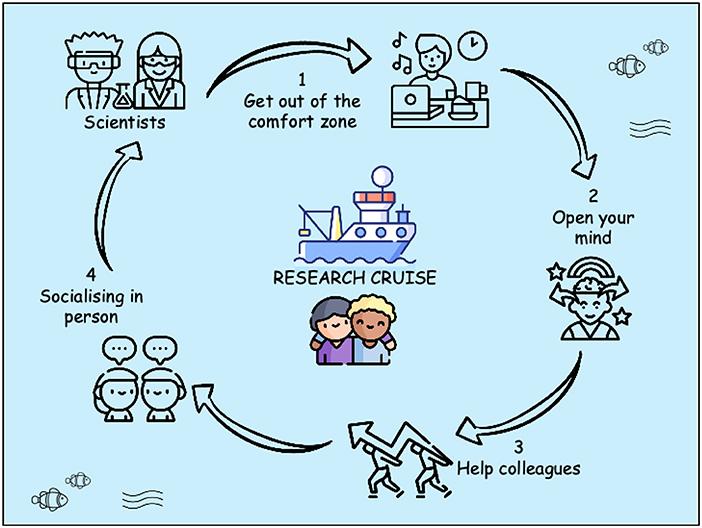
Have you ever thought about being a scientist? While many people might image scientists working alone in the lab, there is also a much more social part of science that is not as well-known: research cruises. Scientists can get much more than data when they spend weeks on a wild adventure at sea! In this article, I will describe some of the unique social aspects of living on a research ship. You will learn how important is to get out of your comfort zone, keep an open mind, help colleagues, and spend time socializing. The coolest part of a scientist’s job can be the friends they make on board!
Click to read the full paper
| Figure 4. The unique social aspects of working on a research cruise (Image created with PowerPoint and Flaticon icons). | | Events, Webinars and Conferences | | |
Information shared by our contacts:
-
Marine Radioactivity Training Workshop 2026, 25–29 October 2026, Xiamen University, Xiamen, China. New
- Application Deadline: 15 May 2026
- Read more
-
13th International Conference on Tropical Marine Environmental Changes (MEC) & 6th CLIVAR Climate Dynamics Panel (CDP) Annual Workshop on“Abrupt changes and tipping points”, 13-16 April 2026, GuangZhou, China.
- Read more
- Workshop on Environmental Radioactivity and Radiation Protection (RAD 2026)
- Held as part of RAD 2026, this workshop brings together researchers in environmental radioactivity and radiation protection, with selected papers to be published in the Journal of Environmental Radioactivity.
- Read more
-
ECSA 61 - Bridging the gap between science and policy in estuarine and coastal marine biodiversity: the way forward, 24-27 August 2026, Square, Brussels, Belgium.
-
Early Bird Registration Deadline: 29 May 2026
| | |
Information shared by our contacts:
-
Senior Scientific Director & Professor in Coastal Palaeoecology – University of Oldenburg New
- The University of Oldenburg invites applications for a joint appointment as Senior Scientific Director of the Lower Saxony Institute for Historical Coastal Research (NIhK) and Professor in Coastal Palaeoecology (W3). The position focuses on palaeoecology, landscape history, and human–environment interactions in coastal regions, with strong interdisciplinary collaboration opportunities at NIhK and ICBM.
- Application Deadline – 19 April 2026.
- Read more
-
Sir Anthony Habgood Professor of Climate and the Environment – University of East Anglia New
- The School of Environmental Sciences invites applications for a Chair in Climate and the Environment, covering areas such as climate change, coastal science, Earth system processes, and societal responses, with opportunities to collaborate with leading research centres including CRU and the Tyndall Centre.
- Application Deadline – 17 May 2026.
- Read more
- PhD Scholarship Transforming Climate Action – Uncertain Seas
- A PhD Scholarship is available at the Centre for Fisheries Ecosystems Research, Fisheries & Marine Institute, Memorial University, St. John’s, NL, Canada.
- Apply by 31 May 2026.
- Read more
-
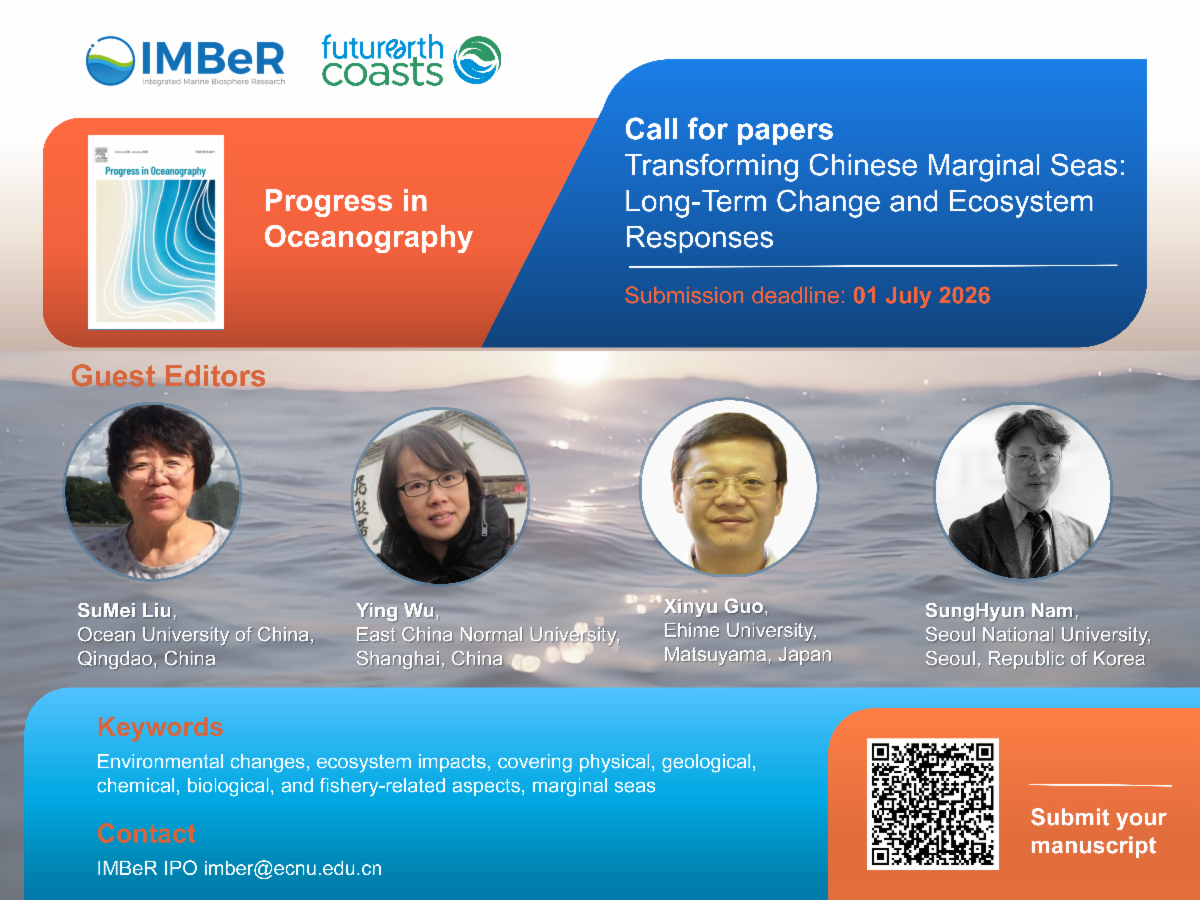
Call for Papers: Ocean Decade - Promoting Ocean Literacy
- Participating journals: Ocean & Coastal Management, Journal of Sea Research
- Submission deadline: 30 April 2026
- This Special Issue aims to explore innovative approaches to enhancing knowledge of ocean science and instilling a sense of stewardship for marine environments.
- Read more
-
Anthropocene Coasts Recruiting Position: Associate Editors
- Applications will continue until the position is filled.
-
Anthropocene Coasts is a Golden Open Access journal hosted by East China Normal University, and published by Springer. The journal publishes multidisciplinary research addressing the interaction of human activities with our estuaries and coasts. The journal has been selected for the "Outstanding Case of English-language University Journals of 2025".
- To help build on the success of Anthropocene Coasts and to expand the opportunities for international collaboration and contributions to the work of the journal, the journal is seeking more international Associate Editors.
- Read more
| | |
- Assistant Professor of Biological Oceanography – California State University, Monterey Bay
- The Department of Marine Science invites applications for a tenure-track Assistant Professor position in Biological Oceanography, with interdisciplinary expertise in areas such as population modeling, remote sensing, biogeochemistry, and climate-related marine processes.
- Open Until Filled.
- Read more
-
Tenure-Track Faculty in Geological Oceanography – University of South Florida, Saint Petersburg
- This position focuses on hydrography or marine geophysics within the Department of Geological Oceanography. Applications are accepted until the position is filled.
- Read more
| |
-
Knauss Fellowship – National Oceanic and Atmospheric Administration Sea Grant Program New
- A one-year fellowship in Washington, D.C. placing graduate students in executive and legislative offices to contribute to ocean, coastal, and Great Lakes policy, while gaining practical experience and professional networks.
- Application Deadline – 3 June 2026.
- Read more
-
Funding Opportunity: Empowering the UN Decade of Ocean Science for Sustainable Development (Horizon Europe)
- Led by the Horizon Europe programme, this call aims to consolidate international cooperation through European leadership and ensure that key processes, initiatives, and structures established during the UN Decade of Ocean Science for Sustainable Development continue beyond the Decade.
- Application Deadline – 15 April 2026.
-
Read more
-
Funding Opportunity: 2026 Shanghai Government Scholarship
- The scholarship opens to excellent degree programs (undergraduate, master and Phd) students.
-
Application Deadline (Undergraduate) - 30 April 2026.
- Application Deadline (Graduate - Second Batch) - 30 April 2026.
- Read more
| | For more information on activities and opportunities for early-career researchers, you can check the IMECaN Newsletter. Read more | | Turn Your Innovation into Global Impact | | |
IMBeR Blue Innovation Alliance
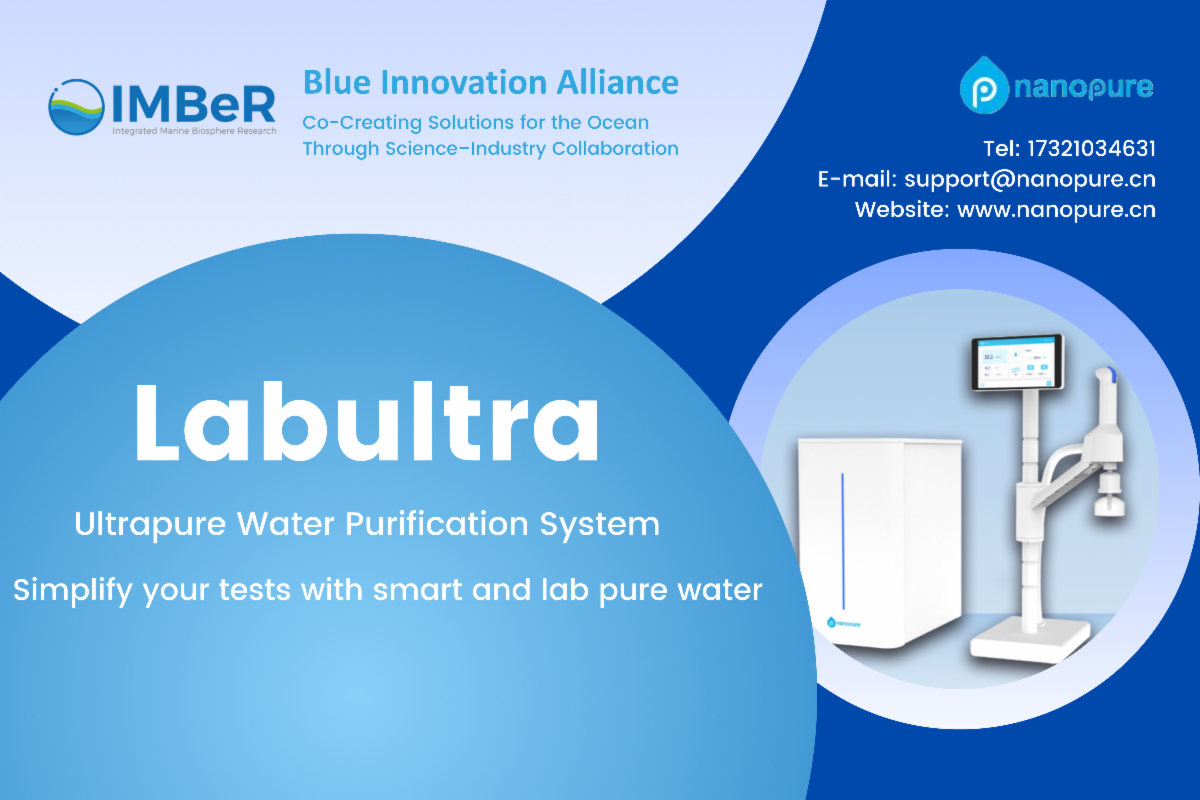
We invite you to explore our first partner, Nanopure, and join the IMBeR Blue Innovation Alliance. We welcome other companies to join us in this global initiative, where together we can advance ocean sustainability, support cutting-edge marine research, and foster innovation to shape a more sustainable future for our oceans.
| | Capturing IMBeR: Share Your Photos and Memories | | |
We invite all IMBeR participants - past and present - to contribute photos that capture the spirit of IMBeR’s activities over the years. Whether from fieldwork, meetings, workshops, summer schools, or community engagement events, your photos will help illustrate IMBeR’s impact and legacy.
Please send high-resolution images, along with a brief description and credit information, to imber@ecnu.edu.cn.
| | If you would like to put some recruitment information in the IMBeR monthly newsletter, please contact us through imber@ecnu.edu.cn. | | |
DISCLAIMER: The views expressed in the news articles, project updates, and publications featured in this newsletter are those of the authors and do not necessarily represent the positions of IMBeR, its sponsors,
or the IMBeR International Project Office and its host institutions.
| | |
Chief Editor: Suhui QIAN
Editors: Fang ZUO, Kai QIN
| | | |
Contact us
IMBeR International Project Office
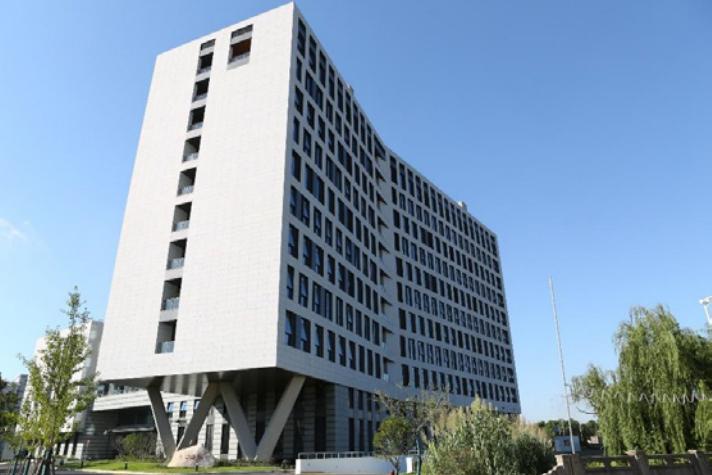
State Key Laboratory of Estuarine and Coastal Research, East China Normal University
500 Dongchuan Rd., Shanghai 200241, China
| | | | | |