|
IMBeR Newsletter
Your news from the Integrated Marine Biosphere Research International Project Office
| |
| |
IMBeR Newsletter May 2026
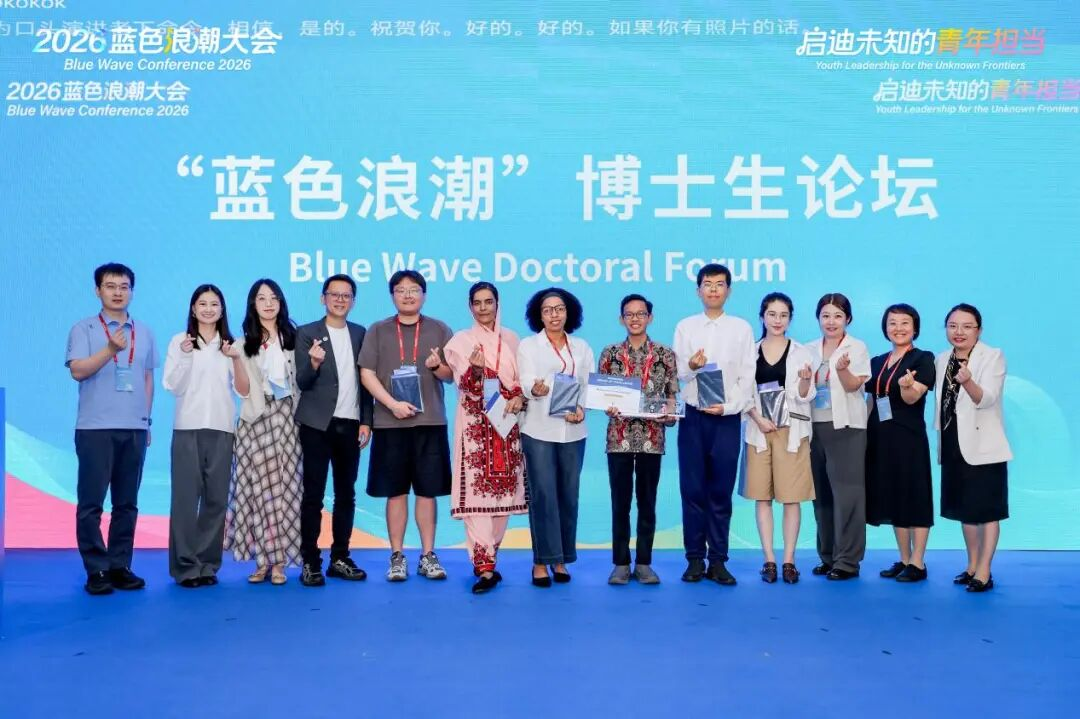
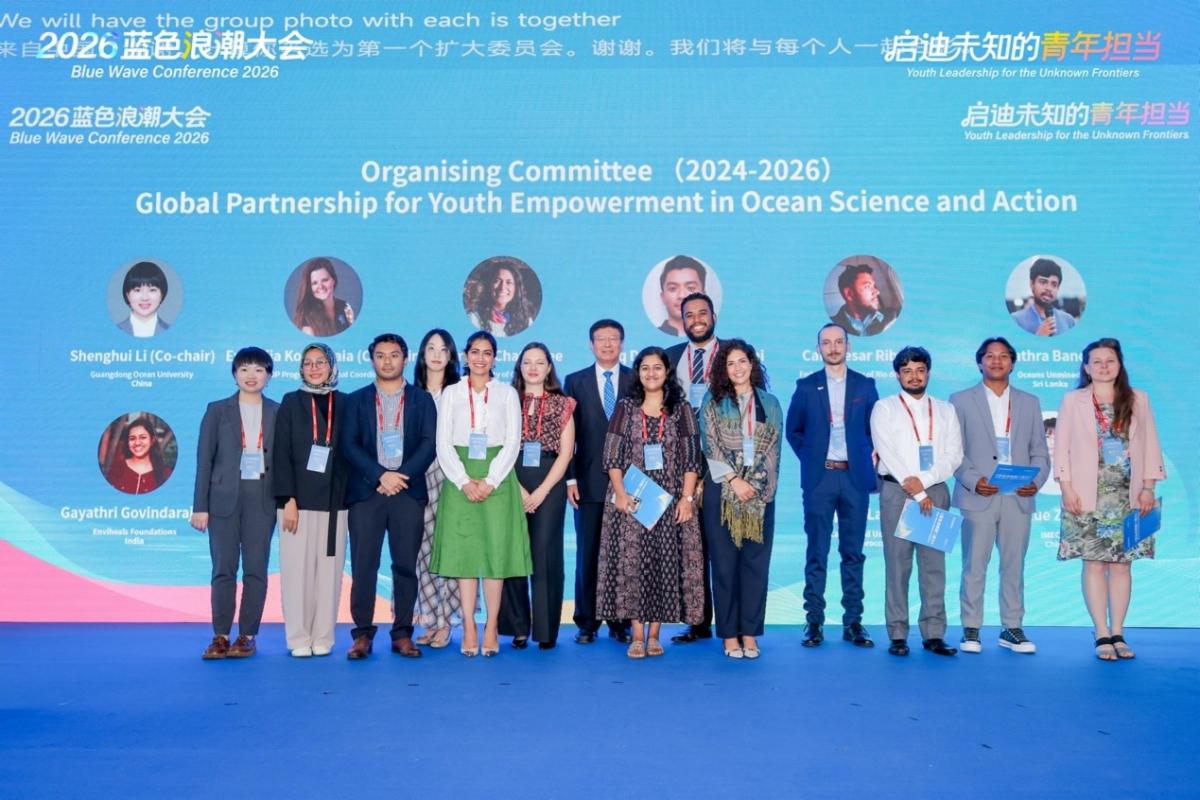
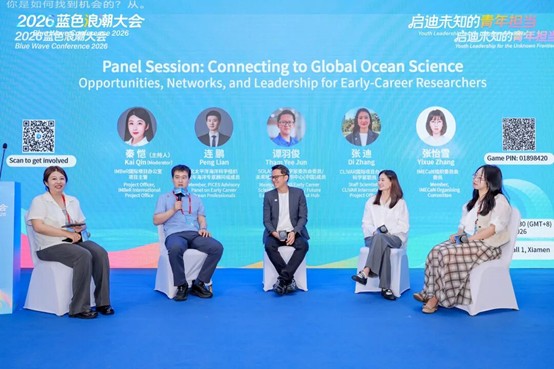
IMBeR Celebrates World Oceans Day by Supporting the Next Generation of Ocean Scientists
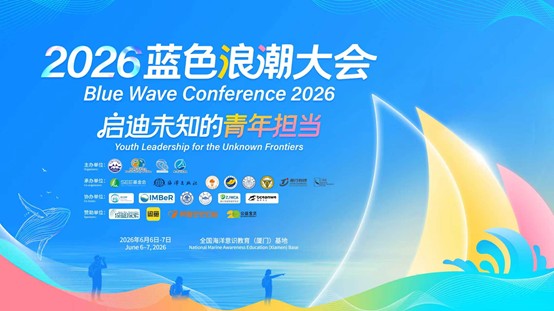
As part of the 2026 World Oceans Day celebrations, IMBeR co-hosted the Blue Wave Conference in Xiamen, China, bringing together more than 240 participants from 35 countries and regions. Through the Blue Wave Conference and Doctoral Forum, IMBeR reaffirmed its commitment to supporting the next generation of ocean scientists.
Learn more
| | |
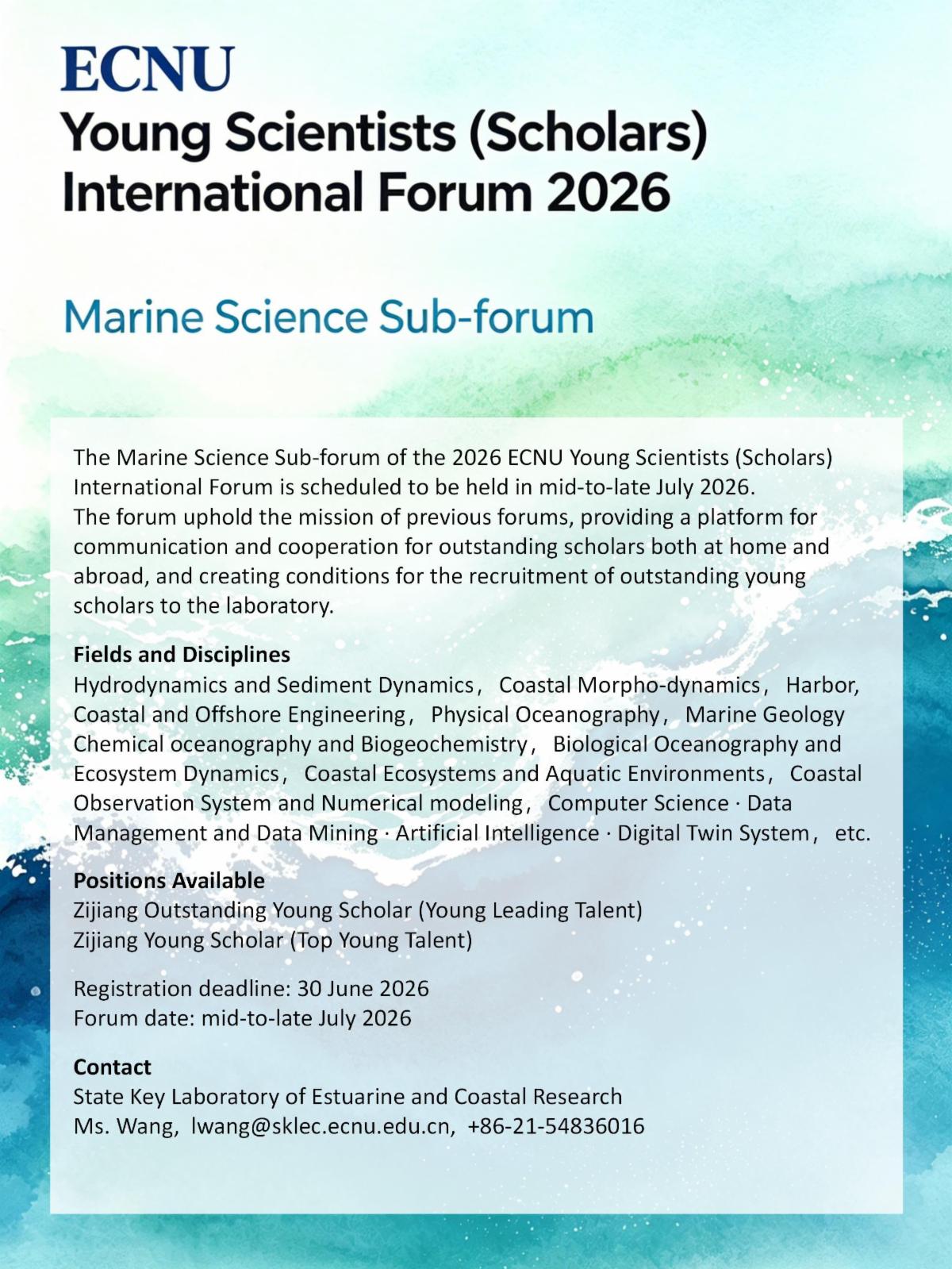
ECNU Young Scientists (Scholars) International Forum 2026 – Marine Science Sub-forum
The Marine Science Sub-forum of the 2026 ECNU Young Scientists (Scholars) International Forum is scheduled to be held in mid-to-late July 2026.
The forum aims to provide a platform for communication and cooperation for outstanding scholars both at home and abroad, and to support the recruitment of young talents to the State Key Laboratory of Estuarine and Coastal Research (SKLEC).
Fields include hydrodynamics and sediment dynamics, coastal morphodynamics, coastal and offshore engineering, physical oceanography, marine geology, chemical oceanography and biogeochemistry, biological oceanography and ecosystem dynamics, coastal ecosystems and aquatic environments, observation systems and numerical modeling, as well as computer science, data science, artificial intelligence, and digital twin systems.
Eligible applicants include early-career researchers with a PhD. Positions available include Zijiang Outstanding Young Scholar and Zijiang Young Scholar, with competitive salary, research funding, housing support, and additional benefits.
Registration deadline: 30 June 2026
Forum date: mid-to-late July 2026
For more information and registration, please visit:
http://www.jobs.ecnu.edu.cn
http://www.sklec.ecnu.edu.cn
Read more
| | | | |
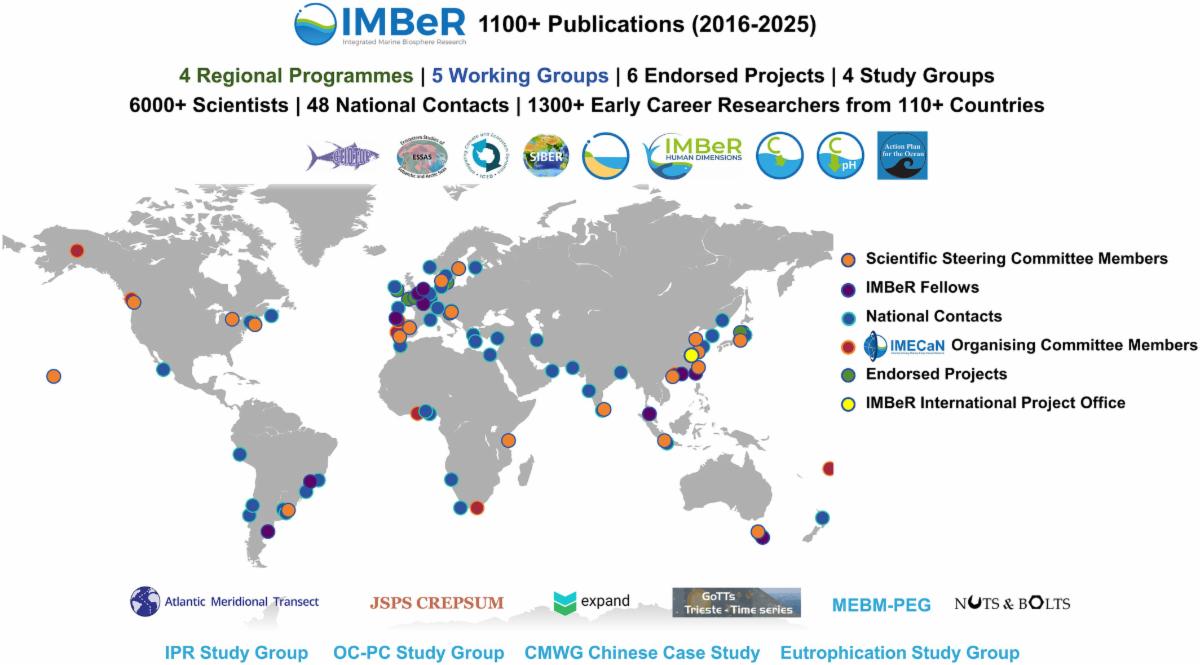
The IMBeR Cross-Grand Challenges synthesis paper concludes IMBeR’s second decade (2016-2025)
Prado, D. S., Muhl, E.-K., Strand, M., Armitage, D., Bednaršek, N., et al. (2026). Lessons for transformative ocean science from the Integrated Marine Biosphere Research (IMBeR) project. ICES Journal of Marine Science, 83(4), fsag039.
Read the article here
| | | | |
Editorial: Integrated Marine Biosphere Research: Ocean Sustainability, Under Global Change, for the Benefit of Society
Robinson, C., Hobday, A. J., Murphy, E. J., Nayak, P. K., & Newton, A. (2025). Editorial: Integrated marine biosphere research: Ocean sustainability, under global change, for the benefit of society. Frontiers in Marine Science, 12, 1684348.
Read the article here
| | | | |
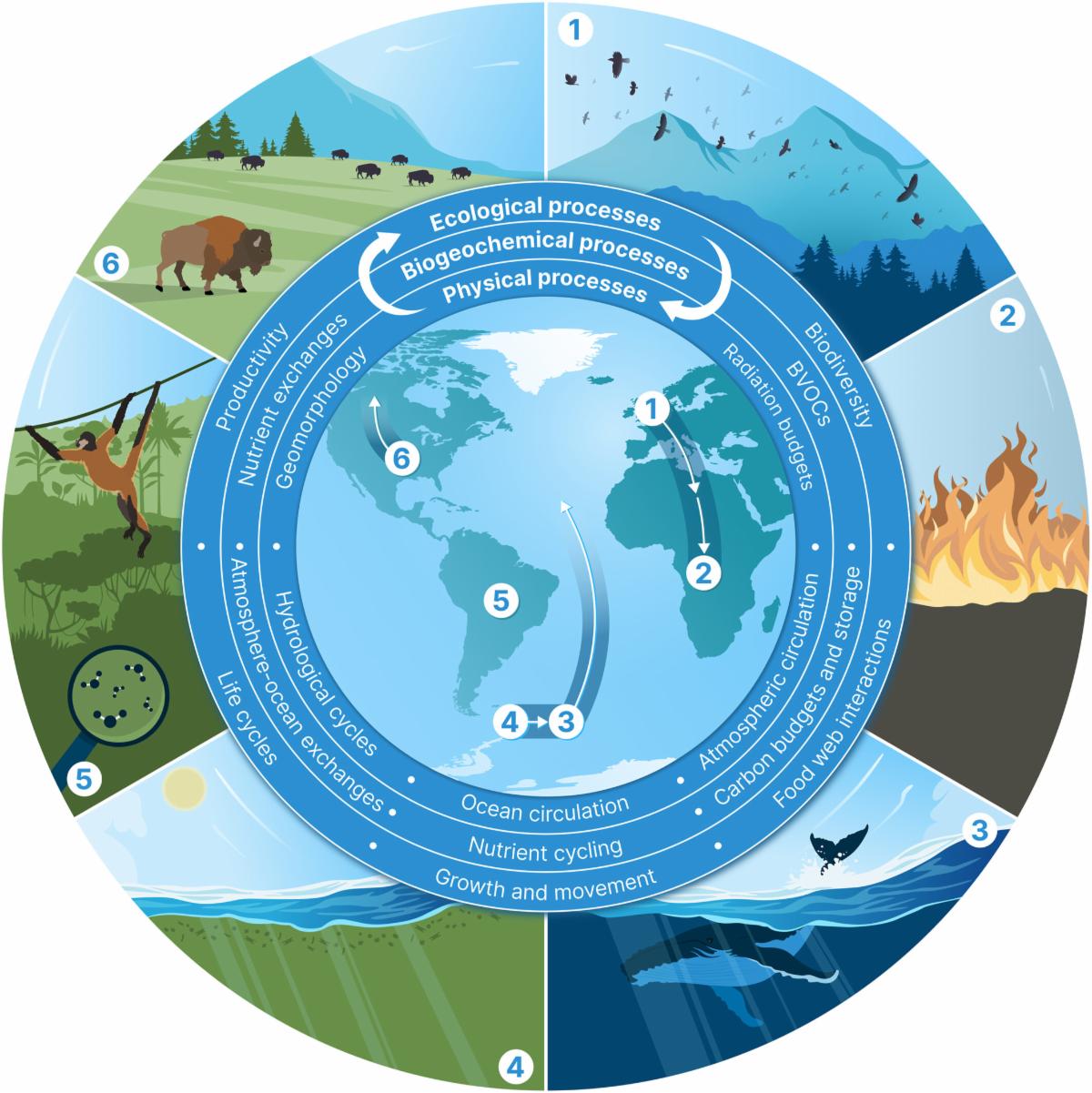
“Ecological Feedbacks in the Earth System” published, IMBeR calls for urgent action
Murphy, E. J., Williams, J. J., Myers-Smith, I. H., Groner, V. P., Jacoby, D. M. P., Kwiatkowski, L., et al. (2026). Ecological feedbacks in the Earth system. Earth's Future, 14, e2025EF006478.
Read the article here
| | | | |
IOC leads efforts to close key knowledge gaps in understanding the ocean carbon sink to support stronger climate action
IOC of UNESCO. 2026. Integrated Ocean Carbon Research: a vision primed for implementation. Paris, UNESCO. (IOC Technical Series, 214.)
Read the report here
| | | |
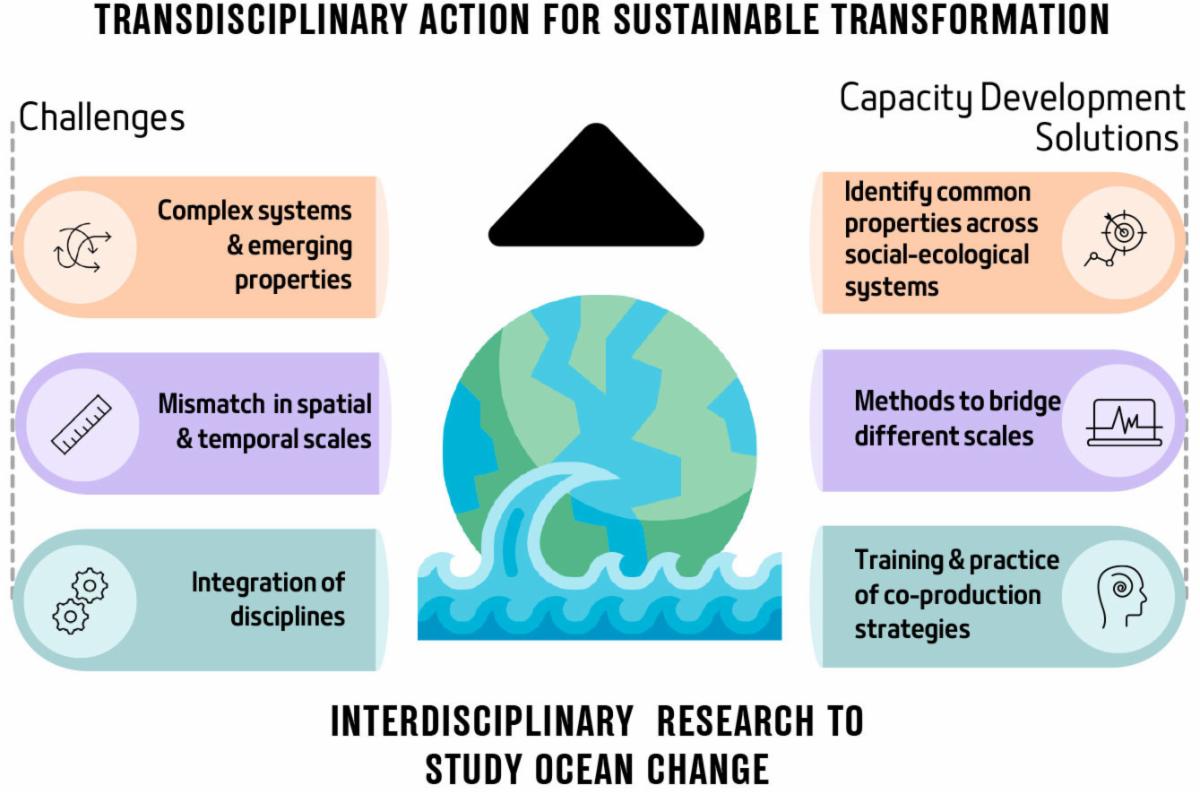
Developing capacity for transdisciplinary studies of changing ocean systems
Renaud, P. E., Belgrano, A., Dupont, S., Boyd, P. W., Collins, S., Blenckner, T., et al. (2024). Developing capacity for transdisciplinary studies of changing ocean systems. Oceanography, 38(1), 79–80.
Click to read the full paper
| | | | |
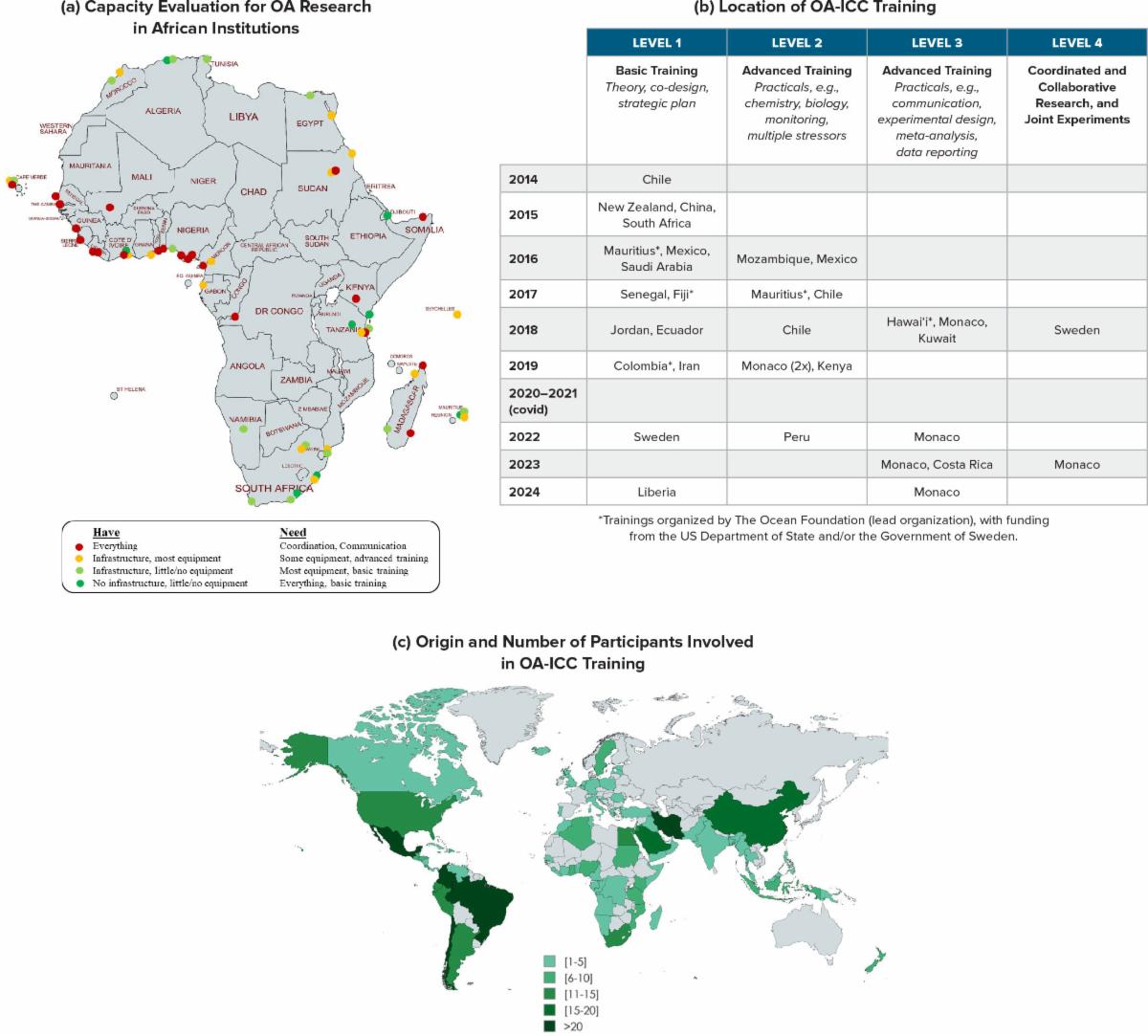
The IAEA Ocean Acidification International Coordination Centre Capacity Building Program: Empowering member states to address and minimize the impacts of ocean acidification
Edworthy, C., Potts, W. M., Dupont, S., Duncan, M. I., Bornman, T. G., & James, N. C. (2022). A baseline assessment of coastal pH variability in a temperate South African embayment: Implications for biological ocean acidification research. African Journal of Marine Science, 44, 367–381.
Read the article here
| | |
| |
Building successful international summer schools to enhance the capacity of marine early career researchers
Cvitanovic, C., Blythe, J., van Putten, I., Maddison, L., Bopp, L., Brodie, S., et al. (2024). Building successful international summer schools to enhance the capacity of marine early career researchers. Ocean and Society, 1, Article 9328.
Read the article here
| | | | |
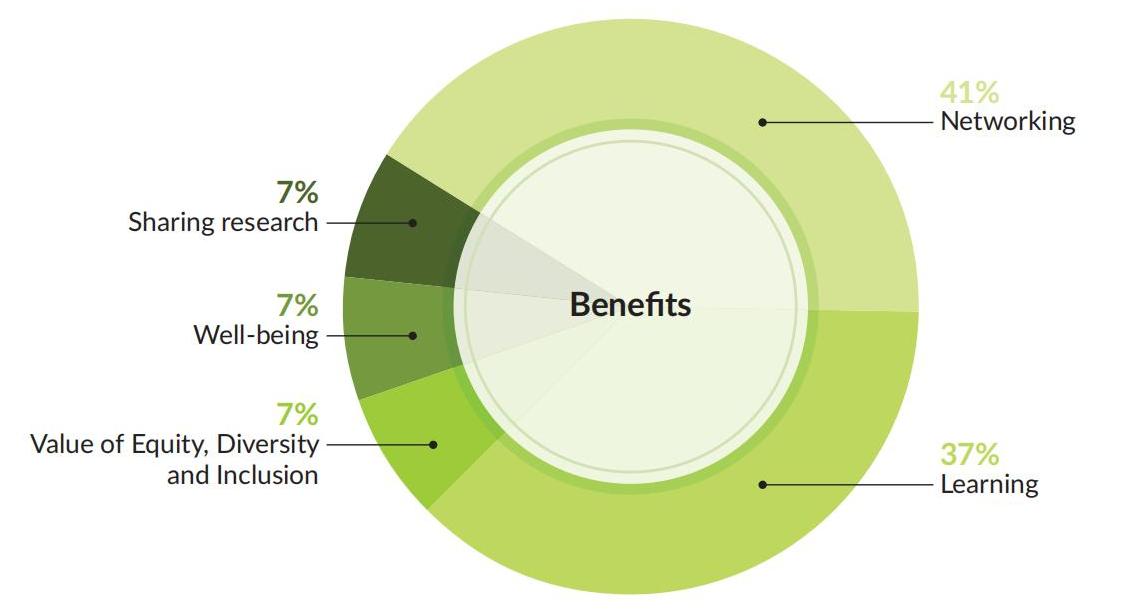
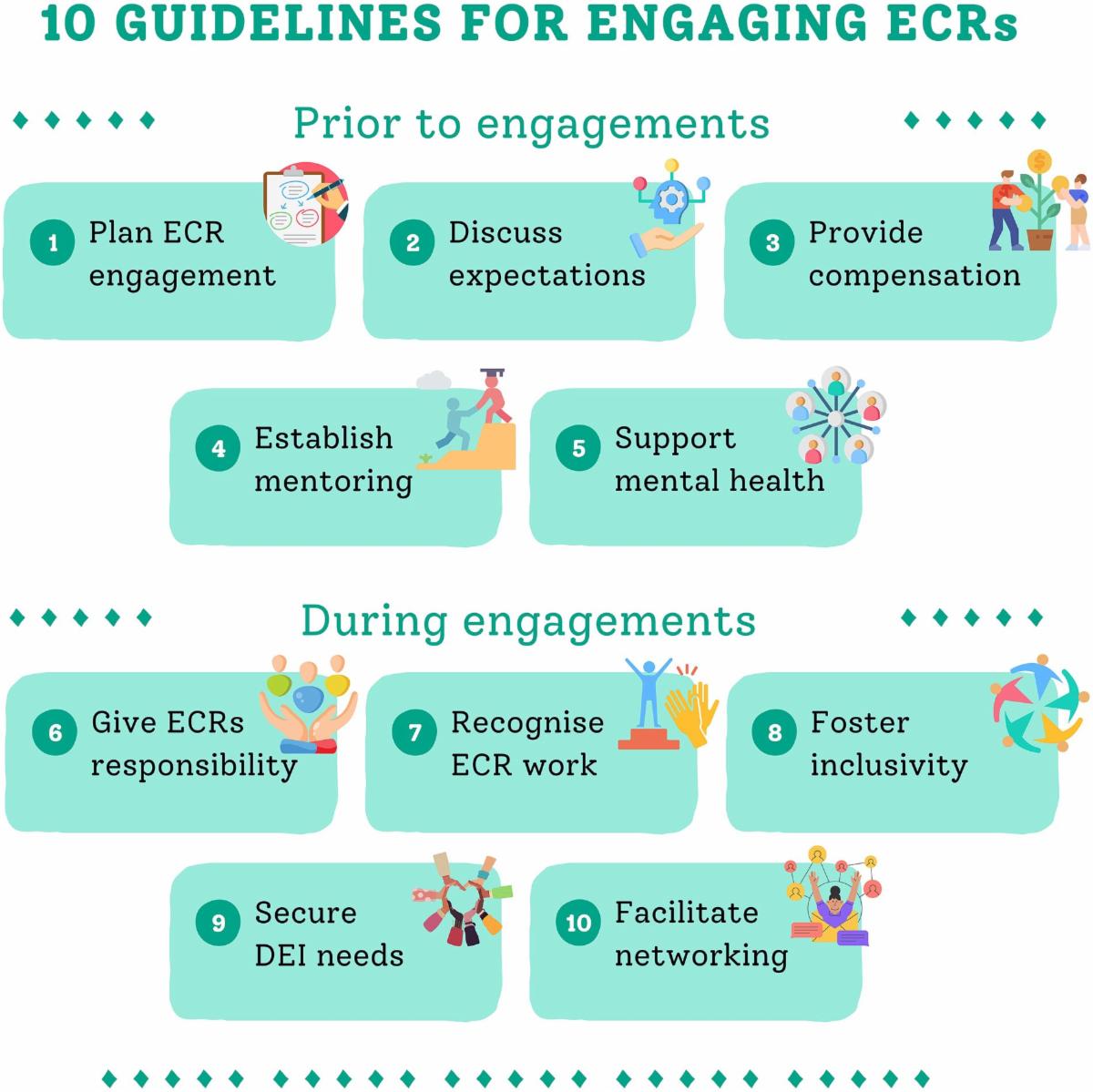
Guidelines for ensuring meaningful engagement of early career researchers in scientific collaborations: Recommendations from and for marine and polar scientists
Kaikkonen, L., Strand, M., Singh, P., Shellock, R., Roman, R., Smith, A. J., et al. (2025). Guidelines for ensuring meaningful engagement of early career researchers in scientific collaborations: Recommendations from and for marine and polar scientists. ICES Journal of Marine Science, 82(8), fsaf143.
Read the article here
| | | | |
A Decade of IMBeR: Advocating at a Transition Point
Zuo, F., Hong, G., Qin, K., & Qian, S. (2025). A decade of IMBeR: Advocating at a transition point. Limnology and Oceanography Bulletin, 34, 51–53.
Read the article here
| | |
| |
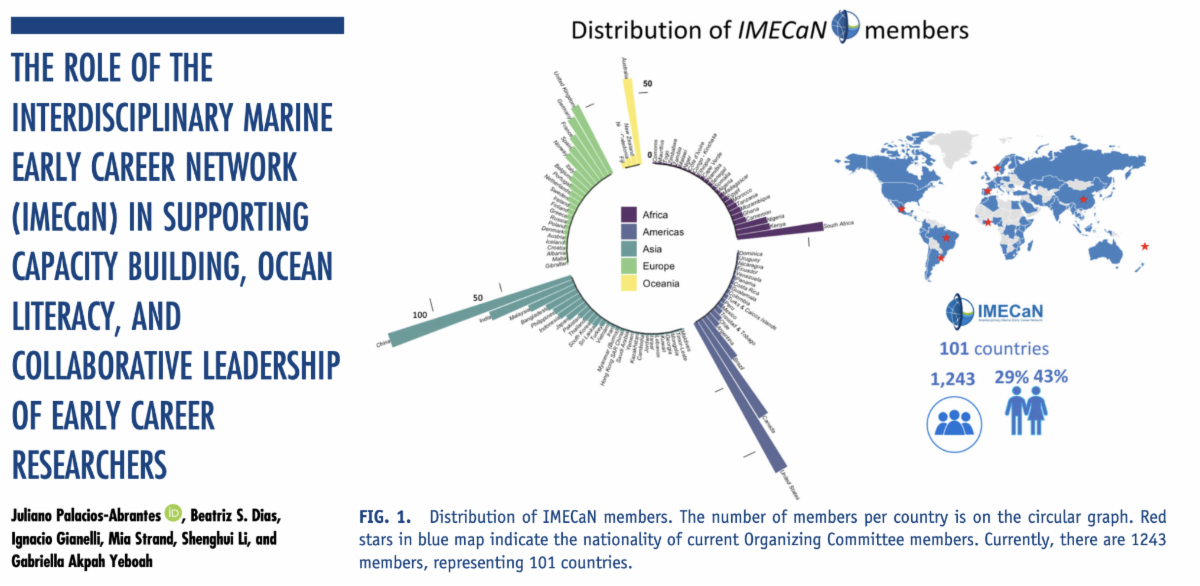
The role of the Interdisciplinary Marine Early Career Network (IMECaN) in supporting capacity building, ocean literacy, and collaborative leadership of early career researchers
Palacios-Abrantes, J., Dias, B. S., Gianelli, I., Strand, M., Li, S., & Yeboah, G. A. (2025). The role of the Interdisciplinary Marine Early Career Network (IMECaN) in supporting capacity building, ocean literacy, and collaborative leadership of early career researchers. Limnology and Oceanography Bulletin, 34, 53–55.
Read the article here
| | | | |
Envisioning the Future of Marine Biosphere Research — Summary of Breakout Group Discussions at Future Oceans 3
IMBeR International Project Office. (2025). Envisioning the Future of Marine Biosphere Research. IMBeR Synthesis and Future Planning Conference (Future Oceans 3) (FO3), Shanghai, China. Zenodo.
Read the report here
| | |
| |
Event Report: IMBeR at the Ocean Sciences Meeting 2026 has been released
Zuo, F., & Qin, K. (2026). IMBeR at the Ocean Sciences Meeting 2026. Ocean Sciences Meeting 2026 (OSM26), Glasgow, Scotland. Zenodo.
Read the report here
| | |
| |
Capacity Development for International Collaborative Integrated Marine Biosphere Research (IMBeR): Lessons from the International Project Office
Zuo, F., Qin, K., & Hong, G. (2026). Capacity development for international collaborative Integrated Marine Biosphere Research (IMBeR): Lessons from the International Project Office. ESS Open Archive. 30 April 2026.
Read the article here
| | |
This month’s Editor Picks highlight emerging insights into the changing ocean and the innovative approaches being developed to better understand and manage marine ecosystems. The featured studies explore the ecological implications of offshore energy infrastructure, advances in social-ecological planning for coastal cities, and new frameworks for understanding marine microbial functions and nutrient stress at global scales. Other contributions examine monitoring and verification challenges for marine carbon dioxide removal, the impacts of sea-ice loss on Arctic nutrient dynamics, coral reef symbioses, and the application of machine learning to reveal predator–prey interactions. Together, these papers demonstrate the increasingly interdisciplinary nature of marine science, spanning ecosystem processes, climate change, technological innovation, and sustainable ocean governance.
If you have papers or reports you would like to share in future issues, please feel free to send the information to imber@ecnu.edu.cn.
| | Understanding the role of offshore energy structures in ecosystem service delivery: Applying global findings to the North Sea | | |
Authors: M. Squire, A. Madgett, D. Burdon, B. Scott, J. Marlow, K. Gormley
Journal: Ecosystem Services
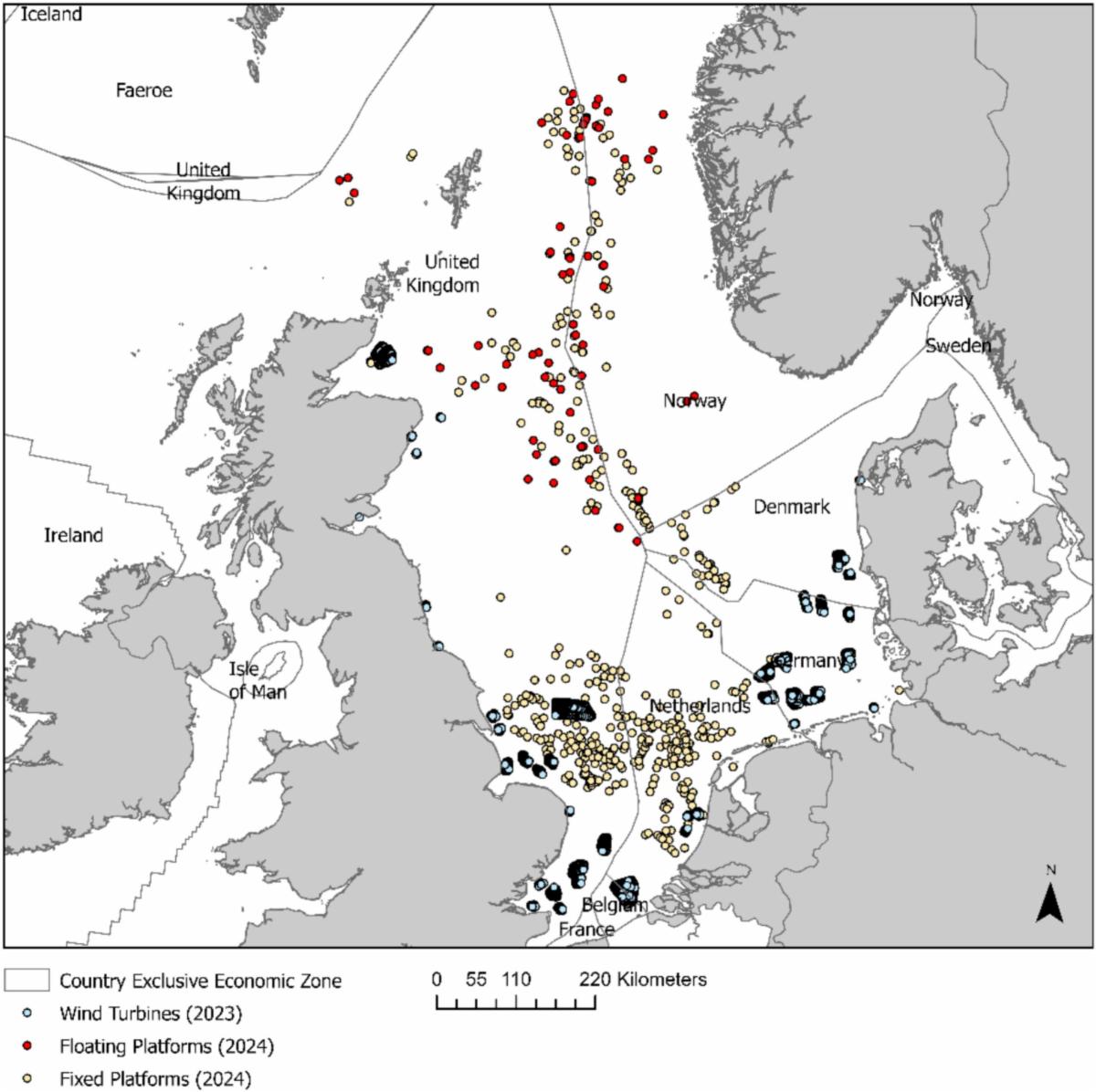
The marine environment provides a wealth of ecosystem services, which can deliver human benefit when combined with built, human or social capital. Through the expansion of offshore energy infrastructure, human intervention has reshaped marine ecosystems on a global scale. Yet, the changes that these structures induce in the environment and the knock-on effects on ecosystem services remains poorly understood. This study aims to first provide a comprehensive review on the role of offshore energy structures in ecosystem service delivery, synthesising findings from 18 countries over a 42-year period. These findings are then structured under the DAPSI(W)R(M) framework, to draw links between human activity, environmental effects and ecosystem services. The findings are discussed in the context of UK energy transitions in the North Sea.
The life stage of the structure and the specific marine environment were the biggest driving forces behind how a structure affected ecosystem services. The initial construction stage created many pressures within the environment, which in turn negatively affected how people engaged with the marine environment through the displacement of commercial fishing, local tourism and visual enjoyment of the seascape. Conversely, structures in place for several years fostered reef-like habitats, leading to enhanced tourism, increased fish stocks and improved nutrient cycling by benthic species.
Existing research has focused primarily on the construction and operation periods, with limited research available which addresses how different decommissioning approaches will affect associated communities and ecosystem services. By improving knowledge around the role that offshore structures have in the delivery of ecosystem services and the tools used to assess a structures value, such findings could support informed decision-making for decommissioning on a global scale.
Click to read the full paper
| Figure 1. The number of wind turbines andfloating or fixed oil and gas platforms in the North Sea, with lines showing each bordering countries exclusive economic zone. | | Spatial-temporal heterogeneity of social-ecological infrastructures for spatial planning and governance in coastal cities: The case of Macau | | |
Authors: M. Li, M. Chen, P. Wang
Journal: Habitat International
Social-ecological infrastructures (SEI), which encompass both social infrastructures (SI) and ecological infrastructures (EI), serve as vital media for cities to provide services to human beings, and their quality is crucial to the sustainable development of cities. Nevertheless, previous studies concentrated on the accessibility of infrastructures at a single scale. Few studies have systematically explored their spatial‒temporal heterogeneity at multiple scales. This study develops a framework for the SEI from the “micro-macro-meso” perspective of cities. The results include: (1) From the past to the future, the trends in the SEI are relatively stable at two scales, but the changes in the SI are weaker than those in the EI. (2) The scale effect on land is stronger than that on sea, and it exhibits significant spatial heterogeneity. The match between terrestrial SI and EI is relatively low, whereas the match between marine SI and EI is relatively high. (3) In terms of potential factors, the nonlinear characteristics of marine SEI are more pronounced than those of terrestrial SEI. (4) The spatial development of land has been hindered and faces significant pressure, but marine space still has some development potential. This study provides a new perspective on the study of SEI and offers some aid for spatial governance and planning.
Click to read the full paper
| | |
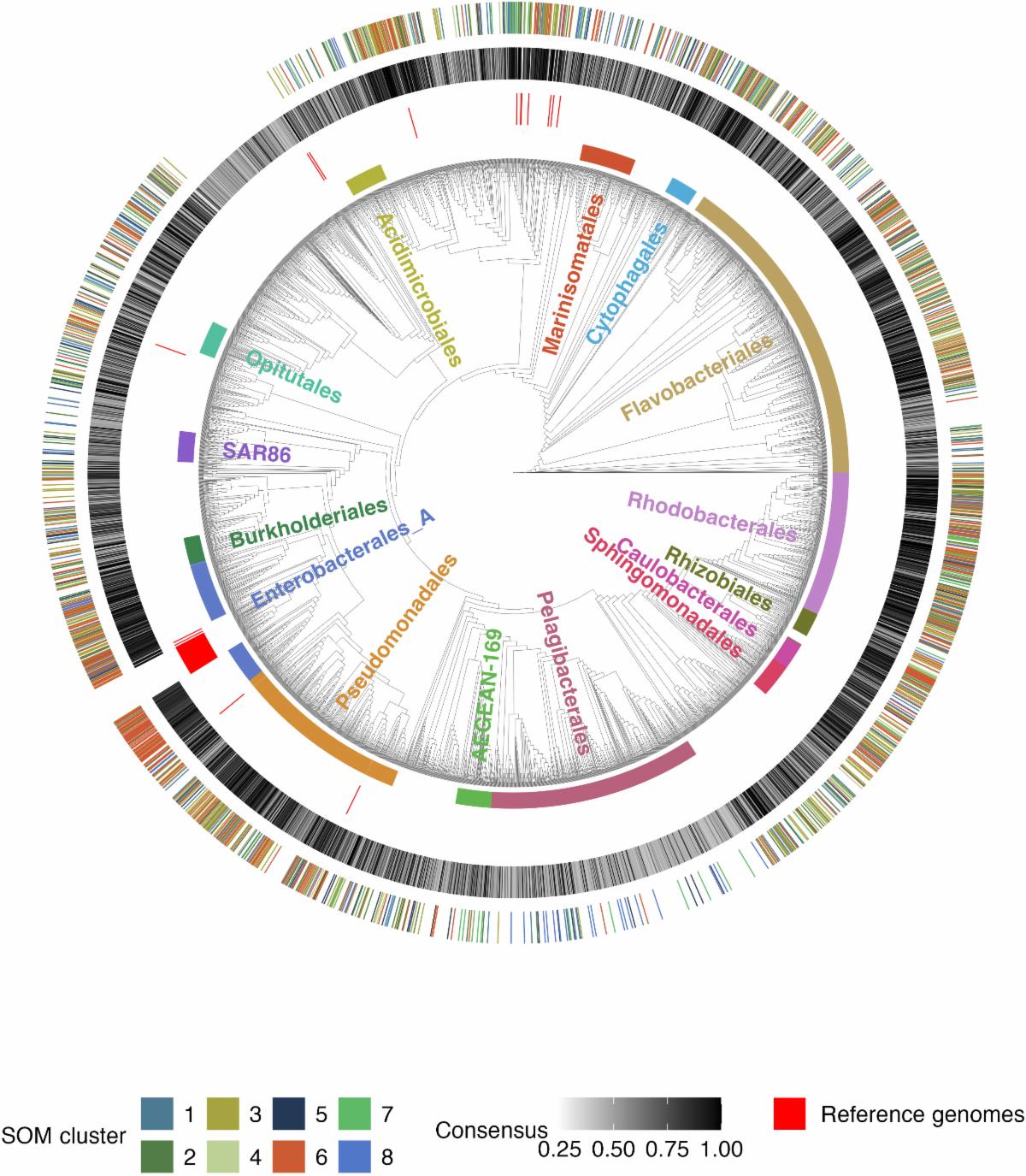
Figure 2. Diversity of dataset, quality of metabolic models, and designation of metabolic clusters.
Phylogenetic tree of all 3738 heterotrophic bacterial genomes included in this study (including the 66 reference genomes from the BiGG database). The tree is contextualized by several external rings that describe different qualitative and quantitative components of the genomes in this study. The innermost ring shows the location of the top 15 most abundant orders. The second sparse ring of red lines denotes the position of the 66 BiGG reference genomes present in the tree. The third ring shows the ensemble consensus score (see the “Model generation and quality assessment” section in Materials and Methods and Eq. 1) for each genome in the tree. Last, the outermost ring denotes both the position of high-quality ensembles within the tree as well as the assignment of these genomes to each of our eight SOM clusters.
| |
Drivers of Spirobranchus corniculatus (Grube, 1862) distribution
on coral reefs in SE Sulawesi, Indonesia
| | |
Authors: S. J. Rowley, J. Melbourne-Thomas, R. Kornel, M. J. Attrill
Journal: Marine Biology
The tube-dwelling serpulid Spirobranchus corniculatus (Grube, 1862) – a species of Christmas tree worm - is an obligate associate of living hermatypic corals that exhibit host-species and host-morphology specificity. This study investigated the distribution and abundance of S. corniculatus at four sites selected across gradients of habitat quality and depth around islands within the Wakatobi Marine National Park, SE Sulawesi, Indonesia. Results revealed that S. corniculatus abundance on host-coral was six times higher at a pristine low sedimented site than at a high sedimented lagoonal site subject to continual marine resource exploitation. Furthermore, the abundance and distribution of S. corniculatus was non-random. Eight coral species: Montipora danae, M. informis, M. spumosa, M. venosa, Porites cylindrica, P. lobata, P. lutea and P. nigrescens - were most heavily colonized by S. corniculatus. These host corals are characterised as being less competitive species and possessing small plocoid corallites. Analyses revealed that the presence of branching poritids, predominantly on the reef flats, influenced substrate availability and thus S. corniculatus abundance. Selection for such high-energy environments may indicate resource partitioning between S. corniculatus morphotypes. Preliminary field observations reveal morphological variability within S. corniculatus is related to host-species identity; this may illustrate potential morphological adaptations of both worm and host to environmental conditions, serving as an indicator of reef health across gradients of human impact. Further ecological, systematic, and molecular studies may provide insights into the unresolved symbiotic association of S. corniculatus with its host corals in the Indo-Pacific.
Click to read the full paper
| | Evaluation of a signal processing and machine learning framework to detect and classify shell-crushing predation events | |
Authors: A. K. Ibrahim, L. M. Chérubin, C. Hampton, B. C. DeGroot, H. Zhuang, M. J. Ajemian
Journal: Ecological Informatics
Contributions of large mobile predators to shellfish mortality are poorly understood, limiting our scientific understanding of how they control prey populations in aquatic ecosystems. In this study, we present an advanced methodology for detecting and classifying shell-crushing events from acoustic recordings of the whitespotted eagle ray (Aetobatus narinari) consuming various hard-shelled mollusks. Data were acquired primarily from controlled captive experiments, where we recorded 4 individuals feeding on a representative bivalve and two gastropod species. Using a matched filter coupled with time–frequency handcrafted features, such as gammatone spectral coefficients (GTCC) and deep convolutional neural networks (CNN) as unsupervised feature extractors, we developed a comprehensive method for detecting and classifying shell-crushing sounds. Additionally, we validated our detection and classification scheme based on a field experiment in natural conditions where we both simulated shell fracture of hard clams, and recorded whitespotted eagle rays naturally consuming hard clams and other shelled organisms. The integration of machine learning techniques, including conventional algorithms such as Random Forest, Support Vector Machines, and deep learning Long Short-Term Memory (LSTM) networks, enabled the characterization of these bioacoustic events in terms of prey species being consumed. The findings demonstrate superior ability of the LSTM classifier and the similar performance of GTCC and CNN features in classifying shell-crushing events. Additionally, this study underscores the possibility of detecting and classifying shell-crushing events in the wild, improving our understanding and monitoring of marine ecological interactions. Such developments improve our capacity to study the foraging ecology of large mobile predators, their natural effects on marine benthic communities as well as interactions with shellfish restoration programs.
Click to read the full paper
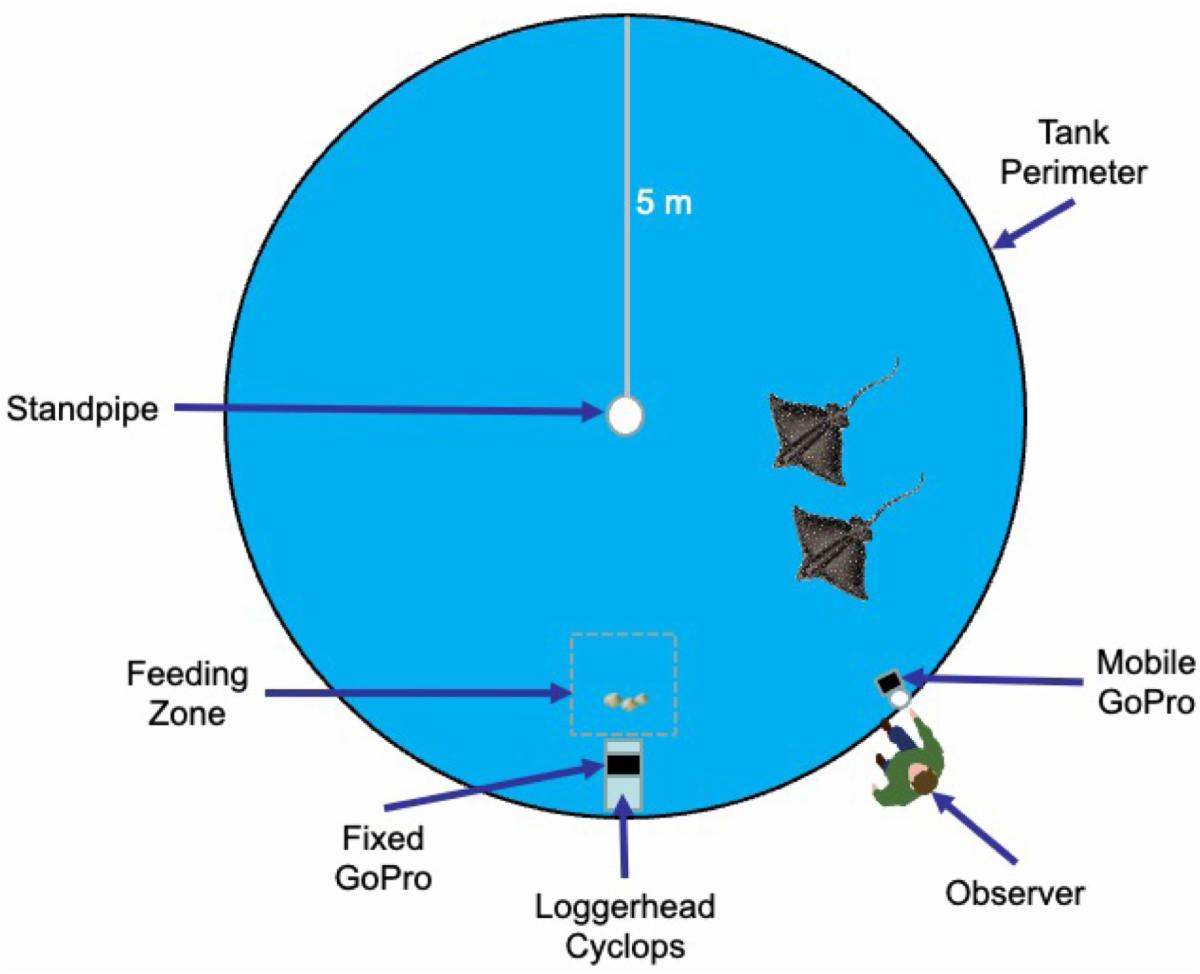
| | Figure 3. Plan view schematic of experimental design for tank experiments. The Loggerhead Cyclops and fixed GoPro camera faced inward towards the tank standpipe with full view of prey items in the feeding zone. | | Sea ice loss drives a regime shift in Arctic Ocean nitrogen biogeochemistry | |
Authors:M. Santos-García, R. S. Ganeshram, L. Oziel, P. A. Dodd, L. de Steur, R. E. Tuerena, C. A. Stedmon
Journal: Communications Earth & Environment
The Arctic Ocean is experiencing sea-ice losses. The increase in light availability has increased net primary production. However, recent studies postulate that nutrients (and not light) are now the dominant control. We present observations from the Fram Strait (1998–2023) showing a transition around 2009, consisting of a sharp decline in fixed-nitrogen concentrations in Polar Surface Waters and an accompanying increase in silicon-to-nitrogen ratios. We suggest this represents a regime shift where nitrate has emerged as the main limiting factor for primary production in the Arctic Ocean. This reduction in nitrate may have resulted from increased benthic denitrification on the shelves. By combining modelled benthic denitrification rates and Lagrangian trajectories, we identify a marked increase in nitrogen loss after 2009, with increasing denitrification in the Chukchi and East Siberian shelves. We attribute this response to reduced sea ice and circulation changes resulting in a regime shift toward stronger nitrogen limitation.
Click to read the full paper
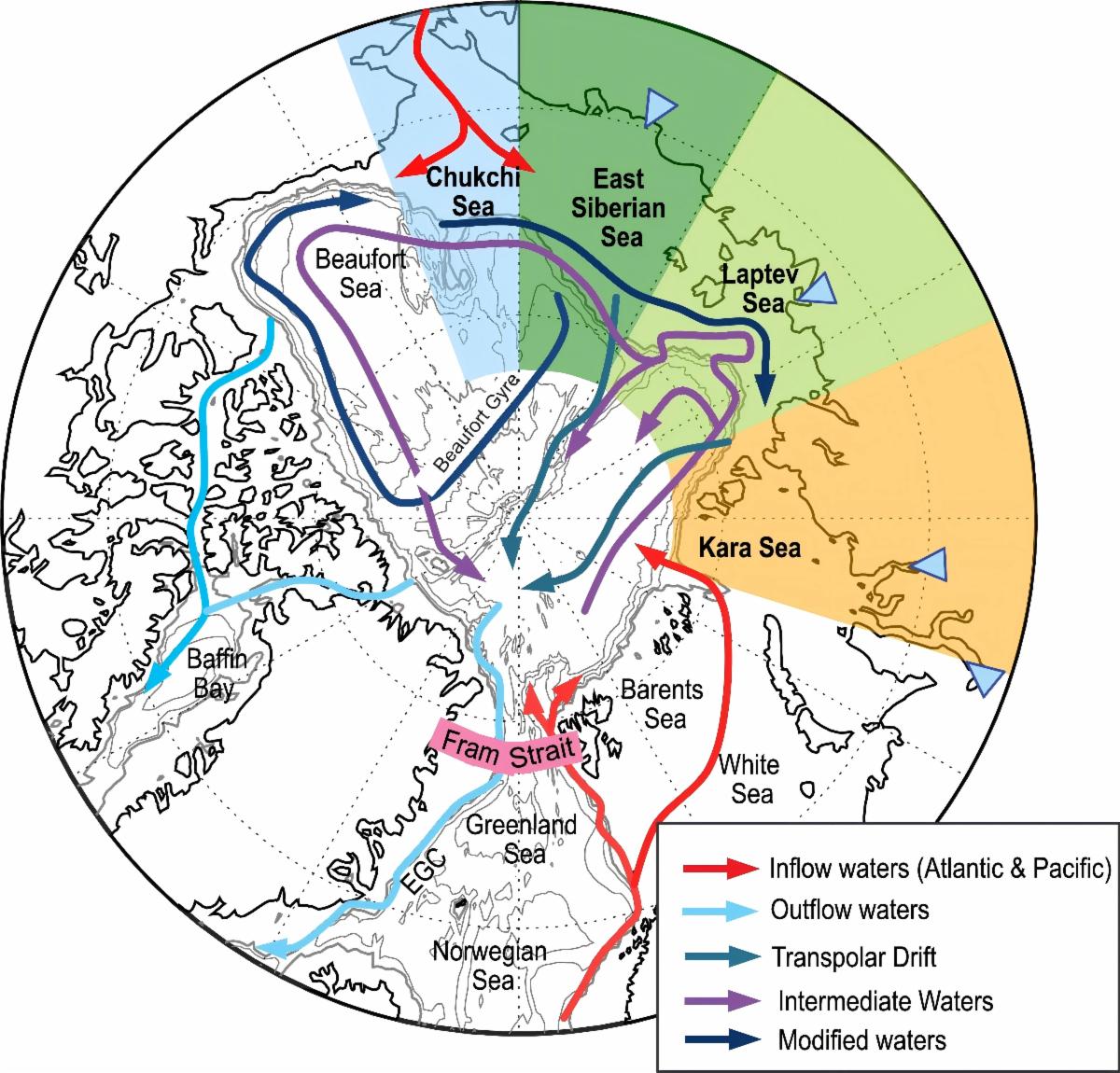
| Figure 4. Map of the Arctic Ocean including the Siberian shelves (Chukchi, East Siberia, Laptev and Kara Seas) and general surface circulation patterns. | | Genomic-to-space measurements reveal large-scale ocean nutrient stress | |
Authors: A. C. Martiny, L. J. Ustick, T. K. Westberry, M. J. Behrenfeld
Journal: Science Advances
Phytoplankton growth and ocean primary production depend on a nutrient supply that fluctuates across seasonal to millennial timescales. Because surface nutrients and phytoplankton biomass recycle rapidly, they obscure the large-scale pattern of nutrient stress. Here, we integrate a satellite-derived index of phytoplankton physiology with hydrographic observations, omics biomarkers, and nutrient-addition experiments to understand the drivers of ocean nutrient stress. A clear biogeography emerges. Nutrient stress tracks nutricline depth and is stronger in nitrogen- than phosphate-limited waters, peaking where cells exploit rarer alternative nutrients. Seasonal variability dominates, but there are also clear signatures of major climate modes. Over the past two decades, surface warming has broadly intensified nutrient stress. A key exception is in southern hemisphere oligotrophic regions, where enhanced nitrogen fixation appears to offset stratification effects. This synthesis of hydrography, genomics, and satellite physiology exposes contemporary, climate-linked shifts in the large-scale distribution of phytoplankton nutrient stress.
Click to read the full paper
| | |
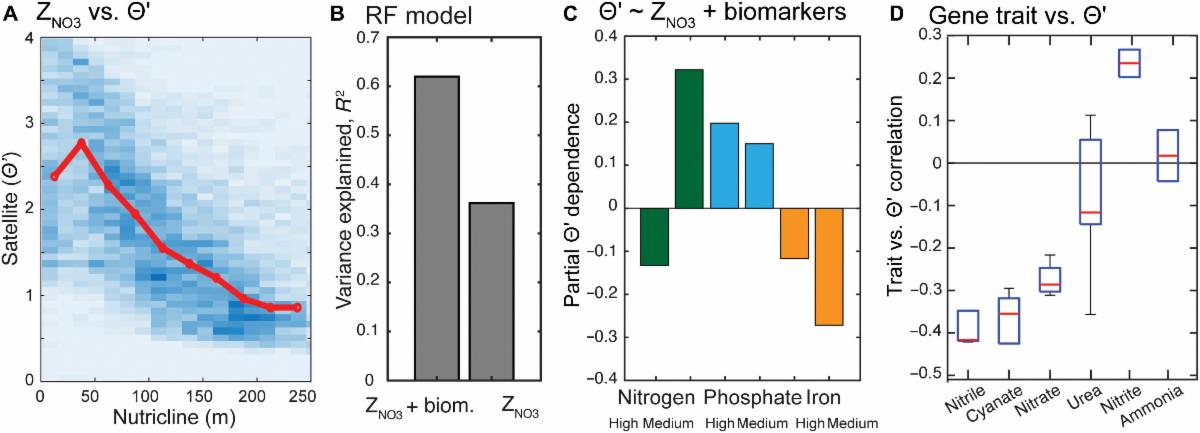
Figure 5. Environmental controls on Θ′ variability.
(A) Significant correlation between the nutricline depth (ZNO3) and Θ′ (RPearson = −0.52, P < 1 × 10−200). Θ′ is the photo-acclimation normalized satellite-derived carbon-to-chlorophyll ratio (Θphoto:Θobs). The nutricline depth is defined as the depth with 3 μM nitrate concentration. (B) Inclusion of genomic biomarkers nearly doubles the explained variability in remotely sensed Θ′ (left bar) beyond that captured by nutricline depth alone (right bar) in nonlinear (RF) models. (C) Integration of hydrography (i.e., nutricline depth) and genomic biomarkers shows a partial dependence of Θ′ on individual elemental stress type. Hence, Θ′ is lowest (most nutrient stress) under high N stress (left-most bar) or Fe stress (right two bars) and highest under P stress (blue bars) and medium N stress (second green bar). (D) Linear correlation between Θ′ and specific nitrogen utilization traits (table S1), showing that (from right to left) as phytoplankton switch to more complex nutrient sources under severe nutrient stress, Θ′ becomes increasingly low.
| | Events, Webinars and Conferences | | |
Information shared by our contacts:
-
PICES-2026 Annual Meeting: Actionable Science for a Changing Ocean. 24-30 October. Nanaimo, Canada. New
- Abstract submission deadline: 30 June 2026.
- Read more
-
Registration is open for the 7th DMS(P) Symposium: Sulfur Carbon Nexus in the SOLAS Sphere. New
- 12–15 October 2026. Bigelow Laboratory, Boothbay Harbor, Maine, USA, and online.
- Themes:
- Atmosphere: carbon–sulfur chemistry and aerosols
- Air–sea exchange of carbon–sulfur compounds
- Carbon–sulfur ocean processes: molecular to ecosystem to global scales
- Translating observations into models: biogeochemistry to climate
- Read more
-
ECSA 61 - Bridging the gap between science and policy in estuarine and coastal marine biodiversity: the way forward, 24-27 August 2026, Square, Brussels, Belgium.
- Registration is still open.
| | |
-
EMBL Plankton Discoveries Conference – A new view of plankton in the global ocean: celebrating 10 years of Tara Oceans. 1-4 September 2026. Heidelberg and Virtual. Registration deadline: 21 July 2026.
-
CommOCEAN 2026 – International Marine Science Communication Conference. 2–3 September 2026. Bergen, Norway. Early-bird price until 1 July 2026.
| | |
- Assistant Professor of Biological Oceanography – California State University, Monterey Bay
- The Department of Marine Science invites applications for a tenure-track Assistant Professor position in Biological Oceanography, with interdisciplinary expertise in areas such as population modeling, remote sensing, biogeochemistry, and climate-related marine processes.
- Open Until Filled.
- Read more
-
Tenure-Track Faculty in Geological Oceanography – University of South Florida, Saint Petersburg
- This position focuses on hydrography or marine geophysics within the Department of Geological Oceanography. Applications are accepted until the position is filled.
- Read more
| |
-
2026 NF-POGO Open Call for Shipboard Training Fellowships New
- The Partnership for Observation of the Global Ocean (POGO) is planning* to offer shipboard fellowship opportunities on board research vessels throughout 2026 and early 2027. The programme is designed to promote training and capacity building, contributing to the development of a global ocean observation system.
- Read more
|
- Fund at NSF – Arctic Research Opportunities
- Supports research that advances a fundamental, process or systems-level understanding of the Arctic's rapidly changing natural environment and social and cultural systems, as well as to improve capacity in projecting future change.
- Target date: 15 July 2026
- Read more
- Fund at NSF – Chemical Oceanography
- Supports research on ocean chemistry and the role of oceans in global geochemical cycles. Focus areas include chemical composition, speciation and transformation; internal cycling; and chemical exchanges with other Earth system components.
- Target date: 17 August 2026
- Read more
- Fund at NSF – Biological Oceanography (BioOce)
- Supports research in biological oceanography and marine ecology in environments ranging from estuarine and coastal systems to the deep sea and the Great Lakes.
- Target date: 17 August 2026
- Read more
- Fund at NSF – Physical Oceanography
- Supports research on the structure and movement of oceans, how quantities are transported, how the ocean's structure interacts with biological and chemical processes within it, and the interactions between the ocean, atmosphere, climate and ice.
- Target date: 17 August 2026
- Read more
| | For more information on activities and opportunities for early-career researchers, you can check the IMECaN Newsletter. Read more | | Turn Your Innovation into Global Impact | | |
IMBeR Blue Innovation Alliance
We invite you to explore our first partner, Nanopure, and join the IMBeR Blue Innovation Alliance. We welcome other companies to join us in this global initiative, where together we can advance ocean sustainability, support cutting-edge marine research, and foster innovation to shape a more sustainable future for our oceans.
| | Capturing IMBeR: Share Your Photos and Memories | | |
We invite all IMBeR participants - past and present - to contribute photos that capture the spirit of IMBeR’s activities over the years. Whether from fieldwork, meetings, workshops, summer schools, or community engagement events, your photos will help illustrate IMBeR’s impact and legacy.
Please send high-resolution images, along with a brief description and credit information, to imber@ecnu.edu.cn.
| | If you would like to put some recruitment information in the IMBeR monthly newsletter, please contact us through imber@ecnu.edu.cn. | | |
DISCLAIMER: The views expressed in the news articles, project updates, and publications featured in this newsletter are those of the authors and do not necessarily represent the positions of IMBeR, its sponsors,
or the IMBeR International Project Office and its host institutions.
| | |
Chief Editor: Suhui QIAN
Editors: Fang ZUO, Kai QIN
| | | |
Contact us
IMBeR International Project Office
State Key Laboratory of Estuarine and Coastal Research, East China Normal University
500 Dongchuan Rd., Shanghai 200241, China
| | | | | |