|
Welcome to the IMBeR Newsletter.
This special edition marks a decade of collaborative achievements by the IMBeR community, guided by the IMBeR Science Plan and Implementation Strategy (SPIS 2016-2025). We invite you to reflect on IMBeR’s legacy - from annual reports and synthesis publications to capacity development strategies and activities - and to share your own memories and snapshots that showcase the vibrant vision and collaborative efforts that have shaped our journey.
Beginning 1 September 2025, we will enter an exploratory period to develop a new science plan. This process will involve soliciting broad input from the ocean science community and we look forward to the community’s guidance and support. The IPO will facilitate this process, while continuing to highlight community achievements, events, and opportunities in this and future issues.
| | |
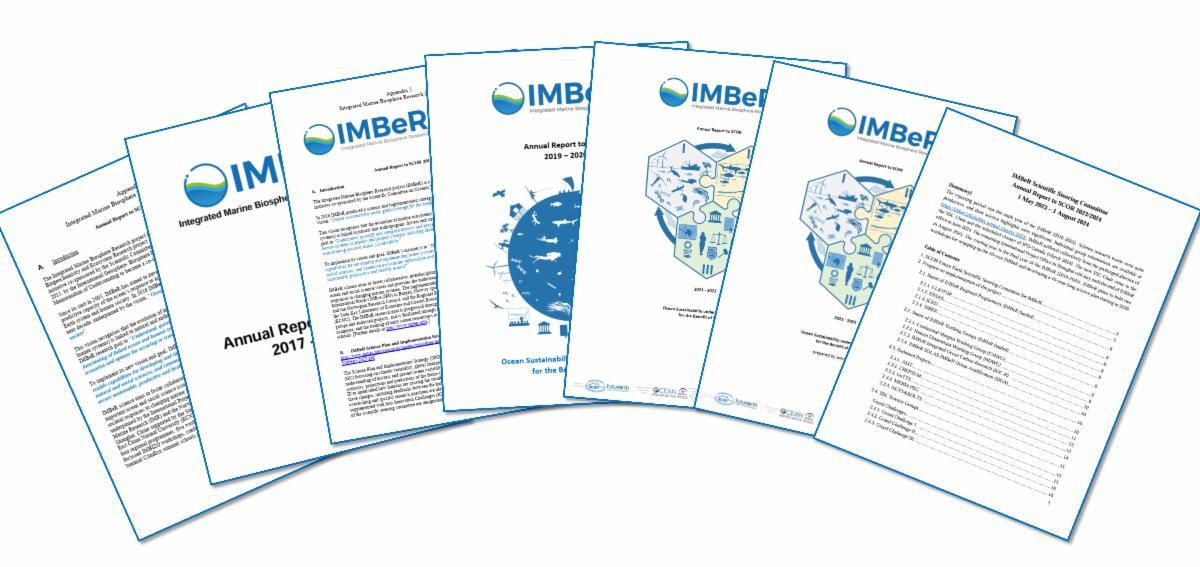
IMBeR Annual Report 2024–2025 Now Available!
The annual reporting period is the tenth year of the IMBeR (2016-2025). Science teams are quite productive, and their scientific highlights were significant. The detailed activities and achievements of individual science team submissions are available at https://imber.info/annual-reports-to-scor-2002-2025/.
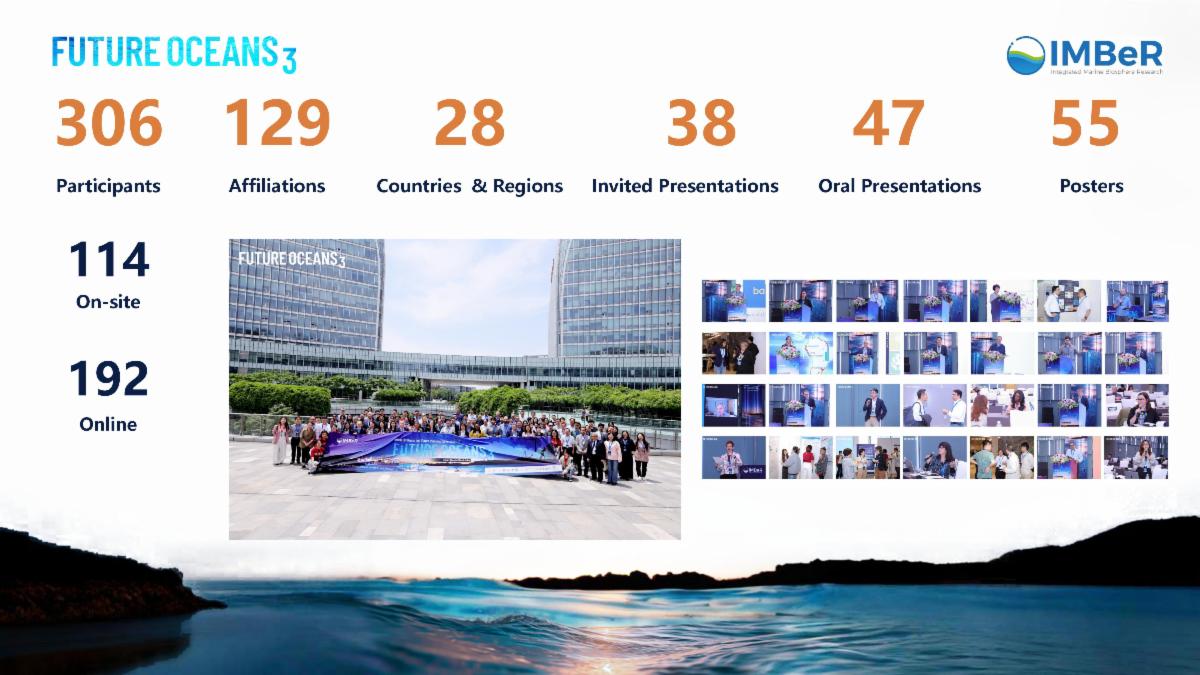
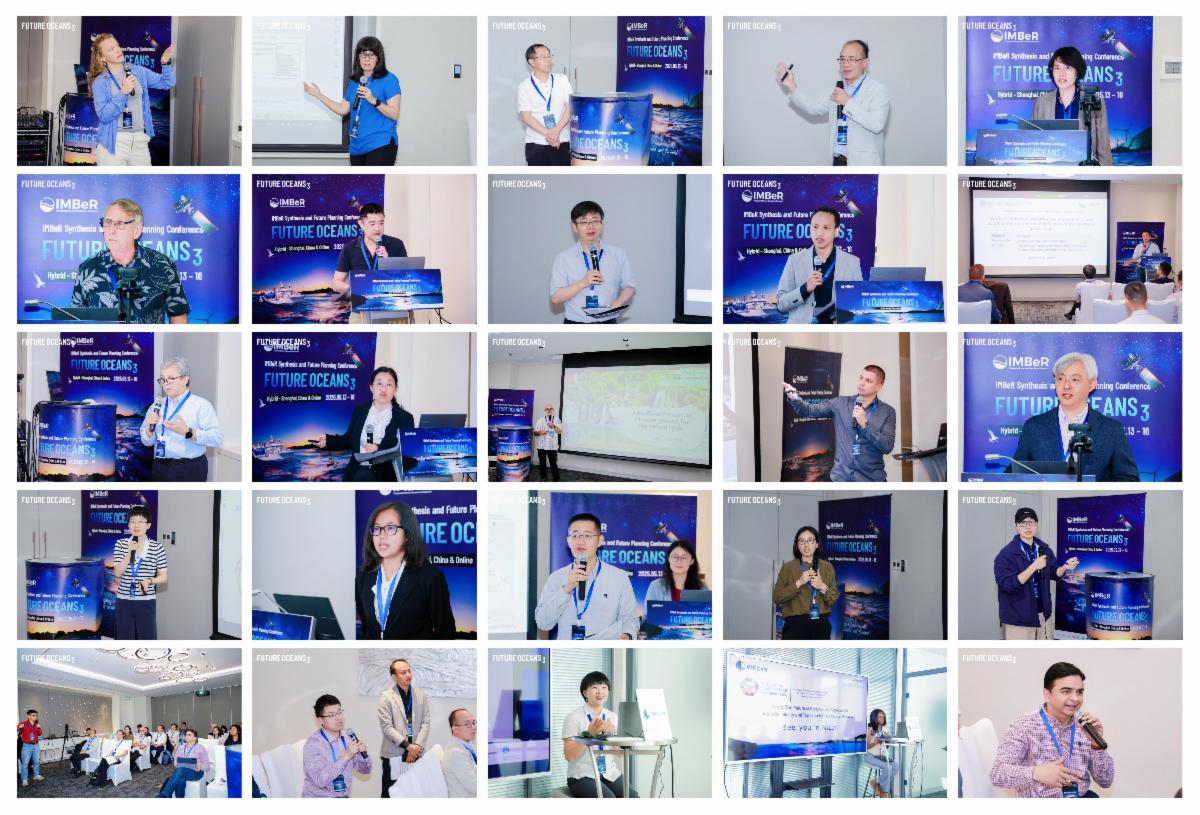
In the final year, IMBeR convened the “IMBeR Synthesis and Future Planning Conference, Future Oceans 3 (FO3)” from 13 to 16 May in Shanghai, China. The FO3 reviewed and synthesized outstanding achievements for the last ten years’ IMBeR activities. It also explored a new global project to succeed the current IMBeR. The conference brought together 306 participants from 129 affiliations across 28 countries and regions, from diverse professional fields such as marine science, climate change, and ecological conservation. IMBeR presented several key ideas and experiences (e.g., internationally coordinated scientific research for marine Carbon Dioxide Removal (mCDR) activities, OA-ICC data compilation and portal on the biological response to ocean acidification, developing a Coastal Observation Lab in a Box – COLaB; Ocean sustainability in the context of global change: Lessons learned from a large-scale ocean research project) at the One Ocean Science Congress to provide the scientific foundation for the policy development at the Third United Nations Ocean Conference (UNOC3) for “accelerating action and mobilizing all actors to conserve and sustainably use the ocean” in June, 2025. A planning activity to develop a new science project beyond 2025 is underway.
Click to read the full report
| | Synthesis Publications to Date | | |
Editorial: Integrated Marine Biosphere Research: Ocean Sustainability, Under Global Change, for the Benefit of Society
Authors: C. Robinson, A. J. Hobday, E. J. Murphy, P. K. Nayak, A. Newton
Journal: Frontiers in Marine Science
Editorial on the Research Topic
Integrated marine biosphere research: ocean sustainability, under global change, for the benefit of society
The Integrated Marine Biosphere Research (IMBeR) initiative is an interdisciplinary global environmental change research network with the mission to promote integrated marine research and enable capabilities for developing and implementing ocean sustainability options within and across the natural and social sciences, and to communicate relevant information and knowledge needed by society to secure sustainable, productive and healthy oceans. IMBeR began in 2005, and currently includes four regional programmes (Climate Impacts on Oceanic Top Predators (CLIOTOP), Ecosystem Studies of Sub-arctic and Arctic Seas (ESSAS), Integrating Climate and Ecosystem Dynamics in the Southern Ocean (ICED), and Sustained Indian Ocean Biogeochemistry and Ecosystem Research (SIBER)), five working groups (Human Dimensions (HDWG), Continental Margins (CMWG), SOLAS-IMBeR Ocean Acidification (SIOA), and Integrated Ocean Carbon Research (IOC-R)), and three study groups (Eutrophication, Indo-Pacific Region and Ocean colour), encompassing a community of more than 6000 individual researchers from more than 110 countries.
The 31 articles included in this Research Topic developed from contributions to IMBeR’s second open science conference Future Oceans 2, or from studies either supported or influenced by IMBeR activities. The global and collaborative nature of this effort is demonstrated in the Research Topic – the first authors of these articles represent 14 countries, 23 of the articles have co-authors from institutions in more than one country (a range of 1 – 10 countries per article, mean 3.4 countries) and all but one article are multi-authored (1 – 27 co-authors per paper, average 8.4). A companion Research Topic: ‘Solving complex ocean challenges through interdisciplinary research: Advances from early career marine scientists’ was initiated at the same conference and led by members of the IMBeR network for early career researchers, the Interdisciplinary Marine Early Career Network (IMECaN) (Brodie et al., 2022). This also highlighted strong global collaboration with 41 first authors representing 16 countries.
Click to read the full paper
| | |
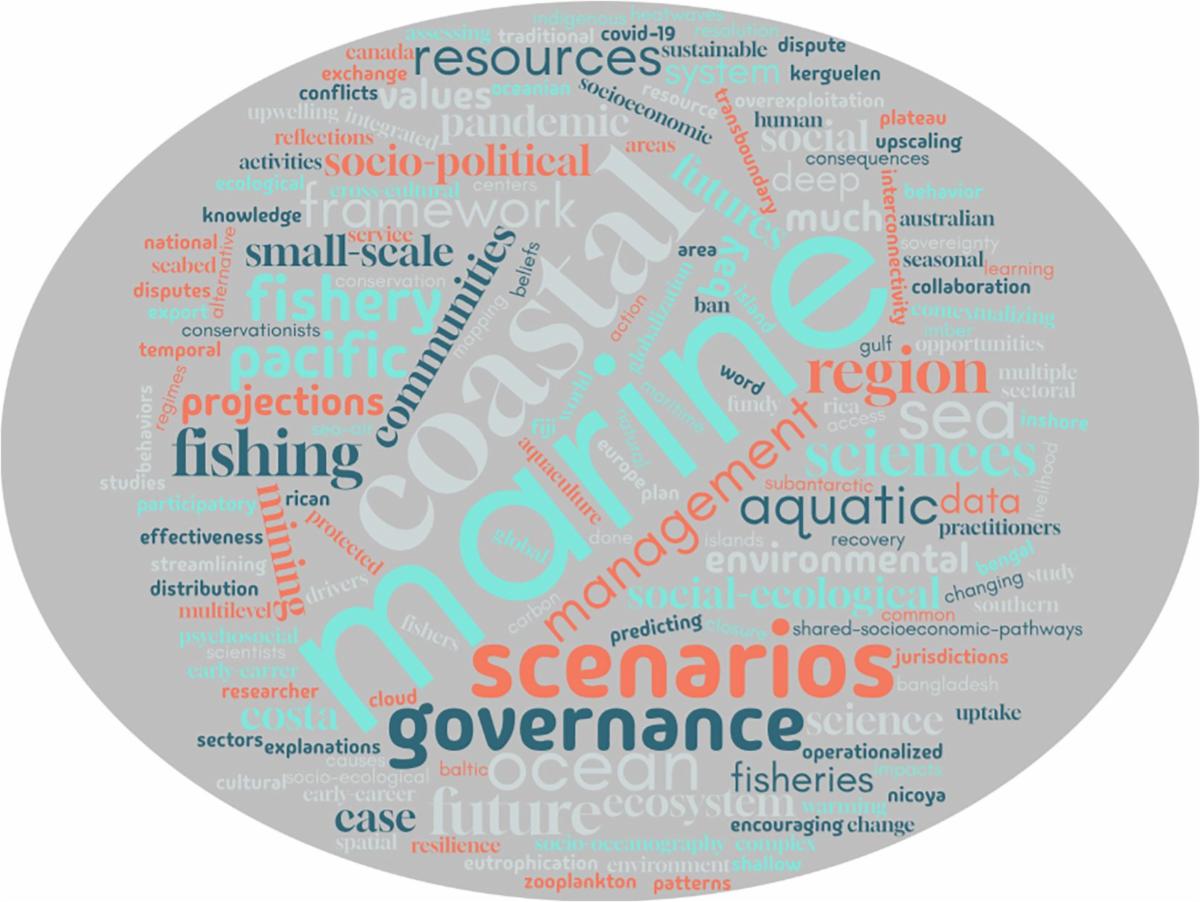
Figure 1. Wordcloud of the themes, concepts, methods and geographies identified from the titles and keywords of the 31 articles in this Research Topic.
| |
|
Guidelines for Ensuring Meaningful Engagement of
Early Career Researchers in Scientific Collaborations:
Recommendations from and for Marine and Polar Scientists
Authors: L. Kaikkonen, M. Strand, P. Singh, R. Shellock, R. Roman, A. J. Smith, S. Joshi, C. A. Baker, K. T. Bigham, B. S. Dias, B. T. Erinosho, J. F. Fernandes, M. Ferraro, O. Garcia-Garin, I. Gianelli, X. E. Ilosvay, E. Kostianaia, I. M. Leyba, S. Li, T. Marshall, R. R. Oliveira, O. Outinen, M.-M. Rouyer, C. Scopetani, D. Singh
Journal: ICES Journal of Marine Science
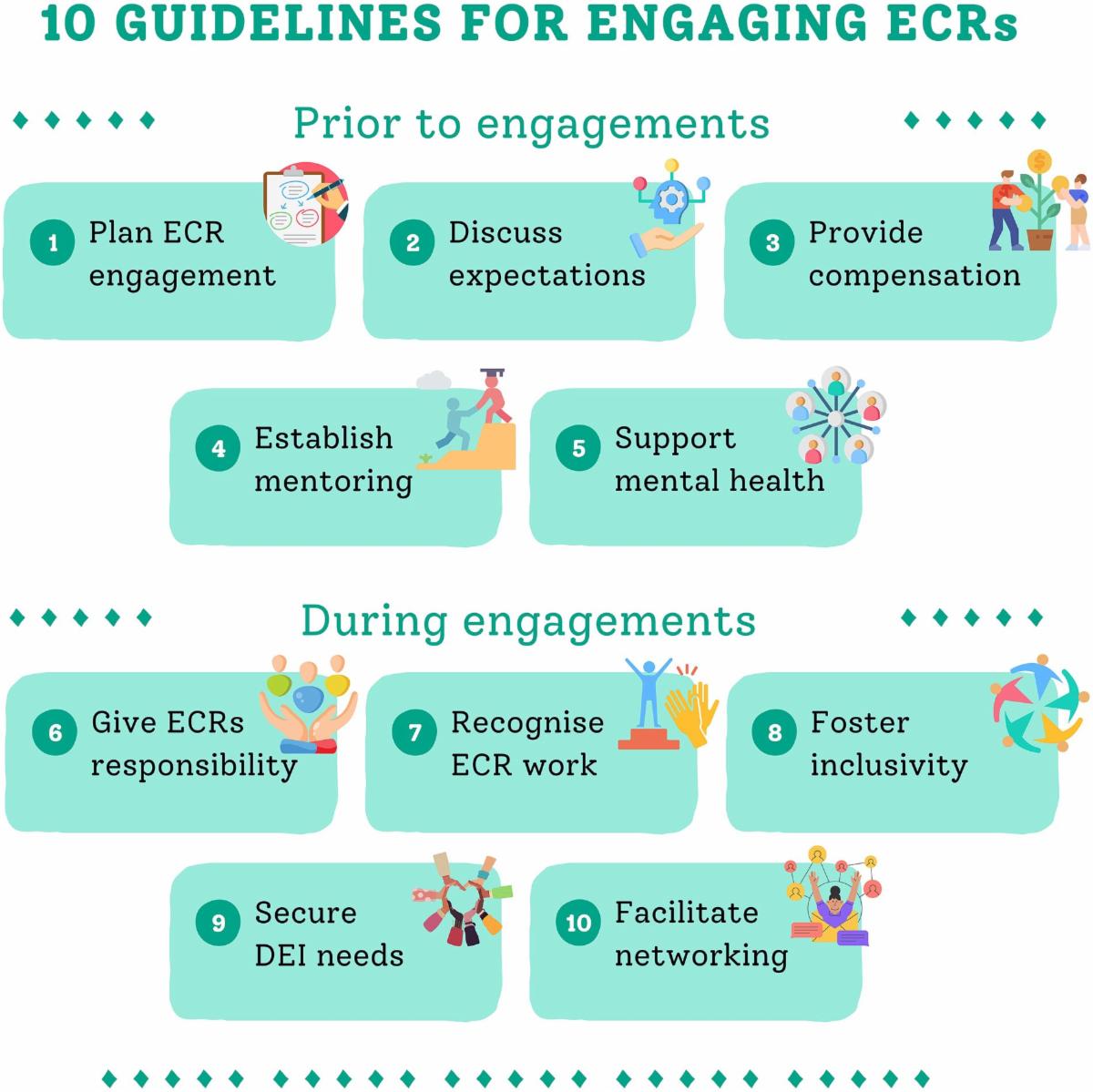
Abstract: There is an increasing recognition of the importance of involving early career researchers (ECRs) in scientific positions of trust within national and international organizations, collaborative research projects, networks, and working groups. While the inclusion of ECRs in positions traditionally dominated by more established scientists is a welcome development to increase diversity, equity and inclusion in science, ECRs are often brought into different processes without consideration of the differences in career stages and unfamiliarity of newcomers to projects and processes. These challenges are particularly felt by ECRs with multiple disadvantaged statuses or identities (e.g. ECRs from ethnic minorities, the Global South, and those with caring responsibilities). This paper presents ten guidelines prepared as a participatory process of 12 marine and polar science early career networks, aiming to provide a comprehensive framework for various stakeholders involved in the academic and research ecosystem to improve ECR engagement in collaborations and institutional processes. These guidelines are intended to be adaptable to various contexts, ensuring that all those engaging with ECRs can effectively support their development and well-being. By following these guidelines, members of the scientific community and associated organizations can contribute to a nurturing and productive working environment that benefits the entire research community. This, in turn, will contribute to the long-term success of individual researchers, their institutions, and ultimately science itself.
Click to read the full paper
| Figure 2. Ten guidelines for improving meaningful engagement with marine and polar early career researchers (ECRs) in scientific collaborations. Figure created with Canva. | | |
The Role of the Interdisciplinary Marine Early Career Network (IMECaN)
in Supporting Capacity Building, Ocean Literacy, and
Collaborative Leadership of Early Career Researchers
Authors: J. Palacios-Abrantes, B. S. Dias, I. Gianelli, M. Strand, S. Li, G. A. Yeboah
Journal: Limnology and Oceanography Bulletin
Click to read the full paper
| | |
Building Successful International Summer Schools to
Enhance the Capacity of Marine Early Career Researchers
| | |
Authors: C. Cvitanovic, J. Blythe, I. van Putten, L. Maddison, L. Bopp, S. Brodie, B. A. Fulton, P. F. M. Lopes, G. Pecl, J. Penca, U. R. Sumaila
Journal: Ocean and Society
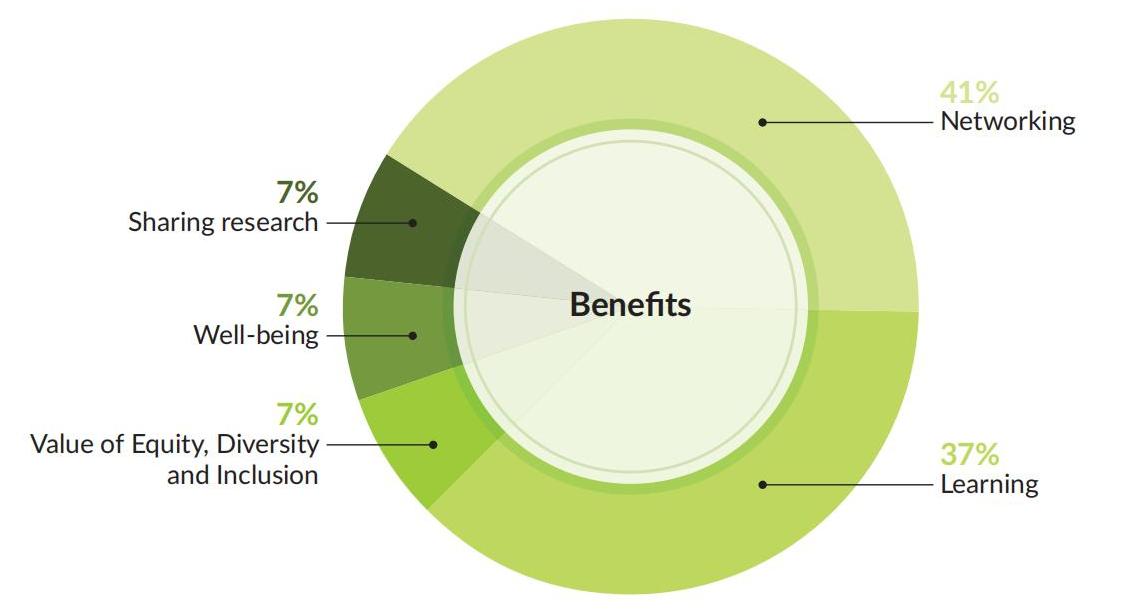
Abstract: The development of informal science learning programs is a key strategy for supplementing traditional training for early career researchers (ECR). Within the marine sector, there has been a proliferation of international summer schools (a form of informal science learning program) to support ECRs to develop the networks, skills, and attributes needed to tackle ocean sustainability challenges and support the attainment of the Sustainable Development Goals (e.g., collaboration across disciplines, policy engagement, etc.). Yet, there exists very little evidence on the impact generated by such informal science learning programs or the design strategies that can confer their success. This commentary seeks to address this knowledge gap by considering the successful biennial Climate and Ecosystems (ClimEco) marine summer school series that has run since 2008. Specifically, we draw on the perspectives of lecturers and organisers, in combination with a survey of ClimEco participants (𝑛 = 38 ECRs) to understand the drivers and motivations of ECRs to attend summer schools, the types of outcomes and impacts that summer schools can have for marine ECRs, and the key factors that led to the successful attainment of these impacts, outcomes, and benefits. In doing so, we develop guidance that would enable global summer school convenors to effectively support the next generation of marine researchers to advance ocean sustainability.
Click to read the full paper
| | Figure 3. Summary of the benefits derived from attending the ClimEco summer school. | | |
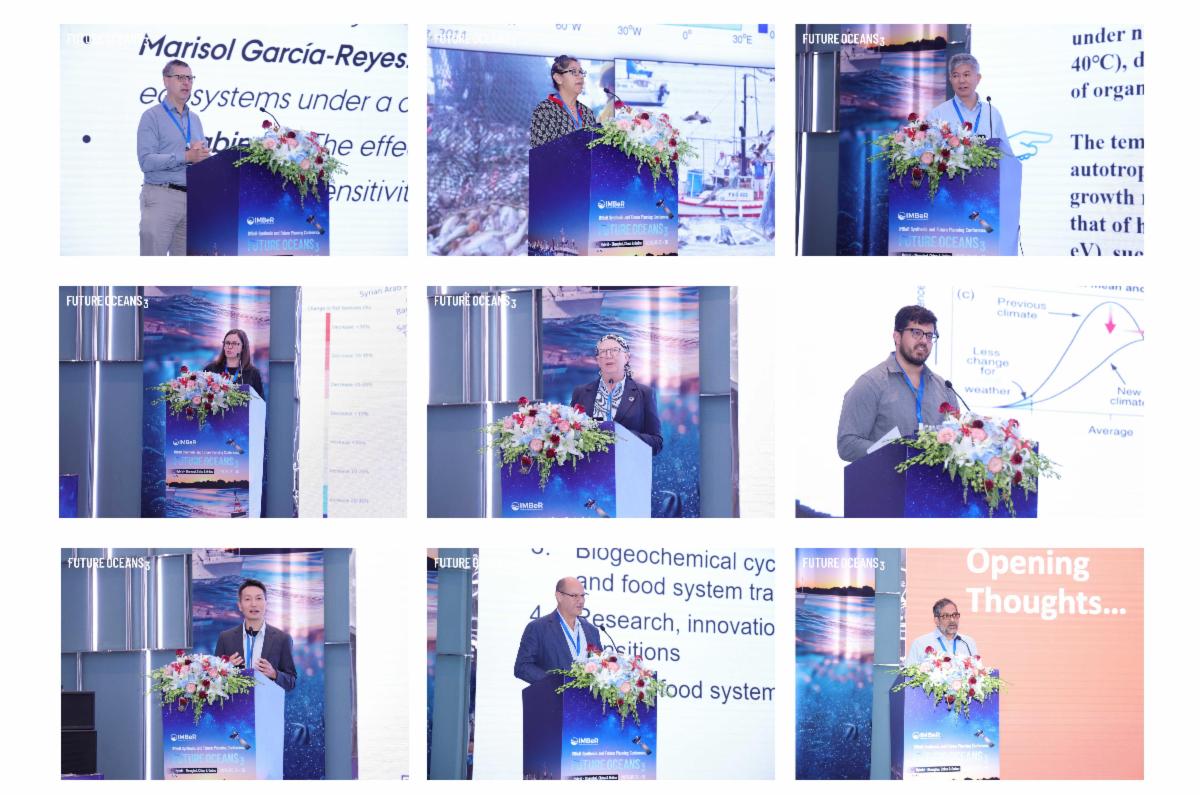
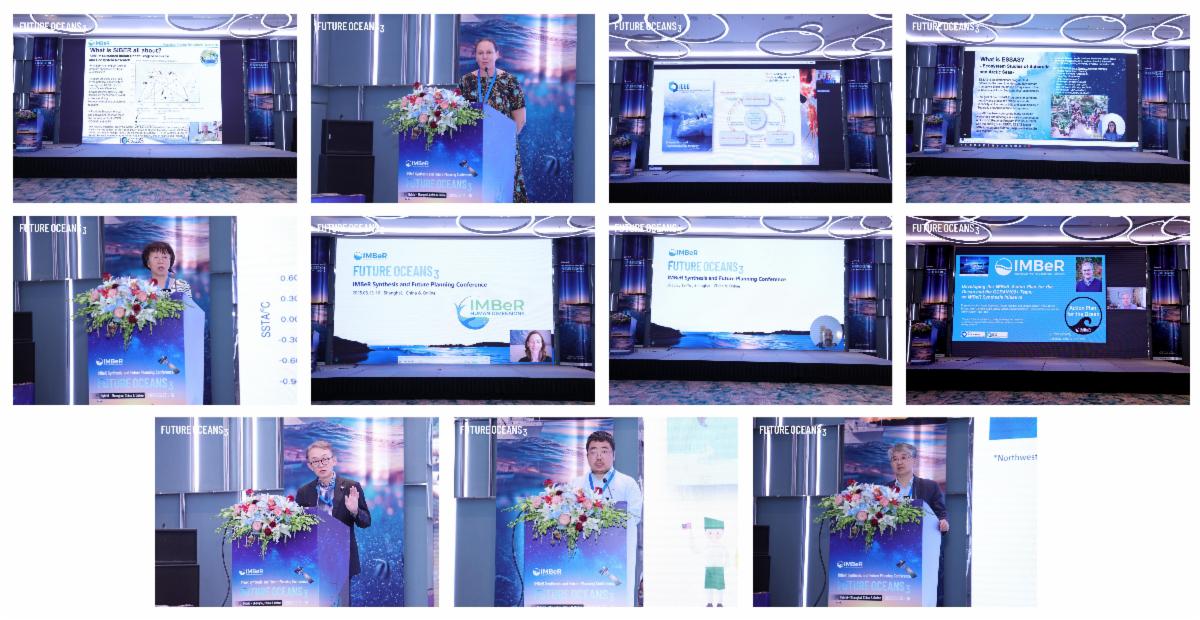
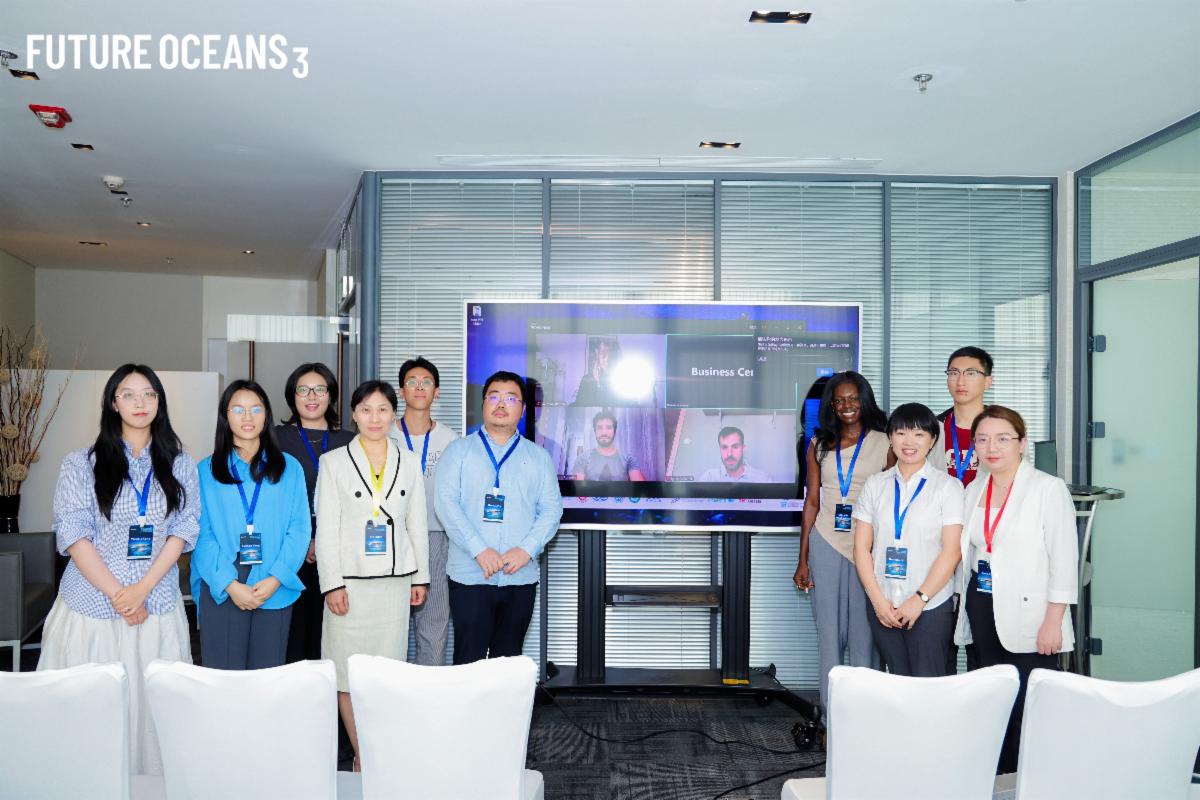
From 13 to 16 May 2025, the IMBeR Synthesis and Future Planning Conference (Future Oceans 3, FO3) was successfully held in Shanghai & Online. The FO3 brought together 306 participants from 129 affiliations across 28 countries and regions. Participants from diverse fields - such as marine science, climate change, and ecological conservation - joined both online and in person. These included senior researchers, strategic experts, representatives of international organisations, early-career scientists, and policymakers.
Since 2016, IMBeR has been committed to understanding, quantifying and comparing the historic and present structure and functioning of linked ocean and human systems to predict and project changes including developing scenarios and options for securing or transitioning towards ocean sustainability. Guided by the theme "Look Inward, Look Outward, Look Forward," this conference aimed to:
-
Reflecting on IMBeR’s scientific achievements over the past decade (2016-2025).
-
Reviewing IMBeR’s interactions with relevant scientific projects, programs, organizations, and initiatives.
- Envisioning the future of marine biosphere research post-IMBeR.
| | |
Focusing on Three Grand Challenges and Highlighting Key Findings
Three keynote sessions were organised by the International Organising Committee around IMBeR’s Grand Challenges:
- Understanding multi-stressors of marine environments and achievements and challenges from ecosystem resilience and environmental management
- Achievements from IMBeR Grand Challenge 2 and opportunities for IMBeR 3.0: from scenarios, predictions and projections to actions, solutions and interventions
- Blue Transformations: Governance for the ocean-climate-biodiversity nexus
| | |
Strategic Partnership Session:
Advancing Cross-Project Collaboration and Innovation
| | |
Interdisciplinary Sessions and Youth Engagement
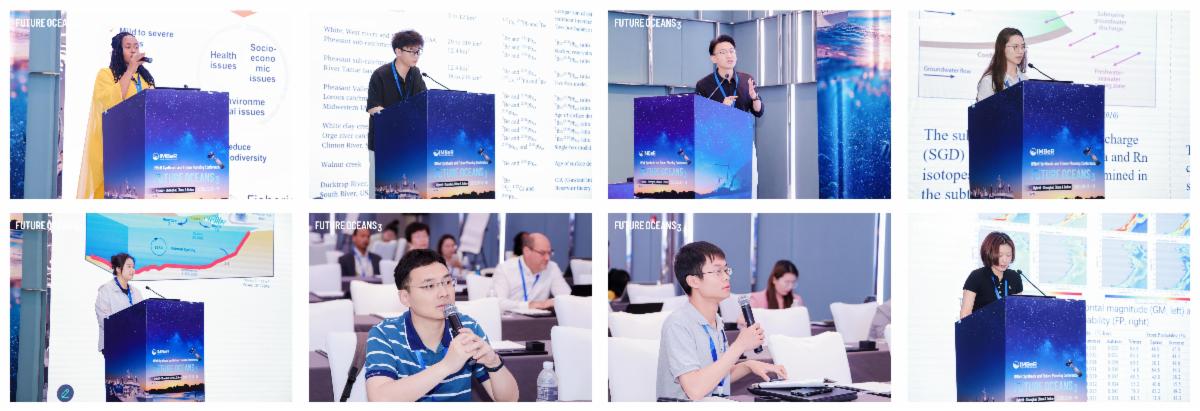
Eight parallel theme sessions were organised on key topics such as marine governance, island biodiversity, coastal blue carbon ecosystems, ecosystem-social interactions, optical remote sensing in the Northwest Pacific and the Central Indo-Pacific Oceans, international research and educational collaboration for sustainable tropical and subtropical marine ecosystems, and SIBER and the Second International Indian Ocean Expedition.
| | |
IMBeR Doctoral Forum
The IMBeR Doctoral Forum 2025, held as part of the Future Oceans 3 (FO3) Conference, successfully provided a dynamic platform for recent and soon-to-be PhD graduates in marine sciences to present their research and engage with leading scientists, policymakers, and peers.
| | |
Open Discussion and International Collaboration in Marine Science
In the closing session, experts held in-depth discussions on six key topics:
- Land/ocean/climate & pollutants nexus and tipping points in coastal ecosystems / mitigation
-
Integrative Interventions: Adaptation and Nature Repair
- Integrative Interventions: Climate Mitigation (nature-based solutions)
- Connecting and Synthesizing Across Regional Programs
- Data Management for Synthesis and Action
- Governing blue transitions (ocean-land)
The discussions showcased the potential of interdisciplinary and international cooperation and provided valuable insights for IMBeR’s strategic planning.
| | |
Capturing IMBeR: Share Your Photos and Memories
We invite all IMBeR participants - past and present - to contribute photos that capture the spirit of IMBeR’s activities over the years. Whether from fieldwork, meetings, workshops, summer schools, or community engagement events, your photos will help illustrate IMBeR’s impact and legacy.
Please send high-resolution images, along with a brief description and credit information, to imber@ecnu.edu.cn.
| | |
New IMBeR Working Group Launched!
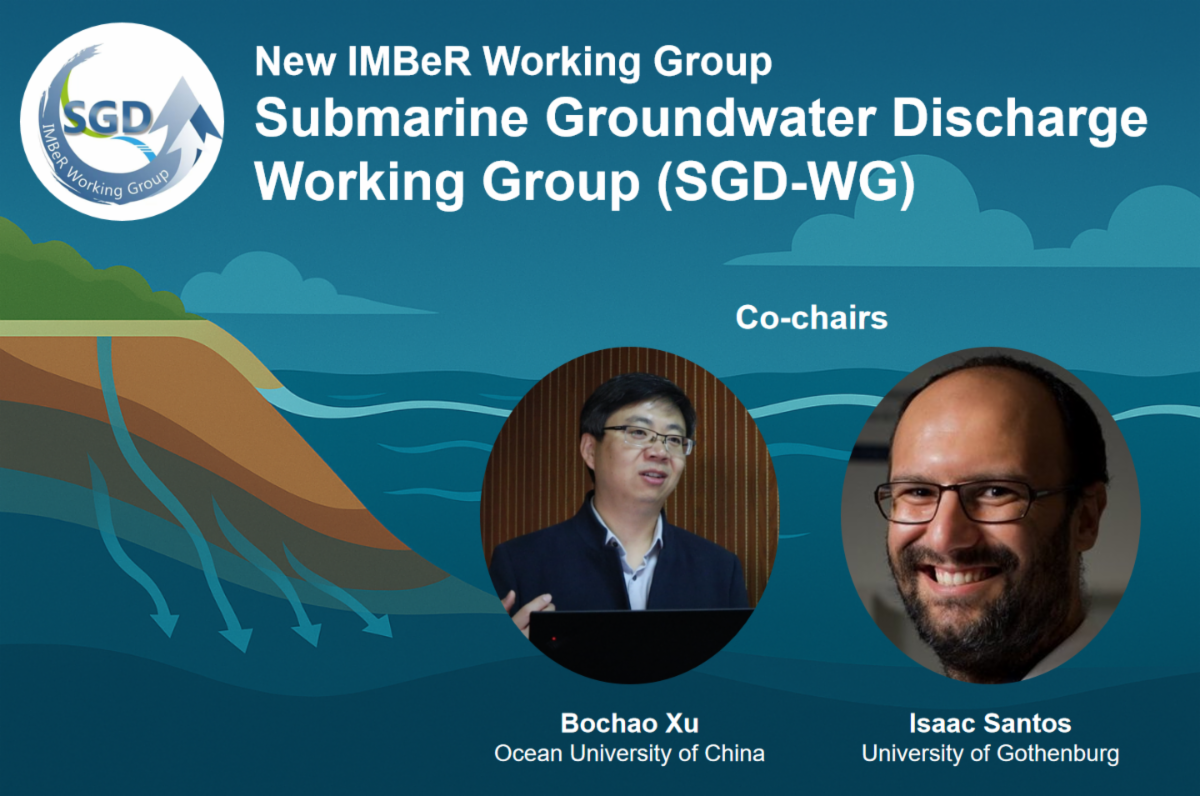
The Integrated Marine Biosphere Research (IMBeR) is pleased to announce the launch of a new endorsed working group: the Submarine Groundwater Discharge Working Group (SGD-WG). Co-chaired by Dr. Bochao Xu (Ocean University of China) and Prof. Isaac Santos (University of Gothenburg), this international network of 33 scientists from 9 countries is dedicated to investigating one of the ocean’s most critical and overlooked processes—Submarine Groundwater Discharge (SGD)—and its cascading impacts on global biogeochemical cycles, ecosystem function, and climate resilience.
Visit the SGD-WG homepage
| |
New IMBeR National Contacts for Denmark, Chile and Bangladesh!
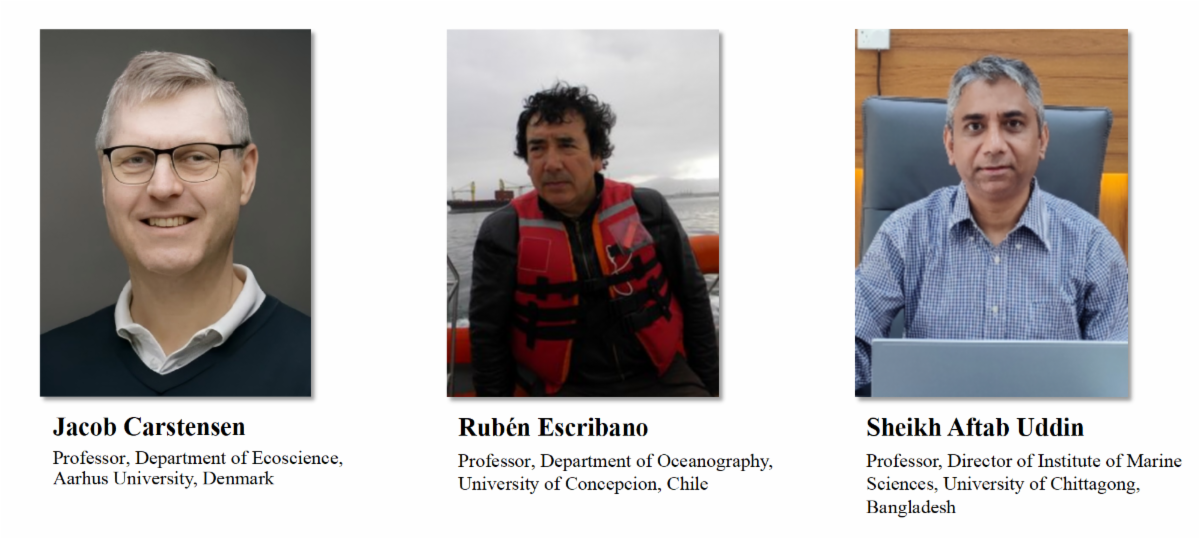
We are delighted to welcome Prof. Jacob Carstensen as IMBeR’s National Contact for Denmark, Prof. Rubén Escribano as the National Contact for Chile, and Prof. Sheikh Aftab Uddin as the National Contact for Bangladesh. Read more
More information about the National Contacts is available here.
| | |
IMECaN September Newsletter New
The Interdisciplinary Marine Early Career Network (IMECaN) has released its September 2025 newsletter, featuring activity highlights from UNOC3, new publications, upcoming events, and career opportunities. Read more
|
| |
Pan-CLIVAR Meeting 2025 & CLIVAR Symposium: Bridging Science and Society in Southeast Asia and Beyond. 22–26 September 2025. Bali, Indonesia.
All-Atlantic Ocean Research and Innovation Alliance Forum. 24–28 September 2025. Brussels, Belgium. Registration is still open.
The 4th Mega-Delta Meeting: International Conference on Dialogue between Land and Sea. 19–22 October 2025. Shanghai, China. Submit abstracts by 12 September.
Blue Wave Conference: Youth Empowerment for Ocean Science and Action. 30–31 October 2025. Shenzhen, China. Register by 26 September 2025.
PICES-2025: Innovative Approaches and Applications to Foster Resilience in North Pacific Ecosystems. 8–14 November 2025. Yokohama, Japan.
Ocean Sciences Meeting. 22–27 February 2026. Glasgow, UK. Registration and housing now open.
ASLO-SIL 2026 Joint Meeting: Aquatic Confluence – Science, People, Knowledge. 12–16 May 2026. Montreal, Quebec, Canada. Call for abstracts will open soon.
7th World Conference on Marine Biodiversity. 17–20 November 2026. Bruges, Belgium. Call for abstracts will open soon.
2026 OCB Activity Proposal Solicitation – open until Oct 24. Read the full solicitation.
Open to proposals for OCB-relevant workshops, training activities, small group activities, and regional hubs.
Funding Opportunity: ITOPF R&D Award 2026
1 September 2025 - 1 December 2025
Open to researchers in the field of marine pollution response. Read more
Postdoctoral Researcher in Microbial Oceanography and Multi-Omics Bioinformatics
2-year position to study marine microbial communities using multi-omic approaches; strong bioinformatics and programming (Python, R) skills required. Read more
| | IMBeR is a Large-Scale Ocean Research Project under SCOR and a Global Research Project under Future Earth. | | |
Contact Us
IMBeR International Project Office
State Key Laboratory of Estuarine and Coastal Research, East China Normal University
500 Dongchuan Rd., Shanghai 200241, China
Tel: 86 021 5483 6463
E-mail: imber@ecnu.edu.cn
Chief Editor: Suhui QIAN
Editors: GiHoon HONG, Fang ZUO, Kai QIN
| | | | |