|
IMBeR Newsletter
Your news from the Integrated Marine Biosphere Research International Project Office
| |
| |
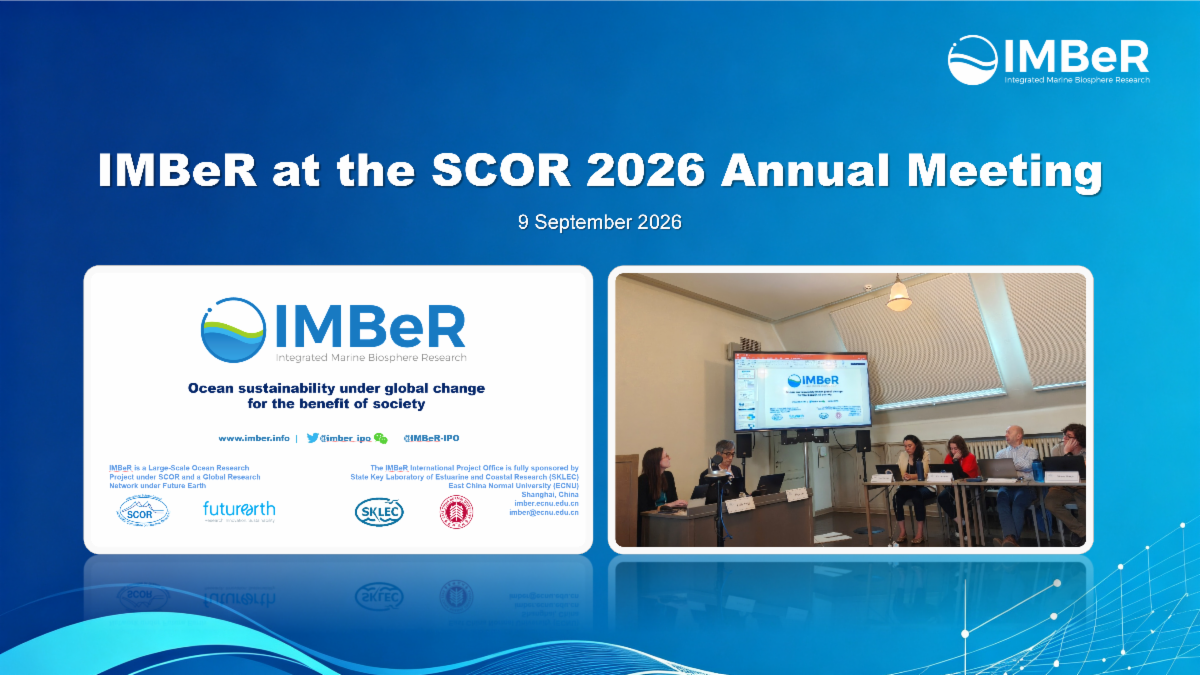
IMBeR Newsletter September 2026
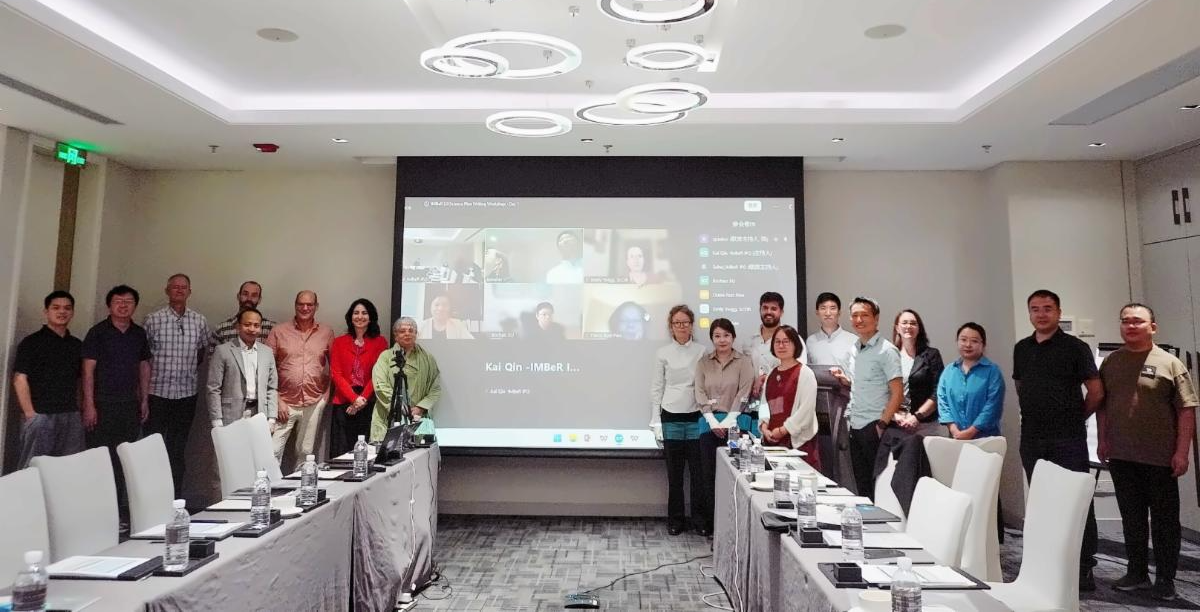
IMBeR 3.0 Science Planning Workshop
The workshop to develop the science plan for the third phase (2027–2037) of Integrated Marine Biosphere Research (IMBeR) was held in Shanghai from 14 to 18 September 2026. Jointly hosted by the State Key Laboratory of Estuarine and Coastal Research at East China Normal University and the IMBeR International Project Office, the workshop brought together members of the IMBeR Scientific Steering Committee and experts from its international network to refine research priorities and implementation pathways for the next phase.
Learn more
| | |
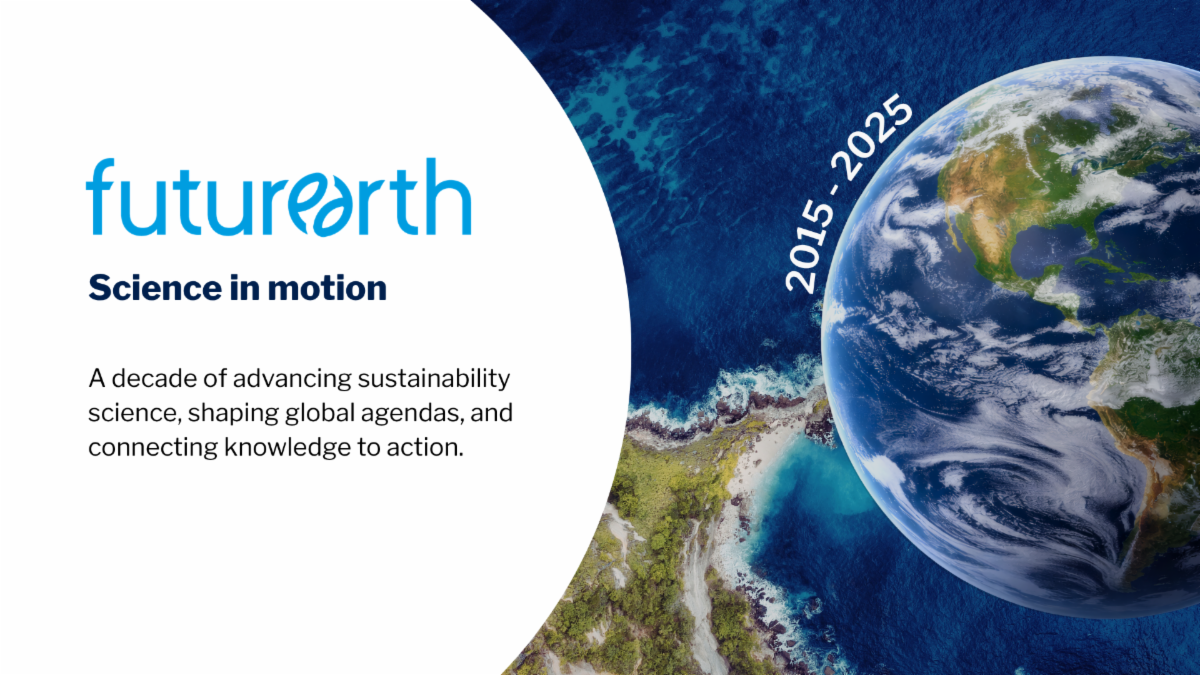
Future Earth Releases 10 Year Impact Report
Science in Motion: 2015-2025 reflects on Future Earth’s first decade as an operational network, highlighting how our global community has advanced sustainability science by building transdisciplinary capacity, catalyzing transformative research, shaping global agendas, expanding the reach of sustainability science, and enabling collective action. Looking back on ten years of impact, the report also bridges to the opportunities and challenges of the decade to come.
Learn more
|
| |
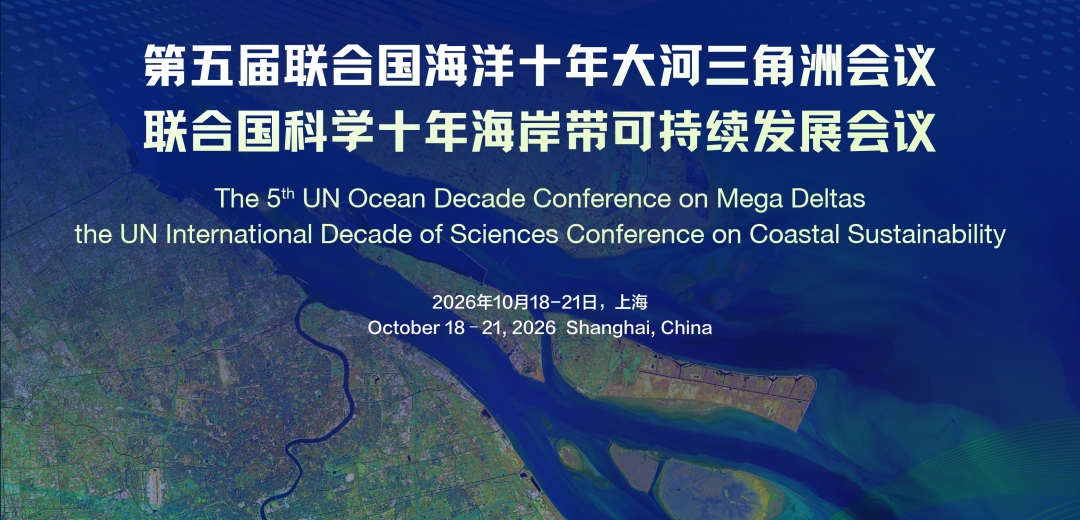
The 5th UN Ocean Decade Conference on Mega Deltas
The UN International Decade of Sciences Conference on Coastal Sustainability
Date: 18-21 October 2026
Location: Shanghai, China
Mega deltas are critical interfaces linking river basins and the ocean. They are cradles of human civilization, centers of population and economic activity, and strategic regions for achieving the United Nations Sustainable Development Goals. Sustained by freshwater, sediment, and nutrient inputs from vast river basins, as well as ecosystem services provided by adjacent coastal and marine environments, mega deltas support regional economic development, food security, ecological security, and human well-being. However, climate change and human activities are increasingly altering river discharge, sediment transport, and land–sea material exchanges through water regulation, dam construction, land-use change, and pollution. At the same time, sea-level rise, more frequent extreme events, coastal erosion, and ecosystem degradation pose growing threats to delta stability, coastal resilience, and nearshore environmental health. Addressing these interconnected challenges requires stronger collaboration among stakeholders across river basins, deltas, and coastal zones, and the development of integrated land–sea governance approaches for sustainable development.
The United Nations Decade of Ocean Science for Sustainable Development (2021–2030) promotes science-based solutions for a sustainable ocean. Within this framework, the Mega Deltas Programme advances international cooperation, knowledge sharing, and innovation for climate adaptation, ecosystem conservation, risk reduction, and sustainable development in major delta regions worldwide. In parallel, the United Nations International Decade of Sciences for Sustainable Development (2024–2033) supports the Land–Sea Dialogue for Coastal Sustainability (CROSS-Coasts) programme, which emphasizes systems-based approaches to strengthen coordination among estuaries, coastal zones, and adjacent marine ecosystems, while engaging scientists, policymakers, businesses, and society in addressing sustainability challenges.
Under these international initiatives, the 5th International Conference on Mega Deltas and Coastal Sustainability will bring together scientists, policymakers, practitioners, business leaders, and representatives of international organizations from river basins, deltas, and coastal regions worldwide. Participants will share scientific advances, governance experiences, and innovative practices related to environmental change and sustainable development in coupled river basin–delta–coastal systems, and explore solutions that contribute to the achievement of the Sustainable Development Goals.
The conference will also host the China–Africa Large River Basins Forum, focusing on resource utilization, ecosystem conservation, environmental governance, climate adaptation, and disaster risk reduction across major river basins, deltas, and coastal regions in China and Africa.
Themes:
- Delta responses to climate change and human activities
- Coupled river basin–delta–coastal systems and integrated land–sea governance
- Coastal ecosystem conservation, restoration, and blue economy development
- Climate adaptation, disaster risk reduction, and resilient coasts
- China–Africa cooperation on sustainable development of river basins and coastal zones
- Building an international cooperation organization for sustainable mega deltas
Early Bird Registration Deadline: 30 September 2026
Conference Contact: megadelta@ecnu.edu.cn
| | |
UN World Ocean Assessment on
Small-Scale Fishing, Including Subsistence Fishing
| | |
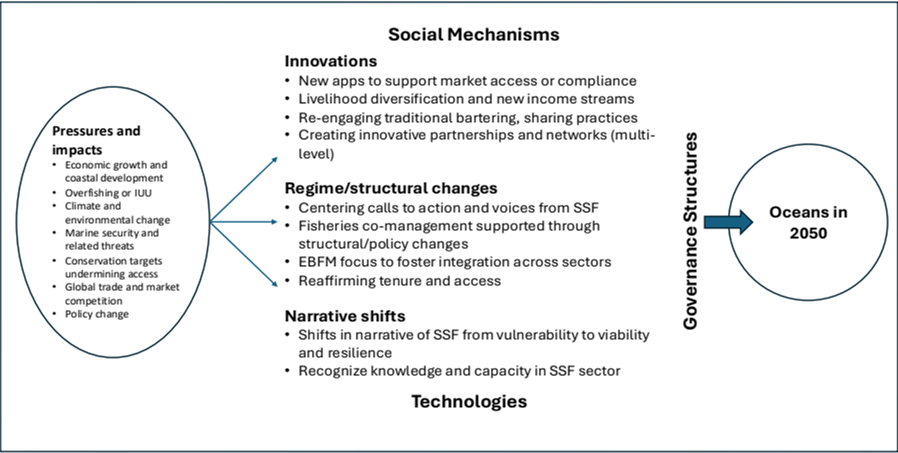
The latest UN World Ocean Assessment examines the contributions, challenges and future prospects of small-scale and subsistence fisheries. The assessment highlights their important economic, social and cultural roles, while drawing attention to the cumulative effects of social, economic, environmental and climate-related drivers on their viability and resilience. It emphasizes the need for sustainable pathways that address multiple interacting drivers and take into account local knowledge, equity, human rights and security concerns.
Writing Team: D. Armitage (coordinating author), D. Aheto, D. Campbell (co-lead member), B. Kang, T. Lovell, M. Marschke, E.-K. Muhl, P. Nayak, I. Okafor-Yarwood, C. Pita, S. Pradhan, D. Prado, M. Trimble, R. Vave, N. Yagi and C.-I. Zhang (lead member).
Source: Third World Ocean Assessment (WOA III), Section 5, Subsection 5a, Chapter 1, Subchapter 1b. United Nations, Division for Ocean Affairs and the Law of the Sea (DOALOS).
Key Points
- Small-scale and subsistence fisheries make substantial contributions to national and global economies and are socially and culturally important.
- The cumulative effects of a wide range of drivers, including social, economic, environmental and climate drivers, pose significant threats to the viability and resilience of small-scale and subsistence fisheries globally.
- Sustainable pathways for small-scale and subsistence fisheries must address the cumulative effects of multiple drivers of vulnerability, build on knowledge and experience, and take into consideration equity, human rights and security concerns.
Click to read the full chapter
| | |
Figure 1. Sustainable pathways for small-scale fisheries under the Oceans 2050 scenario
| | |
Transition pathways from vulnerability to viability
of small-scale fisheries in Africa and Asia
| |
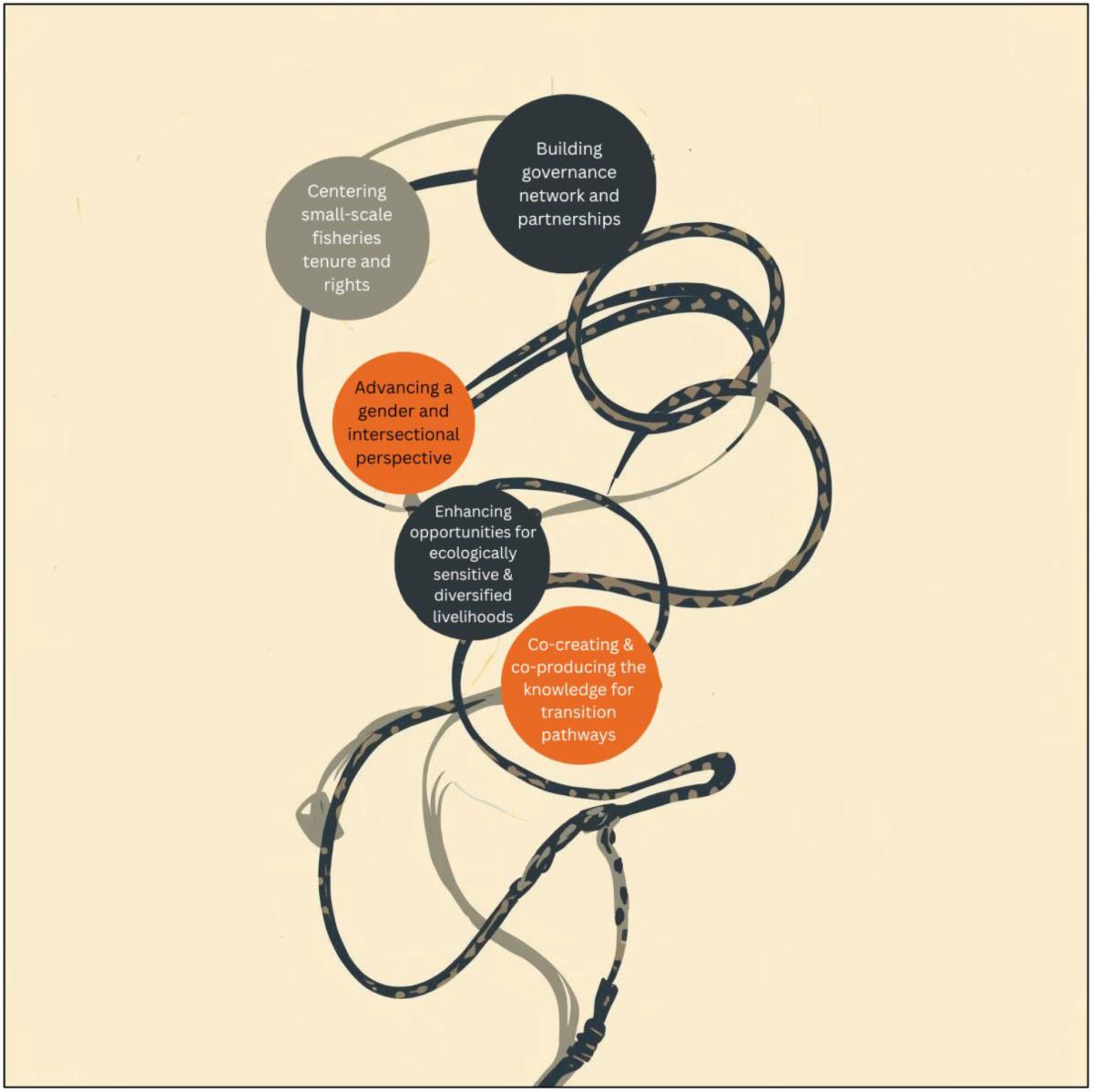
This perspective paper examines transition pathways that move small‐scale fisheries from vulnerability towards viability. Drawing on experiences in 12 countries in Africa and Asia, the authors consider viability as extending beyond economic concerns to include social, political, cultural and ecological aspects. Five key transition pathways emerged from the analysis: building governance networks and partnerships; centring small-scale fisheries tenure and rights; advancing a gender and intersectional perspective on viability pathways; enhancing opportunities for nature-based, complementary livelihoods, and co-creating or co-producing the knowledge for transition pathways.
Authors: E.-K. Muhl, D. Armitage, P. K. Nayak, S. Pradhan, M. Abdelbaset, D. Aheto, R. Adade, S. L. Akintola, E. K. Arizi, E. Attipoe, J. Blythe, A. Bundy, R. Chuenpagdee, A. Choudry, B. K. Das, C. Devi, K. Fakoya, M. Hara, S. Hossain, M. Isaacs, G. M. N. Islam, M. M. Islam, H. A. Kusumawardhani, K. Junrashote, Y. Li, M. Manase, A. A. Mbaye, I. Kosamu, J. Mukherjee, T. Namikawa, F. Njaya, J. Odoi, D. Prado, E. Rahman, Q. Rouhani, M. R. S. Alam, A. Sall, C. Sambou, R. Sammogam, A. Sarr, K. Y. Sarr, S. Satumanatpan, S. A. Selim, I. Susilowati, V. Warren, J. F. Woiso, B. M. Yahya
Journal: People and Nature
Abstract
This perspective paper examines transition pathways that move small-scale fisheries from vulnerability towards viability. We understand ‘vulnerability to viability transition pathways’ as integrative and one that extends beyond economic concerns to include social, political, cultural and ecological aspects of small-scale fisheries.
Our findings draw on a reflexive and qualitative assessment of country-specific case studies from across Africa and Asia to collaboratively identify transition pathways reflected in these contexts.
Common pathways that emerged included: (1) building governance networks and partnerships; (2) centring small-scale fisheries tenure and rights; (3) advancing a gender and intersectional perspective on viability pathways; (4) enhancing opportunities for ecologically sensitive and diversified livelihoods; and (5) co-creating and co-producing the knowledge required to catalyse transition pathways.
Outcomes of this analysis provide context-specific foundations upon which to further co-develop a research agenda on small-scale fisheries vulnerability to viability transitions.
Insights from this analysis also contribute to the identification of the transdisciplinary capacities needed to build more viable and resilient small-scale fisheries in the context of ongoing debates about blue economy expansion, and in relation to country-level commitments to implement provisions of the FAO small-scale fisheries guidelines.
In advancing a vulnerability to viability pathways lens, this paper frames small-scale fisheries transitions as governance-mediated, justice-oriented, relational and inherently non-linear processes.
Click to read the full paper
| Figure 2. Connections across themes illustrating non-linearity and feedbacks (Figure colours are for aesthetic purposes only). | | | | |
The IMBeR Cross-Grand Challenges synthesis paper concludes IMBeR’s second decade (2016-2025)
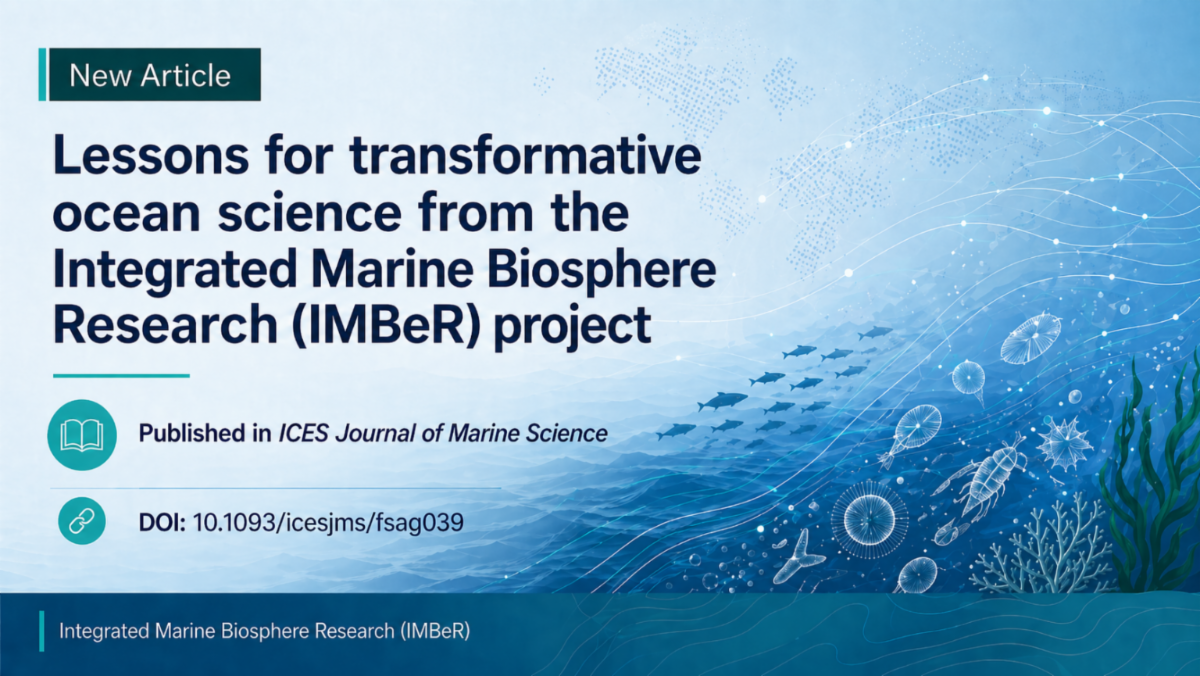
Prado, D. S., Muhl, E.-K., Strand, M., Armitage, D., Bednaršek, N., et al. (2026). Lessons for transformative ocean science from the Integrated Marine Biosphere Research (IMBeR) project. ICES Journal of Marine Science, 83(4), fsag039.
Read the article here
| | | | |
Editorial: Integrated Marine Biosphere Research: Ocean Sustainability, Under Global Change, for the Benefit of Society
Robinson, C., Hobday, A. J., Murphy, E. J., Nayak, P. K., & Newton, A. (2025). Editorial: Integrated marine biosphere research: Ocean sustainability, under global change, for the benefit of society. Frontiers in Marine Science, 12, 1684348.
Read the article here
| | | | |
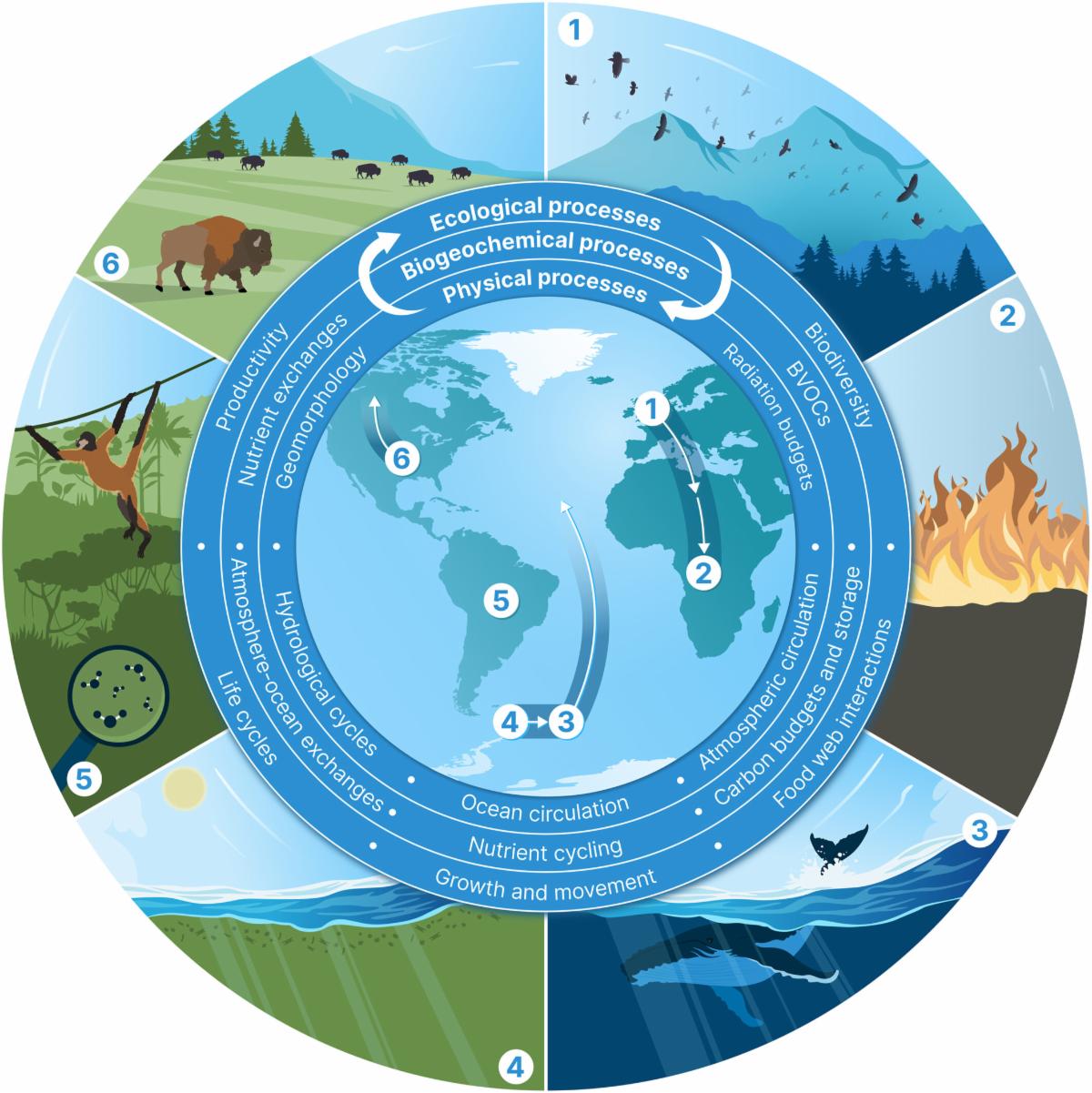
“Ecological Feedbacks in the Earth System” published, IMBeR calls for urgent action
Murphy, E. J., Williams, J. J., Myers-Smith, I. H., Groner, V. P., Jacoby, D. M. P., Kwiatkowski, L., et al. (2026). Ecological feedbacks in the Earth system. Earth's Future, 14, e2025EF006478.
Read the article here
| | | | |
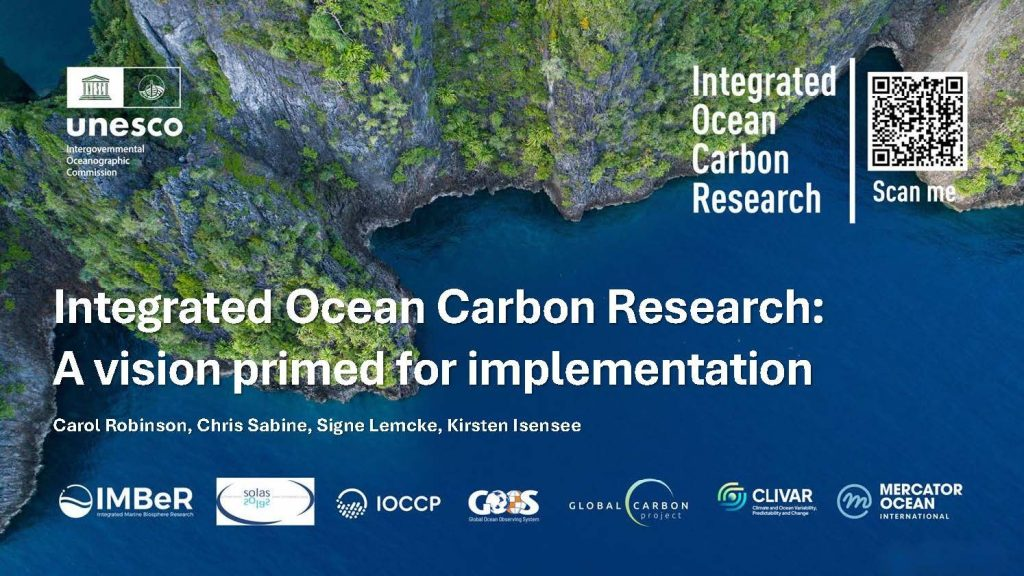
IOC leads efforts to close key knowledge gaps in understanding the ocean carbon sink to support stronger climate action
IOC of UNESCO. 2026. Integrated Ocean Carbon Research: a vision primed for implementation. Paris, UNESCO. (IOC Technical Series, 214.)
Read the report here
| | | |
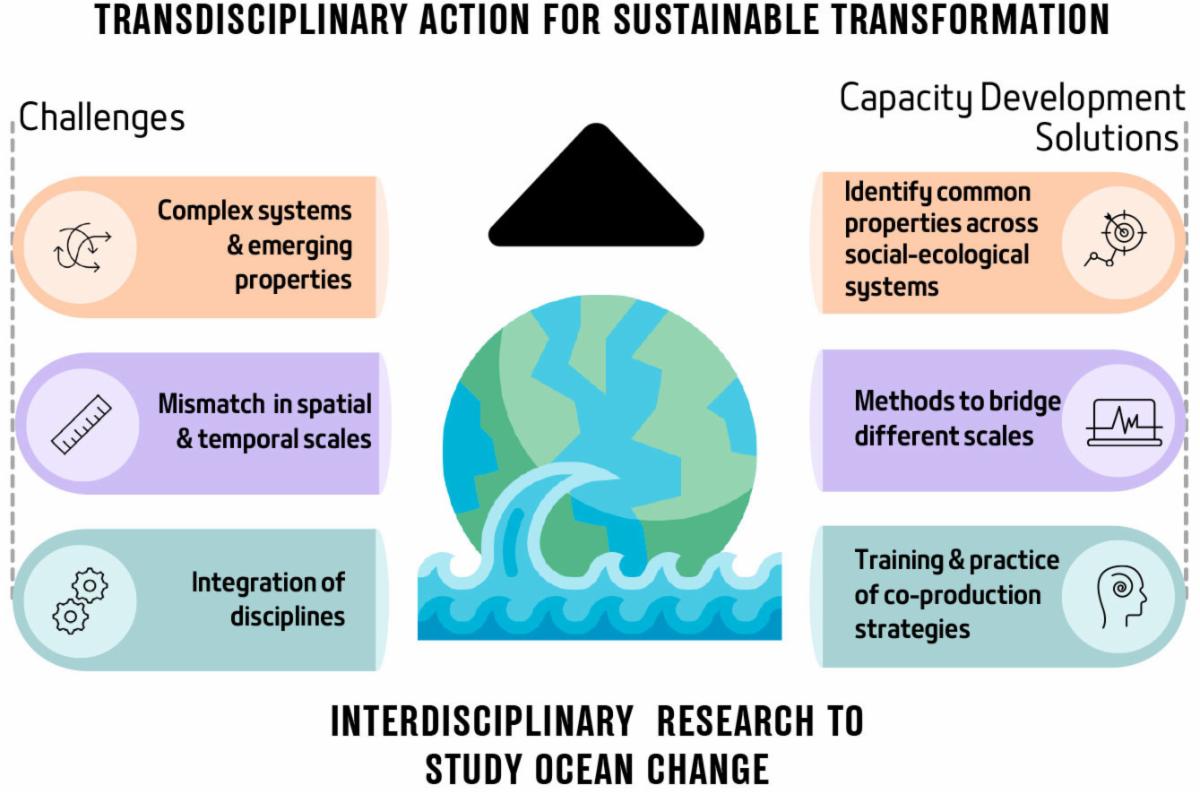
Developing capacity for transdisciplinary studies of changing ocean systems
Renaud, P. E., Belgrano, A., Dupont, S., Boyd, P. W., Collins, S., Blenckner, T., et al. (2024). Developing capacity for transdisciplinary studies of changing ocean systems. Oceanography, 38(1), 79–80.
Click to read the full paper
| | | | |
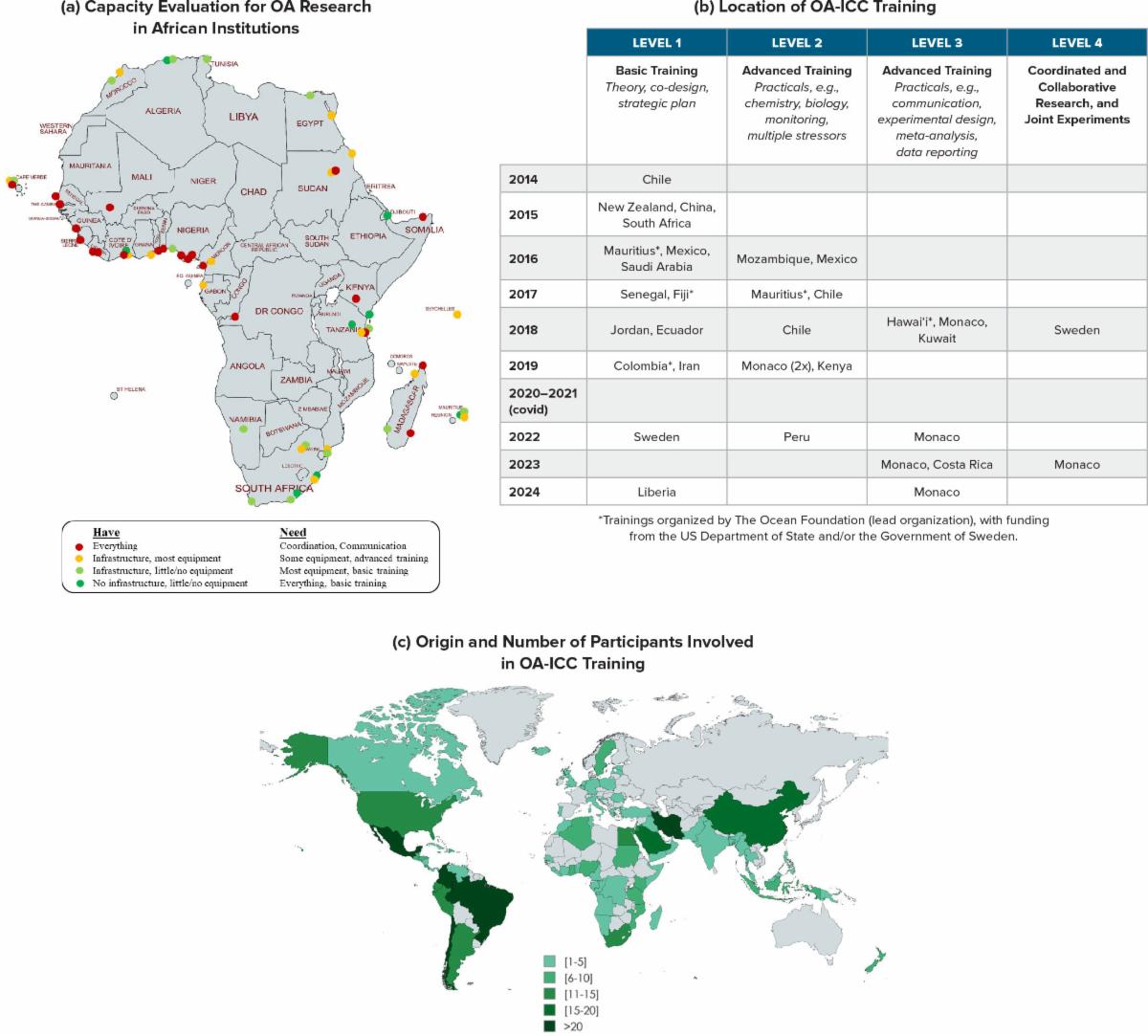
The IAEA Ocean Acidification International Coordination Centre Capacity Building Program: Empowering member states to address and minimize the impacts of ocean acidification
Edworthy, C., Potts, W. M., Dupont, S., Duncan, M. I., Bornman, T. G., & James, N. C. (2022). A baseline assessment of coastal pH variability in a temperate South African embayment: Implications for biological ocean acidification research. African Journal of Marine Science, 44, 367–381.
Read the article here
| | |
| |
Building successful international summer schools to enhance the capacity of marine early career researchers
Cvitanovic, C., Blythe, J., van Putten, I., Maddison, L., Bopp, L., Brodie, S., et al. (2024). Building successful international summer schools to enhance the capacity of marine early career researchers. Ocean and Society, 1, Article 9328.
Read the article here
| | | | |
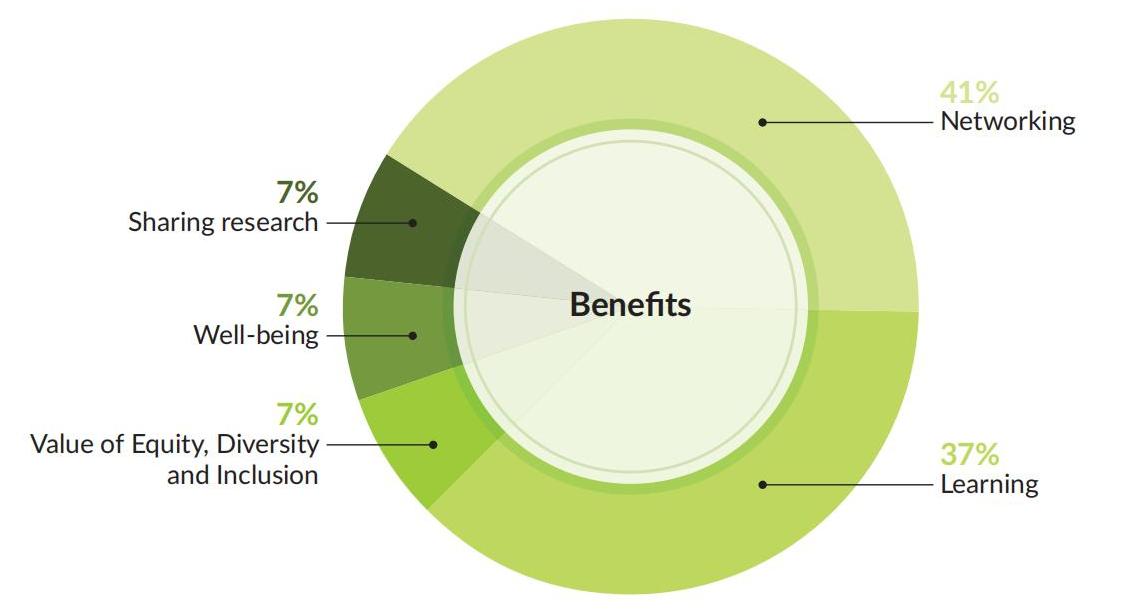
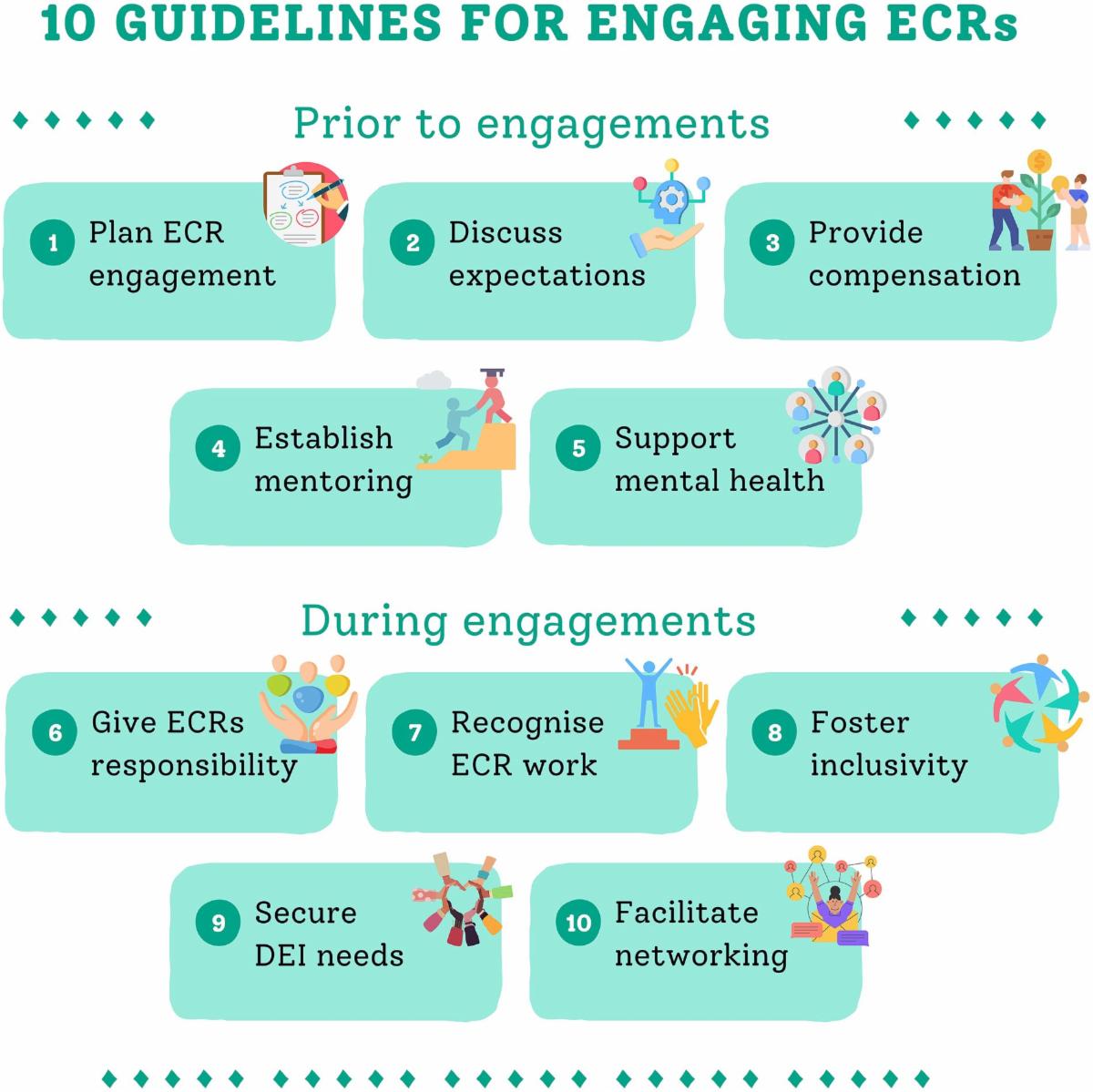
Guidelines for ensuring meaningful engagement of early career researchers in scientific collaborations: Recommendations from and for marine and polar scientists
Kaikkonen, L., Strand, M., Singh, P., Shellock, R., Roman, R., Smith, A. J., et al. (2025). Guidelines for ensuring meaningful engagement of early career researchers in scientific collaborations: Recommendations from and for marine and polar scientists. ICES Journal of Marine Science, 82(8), fsaf143.
Read the article here
| | | | |
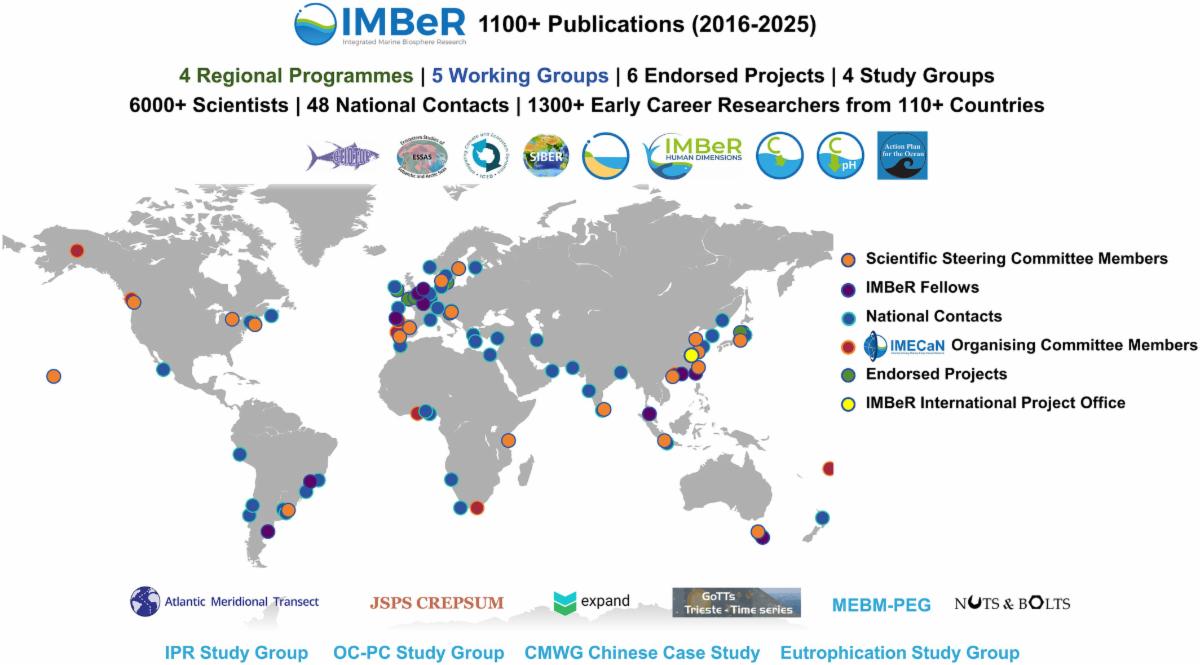
A Decade of IMBeR: Advocating at a Transition Point
Zuo, F., Hong, G., Qin, K., & Qian, S. (2025). A decade of IMBeR: Advocating at a transition point. Limnology and Oceanography Bulletin, 34, 51–53.
Read the article here
| | |
| |
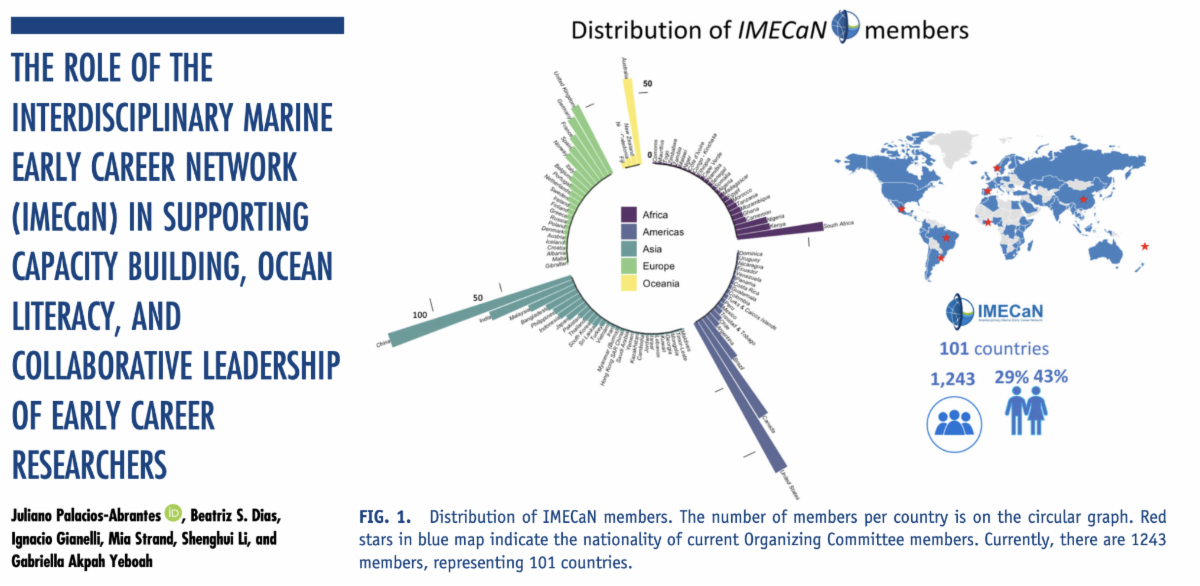
The role of the Interdisciplinary Marine Early Career Network (IMECaN) in supporting capacity building, ocean literacy, and collaborative leadership of early career researchers
Palacios-Abrantes, J., Dias, B. S., Gianelli, I., Strand, M., Li, S., & Yeboah, G. A. (2025). The role of the Interdisciplinary Marine Early Career Network (IMECaN) in supporting capacity building, ocean literacy, and collaborative leadership of early career researchers. Limnology and Oceanography Bulletin, 34, 53–55.
Read the article here
| | | | |
Envisioning the Future of Marine Biosphere Research — Summary of Breakout Group Discussions at Future Oceans 3
IMBeR International Project Office. (2025). Envisioning the Future of Marine Biosphere Research. IMBeR Synthesis and Future Planning Conference (Future Oceans 3) (FO3), Shanghai, China. Zenodo.
Read the report here
| | |
| |
Event Report: IMBeR at the Ocean Sciences Meeting 2026 has been released
Zuo, F., & Qin, K. (2026). IMBeR at the Ocean Sciences Meeting 2026. Ocean Sciences Meeting 2026 (OSM26), Glasgow, Scotland. Zenodo.
Read the report here
| | |
| |
Capacity Development for International Collaborative Integrated Marine Biosphere Research (IMBeR): Lessons from the International Project Office
Zuo, F., Qin, K., & Hong, G. (2026). Capacity development for international collaborative Integrated Marine Biosphere Research (IMBeR): Lessons from the International Project Office. ESS Open Archive. 30 April 2026.
Read the article here
| | |
This month’s Editor Picks highlight recent research on marine environmental change and its ecological and societal implications. The featured studies cover pathogen contamination in urban estuaries, ocean acidification and marine heatwaves, long-term changes in ENSO variability, and the use of environmental DNA to assess marine biodiversity and inform conservation. Together, these studies offer perspectives across different timescales and approaches to understanding changing marine systems.
If you have papers or reports you would like to share in future issues, please feel free to send the information to imber@ecnu.edu.cn.
| |
Sources, contamination pathways, and monitoring
of pathogens in urban estuaries
| | |
Authors: J. Hu, Y. Zhou, S. Ishii, W. Ahmed, M. J. Sadowsky, X. Xia, Z. Du, E. J. Cytryn, E. B. Mwakalapa, W. L. Rivera, Y. Zhou, C. Rensing, Q. Zhang
Journal: Marine Pollution Bulletin
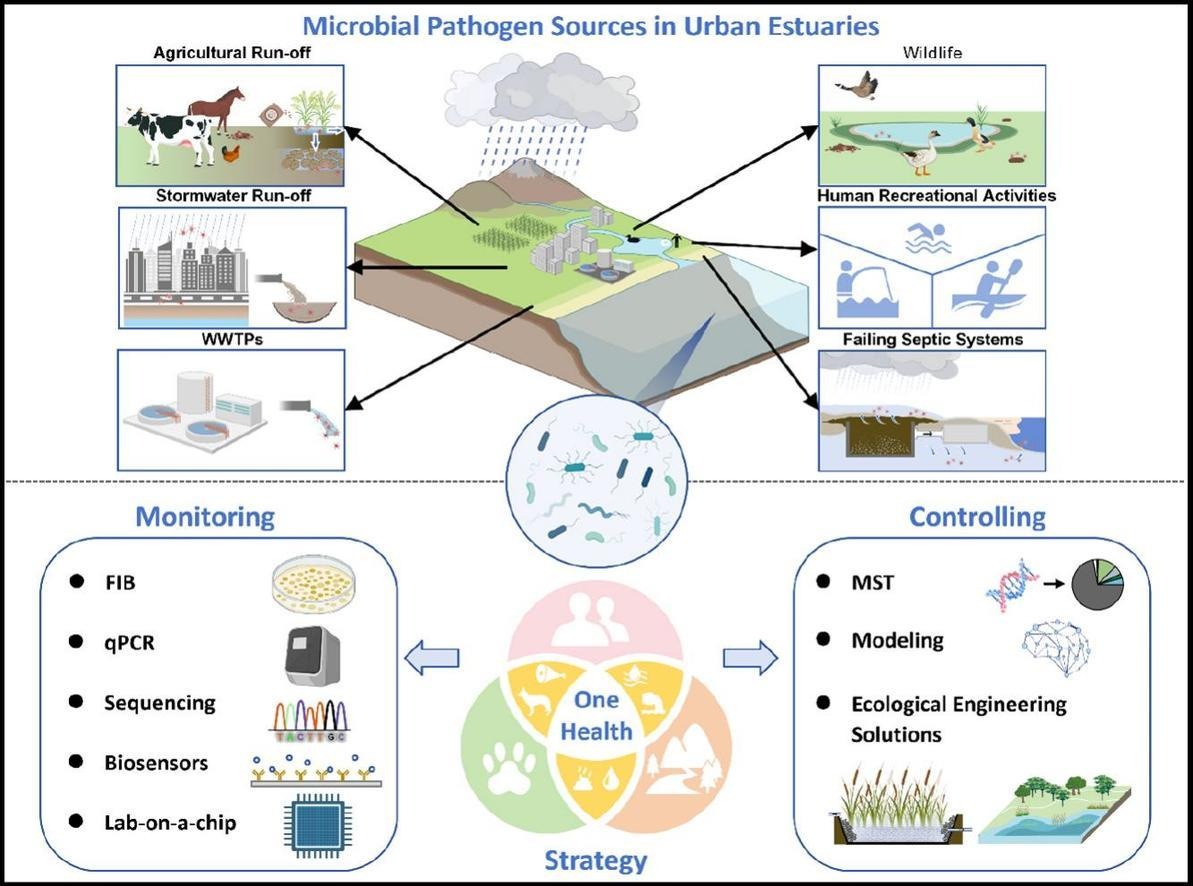
Urban estuaries are critical ecological and socio-economic interfaces but are increasingly impacted by microbial pathogen contamination driven by anthropogenic activities such as wastewater discharge, stormwater runoff, agriculture, and wildlife inputs. Despite extensive documentation of estuarine pathogens, effective risk assessment and management remain constrained by key knowledge gaps related to source apportionment, environmental fate, and monitoring relevance. This review synthesizes current understanding of pathogen sources and transmission pathways in urban estuaries and critically examines the physicochemical, hydrodynamic, and sediment-mediated processes that regulate pathogen persistence, redistribution, and exposure risk. We identify three interconnected challenges: (i) limited resolution in differentiating human and non-human contamination sources due to overlapping microbial signatures; (ii) inadequate incorporation of estuarine hydrodynamics and sediment reservoirs into fate-and-transport frameworks; and (iii) misalignment between conventional monitoring indicators and actual pathogen and antimicrobial resistance risks. Emerging approaches, including microbial source tracking, sequencing-based surveillance, biosensors, and hybrid predictive modelling, are evaluated for their capacity to support risk-relevant decision-making. Framed within a One Health perspective, this review integrates microbial ecology, environmental processes, and surveillance technologies to support evidence-based management and sustainable mitigation of pathogen risks in urban estuaries.
Click to read the full paper
| Figure 3. Graphic abstract | |
Recent history of surface ocean acidification extremes
that compound marine heatwaves
| | |
Authors: L. Gregor, N. Gruber
Journal: AGU Advances
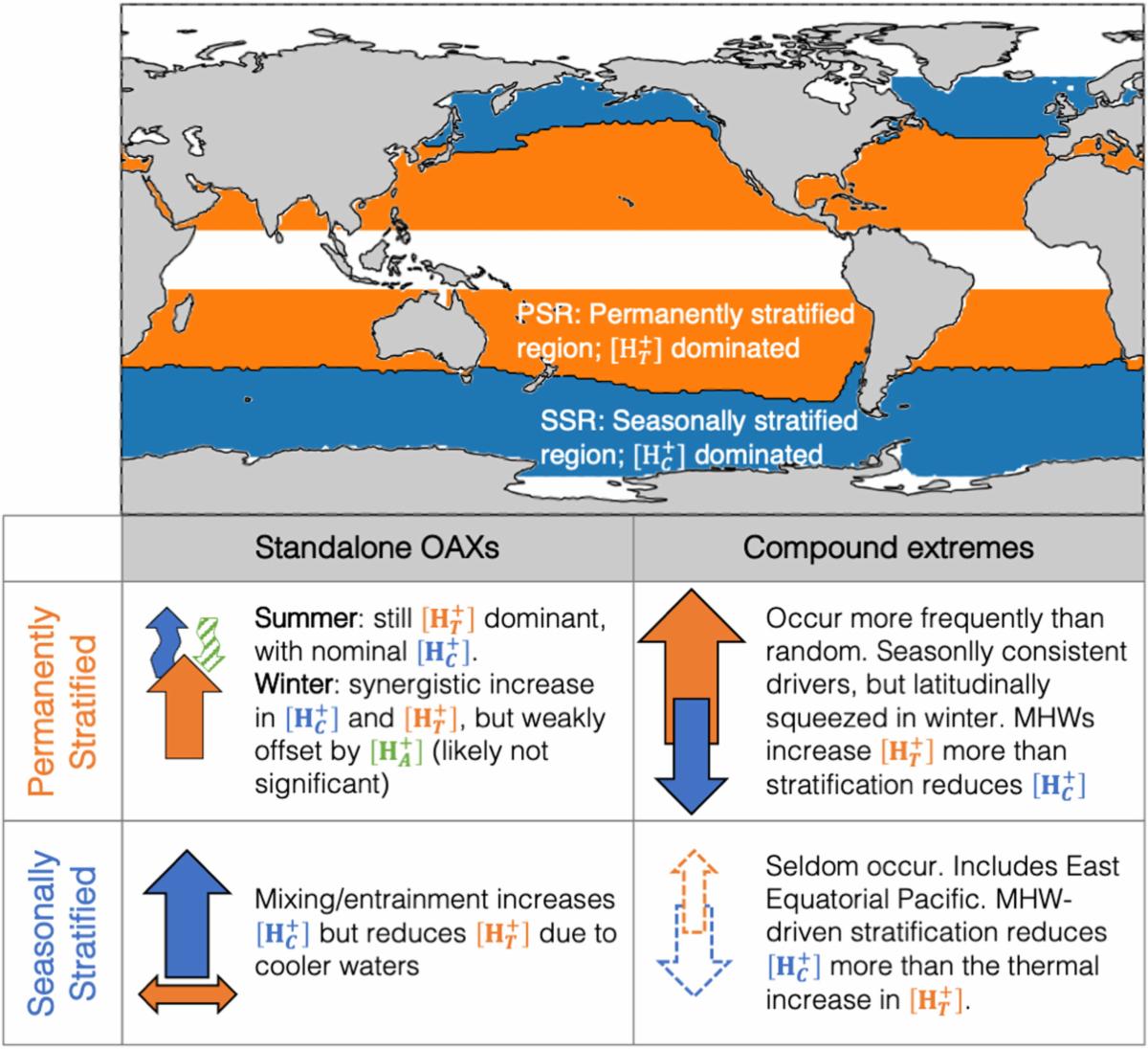
Compound extremes are of concern for ocean health, such as when ocean acidification extremes (OAX) and marine heatwaves (MHW) co-occur. These compound events (OAX∩MHW) may amplify stress beyond the impact of each driver alone, yet their historical distribution remains poorly quantified. We used an observation-based product (OceanSODA-ETHZ) to investigate surface ocean OAX∩MHW from 1982 to 2024. OAX and MHW are defined when detrended surface hydrogen ion concentration and sea surface temperature exceed their 95th percentiles. Events show distinct spatial and temporal patterns: they occur roughly four times more often than by chance in the low- to mid-latitudes, but are rare in the eastern tropical Pacific and the high latitudes. They occur primarily in summer and show strong variability associated with the El Niño-Southern Oscillation. Most events are small ( <106 km2) and brief (1 month), but several are exceptional, including: the Blob (2015) in the northeastern Pacific (12.6 ×10⁶ km2), the North Atlantic marine heatwave lasting nearly a year (2023–2024), and the most intense event off the Western Australian coast (2011). Mechanistically, OAX∩MHW occur when warming-induced increases in [H+] are not offset by a reduction in dissolved inorganic carbon that typically accompanies MHW. This is typical of the permanently stratified low-to-mid latitude oceans, where the seasonal cycle of [H+] is controlled by temperature. By characterizing past compound extremes and improving our understanding of individual events, we highlight conditions that may lead to future ecosystems being at risk.
Click to read the full paper
| Figure 5. Summary schematic showing the permanently (orange, permanently stratified regions [PSR]) and seasonally (blue, seasonally stratified regions [SSR]) stratified regions. The seasonal cycle of [H+] is thermally-driven in the PSR and DIC-driven in the SSR. These regions are a simplified representation of these regions calculated using the seasonal phasing of [H+] to create the boundaries. In the annotations, the size of the arrow represents the magnitude of the contribution by the driver, with orange representing the temperature contribution to [H+] magnitude, and blue representing sDIC's contribution to [H+] magnitude. | | Marine heatwaves and undernutrition in low- and middle-income countries | | |
Authors: C. Gray, S. C. Dowd, N. Shaul, B. C. Thiede, J. A. Nye
Journal: PNAS
Marine heatwaves are accelerating under climate change and increasingly threaten the lives and livelihoods of coastal populations, particularly in low- and middle-income countries where many households directly depend on local marine fisheries for protein, micronutrients, and income. To quantify this threat, we link individual-level data on child and maternal health from 9,813 coastal sites in 36 low- or middle-income countries to heatwave exposures in the nearby ocean, and use this linked dataset to estimate fixed-effects logistic regression models that test for heatwave effects on child mortality, wasting, and stunting, as well as adult underweight. We find that a 1 SD increase in the number of heatwaves over a 24-mo period increases the odds of child mortality by 5.4%, child wasting by 6.5% and child stunting by 8.8%, and that these effects also extend to other dimensions of heatwaves such as maximum sea surface temperature and cumulative intensity. Urban locations and countries more dependent on small-scale fishing are most strongly affected, and the majority of these results remain significant when we account for correlated atmospheric heatwaves. Taken together, these results document that marine heatwaves undermine human health and emphasize the need for additional research on the mechanisms connecting oceanic conditions to human health.
Click to read the full paper
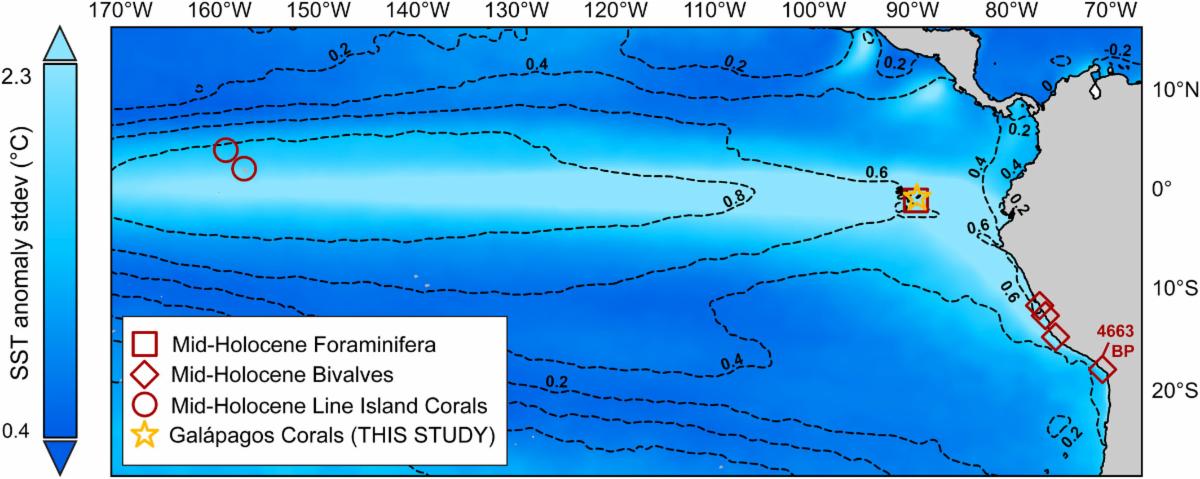
| | Figure 6. Locations of marine El Niño-Southern Oscillation reconstructions from the mid-Holocene. Sampling sites for bivalve (Carré et al., 2014), foraminifera (Koutavas & Joanides, 2012), and Line Island coral (Table S2 in Supporting Information S1) analyses are outlined with red, proxy-specific icons. Galápagos (Table S1 in Supporting Information S1) is marked as a gold star. Background shading shows standard deviations of sea surface temperature anomalies (Optimum Interpolation Sea Surface Temperature v2.1; Huang et al., 2020) between 1982 and 2024 CE, whereas contours depict regression coefficients relating the anomalies to the Niño 3.4 index (Extended Reconstructed Sea Surface Temperature v5; Huang et al., 2017). | |
Recent strengthening of eastern Pacific ENSO
in the last millennium paleorecord
| |
Authors: J. E. Cole, D. M. Thompson, K. A. Dyez, C. J. Tripp, A. W. Tudhope, M. Lofverstrom, S. Stevenson, J. M. Okun, A. E. Lawman, J. L. Conroy, J. T. Overpeck, G. Jimenez, R. L. Edwards
Journal: Science
The Pacific El Niño–Southern Oscillation (ENSO) generates climate extremes that endanger ecosystems, infrastructure, and human well-being worldwide. The response of this system to climate warming is poorly constrained, due both to data scarcity and uncertainties in climate models. The geochemistry of Galápagos coral skeletons across the past millennium reveals a large recent increase in interannual variability of sea surface temperature in the eastern equatorial Pacific compared to existing paleorecords that exceeds simulated natural variability. This increase parallels rising global temperature and results from stronger El Niño events. Central Pacific coral data also show increased variability, although less distinctly than in the Galápagos. Our results provide long-term context for understanding ENSO variability trends, with troubling implications for climate extremes.
Click to read the full paper
| |
Environmental DNA reveals distinct regions of extraordinary marine biodiversity to inform a newly established marine park
— Exmouth Gulf, Western Australia
| |
Authors: J. R. Pearce, M. Ayad, S. Gudge, K. Lear, R. L. Bateman-John, M. W. Fraser, B. Graham, J. L. Bonesso
Journal: Diversity and Distributions
Aim
Exmouth Gulf, Western Australia, is a globally significant refuge for many marine megafauna species. The recent designation of a marine park in Exmouth Gulf underscores its environmental, social and cultural significance but remains a site of competing interests. Broadscale biodiversity monitoring to mitigate impact to this largely understudied but highly significant marine bioregion is sorely needed to inform marine park zoning, management and future protection of its environmental assets.
Location
Exmouth Gulf, Western Australia (WA).
Methods
This study applied four metabarcoding assays targeting mitochondrial genes 16S (Fish16S), CO1 (CO1-elasmo) and 12S (MiFish-U/E) to surface seawater eDNA samples collected from 19 sites encompassing 3000 km2 across four major regions within Exmouth Gulf.
Results
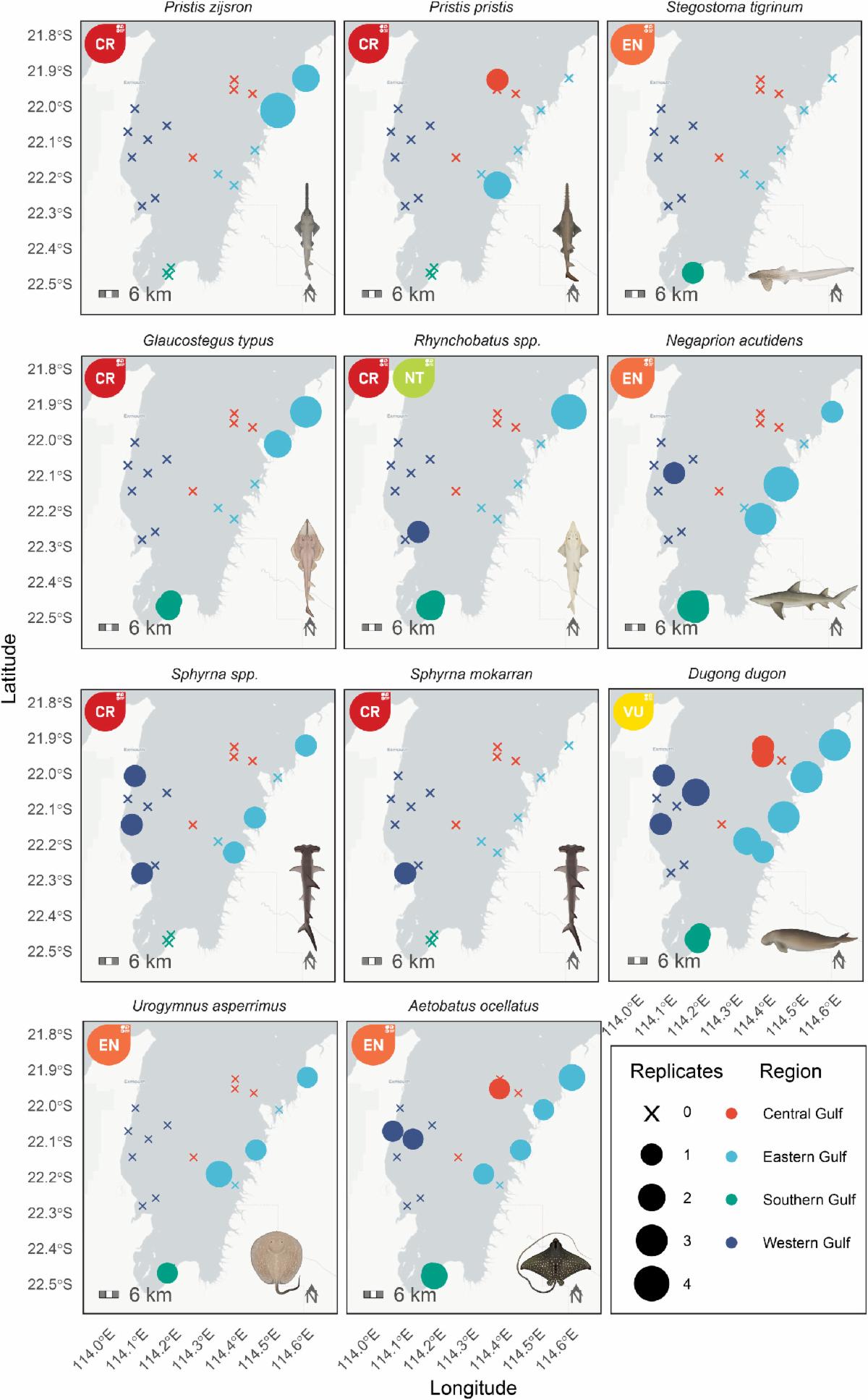
A total of 487 unique taxa were identified, including 440 bony fish, 37 elasmobranchs, 7 birds, 2 mammals and one reptile. Exmouth Gulf exhibited significantly distinct communities between its western, central, southern and eastern regions, driven by bony fish assemblages, although bony fish richness and diversity did not vary. The eastern gulf contained the highest richness of elasmobranchs and threatened species across classes (IUCN Red List), with Tent Island being the most elasmobranch rich and Urala Creek housing the most threatened species of all sites. Globally Critically Endangered (CR; IUCN Red List) species were identified within all four regions, with three out of the four CR species detected in the eastern gulf.
Main Conclusions
This underscores that Exmouth Gulf in its entirety provides critical habitat for threatened species, holding remarkable conservation value and reasserting the global ecological significance of this bioregion. The evident prominence of the eastern gulf and Urala Creek also highlights how eDNA approaches can be used to help identify fine-scale areas of highest conservation importance to better inform marine spatial planning.
Click to read the full paper
| |
Figure 7. eDNA detections of key species of high conservation concern in the Exmouth Gulf bioregion including: Pristis zijsron (green sawfish), Pristis pristis (largetooth sawfish), Stegostoma tigrinum (Indo-Pacific leopard shark), Glaucostegus typus (giant shovelnose ray), Rhynchobatus spp. (wedgefish), Negaprion acutidens (sicklefin lemon shark) Sphyrna spp. (hammerhead sharks), Sphyrna mokarran (great hammerhead shark), Neotrygon ningalooensis (Ningaloo maskray), Chelonia mydas (green turtle) and Dugong Dugon (dugong). Sites are coloured by region. Crosses indicate where a taxon was not detected at a sampled site and circle size increases with the number of replicate samples in which that taxon was detected at that site (max = 4). IUCN icons correspond to that species' (or potential species options) Red List category: CR = Critically Endangered, EN = Endangered; VU = Vulnerable; NT = Near Threatened. Image icons by Marinewise.com.au.
| | Events, Webinars and Conferences | | Information shared by our contacts: |
-
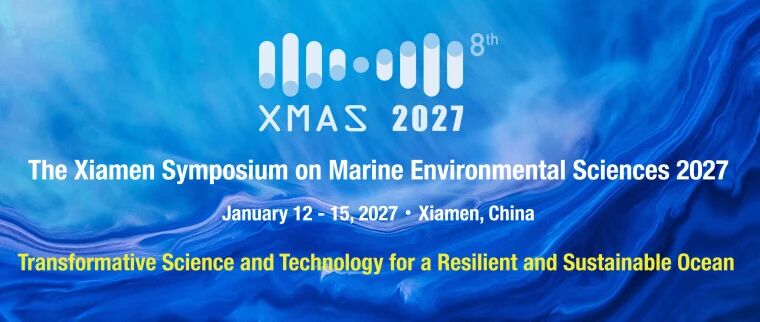
XMAS 2027 New
- The Xiamen Symposium on Marine Environmental Sciences (XMAS 2027) will be held from January 12 to 15, 2027, in Xiamen, China. Please note that the dates have been adjusted to accommodate the schedule of the C&D Xiamen Marathon 2027.
- Early Bird Registration Deadline: 15 October 2026
- Conference Website
- Read more
-
IMBeR is pleased to be a Co-Sponsor of XMAS 2027 and plans to be represented at the symposium. If you are part of the IMBeR community and are also planning to attend, please feel free to contact Suhui Qian (Project Officer, IMBeR IPO) at shqian@sklec.ecnu.edu.cn. We would be happy to connect with you at the symposium.
|
-
The 9th “Climate and Impacts” Conference New
- 24–27 November 2026, France
- The 9th edition of the “Climate and Impacts” conference brings together scientific communities studying climate change across different timescales, its causes, impacts on ecosystems, and consequences for past and present human societies. Topics include climate variability recorded in natural archives, responses of marine and continental ecosystems to climatic and anthropogenic forcings, future climate predictability, human–environment relationships, contributions of social, economic and health sciences, and climate mitigation and adaptation strategies.
- Abstract submission deadline: 1 October 2026.
- Read more
- The 8th International Marine Conservation Congress
- 13-17 November 2026, Edinburgh, Scotland
- Hosted by the Society for Conservation Biology Global Marine Program, the congress brings together hundreds of marine scientists, conservation practitioners, policymakers, educators, students, artists, journalists, and community leaders working across research, policy, management, communication, and community engagement. The goal is to connect marine science with action for the planet and its peoples.
- Read more
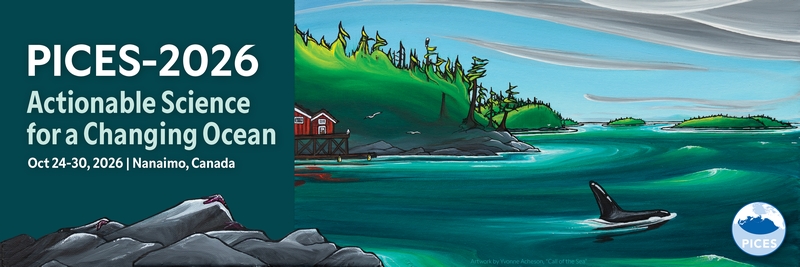
- PICES-2026 Annual Meeting: Actionable Science for a Changing Ocean. 24-30 October. Nanaimo, Canada.
- Read more
-
Registration is open for the 7th DMS(P) Symposium: Sulfur Carbon Nexus in the SOLAS Sphere.
- 12–15 October 2026. Bigelow Laboratory, Boothbay Harbor, Maine, USA, and online.
- Themes:
- Atmosphere: carbon–sulfur chemistry and aerosols
- Air–sea exchange of carbon–sulfur compounds
- Carbon–sulfur ocean processes: molecular to ecosystem to global scales
- Translating observations into models: biogeochemistry to climate
- Read more
| | |
-
AGU26. 7-11 December 2026. San Francisco, CA. Early rates are in effect from the time registration opens in mid-August through 5 November 2026.
-
Ocean Visions Biennial Summit 2027. 2-4 March 2027, Cartagena, Colombia. The Summit will bring together a multidisciplinary community working across science, technology, policy, governance, business, and conservation to advance knowledge sharing and solutions at the ocean-climate nexus. Registration is now open.
| |
-
Assistant Professor – Biological Oceanography – Texas A&M University, College of Arts & Sciences New
- Tenure-track position in Biological Oceanography. Applications will be reviewed beginning 25 September 2026 and the position will remain open until filled.
-
Assistant Professor – Scripps Institution of Oceanography, UC San Diego
- Marine Natural Products / Marine Biotechnology
| |
- NOAA Ocean Acidification Program Seeks Proposal Reviewers
- The NOAA Ocean Acidification Program (OAP) is inviting experts to join its reviewer pool for upcoming proposal review opportunities. The program welcomes individuals with expertise in ocean, coastal or Great Lakes acidification, as well as education and outreach, community engagement, natural resource management, and other acidification-related fields.
- Honoraria are provided to non-federal reviewers in recognition of their time and contributions. Interested individuals are encouraged to submit their information through the reviewer registration form at their earliest convenience.
- Read more
- 2026 NF-POGO Open Call for Shipboard Training Fellowships
- The Partnership for Observation of the Global Ocean (POGO) is planning* to offer shipboard fellowship opportunities on board research vessels throughout 2026 and early 2027. The programme is designed to promote training and capacity building, contributing to the development of a global ocean observation system.
- Read more
|
-
MSCA Doctoral Networks 2026 Call New
- Supports international, interdisciplinary and intersectoral doctoral training programmes across all scientific fields. The 2026 call will provide €593 million to fund more than 130 projects and support the training of 1,950 doctoral candidates, including opportunities through Standard, Industrial and Joint Doctoral Networks.
- Deadline: 24 November 2026
- Read more
| | For more information on activities and opportunities for early-career researchers, you can check the IMECaN Newsletter. Read more | | Turn Your Innovation into Global Impact | | |
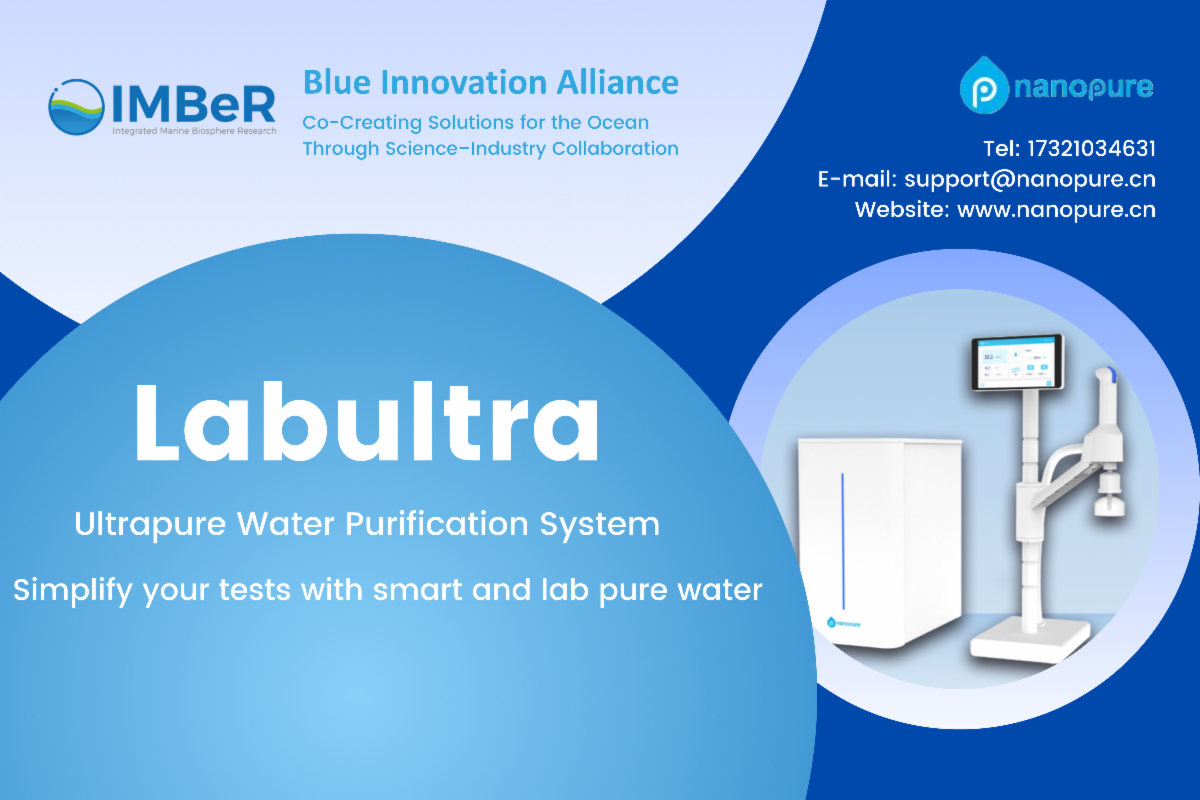
IMBeR Blue Innovation Alliance
We invite you to explore our first partner, Nanopure, and join the IMBeR Blue Innovation Alliance. We welcome other companies to join us in this global initiative, where together we can advance ocean sustainability, support cutting-edge marine research, and foster innovation to shape a more sustainable future for our oceans.
| | Capturing IMBeR: Share Your Photos and Memories | | |
We invite all IMBeR participants - past and present - to contribute photos that capture the spirit of IMBeR’s activities over the years. Whether from fieldwork, meetings, workshops, summer schools, or community engagement events, your photos will help illustrate IMBeR’s impact and legacy.
Please send high-resolution images, along with a brief description and credit information, to imber@ecnu.edu.cn.
| | If you would like to put some recruitment information in the IMBeR monthly newsletter, please contact us through imber@ecnu.edu.cn. | | |
DISCLAIMER: The views expressed in the news articles, project updates, and publications featured in this newsletter are those of the authors and do not necessarily represent the positions of IMBeR, its sponsors,
or the IMBeR International Project Office and its host institutions.
| | |
Chief Editor: Suhui QIAN
Editors: Fang ZUO, Kai QIN
| | | |
Contact us
IMBeR International Project Office
State Key Laboratory of Estuarine and Coastal Research, East China Normal University
500 Dongchuan Rd., Shanghai 200241, China
| | | | | |