Volume 9, Issue 40 │October 24, 2025 | | | Mark your calendars! The IOA Winter CE Series is just around the corner. Registration will open in mid-November, don’t miss it! | |
2026 membership dues invoices are being prepared and will be sent out by the start of November, so be on the lookout! 🎉
This year, the 2026 dues contest will be related to making your dues payment via Zelle. Zelle is a direct and fast way to send and receive money that will reduce transaction costs to the Association. Details on making your dues payment via Zelle will be located in your invoice mailing and emails.
If you are planning on retiring before the end of 2025 or in 2026, please reach out to discuss membership options.
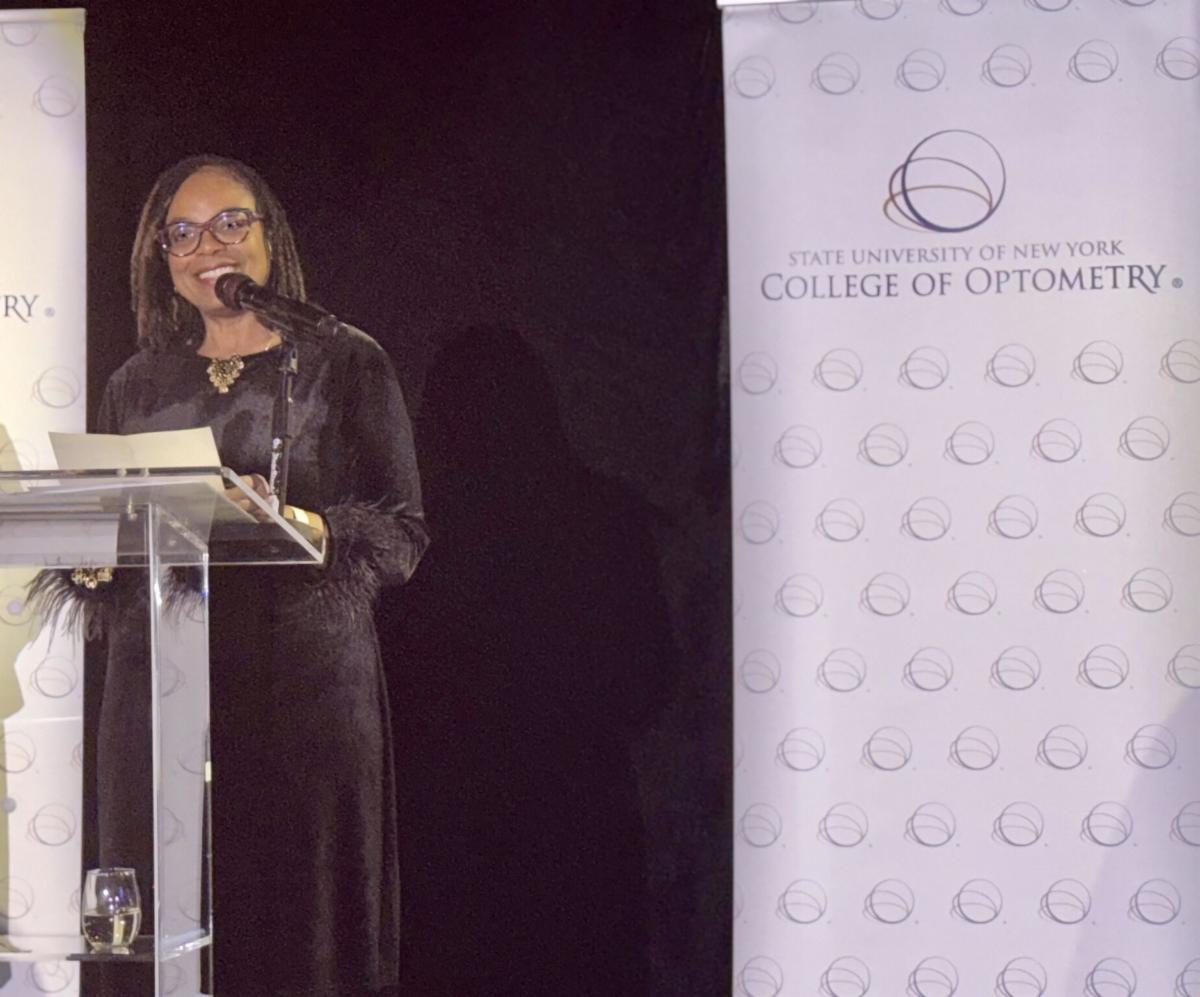
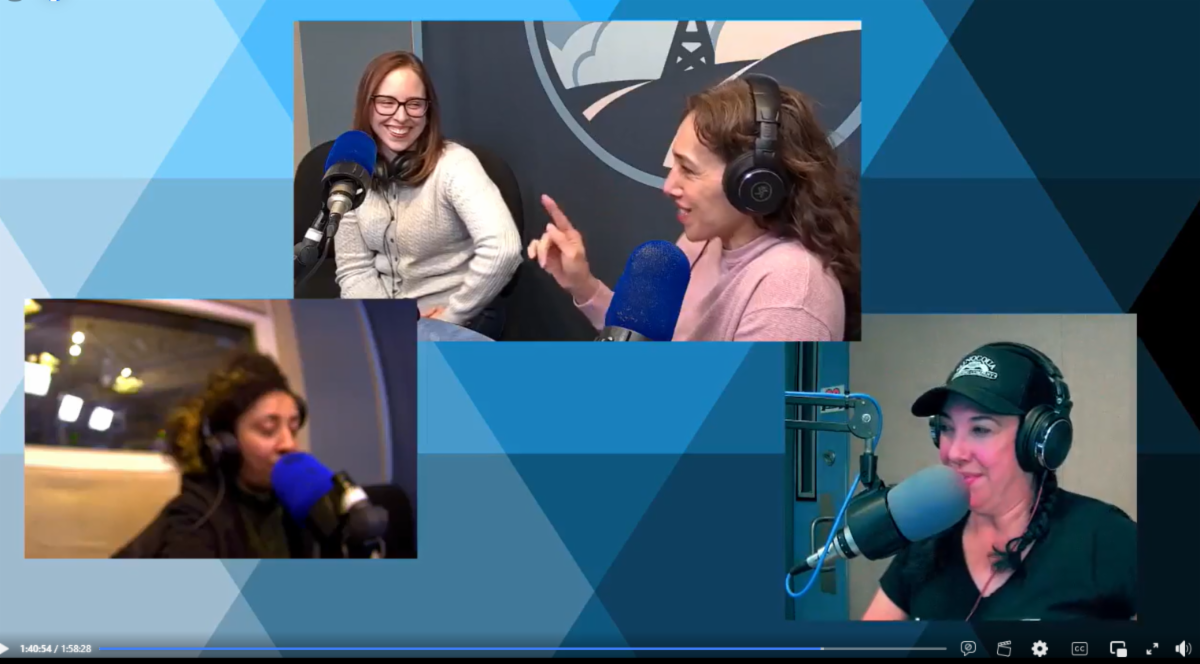
| | | | IOA member Dr. Jennifer Harthan presented 2 poster presentations on recent study findings on the Arise Orthokeratology lens at the American Academy of Optometry's Academy 2025 meeting in Boston, Massachusetts. Congratulations Dr. Harthan! | | Dr. Millicent Knight was recently awarded The State University of New York Optometry Foundation's Visionary Award. Congratulations, Dr. Knight! | | | | | IOA Public Health Director Dr. Caitlyn McHugh-Glab was recently featured on Heartland Signal radio station with Patti Vasquez. Dr. McHugh-Glab's interview can be listened to at the link below, starting at the 1:12:30 mark. | | |
MEMBER BENEFIT: ER Triage Courses
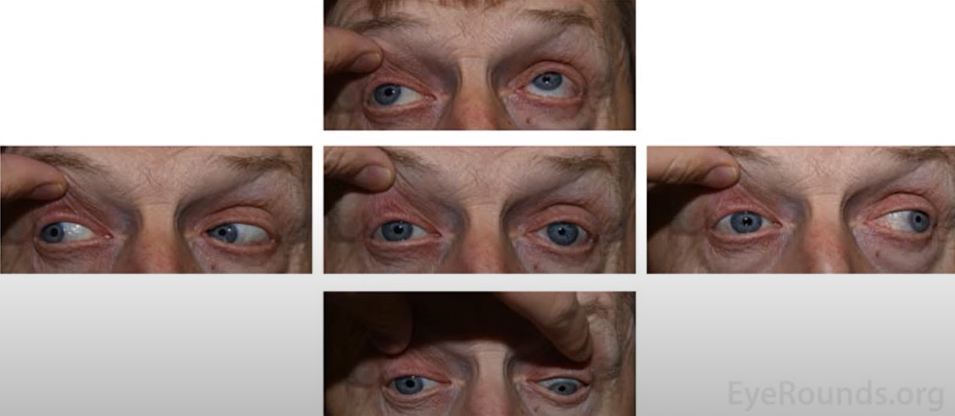
The IOA's Public Health Committee has developed a series of targeted courses on eyecare triage for emergency medicine professionals. These practical courses are broken into short modules discussing double vision & vision loss, conjunctivitis, corneal conditions, flashes & floaters, and recommended equipment for ocular emergency triage. These courses are ideal for physicians, PAs and NPs working in the emergency department or urgent care facilities.
| | The Eyes on Tomorrow Fund, previously known as the Legislative Equity Fund, is a dedicated resource created by and for optometrists to support the Illinois Optometric Association’s (IOA) state-level advocacy efforts. This fund directly empowers optometry’s fight for scope expansion, the regulation of Vision Benefits Managers (VBMs), and other legislative battles crucial to protecting the profession and ensuring patient care. Unlike political action committees (PACs), this fund is not used to support candidates but instead provides critical resources for advancing optometry in Illinois. | | |
The PAC (Political Action Committee) is a group organized to promote its members' views on selected issues, usually through raising money that is contributed to the campaign funds of candidates who support the group's position to keep our friends in office. Now more than ever, we need strong, principled leaders who will fight for equal rights, and access to essential services —Will you pitch in today to help us protect our profession and the patients we serve?
Contributions to the IOA PAC can be made as a One-Time Donation or as Recurring Monthly Donation and deducted automatically from donor's bank account or charged to their credit card. Selecting to contribute a set amount on a monthly basis is a painless and effortless way to contribute to and support the IOA PAC. Contributions to the IOA PAC fund are not deductible for federal income tax purposes.
| | |
|
We want to hear from YOU!
Do you have a business question or a dilemma we can answer for you? Others may have the same inquiry. Ask away! We will answer your question in an upcoming issue.
(Don't worry, we won't include your name.)
| | |
Eye care practitioners should report all violations of the FCLCA, including instances in which contact lens sellers fail to comply with the prescription verification provisions of the law.
| |
GLP-1 Drugs Tied to Lower Risk of Legal Blindness in People With Diabetes
— Retrospective study finds no link with higher risk of rare eye disease, contrary to prior work
Optometry Times | By Randy Dotinga
October 21, 2025
ORLANDO -- Adding another twist to the ongoing debate about the effects of weight-loss drugs on vision, a retrospective cohort study linked GLP-1 receptor agonists to a lower risk of legal blindness in patients with type 2 diabetes and risk for cardiovascular disease.
Among two cohorts of more than 350,000 propensity-matched patients each, use of GLP-1 agonists was associated with a significantly reduced risk of legal blindness compared with no use at 1 year (HR 0.589, 95% CI 0.476-0.728), 3 years (HR 0.677, 95% CI 0.583-0.788), and 5 years (HR 0.669, 95% CI 0.583-0.768), reported Praveena Gupta, OD, PhD, of the University of Texas Medical Branch at Galveston, at the American Academy of Ophthalmology annual meeting.
There was also no significant difference in the incidence of ischemic optic neuropathy (ION) between cohorts at 1 year (HR 0.872, 95% CI 0.627-1.212), 3 years (HR 1.002, 95% CI 0.792-1.268), or 5 years (HR 0.978, 95% CI 0.789-1.211). Previous research has tied GLP-1 agonist use to non-arteritic anterior ischemic optic neuropathy (NAION), a rare type of ION.
The study authors didn't provide data about the absolute risks of legal blindness and ION.
Gupta told MedPage Today that the findings aren't surprising since "GLP-1 agonists improve glycemic control and have a crucial benefit in reducing diabetic retinopathy." Still, "we and our colleagues get a lot of phone calls from patients who are taking GLP-1 agonists and ask, 'Do you think I'm going to lose sight? Do you think I'm going to go blind?' People read headlines, and they get scared."
However, even though "the use of GLP-1 agonists has increased by nearly 500% in the last 5 years, we've not observed cases of vision loss from these drugs in our clinic," Gupta added. "We're not seeing patients going blind."
Previous research has linked use of the GLP-1 drug semaglutide (Ozempic, Wegovy) to higher risk of NAION, and the World Health Organization in July warned of a connection. But the study authors said NAION studies are questionable since there's no ICD code for NAION, only for the overall category of ION.
"We don't believe GLP-1 agonists are increasing levels of ischemic optic neuropathy," co-author Ethan Jarrett, a medical student at the University of Texas Medical Branch at Galveston, told MedPage Today. "If we were to use the same criteria that other studies are using, we could say the same thing for NAION, but we're not. We're not confident that the ION code is appropriate to use to refer to NAION [only]."
Co-author Andrew G. Lee, MD, also of the University of Texas Medical Branch, said it's time to close the debate on GLP-1 agonists and vision, at least for the moment. "Until robust, prospective, case-control data become available, then we likely have reached the limits of what retrospective study designs can offer in terms of the causation debate for GLP-1 agonist use and the risk of visual loss."
| |
Left Behind
— A rare complication of cataract surgery can cause a range of visual problems.
Modern Optometry | By Kianna Swanson OD, & Jacob Lang OD
September/October, 2025
Cataract surgery is one of the most frequently performed procedures worldwide with generally high success rates. Despite its routine nature and various technological advances, a range of ocular complications may still arise. One uncommon yet clinically significant complication is the retention of lens fragments.
A REFRESHER ON RETAINED LENS FRAGMENTS
The human crystalline lens consists of an anterior and posterior capsule, cortex, and central nucleus. Following phacoemulsification, an ultrasonic disruption, and removal of the natural lens, retained lens fragments are reported to occur in approximately 0.1% of cases.1 These fragments may consist of cortical and/or nuclear material and can lead to a spectrum of complications, including decreased vision, corneal edema, anterior chamber inflammation, macular edema, and/or retinal detachment.
Retained lens fragments may be found in the anterior chamber, posterior chamber, vitreous cavity, or capsular bag. Nuclear fragments are yellow in color with sharp edges, whereas cortical fragments appear white and fluffy. Although most retained lens fragments are seen in the early postoperative days, in some cases, it may be decades before they are identified or pose a threat to the patient’s ocular health.2
WHAT TO DO ABOUT RETAINED LENS FRAGMENTS
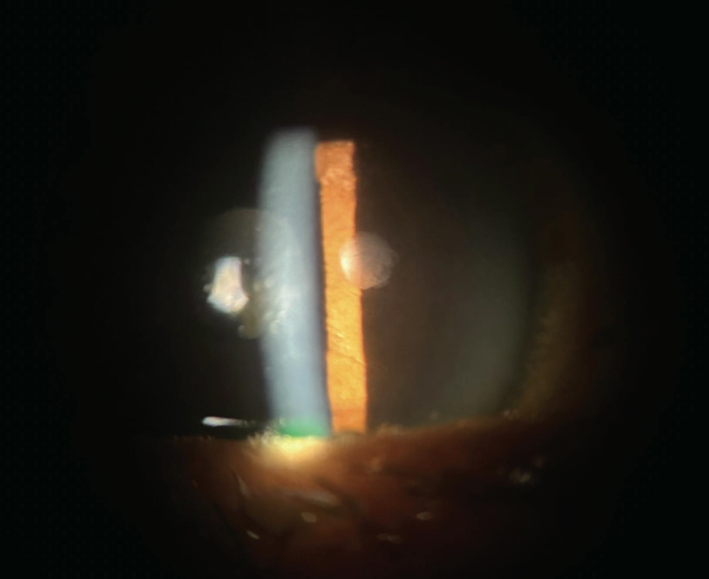
Early recognition, material identification, and appropriate management are critical to ensure positive patient outcomes. Most retained lens fragments can be easily seen during the slit-lamp examination (Figure); however, gonioscopy and B-scan ultrasonography may allow better visualization and localization. Management typically involves surgical removal of the fragments, although cortical lens fragments may dissolve spontaneously over time. It is also necessary to control IOP and treat any ocular inflammation with topical steroids such as prednisolone acetate. Topical miotics such as pilocarpine may be considered to sequester the fragment in the anterior chamber, avoiding posterior complications.3
| |
Figure. A cortical lens fragment is visualized at the slit lamp.
Several studies have indicated that the remaining lens material has a more significant effect on the visual prognosis than its size; specifically, nuclear fragments may pose a higher risk of complications than cortical fragments.3,4 It is hypothesized that this may be due to more challenging removal and/or the density of the lens material.4
Although there is no consensus on optimal timing, we generally find it best to remove lens fragments within 30 days of identification. Surgical removal may target the anterior chamber via irrigation and aspiration or the posterior segment via pars plana vitrectomy.
CONSIDERATIONS BEFORE CATARACT SURGERY
Although there are effective strategies for managing a retained lens fragment, it is important to consider certain risk factors, such as older age, shallow anterior chamber depth, myopic refractive error, and thickness of the natural lens, before cataract surgery.1
| | |
Nominate Today for the 2026 AOA Leadership Institute!
Nominations are now open for the AOA Leadership Institute 2026, designed to prepare optometry’s champions to take on impactful roles at the local, state and national levels.
The Leadership Institute is a six-month program (January - June 2026) that equips participants with the skills, confidence and connections to lead within their affiliates and the AOA. Graduates will join 600+ leaders who have completed the program with enhanced leadership capacity and readiness to step into key roles across the profession.
Program highlights include:
- Personal and professional attribute assessment.
- Leadership branding.
- Leading change.
- Negotiation skills.
- Public speaking training (delivered in person at Optometry's Meeting® in Phoenix, June 18-19, 2026).
Key details:
-
Nominations may be submitted via the Leadership Institute Nomination Form.
- Affiliates are encouraged to nominate at least three doctors, but there is no limit to the number of nominations.
-
Nominations close October 31, 2025.
- Once nominated, doctors will receive an application to complete. Those accepted will be notified in November, with the program officially beginning in January 2026.
We encourage you to consider doctors who show leadership potential and a passion for advancing optometry, whether they are seasoned volunteers or new voices ready to step up.
Thank you for your support in developing the next generation of leaders for our profession.
| | |
Legislative Call to Action - Urge Congress to Pass Children's Vision Legislation
Children's eye health and vision care has long been a cause championed by the American Optometric Association. This always-on advocacy, magnified by recent public health conversations, is yielding greater awareness of the importance of comprehensive eye care from an early age.
In the U.S., 1 in every 4 children has a vision disorder that requires diagnosis and treatment by an eye doctor, yet most may never see an eye doctor. Undiagnosed and untreated eye disorders have enormous, long-lasting consequences for kids.
To help solve these problems, the Early Detection of Vision Impairments in Children Act (H.R. 2527) would ensure that every child with a potential vision problem is identified and connected to appropriate eye care as early as possible to receive a diagnosis and necessary treatment by providing grants and resources for states and communities to establish, modernize, or improve state-based programs.
Urge your U.S. federal legislators to take action today!
| | |
The Secret to Hiring ODs: Target Those Who Aren’t Looking
Studies show that passive job seekers – those who may be open to a new opportunity but aren’t actively searching job boards – make up 70-75% of the global workforce. Considering these candidates as part of your hiring strategy can help you attract top talent for your practice. But how do you reach potential candidates that aren’t actively looking for a job? Here are 3 ways practice owners are connecting with passive OD job seekers.
-
Highlight what makes your opening different – Passive job seekers are often already employed and are familiar with the general expectations that come with a position as an optometrist. For a listing to catch their attention, it needs to demonstrate how their day-to-day on the job or their quality of life could improve. They are looking for features like advanced technology, strong support staff, attractive schedules. Don’t hesitate to point out what makes your practice or opening unique.
-
Focus on career growth – For an already employed OD, making a lateral move may not be worth the effort it takes to transition to a new practice unless they see the position as a path toward career advancement. Show passive seekers how your opening provides the enrichment and opportunity to propel their careers forward by emphasizing mentorship, potential partnership opportunities, or room for growth in their chosen specialty.
-
Use targeted tools for exposure – Once you’ve written a compelling job listing, the next challenge is finding a way to put it in front of passive job seekers. Take advantage of hiring tools that will help maximize your reach. For example, the AOAExcel Career Center offers add-ons such as the Spotlight e-newsletter which delivers job listings directly to the inboxes of over 23,000 passive job seekers and young ODs. Utilizing strategic hiring tools can help you reach passive seekers you wouldn’t otherwise have access to.
In a market where the most qualified candidates may not actively be looking for a new position, how and where you post your opening matters. AOAExcel Career Center experts are available to guide you in creating a compelling listing and devising a strategic hiring plan. Plus, AOA members receive 50% off on job listings. To learn more about the AOAExcel Career Center and how to get your listing in front of passive seekers, visit https://employers.aoa.org/.
| |
IDOI Calls on Insurance Companies to Provide Policyholders Relief During Federal Government Shutdown
IDOI | Press Release
October 17, 2025
Chicago – The Illinois Department of Insurance (IDOI) is calling on insurance companies to provide relief to policyholders who are experiencing financial hardship during the federal government shutdown (CB 2025-17), in an effort to ensure that Illinoisans do not lose insurance coverage.
“The lapse in federal appropriations since October 1, impacts more than 153,000 Illinoisans who are employees of the federal government,” said IDOI Director Ann Gillespie. “These consumers should not have the added burden of losing insurance coverage because they are not being paid and cannot pay their auto or homeowners insurance premiums.”
The Department is urging all insurers to immediately consider implementing protective measures for their policyholders who are federal employees.
1. Moratorium on cancellations.
- Insurers should seek to postpone or withdraw any previous notice of cancellation or nonrenewal in which the cancellation or nonrenewal occurs on or after October 1, 2025, on any in-force policy due to non-payment of premium. Insurers are asked to continue coverage in cases of unpaid premium for at least 30 days or through the duration of the federal shutdown, whichever is longer. If following the end of the federal shutdown an affected consumer indicates to an insurer that they have not yet received their guaranteed compensation for the period of the federal shutdown, the Department requests that insurers continue coverage, even in cases of unpaid premium, for at least an additional 30 days.
2. Time-period extension for repairs.
- If a consumer indicates to an insurer that repairs cannot be completed within the time required under any policy, or within the 90-day period for repairs before termination due to condition of the property (215 ILCS 5/143.27), the Department requests that insurers provide consumers with an extension of at least 30 days to make such repairs, or such time as is necessary.
Any Illinois federal employees impacted by the loss of compensation who are threatened with policy cancellations, can reach out to the Department at the Consumer Assistance Hotline: 866-445-5364 or DOI.Complaints@illinois.gov.
| | |
Check out the newest IOA classifieds here!
Northern IL:
Excellent Opportunity for Optometrist, Bloomington IL (Read more)
Join Aroura Health Optometry (Read more)
Great Full-time or Part-time Associate OD Opportunity Available in Melrose Park (Read more)
American Vision Center is Seeking Full or Part Time OD (Read more)
Looking for an Optometrist to Join Team Full or Part-Time (Read more)
Optometrist Wanted at Trusted Practice (Read more)
Part-Time Opportunity at Low Vision Rehab Non-Profit (Read more)
Optometrist Needed in Algonquin & Mundelein (Read more)
Optometrist Needed in Western Chicago Suburbs (Read more)
Optometrist Needed in Glenview & Pingree Grove IL (Read more)
Central IL:
Excellent Opportunity for Optometrist, Central IL (Read more)
Optometrist Opportunity – Advanced Medical Eye Care Practice (Read more)
Gailey Eye Clinic Seeking OD in Peoria/Galesburg (Read more)
Southern IL:
Join our Team and be Part of 100 Years of Optometry Excellence (Read more)
Optometrist Needed in Southern IL & Greater STL Area (Read more)
Out of State:
Pediatric Optometrist Needed in West Des Moines, Iowa (Read more)
OD Needed in Jackson Michigan (Read more)
Join Our Dynamic and Growing Practice in Beautiful Door County, WI (Read more)
Practices for Sale:
Long-established family owned private practice in the South Chicago Suburbs (Read more)
22-Year-Old Private Practice for Sale in Oak Brook, IL (Read more)
Practice for Sale in Peoria, IL (Read more)
Equipment for Sale:
Canno RK 5 Autorefractor-Keratometer-PD-retro- illumination (Read more)
| | THANK YOU TO OUR INDUSTRY PARTNERS! | |
Illinois Optometric Association
217-525-8012
| | | | | |