|
IPAC Uplink Newsletter
July 2026
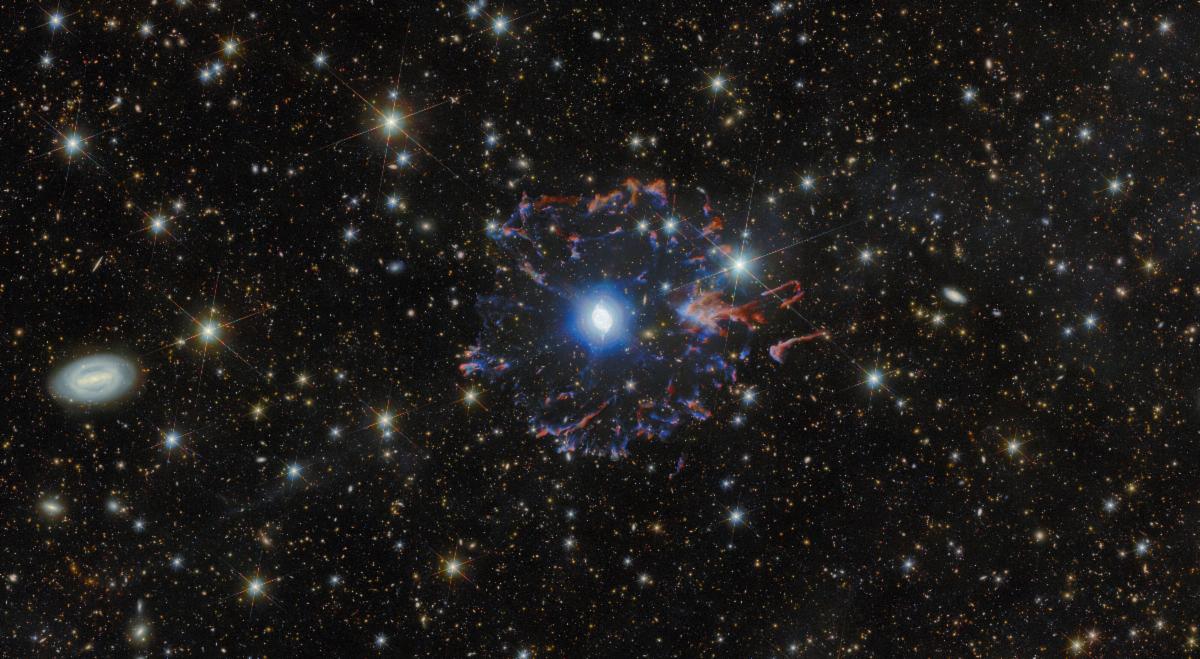
| | | | Harry Teplitz was named the new Head of Science Staff and Roberta Paladini named the new Deputy Head of Science Staff. Steve Groom was named the acting Data Center Lead. Anastasia Laity was named the acting IRSA Task Lead. IPAC and Caltech also mourned the passing of IPAC Staff Scientist Carl Grillmair. Since the beginning of January 2026 we have filled 17 positions with people who either joined IPAC afresh or with existing staff who transitioned to new roles. | | Euclid NASA Science Center at IPAC (ENSCI) | | Featured Euclid Science Image | | Euclid’s wide-area view of the remnants of a dying star: the Cat’s Eye Nebula, also known as NGC 6543. Credit: ESA/Hubble & NASA, ESA Euclid/Euclid Consortium/NASA/Q1-2025, J.-C. Cuillandre & E. Bertin (CEA Paris-Saclay), Z. Tsvetanov. | |
Q2 Data Release—Now Available
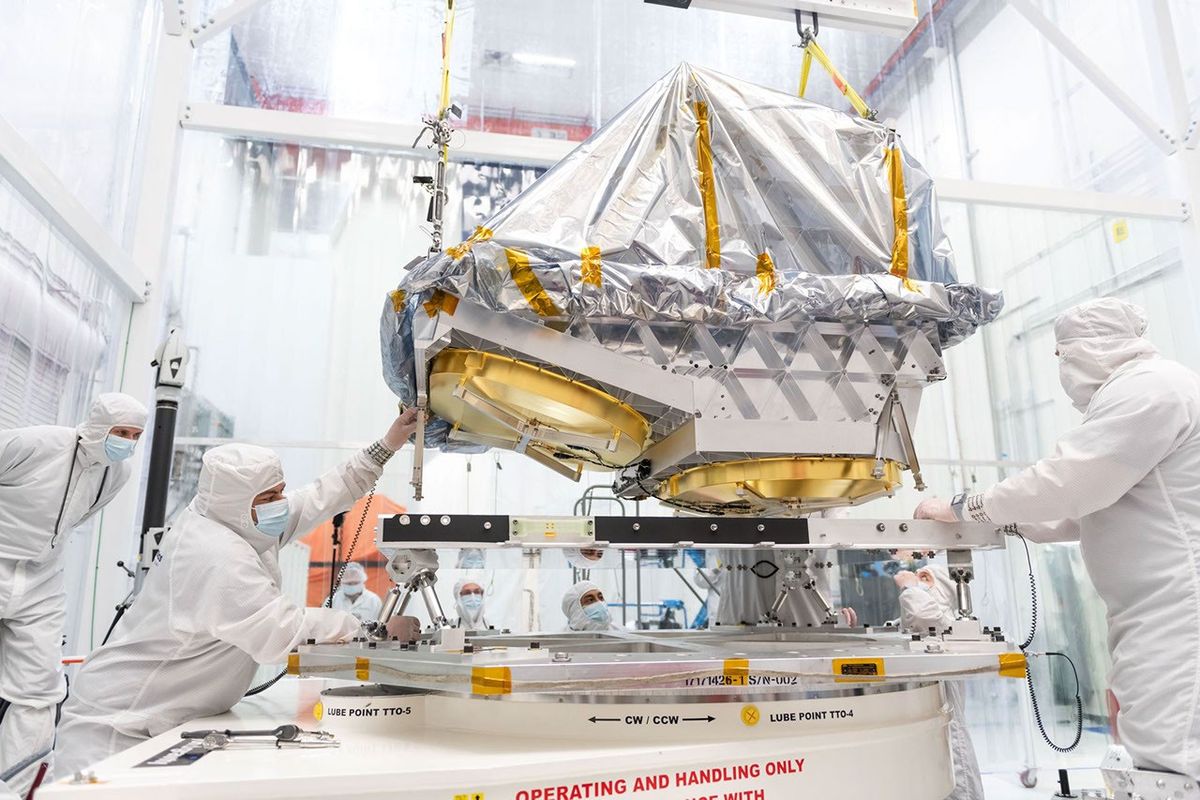
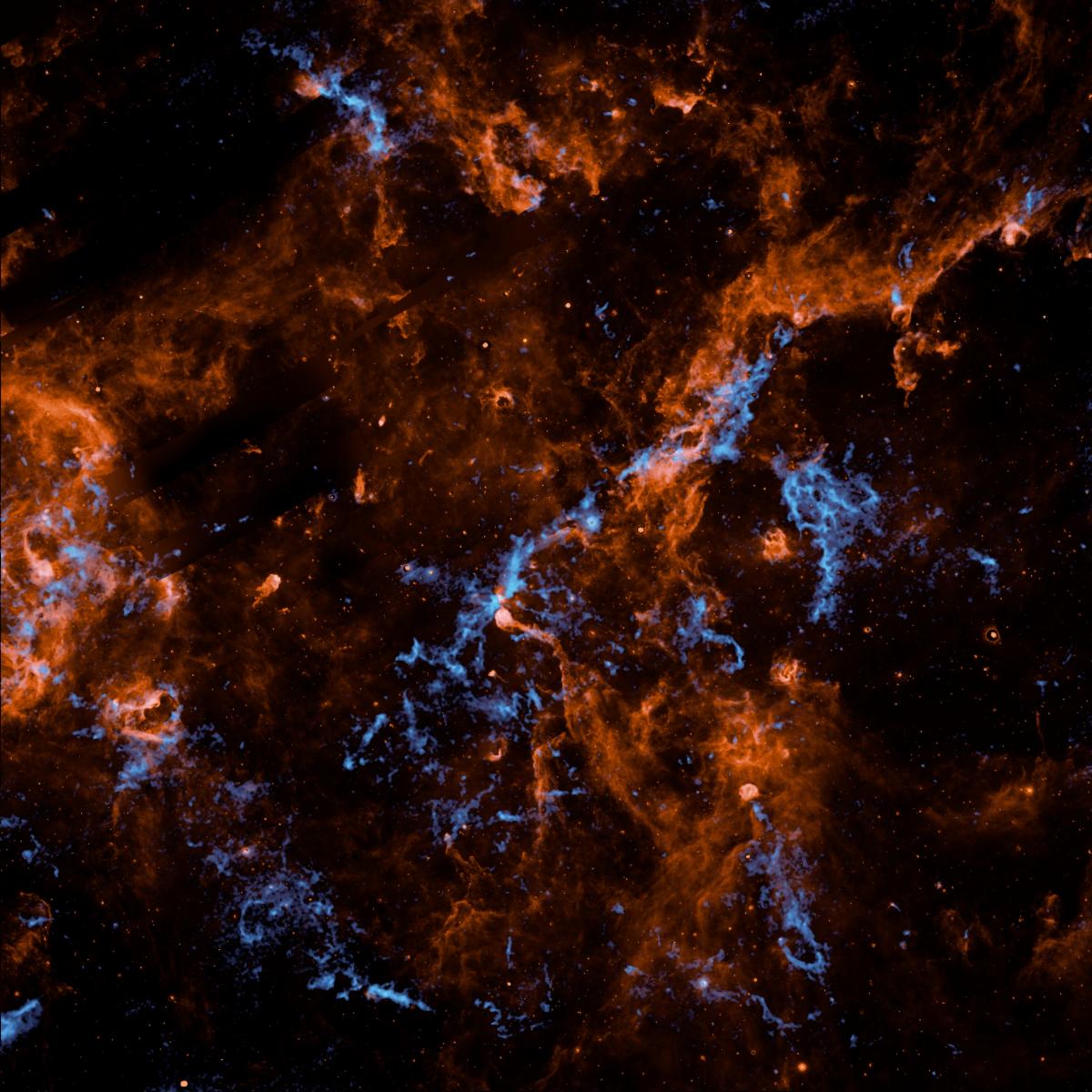
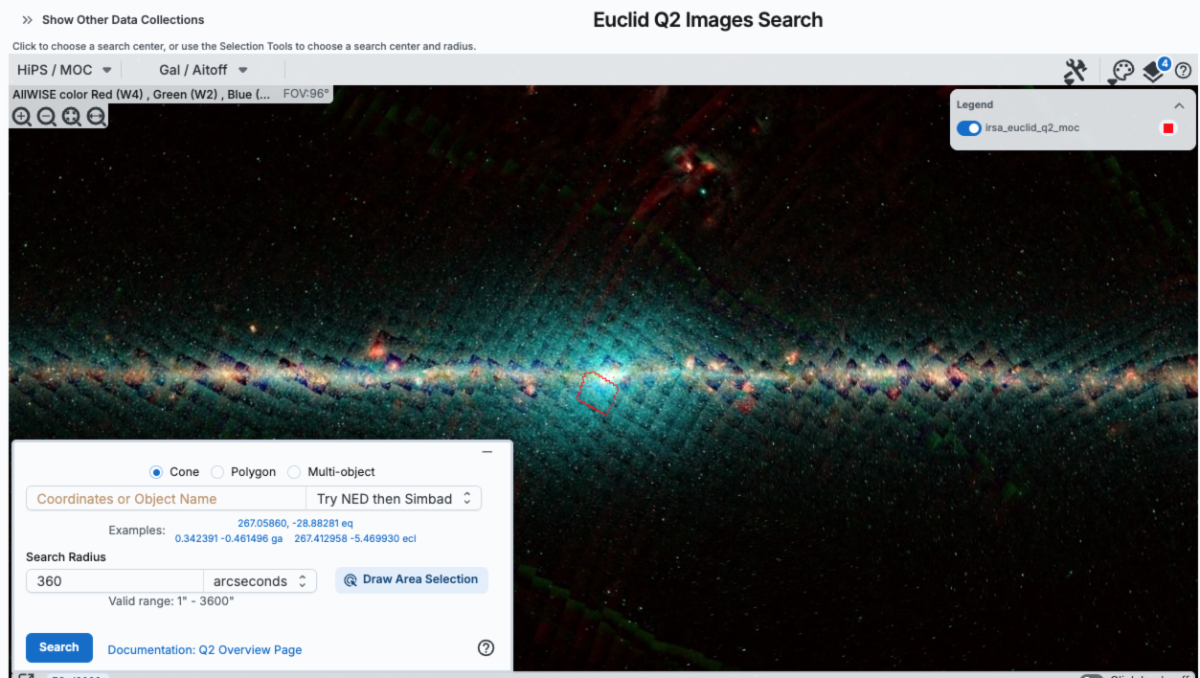
| | Euclid Quick Release 2 (Q2) data were released on June 24, 2026, by the ESA Euclid science archive as well as the complementary archive at the NASA/IPAC Infrared Science Archive (IRSA). The Q2 data were taken as part of the Euclid Galactic Bulge Survey, in which Euclid observed a 4.8 square degree region that includes the target field for the Roman Space Telescope microlensing survey. This dataset is an unprecedented deep, wide-field, high-resolution view of the inner bulge region of our Milky Way galaxy. The Q2 release contains calibrated images (observed with the visible light instrument), as well as photometry and astrometry catalogues of stars in the field. | | Data Release 1 Coming Soon | | Data Release 1 (DR1) will offer the first year of Euclid observations. In November 2026, Euclid will release raw data and calibrated images, catalogues and spectra, covering a large sky area of about 1,900 deg² (DR1-Foundation). The complete DR1, including the higher-level science products for galaxy clustering and weak lensing studies, will follow in mid-2027. For the current public data release timeline, see https://euclid.caltech.edu/page/data-release-timeline. | | ENSCI Resources for Euclid Research | | Near-Earth Object Surveyor (NEOS) | | Final Ground Testing of NEO Surveyor | | The NEO Surveyor telescope optical system being attached to its flight mount by mission partners at the Space Dynamics Laboratory. The detectors and instrument enclosure were also integrated, in preparation for final ground calibration testing. Image Credit: Space Dynamics Laboratory/Allison Bills. | | NEO Surveyor is preparing for the final ground test campaign at the Space Dynamics Laboratory in Utah. The test data obtained in this campaign will be used to confirm that the telescope is in focus and to precisely measure how the optics respond to light as a function of both wavelength and position on each of the detectors. IPAC will use these data (combined with data taken on orbit) as part of the image processing and analysis work carried out at the NEOS Survey Data Center to determine the absolute astrometric positions and photometric brightnesses of every source detected by the mission. | | SPHEREx has recently completed the first full year of the prime mission and has observed every point on the sky at least twice. Recent science results range from brown dwarfs to high-redshift galaxies. The SPHEREx science team studied the distribution of water, carbon dioxide, carbon monoxide and polycyclic aromatic hydrocarbons in Cygnus X (image above). Calibrated images and custom tools are available at IRSA. Credit: NASA/JPL-Caltech/IPAC/Hora et al. | | |
The SPHEREx mission is over one year into a 25-month prime mission
to obtain near-infrared spectra over the entire sky, enabling studies of the
early universe, the history of galaxies, and the presence of water and organic
molecules in regions where stars and planets form.
IRSA is the primary archive and access point for SPHEREx data. IRSA currently serves the SPHEREx Quick Release (version 2) spectral images, which are made publicly available on approximately weekly cadence, both on-premises at IPAC and in the cloud. Researchers can access SPHEREx data through the SPHEREx Data Explorer, a user-friendly web-based interface for searching and visualizing QR2 products directly in the browser. Beyond basic data access, IRSA provides integrated tools within the Data Explorer, including a spectrophotometry tool for extracting near-infrared spectra, a cutout tool for retrieving specific regions from the complex spectral images and a mosaic tool to create single wavelength images from the SPHEREx data. IRSA also provides tutorial notebooks for users working in the Python ecosystem.
SPHEREx data and notebooks are also accessible through Fornax, the NASA Astrophysics cloud-based science platform currently in open beta, allowing users to analyze SPHEREx data at scale alongside other major NASA astrophysics datasets.
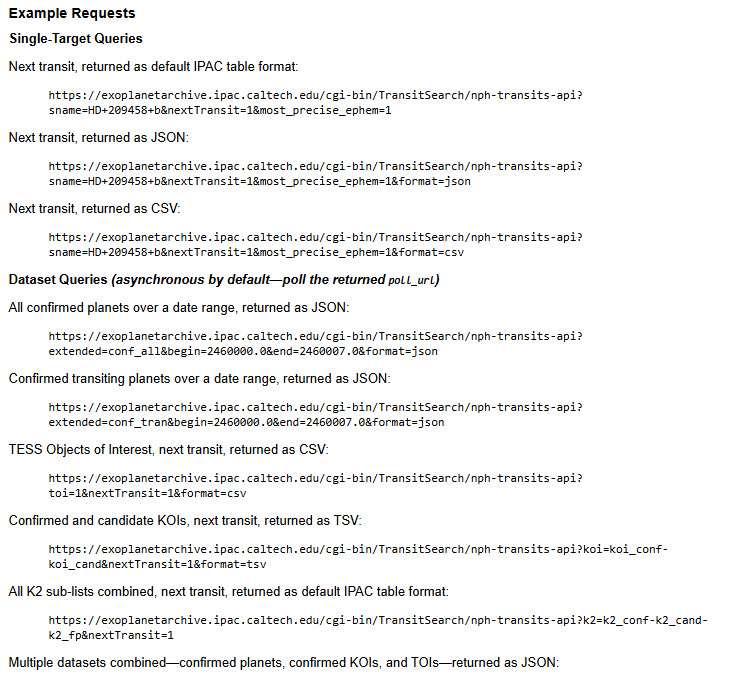
| | NASA Exoplanet Science Institute (NExScI) | | 26th Sagan Summer Workshop | | The 2026 Sagan Summer Workshop will be held July 20-24, 2026, both on the Caltech campus in Pasadena and online. The workshop's topic, "Exoplanets with Roman Surveys: Microlensing and Transits," concentrates on the exoplanet science from the Roman Galactic Bulge Time Domain Survey (GBTDS), which will discover thousands of planets towards the Galactic Bulge through both the microlensing and transit detection techniques. The workshop includes talks, hands-on tutorials and projects, poster sessions, and many networking opportunities between attendees and experts in the field. There is no registration fee to attend, but attendees are asked to register at https://cosmos.ipac.caltech.edu/ssw/registration.php. More information is available on the workshop website. | | NASA Keck Time for 2027A Semester | | The call for observing proposals for NASA Keck time for 2027A will open in early August, with an anticipated submission due date of September 10, 2026. Updated information about the 2027A call will be posted to NExScI's NASA-Keck webpage (https://nexsci.caltech.edu/missions/KeckSolicitation/). | | 6,300 and Beyond: The Exoplanet Archive Keeps Growing | | Since December 2025, the NASA Exoplanet Archive has added more than 200 planets, bringing the total confirmed planet count to over 6,300, as well as more than 500 atmospheric spectra for characterization studies. You can find more statistics for various categories of confirmed planets and candidates on the NASA Exoplanet Archive's Exoplanet and Candidate Statistics page. | | New services and enhancements rolled out this year to date include: | | A new application programming interface (API) for the Transit and Ephemeris Service helps automate observation planning and supports direct retrieval of transit prediction results in a machine-readable format. This new feature is documented on the service's User Guide tab. | | - 2. New JWST Atmospheric Proposal Planning Tool
| | |
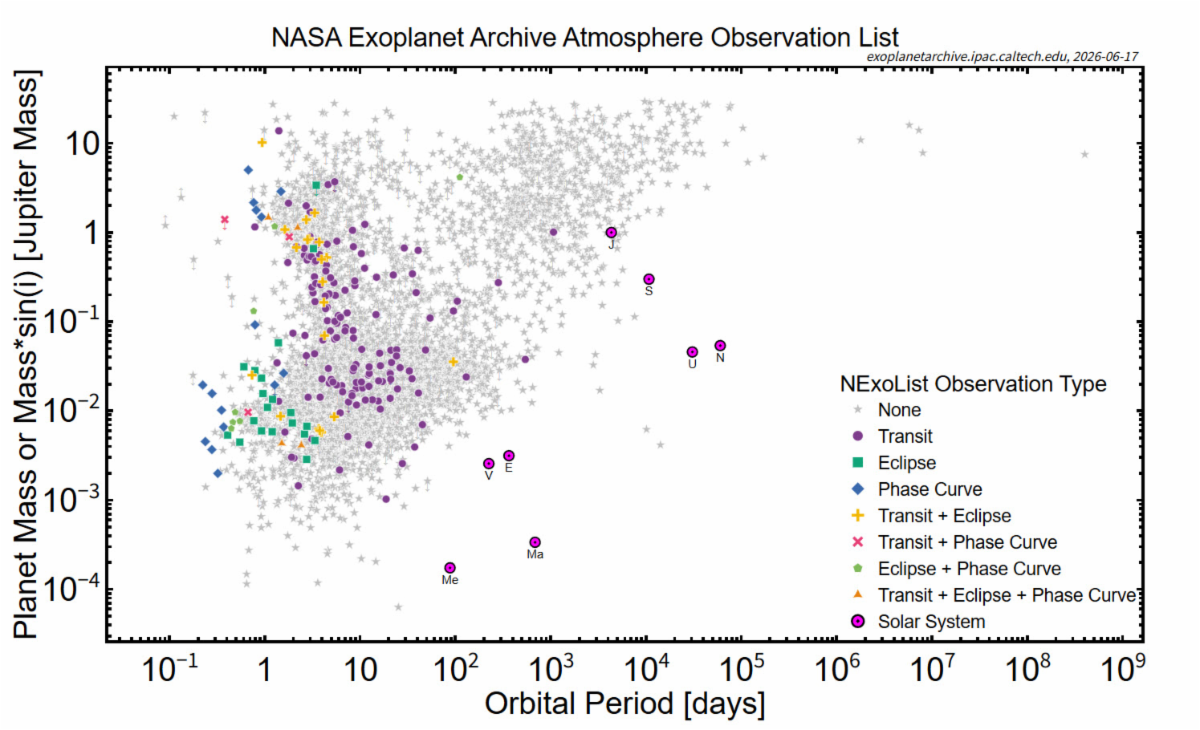
The NASA Exoplanet Archive Atmospheric Observation List (NExoList) is a new service based on TRExoLiSTS that helps users find the best targets for their science questions, as well as targets that have already been observed by JWST. The service contains all archived and planned JWST atmospheric programs for transit, eclipse and phase curve observations from NIRSpec, NIRISS, NIRCam, and MIRI, with plans to integrate more observatories. The archive has also enhanced its tools and data to support NExoList-related workflows and easier exploration of the data, including new columns in the Planetary Systems Composite Parameters table for Emission Spectroscopy Metric (ESM) and Transmission Spectroscopy Metric (TSM). Learn more about NexoList in the user guide.
Don't miss the new pre-generated atmosphere observation scatter plot!
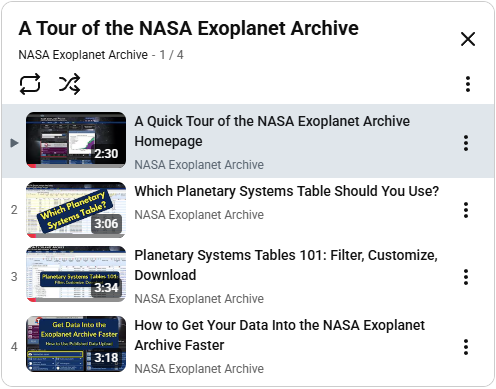
| | - 3. A Tour of the NASA Exoplanet Archive
| | The archive's new video series gives users a tour of the archive's data and tools and how to use them. All videos are under four minutes long and posted to the NASA Exoplanet Archive YouTube channel. | | 4. More Accessible Web Pages | | |
Our web pages have been tuned up to be more compatible with screen readers and other assistive technology, so users are now able to navigate the pages by keyboard instead of relying on a mouse. Additional improvements to the System Overviews include making the Architecture and Discovery Information clearer and removing redundant information, pinning the Expand/Collapse All button to the far-right side of the in-page navigation, and removing redundant links in the Bibliography.
To access a specific System Overview page, enter the star or planet name (or coordinates) in the Explore the Archive search box on the archive's home page.
| | 5. We're Making AstroFetch Happen! | | |
The archive is beta-testing AstroFetch, a new natural language interface for astronomical data archives. Ask questions about exoplanets in your own words, like "Find recent papers on hot Neptunes around M dwarfs and summarize the trends," and "Plot a histogram of stellar effective temperatures for systems with multiple confirmed planets, with a log y-axis."
Go to astrofetch.ipac.caltech.edu and sign up for an account!
| | NASA's Roman Space Telescope | | Results from Roman Cycle 1 Call for Proposals | | |
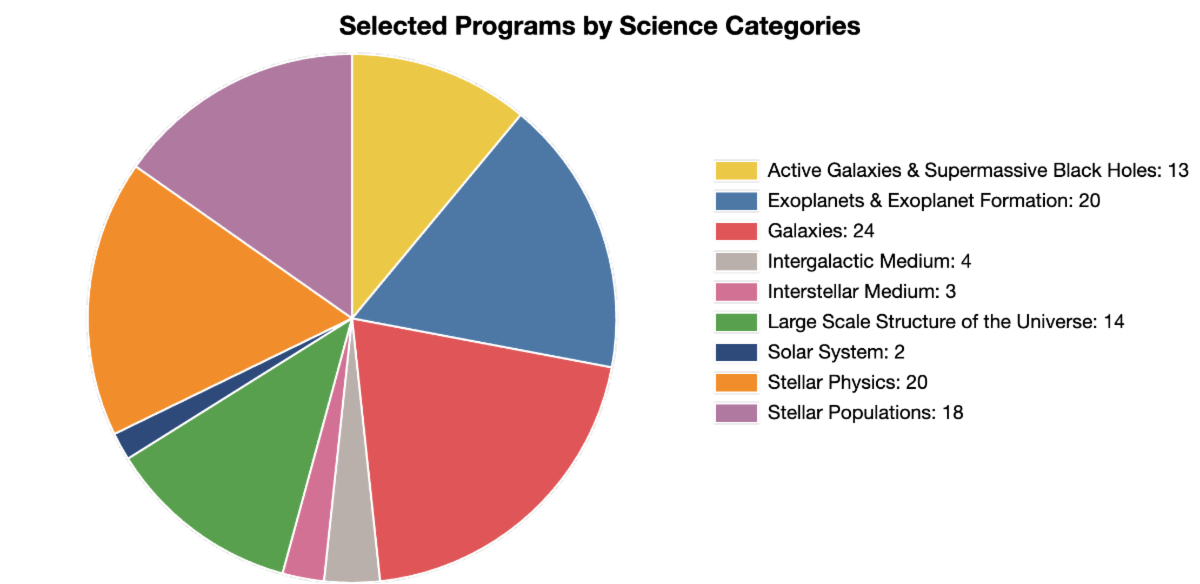
The results from the Cycle 1 Call for Proposals were released on June 26. Following the review of the 374 proposals submitted for the inaugural Cycle 1 Call, the Roman Science Support Center announced the selection of 118 programs for the Roman Cycle 1 General Investigator Program. A key component of Roman’s scientific strategy is empowering the community to deeply explore its expansive datasets. Reflecting this focus, the vast majority of the approved selections are dedicated to data analysis, theoretical investigations, and laboratory astrophysics.
Of the 118 selected investigations, five are programs requesting General Astrophysics Surveys, which will utilize a total of 1,456 hours of telescope time. The Cycle 1 proposals oversubscribed the funding allocation by a factor of 4.5 and the available hours by a factor of 10. The approved programs span Roman’s broad scientific capabilities, covering a diverse array of astronomical topics broadly from the solar system to large-scale structure of the universe.
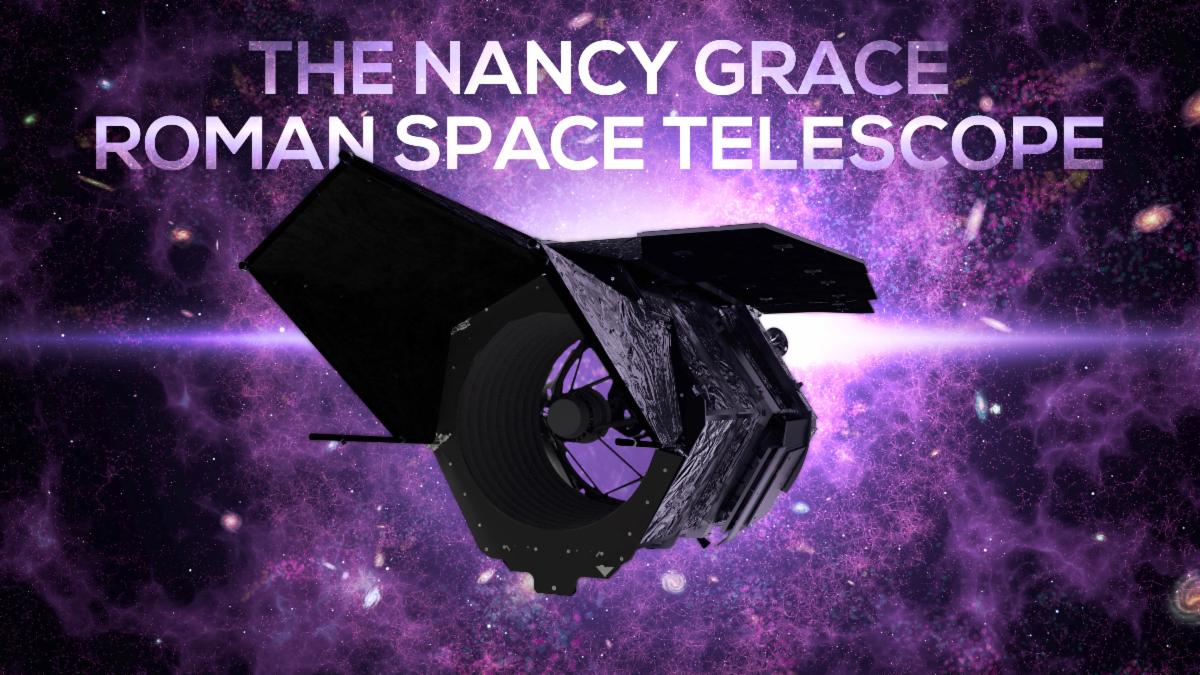
| | The Roman Space Telescope's launch date is August 30, 2026. The telescope will be launched from NASA's Kennedy Space Center in Florida on top of a SpaceX Falcon Heavy rocket. The launch will be followed by a three-month commissioning period when mission teams will calibrate the instruments, deploy the solar arrays, and guide the spacecraft into its final orbit at the L2 Lagrange point. | | |
The "Shifting Landscapes in Astrophysics: New Frontiers to Explore with Roman" conference will take place July 13–16, 2026 at Caltech. This conference is hosted by the Roman Science Support Center (SSC) at IPAC.
The conference presentations will focus on exciting new astrophysical landscapes ripe for exploration with Roman’s Wide Field Instrument (WFI) and Coronagraph Instrument (CGI). The covered topics will span a wide range of Roman science from exoplanets to stellar evolution, galaxies, and cosmology.
By leveraging Roman's unique combination of high spatial resolution, sensitivity, wide-field imaging, and slitless spectroscopy, the community is positioned to answer some of the most pressing questions in modern astrophysics. The presentations will be made public online and the abstracts and posters are available on the conference website.
| |
-
Roman Help Desk: Ask questions about Roman's instruments, simulation tools, proposal process, observation preparation, grants, data archive and analysis.
-
Visit the numerous resources at our Roman SSC website.
-
To learn more about Roman science resources that could help you with, e.g., Roman proposal planning, visit our Roman documentation web pages ("RDox").
-
Subscribe to our Roman SSC mailing list.
-
Roman Science Forum: Join to stay actively engaged and up to date about technical and mission updates.
-
Roman Science Collaboration: Start new science collaborations and draw on the expertise of researchers with complementary interests.
-
Roman Working Groups: Sign up to discuss and advise the Roman Project and its partners on WFI data and operations.
-
Follow us on social media @NancyRomanSci with X, Bluesky, Instagram, and Facebook.
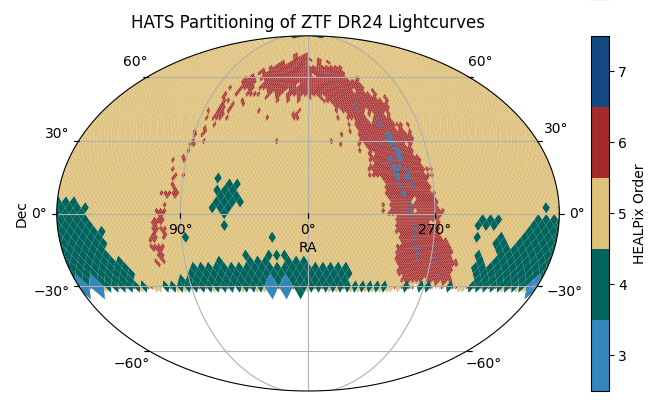
| | NASA/IPAC Infrared Science Archive (IRSA) | | A new SPHEREx Mosaic tool is now available to analyze SPHEREx data. There is also a SPHEREx Source Discovery Python notebook that demonstrates how to identify and characterize significant detected sources within a user-defined region using SPHEREx data alone, without requiring positional priors. | | IRSA hosts the 24th public data release from the Zwicky Transient Facility, which contains approximately 69.7 million images, 1043 billion source detections extracted from these images, and 5.32 billion light curves. The DR24 Objects Table and Lightcurves are also available in HATS, a format that enables scalable cloud-based analysis of large astronomical catalogs. The datasets are available through AWS S3. See IRSA's cloud access page for paths and the relevant IRSA HATS tutorial for Python examples. | | The Euclid Galactic Bulge Survey (EGBS) consists of VIS imaging, photometry, and astrometry over nine adjoining fields covering a total of 4.8 square degrees. This dataset is an unprecedented deep, wide-field, high-resolution view of the inner bulge region of our Milky Way galaxy. The data are available at IRSA through the Data Collection Explorer (DCE). | | IRSA announces that data from these data sets are newly available at IRSA, or the data are newly available in the Data Collection Explorer (DCE): GOALS, GOT_Cplus, V838Mon, ISO SWS_Atlas, SPHEREx observations of Comet 3I/Atlas, FEPS, HPPSC2, Gaia DR3 subsidiary tables, SPLICES, 2MASS images, VarWISE, SpaceMol, DustPedia. | | Keep up with Developments at IRSA | | |
There are several ways for you to keep up with developments at IRSA:
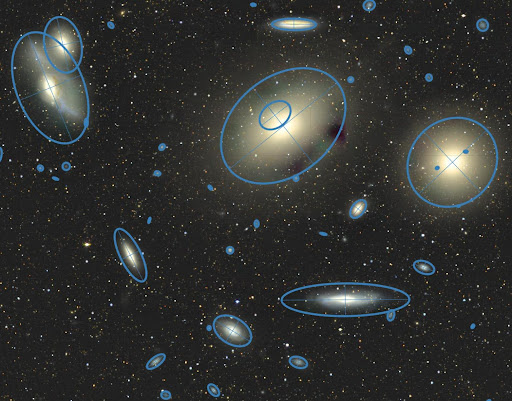
| | NASA/IPAC Extragalactic Database (NED) | | NED's latest release provides the results of cross-matching 331K sources from 2,321 recent astrophysics journal articles. This update incorporates 293K cross-identifications with prior NED objects and 38K new objects including galaxies, quasars, clusters of galaxies, supernovae, and globular clusters. The number of objects with redshifts in NED has increased by 55K, now totaling over 11.2M. For more information, see the release highlights. | | Fiducial Galaxy Diameters Now in NED-LVS | | The NED Local Volume Sample (NED-LVS) is a vetted subset of over 2 million objects in NED with distances out to 1000 Mpc. The latest (April 2026) version includes fiducial angular diameters for galaxies to facilitate rapid identification of hosts to transient events and other science use cases. See the full description for details. The image (credit: DESI Legacy Surveys Viewer) shows example isophotal diameters in the Virgo Cluster measured from the Siena Galaxy Atlas 2020 (Moustakas et al. 2023ApJS..269....3M), which are included in the NED-LVS diameters. | | System and Software Updates | | |
New APIs have been released that improve programmatic access to NED data and services. NOTE: NED's legacy APIs are deprecated and cannot access data ingested after January 2026. Please use the new NED APIs.
NED is working with the community to update the Astroquery.ipac.ned package using the new APIs.
A new implementation of the interface to Search for Objects By Parameters is layered on the IVOA Table Access Protocol (TAP) in a step toward simplifying direct database access via ADQL (SQL) queries in the future release.
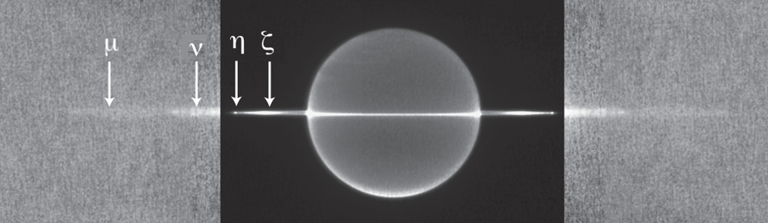
| | Join the NED Users Committee | | We are seeking new members of the NED Users Committee. If you would like to help shape the future of NED, please contact us at ned@ipac.caltech.edu. For more information, please visit the NED website. | | Help streamline integration of data from your next journal article into NED by following Best Practices for Data Publication in the Astronomical Literature (Chen et al. 2022ApJS..260....5C), which is now linked to Instructions for Authors by AAS Journals, MNRAS, and PASP. | | Keck Observatory Archive (KOA) | | KOA NIRC2 Data Used to Study the Uranus Ring System | | The Uranus ring system as observed with the NIRC2 instrument at Keck Observatory. The inset is displayed at a different intensity scale to enable identification of details of the inner ring system. Credit: Imke de Pater (UC Berkeley), W. M. Keck Observatory. | | de Pater et al. (2026) used NIRC2 data from KOA in multi-archive study to characterize the faint outer rings of Uranus, described in the press release on the paper "Characterization of the Outer Uranian Rings in the Visual and Near-IR Using Keck, JWST, and HST Observations." The faint outer rings have totally different origins: The μ ring is likely made of tiny icy grains, while the ν ring appears rich in organic material. | | Zwicky Transient Facility (ZTF) | | ZTF Batched Force Photometry Service Reaches 4 million Queries | | As of April 21, 2026, the Zwicky Transient Facility (ZTF) Forced Photometry Service (ZFPS) has processed more than 4 million distinct sky coordinates through batch submissions. Built and maintained by the ZTF Science Data System team at IPAC/Caltech, the service has been publicly accessible since its debut in early 2020. In 2023, it was upgraded to include batch request functionality (Masci et al. 2023), enabling users to obtain forced photometry light curves for up to 1,500 sky positions in a single web-based submission. Today, ZFPS is broadly utilized by researchers worldwide, serving both U.S. and international scientific communities. | | The Zwicky Transient Facility (ZTF) and IPAC announced the twenty-fourth ZTF Public Data Release on January 22, 2026. ZTF is an optical time-domain survey covering the northern sky visible from Palomar Observatory since 17 March 2018. This release, made available through IRSA, adds 12 months of observations to the twenty-third data release, up to 22 October 2025 for the public portion of the survey, and private survey time prior to 22 July 2024. The private surveys include observational programs awarded by Caltech or performed by the ZTF collaboration. The products include 69.7 million single-exposure images, 188 thousand co-added images, accompanying source catalog files containing 1043 billion source detections extracted from those images, and 5.32 billion light curves constructed from the single-exposure extractions. These newly released data products further expand the ZTF archive at IRSA, supporting large-scale time-domain studies across the survey. | | PRobe far-Infrared Mission for Astrophysics (PRIMA) | | PRIMA Special Session at the Recent AAS 248th Meeting | | PRIMA (PRobe Infrared Mission for Astrophysics), a far-infrared probe mission concept in Phase A for NASA’s call for Astrophysics Explorers (APEX), held a special session at the June AAS 248th meeting. The session included a description of the mission, the PrincipaI Investigator survey data that will be available for community science, data access through IPAC, and plans for citizen science and student collaboration. The session also featured talks from community members discussing sample general observer science cases. | | IPAC is home to about 80 scientists and postdocs who have collectively contributed to more than 250 refereed journal articles this year, covering topics from near-Earth objects and exoplanets to galaxy formation and cosmology. | | Recent Featured Science Results from IPAC Scientists | | |
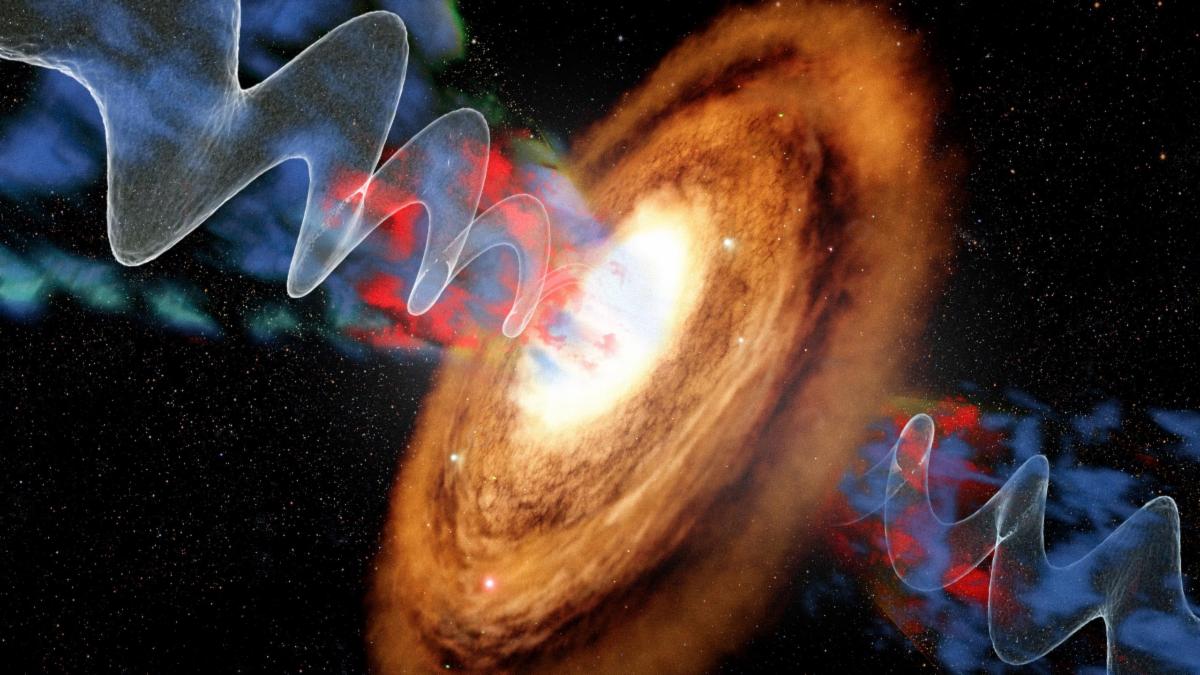
IPAC staff scientist Vivian U was the first coauthor in a Science journal cover page article on a kpc-scale precessing jet coming from the nucleus of one member in a pair of interacting disk galaxies. The jet appears to regulate the star formation rate in the galaxy by simultaneously shock heating and ejecting the interstellar medium. The lead author of the investigation, Justin Kader, recently joined IPAC as a postdoctoral researcher.
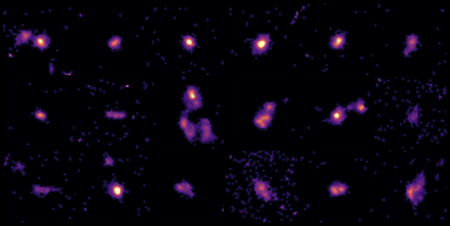
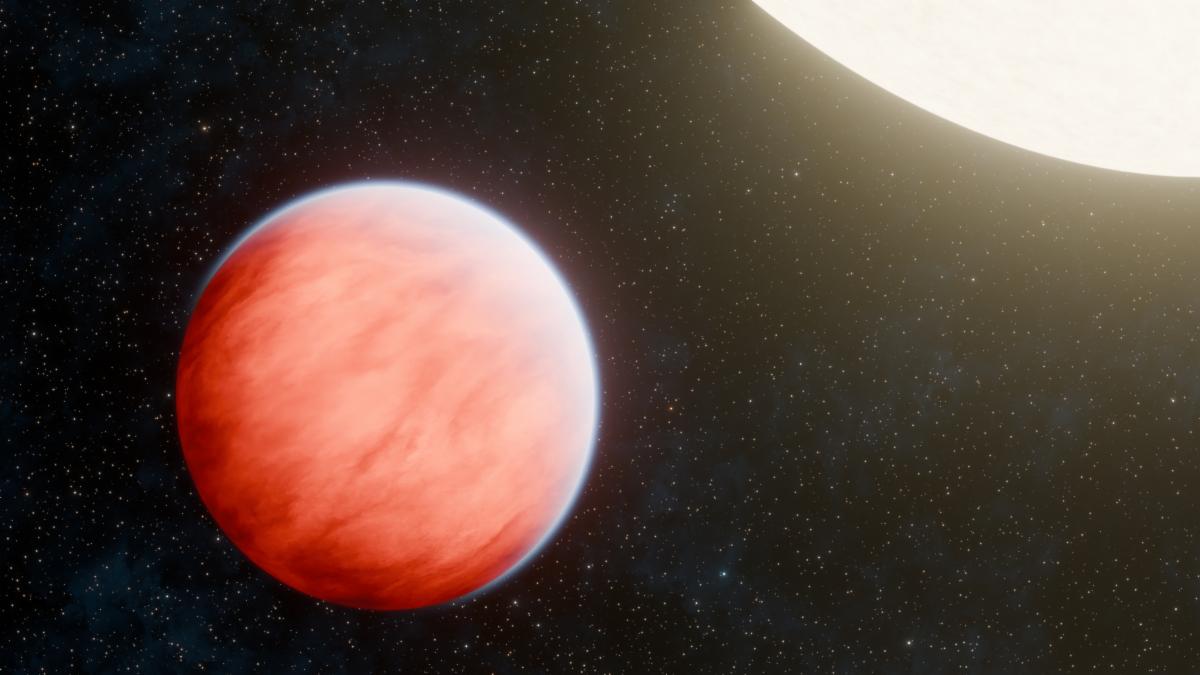
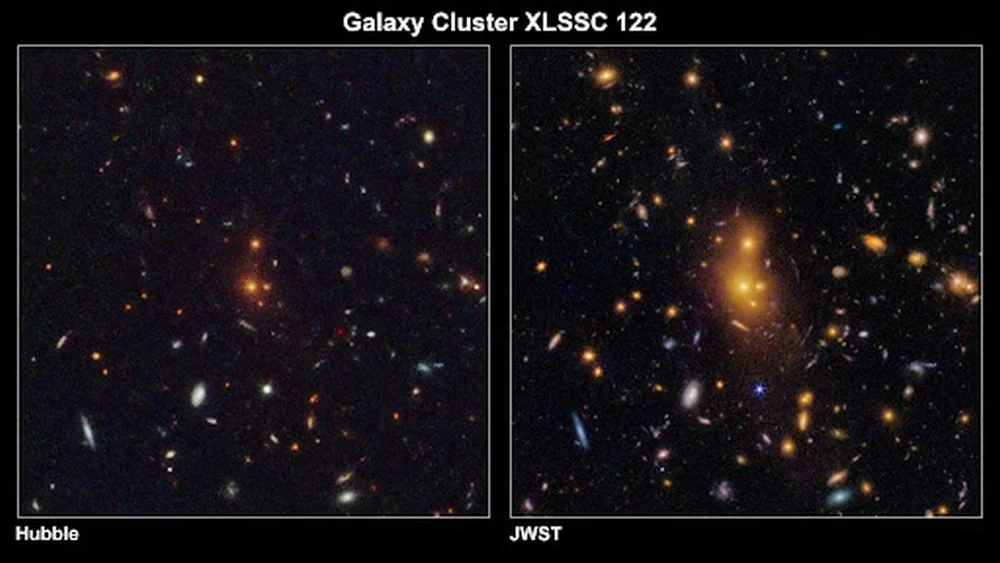
| | An artist's rendering of the outflow from the nucleus of VV 340a. Credit: W. M. Keck Observatory/Adam Makarenko. You can click on the image for more information. | | Please click on the images below to find out more about each featured science result. They are also summarized below. | | IPACers Andreas Faisst and Wuji Wang were part of a team that used multi-wavelength observations from the Hubble Space Telescope, James Webb Space Telescope and the Atacama Large Millimeter/submillimeter Array to show that young galaxies at redshifts z = 4–5 are maturing faster in several ways than researchers previously believed. | | Aurora Kesseli, an IPAC staff scientist, studying the hot Jupiter CoRoT-2 b concluded that the planet is rotating slower than it is orbiting the host star, explaining why its atmosphere has a hot spot in the opposite direction than is seen on all other exoplanets of this type. | | IPAC Staff Scientist Kyle Finner led a team that found that XLSSC 122 set the record for the most distant galaxy cluster displaying strong lensing. The discovery motivates the collection of a sample of analogous systems to probe cluster assembly at cosmic noon. | | IPAC Scientists Leading Major NASA Space Telescope Programs | | |
IPAC scientist Mike Jones is leading an HST Cycle 33 large treasury program the "Hubble Census of Nearby Satellites" which is performing an imaging census of all known (and candidate) classical dwarf satellites of Milky Way hosts within 10 Mpc. Mike is also hosting a summer undergraduate student at IPAC, adding to the group of 11 other summer undergraduate students at IPAC.
IPAC postdoc Nima Chartab is leading one of the recently approved Roman Space Telescope data analysis programs, investigating how galaxy properties correlate with environments in 475 protoclusters. In addition, 13 other IPAC scientists are co-investigators in approved Roman programs.
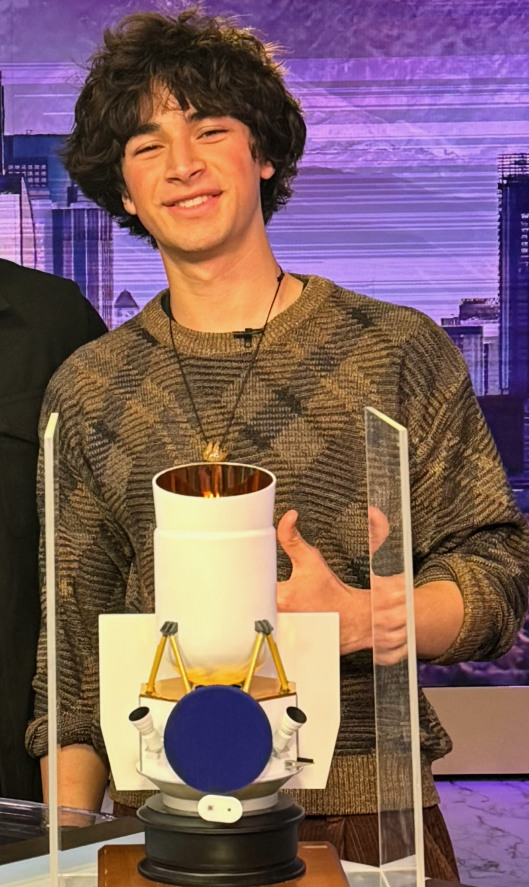
| | IPAC Award-Winning Student Researcher Matteo Paz Releases VarWise Catalog | | IPAC student researcher Matteo Paz has released VarWISE, a catalog listing objects with significant infrared variability as seen in the individual exposures of the decade-long time-series NEOWISE data. This is the work for which Matteo received first prize in the 2025 Regeneron Science Talent Search. The catalog includes a prediction of variable object types across ten stellar and extragalactic classes, best-fit period values for each object (if variations are cyclical), and other calculated parameters to characterize the nature of the variability. The catalogs will be accessible at the IRSA-served DOI link. Documentation can be found in his paper published in The Astrophysical Journal Supplement Series. Matteo's co-authors on the paper are all IPACers —his mentor Davy Kirkpatrick, Troy Raen, Roc Cutri (now retired), and Rajiv Uttamchandani (Caltech visitor from Loyola Marymount University). | | IPAC 40-year Anniversary Celebrations | | It’s IPAC’s 40th birthday this year! We're still over the Moon from celebrating at AAS 248 in Pasadena this summer. Nearly 300 people joined our party to enjoy food, drinks, activities, and stamping their “Passports to the Universe.” A huge thank you to BAE Systems for sponsoring the evening. Here's to 40 more years of amazing science and discovery! | | Science Engagement Lab at IPAC | | |
The Science Engagement Lab, or SELab (pronounced "see lab") at IPAC provides bespoke, science-informed connections with the audiences that matter to you. From start-to-finish strategic communications, to science visualizations and Nature covers, to viral videos, we've done it all. We work with projects at all scales, from individual researchers to flagship missions.
Want to increase the impact of your science? Contact us!
https://selab.ipac.caltech.edu/.
| | | | |