IRS Regulation to Strip Private Schools' Tax Exemption Over Race-Based Preferences

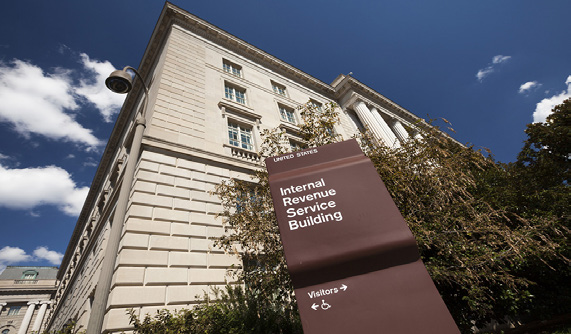
Yesterday, the Treasury Department and the IRS proposed a new rule “to end federal tax-exempt status for private schools that engage in racial discrimination.” According to a Treasury Department press release:

A private school would not qualify for Federal tax-exempt status under section 501(c)(3) if it adopts, maintains, or enforces a policy or practice that discriminates on the basis of race, color, or national or ethnic origin. The rule would apply across admissions, educational policies, scholarships and loans, athletics, and every other school-administered or school-supported program.


The proposed regulations would apply to tax-exempt private primary and secondary schools, colleges, universities, professional schools, and trade schools. Treasury and the IRS estimate that the proposal may affect as many as 18,000 private educational institutions.


The proposal would not prevent a private school from maintaining a religious mission, curriculum, or program of religious observance. Religious schools may continue to select students based on genuine religious affiliation or membership to remain consistent with existing federal law.


The proposal allows schools to continue expanding educational opportunity to assist disadvantaged students using race-neutral criteria such as family income, geographic location, first-generation status, individual hardship, military family status, or academic achievement when awarding admission or financial assistance. However, schools may not make decisions or confer benefits on the basis of race, color, or national or ethnic origin.

A sixty day comment public period will end on November 3, 2026. As it stands, the new rules will go into effect June 1, 2027.

CAPE Files Amicus Brief with Supreme Court on Special Ed Case

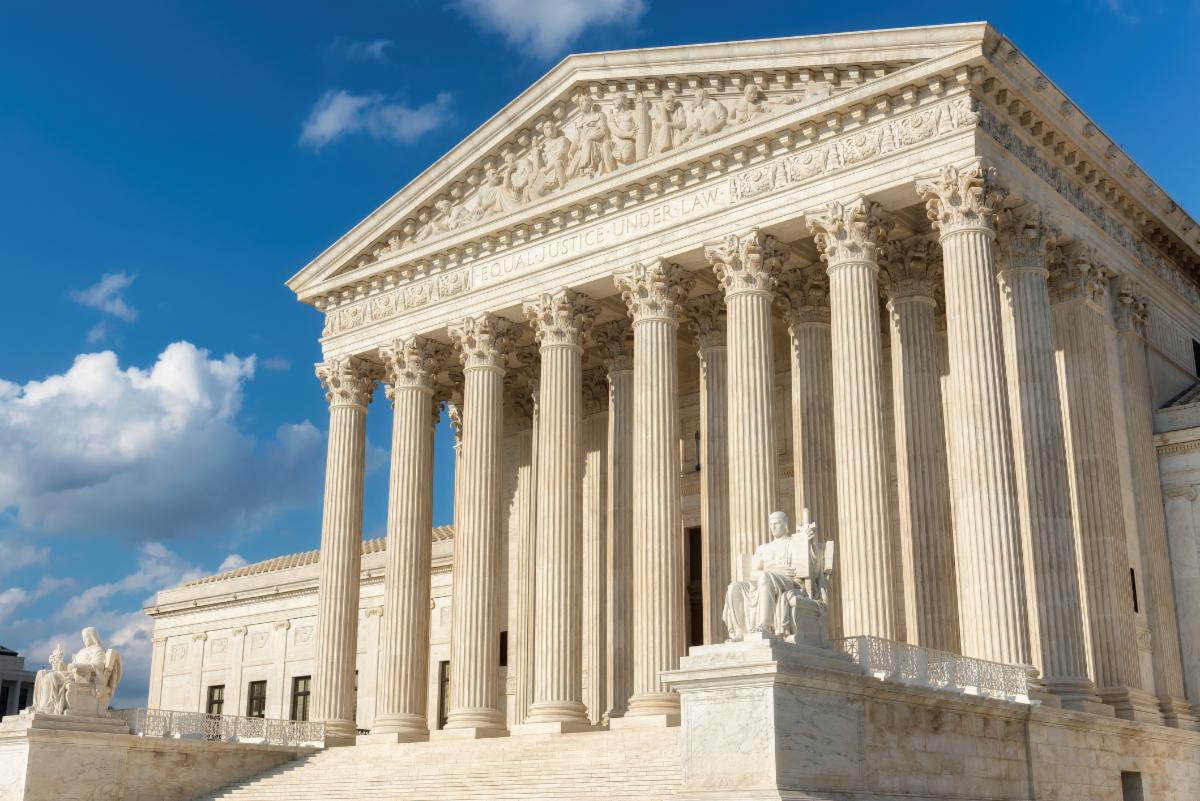
CAPE has filed an amicus brief with the U.S. Supreme Court in support of a lawsuit challenging the constitutionality of a Massachusetts regulation that requires private school students to only receive their special education services at “a public school facility or other public or neutral site." As explained by the amicus:

The Place Restriction prevents parentally placed private school students from receiving state or locally funded special-education services on site, at their own schools, burdening access to those services through lost instructional time, schedule disruption, transportation costs, and the stigma associated with having to leave one’s classroom to obtain special services.

Agudath Israel of America joined the amicus brief, which you can read here.

U.S. Dept of Education Orders California to Take Corrective Action on IDEA

Excerpts from a joint CAPSO-ADAC press release:

On August 3, 2026, the U.S. Department of Education issued its final decision in response to complaints brought by the Archdiocese of San Francisco and the Diocese of San Diego concerning IDEA equitable services for parentally placed private-school students with disabilities.


The California Department of Education must now take statewide action to ensure compliance by LEAs and Special Education Local Plan Areas (SELPAs) throughout California.


The Department’s decision requires action in four critical areas:

  • Meaningful Consultation. Private-school representatives must have a genuine opportunity to participate before important equitable-services decisions are made.
  • Child Find & Evaluations. RTI, MTSS, and other general-education interventions may not be used to delay or deny IDEA evaluations.
  • IDEA Proportionate-Share Funding. California must recalculate five years of IDEA proportionate-share funding—from FFY 2021 through FFY 2025—and remedy identified shortfalls.
  • State Complaint Procedures. CDE must strengthen its IDEA complaint process so that material allegations are fully investigated and resolved.
Golden Gate Bridge_ San Francisco_ California_ United States of America_ North America

AZ High Court Decision Deals Major Blow to School Choice Opponents

On August 18, the Arizona Supreme Court ruled that school choice opponents had not gathered enough valid signatures to bring a ballot measure before the voters this fall. If approved, Proposition 212 would have pushed tens of thousands of students off of the state’s Empowerment Scholarship Accounts program.

Valued Platinum Sponsors of CAPE


Website

Who We Are

Blue Ribbon Schools

News

 
Facebook  LinkedIn  Twitter

Contact Us

Council for American Private Education

1300 Pennsylvania Ave, NW #190-433, Washington, DC 20004

844-883-CAPE