|
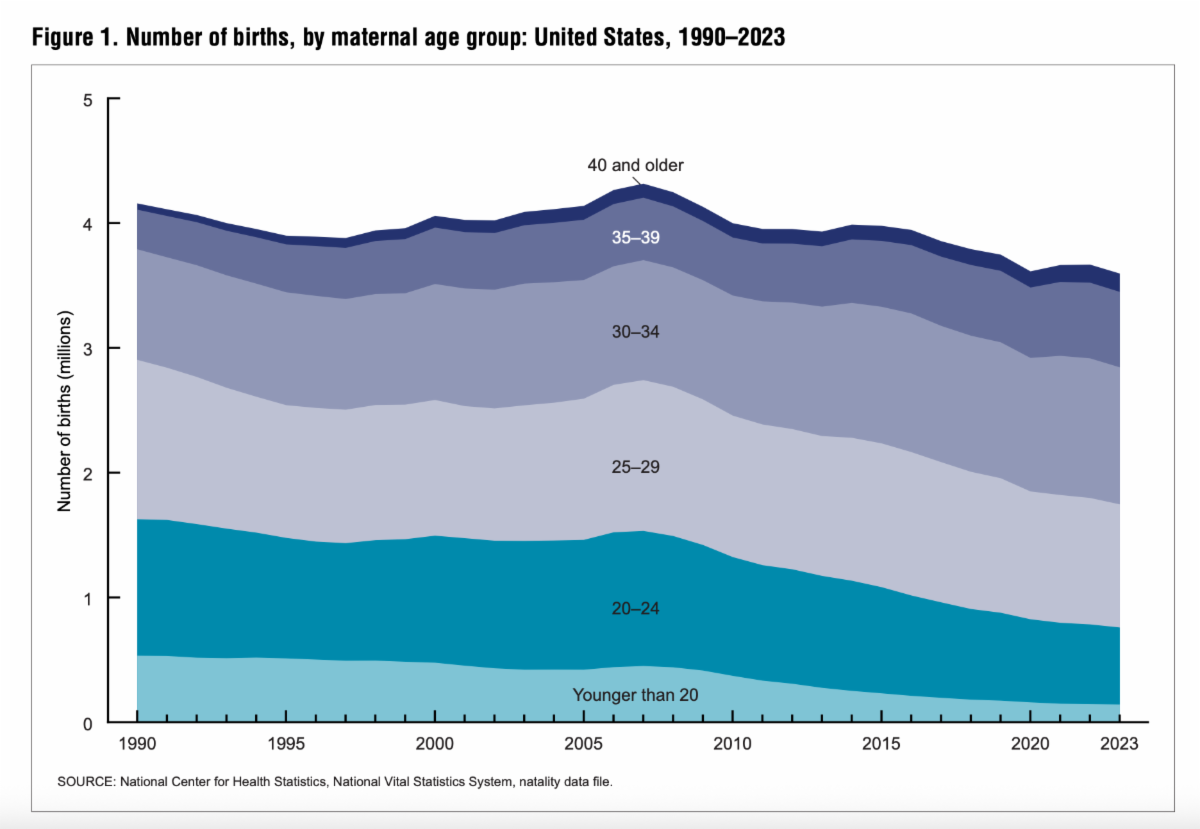
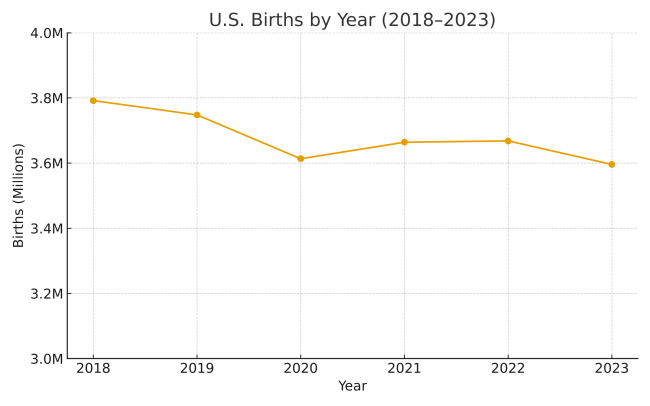
After a brief increase during the COVID years, birthrates have resumed their downward trend. What does this mean for independent schools? While these figures reflect national patterns, it is essential to examine birthrates within your own state or region, as variations can be significant. Some areas may experience double-digit declines due to domestic migration, while others may see modest growth.
Boards should be discussing the implications of a shrinking—or expanding—pool of prospective students and how these trends may affect long-term enrollment.
Notably, the births from 2018 to 2023 correspond to kindergarten classes entering schools from 2023 through 2028. A 5.2% decline nationally often manifests as:
- 6–10% decline in K enrollment in many regions
- Even sharper declines in rural and suburban markets
Given the potential for a smaller pool of eligible students to enroll in independent schools, boards should be discussing:
A smaller pipeline of future students
Increased competition for student enrollment
Widening geographic variations in birthrates due to domestic migration
Strategic financial planning for decreased revenue
The longer term impact of declining enrollment should prompt boards and administration to do scenario planning exercises that might include options like:
Consolidating sections
Rethinking class sizes
Repurposing physical spaces
Adjusting faculty hiring
Exploring program sharing or partnerships
Similarly, if you are in an area of the country seeing population growth, your scenario planning should involve expansion capability.
Data is only meaningful when it informs a larger purpose—such as planning to safeguard your school’s future.
For the original CDC report on birthrates Click Here
|