Inland SoCal Housing Collective | |
|
Monthly Collective Meeting
Wednesday, April 19th, 2023
1PM-2:30PM
ZOOM LINK
Agenda
Special Presentation: Water of Life Affordable Housing Project, Mark Nuaimi
Special Presentation: Communities in Charge, Uplift San Bernardino, Enid Joffe
Collective Updates
Questions? Email melanie@ischcollective.org
| |
|
Interested in Going Electric? Grants Available for EV, Charging Stations
In an effort to improve air quality and protect the community’s health, Uplift San Bernardino at the Making Hope Happen Foundation has partnered with Green Paradigm Consulting and Grid Alternatives to connect residents to grant opportunities for those looking to switch to electric vehicles.
There are several opportunities currently available for state and federal grants for electric vehicles and charging stations.
Our partners can provide information about specific program criteria and deadlines and help interested persons apply. The shared goal is to get as much clean air funding as possible into our City. For more information and to apply, please reach out to Heather.Zappia@makinghope.org.
Here are a few of the programs currently open:
Replace Your Ride—Air District program for individual drivers--exchange your 2008 or older car for a clean hybrid or plug in car. Funding up to $9,500 per new or used vehicle. No deadline https://xappprod.aqmd.gov/RYR/
Communities in Charge—State program for businesses, multi-family housing sites, schools. Install Level 2 chargers at your location. Up to $7,000 per charger. Deadline May 6, 2023 https://thecommunitiesincharge.org/
Charging and Fueling Infrastructure Discretionary Grant Program (CFI)—federal program for underserved communities to install charging. We are considering an community application from the San Bernardino. Let us know if you are interested. Deadline May 30, 2023. https://www.fhwa.dot.gov/bipartisan-infrastructure-law/fact_sheets.cfm
Energiize—State program for fleet charging infrastructure. Must have existing electric fleet vehicles or plans to lease/purchase electric fleet vehicles. Re-opens later in 2023 https://energiize.org/
CALeVIP 2.0—State program for publicly available charging in disadvantaged (DAC) or low-income (LIC) census tracts. Up to 50% of project cost subject to caps. Recent program closed; will re-open again later in the year. Prioritizes shovel-ready projects. https://calevip.org/about-calevip
| |
News . Articles . Reports | |
|
Your copy should address 3 key questions: Who am I writing for? (Audience) Why should they care? (Benefit) What do I want them to do here? (Call-to-Action)
Create a great offer by adding words like "free" "personalized" "complimentary" or "customized." A sense of urgency often helps readers take an action, so think about inserting phrases like "for a limited time only" or "only 7 remaining"!
| |
U.S. Treasury Awards more than $1.73 Billion in Response to Economic Impacts Caused by COVID-19 Pandemic
Funding will aid those communities experiencing disproportional economic effects of the pandemic
April 10, 2023
Washington, DC – Today, Vice President Kamala Harris and Deputy Secretary of the Treasury Wally Adeyemo announced that the U.S. Department of the Treasury’s Community Development Financial Institutions Fund (CDFI Fund) has awarded over $1.73 billion in grants to 603 Community Development Financial Institutions (CDFIs) across the country through the CDFI Equitable Recovery Program (CDFI ERP). These funds will strengthen the ability of CDFIs to help low- and moderate-income communities recover from the COVID-19 pandemic and invest in long-term prosperity.
Authorized by the Consolidated Appropriations Act, 2021 (Pub. L. 116-260) to respond to the economic effects of the COVID-19 pandemic, CDFI ERP is designed to:
- Provide funding to Certified CDFIs to expand lending, grant making and investment activities in low- to moderate-income communities and to borrowers with significant unmet capital and financial services needs that have experienced disproportionate economic impacts from the COVID-19 pandemic.
- Catalyze growth in the financial and organizational capacity of CDFIs for the purpose of carrying out equitable recovery activities.
“When we invest in community lenders, we help build a future where all people—no matter who they are or where they start—have the resources they need not only to succeed but to thrive, said Vice President Kamala Harris. “These grants—representing the largest CDFI grant program in history—will enable hundreds of community lenders to invest in small businesses and entrepreneurs, and also provide home loans for families, financial services for local nonprofits, and capital for community organizations.”
“These grant funds will be transformative for grantees that are building a more equitable, resilient economy, along with helping sustain our strong economic recovery” said Secretary of the Treasury Janet L. Yellen. “These critical resources will allow mission-driven lenders to expand access to capital in financially underserved communities, which will help increase contributions to long-term economic growth.”
“Today’s awards represent a truly historic opportunity to accelerate efforts in America’s distressed and underserved communities to overcome the persistent economic effects of the COVD-19 pandemic,” said CDFI Fund Director Jodie Harris. “The more than $1.73 billion in CDFI ERP funding that is being awarded to CDFIs will be utilized to implement initiatives that, among other things, increase availability of financing and capital for small businesses, promote affordable housing, and improve accessibility to loans that help families make ends meet—all of which were compromised by the pandemic, and are vital to community resilience, sustainability and economic prosperity.”
The CDFI ERP grant funds may be used to support lending related to small businesses and microenterprises, community facilities, affordable housing, commercial real estate and intermediary lending to non-profits and CDFIs. The funds can also be used for financial services, development services to support borrowers and operational support for the CDFI grant recipient.
CDFI ERP Award Recipients committed to devote their Awards in the following areas:
- 222 Recipients committed to serve Low- or Moderate-Income Majority Minority Census Tracts received a total of $705.6 million in awards;
- 179 Recipients committed to serve Minority individuals or to Minority-owned or Controlled businesses received a total of $420.6 million in awards;
- 134 Recipients committed to serve Persistent Poverty Counties, Native Areas and/or U.S. Territories received a total of $441.5 million in awards;
- 40 Recipients committed to serve small businesses and farms received a total of $99.7 million in awards; and
- 28 Recipients committed to increase the dollar volume of Financial Products closed and Grants made by their organizations in ERP-Eligible Geographies received a total of $67.6 million in awards.
The 603 CDFI ERP Award Recipients are headquartered in 44 states, the District of Columbia, Guam, and Puerto Rico. Certified CDFIs can be one of a variety of financial institution types, including banks, credit unions, loan funds, or venture capital providers. The CDFI ERP Award Recipients include:
- Loan funds: 264 organizations receiving $615.5 million in awards;
- Credit unions: 203 organizations receiving $590.3 million in awards;
- Banking entities: 129 organizations receiving $513.7 million in awards; and
- Venture capital funds: 7 organizations receiving $15.5 million in awards.
View more information about all of the CDFI ERP awards below.
CDFI ERP Award Resources
About the CDFI Fund
Since its creation in 1994, the CDFI Fund has awarded more than $7.4 billion to CDFIs, community development organizations, and financial institutions through: the Bank Enterprise Award Program; the Capital Magnet Fund; the CDFI Rapid Response Program; the Community Development Financial Institutions Program, including the Healthy Food Financing Initiative; the Economic Mobility Corps; the Financial Education and Counseling Pilot Program; and the Native American CDFI Assistance Program. In addition, the CDFI Fund has allocated $71 billion in tax credit allocation authority to Community Development Entities through the New Markets Tax Credit Program, and closed guaranteed bonds for more than $2.1 billion through the CDFI Bond Guarantee Program.
To learn more about the CDFI Fund and its programs, please visit the CDFI Fund’s website at www.cdfifund.gov.
| |
Supervisors direct $72.2 million to fight homelessness
Efforts to combat homelessness throughout San Bernardino County received a major boost today from county supervisors, who unanimously agreed to leverage $72.7 million in federal, state and county resources to support the landmark 2022 Homeless Strategic Action Plan approved by the board in June
| |
|
|
“Addressing the root causes of homelessness is the most effective means of reducing the numbers of people experiencing homelessness and providing a path forward for the individuals and the community at large,” said Fourth District Supervisor Curt Hagman. “As a board, we are leveraging all of the resources at our disposal and thinking outside the box by linking housing and other services to give people who are struggling a foundation of stability. This approach enables people to break through the challenges they are facing and get back on their feet and off the streets.”
The Homeless Initiatives Spending Plan approved by the Board of Supervisors today includes $15 million from the County general fund for a new County Housing Development Grant to support community-based homeless housing projects.
“San Bernardino County is taking a positive step to address homelessness with the Board of Supervisors action to approve funding for transitional housing and recuperative care,” said Fifth District Supervisor Joe Baca, Jr. “This will begin the necessary steps to increase much needed capacity for the unsheltered population while providing the necessary services. We look forward to our continued efforts on working with the community to meet the challenges of homelessness.”
“San Bernardino County is leading the way in addressing homelessness from a regional approach,” said Second District Supervisor Jesse Armendarez. “Today’s investment will create opportunity from housing and wrap-around services throughout our county and strengthen coordination with cities and nonprofit organizations.”
The spending plan allocates $72.7 million in available federal, state and county resources towards six strategic initiatives that support the county’s Homeless Strategic Framework and the 2022 Homeless Strategic Action Plan addressing the root causes of homelessness by increasing the supply of housing opportunities for at-risk populations:
- The Pacific Village Phase II expansion ($29.7 million) is one of several collective impact approaches to address homelessness in the county. Each of the treatment and housing typologies will provide individuals with semi-private or private housing rather than congregate dormitory beds. Private housing provides a stable, dignified living situation and can be tailored to fit the specialized needs of individuals who require high levels of social and behavioral health supports needed to accept and maintain housing. It is anticipated that Pacific Village will increase the number of individuals connected with housing and supportive services by 698 to approximately 726 annually.
- The Kern Street Adult Residential Facility expansion ($2.5 million) will convert an existing adult residential facility to a 30- bed facility that provides rooms, meals, supervision, distribution of medicine, and personal care assistance to individuals with chronic behavioral health issues and who are unable to live by themselves.
- At the height of the COVID-19 pandemic, the County initiated agreements under the State funded Project Roomkey program with numerous hotels and motels to house homeless individuals on a temporary basis. This funding will end on March 31, and there is a need to prevent this population returning to homelessness due to age and high medical risk factors. The Project Roomkey Continuance initiative ($4.4 million) will provide for the continued temporary housing support of 80 to 90 beds and the necessary components of housing, food, laundry services and security for an additional year as individuals transition from temporary to permanent housing.
- The Social Work Action Group, or SWAG, performs street outreach, engagement, housing navigation and case management services to individuals and families who are homeless by addressing the whole-person care approach. SWAG works in collaboration with the Sheriff’s Homeless Outreach and Proactive Enforcement (HOPE) team, Department of Behavioral Health, Department of Aging and Adult Services and community-based providers to provide services. In partnership with SWAG, the County has engaged with 165 homeless individuals since December 2021, with 63 (38%) of those individuals being sheltered. A recommendation to extend the current contract with SWAG for an additional two years ($3.4 million) was unanimously approved by the Board of Supervisors today.
- The County Housing Development Grant initiative will have staff explore the development of a $20 million County grant program that can be offered to third parties (primarily partner cities) to support homeless housing projects, with a focus on the construction of new units, that provide additional housing beds (which may include emergency shelters). The goal of this program would be to create and operate additional low-cost housing units for homeless and displaced individuals. This program is in the conceptual stage and specific program details and budget adjustments will be brought forward for board approval at a future date.
- The U.S. Department of Housing and Urban Development (HUD) HOME-ARP Program allocated the county $12.7 million to assist with addressing the region’s housing needs and provision of homeless services. As a requirement of the agreement, the County must provide an Allocation Plan by March 31 detailing for which categories the county intends to use HOME-ARP funding. A public hearing before the board on the use of these funds took place today.
| |
|
CA down payment program paused after all $300 million of its funds were allocated in just 11 days
| |
|
LOS ANGELES (KABC) -- Buying a home for the first time can be a challenge and for many, the hardest part is getting the down payment.
"It's really frustrating to see these first-time homebuyers going out there and getting outbid over and over again because they don't have the down payment to compete with a lot of these cash buyers," said real estate agent Sarah Moore.
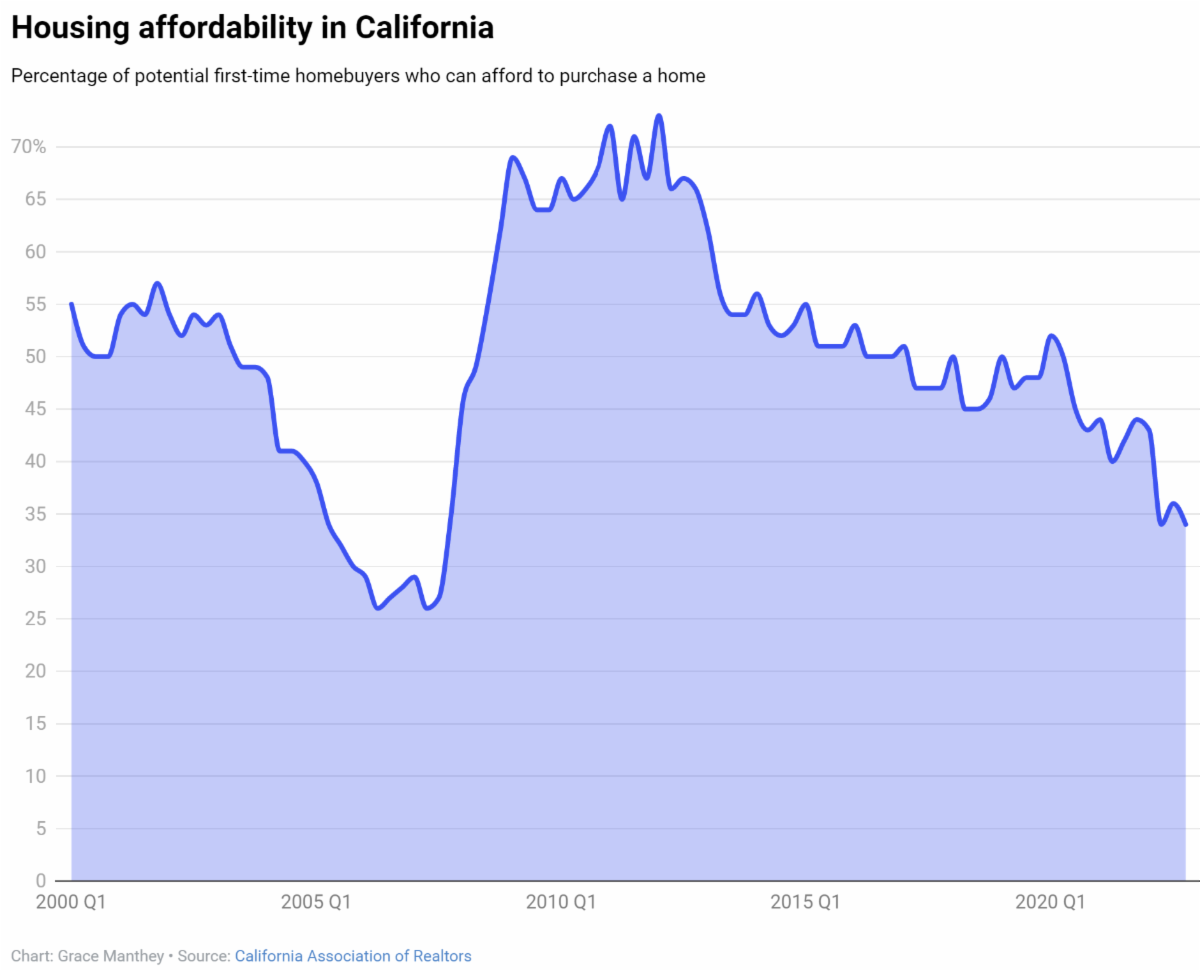
The most recent data shows just 34% of potential first-time buyers can afford a home in California.
| |
|
That's why the California Housing Finance Agency (CalHFA) set up a loan assistance program called "Dream for All" in which $300 million was set aside for first-time buyers to help with their down payment.
The money was used up in just 11 days.
"All the funds have been completely committed," said CalHFA spokesman Eric Johnson. "We have about 2,500 people who are potentially going to be in their first homes once these loans close."
According to data from Zillow, home values across the state have quadrupled since 2000, going from about $183,000 in January 2000 to $719,000 in February 2023. Read more
| |
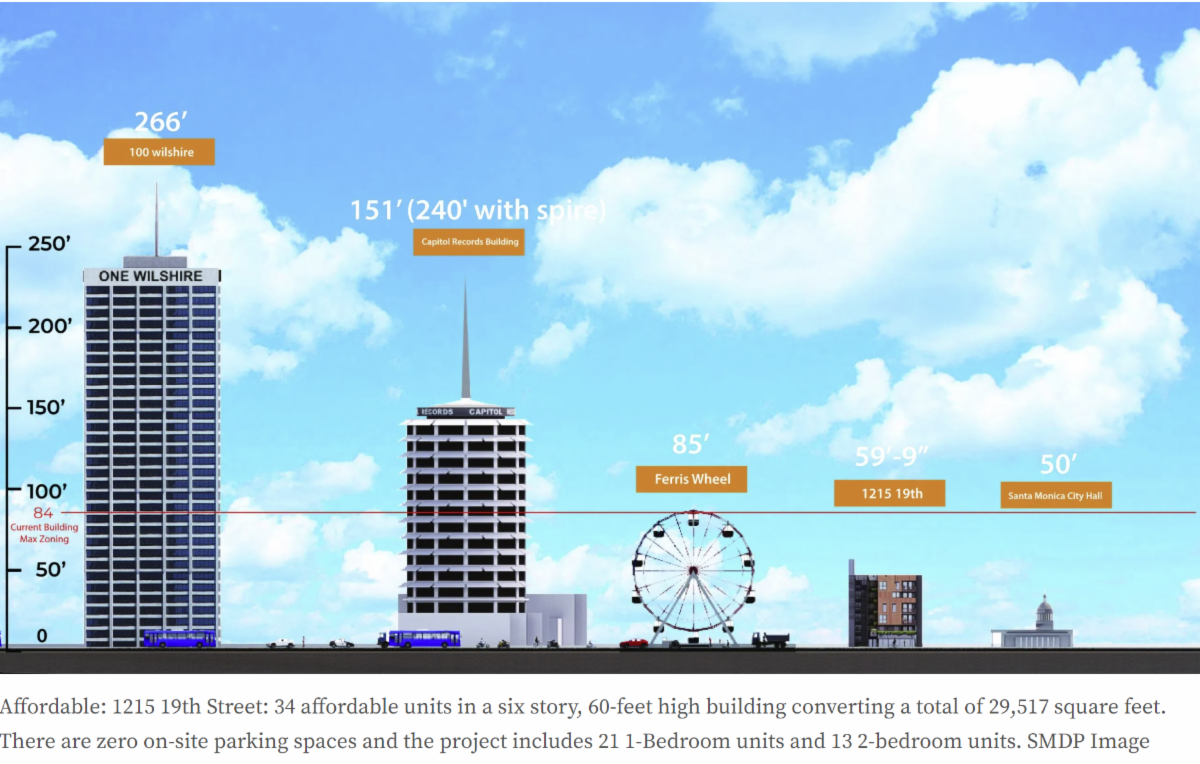
The first of many: spotlighting the 16 Builder’s Remedy projects
by Matthew Hall
April 8, 2023
SMDP is continuing its coverage of the Builder’s Remedy projects with an ongoing series focusing on each project. Here, you’ll find the rundown on the only 100% affordable project among the applicants along with some background information on the city’s overall housing stock.
| |
|
Webinars . Forums . Workshops
| |
The Inland SoCal Housing Collective Educate and Advocate Series highlights policy and informational workshops of collective partners who are pursuing solutions for our region for better housing outcomes. Check out the workshop spotlights below! | |
|
Registration Details:
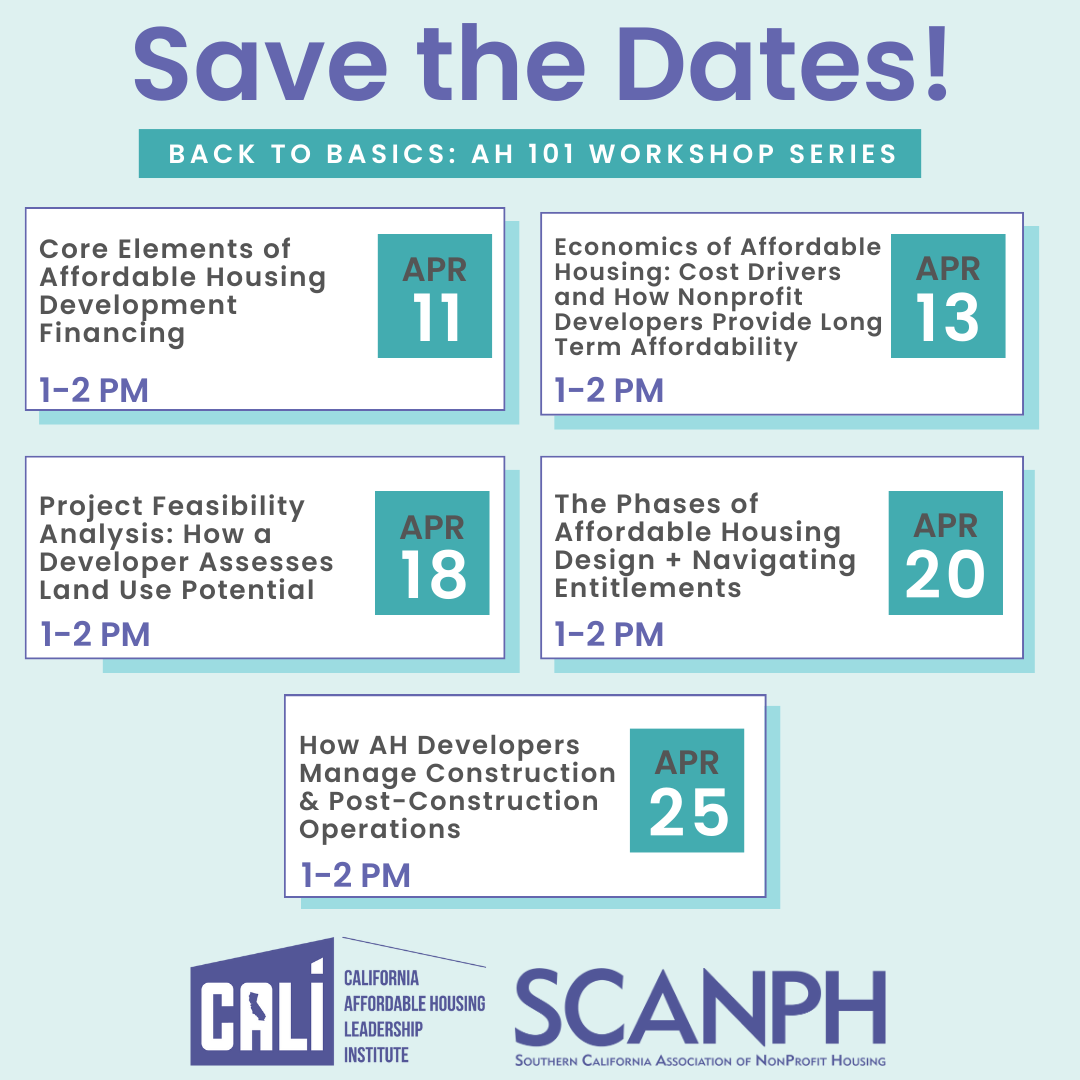
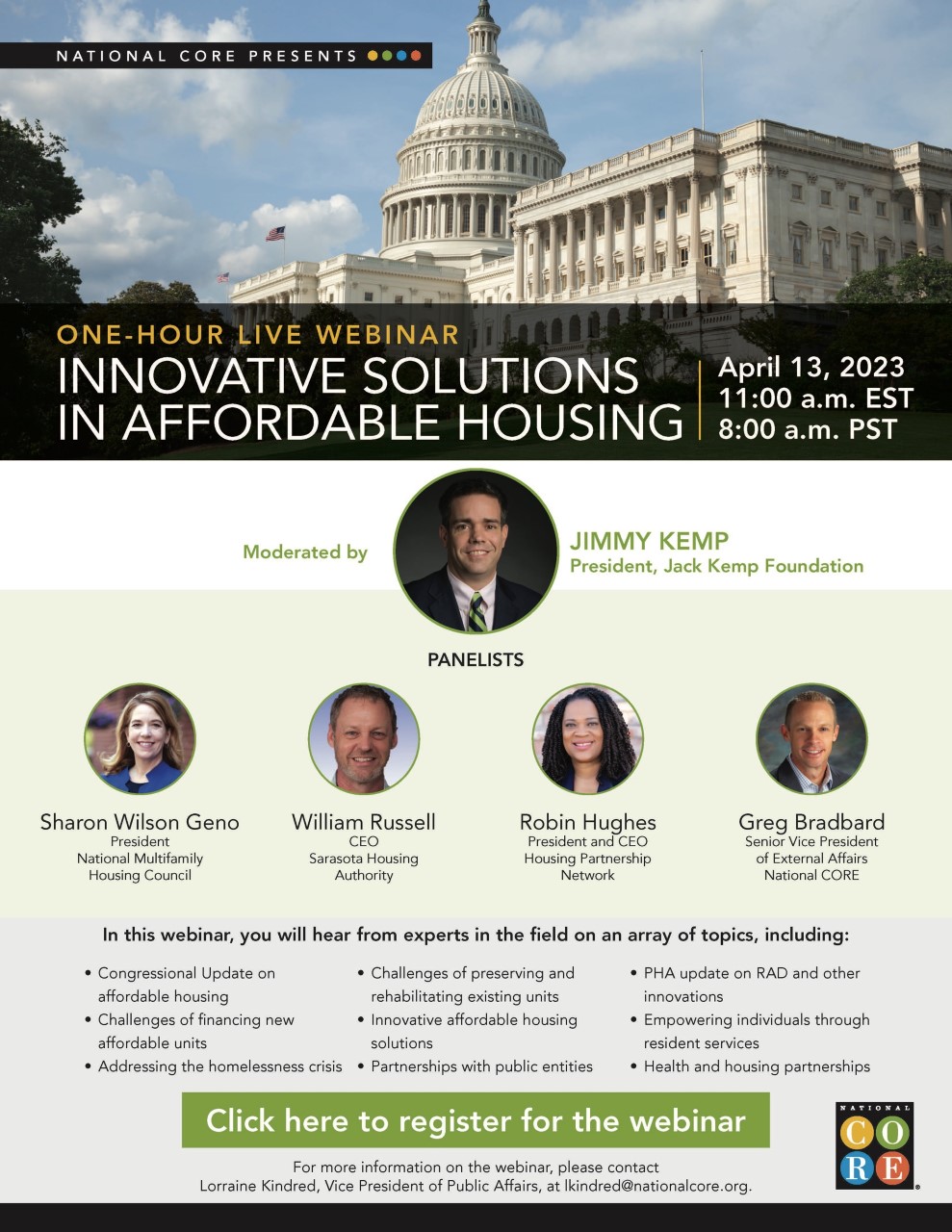
During the month of April, we’ll convene five workshops that cover the core elements of affordable housing development and financing. Each session will be taught by experts and members in the industry and you’ll benefit from their first-hand insights. All are welcome to attend the sessions whether you’re brand new to affordable housing or looking to brush up on some knowledge. You can RSVP now!
Sponsored by LA County Development Authority (LACDA).
| |
Interested in opportunities in your community? Head over to the Inland SoCal Housing Collective website for updates and events in and around your area. | |
Grants . Applications . Program Updates | |
Foreclosure Intervention Housing Preservation Program
The purpose of the Foreclosure Intervention Housing Preservation Program (FIHPP) is to preserve affordable housing and promote resident or nonprofit organization ownership of residential real property. Funds are to be made available as loans or grants to eligible borrowers to acquire and rehabilitate properties at risk of foreclosure or in the foreclosure process.
FIHPP was added to California’s Health and Safety Code in July 2021.The Budget Act of 2021 appropriated $500 million through June 30, 2027 for the program. Statute requires HCD to contract with one or more fund managers (nonprofit lenders or housing trust funds) to manage the pr
FUNDS ARE NOT YET AVAILABLE UNDER FIHPP. A Request for Proposals (RFP) for fund managers is expected to be released early 2023. Please check this site for updates.
Final Guidelines were released 01/04/2023
| |
Draft PATH Application Template
SCAG is seeking input on the draft PATH application template. All stakeholders who live or work in the SCAG 6-County region (Imperial, Los Angeles, Orange, Riverside, San Bernardino, and Ventura counties) are encouraged to review the draft application and provide input.
All written comments received by Feb. 13, 2023, will be considered for the Regional Council agenda item in March.
| |
Do you have openings at your place of work? Send us the job description or link to apply and we can share it within our network. | |
Educate and Advocate for Public Policy
Organize, Educate and Advocate to gain public will and political support for region-specific housing policies and solutions i.e. zoning changes, A.D.U./ancillary units, enforcement of SB 35-inclusionary units, workforce housing.
| |  |
Wealth Building and Preservation
Providing valuable education and access to resources for financial health and empowerment, and economic development
| | |
Expansion of Housing Solutions
Being recognized as a leader in strategies to prevent and address homelessness.
| | |
Increasing Regional Involvement
Establishes a unified voice on housing solutions in the region.
| | |
Our Mission: Creating solutions to improve housing outcomes for renters, homebuyers, homeowners, and those experiencing homelessness through education, advocacy and access to resources in the Inland SoCal region.
| |
We come from all walks of life, from different parts of our dual county region. We are bankers, advocates, policy makers, service providers, regulatory entities, collaborators, leaders, neighbors, community members and more. | |
If you have anything you want to share feel free to email us at:
| | | | |