Upcoming Industry Events

February 1-4

NLCUP 2026 Conference - Long Beach, CA


February 9-11

CU Growth & Innovation Summit 2026 - Oak Brook, IL


February 10-12

LSCI's University of Lending - Anaheim, CA


February 10-11

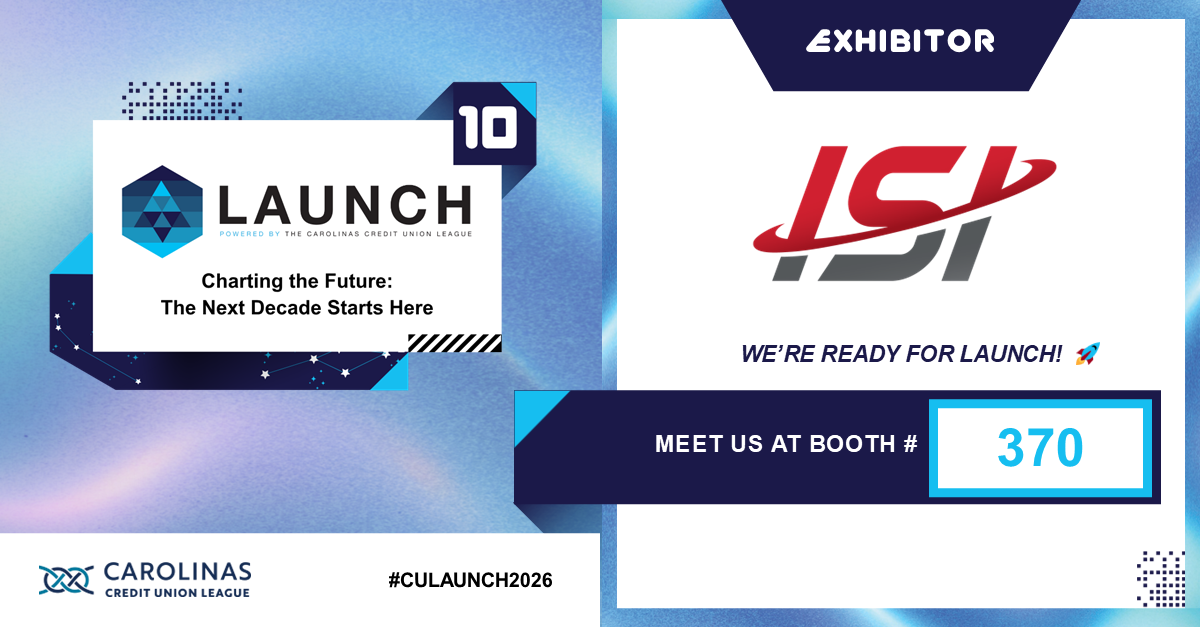
Carolinas LAUNCH - Concord, NC

Industry News

Auto Market Settles at 16 Million Units, but Affordability Reshapes Lending Landscape for 2026

The U.S. new-vehicle market is stabilizing after years of volatility, with Edmunds projecting 16 million sales in 2026, slightly below 2025 levels. While inventory, pricing, and sales pace have normalized, affordability constraints are creating a “K-shaped” market: higher-income buyers continue purchasing SUVs, trucks, and luxury vehicles, while price-sensitive consumers are largely pushed out of the new-vehicle market.


For lenders, this means credit demand remains concentrated at the higher end, even as lower interest rates provide some relief. EV market share is expected to decline to around 6% as tax incentives expire, and off-lease inventory will expand, offering more affordable near-new options. Overall, the market is stabilizing with steady, disciplined volume, but affordability will continue to shape buyer behavior and lending trends in 2026.

Read Full Article

cutoday.com

Home Sellers Outnumber Buyers by a Record Margin, Upping Buyers' Bargaining Power

In December, the U.S. housing market saw a record 47% more sellers than buyers, creating the strongest buyer’s market on record. The imbalance gave buyers significant negotiating power, particularly in the Sun Belt, where metros like Austin, Fort Lauderdale, Miami, and Nashville had more than double the number of sellers compared to buyers. Meanwhile, the Northeast and Midwest held all five of the country’s seller’s markets, where buyers were scarcer. Nationally, the number of buyers fell to an estimated 1.34 million—the lowest level since records began in 2013—while sellers remained higher at nearly 1.97 million.


The gap reflects a combination of factors, including high home prices, rising mortgage rates, economic uncertainty, and overbuilding in Sun Belt regions during the pandemic. Many buyers have retreated from the market, while some sellers are delisting or holding off on listing after seeing homes sit unsold or sell below asking price. As a result, buyer-heavy markets saw slower price growth, giving remaining buyers leverage and making it easier for them to negotiate favorable deals.

Read Full Article

redfinews.com

What Others Are Saying About ISI

"Fantastic customer service! I appreciate Cathy's quick response time and patience with me while on the chat."


5Point Credit Union


See what other Raving Fans are saying about ISI!

Celebrating Milestone Anniversaries This Month

We are thankful for our lender partners, who are essential to our continued success! Listed below are those celebrating milestone anniversaries with ISI this month!


Celebrating 5 Years

US Community Credit Union

Data/Industry Trends

America's Auto Loan Crisis is Worsening in 2026

U.S. auto loan debt reached $1.66 trillion in 2025, fueled by rising car prices and long-term loans, leaving many with negative equity. Experts recommend buying used cars, choosing reliable models, or shortening loan terms to avoid financial strain.

Read Full Article

moneywise.com

Map Shows States Where Foreclosures are Soaring

Foreclosures rose in 2025 to 367,460 filings, the highest since 2019, with Florida seeing the most activity. Experts say the increase reflects market normalization, not widespread distress, and remains well below pre-pandemic levels.

Read Full Article

creditandcolletionnews.com

Q4 2025 - Insurance Shopping List Report

Auto insurance shopping declined this quarter, while home and renters shopping increased, but switching for all three dropped in Q4.

Read Full Report

jdpower.com

November Holidays, Fun Facts, and Folklore!

February brings crisp winter days and heartfelt moments with hints of spring. Discover why this month is called February, the holidays worth celebrating, what to plant as winter fades, and the sweet treats to bake in the kitchen.

Everything you need to know about February

almanac.com

January Highlights

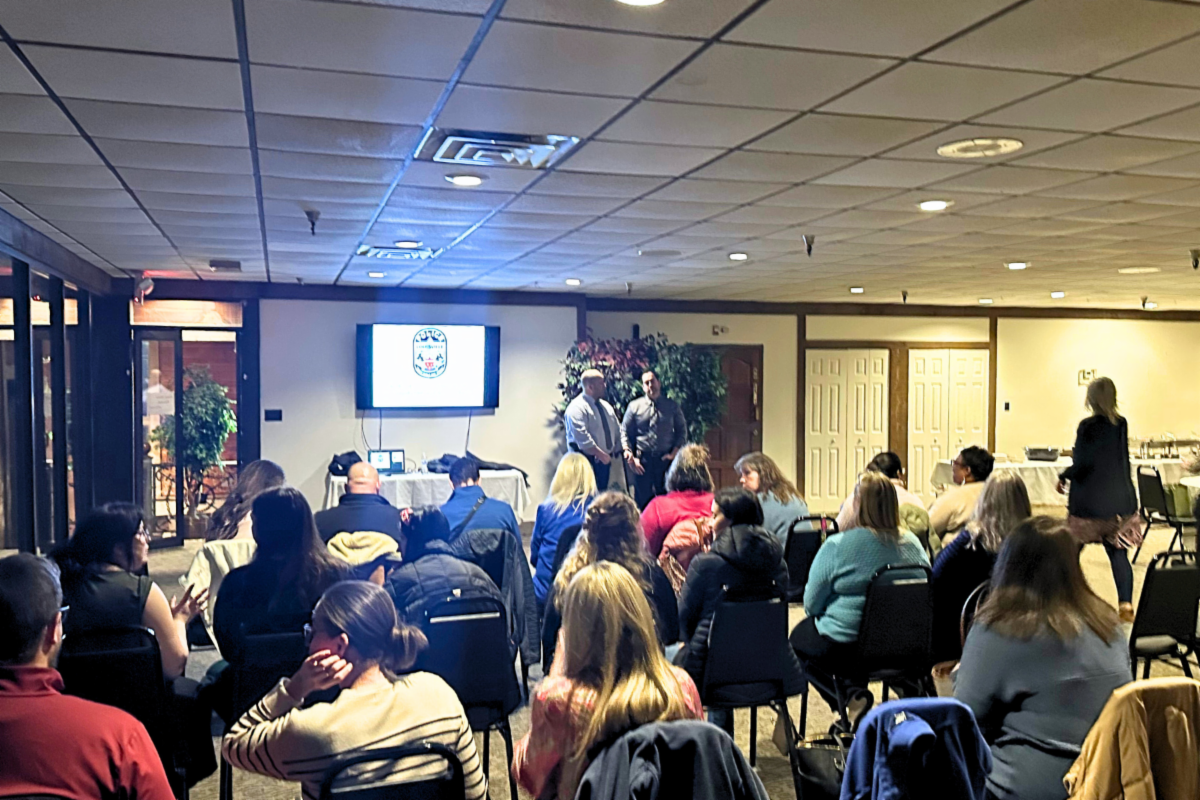
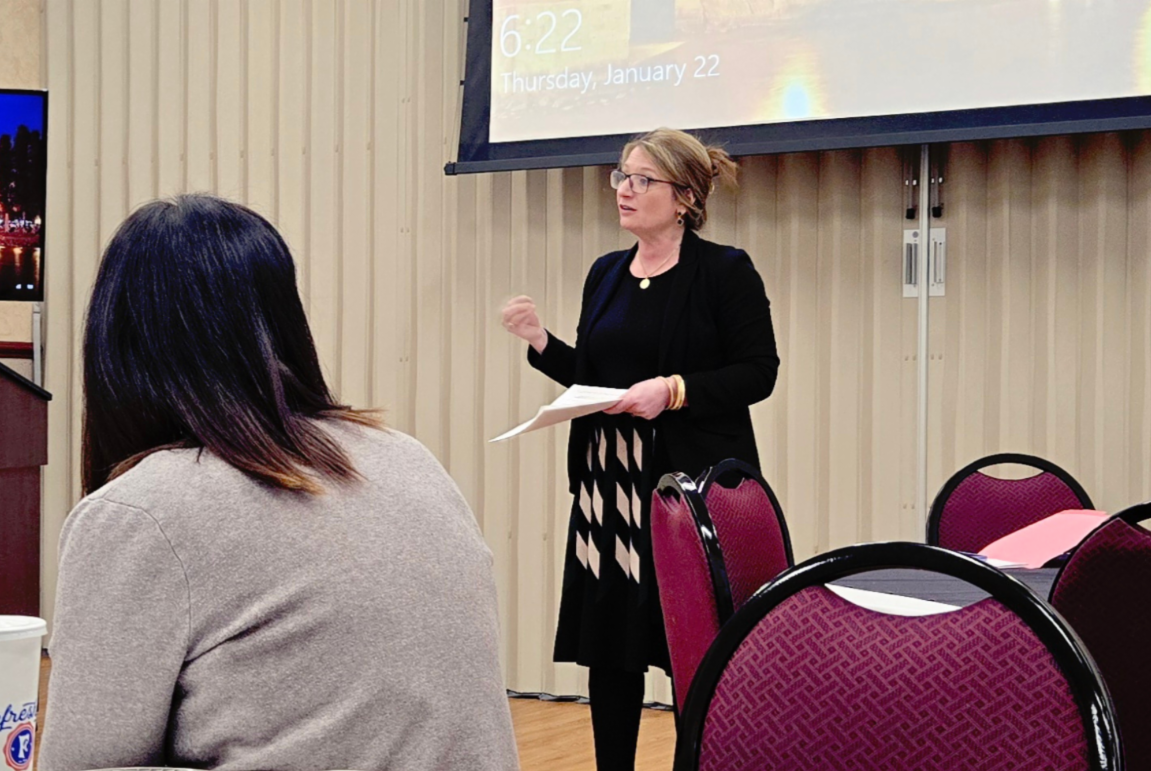
We’re kicking off 2026 with energy and excitement! This month, our team is connecting with credit unions, attending chapter events, and sharing how ISI helps make collateral protection insurance easier. We can’t wait to meet new faces, reconnect with familiar ones, and make this year one full of meaningful partnerships and growth!

Louisville Chapter of Credit Unions Chapter Meeting
Speaker: Dan Mason, LMPD
Louisville, KY


Northeast TN Chapter of Credit Unions Chapter Meeting
Speaker: Kindle Conkin, Eastman CU

Johnson City, TN

Claims Paid by Claim Type


Collateral Protection Insurance (CPI) is designed to protect the Lender from charge-offs resulting from damaged collateral that is not covered by the borrower’s primary insurance.


The most common scenario occurs at repossession, when the Lender discovers the collateral has sustained physical damage that was never repaired because the borrower failed to maintain proof of insurance throughout the life of the loan. As a result, the collateral’s value is reduced, increasing the potential charge-off.


This is where CPI steps in—not necessarily to “save the day,” but to help reduce the loss caused by the diminished value of the collateral. These claims are commonly referred to as repossessed physical damage claims, which represent the most frequent type of CPI-related claim. In a properly functioning CPI program, the majority of claims paid to your Financial Institution should—and typically do—fall into this uninsured physical damage category.


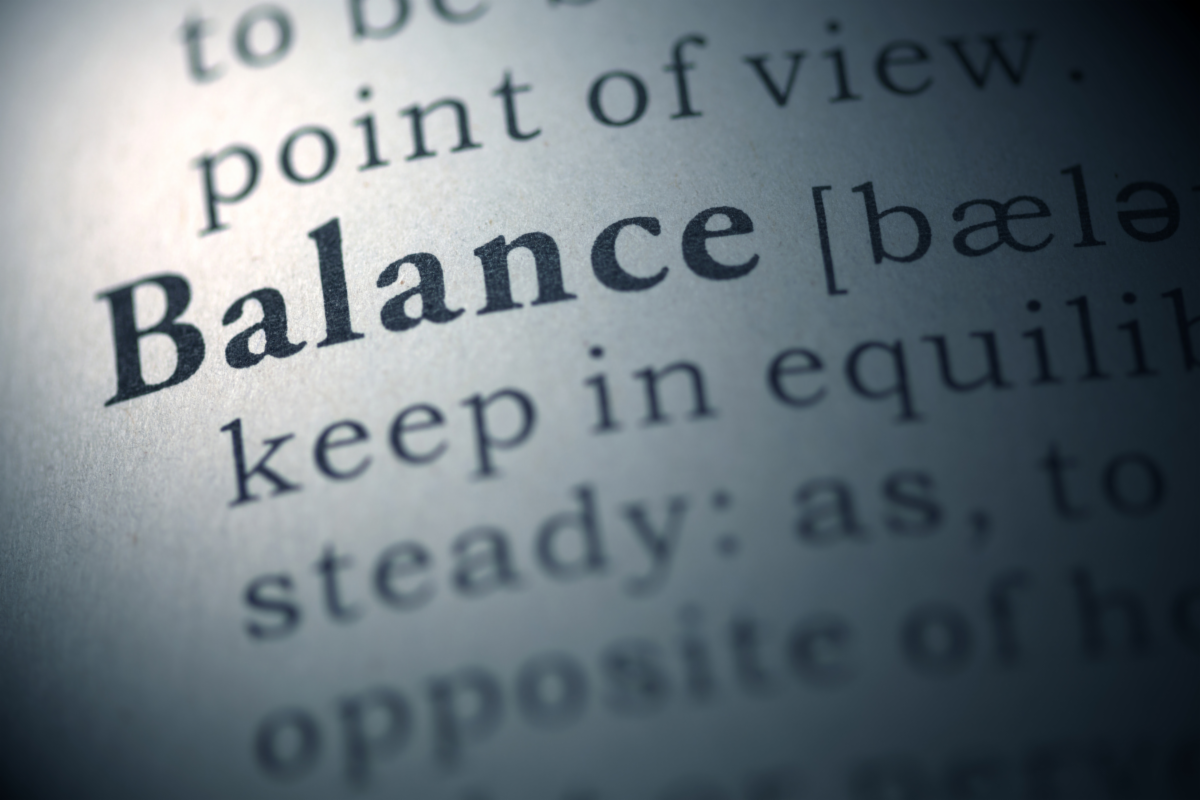
One indicator of an unbalanced CPI program is when uninsured physical damage claims are not the most common claim type. For example, a program may be considered unbalanced if skip claims or premium deficiency claims exceed physical damage claims. When this occurs, it suggests the Lender may be relying on CPI to offset losses outside of its primary purpose, which can lead to an unfavorable claims-paid-to-premium-collected ratio and potentially impact the long-term viability of the program.


While CPI programs may include various endorsements that provide additional coverage to the Financial Institution, the core purpose of CPI remains the protection against uninsured physical damage. For this reason, the percentage of physical damage claims should be higher than any other claim type within the program.


What is your most common claim type? Reviewing claims paid by type is a best practice and helps ensure your CPI program is functioning as intended and remains balanced over the long term.

President

ISI

tmaccurdy@isicpi.com

704-957-5024

Connect with Us:
Facebook  Twitter  Instagram  Linkedin  

Contact Info:


Phone: 800-749-5440

Email: management@isicpi.com

Website: insurancesystemsincorporated.com

ISI is an administrator of Collateral Protection Insurance (CPI) and Blanket Lenders Single Interest (BLSI) for financial institutions. We provide insurance, lending, and marketing products to the financial institution marketplace. Our mission is to deliver the best products and services in the industry through responsive service, comprehensive coverage, and advanced technology. We combine the lender's vision and our proven plan to create a portfolio that matches the lender's needs for a successful program and partnership.