ISNA Weekly Newsletter

Rooted and Ready

Recap of ISNA’s 27th Annual Education Forum

By Crystal Habib


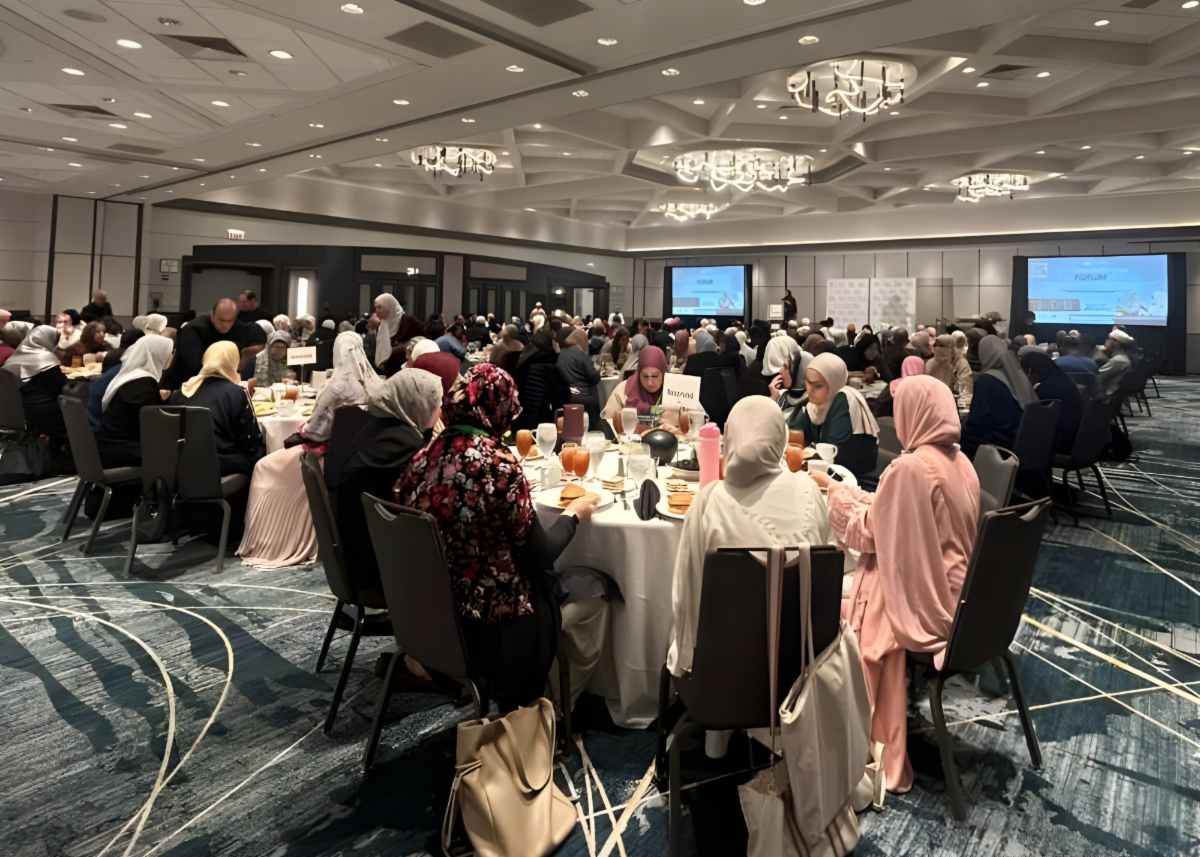
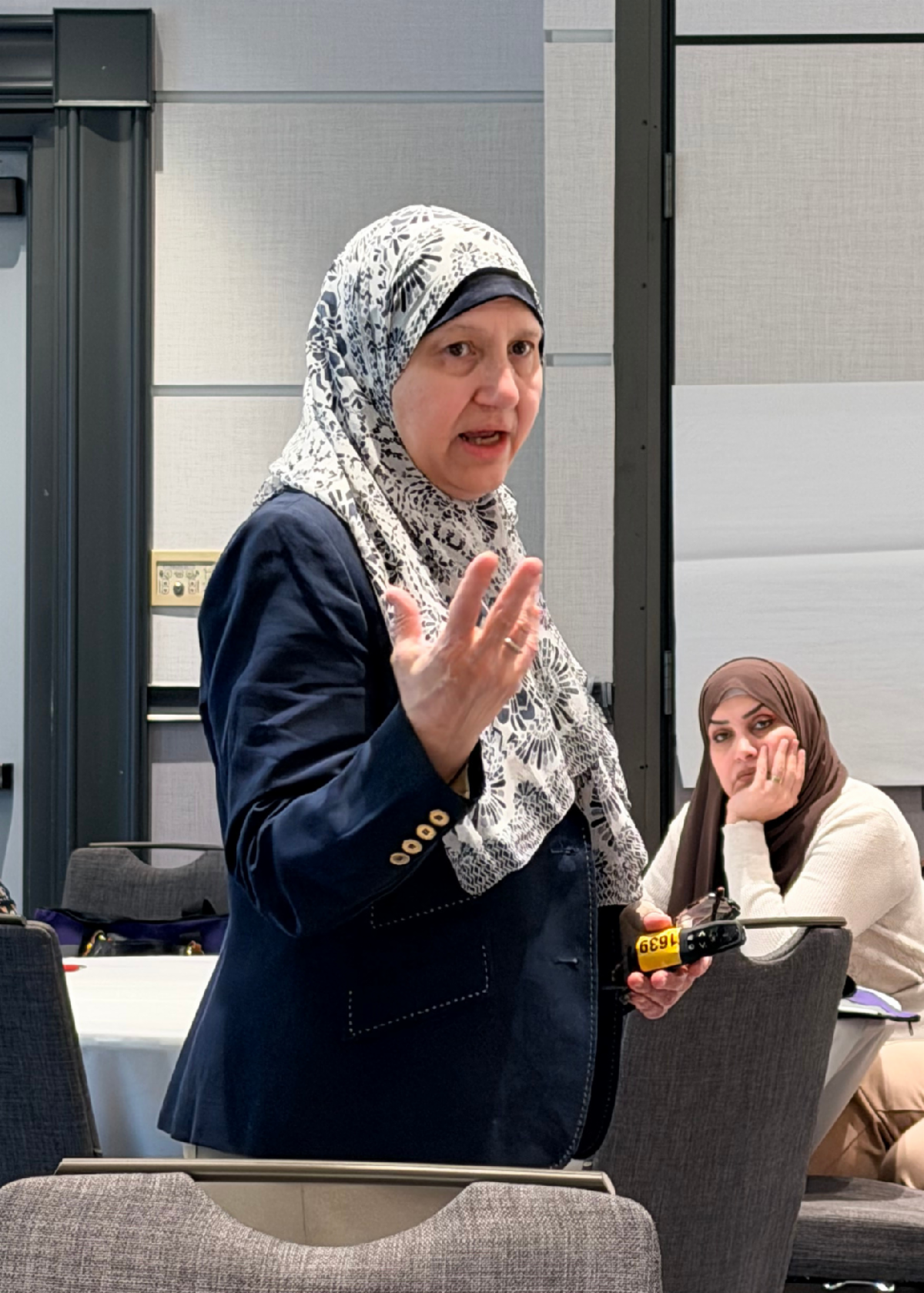
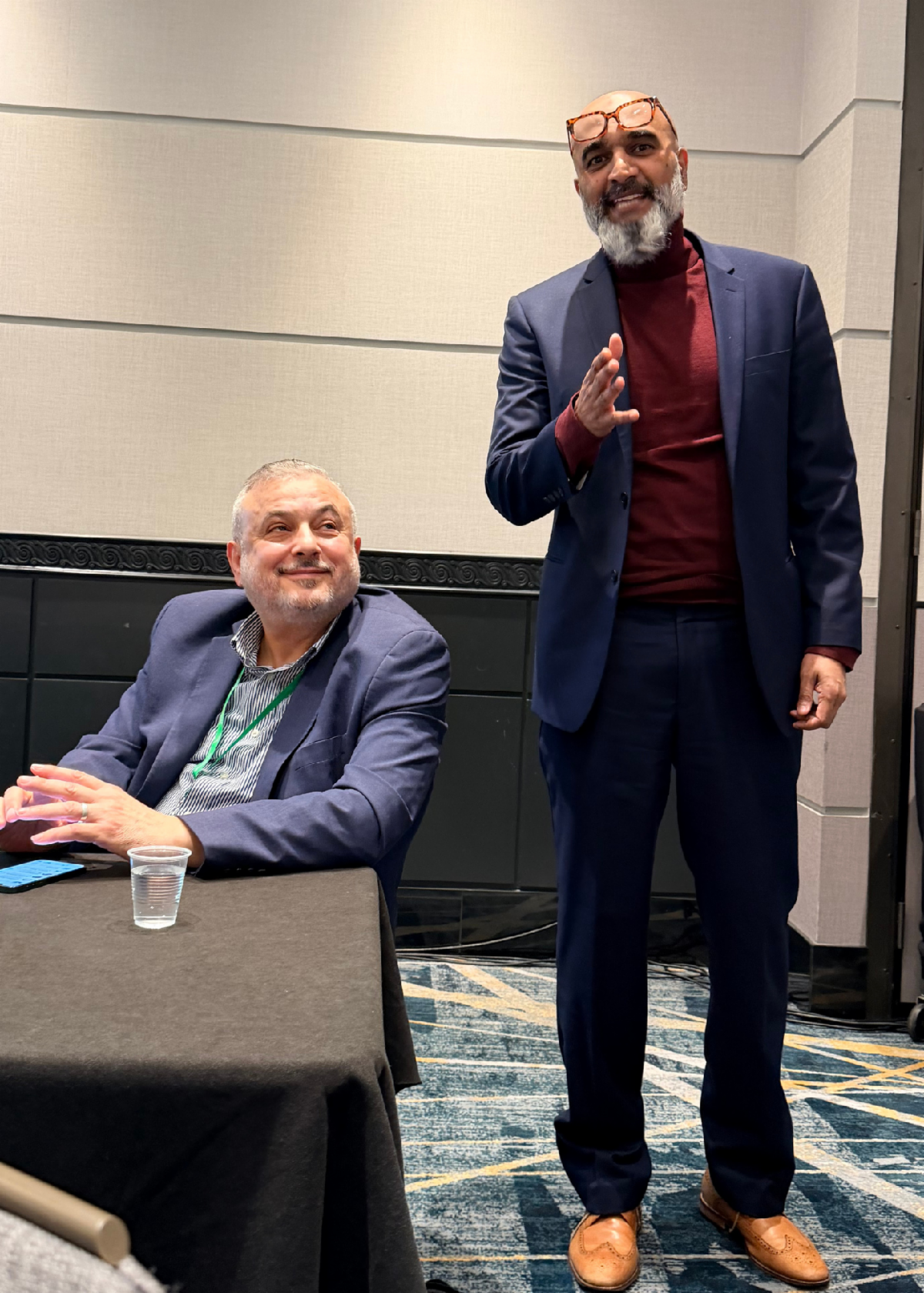
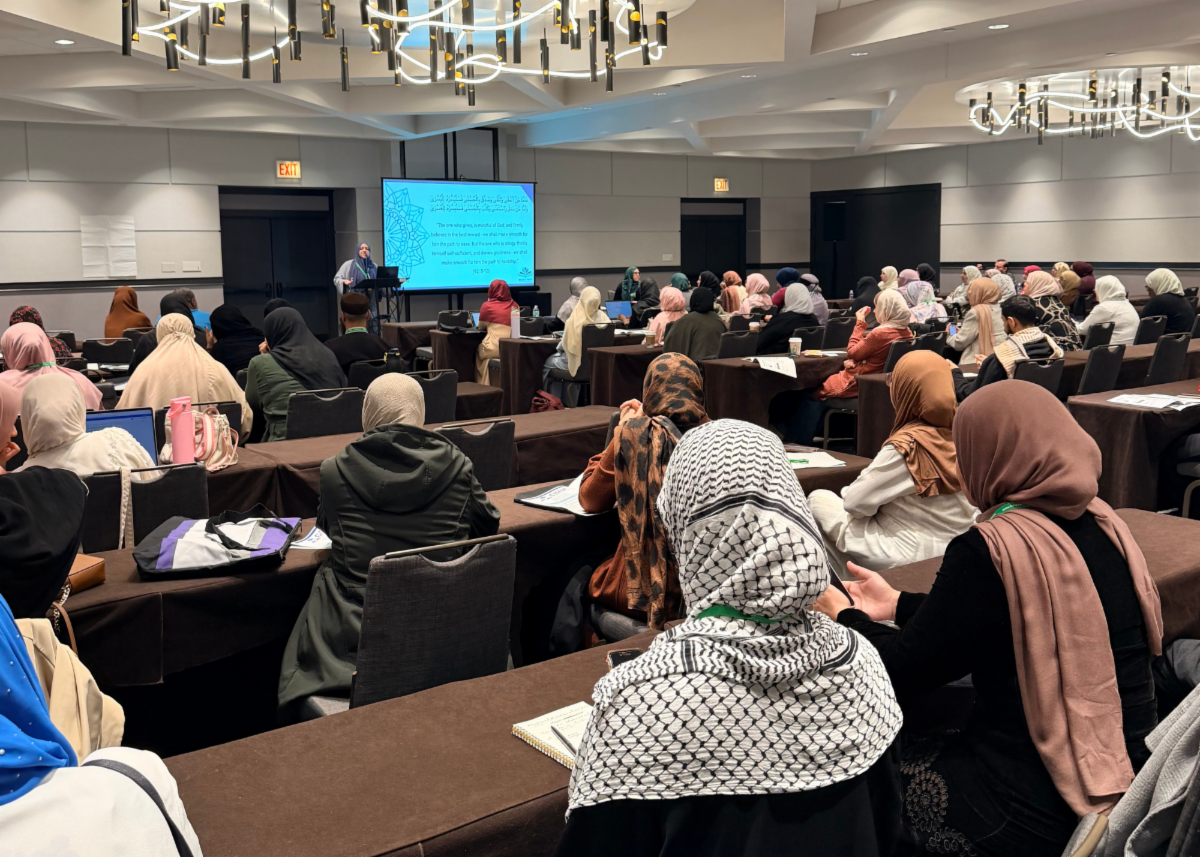
On April 3 to 5, the Islamic Society of North America (ISNA) hosted its 27th Annual Education Forum in collaboration with WISER and CISNA, in Chicago. It welcomed about 450 educators, administrators, parents, counselors, curriculum designers, mental health professionals, and community leaders for a weekend of practical learning and prophetic inspiration under the theme Rooted, Ready: Developing Authentically-Grounded Leaders — Identity, Wellness, Resilience in Challenging Times.”


A Live Classroom of Islamic Education

More than a conference, the Forum, which was supported by 22 vendors and eight sponsors, felt like a live classroom; a program that balanced actionable pedagogy with spiritual formation. Panels, workshops, and plenaries emphasized that Islamic education’s highest aim is the cultivation of ethically-grounded human beings — students and teachers who embody ihsān (excellence), amanah (trust), and raḥmah (mercy) — so faith and excellence inform every classroom decision.


Framing the Work: Tazkiah, SEI, and Ihsān

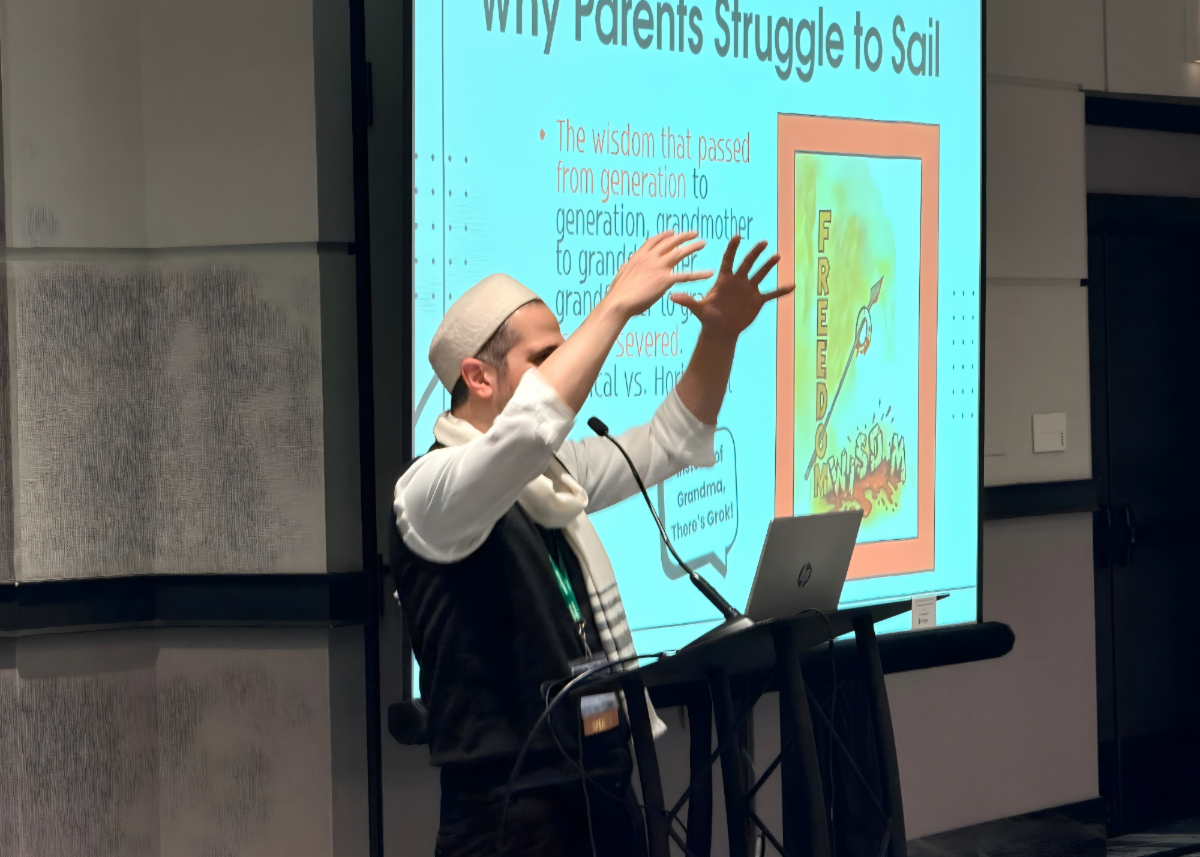
A throughline across sessions was the insistence that interior formation (tazkiah) is the foundation of effective schooling. Yusuf Jaaber, the director of Quran, Arabic, and Islamic studies at the Universal Academy of Florida in Tampa, reframed Social‑Emotional Intelligence (SEI) as prophetic heart-work — SEI practiced, not merely taught — and offered simple daily routines (two‑minute heart checks, comforting‑voice scripts, private‑correction protocols) for embedding relational work into school life. CISNA Vice President Farea Khan urged leaders to reframe teacher evaluation through Islamic values — ihsān, amanah, rahmah, niyyah (intention), adab (etiquette) — so observations and feedback become acts of tarbiyah (spiritual nurturing) rather than compliance.


Mental Health, Restorative Culture, and Staff Wellness

Mental health and restorative practice sessions centered on mercy and resilience. Psychiatrist Ali Syed modeled a biopsychosocial‑spiritual approach to educator resilience (grounding techniques, peer‑processing groups, niyyah resets), while educator, author, and trainer Dr. Suher Khirallah and Adjunct Professor of Clinical Psychiatry at the Indiana University School of Medicine Dr. Sarfraz Khan presented restorative frameworks – “What happened? Who was affected? How can we fix it?” – that replace punitive discipline with relational repair. They emphasized a well‑supported teacher multiplies goodness across generations.


Practical Curricula for Diverse Learners

Curriculum sessions bridged neuroscience, inclusion, and joyful pedagogy. Educational psychiatrist Nelly Kaakaty’s ACCESS framework (Anchor, Chunk, Check, Embed, Scaffold, Signal) offered ready classroom support for neurodivergent learners. Founder of Muslim Explorers Iman K. Hasan and her team demoed a play‑based, Quran‑centered Arabic sequence for students ages 3 to 6; Dr. Iman Hashem, a nationally-recognized leader in Arabic language education, showcased UDL strategies to center identity in Arabic classrooms; and Noor Academy Quranic Studies teacher Ustadh Hasan Peay argued convincingly for multimodal, differentiated approaches to Hifz that honor historical transmission while expanding access.


AI, Ethics, and Assignment Design

A timely panel on Artificial Intelligence led by technology leader Muhammad Aamir Usmani and colleagues positioned AI as a powerful tool under human stewardship. Speakers recommended an Islamic ethical lens (niyyah, amanah, adl [justice], ihsān, Hifz al‑Aql [preservation of intellect]), formation of school AI ethics committees, clear written policies, teacher training in prompt and verification practices, and redesigning assessments to foreground process, defense, and local/contextual work so student reasoning cannot be outsourced.


Weekend Schools, Parent Partnership, and Ecosystem Design

Weekend‑school leaders grappled with short instructional time, volunteer burnout, and competing digital attention. Islamic educator Kristin Amina Laktaif urged a resilient ecosystem model — mandatory parent partnership orientations, PTO structures, hybrid reinforcement, gamification, and professional micro‑PD — to transform weekend programs from transactional services to community anchors. Teacher and lawyer Mahdy Amine’s Paradigm Parenting reframed parent development as school infrastructure: mandatory short spark sessions and a 30‑day practice journey were recommended to align home and school.


Governance, Compliance, and Institutional Resilience

A panel on practical, legal, and administrative underscored that many crises stem from procedural failure. Speakers urged clear governance boundaries, rigorous HR vetting (including social media checks), external financial audits and dual‑signature controls, compliance calendars, and relationship‑building with civic and political stakeholders as critical shields against targeted attacks.


Quran, Ethics, and the Sciences

The Quranic studies sessions emphasized minimalist, hinge‑principle ethics for volatile times (Donald Bennett), differentiated, multi‑modal Hifz strategies (Peay), and a thoughtful engagement between Quranic reflection and science (computer science and engineering professor at the University of Texas in Arlington Dr. Ishfaq Ahmed’s cosmology‑linked “Quranic Laws”). Educators were reminded to anchor curricula in Quranic moral hinges while avoiding forced concordism.


Conference Life and Community Witness

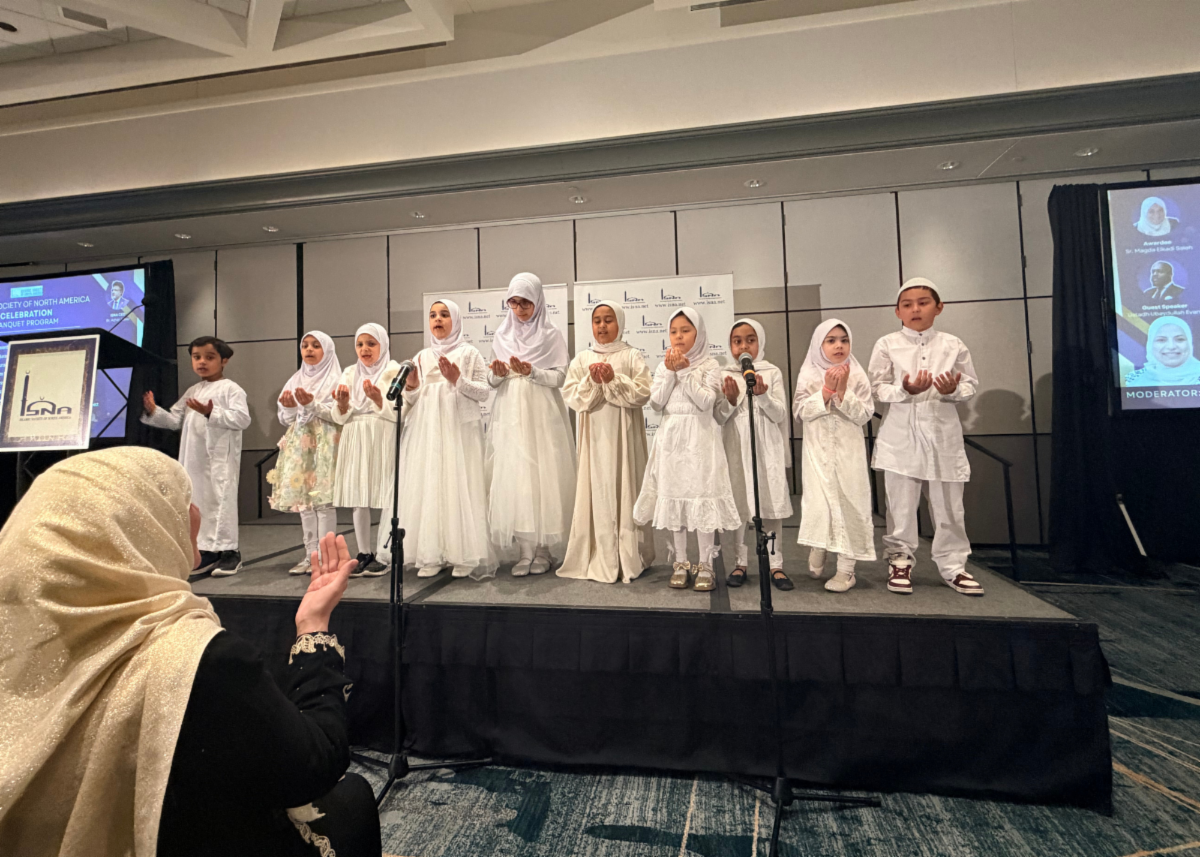
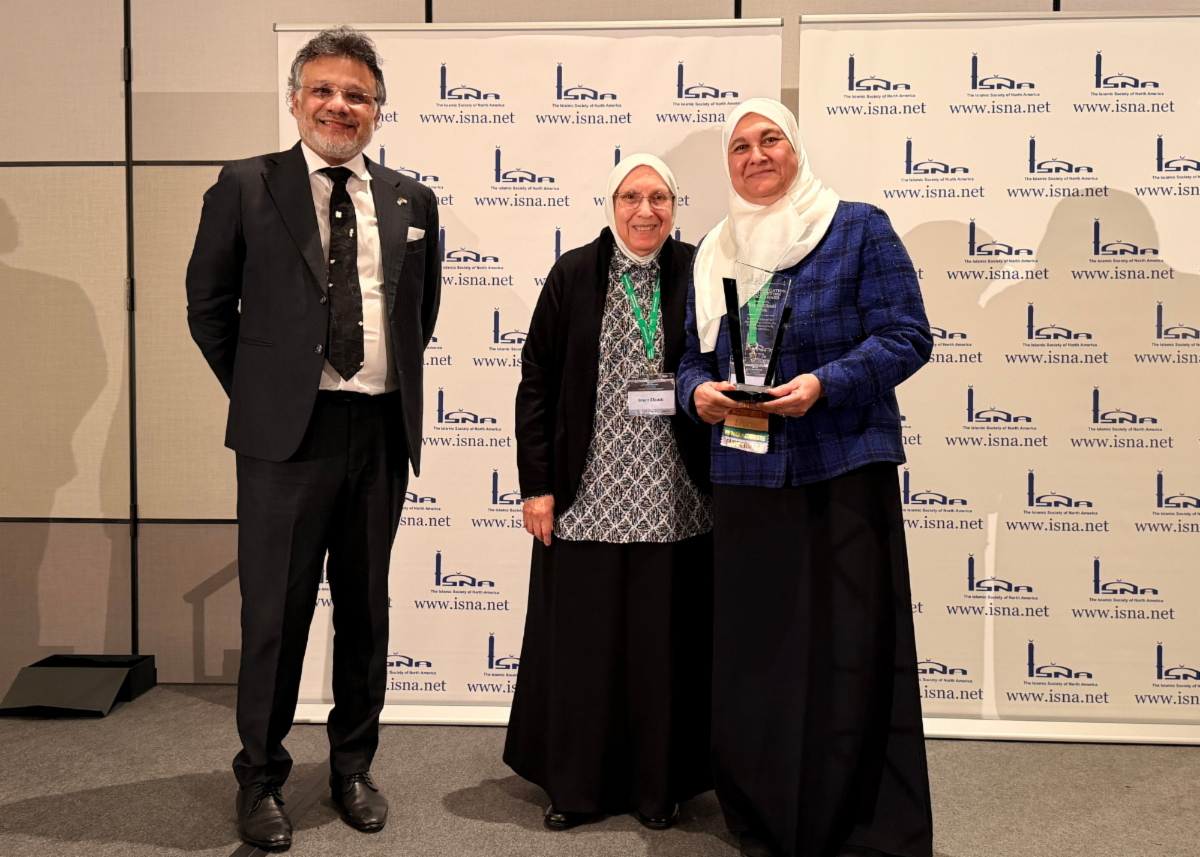
The Forum’s opening ceremony and banquet celebrated the prophetic call to teach and build institutions. Islamic educator Magda Elkadi Saleh received the Lifetime Service Award; The American Learning Institute for Muslims’ first scholar-in-resident, Ustadh Ubaydullah Evans’s, banquet keynote urged institutional excellence as dawah. ISNA updates highlighted expanded regional engagement, scholarships, and ongoing resource posting. 


As suggested by the attendees’ feedback, ISNA will work toward including more Q&A time, broadening representation to include Islamic schools of diverse backgrounds, and making logistical improvements.


Note on Arabic‑Track Content

Arabic‑track sessions were delivered in Arabic. Their rich contributions — offered in the same spirit of tazkiah, ihsān, and communal care that animated the Forum — included: Games & Brain Breaks for an Engaged Classroom (Lindblom Math and Science Academy Department Chair Fadi Abughoush); Enhancing Dual‑Language Learning with Cooperative Strategies (dual language teacher Rima Mekdashi); Engaging Tools to Unlock the Arabic Writing Potential (teacher at Elizabeth Learning Center Bayan Naamani); and Rooted in the Quran: Identity, Wellness, and Ethical Resilience Through Arabic and Quranic Science (Bayan Academy Quran and Arabic teacher Fatima Antakli). ISNA plans to publish the speaker presentations to the ISNA website.


Accessing Materials

Slide decks and speaker resources will be posted on ISNA’s resources page. Contact programintern@isna.net with any questions.


Closing Reflection

The Forum modeled a living synthesis of knowledge and mercy: pedagogical craft anchored in prophetic ethics, practical systems to protect schools, and a communal commitment to raising learners who are both rooted in faith and ready to serve the common good. If there was one clear conviction from Chicago, it was this: when you invest in your teachers’ hearts and professionalism, you invest in generations.


Special Thanks

ISNA extends a heartfelt thanks to the program committee, speakers, moderators, attendees, staff, volunteers, and everyone whose labor, wisdom, and du’as turned the Forum into a living classroom of tarbiyah and learning. Special gratitude to our collaborators WISER and CISNA for their partnership, and deep appreciation to our sponsors — American Islamic College, ISF Publications, The Clear Publishing, IQRA Foundation, Dean Desk, ICNA Relief, ISLA, and School Pro — whose support made this gathering possible.


Crystal is the ISNA Communications and Social Media Coordinator

Education Forum Sponsors

A special thanks!

Convention Registration has Officially Launched!

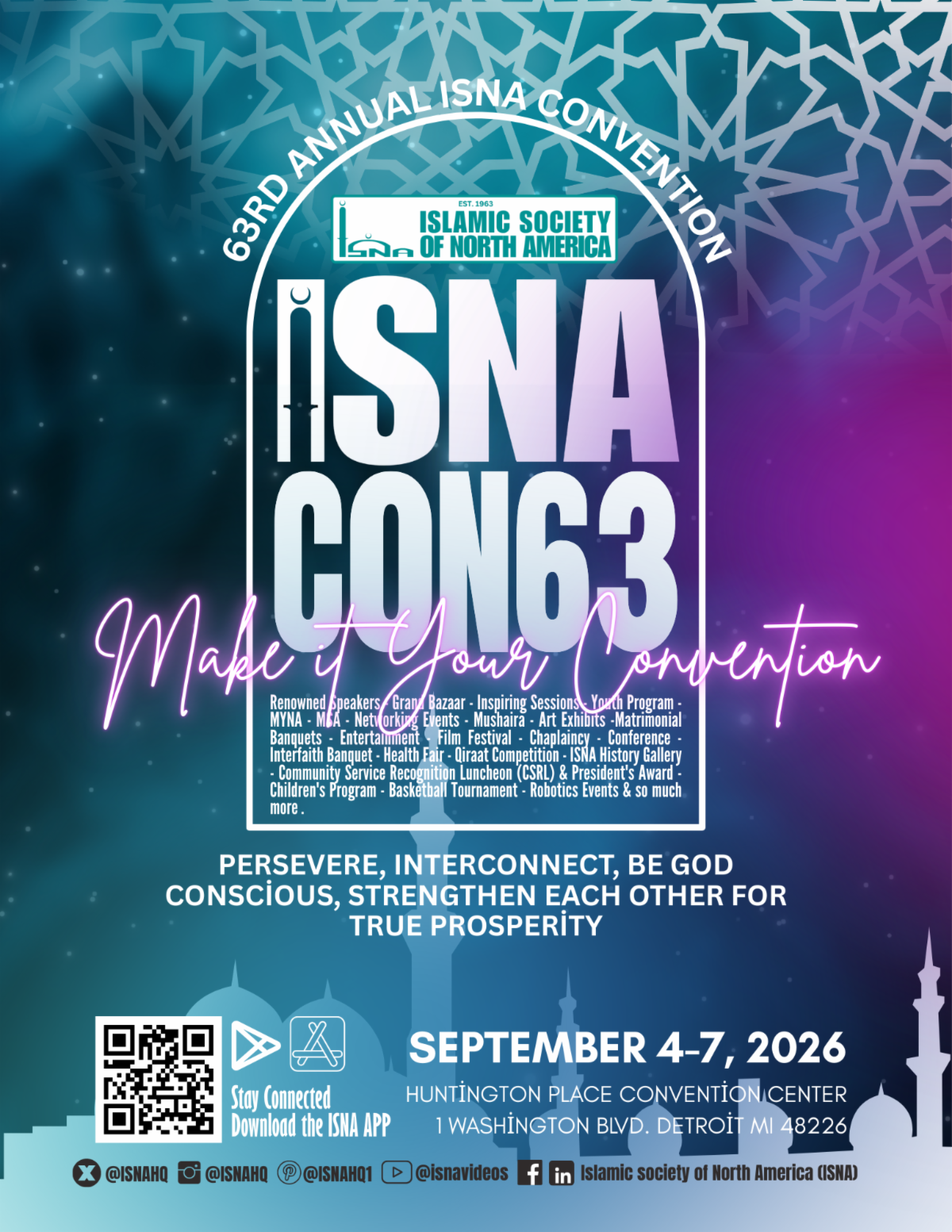
ISNA Convention 2026 in Detroit, Michigan

We at the Islamic Society of North America (ISNA) are delighted to announce that the 63rd Annual ISNA Convention will take place in Detroit, Michigan, over the Labor Day Weekend, September 4 - 7, 2026.


The ISNA convention is celebrated as one of the largest annual gatherings of Muslims in America, drawing thousands of participants. This convention promises to be an inspiring gathering, bringing together community members, families, leaders, scholars, youth, the business community, and other guests from across the country. With thought-provoking sessions, uplifting spiritual programs, engaging youth activities, interfaith dialogues, and a dynamic bazaar, there will be something for everyone to enjoy.


The program will feature keynote speeches, panel discussions, workshops, and special events designed to address timely issues, strengthen community bonds, and highlight opportunities for growth and service. 


Detroit, with its rich history and vibrant Muslim community, will serve as the perfect host city for this national gathering of faith, knowledge, and unity.

Convention Highlights:

·       Keynote sessions with distinguished speakers

·       Interactive workshops and panel discussions

·       Networking opportunities for professionals and students

·       Special events and exhibitions

·       Art Exhibit, Film Festival, Science Fair, Robotics

·       Basketball Tournament 

·       Community recognition and award ceremonies

·       Interfaith Events and Activities 

·       Matrimonial Events

·       Chaplaincy Conference

·       And much more 

We invite all members, partners, and the broader community to join us in this landmark event. Your presence will help make the convention a meaningful and impactful experience.


Stay tuned for more details on registration, hotel accommodations, and program highlights. 


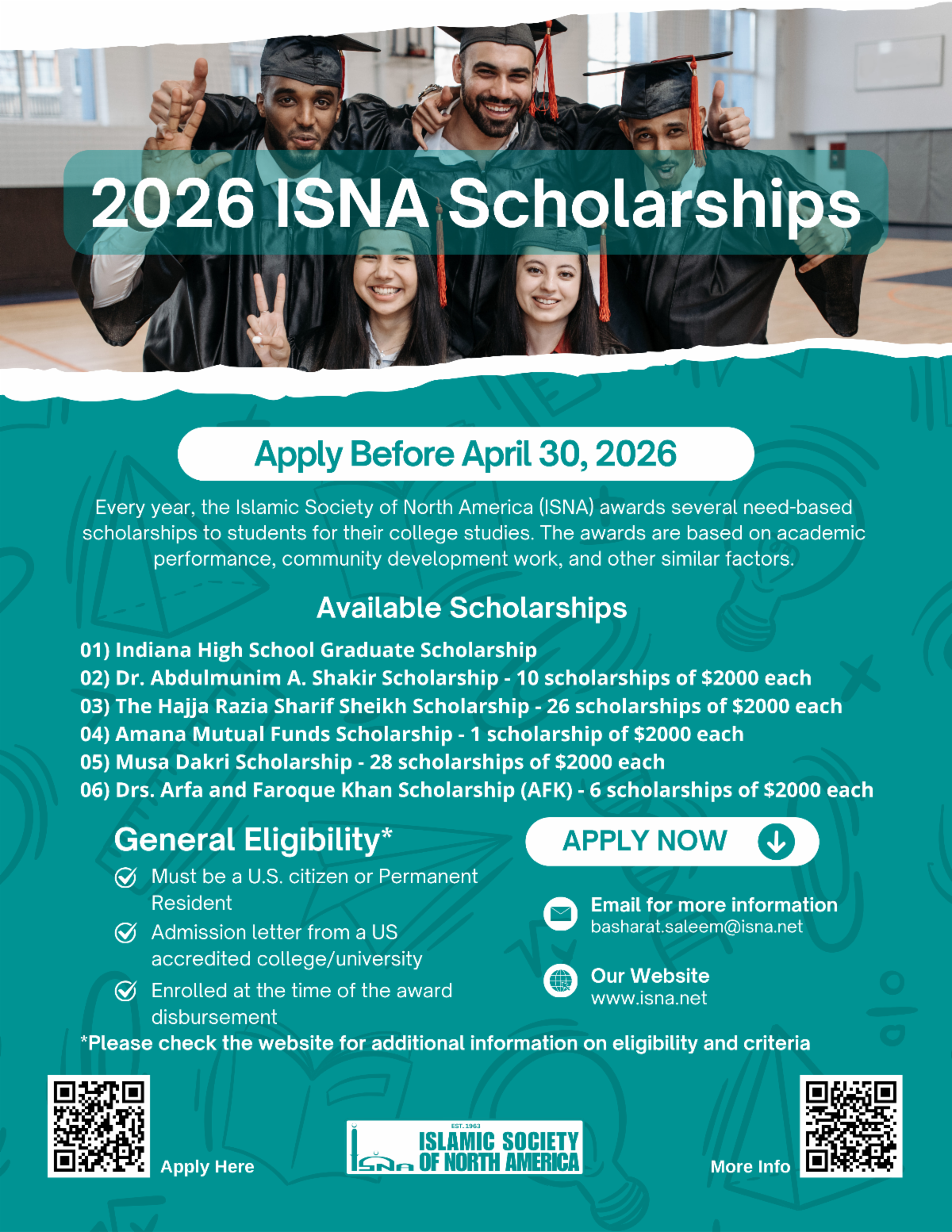
2026 Scholarship Applications Open

Deadline April 30, 2026

ISNA Green Masjid Award 2026

To promote eco-friendly practices ISNA will this year offer awards of $1000, $600, $400 to the most eco-friendly (Green) Masajid/Islamic centers as part of the Green Ramadan Campaign. Nominate your masjid through the form linked below. Submission dates are from March 21- April 22, 2026.


*First-place winners - Evansville Islamic Center (2024) and East Lansing Islamic Center (2025) are not eligible for the first-place award*

A Program of ISNA

#POWEREDBYISNA

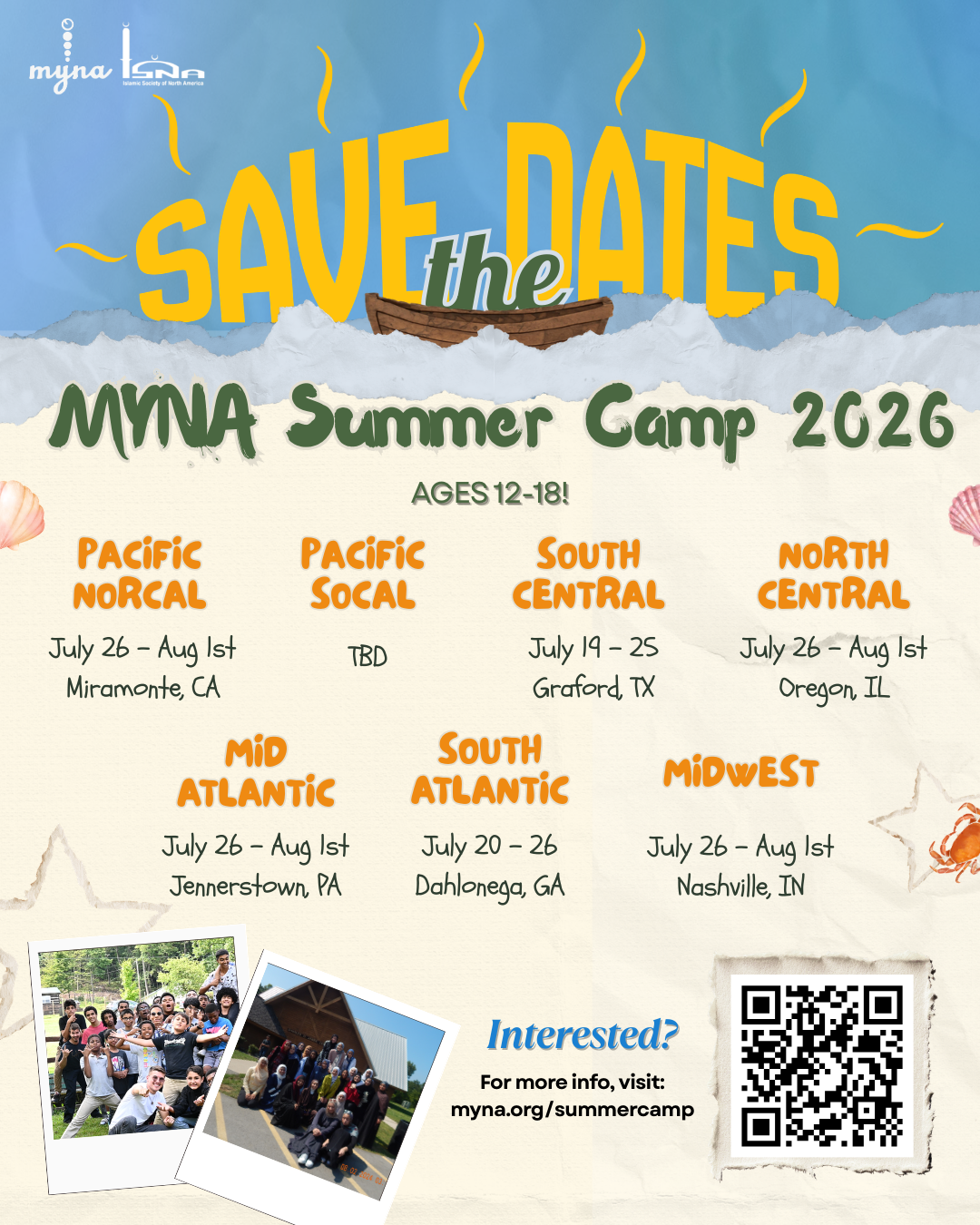
Save the Dates — MYNA Summer Camp 2026 is Coming!

MYNA Summer Camp 2026 is just around the corner! Open to youth ages 12–18, this year's camps are being held across the country. Here's where you can find us this summer:


Pacific NorCal — July 26–August 1 | Miramonte, CA

Pacific SoCal — Date TBD

South Central — July 19–25 | Graford, TX

North Central — July 26–August 1 | Oregon, IL

Mid Atlantic — July 26–August 1 | Jennerstown, PA

South Atlantic — July 20–26 | Dahlonega, GA

Midwest — July 26–August 1 | Nashville, IN


Don't miss your chance to be part of an unforgettable summer experience! For more information and to register, visit myna.org/summercamp.

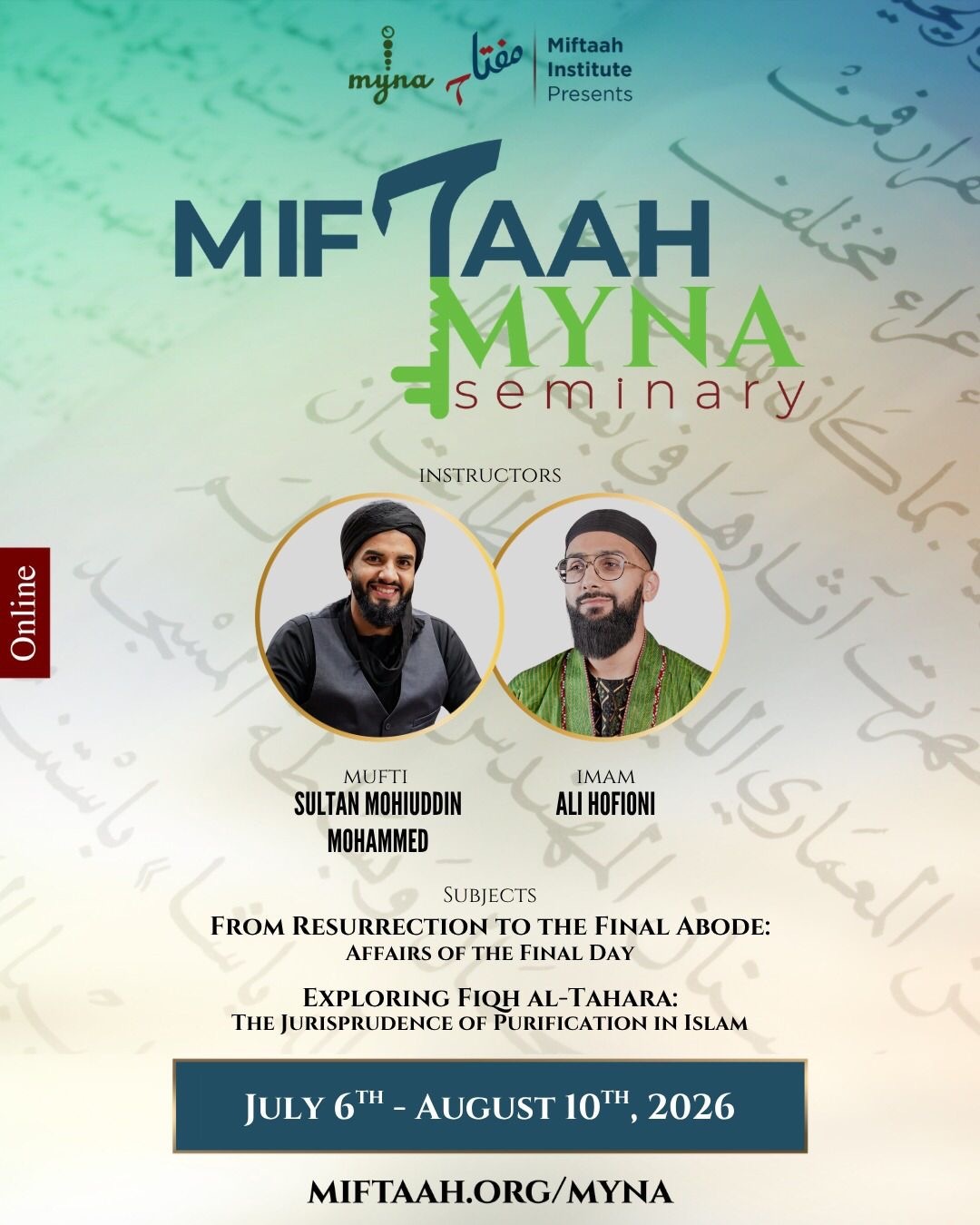
MIFTAAH X MYNA Seminary is Back – We’d Love to Have You Again!


This is your chance to jump back in and continue your journey.


Same meaningful discussions, same close-knit class feel — just 1 night a week to stay connected and keep growing! 


Starts July 6th

7–9 PM EST

Live Online Classes

Spring Camp 2026 Recap!


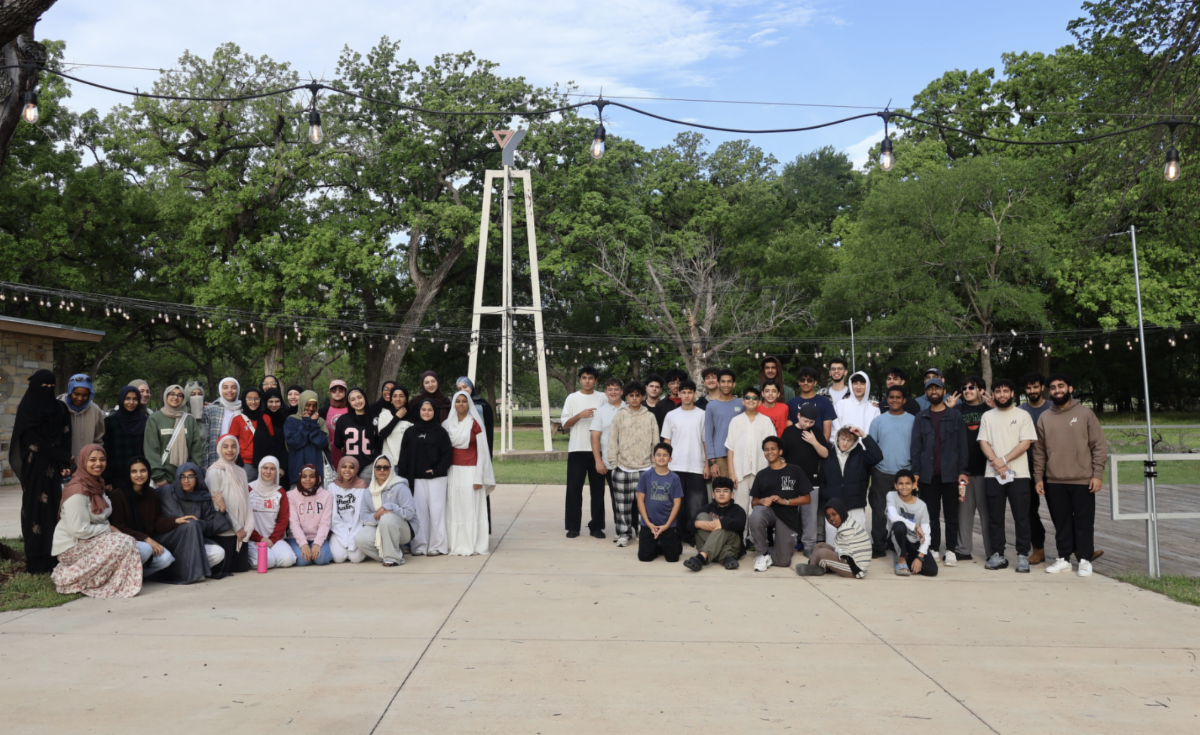
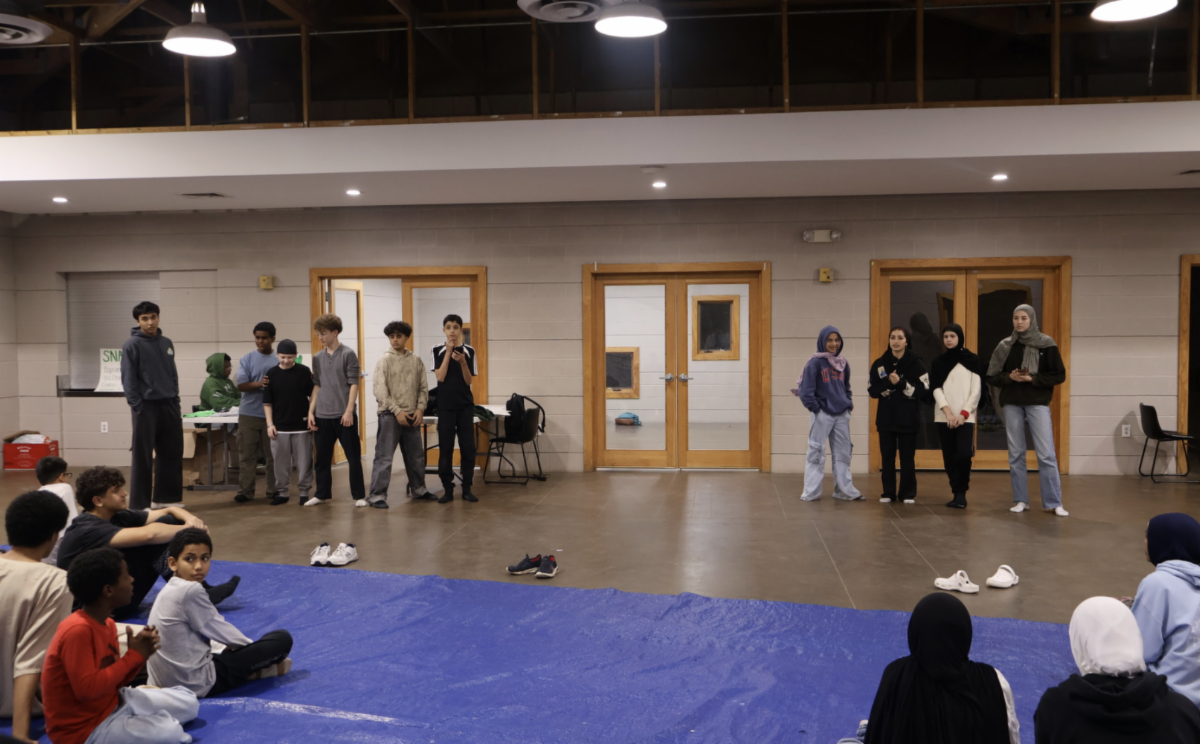
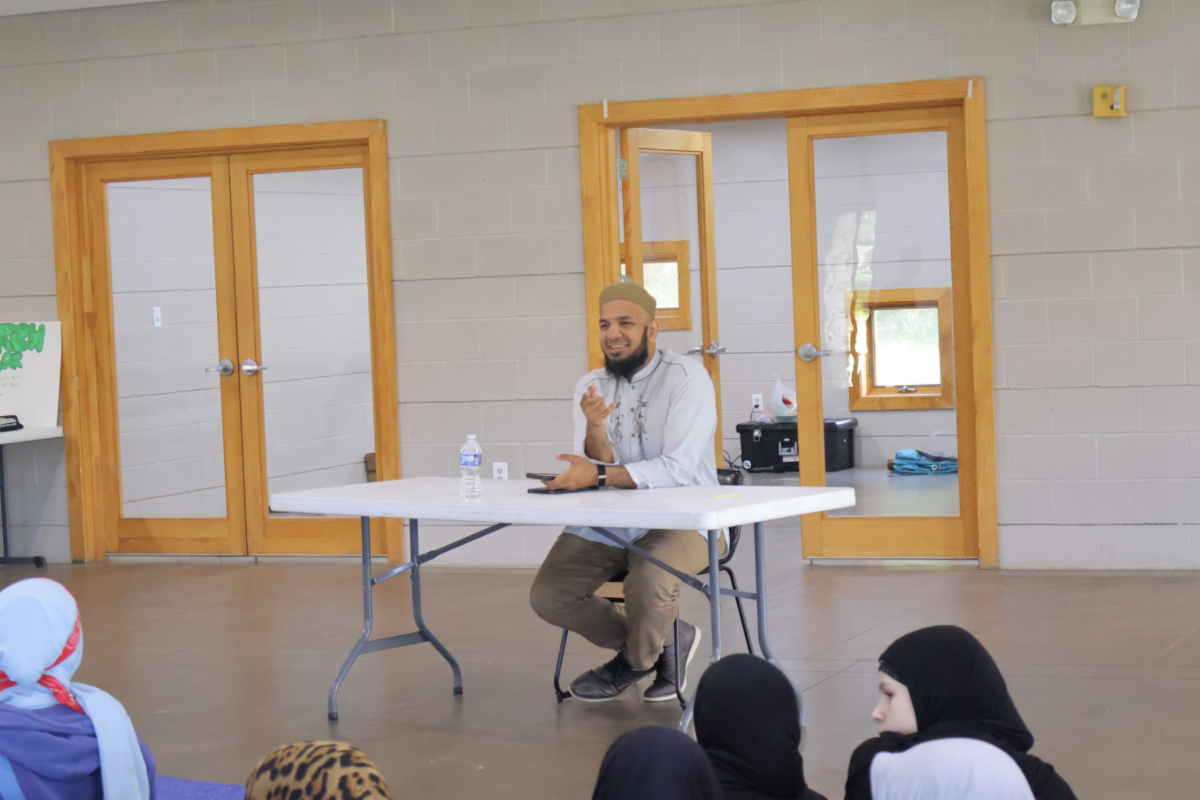
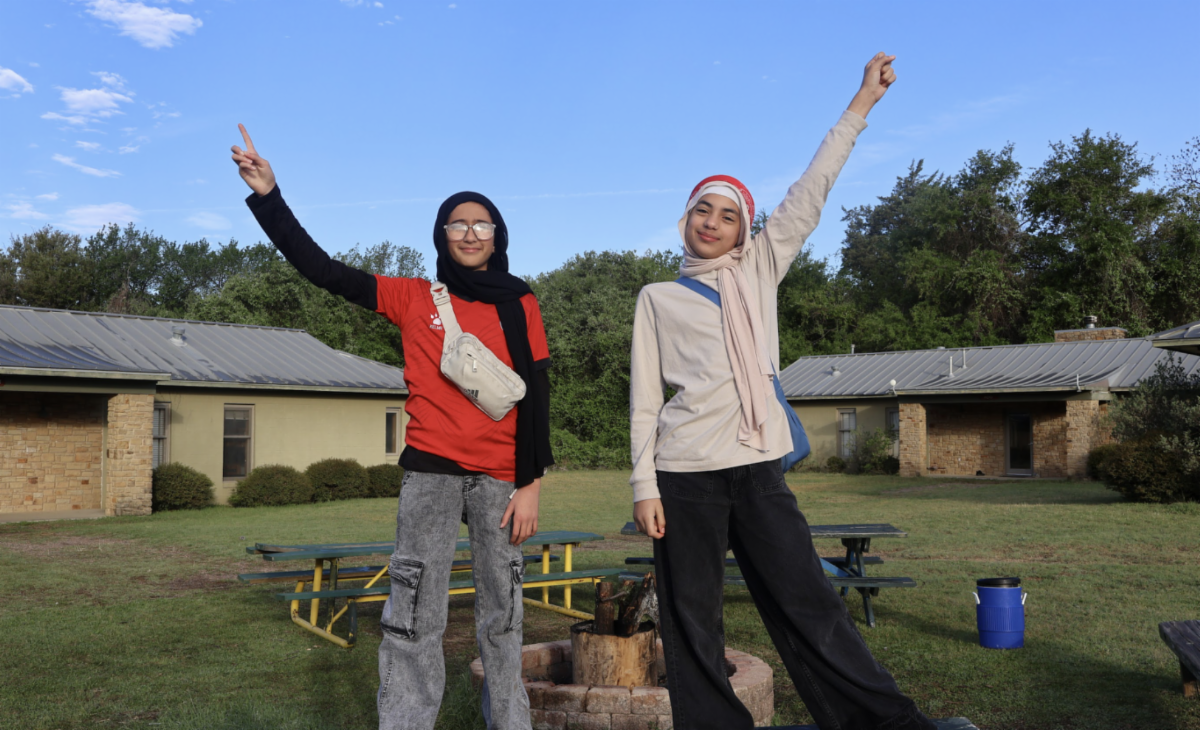
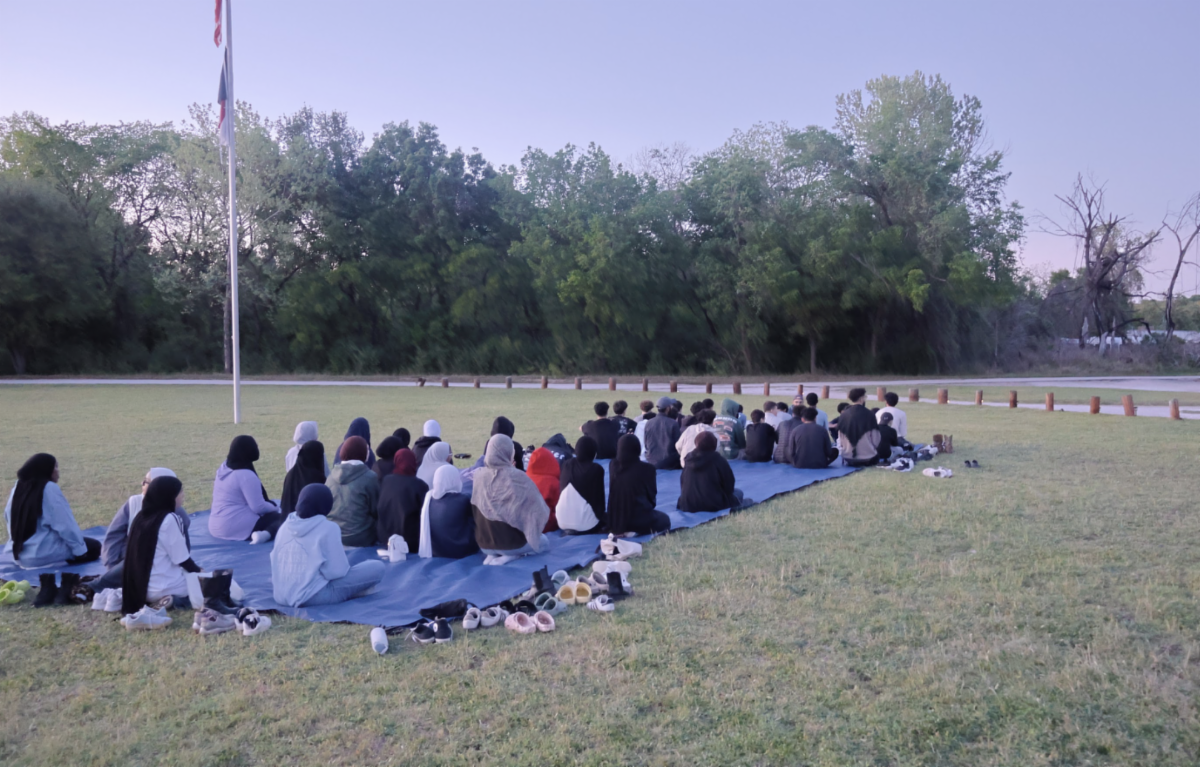
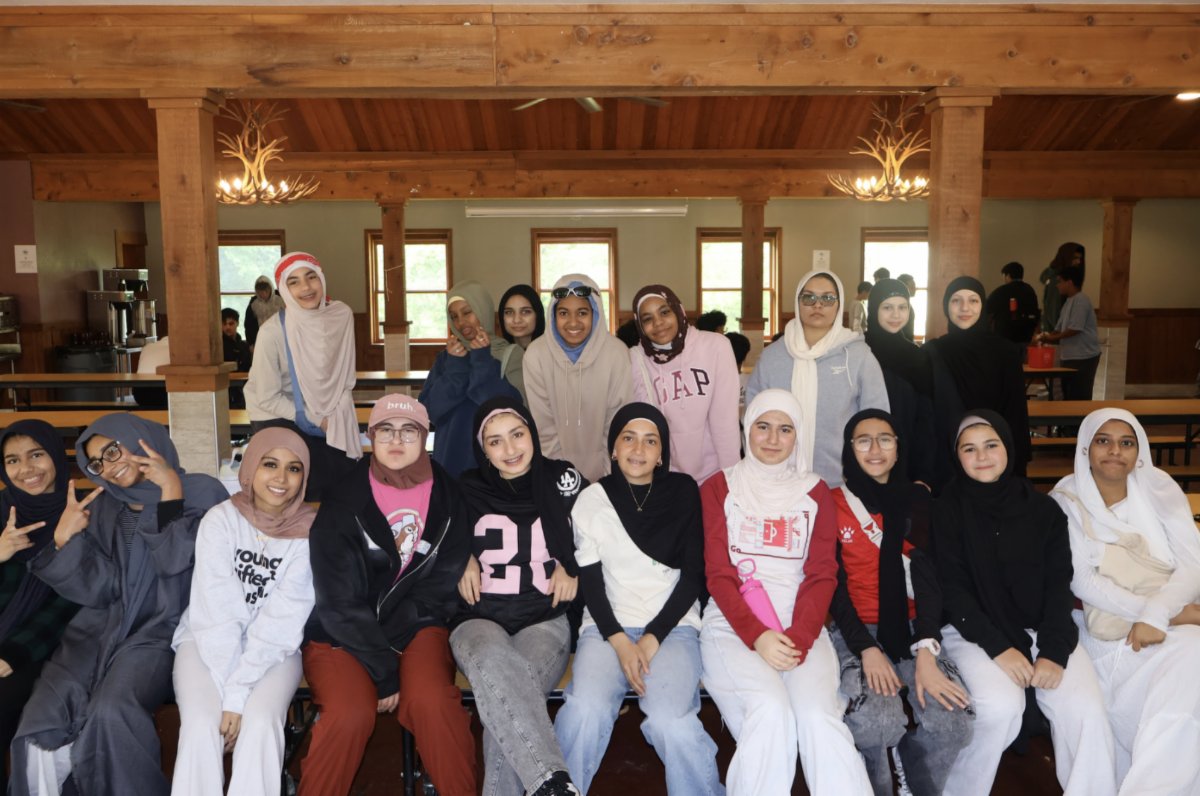
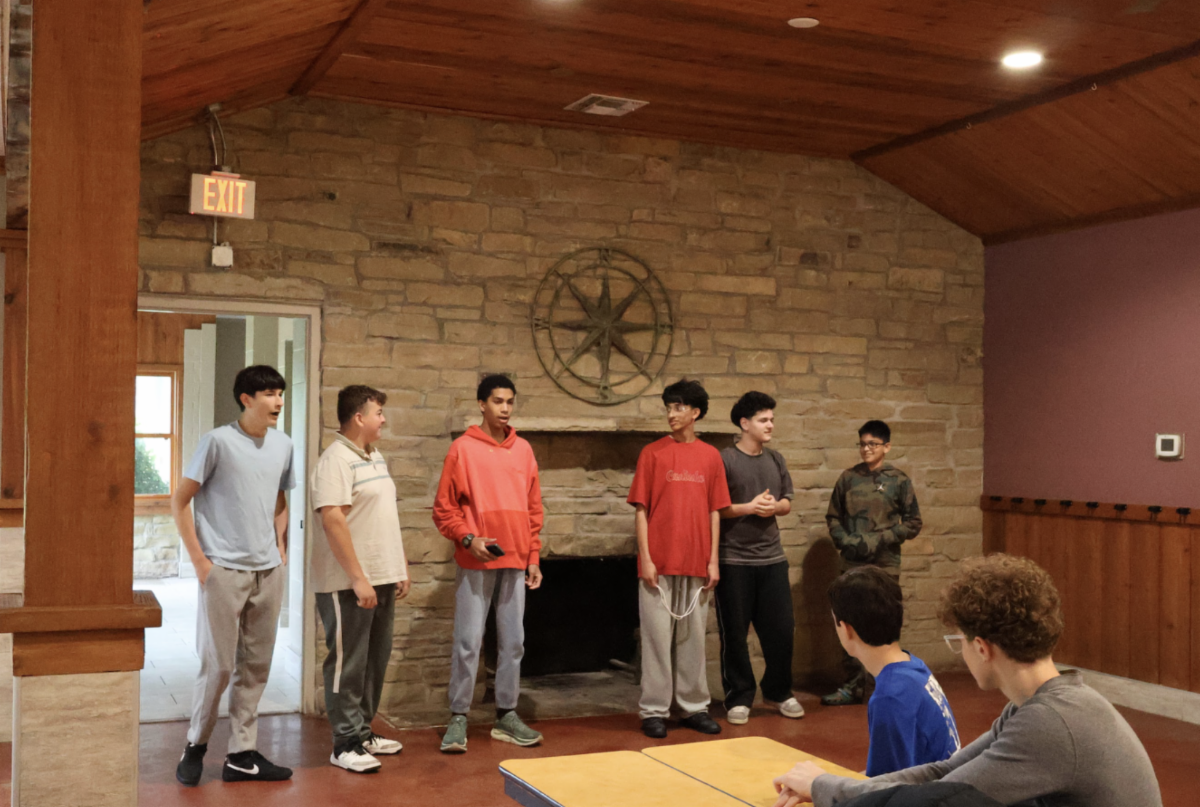
What an incredible spring camp season it has been! Our spring camps were filled with laughter, learning, and unforgettable memories that we will carry with us forever. From the friendships formed, to the skills gained, it was truly a joy to witness our youth thrive and grow throughout the program. A heartfelt thank you to our amazing volunteers, staff, and sponsors who made it all possible — none of this happens without your dedication and support. 


As we close this chapter, we are already buzzing with excitement for what's next! Summer camp registration will be opening soon, and trust us — you won't want to miss it. Stay tuned for details and be ready to secure your spot early. The best is yet to come! 🌟 

Thank you to Humaniti


Grateful. Humbled. Honoured.


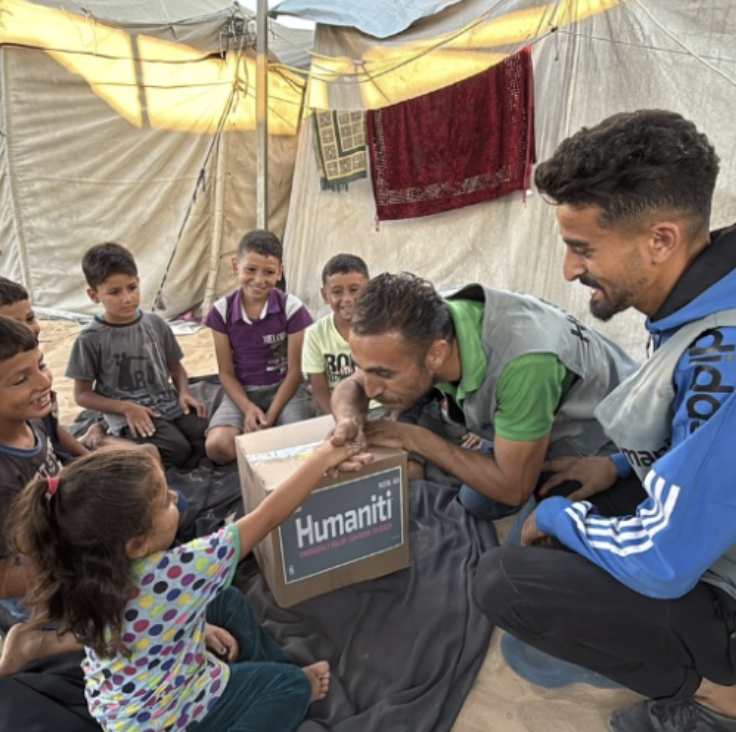
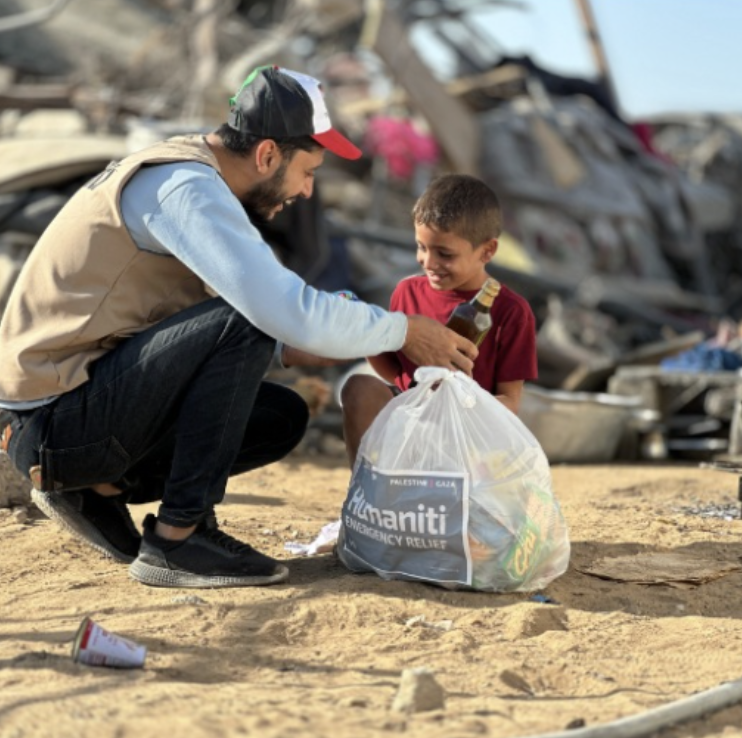
A massive THANK YOU to our Spring Camp sponsor, @wearehumaniti — Humaniti Foundation!


While they help our kids grow and thrive here at home, they're also on the ground making a difference where it matters most. In Gaza, they are:

  • Delivering hot meals & food boxes to families in crisis
  • Running solar water wells & water trucks for clean water access
  • Operating mobile clinics & disability care programs
  • Supporting education for kids living through unimaginable hardship
  • Caring for 3,000+ orphans — and growing


Over 571,000 people face emergency food insecurity. Nearly 290,000 children need nutritional support.


We are so proud to be supported by a sponsor whose heart is as big as their impact.


Thank you, Humaniti, for investing in our youth AND in humanity.


Learn more at humaniti.ca

Featured Articles

Manufactured Hate: The Muslim Invasion Conspiracy


Summary of Equality Labs Report

By Equality Labs

Mar/Apr 26

Photo Cred: Equity Labs


In 2025, Islamophobic disinformation in the United States escalated into a coordinated, nationwide phenomenon. While many communities experience hate and bigotry, Muslims have become one of the most intensively targeted groups in online and offline disinformation campaigns. This surge was not isolated or spontaneous; rather, it reflected a deeply embedded ecosystem of false narratives, political opportunism, intimidation, and organized harassment that undermined public safety, suppressed civic participation, and contributed to discriminatory policy proposals...


At the heart of this escalation were two intersecting dynamics. First was the convergence of Islamophobia with anti-immigrant sentiment under the Trump administration which framed Muslim presence as a threat to national security and cultural identity...

Humanitarianism Knows No Borders 


And Neither Does EMERGENCY USA

By Romy Sharieff

Mar/Apr 26

Photo cred: Laura Salvinelli


At its annual fundraiser in Nov. 2025, the humanitarian organization EMERGENCY USA convened a panel of aid workers in San Francisco to discuss the organization’s operations in Afghanistan, Sudan, and Uganda. The funds raised that evening were equivalent to the amount needed to run one of EMERGENCY’s First Aid Posts in rural Afghanistan for more than three years.


EMERGENCY USA is an affiliate of the broader aid network under the parent organization EMERGENCY, which has provided free, high quality health care to victims of war, poverty, and landmines since 1994. Over the years, it has operated in 21 countries, many of which are predominantly Muslim. 


For example, the organization’s Gaza health care clinic in Khan Younis provides primary care to those suffering from the ongoing genocide. After blockades of life-saving medical supplies eased in the last few months...

Dar-us-Salam Marks 30 Years


Rooted in Revelation, Rising to the Sky

By Yerusalem Work

Mar/Apr 26


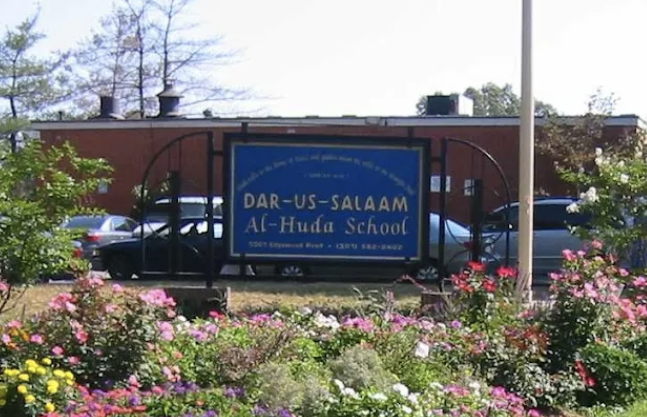
When God designated the entire Earth as a masjid (al-Tirmidhī 317), Muslims gained the ability to pray anywhere as long as certain conditions were met. While most mosques in the United States were built as a result of Muslims needing a place to pray on Jummah or a place to host iftars during Ramadan, Dar-us-Salaam was created to serve a different purpose. 


Dar-us-Salam, based in College Park, a suburb of Washington, D.C., was established 30 years ago to build hearts and minds with the express goal of knowing God and loving and pleasing Him. It was started by a group of young people who shared a vision of giving dawah and opening community hearts to the religion of God. 


What began as the Al-Huda School has grown to curricula encompassing grades K-12 on two campuses..

Standing Firm for Peace and Justice for All


Understanding Islamic Pillars to Fight for What’s Right

By Tanveer Azmat

Mar/Apr 26


Islam’s foundational principle is tawhid, the belief in one God. Tawhid’s “social dimension” implies that lordship of man over man is not acceptable. All human beings are one family having one set of parents – Adam and Eve. When it comes to peace and justice, according to the Quran, the lordship of man over man is one of the main sources of injustice both theologically and socially (Quran 4:1). 


The Story of Moses (‘alayhi as salaam)


Creating peace and justice in society requires speaking truth to unjust powers. In the Quran, the story of Moses (‘alayhi asalaam) and Pharaoh is a well-known example of speaking truth to unjust power. Pharaoh declared himself to be the lord of his people (28:38). The Quran calls Pharaoh’s rebellion...

Become a Member - Donate - Website

Facebook  X  Instagram