 |
Iron & Steel Preservation
|
|

.
|
October 18th and 19th seemed at one time a distant date. It was the pumpkins stacked outside the local shopping center that announced the Iron & Steel Preservation Conference/Workshop was less than a month away. If the pumpkins are carved and treats purchased for the trick-or-treaters, this may indicate you missed registering for the ISP event.
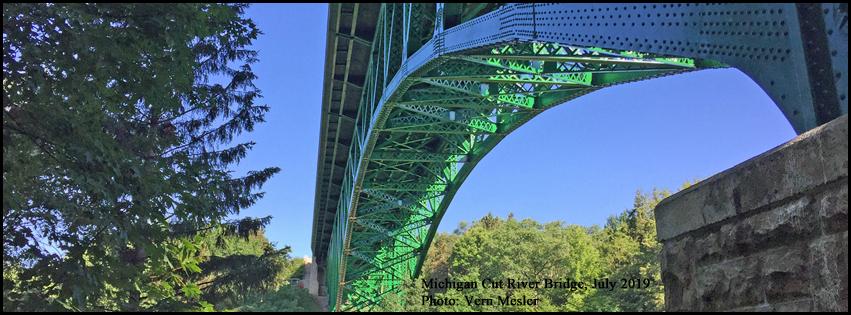
Lansing Community College personnel responsible for organizing the ISP event have designed an excellent website and registration page, brought together a group of expert presenters to give conference participants a behind the scenes view of the rehabilitation work finished on Michigan's Cut River Bridge, and arranged for skilled craftsmen (expert instructors who have taught for previous ISP workshops) to demonstrate current and historic industrial processes used in the rehabilitation of riveted structures.
Vern Mesler
Iron & Steel Preservation Coordinator
Lansing Community College
|
October 18, Main Topic
Cut River Bridge Rehabilitation
|
Lloyd Baldwin, Cultural and Historic Resource Coordinator (MDOT)
"Cut River Bridge Rehabilitation"
Andrew Zevchak & Mario Quagliata (MDOT)
"Bridge Rehabilitation Design Overview"
Frank Boston (MDOT)
"Remote Sensing for Bridge Management"
Peter Jansson, PE, Chief Bridge Construction Engineer (MDOT)
John Belcher, PE, Bridge Construction Engineer (MDOT)
"MDOT Pack Rust Removal Standard"
Christopher Garrell, PE (AISC)
"Exploiting the Resiliency of Built-up Steel Members"
Robert J. Connor, PhD (Purdue University)
"Research and Evaluation of Pack-out Corrosion in Steel Built-up Members at Purdue University"
Steve Howell, Ballard Forge
"Hydraulic riveting introduction"
Steve Howell and Lansing Community College Staff
"Hydraulic Rivet Demonstration"
|
|
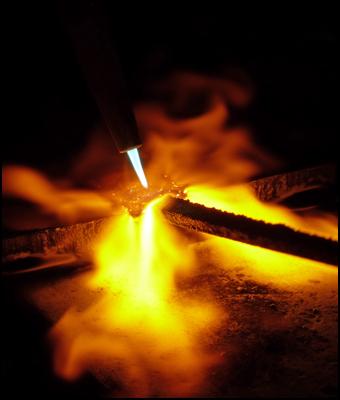
Craftsmen at Lansing Community College will demonstrate electric arc welding processes, braze welding, and an introduction to industrial riveting processes (pneumatic riveting with a field rivet hammer and shop riveting with a hydraulic riveter).
Workshop participants will experience the use of these and other industrial processes during hands-on sessions and learn how these processes are used in the preservation of historic metals and new construction.
|
|
Museums' Silence on Riveting
|
No major industrial museum in the United States has any exhibits on the industrial rivet processes used in the construction of legendary buildings and bridges in the USA.
In every major metropolis in the United States there are great riveted structures that play a vital role in the daily activity of the city and its inhabitants. Riveted bridges fabricated during the nineteenth and twentieth centuries continue to serve the community.
Skyscrapers -- those buildings that "scrape the sky" -- were made possible with riveted steel framing. Train stations, subways, and bridges, all riveted. Most of the rivets in these structures were shop-driven with pneumatic riveters, operated by skilled metal fabricators. Afterwards, the components of these structures were shipped to a job site. It was there that ironworkers with rivet hammers and forges for heating the rivets used field-riveting to connect these shop-driven riveted components.
Riveting both in the fabrication shop and in the field is a vital part of the history of important buildings and bridges nationwide, yet no major industrial museum in the United States has any exhibits on the industrial rivet processes used in the construction of legendary buildings and bridges in the USA. Many industrial museums are housed in spectacular riveted structures, yet nothing is on display to tell the story of their fabrication. No shop equipment or field riveting equipment is part of an exhibit. In the public imagination, awareness of riveting is usually limited to "Rosie the Riveter."
I would like to see this change. To begin with, I'm searching for photographs of bridges and buildings shown being fabricated in a shop with pneumatic riveters. These pictures would be organized into an exhibit with written descriptions of the rivet process. This collection of industrial pictures would be appropriate for display at industrial museums, universities, and other public venues to educate both the general public and industry
professionals who maintain and rehabilitate riveted structures.
I look forward to hearing from those with information about such photographs and also from museum specialists about the concept of an exhibit focusing on riveting. As this project evolves, I'll be looking for partners interested in assisting in organizing this exhibit, as well as funding to develop one or more traveling exhibitions.
Vern Mesler
September 2019
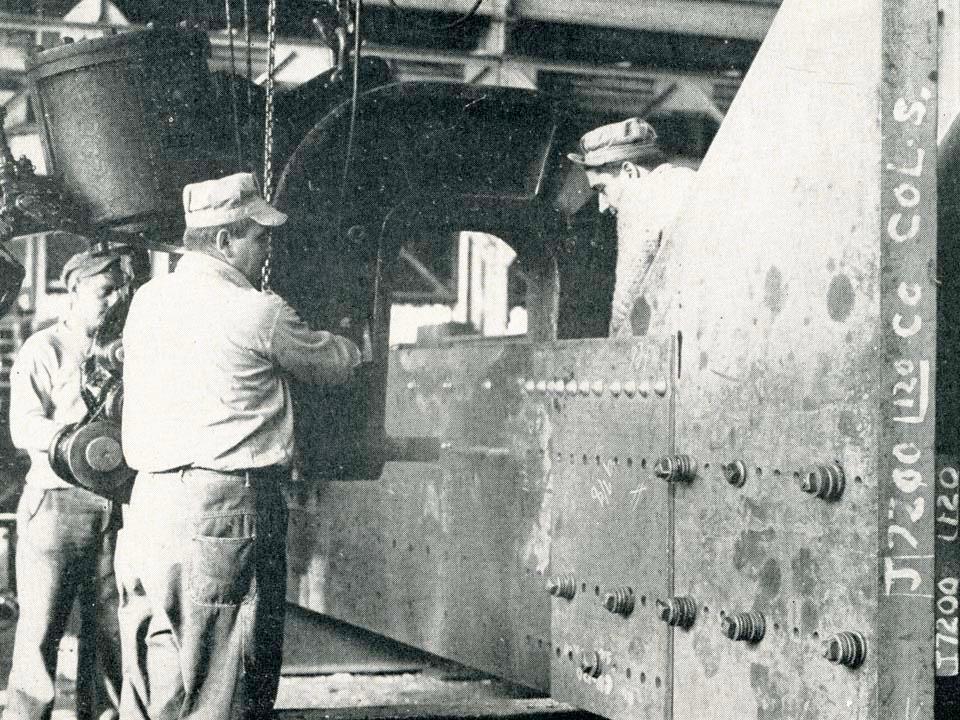
Shop riveting a cover plate to a fabricated steel column with a suspended pneumatic portable riveter. (Photo: AISC Textbook of Structural Shop Drafting, vol 1, 1953)
|
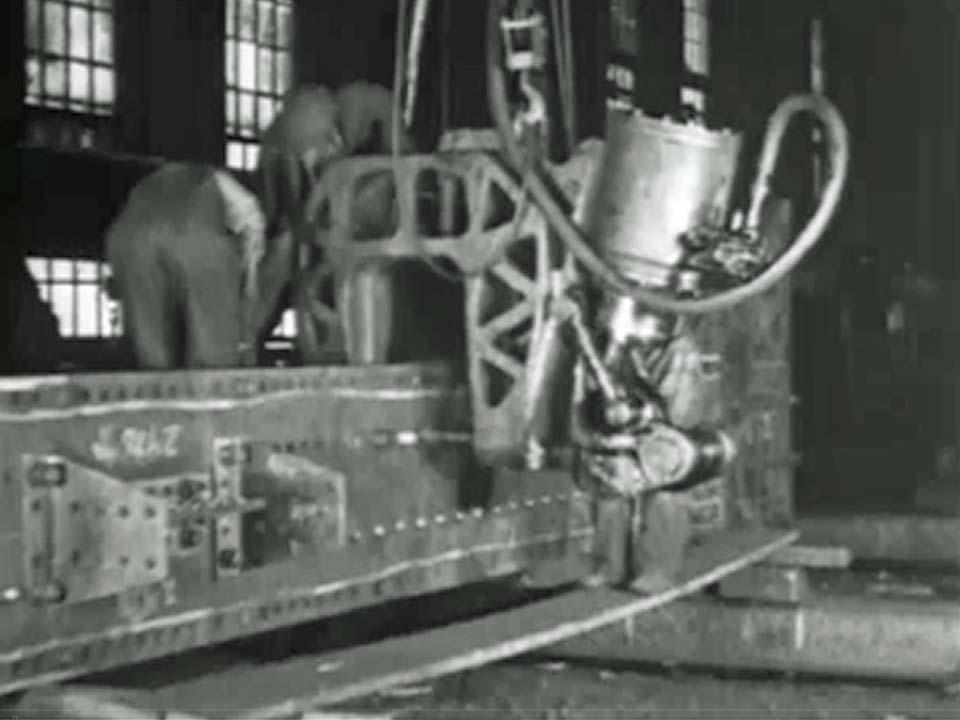
Shop riveting an Empire State Building fabricated steel column with a suspended pneumatic portable riveter (Photo: from the film Making A Skyscraper (Steel)-Empire State Bldg., Prelinger Archives, San Francisco)
|
|
Michigan's Calhoun County Historic Bridge Park Tours 2019
|
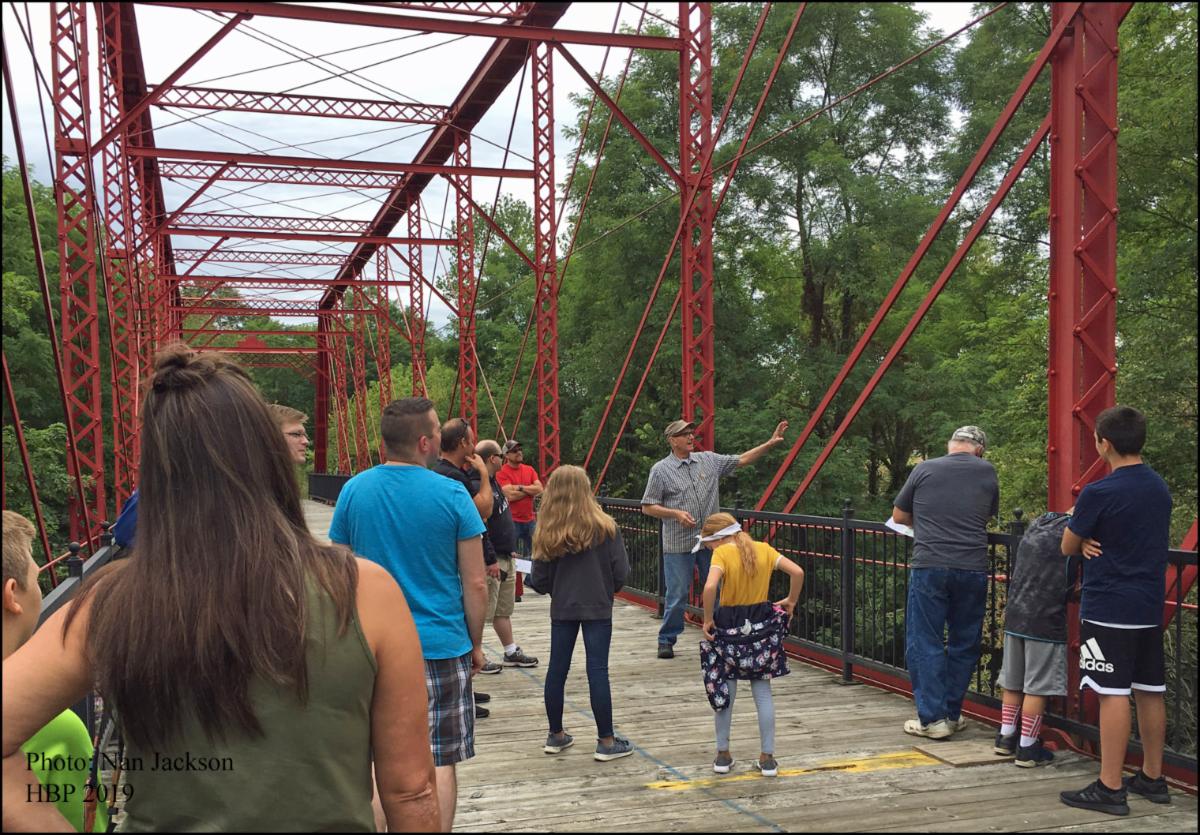
Charlotte Highway (Centerline) Bridge
1886 Ionia County, Michigan
|
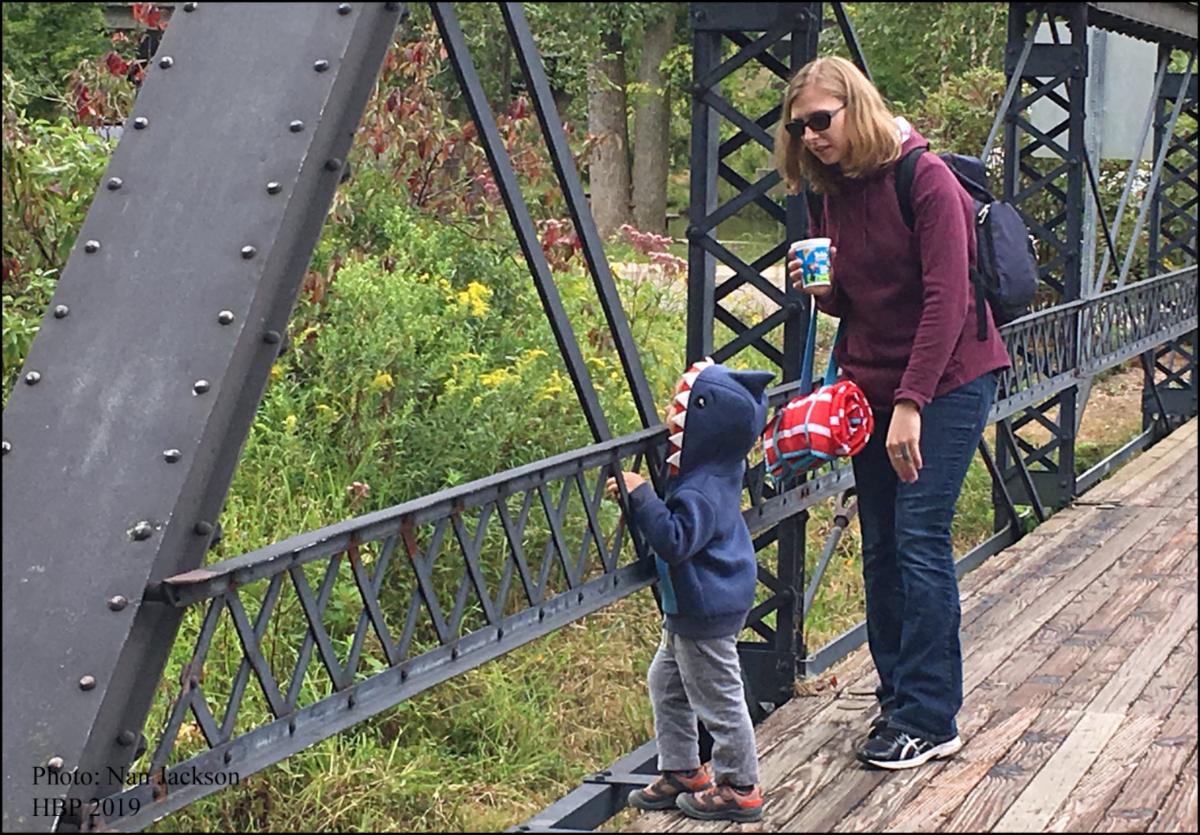
133rd Avenue Bridge
1897 Allegan County, Michigan
|
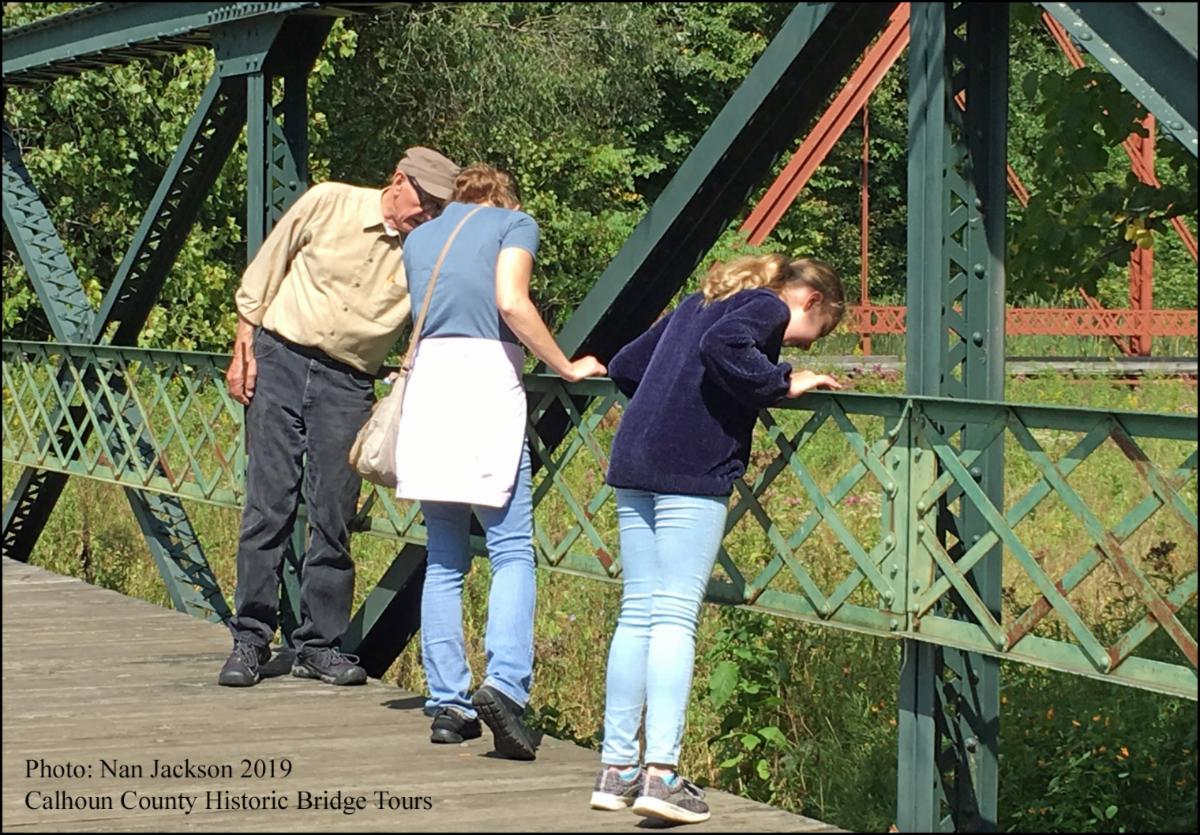
20 Mile Road Bridge
1906 Calhoun County, Michigan
|
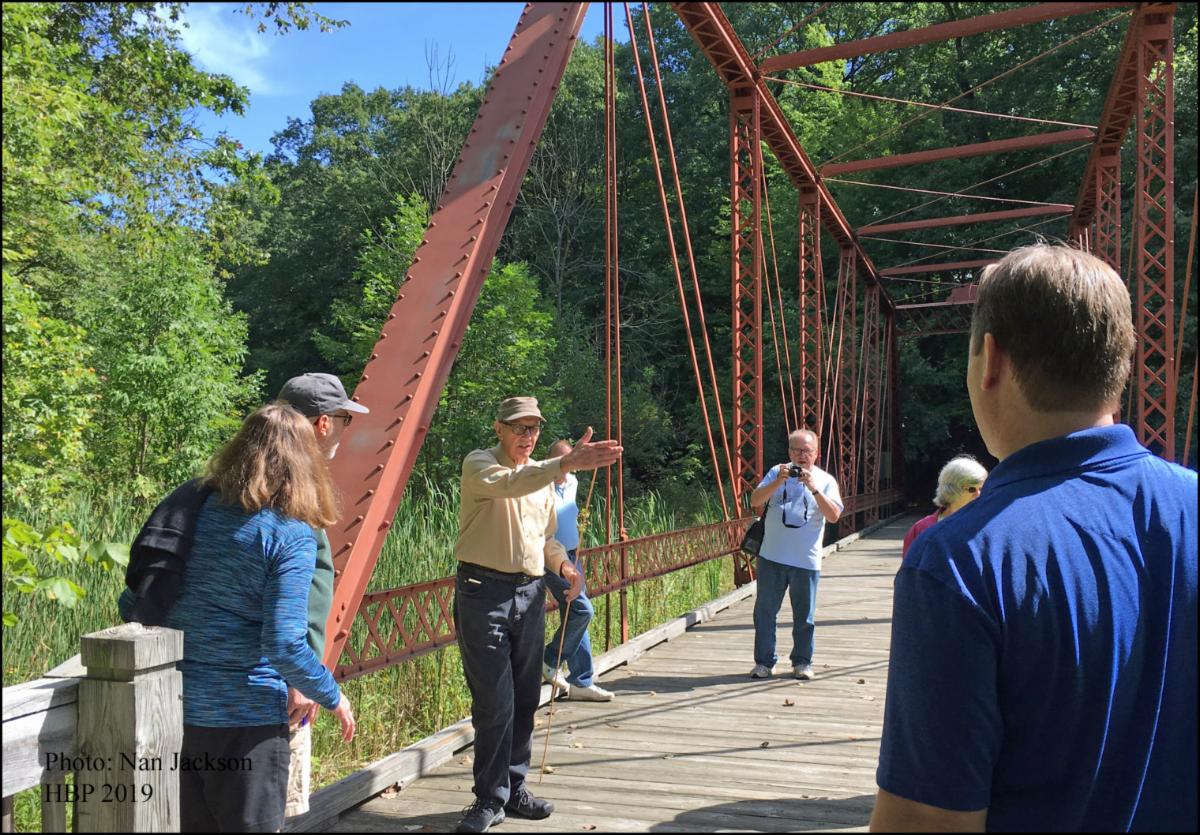
Gale Road Bridge
1897 Ingham County, Michigan
|
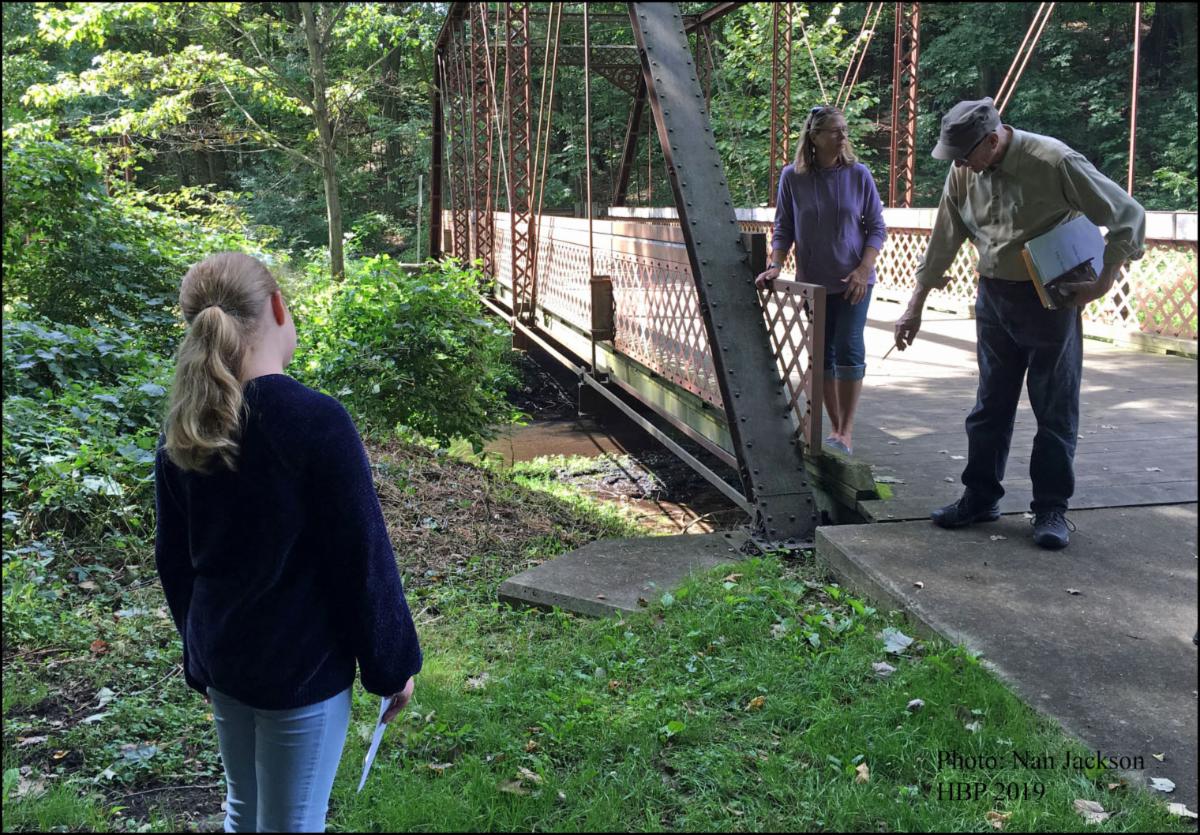
Bauer Road Bridge
1880 Clinton County, Michigan
|
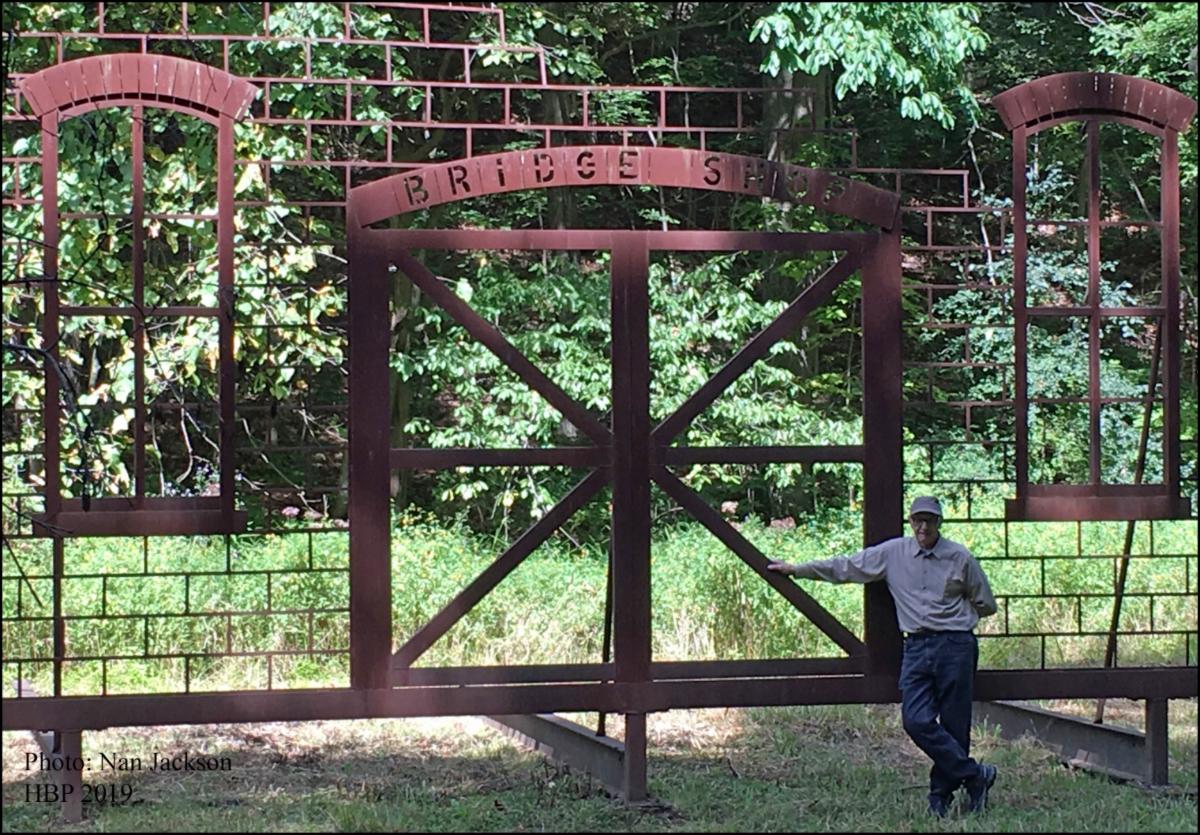
Bridge Shop Sculpture
Vern Mesler
|
|
Lansing Community College Foundation
|
|
A fund has been established at Lansing Community College Foundation to support projects, research and conferences related to the rehabilitation of historic iron and steel. From this fund scholarships have been awarded to students in engineering, preservation, and industrial arts to attend previous Iron and Steel Preservation Conferences. Please consider donating to support ISP scholarships for the 2019 Iron & Steel Preservation Conference/Workshop.
The Lansing Community College Foundation is a nonprofit 501(c)(3) corporation. Your contributions make a big difference.
Thanks,
Vern Mesler
|
 |
|
|
Program Fund
Please consider contributing to the Iron and Steel Preservation Program Fund. This fund was established to support projects, research, conferences and scholarships related to the repair, rehabilitation, and restoration of metals. The Lansing Community College Foundation is a nonprofit 501(c)(3) corporation.
Donate Here
|
|
|
|
Past Iron & Steel Preservation Newsletters
|
Thank you to our 2019 donors!
We appreciate the many contributions to the Iron and Steel Preservation Program Fund during the past year.
|
|
|
|
Sponsor
|
Want to become a sponsor?
|
|
Lansing Community College
5708 Cornerstone Drive
PO Box 40010
, MC 4100W
Lansing, MI 48917
|
|
|
|
|
Copyright © 2019. All Rights Reserved.
|
|
|
|