|
Updates from the ISfTeH Global Digital Health Network (January 2020)
|
|
Read in this issue about various ISfTeH Working Group activities, a new initiative around digital skills for empowerment, ISfTeH events, the passing of a telemedicine pioneer, open service platforms in the active and healthy ageing domain, semantic interoperability for medicinal products, ISfTeH member spotlights, a national telehealth plan in Portugal, telemedicine in Poland, ambulance-based telemedicine system, and more.
|
|
Letter from the Executive Director
Dear reader,
It is that time of year again, when we start a new year, full of resolution and hope for a fantastic year ahead. This also happens to be the beginning of a new decade - already the third in this century, which seemed to have started not so long ago. It does seem like we really must "make hay while the sun shines". Time appears to really fly past so quickly.
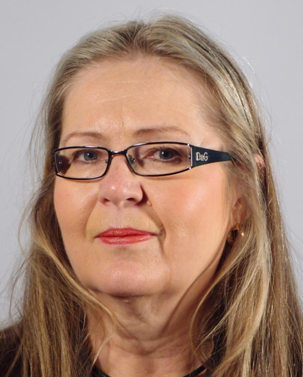
Our electoral system settled into a steady-state years ago, and so we now have Board elections every year for three of the nine elected positions on the Board. The 2019 edition has seen Dr. Pirkko Kouri and Dr. Adolfo Sparenberg re-elected in the Nationals and Associates categories, respectively. We welcome to the Board Dr. Osama El-Hassan, Vice-Chair of the Emirates Health Informatics Society and the Head of the eHealth section at Dubai Health Authority, representing the UAE National member. He replaces Dr. Hassan Ghazal, who served a successful term, including organizing of the 22nd ISfTeH International Conference in Casablanca, Morocco in December 2017. We thank Hassan for his dedication to the Society and look forward to his continued engagement. And, as in past years, we thank all returning Board members and the chairs of various Working Groups and Committees.
Our fixed event has been christened, "Digital Health Global commons - powered by the ISfTeH", and this year will be held on March 19-20, as part of the Portugal eHealth Summit in Lisbon, scheduled for March 18-21. Later in the year, the landmark 25th edition of the ISfTeH International Conference will be held in Takasaki, Japan on October 8-10. It is worth recalling that the ISfTeH was born in Japan (in Kobe) in 1997. We look forward seeing you in your numbers at both events.
In 2020, we expect to kick into high gear our work with WHO. This activity will focus on sharing knowledge on digital health implementation in general, and telemedicine in particular, and should lead to a technical report with information on the latest developments, best practices, implementation and uptake in countries around the globe.
We also expect to provide technical expertise to support the strengthening of global telemedicine and eHealth networks, in low- and middle-income countries (LMICs). This, in turn, will help strengthen universal health coverage (UHC) and emergencies. The expected deliverables from this activity would include the establishment of national Telemedicine and eHealth networks to support primary health care and emergency programs in countries.
Finally, we are planning an extended study on how telemedicine is being used in countries to support clinical and emergency and trauma care services. This should lead to publications and contributions to guidelines on telemedicine and its use to support clinical, emergency and trauma care services in LMICs.
It is our fervent hope that this work with WHO, will foster greater collaboration across organs and levels of the ISfTeH family, so that along with others likes it, it drives the Society, inevitably, to the realization of the dream of "One ISfTeH with multiple levels".
And, finally, a refrain from last year - let's make 2020 a key milestone in a new decade in the life of our Society, one in which we become an even more successful Key Influencer in the transformation of health in the digital age.
Prof. S. Yunkap Kwankam
Executive Director
International Society for Telemedicine & eHealth
|
Three ISfTeH Working Groups working together
The
call for articles for the
new theme issue on Nurses and Midwives in Digital Health for the JISfTeH in 2020 is coming to its end
. To date, five abstracts are accepted for submission of a full article to the journal, coming from Sri Lanka, Brazil, Finland and USA.
The abstracts of the sixteen articles published in the JISfTeH Women in eHealth Special Issues in 2015, 2017 and 2018-2019 are translated in French to help a greater access to this unique Digital Global Health Commons for Women 2020. Read them all here.
After the designation of Zero Mothers Die at BBC World 100 Women in October 2019, more than twenty interviews were published in English and Spanish! Read them all here, incl. the great promotion in the previous ISfTeH Newsletter published in October '19.
|
Ambulance-based telemedicine system wins award
Dr. Dirk Peek, ISfTeH member from The Netherlands, was recently rewarded as one of the "Care Heroes 2019" by the Dutch Ministry of Health. He received the award for his Ambulance-Based Telemedicine System which was developed in collaboration with DXC-Technology.
In this project a voice-communication system, a tablet and a high-definition digital camera were installed in the ambulances. Real-time vital data such as blood pressure, ECG, pulse, saturation, capnogram were transmitted to the hospital physicians who supervised the transport of the patient. The data were directly captured from the vital signs monitor present in the ambulance and sent in one batch together with live video images to the hospital. With this direct live transmission, advise could be given to the paramedic at the scene. This enabled remote and preliminary diagnosis and informed the emergency room to which the patient was transported. Medical experts were virtually on board and supervised the patient remotely. Because the patient had been observed in the ambulance, the ER was informed about the clinical status of the patient and received advice about the need for a surgeon, anesthesiologist or cardiologist to be present or for the need to prepare the OR, or the Intensive Care Unit. The system has already passed the stages of Technical Proof of Concept and Medical Proof of Concept.
Dr. Peek is looking for partners for implementation of this telemedicine system in practice. He can offer a complete roadmap, including a positive business case on neurology and cardiology, a technical roadmap for the ICT infrastructure, training of personnel, and more. Opportunities are scalability on either a national or on an international platform. The scope can be extended to include a connection with an electronic patient record system to store the collected vital data and video-images. The system is mobile enabled, cloud based, secure and GDPR compliant.
|
Participate and share: digintelles - collective intelligence and digital skills as drivers for empowerment
The Millennia2025 Foundation (ISfTeH member) develops a new Foresight Exercice 2020-2025: Millennia2025 digintelles, "Collective intelligence and digital skills as drivers for empowerment."
As we are more and more solicited or surrounded by Artificial Intelligence, we must learn to master its technologies in order to enjoy them freely. In this environment that helps or overwhelms us, what about Collective Intelligence? How to re-value the human being and transmit skills with digital tools in solidarity? These concerns are the objective of digintelles, the new foresight exercise of the Millennia2025 Women and Innovation Foundation.
The Millennia2025 digintelles statement is now valued by the UN Secretary General, published, translated and circulated by UN ECOSOC for the UN Women CSW54 in March 2020: undocs.org/pdf?symbol=fr/E/CN.6/2020/NGO/199.
To participate in digintelles, we ask you to answer 7 + 1 questions online: it takes just a few minutes, and your testimony will be included in our analysis and we will make recommendations to decision makers.
The objectives of digintelles are available at millennia2025-foundation.org/objectifs_en.html. The response form is at millennia2025-foundation.org/votre-contribution_en.html.
Share this call, present digintelles to your colleagues, your students, your associations, your networks and mobilize them for this survey: we must collect a maximum of answers at all levels. To help you explain digintelles, you can use this short video presentation (FR+EN): millennia2025-foundation.org/video_digintelles_en.html.
We are now in direct and active international contact with the United Nations Economic and Social Council (ECOSOC), UN Women, Commission on the Status of Women (CSW64) and therefore the "Beijing+25" celebrations including the "Equality Forum" in July 2020 in Paris: our resolutions will be integrated into those works.
|
'Digital Health Global Commons' event coming up, in conjunction with Portugal eHealth Summit
The ISfTeH network and its wider community will meet in March at the "Digital Health Global Commons" event, which will be fully integrated in the
Portugal eHealth Summit, in order to provide and discuss current digital health insights, practical applications, national/regional policies, quality and legal guidelines, and more.
The event takes place on 19-20 March 2020 in Lisbon (the Portugal eHealth Summit itself runs already from March 18th till March 20th). The Global Digital Health Partnership (a collaboration of governments and territories, government agencies and the World Health Organization, formed to support the effective implementation of digital health services) is also meeting in the margin of the Portugal eHealth Summit, making it truly an international meeting of the minds not to be missed.
Participate in this event to share your own digital health activities with ISfTeH members and a wider range of stakeholders, and to discuss possibilities for collaboration. The event will of course also be an excellent opportunity to witness firsthand what the Centro Nacional TeleSaude and SITT are doing in Portugal and which telemedicine and eHealth initiatives they are implementing. Program details will be announced soon and will be integrated into the Portugal eHealth Summit website.
|
Submit your presentation proposal for the 25th ISfTeH International Conference in Japan
Abstract submissions (for presentation at the conference) can be done via the submission system, to which you can find a link here. Deadline for submission is June 30, 2020.
If you have any questions about the event, contact us at info@isfteh.org. There are sponsorship opportunities available. If this is of interest, also contact us at info@isfteh.org for more details.
|
ISfTeH Francophonie Working Group expands its network and activities
ISfTeH Board Member and Coordinator of the
ISfTeH Francophonie Working Group, Philippe De Lorme, recently attended the
SFSD annual conference in Paris, along with 400 other participants. The SFSD is the French Society of Digital Health (formerly SFT, French Society of Telemedicine). The event saw the launch of the Digital Medical University (
UMD - Université Médicale Digitale) with its international masters degree. The event also featured an international benchmark session involving Morocco, Tunisia, Ivory Coast, Senegal, and the Caribbean Island of Saint Martin, dealing with "digital health apps".
Philippe De Lorme was also present at the 1st congress of SITELEMED (the Ivory Coast Telemedicine Society), gathering 200 people in Bouake and Yamoussoukro, which has allowed to WG to stengthen its links and collaboration with African countries.
And last December, under the auspices of the National Medical Academy in Paris, the
Francophone Telemedicine Academy has awarded the
Global Telemedicine Prize to a medical concierge app. The Academy was set up in 2018 by Ghislaine Alajouanine (President) and aims to reinforce the Francophone presence in digital health.
The ISfTeH Francophonie WG is now working towards the next meeting of the International Organization of the Francophonie in Tunisia in December 2020 and proposes a focus on "digital health training and skills."
|
eHealth - influencing behaviour change more, and more, ... and more
A large number of papers are under review for publication in Vol. 8 of the Journal in the coming weeks and months. Your paper submissions are continuously welcome
here.
|
Open service platforms in the active and healthy ageing domain
PlatformUptake.eu, an EU-funded project that started earlier this month, seeks to deliver an inventory of the state of the art and analyse the use of open service platforms in the active and healthy ageing (AHA) domain, covering both open platforms - such as
UniversAAL,
FIWARE, and partly-open/proprietary platforms developed by industry.
To measure the impacts of such platform and enhance their uptake, the project presents a methodology for monitoring open platform development, adoption and spread across Europe, by listing key factors that determine success or hindrance in their uptake by the end-user groups, and also the evolution of their ecosystems and stakeholder networks.
A considerable number of open source platforms for the development of innovative solutions in the AHA domain have already been created. PlatformUptake.eu will assess the societal impact of these existing platforms, collect successful user stories and best practices, promote interoperability and define guidelines for a common evolution of such platforms. Seeking to
support the large-scale uptake of the platforms, the project proposes the creation of an online information hub which provides descriptive and support materials on all existing platforms, the organisation of several stakeholder events, as well as a MOOC for promoting synergies, knowledge exchange and a common understanding among all stakeholders in the AHA market.
If you are a
provider or developer of such open service platforms, or of active, healthy and assisted living (AHA/AAL) solutions and applications that are built on such platforms, and if you would like to know more or get involved in the project's activities and events, get in touch with
office@platformuptake.eu or find out more at
www.platformuptake.eu (website will be online in the next week).
|
Telemedicine pioneer and ISfTeH founding member passes away
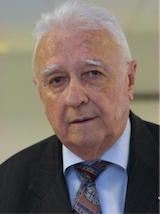
Last November, Prof. Louis Lareng passed away at the age of 96. Prof. Lareng was at the origin of the ISfTeH and of telemedicine developments in France and worldwide.
As pioneer of the emergency departments in France, he was the creator of the Emergency Medical Service "SAMU" in 1967 and continued to advocate for the legal recognition of this organization by law, which finally happened in 1992. Prof. Lareng was also founder of the University Paul Sabatier in Toulouse, and recognized as Professor Emeritus from 1992. It is at that time that he takes up the cause for telemedicine, a virtually unknown discipline in France in those days, which he will bring to the highest political levels.
In his region of Midi-Pyrénées, at first with the Public Interest Group 'Telemedicine Network' (Groupement d'Intérêt Public (GIP) Réseau de Télémédecine) in 2003 and then through various responsibilities up until the administration of the Health Cooperation Group 'Telehealth Midi-Pyrénées' (Groupement de Coopération Sanitaire (GCS) Télésanté Midi-Pyrénées) since March 2011, Louis Lareng implemented telemedicine and telehealth, and ensured the best possible applications.
The creation of the European Institute of Telemedicine, of which he was the Director, and of the European Society of Telemedicine and eHealth, of which he was the President, allowed him to make his work and realizations known throughout France and beyond the French borders. He was one of the founding members in 1997 of the International Society for Telemedicine (ISfT) and a member of the board of this same society - which in the meantime had become the International Society for Telemedicine & eHealth (ISfTeH) - from 2007 till 2009.
The ISfTeH honoured him in 2012 with a special award for his entire lifetime achievements. This 'ISfTeH Lifetime Achievement Award' now carries his name and has, in the meantime, already been bestowed upon other telemedicine pioneers and visionaries, and will continue to be awarded to others in the future, carrying forward the legacy of Louis Lareng!
Read the full tribute to Prof. Lareng in the current issue of the
JISfTeH.
|
Bavarian Journal of Applied Sciences calls for contributions on "Inserting Modern Thoughts in Traditional Environments"
Modern.
Technology.
Global.
Innovation. These words describe today's deeply interconnected world. The technology allowing us to easily connect to one another is developing so rapidly, the value of empathy and understanding one another is sometimes overlooked. Cultivating this understanding of others whether its cultures, personalities, and beliefs is becoming an essential element of everyday life. What happens then, when you place the combination of future-oriented attitudes, modern technology, and intercultural diversity into a traditional, rural environment?
We are pleased to invite you for research submission in preparation for publishing a special edition of the
Bavarian Journal of Applied Sciences (JAS) organized by the
Deggendorf Institute of Technology (DIT). This call for papers is inviting research works from various fields of applied sciences which must include an intercultural component. In this special edition, the journal is highlighting the
European Campus Rottal-Inn - ECRI (ISfTeH member), one of the most interculturally diverse college campuses hosting 750 students hailing from almost 80 countries. This new academic institution is bringing an internationally diverse and globally inclined community into a rural Bavarian environment.
The journal's theme is "Inserting Modern Thoughts in Traditional Environments" and submissions from all over the world will be accepted, but they
must feature an intercultural component to their research and should come from one of the five categories that are listed below.
The
deadline for research manuscript submission is
March 15, 2020. Use this
link to submit. Refer to the submission guidelines on the Bavarian Journal of Applied Sciences page (JAS).
Submitted research will undergo a double-blind peer review process. Accepted research will be published in the special edition of the JAS in both printed and electronic form.
The topics of this journal edition include:
- Tourism
- Health/Medical
- Informatics
- Engineering
- Sustainable Buildings
|
Asia Telemedicine Symposium features ISfTeH update
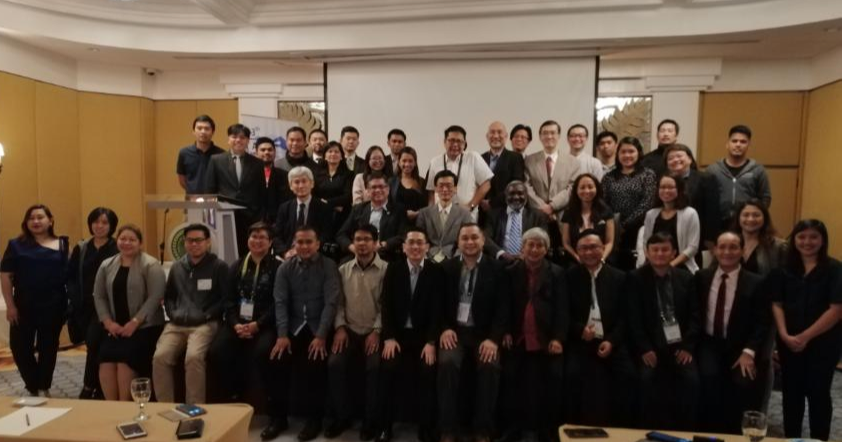
Notwithstanding a typhoon, Yunkap Kwankam was able to deliver updates on international initiatives in telemedicine and digital health in general and about the ISfTeH network in particular to an audience composed of participants from several countries in the region and in the presence of Prof. Shuji Shimizu, Director of TEMDEC and Alvin Marcelo from the Asia eHealth Information Network and the Philippine Medical Informatics Society (the national member for the Philippines in the ISfTeH).
The event also served as inaugural international symposium of the Telemedicine Network of the Philippines led by Dr. Jeff Domino.
The program of the event is available here. If you'd like to establish contacts in the region, contact us at info@isfteh.org.
|
ISfTeH Telenursing Working Group gearing up for International Year of Nurses and Midwives
The ISfTeH Telenursing Working Group currently has 165 active members worldwide. The goal of the group is to provide a forum for exchange of knowledge and experiences of nurses and others who are working with or supporting nurses using eHealth applications. More specifically:
- Technology:
-
Advocate for increased use and evaluation of telehealth services by nurses.
-
Stimulate innovative ideas and promote initiatives for further development of eHealth.
-
Business:
-
Support interdisciplinary telehealth collaboration for improved healthcare delivery and outcomes.
-
Professional:
-
Advance nurses' knowledge and skills in telehealth through dissemination of research findings, education programs, and practice guidelines.
-
Advocate ethical use of telehealth services.
In 2019 the working group organized a webinar on the topic of "Telenursing in Advanced Practice Nursing" with presentations on "Hot Spots: Using Telehealth to Partner with Patients and Educate Students" (by Dr. Rebecca A. Bates) and on "Advanced Practice Telehealth Nursing: Practical Strategies and Remaining Questions" (by Dr. Patricia Camillo).
The group also was involved in the preparation of the Special Issue for Nurses and Midwives of the Journal of the International Society for Telemedicine and eHealth, in collaboration with the ISfTeH Working Group on Women (WoW) and with guest editors Claudia Bartz and Pirkko Kouri (ISfTeH Board Members, and Vice-Chairs of the Telenursing WG) and Veronique Thouvenot (Chair of the WG on Women). This special issue will mark the celebration of the year 2020 as the International Year of the Nurse and the Midwife. In 2020, WHO has decided to mark the important role of nurses and midwives in the past and the future, and it is also the celebration of 200 years since the birth of Florence Nightingale, the founder of modern nursing.
Our plans for 2020, include the celebration of the International Year for the Nurse and the Midwife, with the publication of the Special Issue of the JISfTeH, a spring and an autumn webinar, and other activities that will highlight the important role of nurses in telemedicine and eHealth.
|
National member spotlight - Telemed Austria
Telemed Austria is the leading interest group for applied Telemedicine and eHealth solutions in Austria. Its focus is on implementation, distribution and funding of evidence-based innovations in the field. Telemed Austria combines academic knowledge and skills with practical support for the medical industry and associated stakeholders.
Telemed Austria was founded in 2014 as an independent organisation with the goal to improve the networking among stakeholders in the field of telemedicine especially between start-up companies and healthcare professionals. Therefore, the main contribution is knowledge generation and transfer about medical and health economy solution approaches of telemedicine and eHealth among stakeholders in healthcare, economy, science and politics.
Telemed Austria is a
practice-oriented community of interests for all stakeholders in the Austrian healthcare system (health service providers, academic research, medical industry, system managers, patients) who want to improve the Austrian healthcare system so it is able to face the challenges of the 21st century through innovation in telemedicine.
The use of information and communication technologies is a fundamental part of healthcare and holds great potential in a wide variety of medical and therapeutic areas of applications. Health policy and health economics in Austria cope with demographic challenges. One of them is an upcoming retirement wave of physicians in 2025, when 55% of registered active physicians will leave the system. Additionally, the chances of telemedicine to handle other effects of demographic changes like the increasing number of chronic diseases and geriatric patients in the coming years, combined with rising health expenditure will make telemedicine solutions a vital part to ensure a stable healthcare provision. Especially geographically disadvantaged parts of the population can be better served via telemedicine. However, there are a multitude of challenges for the optimal development of the benefits and opportunities of telemedicine for health care, such as the reimbursement of telemedical services, the lack of uniform technical standards and user acceptance.
The increased needs-oriented and appropriate use of information and communication technologies in the Austrian healthcare system to improve the quality, affordability and accessibility of medical care for the Austrian population hence needs an independent structure to serve the needs of the population to ensure long-term medical care with regards to the challenges of demographic development and foreseeable personnel bottlenecks in the healthcare system.
Telemed Austria's activities for 2020 are:
- an annual national congress, starting with the 1st Telemedicine Congress at the Medical University of Innsbruck on 28th May 2020
- development of a telemedicine certificate for medical assistants and healthcare professionals
- an University course for medicine students in telemedicine
- publication of annual reports on the development status of telemedicine in Austria
- networking on a national and international level (incl. cooperation with partners in the DACH region).
|
Implementing semantic interoperability for medicinal products across Europe
Empirica Communication & Technology Research
(Germany) has announced that it will lead UNICOM, a major new EU health innovation project on "Up-scaling the global univocal identification of medicines". Funded by the European Commission under its Horizon 2020 Research and Innovation Programme, the project consortium assembles altogether about 70 organisations across 18 European countries and the USA - either as beneficiaries or observers.
UNICOM is about improved patient safety and better healthcare for all. The project will focus on implementing the International Standard Organisation's (ISO) suite of IDMP (IDentification of Medicinal and pharmaceutical Products) standards. Work will involve their further development, testing, implementation and diffusion for
- regulatory purposes by National Drug Agencies,
- global pharmacovigilance,
- advancing cross-border ePrescription services.
Breaking down barriers hindering the free flow of detailed, interoperable drug information across the globe and thereby facilitating data sharing amongst health professionals and patients everywhere will benefit the safety and quality of healthcare. At the same time, it will benefit pharmaceutical companies applying for marketing authorisation of new products, providers of medicinal product dictionaries, clinical software producers including start-ups developing intelligent apps for patients.
UNICOM includes 26 National Drug and eHealth Agencies, core Standard Development Organisations (SDOs), providers of cross-border ePrescription services in the context of the Connecting Europe Facility (CEF) eHealth services, clinicians, patients, software providers, producers of pharmaceutical dictionaries. A wide variety of relevant stakeholders are involved through their associations.
Pharmacovigilance reporting will be considerably improved once medicinal products, including their active substance, can be uniquely identified around the globe and therefore such information easily merged by the European Medicines Agency, the WHO Uppsala Monitoring Centre (UMC) for pharmacovigilance, the USA Federal Drug Administration (FDA), and others.
The same will hold for clinical information on drugs patients have taken. Electronic Health Records (EHRs), eOrdering/ePrescribing or Clinical Decision Support Systems - all will become enabled such that the medicinal products taken by a patient or to be ordered for dispensation can be fully identified in any health situation and in any country which has adopted the IDMP standards and the codes, term lists etc. specified for their various data elements and attributes.
|
Corporate member spotlight - Evitalz
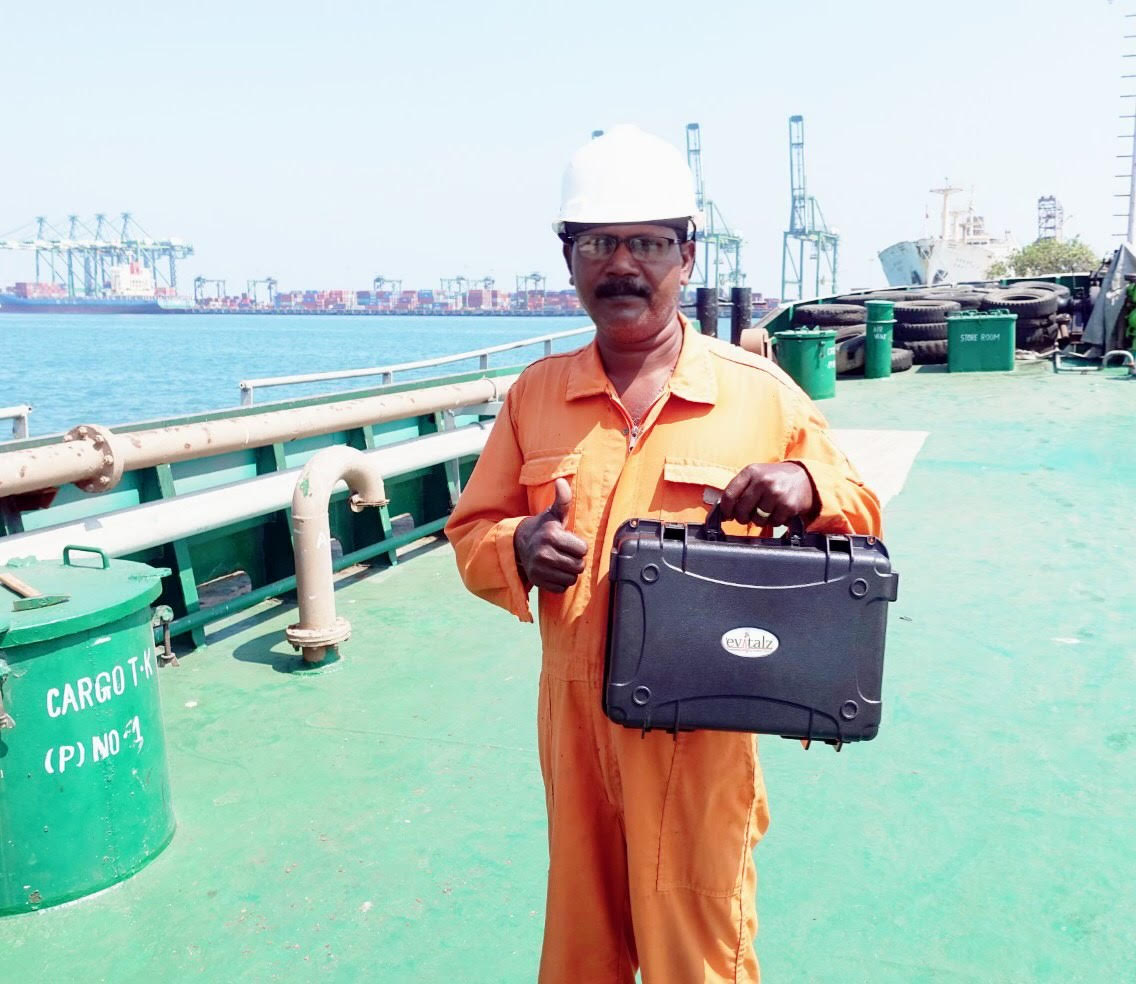
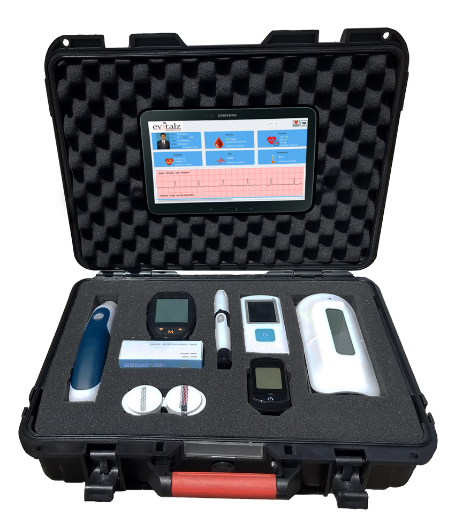
With the motto of "Connected to Care No Matter Where" Evitalz Information Management is a digital health start-up, headquartered in Chennai, India. Evitalz offers remote healthcare services beyond the doctor-patient relationship including healthcare education, monitoring devices and software with IoT. Evitalz mission is to advance the frontiers of digital health through invention, innovation, implementation.
According to a study by the International Maritime Health Association (IMHA) of 23,299 commercial ships with 420,000 crew members, 1 in 5 ships are forced to divert course for medical reasons per year with an average cost of diversion of $180,000 due to delay, bunkers, missed cargo, port agency & medical treatment. At least 20% ($168m) of the cases aren't critical to warrant a diversion or helicopter evacuation and could easily be avoided by using modern on-board telemedicine equipment. The high cost of modern telemedicine systems is still a big hurdle to the technology taking off on a wider scale.
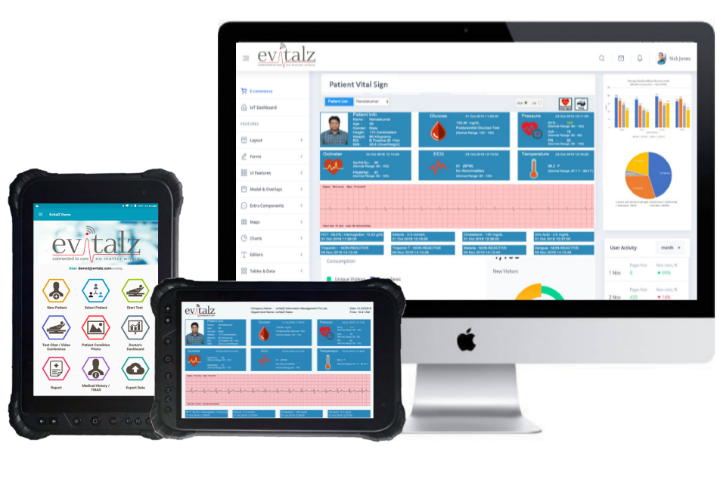
In an effort to bring quality healthcare and telehealth solutions to maritime, Evitalz products provide smart wireless FDA & CE approved medical devices, secured patient vital sign monitoring, app and webportal database. It helps to capture, store and transmit a ship's crew members vital signs data through portal/server via satellite for further consultation with onshore doctors. Key features include:
- Real time Electronic Health Records enhanced by Artificial Intelligence (AI)
- Vital signs reminder and critical alerts with colour code recognition
- Wellness mapping feature with GIS technology along with data visualization
- Reports with Data Analytics and intelligent algorithms
- Asynchronous (recorded mode of communication & consultation) and Synchronous (Audio/Visual/ Chat based communication & consultation in real-time)
- Video conference with low bandwidth usage of 256 kbps and text chat with usage of 32 kbps
The Evitalz software and the web service meet very high international standards of security such as ISO 27001, GDPR and HIPAA compliance. The authorized physician or ship owners can also access a full record of all abnormalities recorded by the RPM system by logging into the central system. Evitalz enables shipowners to address their ongoing maritime health problems thereby providing quality health for their crew members.
|
Institutional Member Spotlight - National Monitoring Center, Czech Republic
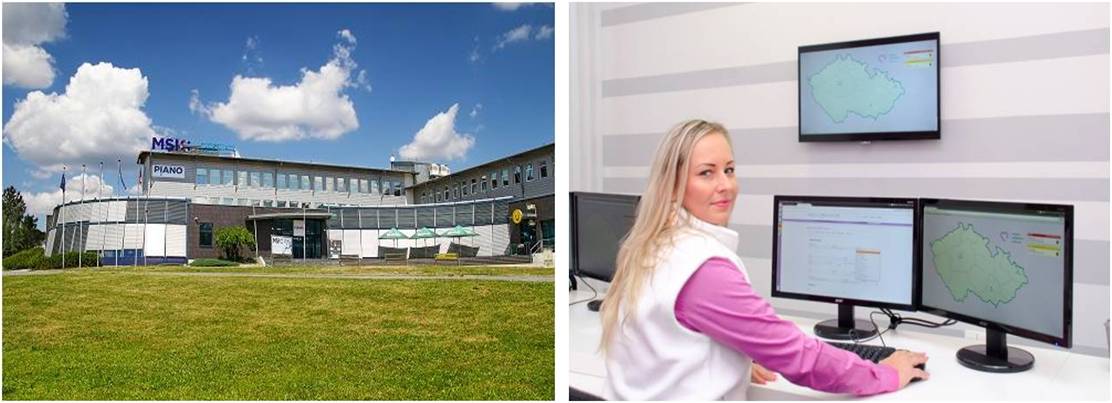
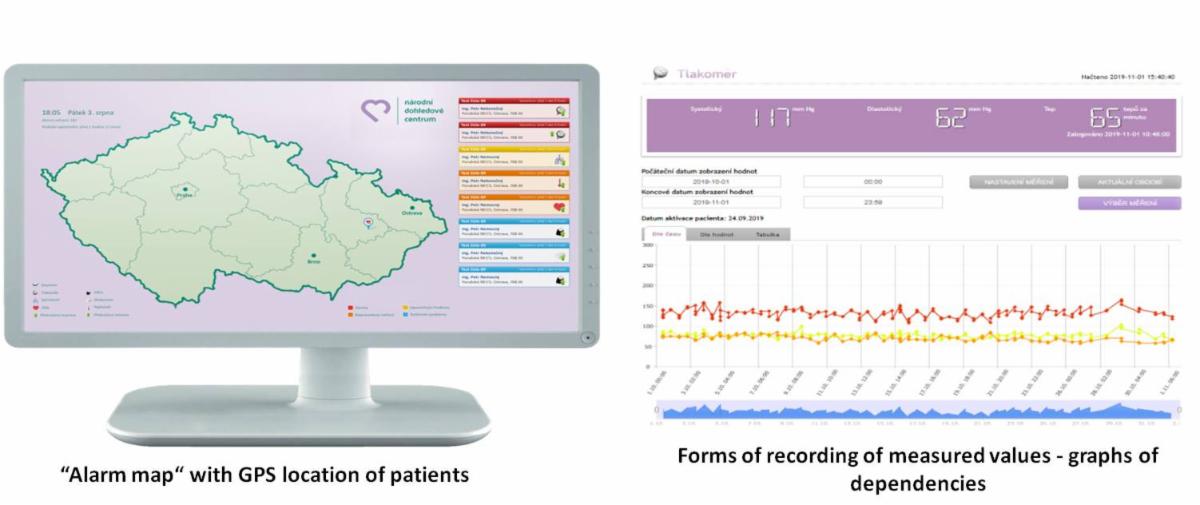
The National Monitoring Center (NDC, Národni Dohledové Centrum) was founded in the Czech Republic in 2015 by Norbert Schellong, MPH, statutory director, with an ambitious goal: to provide telemedicine services, which allow patients to monitor their physiological functions, effectively and comfortably, at home or in another environment without having to visit a medical facility and taking measurements with a doctor. The actual development of NDC's telemedicine is managed in accordance with the adopted eHealth concept and strategy of the Czech government. Since 2015, the center has successfully implemented a number of projects across medical disciplines and health service providers.
NDC´s activities include:
- operation of the monitoring center for remote monitoring of physiological functions,
- implementation of practical applications of telemedicine in medical procedures,
- support for research and development in the field of telemedicine,
- support for research, development and clinical application of innovative methods in medicine,
- related provision of health services to a limited and defined extent,
- other approved services related to production and trade according to valid legislation.
The NDC's vision is to extend telemedicine into practical applications in the context of health services.
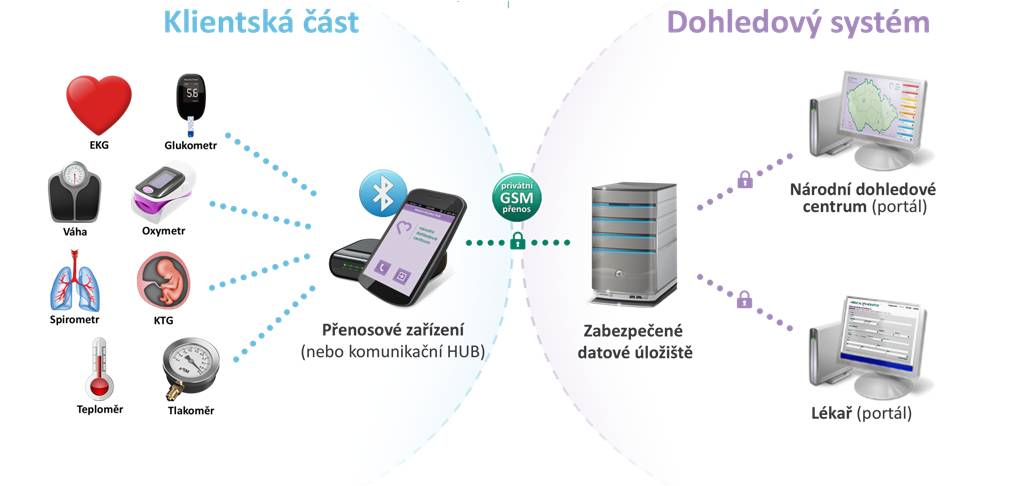
NDC uses
modern
devices suitable for telemedicine solutions to measure physiological functions
(such as ECG monitor, ECG holter, glucometer, o
ximeter
,
d
igital scale
,
b
lood pressure monitor
, i
nfrared thermometer
,
smart band, s
pirometer
).
Taking the measurements is very simple and intuitive.
The values are transmitted via
b
luetooth technology to the mobile device (hub), from where they are sent to the monitoring center via a private secure network. Acquired data are available to
doctors in real time via remote
access.
These offer effective and optimal solutions not only for large healthcare facilities (hospitals, health centers), but also for medium or small workplaces like
small hospitals, ambulances, social service providers, etc.
The user interface allows the following functionalities:
p
rivate secure network and online access
, e
asy communication between doctor and patient
,
setting of limits and critical values
,
setting the way of identifying and displaying incidents (alerts and alarms)
,
monitoring trends of measured values
, report generation, history, etc.
Examples of clinical applications of telemedicine in practice (
model
projects and target groups of NDC
):
- monitoring of patients with haemato-oncological disease,
- monitoring of patients with hypertension in cooperation with health insurance company and regional hospitals,
- monitoring of children with cardiovascular or respiratory diseases,
- monitoring of patients with cardiac arrhythmias,
- monitoring of patients with sleep apnea,
- further preventive monitoring of physiological values in seniors, children and chronically ill patients,
- and other areas of application.
A new Memorandum of Partnership and Cooperation was established on October 14, 2019, stating:
- establishment of the Center of Telemedicine Services (CTS FNO) on 1 January 2020,
- partners: University Hospital Ostrava, National Monitoring Center (NDC), Faculty of Medicine - University of Ostrava,
- implementation of eHealth - approved eHealth strategy - electronization of health care within the sub-objective Accessibility and Quality of Care using Electronization Tools,
- implementation of clinical projects, especially in the following areas: telemonitoring, teleconsulting, telediagnostics, telecare,
- participation in international projects in the field of telemedicine and eHealth,
- research and development in the field of telemedicine solutions and clinical applications, including the use of grant programs and external resources,
- implementation of pilot projects and clinical studies in the field of telemedicine solutions,
- education and training (students and medical staff),
- organization of professional conferences and seminars, educational activity,
- cooperation in drafting legislation, technical standardization and payment regulations.
|
Portugal launches National Strategic Telehealth Plan
Portugal has launched a National Strategic Telehealth Plan (PENTS - Plano Estratégico Nacional para a Telessaúde). The plan, proposed by SPMS (Shared Services of the Ministry of Health), integrates the strategy for telehealth development and is the first document in this area for the National Health System in Portugal, and among the first in the world to develop this kind of strategy.
This document intends to define an action plan to favour telehealth in health services and management. Healthcare facilitated by technology can have an improved impact by providing better access, integration of care and citizens training, as well as, prompt the digital transformation in healthcare.
The elaboration of the plan benefited from a broad consensus and incorporates contributions from SNS entities and other national experts and users (including representatives from SITT, the Iberian Society for Telemedicine and Telehealth, Portugal's national member in the ISfTeH), integrating health, economy, politics and social dimensions in the developed methodology.
SPMS has a fundamental role in the advancement of strategies through the successful development of telehealth initiatives and the implementation of information technology systems and platforms to support the health information ecosystem, for which PENTS is an excellent example.
The National Strategic Telehealth Plan can be downloaded here.
The upcoming Portugal eHealth Summit (March 18-20, 2020) will be an excellent opportunity to hear more about the Portuguese National Strategic Telehealth Plan and to discuss and compare other national initiatives. The Summit will also include the ISfTeH "Digital Health Global Commons" event (March 19-20, 2020) which will
present and debate international initiatives and experiences in the digital transformation of health and care services.
|
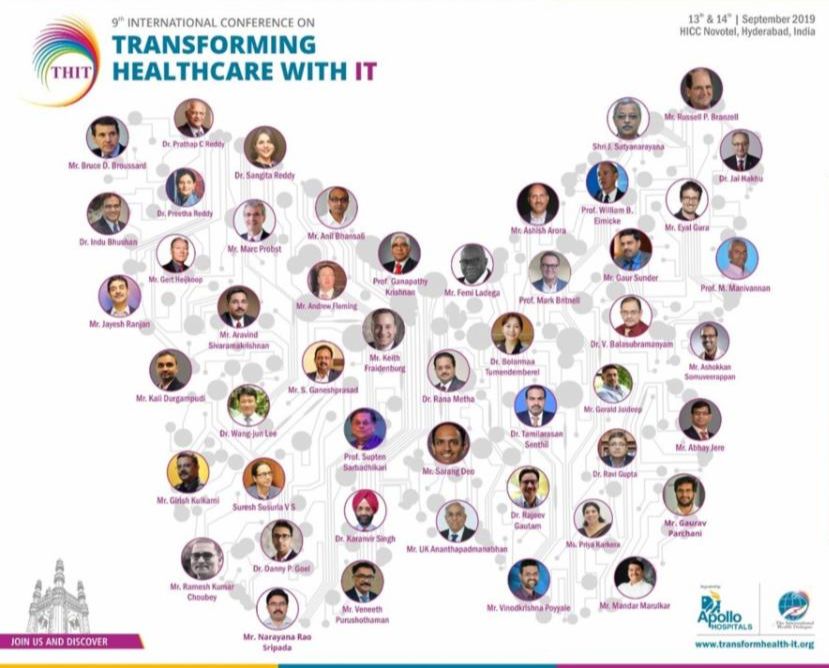
A decade of transforming healthcare with IT
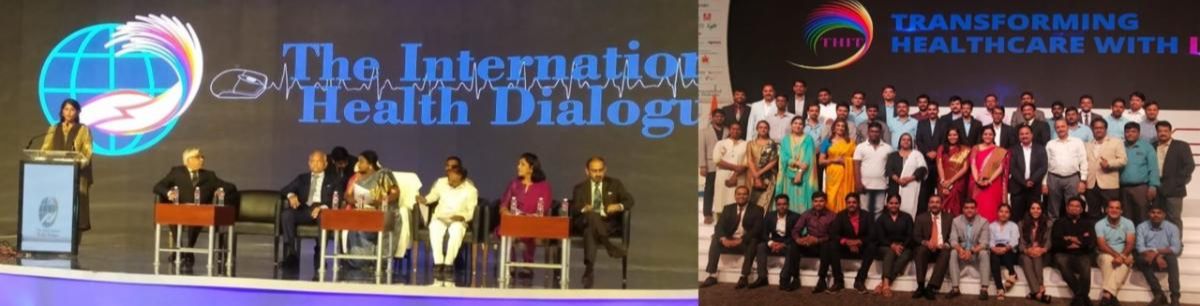
Over the years, and also in this latest edition once again that was attended by over 800 participants, the event has brought together international experts and senior government officers, healthcare organizations, industry representatives and young entrepreneurs (in start-up sessions) to talk about current health IT initiatives, but also to look ahead at AI in healthcare and other up and coming technologies.
For more information about the event, and future plans, contact Shravan Yadav (Conference Secretary).
The Apollo Telemedicine Networking Foundation is also pleased to report that Dr. K. Ganapathy, Director ATNF, has been appointed as a member of the WHO Digital Health Technical Advisory Group and Roster of Experts on Digital Health. He is joined in this Group and Roster by several other ISfTeH members and board members.
|
More awareness, availability, legal and financial regulation needed for telemedicine in Poland
The Congress "
Health of Poles 2019" organized by the
Institute of Physiology and Pathology of Hearing (ISfTeH member) took place in November '19 in Warsaw, Poland. Ministers, scientists, physicians, medical equipment manufacturers, representatives of science and business, as well as representatives of non-governmental organizations took up discussions on topics important for the health of Poles, incl. a panel on "Current possibilities of telemedicine and the level of its implementation in Poland." Problems related to the development of telemedicine in Poland were discussed. The session was chaired by Prof. Piotr Henryk Skarzynski (ISfTeH Board Member) and Prof. Ryszard Piotrowicz. The panel participants tried to answer the question whether telemedicine is a cure for health care problems.
The first issue raised was the lack of awareness among doctors and patients about the benefits of telemedicine. This concerns both the understanding of telemedicine and its role in the healthcare system. The talks also focused on the possibility of increasing the availability of telemedicine services in Poland. One should aim at overcoming digital barriers, which for some people, especially the elderly and the disabled, still constitute an obstacle or make it impossible to connect remotely with a medical professional.
Other key topics were legal issues and the method of financing telemedicine services in Poland. Currently, the legal regulations concerning telemedicine services are not fully consistent with other system regulations. This often leads to doubts among specialists as to the admissibility of providing such services. Such a state of affairs may generate unnecessary doubts in the interpretation and unjustifiably limit the use of telemedicine. In order to remove these restrictions, it is necessary to propose and adopt further legal changes to ensure a friendly and flexible regulatory environment that guarantees the use of telemedicine technologies by medical professionals.
|
|
|
|
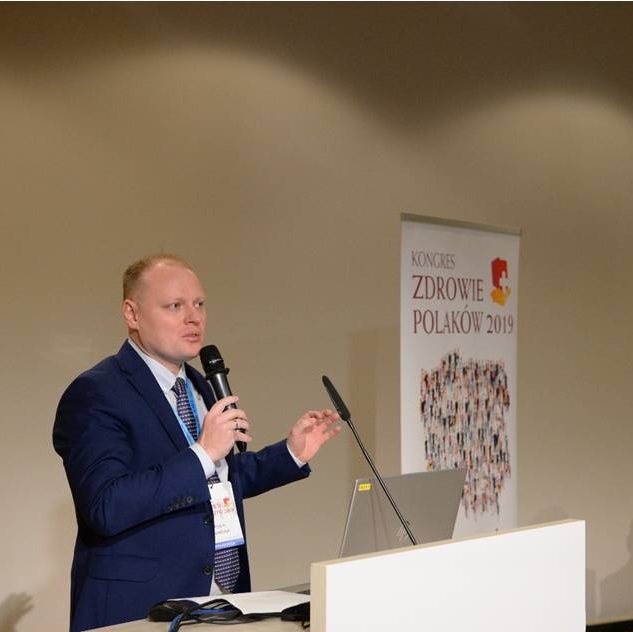
Piotr Henryk Skarzynski (ISfTeH Board Member) opening the session "Current possibilities of telemedicine and the level of its implementation in Poland. Telemedicine as a cure for health care deficiencies?"
|
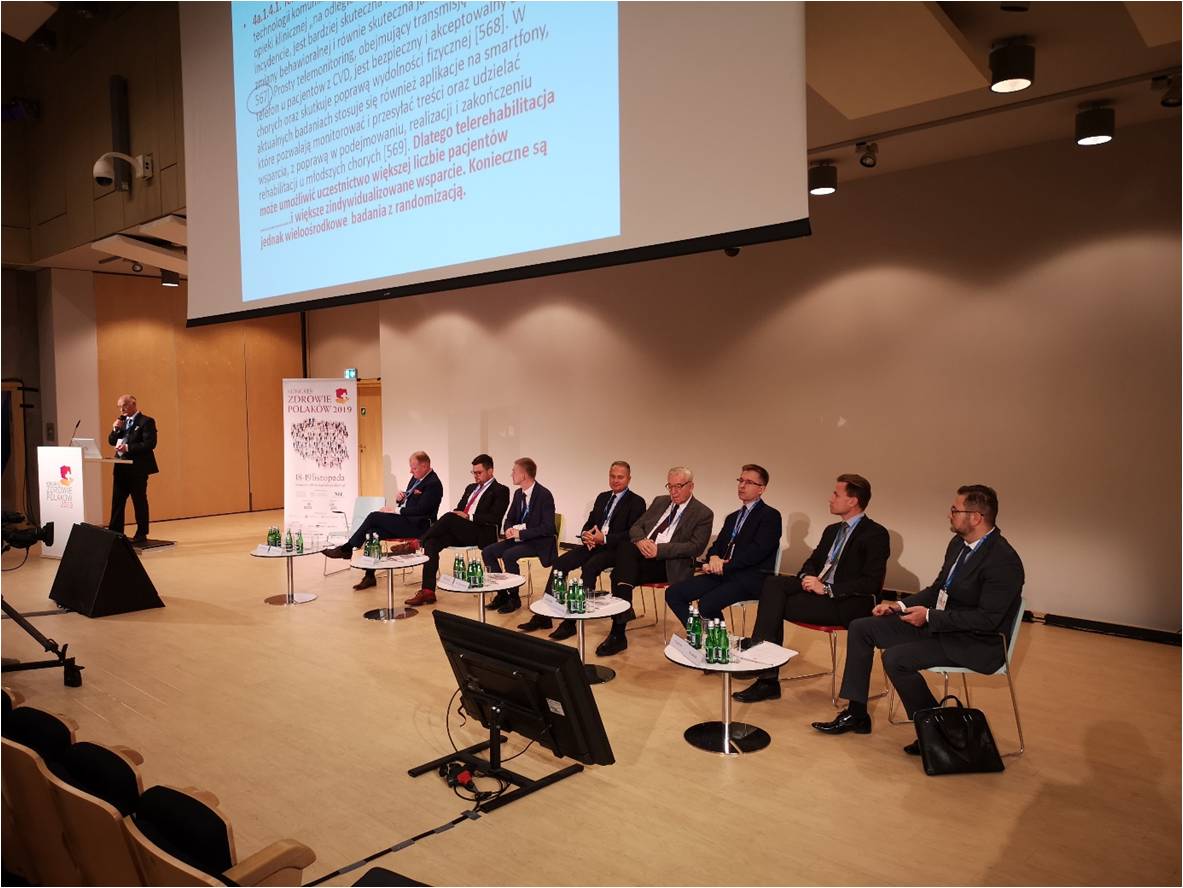
Specialists taking part in the debate on telemedicine
|
The level of public funding for telemedicine in all areas is insufficient. Currently, only geriatric teleconsultation, cardiovascular teleconsultation and telerehabilitation are financed from the state budget in Poland. The scale of telemedicine services financed by the National Health Fund is insufficient in comparison with a wide range of telemedicine solutions available in Poland.
The discussion raised important issues related to the implementation of telemedicine in Poland, its availability and financing. The most important for its development turned out to be legal and security issues, as well as the availability of services and awareness among patients and physicians about the benefits of telemedicine, Telemedicine may revolutionize the market of medical services, but without proper preparation of the system, patients and specialists and legal issues, will not have the opportunity to develop in Poland at the same pace as e.g. in Europe.
More information about the event is available here.
|
ISfTeH Teledermatology Working Group compiles list of dermoscopy websites
The ISfTeH Teledermatology Working Group has compiled an initial list of dermoscopy websites. Dermoscopy images can easily be sent, along with clinical photos of patients' conditions, through the internet to experts to help members evaluate and manage their patients.
Members of the
ISfTeH community who have additional websites or links to articles on dermoscopy are encouraged to contact the
ISfTeH Teledermatology Working Group at
info@isfteh.org.
|
Review of the ESC Digital Summit
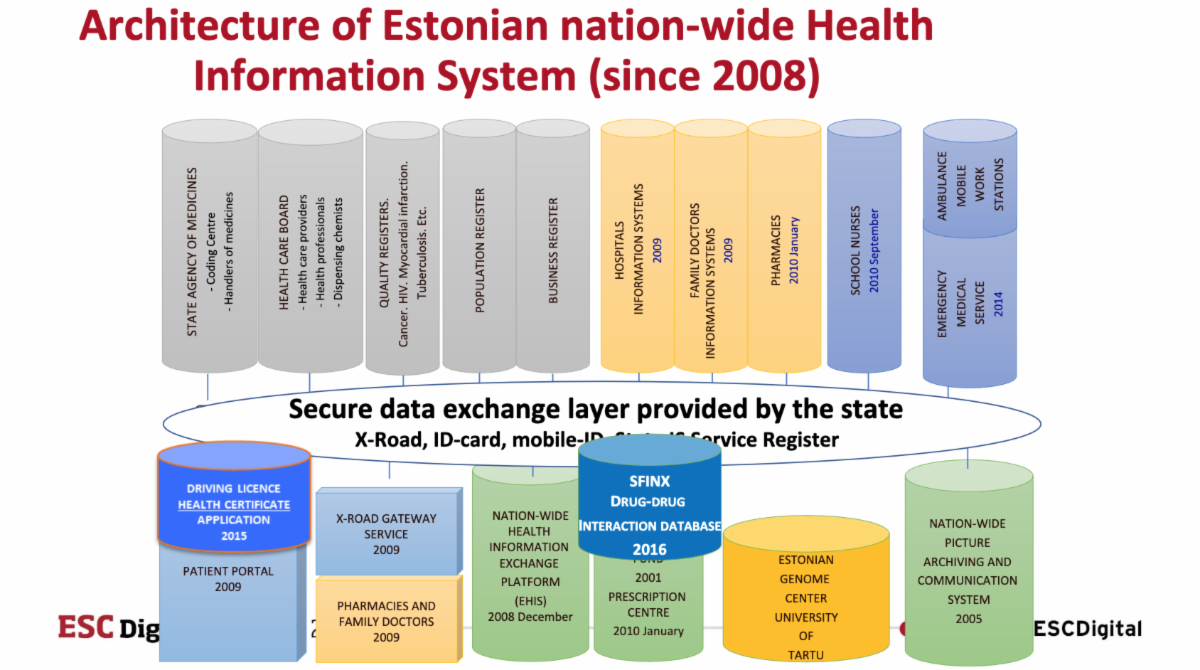
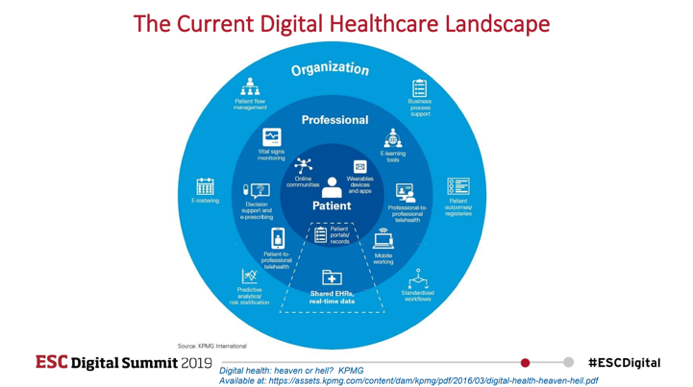
ISfTeH Telecardiology Working Group coordinator, Dr. Alexandru Mischie, reports on some of the highlights of his participation at the ESC Digital Summit. This was an initiative of the European Society of Cardiology, and took place in Tallin in October '19. The location was not chosen by accident, as Estonia has 99% of health data digitized and 99% of prescriptions are digital. Prof. Viigimaa exposed the architecture of the Estonian Electronic health system in a comprehensive presentation. Current organization of digital healthcare was reviewed by Prof. Martin Cowie in an excellentpresentation, where he highlighted that we need to identify barriers and find appropriate solutions for this emerging sector. We will always find at the center of our care the patient and his family, and this aspect should not be overlooked or forgotten, especially in this rapidly digitalized era.
Patient care, patient empowerment and nursing issues
were also addressed by
Prof. Donna Fitzimons
and ACNAP President-Elect
Lis Neubeck,
with accent on developing the short and longer path to action which have in center the patient and the nurse (as midlevel team member). Digital nursing session gathered a lot of constructive comments, with Donna Fitzimons stating that if a patient is at ease at using online interaction with a "digital" nurse (avatar talking and guiding the patient by means of artificial intelligence), then we should use this technology mainly to prevent, and not to treat.
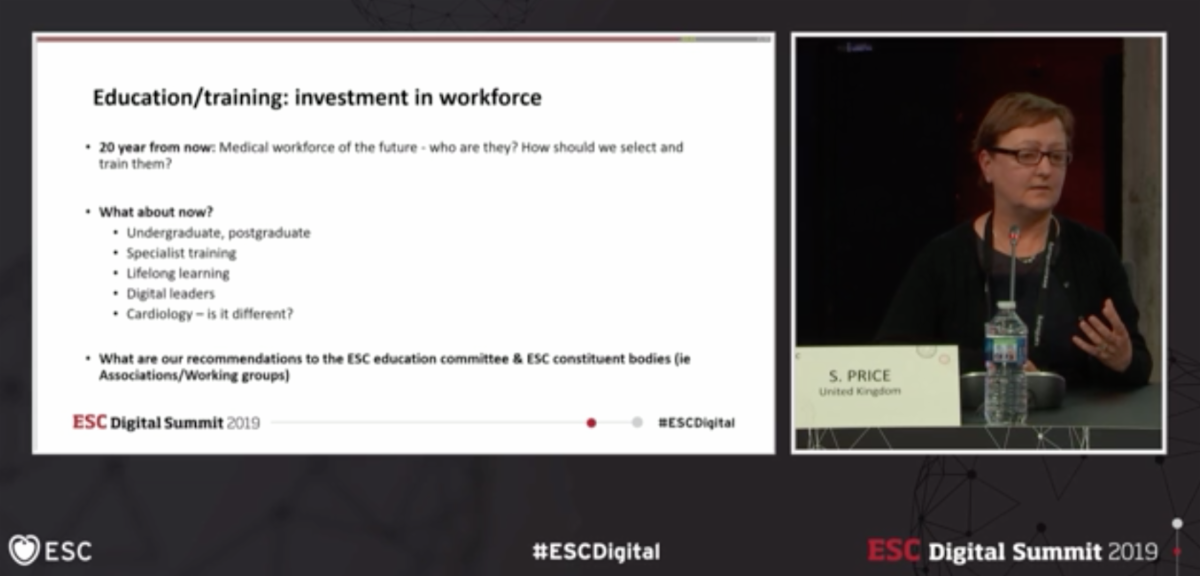
A very interesting session addressed the issue of preparing the healthcare force for the digital future chaired by ACCA President
Susanna Price
. Even though some solutions have been highlighted in an important
scientific paper
, like the need for a culture of learning (develop extensive learning environment, encourage innovation and dare to fail), building a strong learning infrastructure and developing a multi-professional and collaborative approach to learning, these approaches are unachievable in the current state of the medical system in Europe, where most of the current medical personnel are disengaged or over-fatigued, doctors and nurses are burned-out. Does technology make things worse for the medical workers? Can artificial intelligence and automation ease things? See the debate
here
.
The same issue was addressed in another
session
. While trying to find solutions for the future, present issues of healthcare professionals and the digital boom relate to lack of trust and poor experience with new technologies, difficulty to interact with technology, fear of change. This is maybe where artificial intelligence could make the difference, as it can improve healthcare efficiency and delivery and could replace human involvement in some tasks of the medical industry, as suggested by Dr. Casado Arroyo. However, present algorithms are not completely mature yet.
Cybersecurity
was a hot topic. Dr. Avi Fischer resumed some of the important cautions to take in reducing cybersecurity risks, such as:
- sharing responsibility between stakeholders-healthcare facilities, patients, providers, and manufacturers of medical devise;
- cybersecurity should be a priority during the design and development phase of the medical device and the issue should be addressed in a "Bolt-On to Integrated" fashion;
- if a vulnerability is found, communication and coordinated actions between stakeholders and healthcare facilities are vital. Development and involvement of government structures to assure security is very important.
The participants also expressed the urgent need for developing secured protocols to transmit data.
A special session dedicated to electronic medical records (EMR) can be accessed
here
. The consensus was that even though EMR are an efficient data base that can help health professionals in decision making, they is also time consuming. A new concept that consists on "less keyboard, more patient contact" should be adopted, because according to
one study
, for every hour physicians provide direct clinical face time to patients, nearly 2 additional hours is spent on EHR and desk work within the clinic day, and outside office hours, physicians spend another one to two hours of personal time each night doing additional computer and other clerical work.
Dr. Nico Bruining
highlighted an important limitation of EMR used in Europe (vs. US), notably in Europe we use more than 30 languages that makes data collection difficult, and that should probably be addressed by a future Horizon 2020 project.
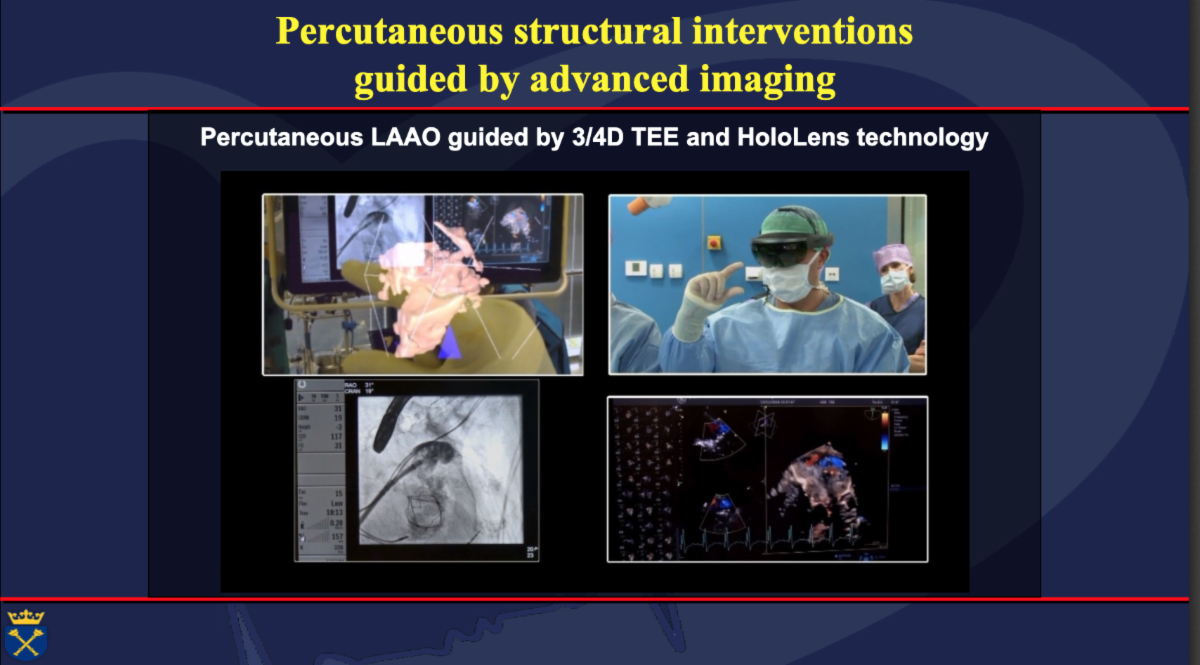
Augmented, mixed and virtual reality
debates were really interesting. The 3 terms are intercorrelated and should not be confused one with another:
- Virtual reality (VR) immerses users in a fully artificial digital environment.
- Augmented reality (AR) overlays virtual objects on the real-world environment.
- Mixed reality (MR) not just overlays but anchors virtual objects to the real world.
The 2 main applications in medicine target the patients and of course the doctors. For patients,
one of the presenters
suggested that VR will do for patient education what Google Maps has done for navigation, thus it "will transform learning experiences by better retention and recall, it will improve patient journey and will determine behavioral change by challenging health beliefs through impactful experiences".
For doctors, Dr. Dariusz Dudek explained how a pioneer program of mixed reality that is currently used in Poland helps cardiologists choose a better punction site for TAVI, with expectancy in the very near future to have VR mask that will allow cardiologists to have echo, CT and eventually other 3D reconstructions in the corner of their eyes, while a cardiac intervention is taking place. Other important applications are stroke recovery and cardiac rehabilitation.
Over-utilization of medical devices.
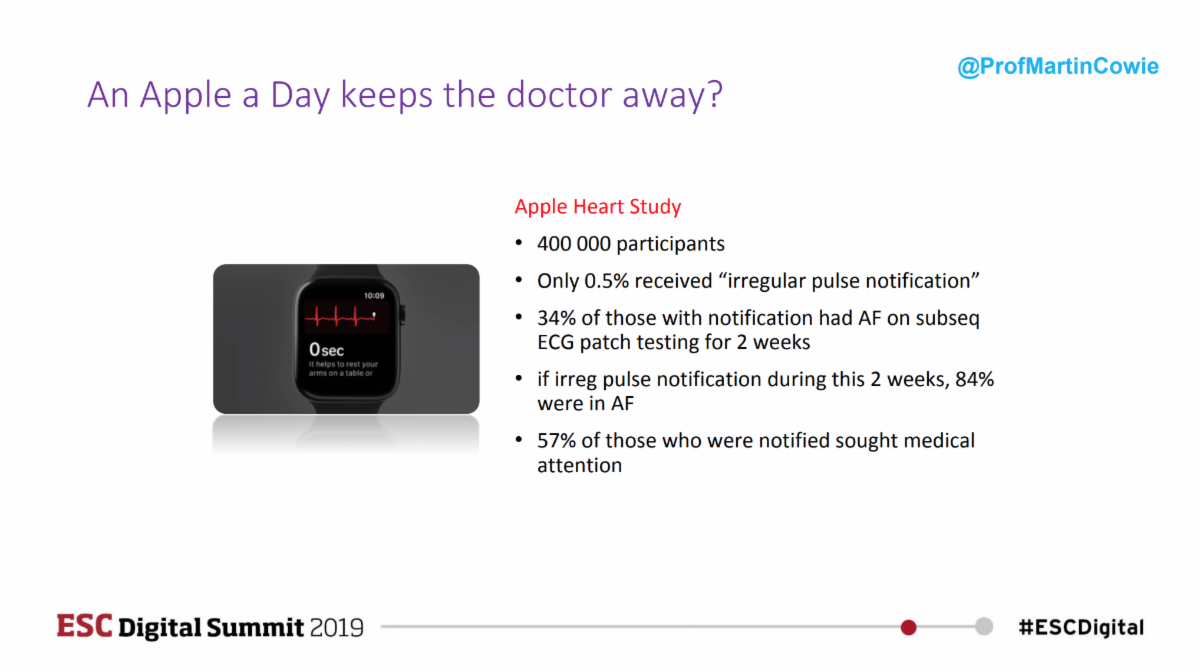
One of the worries highlighted was that this new technology could cause anxiety in healthy fit subjects, translating into unnecessary consultations either by their general practitioner either by their cardiologist, as presented by
Prof. Martin Cowie
. 57% of subjects from the "Apple heart" study thought to seek medical attention after having an alarm from a smart device.
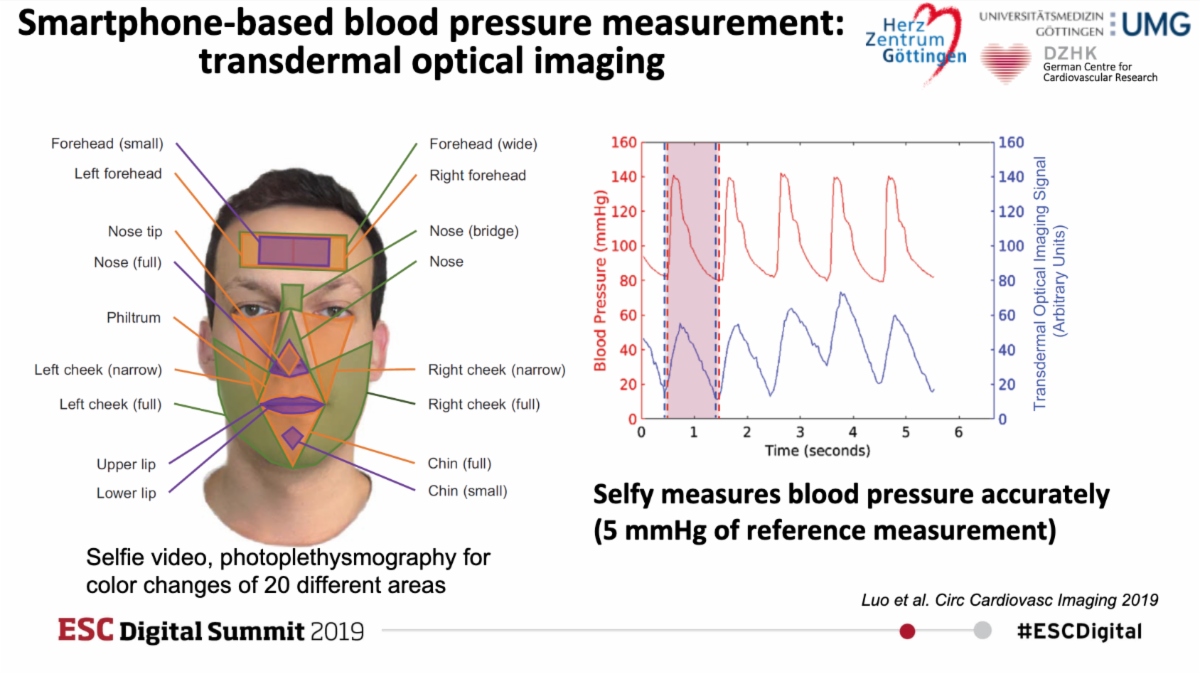
Even though wearables and connected devices impact sometimes positively our daily lives (sleep apnea analysis app, selfie to quantify oedema app, accelerometers incorporated into devices that quantify daily effort, smartphone-based blood pressure measurement by
transdermal optimal imaging
, etc),
Dr. Klaus Witte
highlighted that there is increased concern that wearables and connected devices impact negatively the society by increased (but unnecessary) cost to the consumer, and increased (but unnecessary) cost to the medical system (by over-investigating a healthy person thus launching a battery of tests like holter ECG, echocardiography, stress test). With this in mind, there was a unanimous consensus that medical wearables and connected devices should target special groups of populations if we want to avoid death, strokes or hospitalizations and the clinical benefit of these kind of devices should be carefully thought and evaluated.
Conclusions
Digital technology can help healthcare by providing new tools for diagnosis and therapy delivery, redesigning clinical pathways, individualized risk stratification and individualized care, patient empowerment and education, support to precision medicine (thus fewer medical errors), and telemonitoring. Digital technology and connected devices (tablets, wearables, apps) could enhance decision making of health professionals only if there is a direct link towards a clinical benefit, and maybe they would have a huge impact if they could be directly linked also to EMR. In real life, adoption of digital technology in healthcare depends on validation, easy integration of workflow & prescription pathways and ability to reduce work.
Consumers could think that by using digital technology and connected devices, they take control over their health; this is partially false because alarms issued by devices could translate into unnecessary consultations and increased cost to overall health system by doing unnecessary tests in otherwise healthy subjects. Narrowing the indications and the target population for the use of this devices should be a priority.
And finally, some punctual issues need rapid and clear solutions: stricter security protocols should be incorporated in data transmission, regulations should be adopted for all digital technology (there are too many devices and few regulations), the huge amount of data (that is collected from all digital technology) needs to be transformed into information.
|
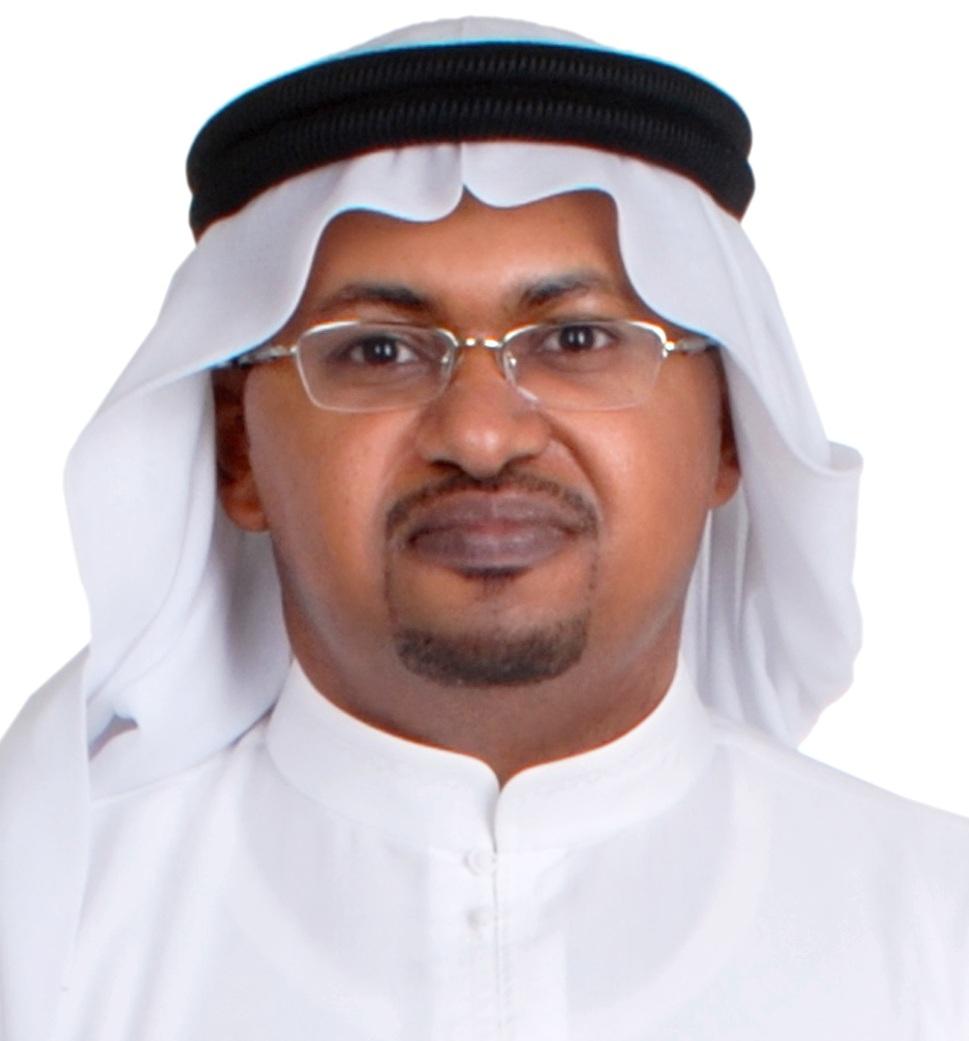
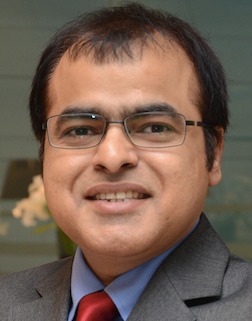
Board member spotlight - Osama Elhassan
Dr. Osama Elhassan is Health Informatics Specialist at Dubai Health Authority, which is a 13,000 employee public healthcare service provider as well as the regulator of the private sector in the UAE. He
has been recently appointed to the Board of the International Society for Telemedicine & eHealth. Moreover, he was selected among
HIMSS Future50 for 2019 class with the Healthcare IT category.
Dr. Elhassan has active engagements with many players in the Healthcare IT ecosystem such as HIMSS and AHIMA to develop regional and international activities in the MENA region. He also plays a key role in shaping Dubai's strategic initiative to adopt telehealth through supporting knowledge transfer and adopting best practices on the regulatory aspects.
Dr. Elhassan currently resides in Dubai, UAE, overseeing the Healthcare IT strategy and healthcare informatics standards for the entire healthcare ecosystem in Dubai. This includes architecting Dubai's Health Information Exchange platform and its interoperability standards. He also contributes to the development of Telehealth technical standards to ensure the quality, scalability, robustness and compliance of telehealth implementations in Dubai.
Dr. Elhassan is a software engineer by training with more than 20 years of experience half of which are in the healthcare domain. He obtained a PhD in Software Engineering from the University of Leicester, UK in 2009 and a M.Sc. in Advanced Computing from Imperial College in 1998. Dr. Elhassan has a strong background in health informatics with special focus on information governance and electronic medical records. Dr. Elhassan is honored to be appointed a Board Member position in the ISfTeH and greatly looks forward to serving the interests of the ISfTeH and its members.
|
|
Upcoming ISfTeH supported meetings and conferences
ISfTeH Events:
|
|
Digital Health Global Commons - powered by ISfTeH
19-20 March 2020
Lisbon, Portugal
|
|
25th ISfTeH International Conference
8-10 October 2020
Takasaki, Japan
|
|
ISfTeH Supported Events:
|
|
MENA Telehealth Conference
26 January 2020
Dubai, United Arab Emirates
|
|
AgeingFit
28-29 January 2020
Nice, France
|
|
Swiss Congress for Emergency Telemedicine & Digital Health
13 February 2020
Bern, Switzerland
Conference program available
here
|
|
5ème Forum International de la Santé Numérique & Télémédecine
27-29 February 2020
Hammamet, Tunisia
|
|
Portugal eHealth Summit
18-20 March 2020
Lisbon, Portugal
|
|
Pro Digital Health
26-27 March 2020
Poitiers, France
|
|
XXXV World Congress of Audiology (Telemedicine Session)
19-22 April 2020
Warsaw, Poland
|
|
eHealth 2020 - 25th Finnish National Conference on Telemedicine/eHealth
20-22 April 2020
Helsinki, Finland
|
|
Health Data Forum
7-8 May 2020
Cascais, Portugal
|
|
2nd Global Summit Telemedicine & Digital Health
2-5 June 2020
São Paulo, Brazil
|
|
Telemedicon 2020
20-22 November 2020
Lucknow, India
|
|
ISfTeH Supported Events Calendar
and
Other Telemedicine/eHealth Events
|
|
New ISfTeH members
The ISfTeH is pleased to welcome the following new members into its global network:
Institutional Member:
|
|
|
|
|
|
|
|
National Monitoring Center (Národni Dohledové Centrum - Ustav Vyvoje a Klinickych Aplikacic z.u.), Czech Republic
|
|
|
Corporate Members:
|
|
Corporate Start-Up Member:
|
|
|
|
|
|
DKV Servicios, Spain
|
The Medical Society, South Africa
|
Ziedet Blooming Health, Puerto Rico
|
Individual Members:
|
Nurse Member:
|
|
|
Leonardo Vasconcelos, Brazil
Jean-Luc Levy, Switzerland
|
Moustafa Ali, Germany
|
|
Student Members:
|
|
|
|
Md. Hassan Asrafe, Bangladesh
Muhammad Usman Javed, Pakistan
Sharlin Mahmood, Germany
|
Ebulueme Chidiebere, Germany
Olamide Sadare, Germany
Leonardo Monteiro, Brazil
|
|
Click here for full member list or to join as a new member
|
|
Join the International Society for Telemedicine & eHealth and participate in ISfTeH Working Groups
- Are you heading a national or regional telemedicine/eHealth organization?
- Do you offer telemedicine products and solutions?
- Are you doing research on telemedicine and eHealth applications and technologies?
- Does your organization provide (or wants to offer) care services by means of telemedicine/eHealth technologies?
- Are you engaged in healthcare policy?
If so, you should consider joining the ISfTeH network to expand your global reach, enhance your network, broaden your knowledge and learn about key issues and new ideas in telemedicine and eHealth by interacting and engaging in partnerships with other ISfTeH members from around the world.
As a member, you will also be able to participate in or actively contribute to the ISfTeH Working Groups (WGs), or start up new initiatives. Current WGs include among others Open Source Software, Chronic Disease Management, Social Media, Telenursing, Students, Women and eHealth, Tele-audiology, Telecardiology, Teledentistry, Teledermatology, Tele-urology. Contact info@isfteh.org if you are interested in any of these topics or want to join a Working Group.
Or if you are interested in obtaining exposure in future editions of this newsletter (through advertising, feature articles, etc.), contact us at info@isfteh.org.
For more information: www.isfteh.org
|
|
Partners & Corporate Members
|
|
Questions, suggestions? Our board members listen to you!
The ISfTeH board members will be pleased to hear from you with any questions or suggestions you may have related to the Society itself or regarding any telemedicine and eHealth applications or services that you are working on or that you are looking for:
Management Board
Submit your questions/suggestions via info@isfteh.org.
|
|
ISfTeH Lifetime Achievement Awards
|
|