|
Updates from the ISfTeH Global Telemedicine & eHealth Network (October 2019)
|
|
Read in this issue about a range of new ISfTeH members, telehealth opportunities and initiatives in the Middle East, new ISfTeH event, ISfTeH member in the BBC 100 Women of 2019, eHealth adoption in the EU, upcoming events, and more.
|
|
Letter from the Executive Director
Dear reader,
It is that time of year again, when the ISfTeH family goes into election season, this time to choose two Board members in the Nationals category and one in the Associates subgroup. I encourage everyone who is eligible to vote in either of these two categories to take part in the online voting when it starts in November. Going to the polls makes one think not only of the governance of the Society, but also of the bigger picture that is the work of the Society and its impact. And that brings me to the main thrust of this letter. Starting with the passage of the World Health Assembly resolution on digital health in May 2018, the world has launched squarely into the age of digital health. At the very least, the global policy basis for digital health has been put in place. WHO has since created a Department of Digital Health, as well as the Digital Health Technical Advisory Group and Roster of Experts. We are pleased to note that two members of the Board of the ISfTeH, Piotr Skarzynski and Raj Gupta, were selected for this honor, as well as several other members of our global network. Our congratulations to all of them. As WHO puts it, "The engagement of
[
the
]
roster of experts will be driven by the different topics and workstreams that WHO will establish in the evolving digital health ecosystem." WHO expect to work with these experts "... to harness the power of digital health to help achieve WHO's triple billion goals as set out in our General Programme of Work (GPW13), and Sustainable Development Goal 3: Ensure healthy lives and promote well-being for all at all ages."
We, in the ISfTeH, look forward to even wider involvement of the members of our community in this work, You would have noticed that the Society's logo now has the by-line "Your global partner in digital health". This underscores our commitment to the cause of harnessing the power of digital health to support health around the world. This emphasis on digital health also converges with our long-standing efforts on the Global Knowledge Commons, whose purpose is to address the digital health question "Who is doing what, where, how well is it working, what can we learn from it and what can we share from it?" To further support this, the Society is preparing for a significant new initiative, the ISfTeH Digital Health Global Commons 2020. It will be held next year in March, in Lisbon, Portugal, and will launch a series of annual events of the same genre.
Digital Health Global Commons 2020 will include two key focused sessions: one a meeting of the minds, and the other a market place for the demand and the supply sides of digital health endeavors. This brings back nostalgic memories of a previous era in the life of the Society and, in some ways, represents a rebirth of Med-e-Tel, an event which brought together large swathes of our community each year for over fifteen years. We expect the annual Global Commons events to continue the Med-e-Tel ethos of being the digital health event for networking, education and business.
We expect the events to strengthen co-creation among the various levels of our society - individuals, collectives of various stripes at national and international levels, and at international level, the Board and other organs of the Society such as working groups and committees. A recent activity serves to illustrate the society-wide engagement that we have always advocated, and that we hope to see more of in the future. A Board member chaired a successful webinar on digital health leadership, delivered by an individual member of the ISfTeH, representing a national association. We congratulate Michele Griffith (chair) and Dina Ziadlou (lecturer), for their planning and successful delivery of this recent webinar. In the same vein,
an invitation to the ISfTeH from the organizers of a "Smart City" conference in Ostrava (Czech Republic) next month will have the ISfTeH actively present through a representative of the ISfTeH Management Committee as well as a representative from one of our Corporate members. These are the types of society-wide engagements that bind various levels of the ISfTeH
into a creative force for digital health, that is available to support universal health coverage and Sustainable Development Goals 3 (SDG3) throughout the world.
Sincerely,
Prof. S. Yunkap Kwankam
Executive Director
International Society for Telemedicine & eHealth
|
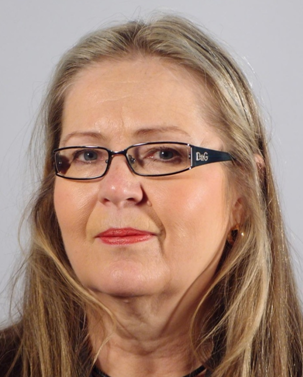
Veronique Thouvenot of ISfTeH WoW and Zero Mothers Die initiative makes it to BBC 100 Women 2019
Congratulations Veronique and Zero Mothers Die colleagues!
|
eHealth adoption in primary healthcare in the EU is on the ris
e
According to a new study, eHealth adoption in primary healthcare in the EU has increased from 2013 to 2018, but there are large differences between the countries surveyed. Compared to 2013, the group of General Practitioners (GPs) who are enthusiastic about eHealth has doubled.
Countries with the highest level of adoption (Denmark, Estonia, Finland, Spain, Sweden and the United Kingdom) show that the use of eHealth is routine among GPs, while countries with the lowest level of adoption (Greece, Lithuania, Luxembourg, Malta, Romania and Slovakia) show that eHealth is currently not widespread.
The study analysed different eHealth categories, such as use of Electronic Health Records (EHR), Health Informatics Exchange adoption, Telehealth, and Personal Health Record (PHR) adoption.
Among the factors that influence the use of eHealth are: Design and availability of applications; Motivations, attitudes and intentions; Perceived benefits, barriers and impacts; Institutional settings; Organisational settings; Community demands; Individual characteristics, social influence and networks. The analysis of the drivers and barriers reported by the GPs showed that the practice settings are correlated with adoption levels.
On average, eHealth adoption is higher among countries with NHS system as compared to social insurance and transition countries. Denmark, Finland and Sweden are the countries with the highest scores among NHS countries; Ireland, Belgium and France have the highest scores among social insurance countries; and Estonia, Croatia and Czechia are leading among the transition countries. Overall, transition countries have lower levels of adoption compared to NHS and social insurance countries, with the exception of Estonia: it is not only ranked among the top five countries across all four eHealth categories and in the overall adoption of eHealth, it also had the highest increase in the level of adoption since 2013.
In addition to the health system type, the type of practice is also associated with overall eHealth adoption. GPs working in health centres and group practices have higher adoption levels than those working in solo practices or under other arrangements (i.e. free-lance and others).
For more information, see ec.europa.eu/digital-single-market/en/news/ehealth-adoption-primary-healthcare-eu-rise. The full study is available here.
|
National member spotlight -
Emirates Health Informatics Society (EHIS)
The Emirates Health Informatics Society (EHIS) is a scientific society founded in 2014 by a handful of eHealth pioneers within government healthcare organizations and universities to promote eHealth and the use of ICT in UAE health sector.
EHIS operates under the umbrella of the Emirates Medical Association, which is a non-profit professional organization. Since 2014 EHIS has co-organized several eHealth events in collaboration with renowned international digital health organizations such as HIMSS. Such collaboration is now coined "the annual HIMSS UAE eHealth Week".
The society recently extended its mission by including the final goal to improve healthcare by means that go beyond the classic Health Informatics discipline. Tele-Health is considered one of the low hanging fruits to realize this strategy. EHIS became an official national member of the ISfTeH in March 2019 and we actively participated in the ISfTeH International Conference in the same month where an ambitious plan was agreed with the ISfTeH board to promote Tele-Health in the Middle East and North Africa region. The plan includes developing a number of activities and events throughout the next two years, such as an event that targets the Middle East & North Africa region on January 26, 2020 (MENA Telehealth Conference). The overall plan will be crowned by hosting the 26th ISfTeH International Conference in 2021 in Dubai, UAE.
Telemedicine commenced in UAE in late 2014 by some local and international experiences initiated by a partnership that was established between Swiss Telemedicine provider Medgate (ISfTeH member) and a local partner, to form the Abu Dhabi Telemedicine Center (also an ISfTeH member). Two years later, Dubai Health Authority issued a telemedicine policy and guidelines that regulate telemedicine practice in Dubai. As of today, 17 telemedicine providers are licensed to operate within the Emirate. In this year, the Ministry of Health and Prevention (MoHAP) took a bold decision to permit telemedicine practices within its core Medical Responsibility Law.
EHIS is working closely with healthcare regulators in the UAE as well as licensed Tele-Health service providers to leverage telemedicine policies, strategy and implementation in UAE. Promoting such multi-stakeholder collaborations is the only viable approach to pave the way for smooth implementation and adoption of virtual care services which requires even special coordination with non-healthcare stakeholders such as the Telecommunication Regulation Authority (TRA) and the National Electronic Security Authority (NESA) to secure robust VoIP and Video streaming services.
Next to being a member in the ISfTeH, EHIS also gained full membership of the International Medical Informatics Association (IMIA) and became a founding member of the Middle East and North Africa Health Informatics Association (MENAHIA). Moreover, the Health Information Management club within EHIS is following up with the International Federation of Health Information Management (IFHIMA) to approve our membership request before the end of 2019.
|
Corporate member spotlight - American TelePhysicians
American TelePhysicians (ATP) is a physicians led digital healthcare organization based in Jacksonville, Florida (USA), which is transforming global healthcare by establishing and interlinking innovative digital healthcare eco-systems to improve access, affordability and awareness.
ATP's healthcare eco-system is built around its innovative direct-to-patients one-stop healthcare platform, CURA4U, (www.cura4u.com) which not only educates patients about their healthcare needs but also consolidates local and distant healthcare services (including physicians for both office visits and online visits, labs, radiology, pharmacy and other ancillary services) with upfront discounted price information (like an Amazon of healthcare). Patients can search and choose the service provider and pay online to schedule healthcare services. They also get access to their portal for healthcare records. ATP is running CURA4U projects in USA and Pakistan (under the name SHIFA4U) with plans to expand it to other countries in collaboration with reliable local healthcare partners.
Another of ATP's projects, SMARTCLINIX (www.smartclinix.net), is a cloud-based, electronic healthcare records with telemedicine platform, and including other advanced features. It is designed by physicians for physician practices, clinics and medical NGO's to make them go digital. SmartClinix is being used by physicians' practices both in USA and international markets.
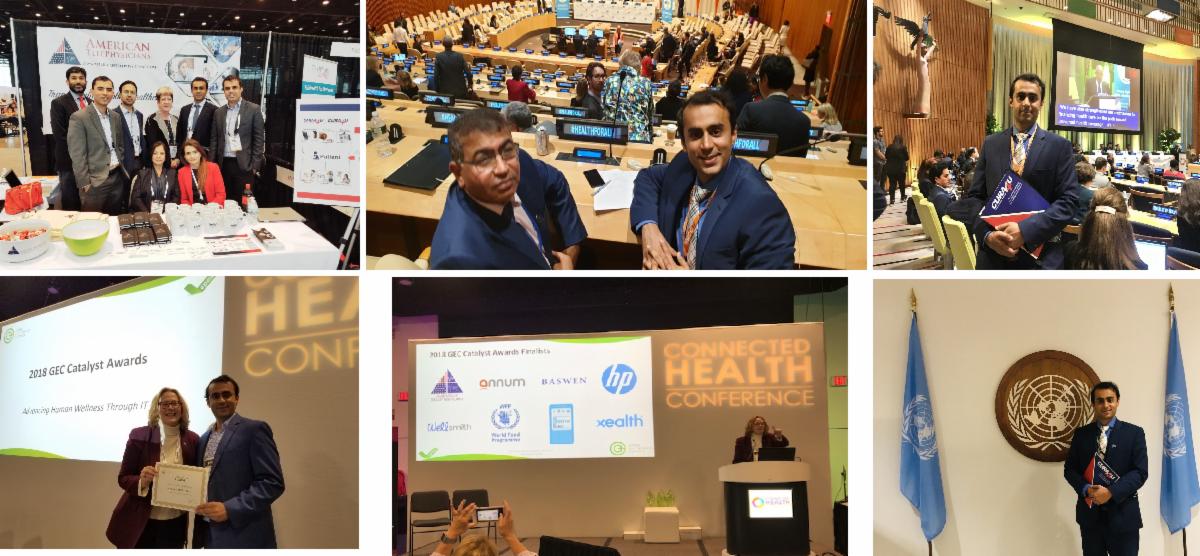
ATP was founded by Dr. Waqas Ahmed, a Pakistani-American physician based in Jacksonville, Florida, who was recently invited by the United Nations for its high-level meeting on Universal Health and has also been named among the Top 50 Healthcare Technology CEO's. Under his leadership ATP has expanded its operations in both USA and international countries. ATP has won various national and international awards. ATP was also selected for the GEC Catalyst Award at the Connected Health Conference in Boston, as well as being among the Top 6 Digital Healthcare Companies in 2018 by the American Telemedicine Association.
|
Digital Health Global Commons: new annual ISfTeH meeting
After a successful 24th edition of the ISfTeH International Conference in Portugal earlier this year (organized together with our Portuguese national member, SITT, and institutional member, the Centro Nacional TeleSaude, part of the Shared Services of the Portuguese Ministry of Health), it was decided to stage a new, annual ISfTeH meeting and conference in conjunction with the annual Portugal eHealth Summit, i.e. the Digital Health Global Commons*, which will gather ISfTeH members from around the world and other digital health stakeholders and experts to provide and discuss digital health insights, practical applications, national/regional policies, and more.
The first edition is scheduled for 19-20 March 2020 in Lisbon, Portugal in conjunction with the Portugal eHealth Summit 2020 (which will run from March 19th till March 21st). The Global Digital Health Partnership is also looking to organize a meeting during that same week in the margin of the Portugal eHealth Summit, making it truly an international meeting of the minds not to be missed.
Participate in this event to share your own digital health activities with ISfTeH members and a wider range of stakeholders, and to discuss possibilities for collaboration. The event will of course also be an excellent opportunity to witness firsthand what the Centro Nacional TeleSaude and SITT are doing in Portugal and which telemedicine and eHealth initiatives they are implementing.
If you would like to make a presentation or participate in a debate session at the conference, please submit your proposal at bit.ly/DHGC_presentation_proposal (by November 15th).
If you have any questions about the event, contact us at info@isfteh.org. There are also sponsorship opportunities available. If this is of interest, also contact us at info@isfteh.org for more details.
|
Associate member spotlight -
CBR (Colegio Brasileiro de Radiologia e Diagnostico por Imagem)
In the context of telemedicine, the Teleradiology Commission was created in 2009 and has been acting in the field of legislation and good practices for about 12,000 physicians who are qualified as specialists by the CBR and that are unevenly distributed in a country with continental dimensions and socioeconomic specificities.
In Brazil, unlike other countries, there are specific resolutions for teleradiology that were approved by the Federal Council of Medicine. The first one was published in 2009 (CFM No. 1890/2009) and it was updated in 2014 (CFM Resolution No. 2107/2014). For Brazilian Teleradiology, following acts are forbidden:
- direct remote care between specialist doctor and patient;
- teleultrasonography;
- second opinion among non-specialists, except in case of urgency or emergency or in primary care;
- telediagnosis for other non-medical professionals.
Currently, the update of the General Resolution on Telemedicine (CFM nº 2227/2018) of the Federal Council of Medicine is in public consultation, which will probably have an impact on the current Brazilian Resolution on Teleradiology.
CBR invites and calls on other countries to join the debate on International Best Practices for Teleradiology in a global scenario.
|
MENA Telehealth Conference puts focus on telehealth opportunities in the Gulf and North Africa region
The last few years have witnessed a rapid progress in adopting telehealth services across GCC (Gulf Cooperation Council) and MENA (Middle East and North Africa) regions.
A region-specific telehealth event, MENA Telehealth Conference, is therefore launched, in order to highlight and address challenges pertaining to establishing telehealth legal and business models. This conference aims at establishing the platform to exchange telehealth experiences and best practices among the stakeholders of the healthcare ecosystem.
ISfTeH member, EHIS (Emirates Health Informatics Society), is one of the organizations behind this new event. The conference will also help to build up to 26th ISfTeH International Conference in 2021, which will be hosted by EHIS.
The objectives of the conference are to:
- establish a partnership platform between healthcare regulators & health funding authorities on the one hand and international experts and service providers on the other hand
- share international best practices in telehealth regulations & policies
- explore emerging telehealth models, entrepreneurship and breaking technologies
- highlight the socio-economic impact of telehealth implementations on healthcare access and equity:
- vertically, e.g. contributing to mental health programs
- horizontally, e.g. supporting blue-collar workers insurance plans
The target audience for this conference includes executives of healthcare regulators and health funding authorities, payers, health insurance providers, telemedicine service providers, CXOs of healthcare organizations and healthcare professionals
The event will help to identify new opportunities for your business in the MENA region and will allow participants to have up to 20 pre-scheduled one-on-one partnering meetings with top executives from the GCC healthcare sector and to learn about the strategy and agenda of MENA regulatory bodies.
|
International workshop on best practices for scaling up digital innovations in healthcare
ISfTeH member Anthony Maeder, program committee member of the International Workshop on Best Practices for Scaling-Up Digital Innovations in Healthcare (Scale-IT-up), invites submissions for this workshop (deadline: 19 December 2019).
The workshop is part of the 13th International Joint Conference on Biomedical Engineering Systems and Technologies (BIOSTEC 2020), which will be held in Valletta, Malta on 24-26 February 2020.
Healthcare delivery undergoes a rapid change from traditional processes towards the use of digital health interventions and personalized medicine. While hospitals and health care providers introduce hospital information systems, electronic health records and telemedicine solutions for more efficient workflows within and beyond institutions, patients may choose between a wide range of digital health applications provided by wearables and mobile phone applications supporting their self-management, health and well-being. However, the question of how sustainable digital health diffusion can be successfully reached is not sufficiently solved yet. The workshop seeks for submissions dealing with this question and especially the diffusion and adoption of digital health innovations.
|
Artificial Intelligence in health care
"How to Apply Artificial Intelligence in Health Care? Legal, Ethical, and Technical Issues in Artificial Intelligence Deployment" was the topic of the 4th Tervisekogukonna kärajad 2019 (Community Health Discussion Forum), a traditional meeting of the Estonian health community in the last days of summer.
The conference was opened by the Minister of the Social Affairs, Tanel Kiik. ISfTeH member and Empirica Senior Research Fellow, Prof. Dr. Karl A. Stroetmann, presented the introductory keynote on "Artificial Intelligence in healthcare - Definition, Applications, and Challenges."
|
Filipino Nurses Association Nordic established
The Filipino Nurses Association Nordic (FINAN) was established to empower and strengthen the global image of Filipino nurses as a source of nursing manpower and care in the Nordic Region.
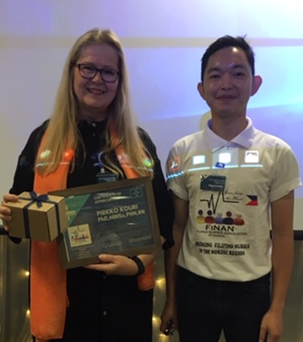
At their first General Assembly, Pirkko Kouri (ISfTeH Vice-President) was invited to give a keynote presentation on the topic of "Nurses as Critical Partners in Telehealth Services & Modalities of Telehealth Services." The presentation described all Nordic countries and their eHealth strategies or approaches. Key features of Nordic countries (Denmark, Finland, Iceland, Norway, Sweden) are a high standard of education, well-established systems of primary health care and hospital services with advanced specialist treatment. According to the European Union, the Nordic countries have been at the forefront of ICT penetration and use.
All Nordic countries are developing patient-centered and digital health services enabling more individualized treatment by empowering patients and involving them in their own treatment. This 'digitalized' patient-centeredness also affects the roles and responsibilities between patients and health care professionals. Simultaneously, there are expectations to have better working conditions for employees in the health and social sectors by improving workflows and reducing time spent on gathering information about a patient from other parts of the health care sector. Advanced services and digital processes allow healthcare staff to devote more time to patients. Kouri's presentation also informed how the ISfTeH Telenursing Working Group operates and encouraged all to join the working group's efforts.
|
|
|
Pirkko Kouri (ISfTeH Vice-President) and Floro Cubelo (FINAN President) at FINAN 1st General Assembly
|
FINAN is a registered association in Finland, Denmark and Iceland and it is working on the registration in Norway and Sweden. The association wants to boost humanity and help achieve the Sustainable Development Goals (SDGs). FINAN empowers and gives a voice to Filipino nurses living in the Nordic Region as a minority group in the decision-making process, most specifically in pursuing the implementation of the WHO Code of Ethical Recruitment of Health Personnel by having clear bilateral agreement between the Philippines and Nordic Countries in recruiting Filipino Nurses. Furthermore, FINAN enhances professional development of Nordic Filipino nurses. The vision of FINAN is to be the leading Filipino Nurses Association in the Nordic Region for highly-skilled and competitive Filipino Nurses.
|
Survey on ethical and human rights issues surrounding Smart Information Systems
The SHERPA project (Shaping the ethical dimensions of smart information systems (SIS) - a European perspective) investigates, analyses and synthesises our understanding of how smart information systems (SIS) impact ethics and human rights issues.
The project develops novel ways of understanding and addressing SIS challenges, evaluate with stakeholders, and advocates the most desirable and sustainable solutions.
The project is conducting an online survey in order to seek opinions about the ethical and human rights issues relating to SIS. The survey will also inform the exploration of possible options for addressing ethics and human rights issues related to SIS.
|
Brazilian startup Ayla Care joins the ISfTeH network
Ayla Care, a new addition to the global ISfTeH network, is a Brazilian startup that offers telemedicine consultations and orientations, as well as remote monitoring of health conditions through smart bracelets.
Combining cutting-edge technology and human touch, Ayla Care provides a distinct and unique experience to every patient. Ayla Care connects doctors, nurses and other caregivers, leveraging telemedicine to reduce distances, cut costs, eliminate bureaucracy and making primary care simple, affordable and accessible for all.
Ayla Care looks forward to engaging and interacting with members of the ISfTeH and its wider network and to establish international collaborations.
|
Establishing the legal framework for telemedicine in Serbia
The Serbian National Association for Telemedicine (SNAT), who have joined the ISfTeH as national member for Serbia, are currently negotiating with the Ministry of Health to initiate the rulebook that guides the implementation of the new national healthcare law, which would include legal norms for the regulation of telemedicine in Serbia.
SNAT is highly focused on setting a solid legal basis for telemedicine regulation, so that more telemedicine projects of general significance can be planned in the near future.
SNAT was established earlier this year in Belgrade and is a non-governmental, non-profit and non-partisan organization, aiming to promote telemedicine and eHealth, as well as monitor citizens' health status by digital means. They are also focusing on educating both professionals and the general public, and adopting new technologies represented on the world market.
SNAT also plans to organize, independently or in cooperation with other organizations of similar interest, professional meetings, consultations, seminars and other forms of education, in order to present to the wider population the benefits of the concept of telemedicine. In order to do so, they will also set up cooperation with universities, schools, professional associations, both domestically and abroad, dealing with the fields of medicine and modern technologies.
|
Telemed Austria providing certification of telemedicine/eHealth companies
Telemed Austria, national member (for Austria) in the ISfTeH global digital health network, is the central interest group for applied telemedicine and eHealth in Austria. The focus is on the promotion, dissemination, and implementation of evidence-based and innovative solutions in telemedicine and eHealth. Telemed Austria combines findings from university research with the practical use of telemedicine applications from the medical industry.
The core focus and objectives of Telemed Austria are to make the system smarter (improving quality and access to healthcare) and to increase patient empowerment (improving citizens' health literacy and health autonomy).
Telemed Austria provides certification of companies in the field of telemedicine and eHealth. The association manages the "National Austrian Telemedicine and eHealth Registry" according to the Austrian Medical Chamber (ÖÄK - Österreichische Ärztekammer). This certification is done in collaboration with "Quality Austria GmbH", where nearly 1000 medical companies are certified per year.
This was made possible because the University of Innsbruck (and Telemed Austria President, Dr. Christof Pabinger) were involved in several worldwide and EU-wide projects dealing with registries and respective scientific projects over 20 years regarding medical devices and post market surveillance, where they reported directly to the DG Sanco at the European Commission. In this new and current regulation, registries are mandatory for a market entry and post market surveillance is intensified. More info about Telemed Austria's certification program at www.telemedaustria.at/zertifikat.
Telemed Austria also provides Continuing Education for individuals via an online "Telemedicine Expert" course.
Telemed Austria will hold its first congress in Innsbruck on May 28, 2020 and invites all ISfTeH members and partners to join them there!
|
North Estonia Medical Centre at the forefront of telemedicine and teleconsultation delivery in Estonia
The North Estonia Medical Centre (NEMC), institutional member in the ISfTeH global network, and its Ambulance Centre provides Emergency Medical Services in the Northern part of Estonia, managing 17 ambulance crews including 12 nursing ambulances, 3 first aid teams and 2 mobile intensive care units.
The first steps in telemedicine were taken in 2011 when the 'Small Islands' project was started. Within the frame of this project, 3 first aid teams were established in the Estonian small islands of Kihnu, Vormsi and Ruhnu. Because of the lack of medical professionals in those distant areas, local volunteers without medical background were recruited and trained through a special program to provide first aid using telemedicine support.
In the very beginning, only video consultations were used, but since 2012 a new system was put in place that allows the telemedicine consultant to analyze vital parameters (including 12-leads ECG, SpO2, NIBP, T, capnography, CPR quality) in real-time and to make decisions regarding diagnosis, treatment and hospitalization.
In 2014 the same telemedicine system was implemented in NEMC nursing ambulances with the aim to improve quality of pre-hospital emergency medical care in the entire emergency service area of the NEMC Ambulance Centre.
NEMC has found positive trends in pre-hospital as well as in in-hospital logistics of patients with acute coronary syndrome and even a decrease in 30-days mortality rate of STEMI patients.
NEMC's telemedicine doctors perform a wide range of consultations in cases of cardiac arrhythmias, CRP attempts, major traumas, strokes, etc., consulting more than 4000 cases per year.
Currently, a telemedicine system between the NEMC main hospital and its subsidiary hospitals is being developed, with a focus on teleconsultations in acute stroke, acute coronary syndrome and intensive care patients.
|
Health in the EU - current state, future directions & GDPR updates
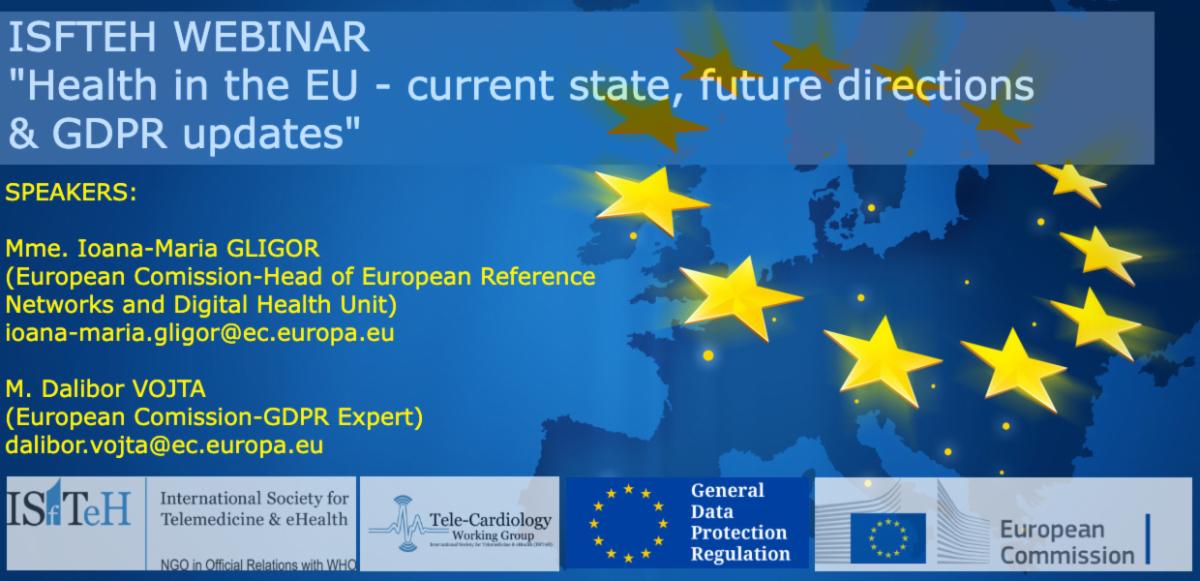
The ISfTeH Telecardiology Working Group is organizing a webinar next week (November 7th, 19h00 CET) in which European Commission representatives will present on the topic of "Health in the EU - current state, future directions & GDPR updates."
The participating EC representatives are Ioana-Maria Gligor (European Commission, DG SANTE, Head of European Reference Networks and Digital Health Unit) and Dalibor Vojta (European Commission, DG SANTE, GDPR Expert).
|
Special theme issues "Women in eHealth" 2015 and 2017 translated in French
The ISfTeH Working Group on Women
and the ISfTeH Francophonie Working Group
have joined forces to support the Journal of the ISfTeH to publish some of its content in French. As a first step, nine abstracts published in 2015 and 2017 were translated in French (thanks to Valérie Lesur, professional translator) with the support of our partners. The abstracts will be presented and disseminated at various francophone conferences in the coming months and in 2020. Both Working Groups plan to pursue the translations in French for the abstracts of the Special Theme Women in eHealth 2019
. Read the abstracts in French here.
Les résumés des articles publiés en 2015 et 2017 sont traduits en français: les groupes de travail des Femmes (WoW) et Francophonie ont travaillé ensemble pour appuyer le Journal de l'ISfTeH à publier en Français. Pour commencer, les neuf résumés des articles publiés dans les Thèmes Spéciaux "Femmes et eSanté" 2015 et 2017 sont traduits en français (grand merci à Valérie Lesur, traductrice professionnelle) avec l'appui de nos partenaires. Ces résumés seront présentés dans les prochaines conférences francophones en 2020. Les deux groupes de travail prévoient de poursuivre les traductions des résumés du Thème Special "Femmes et eSanté" 2019. Lire les résumés ici.
|
|
Upcoming ISfTeH supported meetings and conferences
ISfTeH Events:
|
|
Digital Health Global Commons - powered by ISfTeH
19-20 March 2020
Lisbon, Portugal
|
|
25th ISfTeH International Conference
8-10 October 2020
Takasaki, Japan
|
|
ISfTeH Supported Events:
|
|
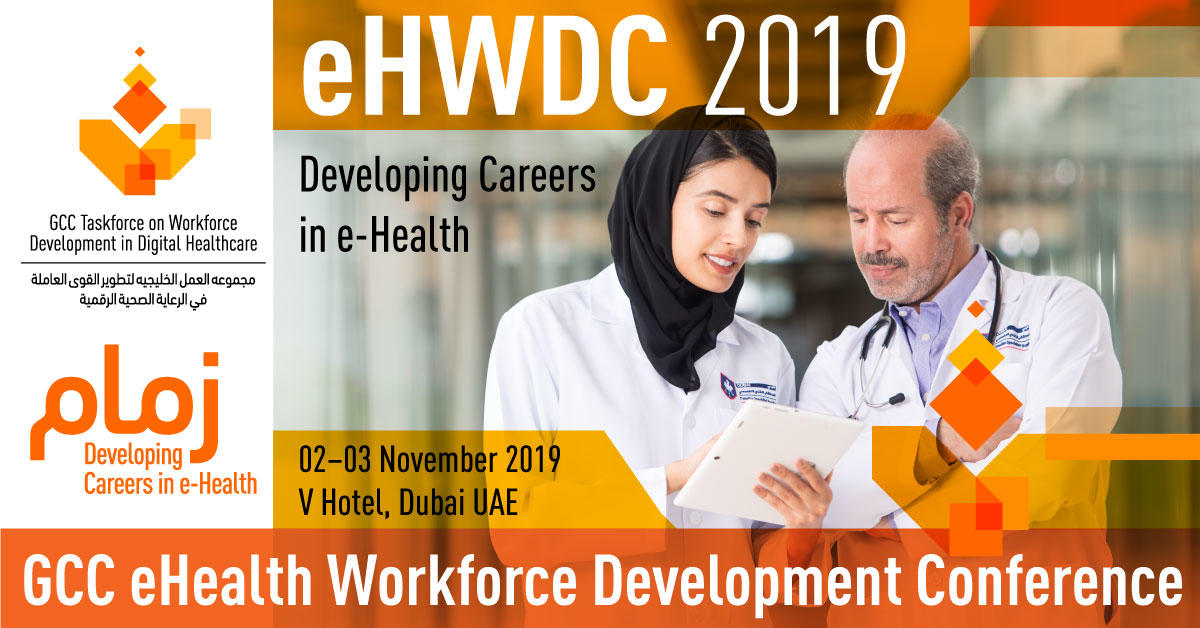
GCC eHealth Workforce Development Conference
2-3 November 2019
Dubai, United Arab Emirates
|
|
Digital India Health Summit & Innovation Awards
16 November 2019
Mumbai, India
|
|
Telemedicine and eHealth Conference 2019
22-23 November 2019
|
|
SMART-x - Innovative approaches in the development of cities, municipalities and regions
26-27 November 2019
Ostrava, Czech Republic
|
|
Telemedicon 2019
29 November - 1 December 2019
New Delhi, India
|
|
ICDHT 2019 - 2nd International Conference on Digital Health Technologies
15-17 December 2019
Hammamet, Tunisia
|
|
MENA Telehealth Conference
26 January 2020
Dubai, United Arab Emirates
|
|
AgeingFit
28-29 January 2020
Nice, France
|
|
Portugal eHealth Summit
19-21 March 2020
Lisbon, Portugal
|
|
Pro Digital Health
26-27 March 2020
Poitiers, France
|
|
eHealth 2020 - 25th Finnish National Conference on Telemedicine/eHealth
20-22 April 2020
Helsinki, Finland
|
|
2nd Global Summit Telemedicine & Digital Health
2-5 June 2020
São Paulo, Brazil
|
|
ISfTeH Supported Events Calendar
and
Other Telemedicine/eHealth Events
|
|
New ISfTeH members
The ISfTeH is pleased to welcome the following new members into its global network:
National Members:
|
|
|
|
|
|
|
|
Telemed Austria, Austria
|
Serbian National Association for Telemedicine, Serbia
|
|
Institutional Members:
|
|
|
|
|
|
|
|
North Estonia Medical Centre, Estonia
|
Ustav Vyvoje a Klinickych Aplikaci - National Monitoring Center, Czech Republic
|
|
Corporate and Start-Up Members:
|
|
|
|
|
|
|
American Telephysicians, USA
|
Ayla Care, Brazil
|
Ziedet, Puerto Rico
|
Individual Members:
|
Nurse Members:
|
|
|
Karl Stroetmann
,
Germany
Thomas Sauter
,
Switzerland
Giannantonio Pellicano,Italy
Cherisse Mark
,
Austria
Daniel Schaudel, Austria
|
Rebecca Rutherford, Canada
|
|
Student Members:
|
|
|
|
Toyeeb
Abolade,
Nigeria
Kelvin
Sagay,
Nigeria
Nimrah Tabassum, Pakistan
Diva Alifta Chandra, Indonesia
Sumaiya Tasnim, Bangladesh
|
|
|
Click here for full member list or to join as a new member
|
|
Join the International Society for Telemedicine & eHealth and participate in ISfTeH Working Groups
- Are you heading a national or regional telemedicine/eHealth organization?
- Do you offer telemedicine products and solutions?
- Are you doing research on telemedicine and eHealth applications and technologies?
- Does your organization provide (or wants to offer) care services by means of telemedicine/eHealth technologies?
- Are you engaged in healthcare policy?
If so, you should consider joining the ISfTeH network to expand your global reach, enhance your network, broaden your knowledge and learn about key issues and new ideas in telemedicine and eHealth by interacting and engaging in partnerships with other ISfTeH members from around the world.
As a member, you will also be able to participate in or actively contribute to the ISfTeH Working Groups (WGs), or start up new initiatives. Current WGs include among others Open Source Software, Chronic Disease Management, Social Media, Telenursing, Students, Women and eHealth, Tele-audiology, Telecardiology, Teledentistry, Teledermatology, Tele-urology. Contact info@isfteh.org if you are interested in any of these topics or want to join a Working Group.
Or if you are interested in obtaining exposure in future editions of this newsletter (through advertising, feature articles, etc.), contact us at info@isfteh.org.
For more information: www.isfteh.org
|
|
Partners & Corporate Members
|
|
Questions, suggestions? Our board members listen to you!
The ISfTeH board members will be pleased to hear from you with any questions or suggestions you may have related to the Society itself or regarding any telemedicine and eHealth applications or services that you are working on or that you are looking for:
Management Board
Submit your questions/suggestions via info@isfteh.org.
|
|
ISfTeH Lifetime Achievement Awards
|
|