November 18-19, 2026
UC Davis Activities and Recreation Center
| |
|
December 1-2, 2026
Amsterdam, Netherlands
| |
World Conference on Transport Research
July 2026
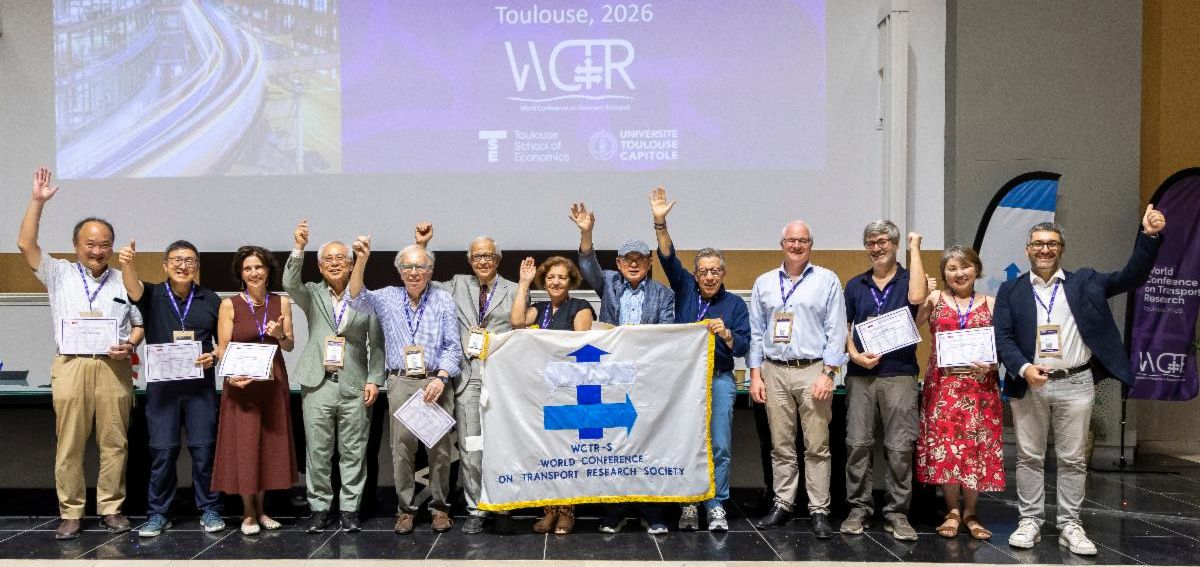
As the secretariat for the World Conference on Transport Research (WCTR), ITS-Davis participated actively in the 17th WCTR 2026 meeting in Toulouse, France. The triennial conference brought together global researchers, policymakers, and industry leaders to discuss sustainable transportation systems and policy frameworks. UC Davis leaders played a prominent role in high-level leadership meetings, paper presentations, and panel discussions. (More information)
| |
RELIEVE 2026 Conference
July 2026
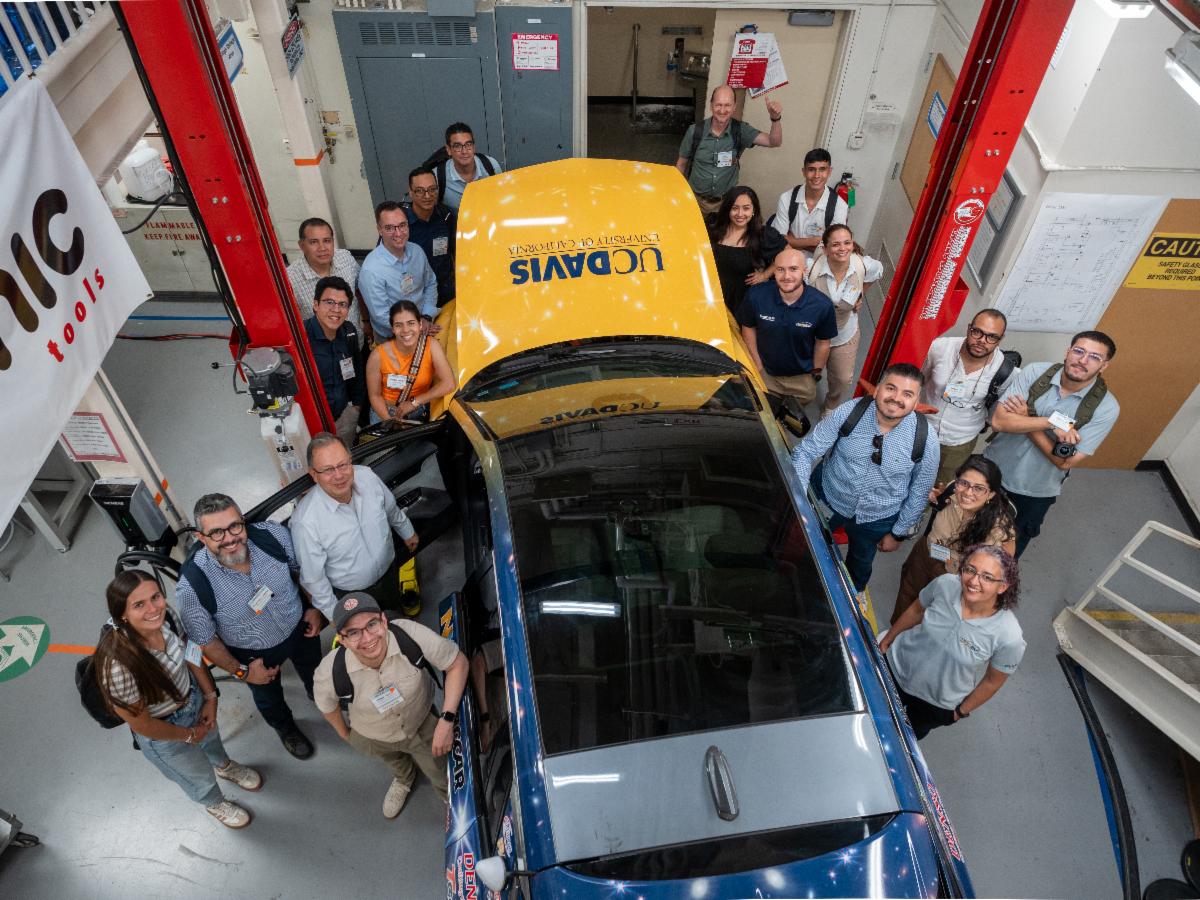
The annual RELIEVE 2026 conference at UC Davis brought together researchers, universities, industry partners, governmental authorities and civil associations from Latin America and the world to strengthen collaboration on bringing sustainable energy to transportation, industry, buildings, and agriculture. Keynote lectures addressed battery technologies, energy storage systems, air quality, and planning tools for sustainable transportation planning. (More information)
| |
Clean Technology Minerals & Supply Chains
August 2026
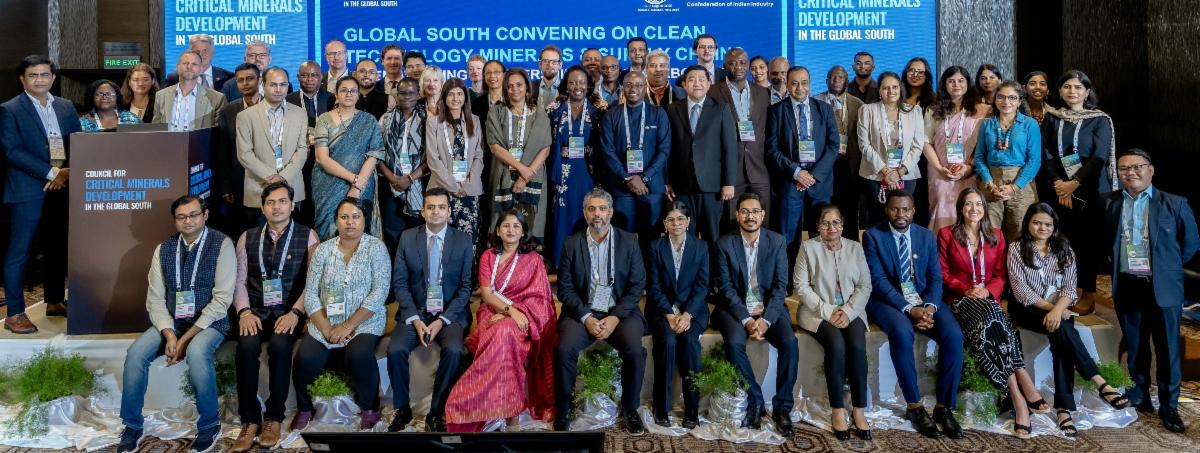
The Council for Critical Minerals Development in the Global South—a partnership between Sustainable Energy for All and the Global South Center for Clean Transportation at ITS-Davis—hosted the first Global South Convening on Clean Technology Minerals & Supply Chains: Strengthening Partnerships and Collaboration from Minerals to Manufacturing in New Delhi. The meeting brought together governments, industry, researchers, and partners from 12 countries in the Global South to identify opportunities of South-South cooperation to build resilient, clean-technology supply chains.
| |
Summer Undergraduate Research Fellowship Program
Summer 2026
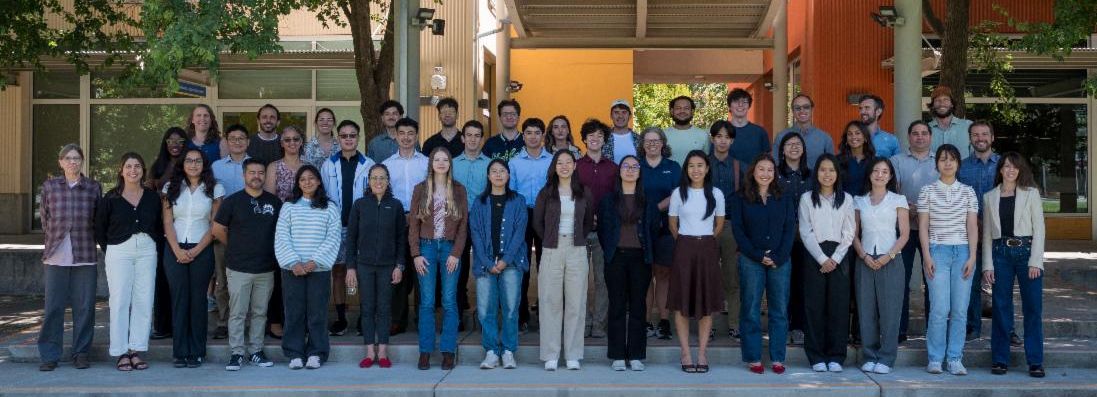
Congratulations to the 20 Summer Undergraduate Research Fellowship (SURF) fellows who wrapped up their nine-week research internships in August. The fellows, from UC Davis and Sacramento Community College, worked with research teams on transportation-related projects, attended seminars, and visited the Siemens Mobility factory and the California State Railroad Museum. At the end of the program period, they delivered reports and presentations on their research findings. Many have expressed interest in a transportation-related career, graduate school, and continuing in research. The 2026 program was sponsored by the National Center for Sustainable Transportation University Transportation Center. (More information)
| |
International Conference on Climate, Mobility, and Energy (CME)
September 2026
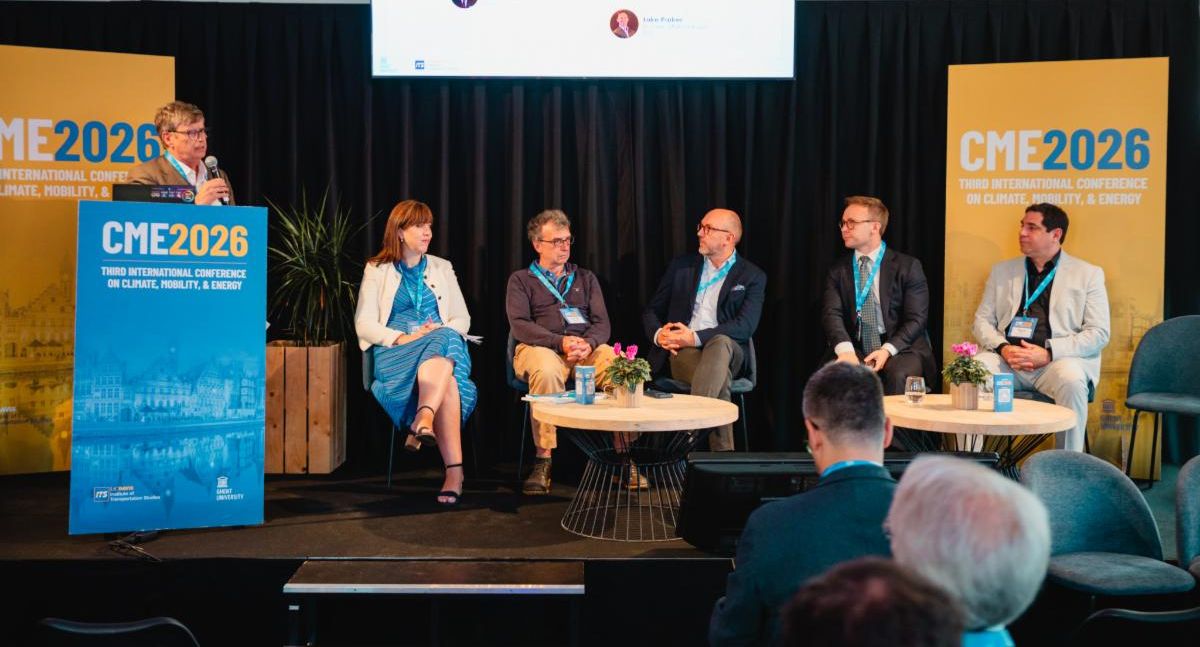
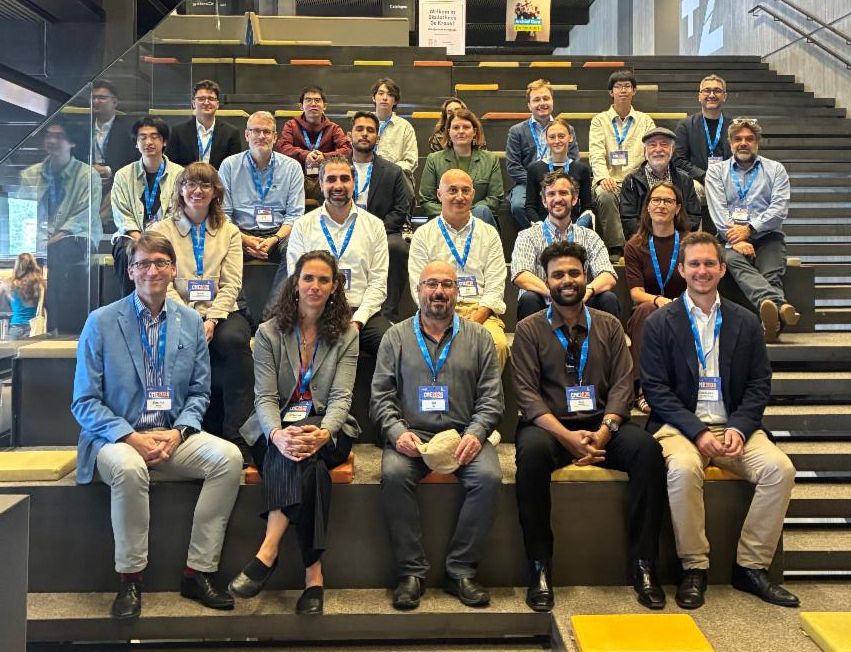
ITS-Davis and Ghent University jointly organized the Third International Conference on Clean Mobility and Energy, held in September in Ghent, Belgium. The conference brought together researchers, policymakers, public agencies, and industry leaders from Europe and the United States for two days of presentations and discussions on clean transportation and energy, emerging mobility technologies, travel behavior, public policy, and the transition to more sustainable and inclusive mobility systems. The conference created opportunities to connect research with policy and implementation while strengthening relationships across the Atlantic.
The conference concluded with a workshop entitled “Transatlantic Dialogue on Automated Mobility and the Future of Transportation.” This workshop convened senior representatives from government, industry, academia, public transport, ports, logistics, and cities to examine automated-mobility policy and deployment pathways. The dialogue laid the groundwork for continued US–European collaboration on automated mobility. (More information)
| |
MobQuest
September 2026
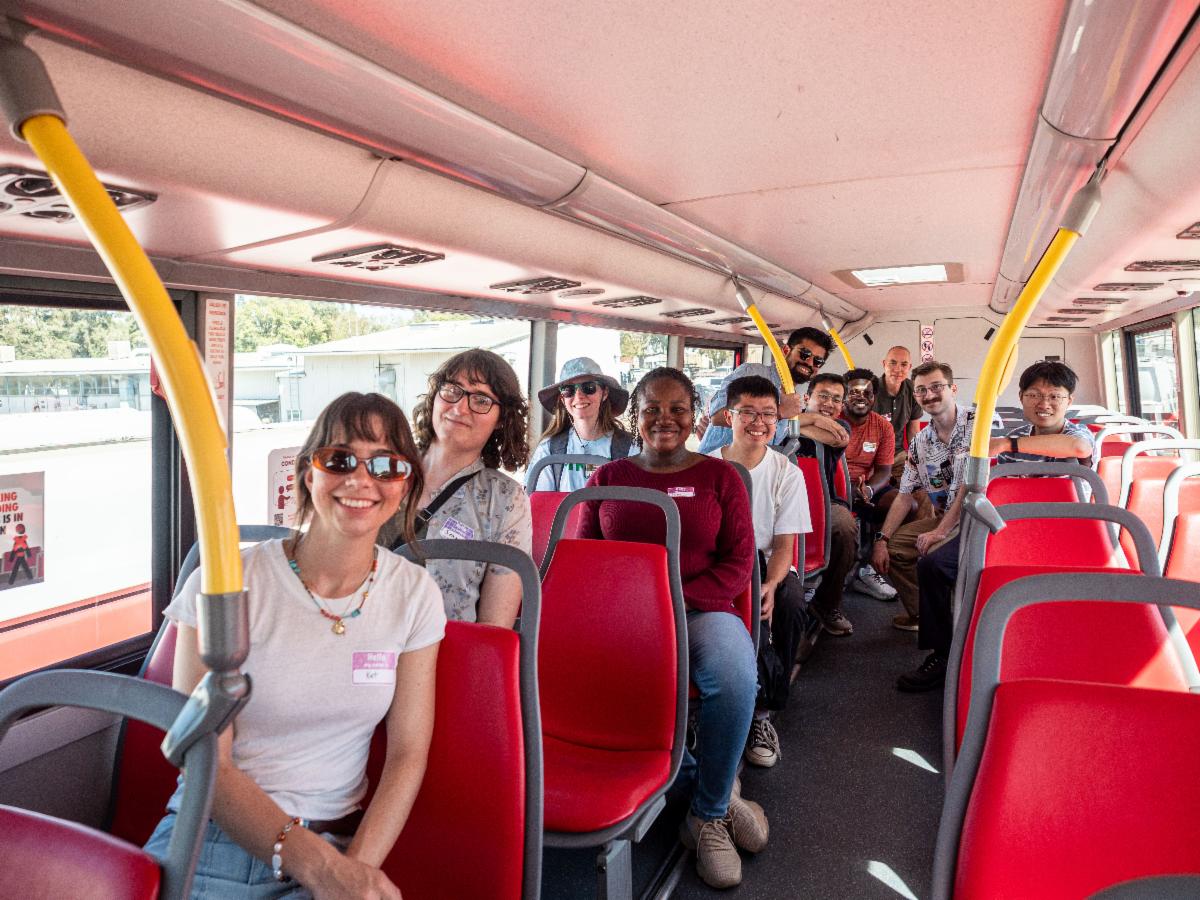
MobQuest 2026 was a four-day immersive experience for our incoming graduate students in the Transportation Technology and Policy graduate group. The program kicked off with a Davis Day featuring a campus bike tour and Unitrans bus tour, followed by a Sacramento Day with visits to the State Railroad Museum, Caltrans Headquarters, and State Capitol. On Day 3, participants explored San Francisco, riding cable cars and streetcars and exploring iconic transit infrastructure, including the Ferry Building and Salesforce Transit Center. The experience wrapped up with a celebratory group dinner bringing together all incoming, current, and graduating TTP students.
| | |
Developing an E-scooter Level of Service Model for Shared Spaces: Insights from Davis, California
Kazemzadeh, Bansal, Fitch-Polse
Automated Vehicle Safety: Heavy Duty Safety Drivers and Remote Operators–Safety Metric Foundations
C Correa-Jullian, MC D'Agostino, A Mosleh, J Ma
Route-informed planning for medium- and heavy-duty truck charging infrastructure in California
Xiao, Jaller, Pahwa, da Cunha
Performance–Complexity Trade-Offs in Battery Lifetime Prediction with Task-Aware Transformers
Zhao, Cai, Wang, Li, Dong, Wang, Burke, Onori, Harris
Design Recommendations for Phase 3 of Mexico’s CO2 Standard for Light-duty Vehicles (NOM 163)
Robinson, Parés Olguín, Hwang, Ramji
The Missing Piece in India’s Two-Wheeler Transition: Electrifying Motorcycles
Palia, Ramji, Das Banerjee
Rural Microtransit Service to Replace Fixed Route Service: A California Case Study
Liu, Watkins, Pike
The fourth Issue of Majority Mobility, a research journal from the Global South Center for Clean Transportation
More publications available through our searchable database.
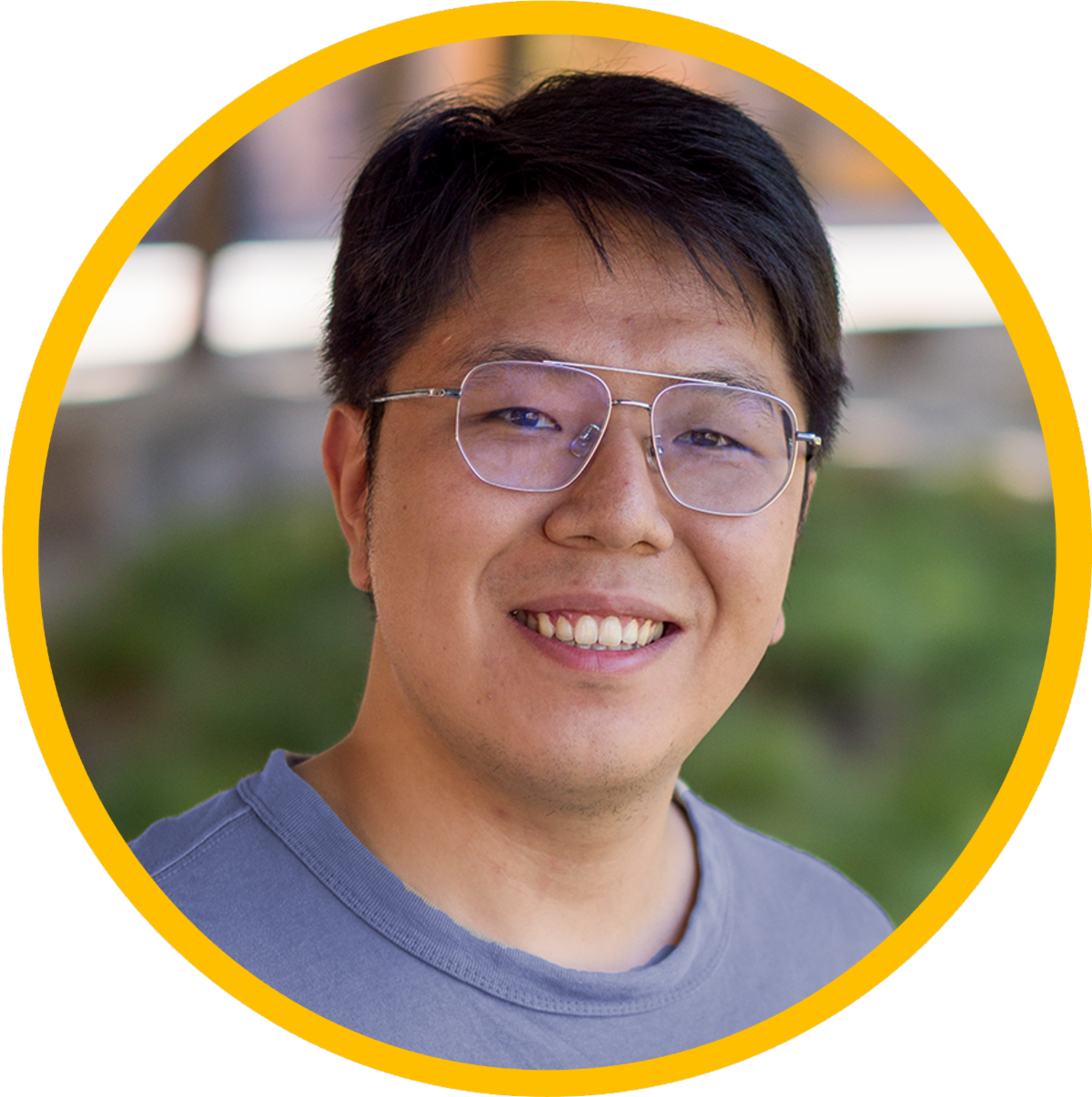
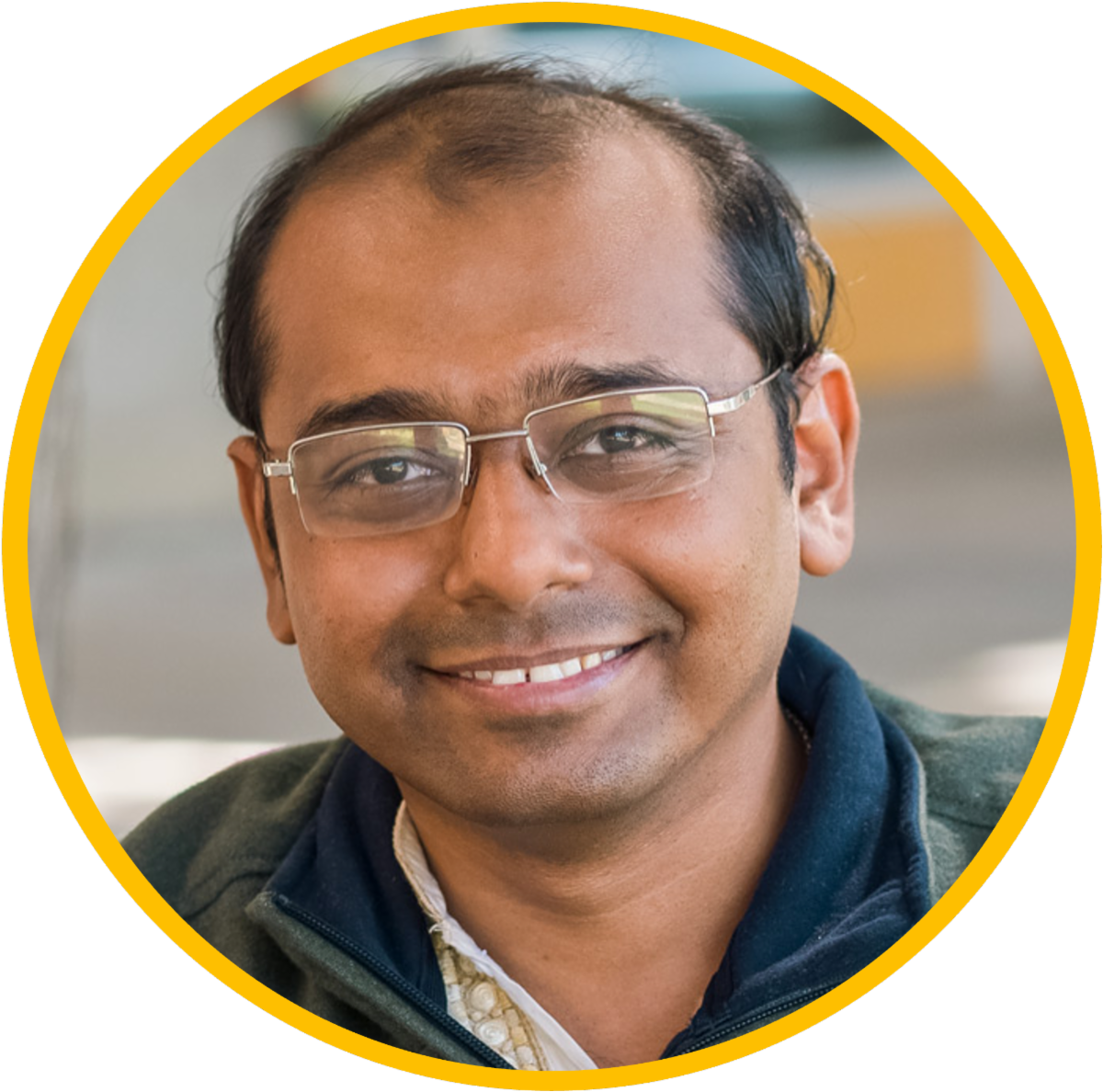
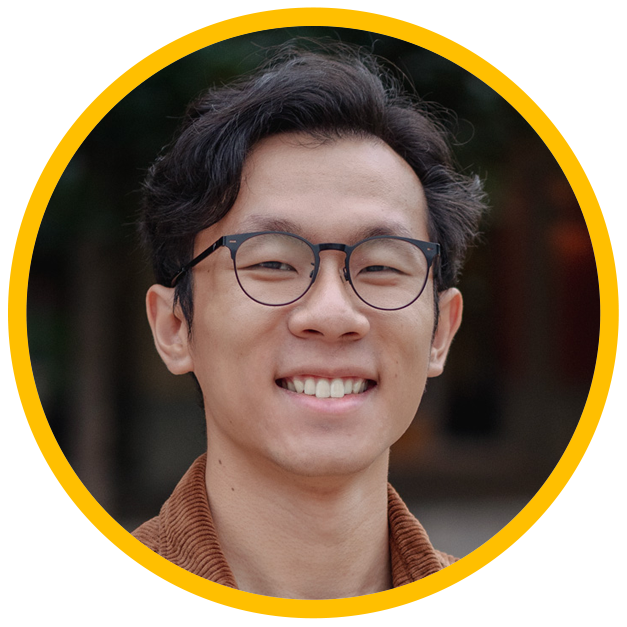
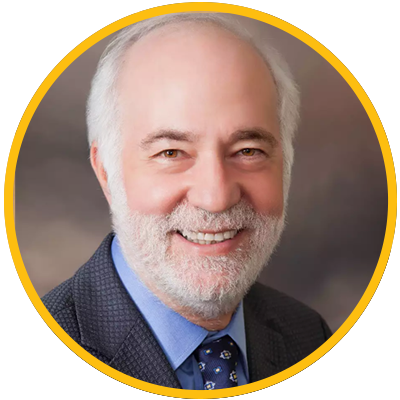
| | | | Naomi Panjaitan, PhD student, and Susie Pike, director of the Transit Research Center at ITS-Davis, were awarded the prize for the best poster paper at the World Conference on Transport Research (WCTR 2026). Selected from a competitive international field of over 300 posters, their winning poster, entitled “Exploring the Significance of Care Trips in Daily Mobility,” highlighted insights on the often-overlooked role of caregiving-related travel in transportation planning and policy. | | | | Xianzhe Wang was awarded a scholarship from the Intelligent Transportation Systems (ITS) and California Transportation Foundation for engineering, planning, computer science, public policy, and related fields. His graduate work focuses on data-driven optimization and decision-making in transportation networks. | | | | Claire McGinnis received a California Transportation Forum Lipman Family Sustainable Transportation Graduate Fellowship, which supports PhD students in California whose research focuses on sustainable transportation. McGinnis also received a scholarship from ARCS (Achievement Rewards for College Scientists) Foundation Northern California, in recognition of outstanding scientific merit and potential to contribute to her field. | | | | Md Musfiqur (Sifat) Rahman Bhuiya received a Tim Flemming Memorial Scholarship from the California Transportation Foundation. His PhD is on heterogeneity in disability as a determinant of travel behavior. | | | | Hope Bodenschatz received an American Public Transportation Foundation scholarship and an Achievement Rewards for College Scientists (ARCS) scholarship. Her work focuses on how pricing strategies for shared micromobility and intercity rail can increase ridership. | | | | Matthew Liu received an ARCS Foundation Scholarship. He has worked on several transit-related research projects including a current study evaluating how transit riders find information and another using General Transit Feed Specification data to evaluate transit priority projects. | | | | Dan Sperling was elected to the European Academy of Engineering in July, in recognition of his contribution to international collaboration in transportation decarbonization, vehicle technology, sustainable infrastructure, energy policy and mobility systems. | | ITS-Davis postdoctoral researcher Sina Nordhoff began a faculty appointment at the Technical University of Denmark. Building on her foundational work with the 3 Revolutions Future Mobility Program and the EV Center, her work will expand international research links and collaboration between UC Davis and European academic partners on user acceptance, safety, and policy frameworks for emerging transportation technologies, such as autonomous vehicles | | Aditya Ramji, founding director of the Global South Center for Clean Transportation, was appointed as Head of the Mission Innovation Secretariat, hosted by the International Energy Agency (IEA) in Paris. In the new role, Ramji will lead a global intergovernmental initiative focused on accelerating research, innovation, and investment in clean energy technologies. | |
Two New Publications Highlight the Lasting Impact of ITS-Davis
This year, two distinguished ITS-Davis leaders published thoughtful articles reflecting on the institute's role in advancing transportation research and shaping transportation policy. Together, they offer a unique perspective on what has made ITS-Davis a global leader in sustainable transportation—and how research can continue to drive meaningful change.
In "Lessons learned by an expanding university transportation center: Insights from the Institute of Transportation Studies at the University of California, Davis," founding director Daniel Sperling reflects on more than three decades of building ITS-Davis into one of the world's leading transportation research centers. The article explores the institute's evolution since its founding in 1991, identifying the guiding principles, leadership strategies, and interdisciplinary approach that have fueled its growth. Sperling also highlights the importance of translating science into policy, maintaining a steadfast commitment to sustainability, and expanding international collaborations to address global transportation challenges.
In "How transportation research can influence policy change – I hope," Professor Susan Handy examines one of the central questions facing researchers: how can research make a meaningful difference in public policy? Drawing on decades of experience, Handy explores the often indirect path from research to policy, emphasizing the importance of effective communication, public engagement, trusted relationships with decision-makers, and educating the next generation of transportation professionals. She offers valuable insights for researchers seeking to maximize the real-world impact of their work.
Together, these publications capture a defining characteristic of ITS-Davis: a commitment not only to producing rigorous, interdisciplinary research, but also to ensuring that research informs policy, shapes practice, and improves transportation systems around the world.
| | |
The Global South Center for Clean Transportation at ITS-Davis has been engaged in multiple outreach activities. The Center:
- Was appointed as the lead partner on transportation and fuels for the memorandum of understanding (MoU) of the California Energy Commission (CEC) and Public Utilities Commission (CPUC) with the State of Rajasthan in India.
- Advised the French and Kenyan Presidencies on the Compact for Green Industrialization, unlocking $900B in clean energy transition investment opportunities across EU and Africa.
- Participated in the launch event for the British Columbia to Baja California or “BC2BC” medium and heavy-duty freight charging corridor initiative in partnership with Catalyst Mobility; the initiative is aimed to improve coordination and investment in medium/heavy duty vehicle charging infrastructure on the I-5 corridor
- Convened the first-ever solutions workshop on industry-led strategies to accelerate Indonesia’s electric two-wheeler market, focusing on three pillars: product, policy, and financing. The Center and New Energy Nexus hosted the workshop, in partnership with the National Economic Council of the Government of Indonesia.
The Mobility Science Automation and Inclusion Center (MoSAIC) at ITS-Davis is partnering with the United Nations Economic and Social Commission for Asia and the Pacific (UNESCAP) on the Automating the Future project. The project aims to equip policymakers with knowledge and evidence to foster the benefits and mitigate the risks of automated vehicles. MoSAIC hosted an international delegation at UC Davis in July and presented US policy and legal insights in Bangkok in September.
ITS-Davis hosted several members of the Acelen project team from Brazil in July and held a public seminar on opportunities for alternative fuel production on degraded cattle pasture in Brazil.
| |
In September, the International EV Policy & Research Network, coordinated by ITS-Davis, convened a workshop of leading scholars from Belgium, China, Denmark, France, Germany, India, Italy, Netherlands, Norway, Portugal, Sweden, the UK, and the US in Ghent, Brussels. The workshop focused on key policy, economic, and technical drivers shaping global electric vehicle adoption. Discussions examined global market trends, the removal of EV supporting regulations and subsidies, declining battery electric vehicle prices, and insights from research with automotive executives and consumers.
| | |
On behalf of the National Center for Sustainable Transportation, Kari Watkins and Sara Shremmer of ITS-Davis helped organize and Shremmer participated in the 2026 National Mobility Summit. The meeting convened leaders from the US Department of Transportation, state and local government agencies, congressional offices, industry partners, and University Transportation Centers (UTCs). It focused on research, deployment strategies, and technology-driven solutions to improve transportation systems and their performance measures.
The Active Transit Research Program hosted a Safe Routes to School Career Pathways Roundtable, in August. Participants included Caltrans, CalSTA, California Workforce Development Board, California Walks, Safe Routes Partnership, other nonprofits, and CBOs. The event included presentations on research about community activation jobs, workforce development, and the Safe Routes to School (SRTS) mode. ITS-Davis also presented the training course Introduction to Active Transportation Planning and Design, in Sacramento, in early October. Michelle Lieberman, Dillon Fitch-Polse, and Kari Watkins were instructors.
Susie Pike and Kari Watkins of the Transit Research Center at ITS-Davis were invited speakers at a meeting entitled “Planning to Meet Sustainable Transportation Goals,” hosted by the San Mateo County Transportation Authority in September.
Colin Murphy, co-director of the Energy Futures Research Program at ITS-Davis, spoke at the California Forward (CA FWD) and UC Santa Barbara forum on the future of transportation fuels in the state.
The California Public Utilities Commission (CPUC) released in June its "Unanticipated Barriers and Progress Report" on challenges to electrification of the ridehailing fleet in California. The report cited research conducted by ITS-Davis for the California Air Resources Board in support of recommendations to adjust the compliance timeline.
In September, ITS-Davis researchers joined more than 80 state and local agency representatives from across the US for the Automated Vehicle (AV) Peer Exchange in San Francisco. Our researchers presented five research posters detailing work on automated vehicle policy, consumer adoption, and deployment pathways.
| | |
The National Center for Sustainable Transportation hosted a field trip of the Laguna Creek High School (LCHS) Green Energy Technology Academy (GETA). The visit included presentations by staff, researchers, and students at ITS-Davis and the Energy Efficiency Institut, as well as tours of the EcoCAR lab, Unitrans Maintenance Facility, and the UC Pavement Research Center.
UC Davis was selected to participate in the Society of Automotive Engineers’ CivicProgress Challenge. We received delivery of the GM Origin WAV (wheelchair accessible vehicle) in September, to be used in this hands-on student design challenge. The student team will be led by advisors Chris Nitta (Computer Science) and Dahlia Garas (ITS-Davis), with support from the College of Engineering. More information is here; and students interested in participating should fill out this form.
| | | | |