|
By Dr. Emily Huang
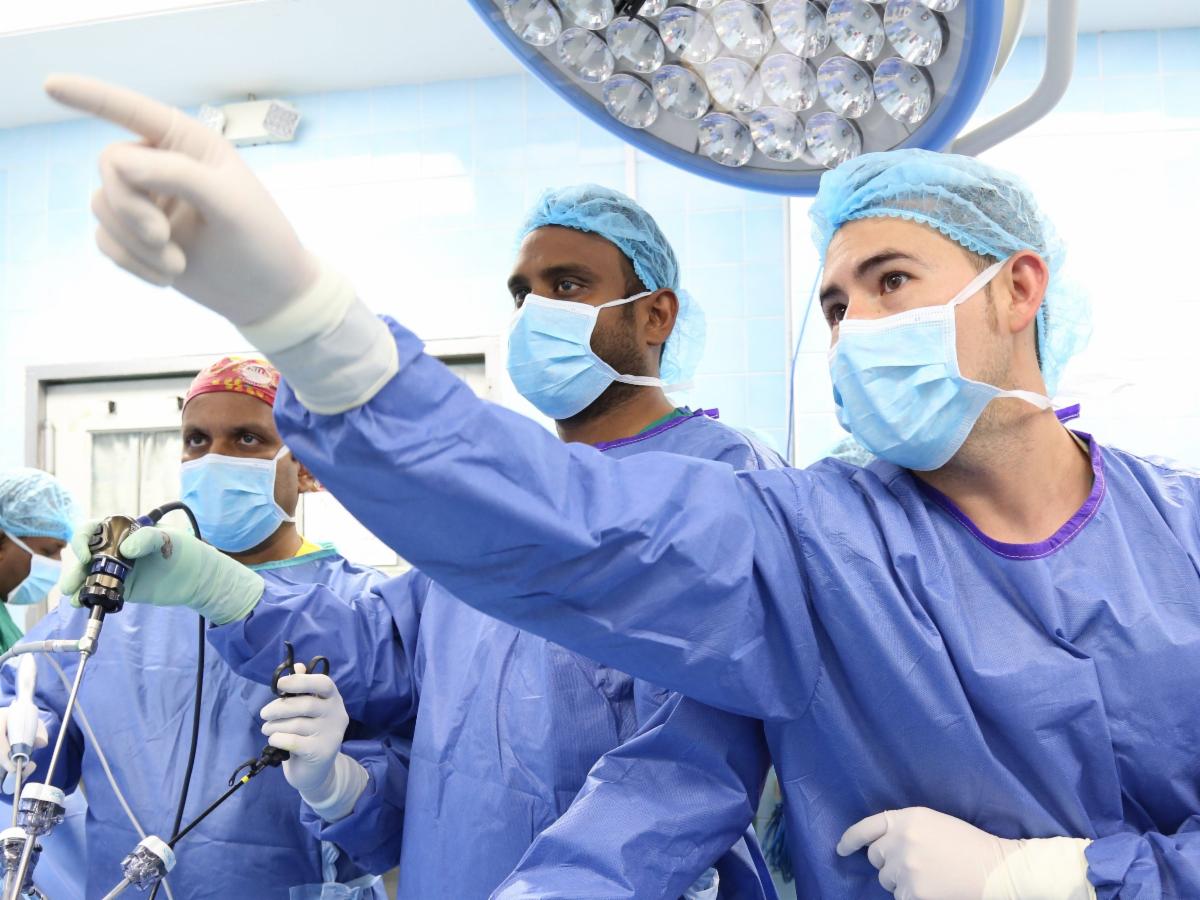
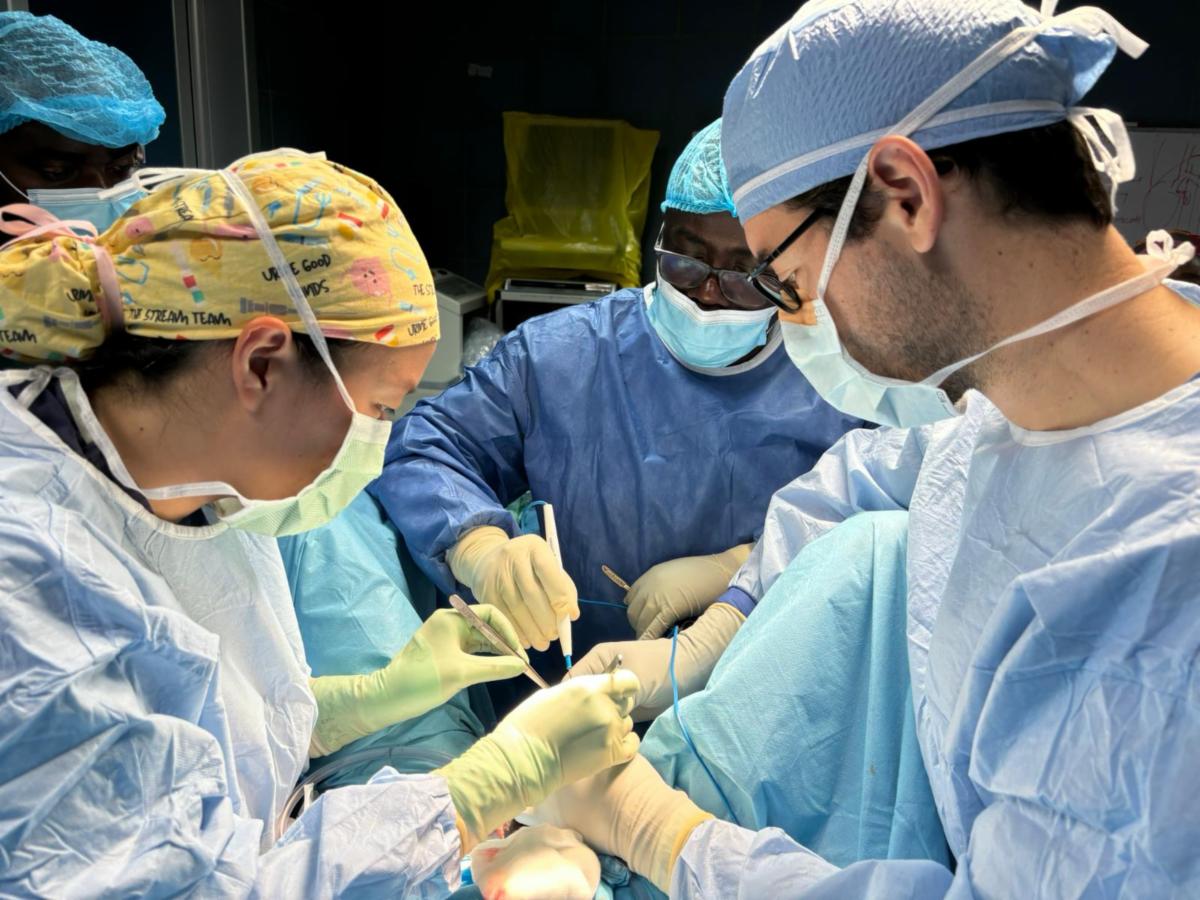
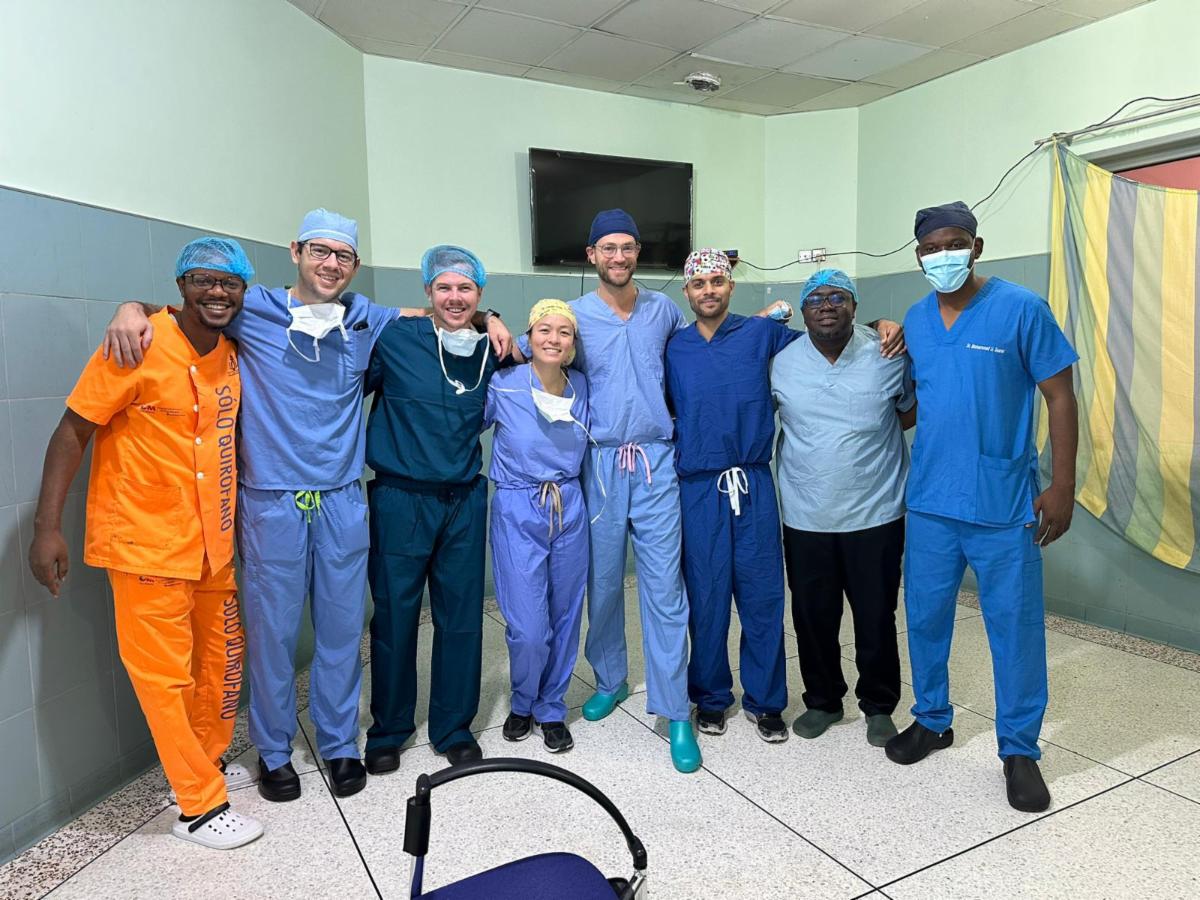
My recent experience working with the Komfo Anokye Teaching Hospital in Kumasi, Ghana was profoundly impactful and one of the most formative moments of my residency training. Over the course of a week, I had the privilege of collaborating with local urologists and residents and participating in a series of complex and educational cases that broadened my clinical and personal perspectives.
The day after landing, we began our work with a clinic day, where the urology residents at the teaching hospital presented the indications for the operative cases of the week. One by one, they would bring a patient into the room and pull up the corresponding information. The patients often spoke the local language, Twi, so they would quietly sit in the chair, watching us as we engaged in lengthy discussion about their care. Many of them brought their own films with them, which we then placed on lightboxes to be reviewed. I remember being surprised by the facility’s capability to obtain prostate MRI while also having to adjust to reading cross-sectional films as individual images rather than being able to scroll through them. This initial day set the stage for a week filled with significant learning and professional growth.
In addition to our surgical work, we set aside a day of educational lectures for the final day. After seeing the fervent interest in learning endoscopy, I presented a lecture focusing on TURP, specifically on the basics of endoscopy, key tips & tricks as well as simulation strategies for training. The engagement and enthusiasm from the local team reinforced the impact of knowledge sharing and collaborative learning. By educating and providing resources to allow them to hone their skills and treat the patients in their community, ultimately, this is the crux of the workshop and the most sustainable impact that we can impart during our short time there.
This experience in Ghana was both eye-opening and humbling. The infrastructural challenges—power outages and water shortages—served as stark reminders of the privileges we often take for granted in the U.S. healthcare system. The resilience of the Ghanaian medical community and the warmth with which we were welcomed made this experience one of the most meaningful of my training. I returned with a deeper appreciation for the resources available to us, and a renewed commitment to advancing urologic care in all settings.
|