View this email in your browser

This is a newsletter created by the Gender Team of the UNFCCC

International Women's Day

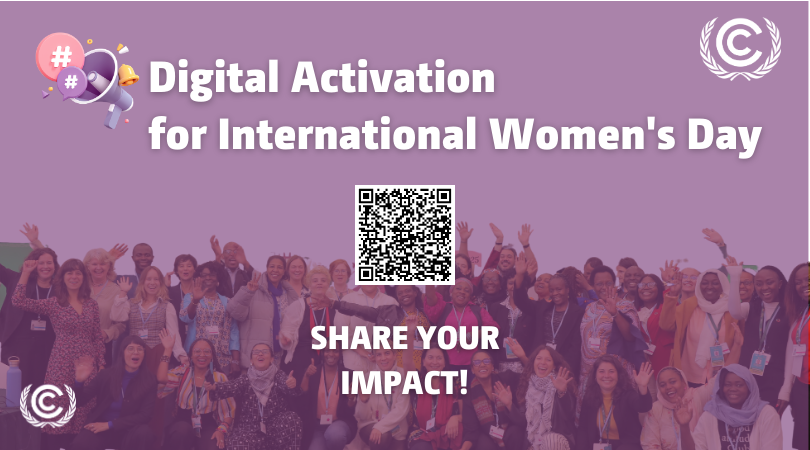
Digital Activation

Image: UNFCCC

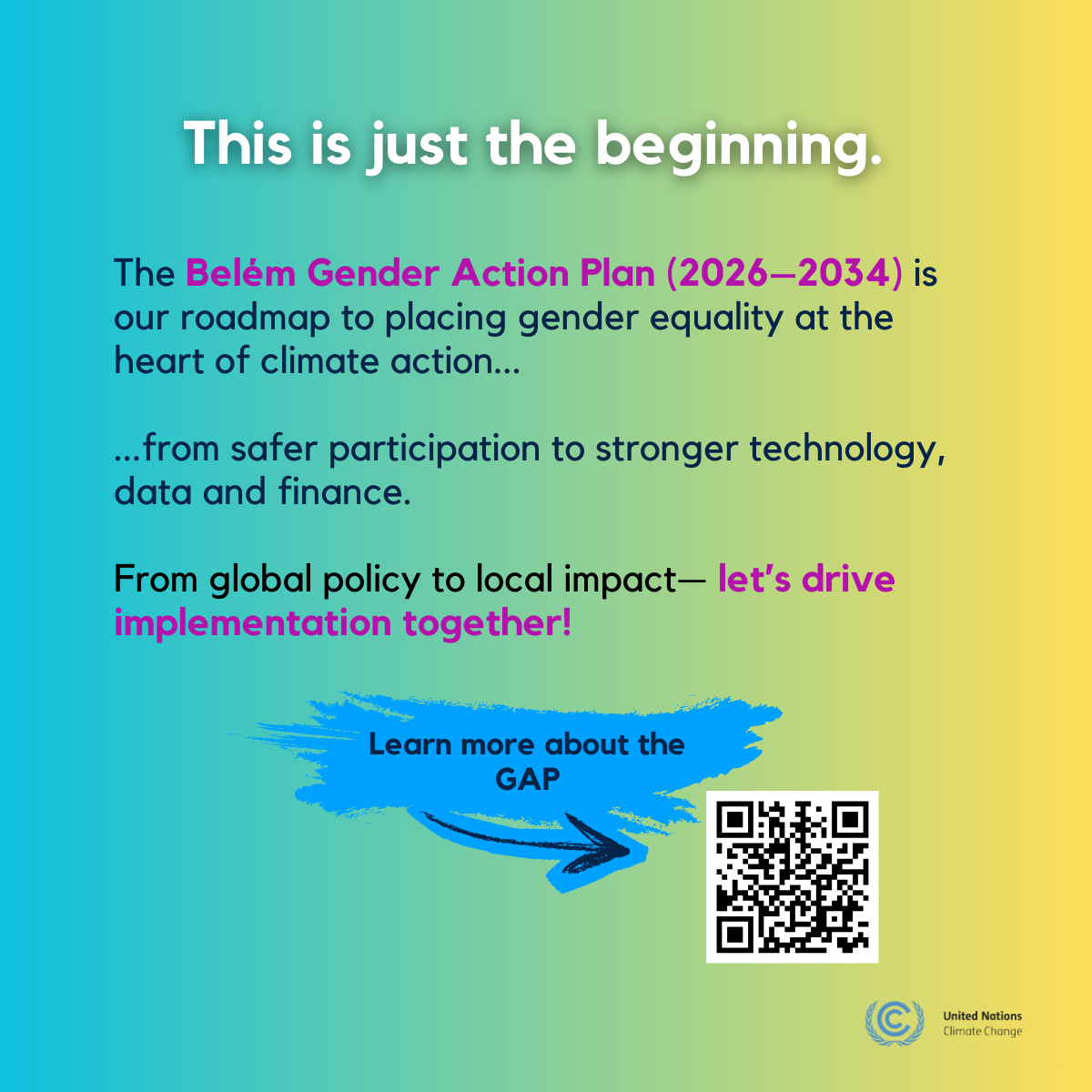
In observation of International Women's Day this year, UN Climate Change is launching a global digital activation campaign to promote shared ownership for the implementation of the Belém Gender Action Plan (GAP), because its success depends on collective action by all. 


On March 8th, share your impacts - how are you, your organization, or your community supporting gender equality and climate action?


Find out more about the campaign guidelines below.

Recording of the Information Session

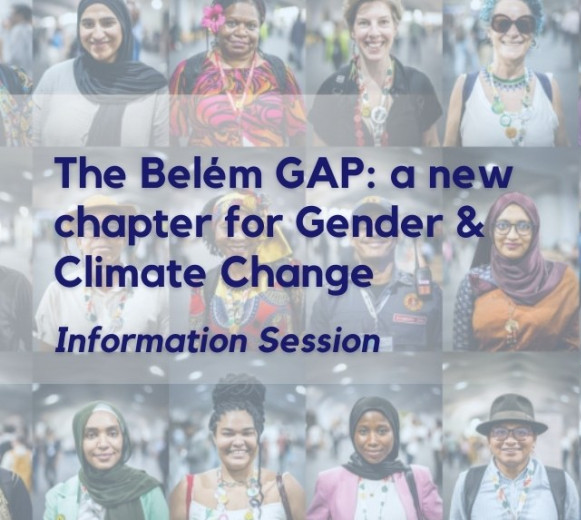
"The Belém GAP: a new chapter for Gender & Climate Change"

Image: UNFCCC

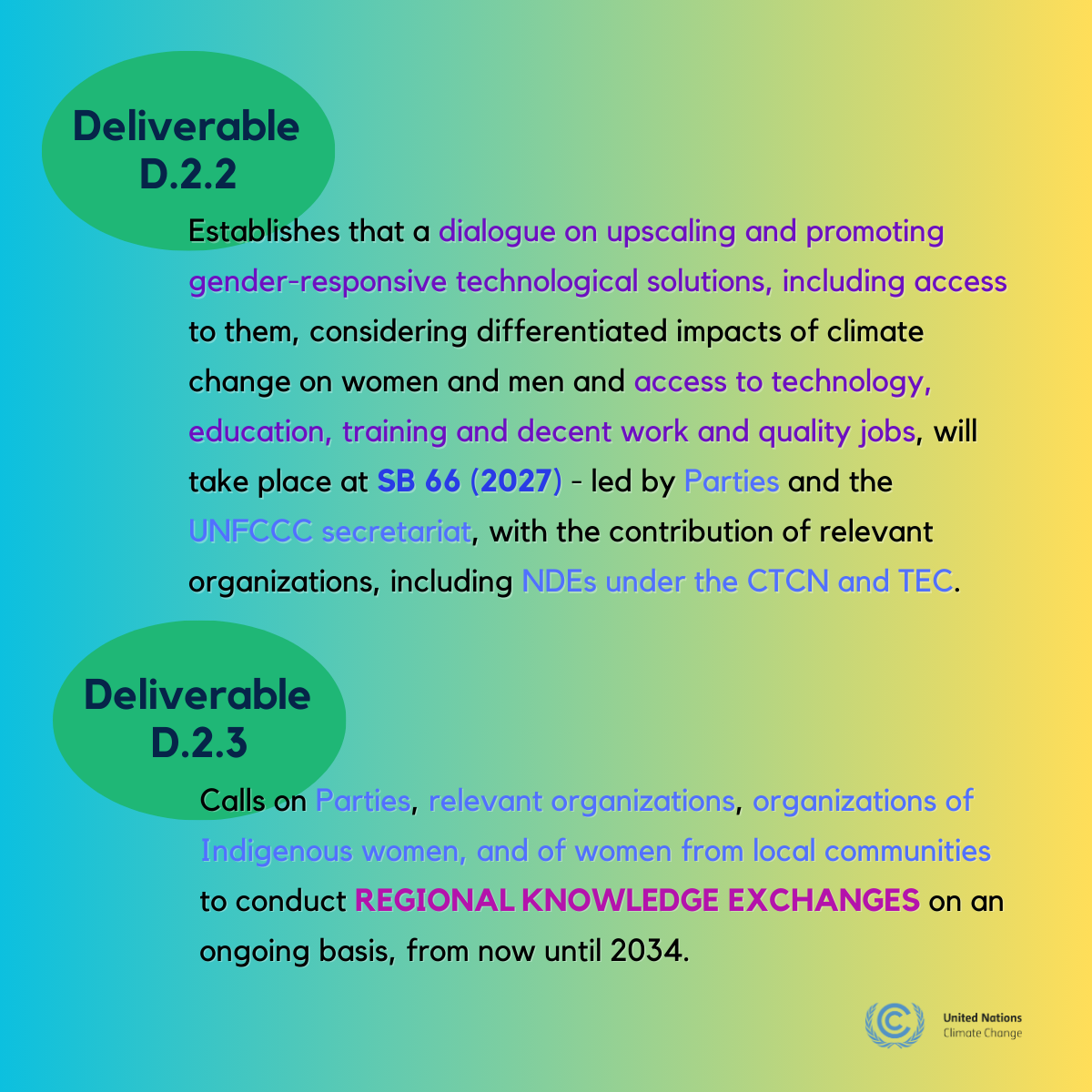
On February 3rd, the secretariat held an information session of the Belém Gender Action Plan (GAP) to unpack its structure and principles, and share the way forward to its implementation in 2026 and beyond. We thank all participants once again for joining the session and for the fruitful discussions! 


The recording of the information session and the slides presented are now available here


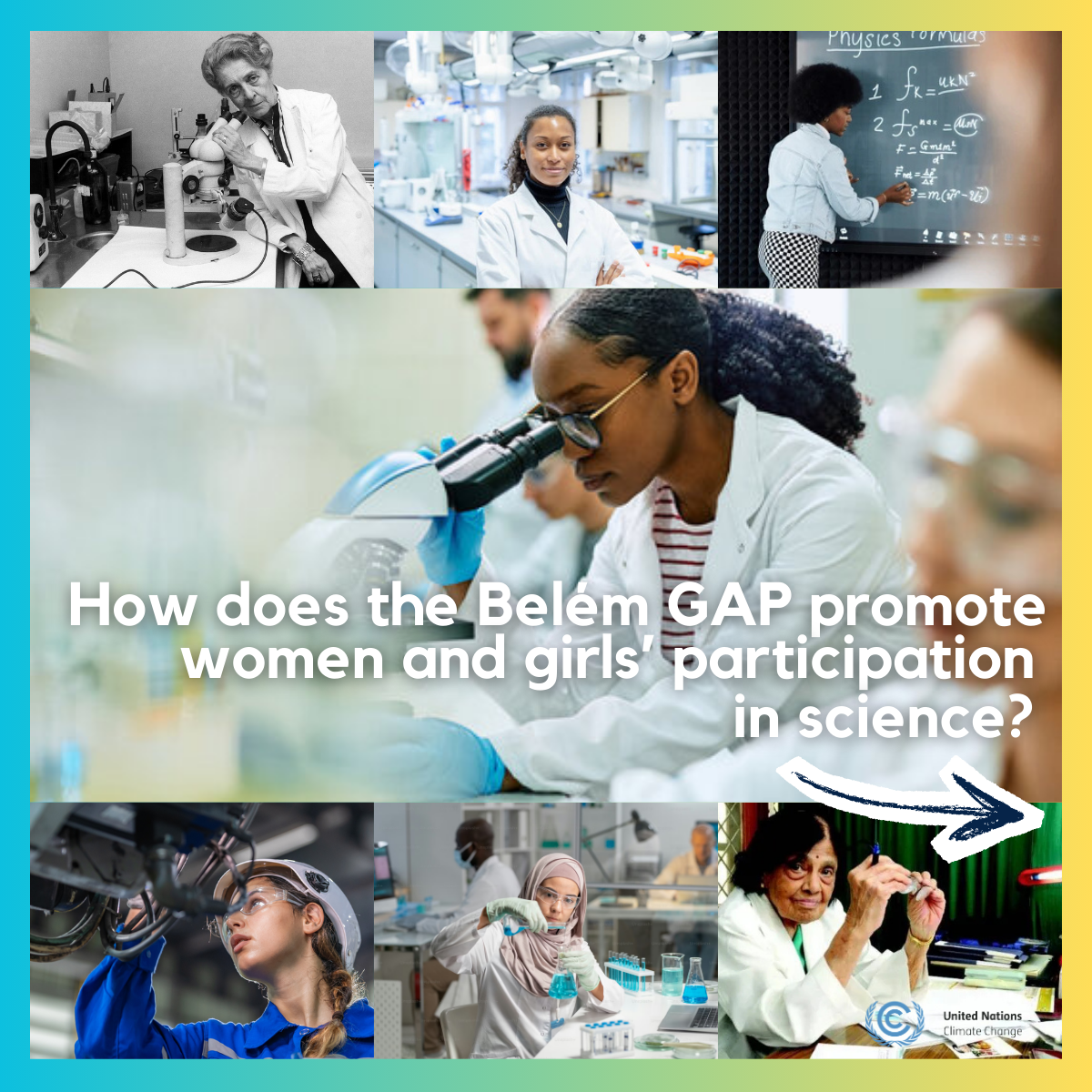
International Day of Women and Girls in Science

On February 11th, we celebrated the International Day of Women and Girls in Science!  


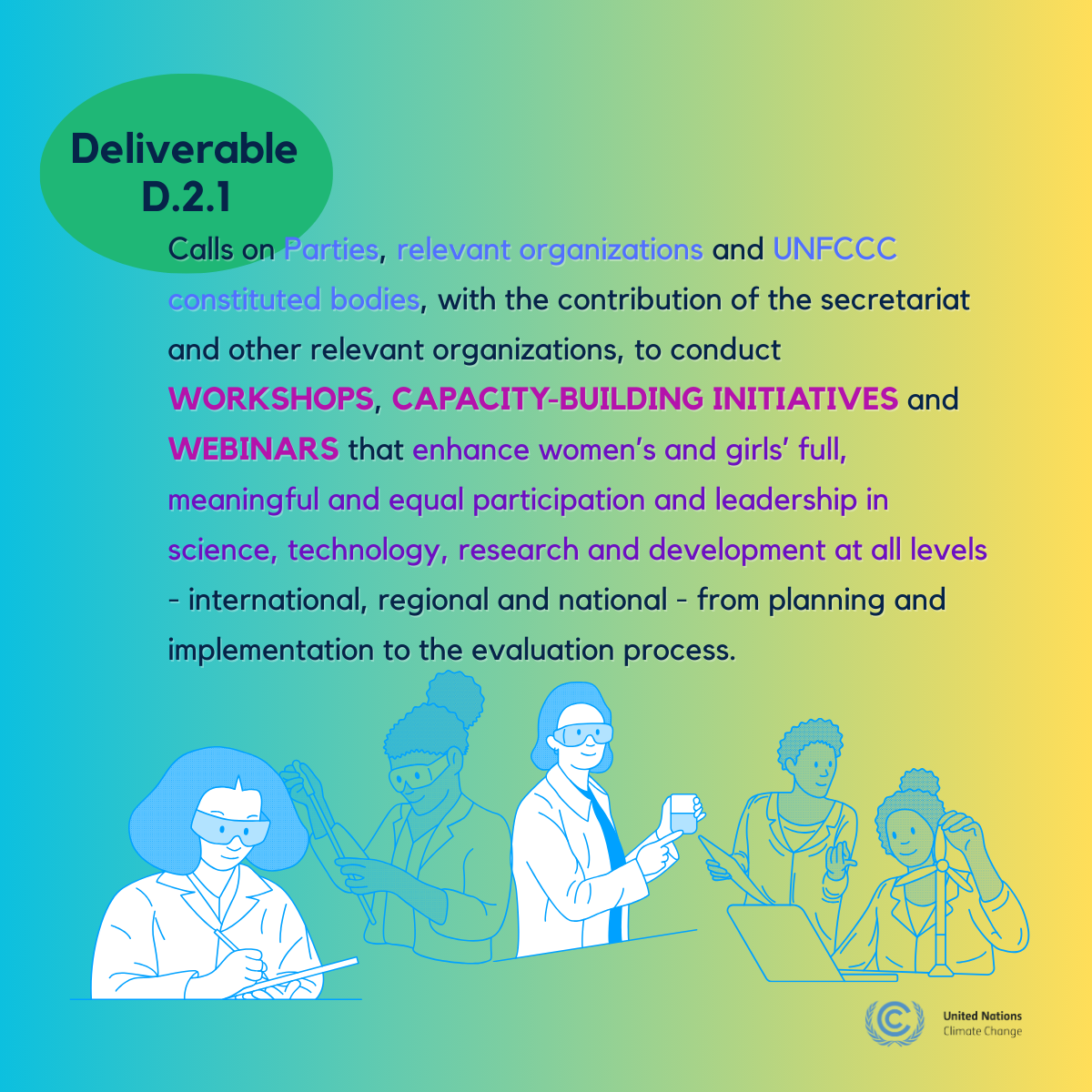
Women and girls scientists are essential to driving climate solutions, and the Bélem Gender Action plan outlines concrete activities and deliverable aimed at enhancing their participation in science, technology and research at all levels. 


Read more in our latest post here.

Mark your calendar


📅 8th March

International Women's Day. Read more in the latest article by UN Women.


📅 9th – 19th March

70th Session of the Commission on the Status of Women (CSW70).


📅 21st – 25th April

Climate Week 1, in Yeosu, Republic of Korea. Climate Week 2 has also been announced and will take place on 5th - 9th October in Baku, Azerbaijan.

📅 8th –18th June

June Climate Meetings (SB64).


📅 30th June

Submission deadline on Gender and Climate (FCCC/CP/2025/L.16, annex, table 4, activity D.1).

Resources

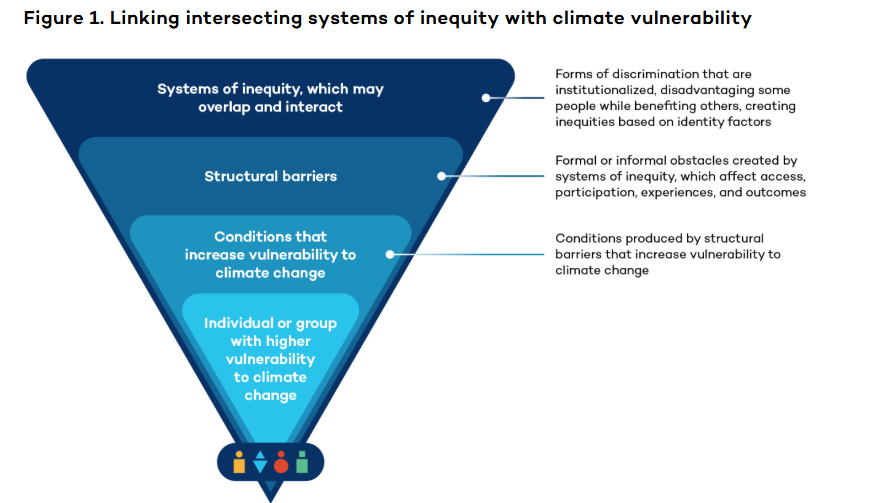
Image: IISD - How an Intersectional Approach Can Help Us Address Vulnerability to Climate Change.

Discover more on intersectionality and human rights in climate action

Discover more on climate vulnerability and gender-responsive adaptation

Discover more on gender and climate finance

Discover more on demographics for climate and gender policy

Discover more on gender and climate justice


#ActOnTheGAP

Promote best practices, share resources and foster knowledge exchange focused on the nexus of Gender and Climate Change with our LinkedIn Community. Join us here.

Web  Email  LinkedIn  YouTube  Instagram  Facebook  TikTok

UNFCCC Gender Team