|
Illinois Capitol Insights
June 8, 2026
Report Includes:
Legislative Updates
Statehouse News
Political News
Important Dates
JCAR
COGFA & Special Reports
Grant Opportunities
About Us
| | |
As we transition from the spring legislative session into the summer months, we wanted to briefly reconnect and share a reminder of the comprehensive Illinois General Assembly End of Session Report that was distributed last week. For your convenience, click here to access the report.
The report provides a detailed overview of key legislative developments, budget actions, and policy initiatives considered during the 2026 Spring session. We encourage you to review the report and reach out to our team with any questions or if you would like to discuss how any of these developments may impact your organization.
Governor JB Pritzker signed two bills into law on June 1, HB 4154, which replaces the pharmacist jurisprudence examination with an Illinois Department of Financial and Professional Regulation approved training module, and HB 4890, which establishes the Dependency Determinations for Unaccompanied Children Act. Both measures took effect immediately upon the Governor's signature.
While session has concluded, our work continues.
Throughout the summer, we will remain engaged with policymakers, monitor regulatory and administrative developments, and begin preparing for the Fall Veto Session and the 2027 legislative session. We look forward to working with you to develop strategic priorities and advocacy plans in the months ahead.
| | |
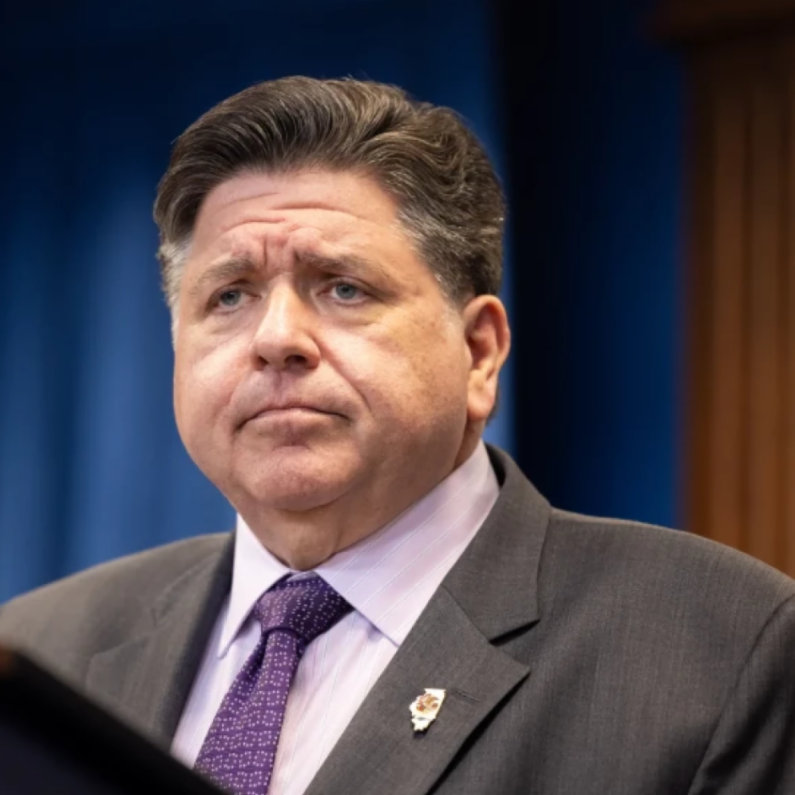
“Every element of the budget for the upcoming fiscal year was thoroughly deliberated with the aim of achieving widespread affordability for all Illinoisans,” said Governor JB Pritzker.
“It builds upon seven years of fiscal discipline and efforts to make our state competitive in national and international industries. I look forward to signing the FY27 budget and delivering for Illinois’ working families in all stages of life.”
| |  | |
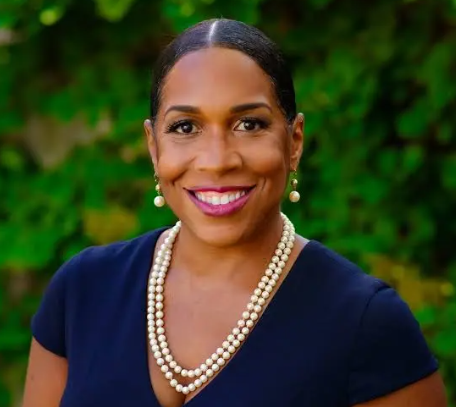
“For the eighth consecutive year, Illinois has passed a balanced budget that proves fiscal responsibility and compassion can go hand in hand,” said Lt. Governor Juliana Stratton.
“Even amid federal uncertainty, we remain committed to investing in people, strengthening our communities, and ensuring every Illinoisan has the opportunity to thrive.”
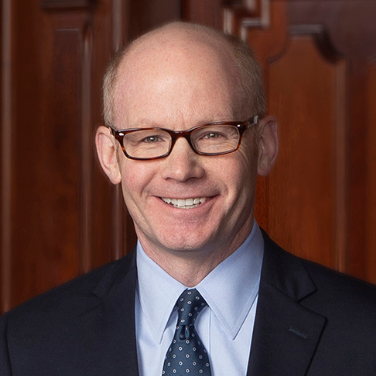
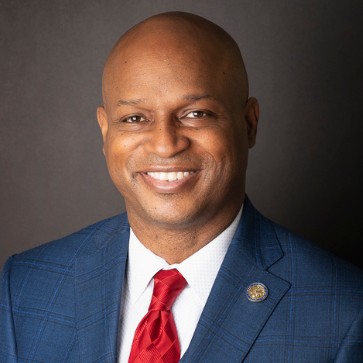
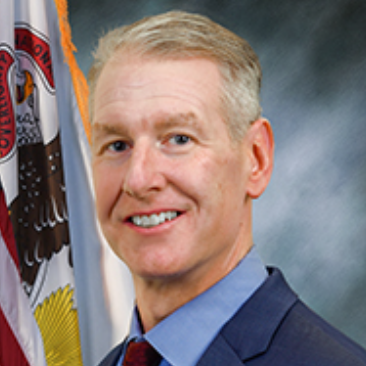
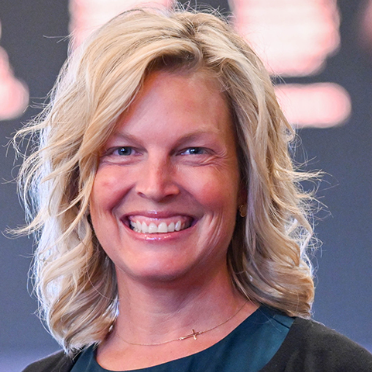
| | | “In the face of economic uncertainty and devastating federal cuts, Illinois chose stability, responsibility and compassion,” said Senate President Don Harmon. | | “We came into this session focused on meeting the challenges of this moment with decisive action, and the conversations families are having around their kitchen tables guided our agenda for Illinois,” said House Speaker Emanuel ‘Chris’ Welch. | | “This governor has chosen, on day one when this new administration came into office, to not work with the administration," said Senate Minority Leader John Curran. "There was no attempt to work with this administration, and we are seeing the result now that he chose to fight rather than to work and collaborate. So that’s unfortunate." | | | “As you saw in this budget, and you saw in last year’s budget as well as throughout the year, the Democrats continued to decouple away from federal policy that’s actually going to make cuts better — whether that is, you know, for the tax on tips, the scholarship tax credits that we still haven’t weighed in on," said House Minority Leader Tony McCombie. | | |
Illinois Chamber of Commerce
"The FY2027 Budget makes some important investments that align with exact priorities, and we commend the General Assembly for advancing several important pro-growth initiatives. The extension of the Research and Development Tax Credit, River's Edge Program, the Pass-Through Entity tax election, and the Angel Investment Tax Credit, all will help support innovation, entrepreneurship, and capital investment across Illinois. We also appreciate lawmakers' decision to delay implementation of the Interchange Fee Prohibition Act, providing additional time to address the significant operational concerns associated with the legislation."
|
Illinois Federation of Teachers
"The power of coalition and the courage of legislators like Rep. Will Davis, Sen. Graciela Guzman, and those in the Affordability and Tax Justice Coalition pushed for the inclusion of the digital ads tax, one of several revenue proposals that were on the table to make some of the wealthiest companies in the world pay some of what they owe to generate funds for schools and services."
|
Housing Action Illinois
"Housing was a higher profile issue than usual during the 2026 Illinois General Assembly session. Governor Pritzker’s BUILD proposal to support missing middle housing, an eight-bill affordable housing package from Senate Democrats, and growing public concern about affordability all kept housing in the spotlight during this year’s legislative debates. For most households, housing is their single largest monthly expense.
While actively supporting the BUILD proposal, Housing Action Illinois maintained our focus on the needs of people experiencing homelessness and others with the greatest affordability challenges. We’re glad to report that we, along with our partners and allies, achieved notable successes on these issues during the session, even though debate on BUILD and other proposals continues."
|
Illinois Action for Children
"Beginning July 1, administration and oversight of these [early childhood] programs and funding will transition to the Illinois Department of Early Childhood (IDEC), which will assume responsibility for the state’s early childhood services and supports.
Illinois Action for Children (IAFC) is encouraged by the Pritzker administration and the General Assembly’s continued commitment to supporting young children and families in the FY27 state budget."
| | | |
Gov. JB Pritzker is doubling down on his effort to rein in data centers, using an executive order to stop processing tax-incentive deals after he failed to convince state lawmakers to approve such a measure during the regular session.
Pritzker also says he wants legislators to take up a wide-ranging menu of reforms during veto session that resembles legislation that also failed to pass this spring.
It’s a noteworthy move for Pritzker, who ran for governor eight years ago as a business-friendly venture capitalist who focused on technology. But he also made clean energy and climate change the centerpiece of his first term with the passage of the Climate and Equitable Jobs Act, which also included incentives for data centers.
Pritzker cited environmental concerns, from energy and water use to pollution, in announcing his plan today.
“Data centers use massive amounts of electricity, water, and other resources — sometimes as much as a mid-sized city,” the governor’s office said in a statement. “To keep up with the infrastructure demands of data centers and keep bills more affordable for Illinois families, data-center companies can direct more of their own financial resources toward their growth.”
| |
Governor's Appointments
The Governor announced the following appointments:
Abraham Lincoln Presidential Library and Museum Board of Trustees
Rikeesha Phelon will serve as a Member of the Abraham Lincoln Presidential Library and Museum Board of Trustees
Amusement Ride and Attraction Safety Board
Kevin Shaw will serve as a Member of the Amusement Ride and Attraction Safety Board.
Western Illinois University Board of Trustees
Jose Alba will serve as a Member of the Western Illinois University Board of Trustees.
Educational Labor Relations Board
Chad Hays will continue to serve as a Member of the Educational Labor Relations Board.
Steven Grossman will continue to serve as a Member of the Educational Labor Relations Board.
Guardianship and Advocacy Commission
Brandy Johnson will serve as a Member of the Guardianship and Advocacy Commission.
Health Facilities and Services Review Board
Keith Page will serve as a Member of the Health Facilities and Services Review Board.
Illinois Forensic Science Commission
Dr. Cris Hughes will continue to serve as a Member of the Illinois Forensic Science Commission.
Illinois State Museum Board
Sara Phalen will continue to serve as a Member of the Illinois State Museum Board.
Joliet Arsenal Development Authority
Dr. Anthony “Jay” Plese will continue to serve as a Member of the Joliet Arsenal Development Authority.
Metropolitan Pier and Exposition Authority
Sherman Wright will continue to serve as a Member of the Metropolitan Pier and Exposition Authority.
Public Administrator and Public Guardian
Thomas Hood will continue to serve as Public Administrator and Public Guardian of Lake County.
| |
Indiana officials say they are confident the Chicago Bears will follow through with plans to move to a stadium in Hammond that will be built with money from local taxpayers and the team, even as specific details — and a signed agreement between the state and the NFL franchise — continue to be hashed out.
The team on Friday announced it would advance discussions for the Hammond project after Illinois failed to pass legislation that would incentivize the team to stay in the Chicago area.
Two sources familiar with conversations between the state of Indiana and the Bears said no formal deal or letter of intent has been finalized, though each described the sides as “very close” to putting pen to paper.
The sources, both of whom spoke on the condition of anonymity because of the deal’s sensitive nature, said the team’s public statement of its commitment to Hammond is not legally binding. But both said they fully expect that to occur soon. One directly said that the absence of documentation is “nothing to be alarmed by.”
Representatives of Gov. Mike Braun and the Indiana Economic Development Corp. did not respond to IBJ inquiries Friday about whether any written agreements have been authored or signed. Representatives for Hammond Mayor Tom McDermott Jr. did not respond to requests for an interview. The Bears also did not respond to an emailed question about whether the team has signed any agreements with Indiana state or local officials.
Letters of intent and term sheets are typical parts of the development process, particularly partnerships between state or local governments and private entities, though their introduction into that process is unique to each project.
| |
As the Chicago Bears close in on a potential move to Indiana — and state and local officials on the Illinois side of the boarder remain caught in a finger-pointing stasis — one unheralded winner may be emerging in the stadium derby: the Chicago White Sox.
Sox owners present and future, specifically Jerry Reinsdorf and Justin Ishbia, have remained markedly quiet amid this spring’s Springfield contretemps over whether the football team is headed to Arlington Heights, to Hammond, or back to Chicago’s lakefront.
The team has been wise to stay low-profile. Like it or not, there’s no way for the South Siders to out-glitz one of the National Football League’s founding franchises. Besides, why get in the way of a hanging party aimed at your financial rival?
But low-profile does not mean inactive.
In one step, current owner Reinsdorf paid a quiet visit to Springfield a few weeks ago to remind key players there that the Bears are not the only major league franchise in Chicago in search of a new stadium, perhaps on The 78 property in the South Loop. In another, first revealed by Crain’s, a firm controlled by incoming Sox-owner Ishbia moved to buy a 47-acre rail yard owned by Amtrak that just happens to be located across the Chicago River from The 78.
Those factors ought to tell you something is afoot. And while Reinsdorf has been more public about what, “what” is the clear desire of Sox ownership to find a new home for the team after its lease at Rate Field expires after the 2029 season — now just a tad over three years away.
Reinsdorf says he needs financial help to build a new stadium. The Chicago billionaire has been stymied, in part, by his unwillingness to show the color of his own money. But the bigger obstacle has been that the Bears and their Chicago ally, Mayor Brandon Johnson, have been competing for the same subsidy pot that Reinsdorf was eyeing. That’s the existing hotel tax that the Illinois Sports Facilities Authority used to build Rate Field and to rebuild Soldier Field years ago for the Bears.
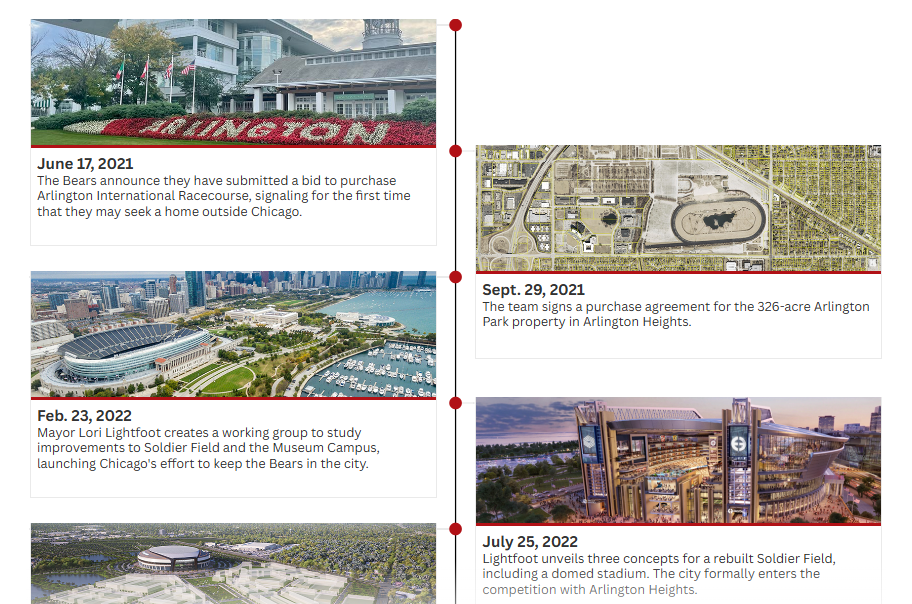
| Click here for the full timeline from 2021 through June 2026. | | |
The 2026 legislative session adjourned on May 31.
The Fall Veto Session is scheduled for the weeks of November 17-19 and December 1-3.
| | |
The next JCAR meeting is scheduled for June 16 at 11:00 a.m. in Chicago. The agenda can be found here.
NEW! The June 5 Flinn Report can be viewed here.
Highlights:
-
Illinois EPA Proposes New PFAS Groundwater Standards: The Illinois Pollution Control Board proposed amendments that would establish groundwater quality standards for several PFAS ("forever chemicals"), continuing the state's efforts to expand environmental regulation of emerging contaminants and potentially affecting industries, utilities, and environmental remediation projects.
-
Department of Revenue Updates Retailer Tax Compliance Rules: Proposed amendments implementing provisions of Public Act 104-6 would modify administration of Illinois' Leveling the Playing Field Act, impacting remote sellers and marketplace facilitators and further refining sales tax collection requirements.
-
Major Changes to Cannabis Industry Regulations Took Effect: The Department of Agriculture adopted comprehensive amendments extending regulatory requirements beyond cultivation centers to include craft growers, infusers, processors, and community college cannabis vocational programs. The rules also establish a statewide cannabis plant monitoring system to track products throughout the supply chain.
-
Gaming Board Implements New Restrictions on Industry Ownership Structures: New rules effective May 1 strengthen limitations on vertical integration within Illinois gaming, clarifying that licensees may only operate within a single tier of the gaming industry and tightening restrictions on ownership interests and revenue-sharing arrangements.
-
Illinois Launches Quantum Computing Campus Program Regulations: DCEO finalized rules implementing the state's Quantum Enterprise Zone Program, creating the regulatory framework for Illinois' efforts to attract and support large-scale quantum computing investments and related economic development projects.
-
Court of Claims Modernizes Operations Through E-Filing and Remote Participation: New Secretary of State rules authorize electronic filing and remote participation in Court of Claims proceedings, moving the court system toward a more digital process for litigants and attorneys.
NEW! The June 5 Illinois Register can be viewed here.
Highlights:
-
Illinois Establishes Rules for Quantum Enterprise Zones: DCEO adopted rules implementing the state's Quantum Enterprise Zone Program, creating the framework for tax incentives and economic development tools designed to attract quantum computing, advanced technology, and related infrastructure investments to Illinois.
-
Cannabis Industry Oversight Expanded: The Department of Agriculture finalized comprehensive updates to cannabis regulations, including new operational requirements for craft growers, infusers, transporters, and vocational training programs. The rules also strengthen seed-to-sale tracking and compliance monitoring across the industry.
-
Illinois Gaming Board Tightens Ownership and Licensing Standards: New gaming regulations clarify restrictions on ownership interests, revenue-sharing arrangements, and cross-tier participation within the gaming industry, reinforcing Illinois' approach to preventing excessive vertical integration.
-
Electronic Filing Modernization for Court of Claims Cases: The Secretary of State adopted rules allowing electronic filing and remote participation in proceedings before the Court of Claims, modernizing case management and improving accessibility for litigants and attorneys statewide.
-
PFAS Groundwater Regulations Advance: The Pollution Control Board continued its effort to establish groundwater quality standards for several PFAS compounds. These proposed standards could have significant implications for manufacturers, utilities, environmental remediation projects, and groundwater users throughout Illinois.
-
Sales Tax Rules Updated for Remote Sellers and Marketplaces: The Department of Revenue proposed amendments related to the administration of Illinois' marketplace facilitator and remote seller tax laws, providing additional guidance on collection, reporting, and compliance obligations for online retailers and digital marketplaces.
| | |
NEW! Commission on Government Forecasting and Accountability’s May 2026 Monthly Briefing can be found here.
COGFA’s May 2026 Monthly Briefing Highlights:
-
General Funds Revenues Continue to Outperform Expectations: Illinois posted another strong month of revenue growth in May, driven largely by a significant increase in federal-source revenues. Through the first eleven months of FY26, General Funds receipts remain ahead of last year's pace, strengthening the state's fiscal position heading into FY27.
-
Renewed Middle East Tensions Could Reignite Inflation Pressures: CGFA flagged geopolitical instability in the Middle East as a growing economic risk, particularly due to its potential impact on energy markets and fuel prices. Rising energy costs could complicate efforts to reduce inflation and may affect consumer spending and business investment.
-
Illinois' Rainy Day Fund Remains Below National Standards: Despite recent improvements, Illinois' reserve fund is projected to equal only about 4.5% of annual expenditures, substantially below the national median of 14.4% and below the commonly recommended 8% benchmark, leaving the state with limited flexibility during an economic downturn.
-
Unfunded Pension Liability Remains a Long-Term Challenge: Illinois' pension systems continue to carry approximately $144.6 billion in unfunded liabilities. While the Governor's FY27 proposal includes adjustments aimed at improving funding discipline and ultimately achieving 100% funding by 2048, CGFA notes that the proposals are incremental and do not fundamentally solve the state's pension challenge.
-
Medicaid Continues to Be the Largest Driver of State Spending Growth: State spending growth over the last decade has been heavily influenced by Medicaid expenditures, which have more than doubled since FY16. The program remains one of the most significant fiscal pressures facing the state budget.
-
Population Growth Remains Dependent on International Migration: Illinois experienced population growth in 2025, but CGFA notes that the increase was driven largely by international immigration. Without international migration, Illinois would have experienced continued net domestic population loss, raising concerns about long-term workforce and economic growth trends.
These are the items most likely to influence budget negotiations, revenue forecasting, pension policy discussions, and economic development conversations heading into FY27 and the fall veto session.
| | |
There are currently 167 active grant funding opportunities available through State agencies. For a full searchable list of agencies and opportunities, visit the Illinois Catalog of State Financial Assistance CSFA website.
If you have questions about any of these grants, please reach out to a Michael Best team member.
| | | | |
444 West Lake Street
Suite 3200
Chicago, IL 60606
| | | | |