View this email in your browser.

LinkedIn  Twitter  YouTube

Illinois Capitol Insights

June 15, 2026


Report Includes:


Legislative Updates
Statehouse News 

Political News 

Important Dates 

JCAR 

COGFA & Special Reports 

Grant Opportunities 

About Us 

Legislative Updates

As the Illinois General Assembly transitions out of session and legislative activity shifts primarily to executive action, we will shift our focus to legislation that has been sent to or acted upon by Governor Pritzker.


To date, 37 bills have been sent to the Governor’s Office, including several significant measures such as the FY 2027 State Budget, the Budget Implementation (BIMP) bill, the revenue package, and other high-profile legislative initiatives.


Below, you will find a list of upcoming legislative and political events of interest. A full calendar of events can be accessed here: 2026 FUNDRAISER LIST.


Upcoming Events


July 8–9: Illinois Legislative Black Caucus Foundation 2026 Golf Outing & Scholarship Reception (Chicago)

June 25: President Harmon & Senate Democratic Caucus Summer Reception (Chicago)

June 30: Leader Tony McCombie Golf Outing Fundraiser (Springfield)

July 27–29: National Conference of State Legislatures (NCSL) 2026 Legislative Summit (Chicago)

July 29: Leader John Curran White Sox vs. Yankees Game Fundraiser (Chicago)

August 19: Governor's Day at the Illinois State Fair (Springfield)

August 20: Republican Day at the Illinois State Fair (Springfield)


For additional information regarding any of the events listed above, or to request a comprehensive list of summer legislative fundraisers and political events, please contact a member of the Michael Best Strategies team.


As always, please do not hesitate to contact a member of the Michael Best Strategies team with any questions regarding pending legislation, gubernatorial action, or upcoming events.


Statehouse News

Gov. Pritzker Bans the Sale of Intoxicating Hemp to Minors, Bolsters Equity and Oversight in the Cannabis Industry

KEY TERMINOLOGY IN RELEASE:


Intoxicating Hemp: Refers to products such as Delta-8, THC-P, and HHC that are currently unregulated and sold outside of the state’s regulated adult-use cannabis market. Adult-use cannabis sold in licensed Illinois dispensaries is only available to people who are 21 years or older.


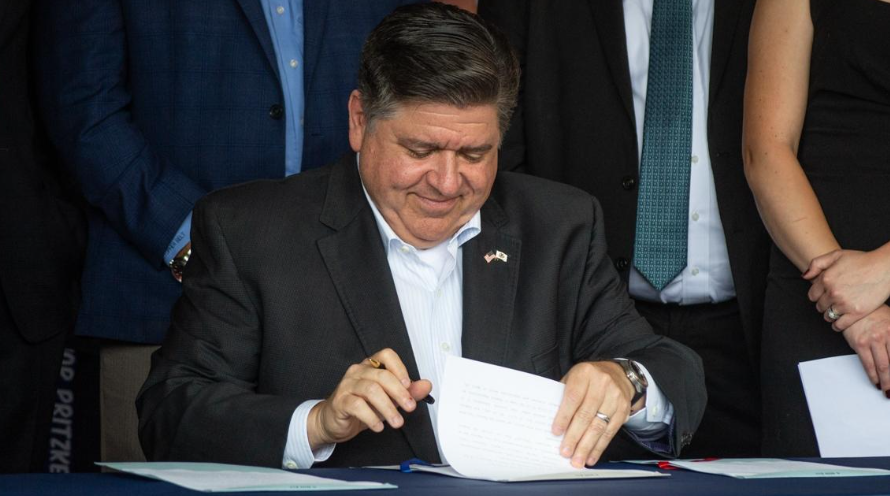
Governor JB Pritzker signed SB 3222 – landmark hemp legislation that strengthens social equity and medical access, reduces regulatory burdens, strengthens oversight, and improves public safety. SB 3222 is key to ensuring that the state’s cannabis sector remains safe for consumers and that Illinois continues to set a national example with its diversity and equity efforts in the cannabis industry.


The bill immediately bans the sale of intoxicating hemp products to people under the age of 21, which follows reports of minors ingesting misleading or poorly labelled products. In November 2026, intoxicating hemp products will be subject to regulations set forth in the Cannabis Regulation and Tax Act (CRTA), including:


Requiring child-proof packaging;

Banning misleading marketing and packaging that rips off consumer brands to appeal to children; and

Ensuring the existing cannabis regulatory framework applies to intoxicating hemp products.


“Instead of letting an ambiguous marketplace keep putting people at risk, Illinois is taking action to protect consumers of all ages, especially children, from misleading packaging and labeling,” said Governor JB Pritzker. “This landmark legislation closes the intoxicating hemp loophole while bolstering equity and oversight and expanding medical access. Illinois is committed to cultivating a cannabis industry that benefits diverse businesses across the state and prioritizes accessibility, and I am proud to sign this measure into law.”


“Illinois has led the nation in building a cannabis industry that prioritizes both equity and public safety, and SB 3222 builds on that progress,” said Lieutenant Governor Juliana Stratton. “By protecting young people from unregulated intoxicating hemp products and creating clear standards for the industry, we are ensuring consumers are safer while preserving opportunities for diverse businesses and communities across our state.”


“I have fought for years to bring order and fairness to these markets, and working with our House colleagues, we finally got it done,” said Senate Majority Leader Kimberly Lightford (D-Maywood). “This is about protecting people, keeping our promises, and keeping Illinois at the forefront nationally.”


“This bill accomplishes two important goals at once: it gets unregulated intoxicating hemp products off the streets and out of the hands of kids, and it also helps legitimate cannabis businesses compete,” said House Assistant Majority Leader Will Guzzardi (D-Chicago). “I’m proud of the collaboration that happened across chambers to help small, social equity cannabis entrepreneurs thrive in our state while keeping our products regulated and keeping Illinoisans safe.”


“This marks a groundbreaking step in providing crucial consumer protections for users of cannabis and hemp products,” said Mario Treto, Jr., Secretary of the Illinois Department of Financial and Professional Regulation (IDFPR). “Illinois continues to lead the nation in building a responsible, consumer‑focused cannabis industry.”

Political News

Illinois distributes first $25M to local pharmacies to help them compete


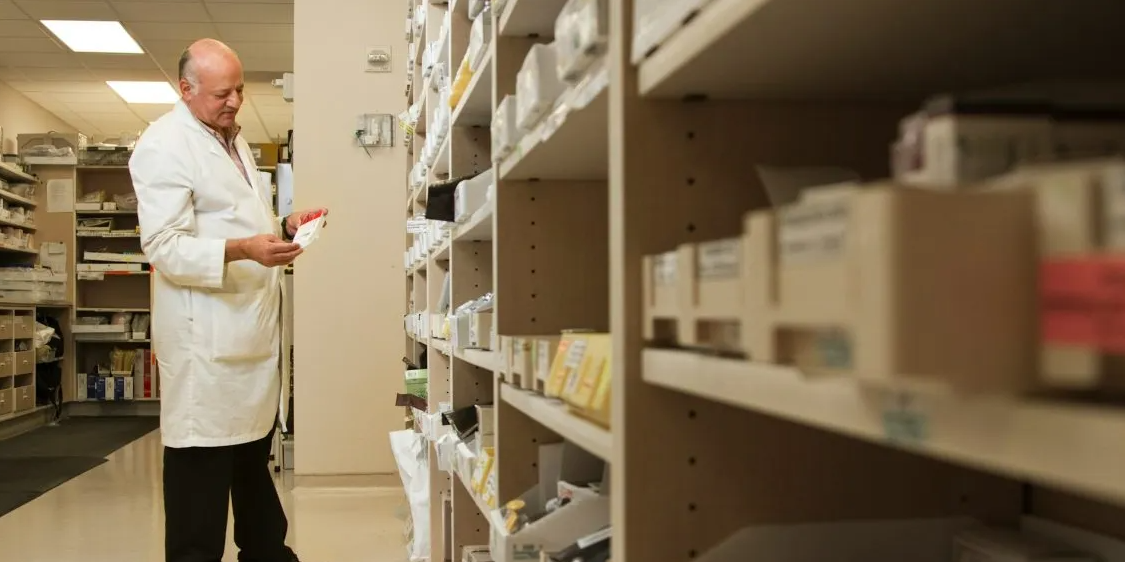
Gov. JB Pritzker announced Friday that 434 Illinois pharmacies will receive nearly $25 million in support, the first distribution of annual funding established through legislation he signed last year.


The fund was designed to assist pharmacies most at risk of closure or financial strain, especially those in rural and low-income communities with limited healthcare access. The pot was split equally between all eligible applicants, with each pharmacy receiving $56,892. The full list of recipients can be found here.


“Local pharmacies are often one of the most accessible and affordable points of care for working families, seniors, and Medicaid patients — providing medications, vaccinations, and trusted health care services,” Pritzker said in a news release.


The money was established under bipartisan legislation Pritzker signed last July. The bill, known as the Prescription Drug Affordability Act, put new regulations on pharmacy benefit managers, or PBMs, companies that are responsible for negotiating drug prices between employer health insurance plans and pharmaceutical drug companies.


They have been the target of intense scrutiny in recent years, facing accusations of steering patients toward their own affiliated pharmacies and designing healthcare pricing formulas that boost their own profits rather than patient savings, including a lawsuit from the Federal Trade Commission against the three largest PBMS for their alleged use of anticompetitive practices to artificially inflate insulin prices.


The legislation prohibited PBMs from steering customers toward large pharmacies in which they have a financial interest — often to the detriment of smaller independent pharmacies — and required they pay a fee based on the number of individuals in the state enrolled in the PBM’s plans.


At the time the legislation passed, a lobbying organization representing the PBMs criticized the bill as “misguided” and said it would have little to no impact on high prescription drug prices set by “Big Pharma.”


Important Dates

The Fall Veto Session is scheduled for the weeks of November 17-19 and December 1-3.


JCAR

The next JCAR meeting is scheduled for June 16 at 11:00 a.m. in Chicago. The agenda can be found here. 


NEW! The June 12 Flinn Report can be viewed here.


Highlights:

  • Illinois Gaming Board Proposes New Restrictions on Video Gaming Revenue-Sharing Agreements: The proposal would require all licensed video gaming sales agents and brokers to be employees of the terminal operators they represent, eliminating the use of independent contractors. It would also limit revenue-sharing agreements to licensed terminal operators and give the Gaming Board authority to reject agreements that create excessive market concentration or undermine the integrity of the video gaming industry.
  • Illinois Commerce Commission Modernizes Water and Sewer Utility Accounting Rules: The ICC proposed updating utility accounting standards from the 1996 version of the National Association of Regulatory Utility Commissioners (NARUC) guidelines to the 2025 version. The changes primarily affect regulated water and sewer utilities, including smaller municipal systems.
  • ISBE Adopts Expanded Social and Emotional Learning (SEL) Standards for Schools: Beginning in the 2026–27 school year, Illinois schools will implement updated SEL standards centered on five core competencies: self-awareness, self-management, social awareness, relationship skills, and responsible decision-making. The standards establish age-specific learning objectives from kindergarten through high school.
  • Major Healthcare Facility Rule Updates Adopted by IDPH: The Department of Public Health adopted significant updates affecting hospitals, nursing homes, veterans' homes, and clinical laboratories. Changes include stronger protections against retaliation for nursing home residents who file complaints, new requirements related to involuntary discharges and readmissions, modernization of hospital licensing regulations, and updates to laboratory testing requirements.


NEW! The June 12 Illinois Register can be viewed here.


Highlights:

  • Illinois Commerce Commission Updates Utility Accounting Standards: The ICC proposed major updates to its accounting rules for both water and sewer utilities by adopting the latest 2025 standards from the National Association of Regulatory Utility Commissioners (NARUC), replacing accounting frameworks that have largely been based on 1996 standards. The proposal also updates utility classification thresholds, increasing the Class A revenue threshold from $1 million to $1.75 million annually.
  • Significant Public Health Facility Rule Revisions Adopted: The Illinois Department of Public Health adopted amendments affecting multiple healthcare facility regulations, including hospital licensing requirements, skilled nursing and intermediate care facilities, sheltered care facilities, Illinois Veterans' Homes, and clinical laboratories. These updates continue the state's ongoing modernization of healthcare facility oversight and compliance requirements.
  • Gaming and Tobacco Tax Rulemaking Activity Continues: The Illinois Gaming Board proposed amendments to its Video Gaming regulations, while the Department of Revenue adopted updates to rules governing the Cannabis Purchaser Excise Tax, Cigarette Tax Act, Cigarette Use Tax Act, and Tobacco Products Tax Act. These actions reflect continued regulatory refinement in two of the state's largest revenue-generating sectors.


COGFA & Special Reports

Commission on Government Forecasting and Accountability’s May 2026 Monthly Briefing can be found here.


COGFA’s May 2026 Monthly Briefing Highlights:


  • General Funds Revenues Continue to Outperform Expectations: Illinois posted another strong month of revenue growth in May, driven largely by a significant increase in federal-source revenues. Through the first eleven months of FY26, General Funds receipts remain ahead of last year's pace, strengthening the state's fiscal position heading into FY27.
  • Renewed Middle East Tensions Could Reignite Inflation Pressures: CGFA flagged geopolitical instability in the Middle East as a growing economic risk, particularly due to its potential impact on energy markets and fuel prices. Rising energy costs could complicate efforts to reduce inflation and may affect consumer spending and business investment.
  • Illinois' Rainy Day Fund Remains Below National Standards: Despite recent improvements, Illinois' reserve fund is projected to equal only about 4.5% of annual expenditures, substantially below the national median of 14.4% and below the commonly recommended 8% benchmark, leaving the state with limited flexibility during an economic downturn.
  • Unfunded Pension Liability Remains a Long-Term Challenge: Illinois' pension systems continue to carry approximately $144.6 billion in unfunded liabilities. While the Governor's FY27 proposal includes adjustments aimed at improving funding discipline and ultimately achieving 100% funding by 2048, CGFA notes that the proposals are incremental and do not fundamentally solve the state's pension challenge.
  • Medicaid Continues to Be the Largest Driver of State Spending Growth: State spending growth over the last decade has been heavily influenced by Medicaid expenditures, which have more than doubled since FY16. The program remains one of the most significant fiscal pressures facing the state budget.
  • Population Growth Remains Dependent on International Migration: Illinois experienced population growth in 2025, but CGFA notes that the increase was driven largely by international immigration. Without international migration, Illinois would have experienced continued net domestic population loss, raising concerns about long-term workforce and economic growth trends.


These are the items most likely to influence budget negotiations, revenue forecasting, pension policy discussions, and economic development conversations heading into FY27 and the fall veto session. 


Grant Opportunities

There are currently 157 active grant funding opportunities available through State agencies. For a full searchable list of agencies and opportunities, visit the Illinois Catalog of State Financial Assistance CSFA website.


If you have questions about any of these grants, please reach out to a Michael Best team member.

About Us

If you would like any additional information about the above topics, please do not hesitate to contact your Michael Best Strategies team member.


Have a great week,


MBS Illinois


Government Relations Team

Our Team | michaelbeststrategies.com

LinkedIn  Twitter  YouTube

444 West Lake Street

Suite 3200

Chicago, IL 60606