|
Illinois Capitol Insights
April 28, 2026
Report Includes:
Legislative Updates
Statehouse News
Political News
Important Dates
JCAR
COGFA & Special Reports
Grant Opportunities
About Us
| | |
Last week, Illinois’ legislative session in Springfield marked a pivotal stretch of activity as the General Assembly continued moving legislation through key procedural deadlines and committee action. Following the recent third reading deadline, both chambers worked through a high volume of substantive bills as final passage opportunities narrow heading into the end of session.
This week is particularly notable as only the Senate is formally in session, with committee hearings and subject matter discussions driving much of the action.
Importantly, this period serves as a transition point in the legislative calendar: next week, both the House and Senate return to Springfield together, aligning their calendars for the final stretch of the spring session. This synchronization signals an acceleration of negotiations, omnibus movement, and final negotiations as members work toward deadline-driven adjournment targets.
As committees continue to advance priority bills with measures across budget, transportation, energy, health, and regulatory policy, stakeholders should expect heightened activity, faster turnaround on amendments, and increased floor throughput once both chambers are back in full concurrent session.
| | |
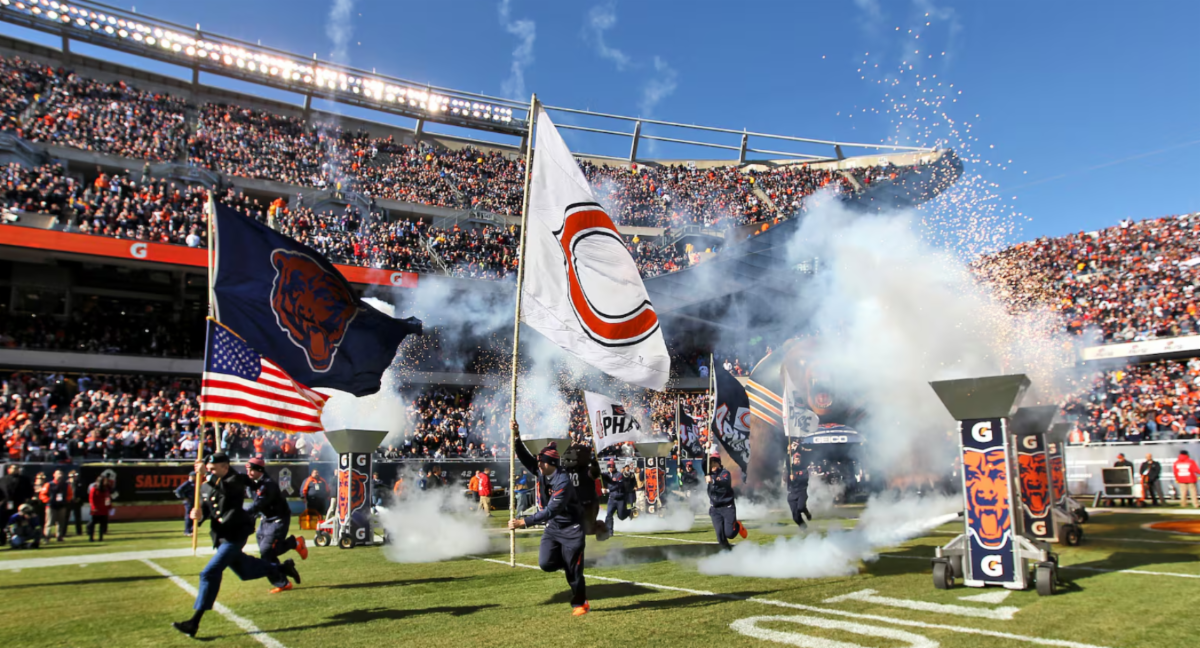
IL megaprojects bill advances as future of Bears stadium looms
An Illinois bill aimed at attracting large-scale developments, including a potential stadium for the Chicago Bears, advanced past the Illinois House Wednesday night as lawmakers remain divided over how far the state should go to incentivize billion-dollar projects.
The proposal, known as the “megaprojects bill,” would allow massive developments to negotiate long-term tax agreements with local governments instead of paying traditional property taxes. The bill separates these large developments into three different tiers.
The first tier is for projects estimated at $100 million, the second for projects at $500 million and the last at projects $1 billion or more; the third tier includes the Bears’ new stadium. Projects in the third tier could enter agreements with local taxing bodies for up to 40 years.
| |
Last week, an amendment was filed for the proposed “megaproject bill” related to the Arlington Heights domed stadium project.
As your team here at Michael Best, we want to keep you abreast of all major updates as this legislation continues to move through the process.
Our analysis outlines the purpose of the amendment, which is aimed at addressing key procedural hurdles stakeholders have identified as necessary to advance the project, as well as the broader policy implications of using targeted legislative tools to facilitate large-scale development.
For additional questions or concerns related to this bill reach out to a Michael Best team member.
| |
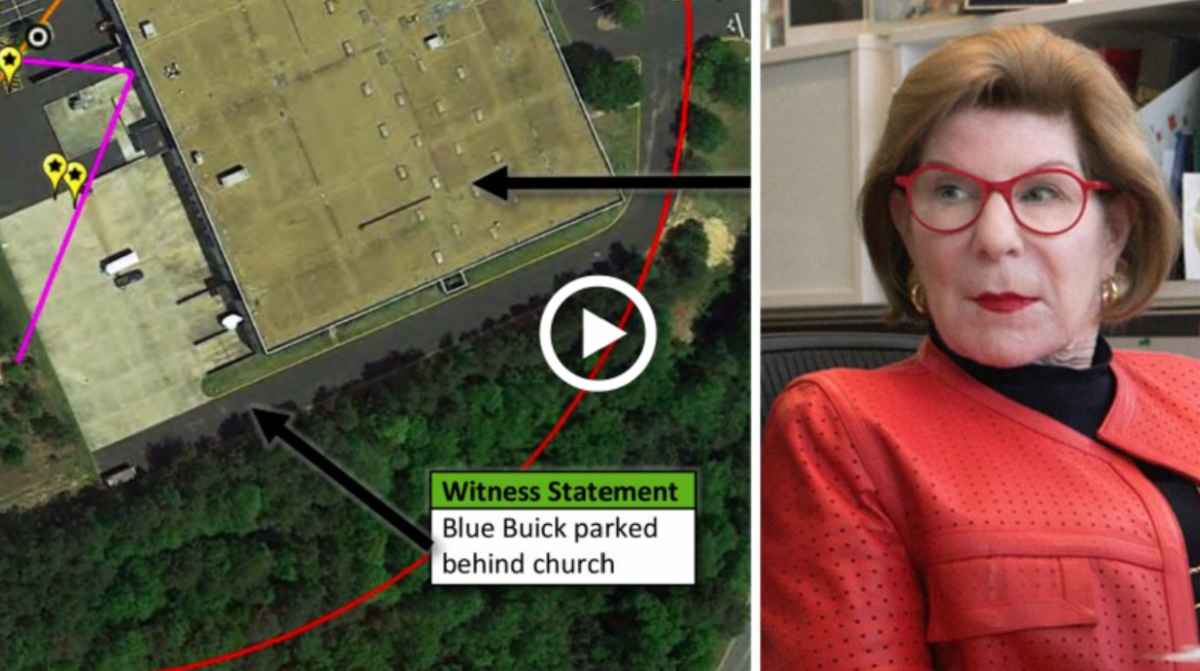
Police in Virginia used a technique called geofencing to tap into Google's databases to find out who was near the scene of a bank robbery in the town of Midlothian, where a robber pulled out a gun and subsequently fled with $195,000.
Geofencing allows the government to draw a virtual fence around a geographic area where a crime was committed. After that, the government seeks a warrant — not to search a home or office, but to require a tech company to search its data to identify any of its millions of users who were within the geofence line at the time of the crime.
| |
Artificial Intelligence Policy Update
Artificial intelligence policy continues to evolve rapidly at both the federal and state levels, with the Donald Trump administration advancing a national framework aimed at creating a unified federal approach.
At the federal level, the White House is pushing for legislation that would preempt certain state AI laws, reduce regulatory barriers, and support innovation, workforce development, and infrastructure growth. A series of executive orders over the past year has reinforced this strategy, focusing on expanding U.S. AI competitiveness, streamlining data center development, and integrating AI into national security and research efforts.
Congress remains active but fragmented, advancing targeted AI-related bills—such as those addressing small business adoption, supply chains, and deepfake protections—without yet coalescing around a comprehensive framework.
Meanwhile, states are moving aggressively. In 2026 alone, over 1,300 AI-related bills have been introduced nationwide, with dozens already enacted. These efforts focus on consumer protection, transparency, and content disclosure, contributing to a growing patchwork of regulations. Notably, Washington state recently enacted landmark laws requiring chatbot disclosures and enhanced safeguards for minors.
Key issues to watch include the ongoing debate over federal vs. state authority, the future of data center regulation and energy use, and how policymakers balance innovation with safeguards around privacy, security, and misinformation.
| | |
The 2026 legislative session began in January and will run through the end of May.
Find 2026 Spring Session Calendars below:
Senate Calendar
House Calendar
Below are all of the legislative deadlines for the spring in Illinois.
Jan. 16, 2026 - LRB Request Deadline
Feb. 6, 2026 - Introduction of both House & Senate Bills Deadline
Feb. 18, 2026 - Budget Address and State of the State
March 13, 2026 - Senate - SBs out of Committee Deadline
March 27, 2026 – House – HBs out of Committee Deadline
April 17, 2026 - Senate - SBs Third Reading Deadline
April 17, 2026 - House – HBs Third Reading Deadline
May 8, 2026 - House - SBs out of Committee Deadline
May 8, 2026 - Senate - HBs out of Committee Deadline
May 22, 2026 - House - SBs Third Reading Deadline
May 22, 2026 - Senate - HBs Third Reading Deadline
May 31, 2026 - Adjournment
| | |
The next JCAR meeting is scheduled for May 12 at 10:30 a.m. in Springfield. The agenda can be found here.
NEW! The April 24 Flinn Report can be viewed here.
Highlights:
1. Health Care & Medicaid Program Updates
- State agencies continue advancing rule changes tied to Medicaid service delivery and provider reimbursement structures, with a focus on strengthening access and standardization across care settings.
- Updates reflect ongoing implementation of broader reforms in maternal health, hospital-based services, and coordinated care delivery models, reinforcing system integration across Illinois’ safety net programs.
- Administrative adjustments also clarify provider participation requirements and billing frameworks as agencies modernize Medicaid operations.
2. Insurance, Public Health, and Coverage Standards
- The Department of Insurance and related agencies continue refining coverage standards for health-related insurance products, including alignment of preventive care and clinical decision-making requirements.
- Regulatory activity reflects continued emphasis on ensuring consistency in coverage rules, especially for preventive services and medically necessary care decisions.
- These updates support ongoing efforts to reduce administrative barriers for providers while maintaining uniform insurance compliance standards statewide.
3. Workforce, Licensing, and Administrative Rule Clean-Up
- Multiple agencies advanced technical and clarifying amendments to licensing and administrative rules, improving consistency across regulated professions and program oversight systems.
- Updates include procedural refinements for application reviews, documentation requirements, and compliance timelines, strengthening administrative efficiency.
- JCAR review activity continues to focus on ensuring rules align with underlying statutory changes and reduce unnecessary regulatory burden.
NEW! The April 24 Illinois Register can be viewed here.
Highlights:
1. Healthcare & Medicaid Program Expansions
- The Illinois Department of Healthcare and Family Services continues implementing rule updates across Medicaid and specialized care delivery systems, with a focus on expanding access and standardizing reimbursement structures.
- Updates reinforce administrative requirements for providers participating in medical payment systems and hospital-based services, signaling continued system-wide modernization of Medicaid delivery.
- Several rules also address coordination between hospital services and specialized care delivery models, strengthening integration across care settings.
2. Public Health & Food Safety Rulemaking
- The Illinois Department of Public Health advanced updates to hospital licensing requirements, reinforcing compliance standards and operational oversight for licensed facilities.
- Amendments to the Food Code clarify requirements for manufacturing, processing, packing, and holding of food products, tightening consistency with public health and safety standards.
- The Compassionate Use of Medical Cannabis Program also saw rule updates, continuing refinement of patient access and program administration.
3. Housing, Insurance, and Environmental Regulatory Actions
- The Illinois Housing Development Authority is reviewing Low-Income Housing Tax Credit allocation rules, with emphasis on program structure and compliance oversight.
- The Department of Insurance updated rules related to accident and health insurance policy form filing and construction standards, impacting carriers operating in Illinois.
- The Pollution Control Board advanced updates to air quality standards under the Illinois Administrative Code, reflecting ongoing environmental compliance and regulatory alignment.
| | |
Commission on Government Forecasting and Accountability’s March 2026 Monthly Briefing can be found here.
COGFA’s March 2026 Monthly Briefing Highlights:
- General Funds revenues increased by about $233 million (4.8%) in March, strengthening overall fiscal year gains.
- Through the third quarter, revenues are up roughly $1.57 billion (4.2%), reflecting steady improvement.
- Personal income tax revenues remain the primary driver of overall revenue increases.
- Sales tax receipts posted slight improvement, signaling steady but not rapid consumer activity.
- Corporate income tax revenues declined in March, highlighting continued unpredictability in business-related revenues.
- Other revenue categories and transfers showed inconsistent results, with some declines offsetting gains elsewhere.
Upcoming months—especially April—will be critical in determining whether current positive trends continue.
| | |
There are currently 169 active grant funding opportunities available through State agencies. For a full searchable list of agencies and opportunities, visit the Illinois Catalog of State Financial Assistance CSFA website.
If you have questions about any of these grants, please reach out to a Michael Best team member.
| | | | |
444 West Lake Street
Suite 3200
Chicago, IL 60606
| | | | |