|
When the magician stands in the spotlight and pulls a rabbit out of an empty hat…
… you can be sure…
… the hat was never empty. Fluffy bunnies don’t come out of thin air. They reside, squashed in the false bottom of the hat.
To the startled children in the audience, faces wrapped in wonder, it doesn’t matter. It’s the illusion that counts. The rabbit came out of the hat and that’s that. Round of applause for the magician, if you please.
And, so it is, the health service’s prestidigitator-in-chief is at it again.
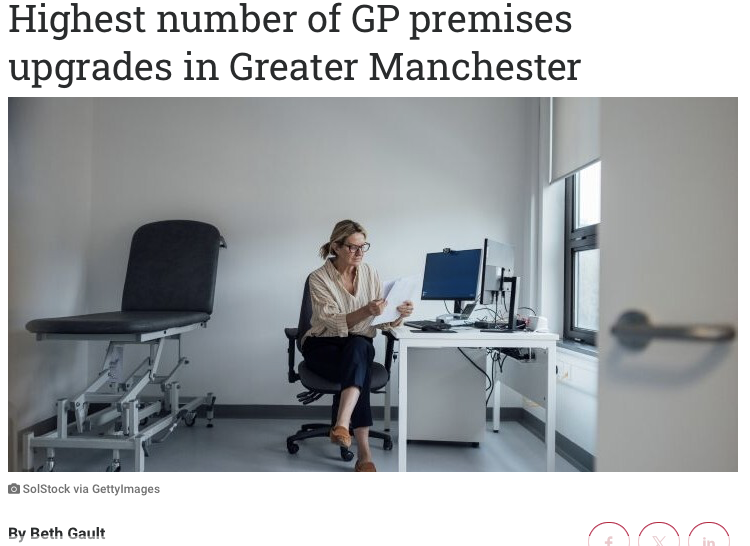
Our great leader has announce £102m to do something for 1,000 GP practices.
The £100m funding for estates was initially announced in the autumn budget in October, with plans to upgrade 200 GP estates across England.
However, the DH+ has now said that 1,027 practices spread out across the 42 ICBs will benefit.
How? By, 'bringing GP premises up to a similar condition across England'.
What does that mean? Dunno.
We’re told, there is to be an end to the ‘8am scramble’ for GP appointments because of an investment in better telephone systems and doctors will have, well, some doctors will have more space to do stuff.
What stuff? Dunno.
Don’t get me wrong… if there’s more money for the NHS, I’ll always be first in the queue. But…
… most of this is in the existing NHS LongTerm Plan or a rehash of previous announcements and...
... without a radical change in NHS revenue funding mechanisms, to move actual treatments, plus training, staffing and ancillary issues, I can see most of this new space ending up as offices or car-parks.
The NHS has already invested £240 million to upgrade GP surgeries to digital phone systems. Targeted for spring 2024 and now over 90% of practices have the new cloud telephony systems.
There is an evolving landscape in primary care.
Where is it going? Is more space the answer? What is it going to do?
'More' is not a good enough answer.
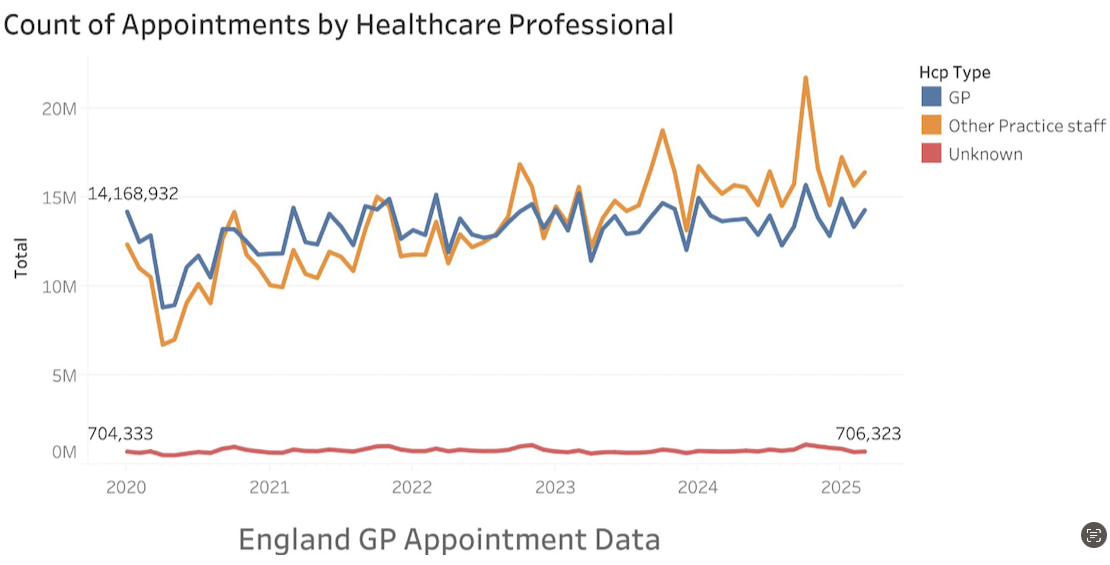
The data reflects a significant shift towards remote consultations, driven initially by the pandemic and sustained by technological advancements and changing patient preferences.
Back in February 2020, telephone consultations constituted 13.5% and since have doubled, to 26%. Video and online appointments have steadily increased… over 5% by August 2024.
Face-to-face appointments have decreased. Prior to the pandemic, over 80% were conducted in person. This figure dropped to 70.8% in October 2023 and dropped again, to 64.8% by August 2024. The trajectory is downward.
Not all care can be delivered remotely. Not all patients want it.
However, where it’s safe, possible and popular, it creates the headroom for ‘them-what-don’t', to have better care… elderly, digitally excluded, translation issues and safeguarding… I get that.
Remember, the NHS Long Term Plan committed that by 2023/24 every patient in England will be able to access a digital-first primary care… they can… nothing to do with Streeting.
GP practices are part of the community infrastructure. Symbolic and practical.
We expect them to be there but remote consults reduce footfall (greener), free-up rooms and staff time. Space previously considered inadequate may now meet needs, if reconfigured.
There's often poor auditing of how consulting rooms are actually used.
The assumption that every clinician needs a dedicated physical space 24/7 no longer holds in a hybrid model. Room-sharing and sessional hot-desking could offset any need for new buildings.
Remote doctors, working from home is an actuality, now.…
… but ‘big-ticket’ investments are politically totemic and there is more to Streeting’s legerdemain.
The real strategic driver behind investment in GP premises isn't about GP demand per se. It's about shifting care from hospitals. By the way, in the existing NHS Long Term Plan.
The triptych:
- reduce hospital pressure and waiting lists;
- deliver care closer to home;
- save money through earlier intervention and prevention.
Time and experience tells us, it’s not that easy…
… it’s the dilemma of double running costs.
Primary care must expand capacity before care is shifted. Hospitals cannot downsize or reconfigure because they still have to continue to do all the things a hospital has to do...
... with all the facilities, diagnostics, kit and caboodle and carry the cost of beds, overheads, and consultants.
The assumed gains in cost saving never arrive.
The optimistic hope, patients will be healthier with earlier, local intervention. The system will be more efficient.
Maybe, but workforce shortages are likely to persist. Healthier patients are usually the product of healthier lifestyle, work, environment, education and nutrition which is beyond the scope of the NHS.
Magicians don’t really cut ladies in half… but apprentice conjurers could learn a lot from health secretaries…
… they are very good at illusions.
|