Visual 1st Perspectives


May 15, 2023

Imaging takeaways from Google I/O

To start: yes, most of Google I/O’s announcements are fueled by AI. (Not convinced? If you haven’t already watched it, check out this fun 14 sec. summary of Sundar Pichai's keynote).


And in case it escaped you: Google is very much in catchup mode, as the company that repositioned itself 7 years ago as AI-first had to see other players seize the limelight when announcing one innovative generative AI announcement after another this spring. Most notably coming from the Microsoft Bing – Open AI combo, which threatens Google’s core cash cow: advertising-supported Search.


In December word got out that Google internally called this threat “Code Red” and all hands had to be on deck to speed up generative AI development in order to be able to go all out at Google I/O to show that Google is very much still on the forefront of AI innovation, while also well aware of the potential risks posed by generative AI. Google I/O’s mantra last week: Being “Bold and Responsible.”


The result? No fewer than 25 Google products were announced with new features leveraging Google’s latest and greatest AI model, PaLM 2. [We’ll discuss PaLM 2’s capabilities more in detail at Thursday’s The latest AI tech announcements – what do they mean for the photo & video industry? Spotlight.]


I’ll focus here on 3 end-user facing products that specifically introduced photo & video features: Google Photos, Google Bard, and Google Search.

May 17, 8:00 – 9:30 am PDT

Live-streamed only


The Latest AI Tech Announcements


What do they mean for the

photo & video industry?


Buy your ticket NOW

Ticket sales end tomorrow, Tuesday!


Fireside chat: 

Boris Eldagsen, Photomedia Artist,

Prompt Whispering


Panelists:

Michael Osterrieder, CEO & Co-Founder, vAIsual

Julia Enthoven, CEO & Co-Founder, Kapwing

Javier Ideami, CEO Ideami &

Co-Founder The Geniverse

Keith Barraclough, CTO & Head of Product, Zenfolio

Google Photos: Photo editing as next step toward becoming a full-fledged image platform


Remember the days that Google Photos was just your online photo album? Well, in recent times it has moved on beyond photo cloud storage to proactive curation to print products to enhancement and now to editing.


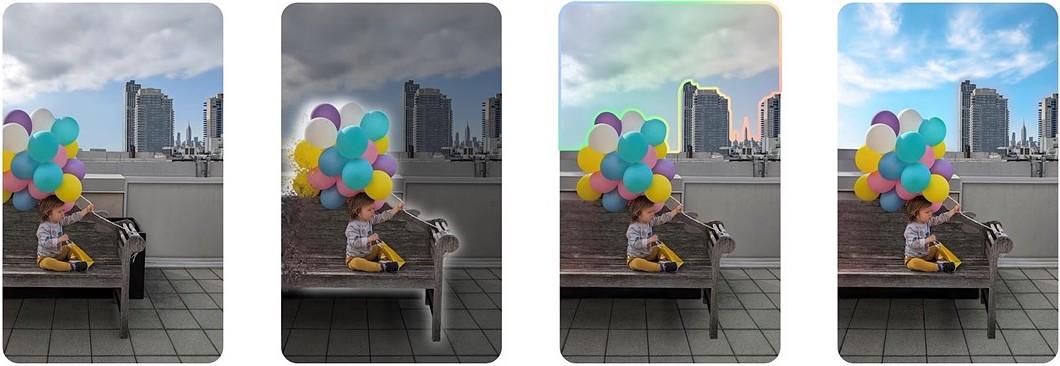
On the photo enhancement side of things, Google Photos already offered Photo Unblur and Magic Eraser (which enables you to easily remove distracting elements from photos, such as photobombers or power lines, while seamlessly filling the gaps with the background).


Google Photos now also announced Magic Editor, which uses a combination of semantic understanding and generative AI to help you make edits to specific parts of an image. For instance, through a simple click and drag you’ll be able to “cut out” a subject in the foreground of the photo and move the subject to a better positioned spot, or recolor specific objects in an image. Based on the demos, the editing appears to create a natural-looking result that doesn’t look like it was digitally altered.

While the Magic Eraser functionality in itself was not new (several Visual 1st presenters, including cutout.pro, TouchRetouch and Luminar have shown similar enhancement features, while Apple also introduced an image cutout feature in iOS 16), the addition of Magic Editor turns Google Photos more and more into a one-stop cloud imaging platform.


Pixel phones will get early access “later this year.” Google hasn’t announced yet if or when Magic Editor will be available for a broader category of Google Photos users.


Google Bard: Now supporting image generation and editing


Labeled as an “experimental” chatbot to counteract Microsoft’s Bing chatbot (the AI feature that catapulted the once dormant Bing search engine to pass the 100M daily active users mark back in March), Google Bard is wholeheartedly participating in the generative AI race with several new features announced last week. 


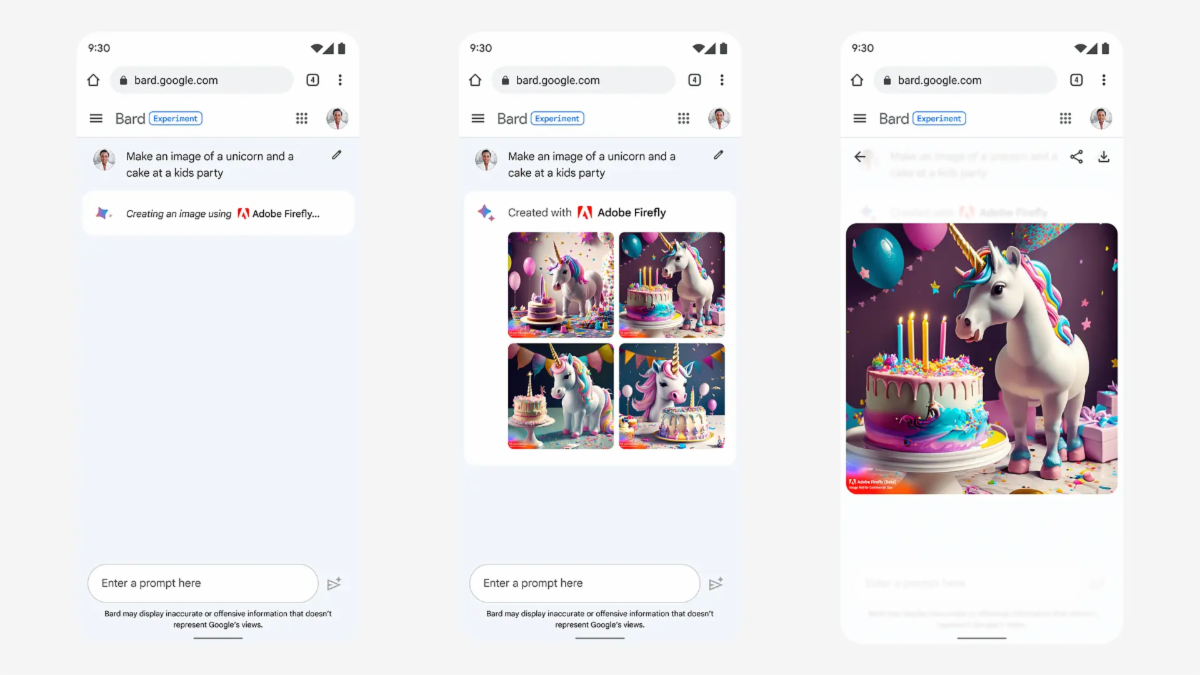
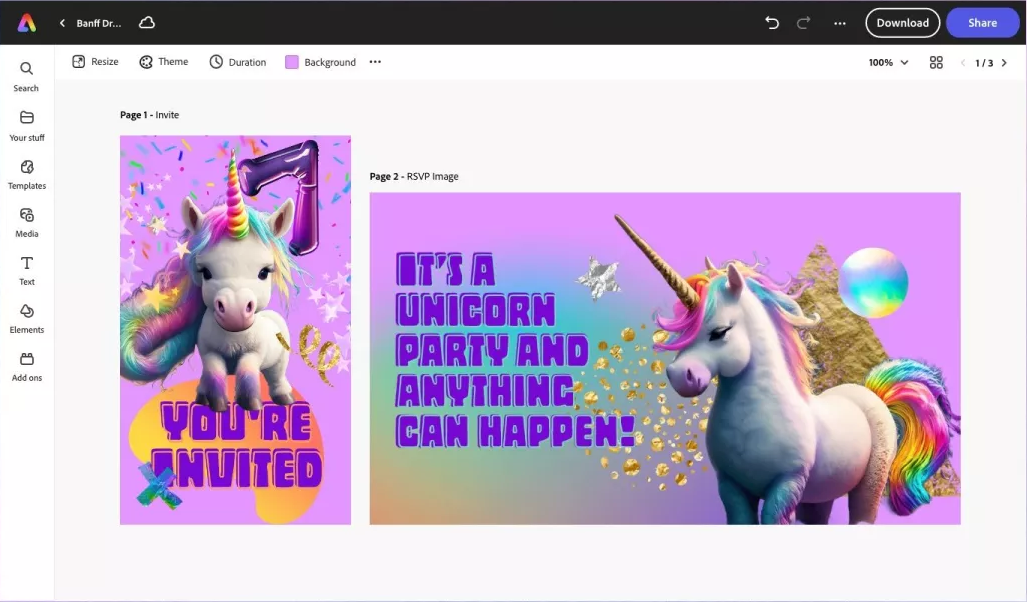
Specific to imaging, Bard will be able to AI-generate images in its chat responses to the user’s text (Bing introduced image-generated AI earlier this spring as well). What drew the attention though is that Bard’s visuals are generated by Adobe's Firefly image generator (and not based on Google's own Imagen AI image generating technology) and also integrates with Adobe Express, Adobe’s free graphic design web app, for creating all kinds of visual materials. 

This Google-Adobe partnership has two advantages for Google.


First, it trumpets the responsible part of Google's “Bold and Responsible” mantra. Unlike many other AI imaging solutions (including Google's own Imagen?), Firefly is designed to only generate images free from copyrighted materials, as they have been trained on hundreds of millions of licensed images from Adobe Stock, Adobe’s stock content library. Firefly automatically generates content credentials, which remain associated with the image wherever it’s used, published or stored (the credentials use standards advocated by the Content Authenticity Initiative (CAI), which we discussed last year at Visual 1st). 


Second, the partnership shaves off time to market for Google. Not only is Firefly a tad farther along to becoming an enduser-facing solution available to the general public, Bard also leapfrogs the competition by incorporating Adobe Express as part of a more complete image/design solution. When engaging with the chatbot you will be able to choose Express templates, fonts and stock images and use the web app's design features to create the visuals you need.


On a side note, while Google announced that Bard is now available in 180 countries, it is still absent in the European Union – presumable related to GDPR concerns.


Google Search: Taking first steps towards AI image identification


Now let’s switch to Google’s traditional cash cow: advertising-supported Google Search and zoom in on its photo-related announcements.


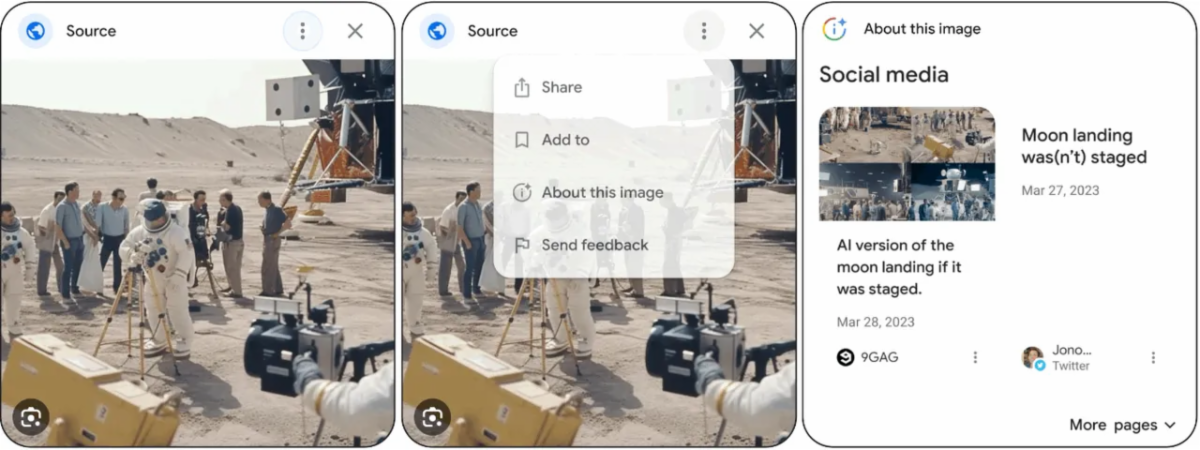
Aimed at combatting misinformation arising from AI-generated images, Google announced the addition of an “About this image” info box that you can open when inspecting an image Search result. This then tells you when the images and similar images were first indexed by Google, where the image may have first appeared online, and where else the image has been seen online (e.g. a reputable news site vs. a tweet from Joe around the corner). 


If an image has been created through Google’s/Adobe’s Firefly offering, it should also have its CAI-specified image credentials be visible in “About this image.” 

Google also announced that other creators and publishers will be able to label their images using the “About this image” metadata format as well, so that this info is accessible when these images appear in Search results. To start, Google says that Midjourney and Shutterstock will roll out the markup in the coming months.

I commend Google for taking a first step toward identifying AI-generated images in Search – but it is really a first baby step, and much still needs to be done to make AI image identification more ironclad, and to move away from primarily putting the onus on the user to make the assessment whether an image is “real” or made by AI.


Google said it will roll out “About this image” for (initially) English-language searches in the US this summer.


Finally, with Google just having fired on all cylinders to convince the world how much generative AI innovation they’re going to bring to market, what will that other 800 pound gorilla – which has been relatively mum about generative AI so far – show us at WWDC June 5-9? We’ll keep you posted!


Best,


Hans Hartman

Oct. 24, starting at 1:00 PM +

Oct. 25, 9:00 AM - 5:30 PM

1.5-day conference, San Francisco


Super Early Bird: $100 off until May 31!


Archive & Subscribe | Share your news with us | Connect on LinkedIn