LOVE IS THE LANGUAGE SPOKEN HERE

June 30, 2026

Musings from the Top of the Stairs


Beloved,


Every Sunday, as our worship draws to a close, we speak words I hope are becoming part of the heartbeat of St. Luke's.


Together we proclaim:


  • "We are all loved by God, who created us."
  • "We are all worthy in the eyes of God."
  • "Your voice matters. Your dreams matter. Your life is sacred."
  • "As beloved of God, we all belong to this community and to this circle of kinship and compassion."


Those are not simply comforting words to end a service. They are a proclamation of the Gospel. They remind us who God says we are before the world tells us who we are, before our successes or failures define us, before our fears or accomplishments become our identity.


Yet there is something even more important that happens at the end of our litany.


We do not simply receive God's blessing.


We commit ourselves to becoming God's blessing.


Together we say:


"We have been blessed, and we commit ourselves to being the blessing for everyone we meet."


That is far more than a beautiful dismissal. It is our mission. It is another way of expressing the promises we make every time we renew our Baptismal Covenant.


In the Baptismal Covenant we promise, with God's help, to continue in the apostles' teaching and fellowship, to proclaim the Good News of Christ, to seek and serve Christ in all persons, loving our neighbors as ourselves, and to strive for justice and peace among all people while respecting the dignity of every human being.


Those promises are inspiring.

They are also demanding.


It is relatively easy to respect another person's dignity when we agree with them.


It becomes holy work when we don't.


Every congregation experiences misunderstandings. Every church has moments of disappointment, conflict, differing opinions, and hurt feelings. Conflict itself is not the problem. It is simply part of living in authentic community.


I believe the deeper question is this:

Who are we becoming in the midst of our disagreements?


"The Four Horsemen"


Psychologist and relationship researcher John Gottman spent decades studying what causes relationships to flourish and what causes them to deteriorate. Although his work focused on marriages, the patterns he identified can be found wherever people seek to live in close community, including the Church. He called these destructive patterns the "Four Horsemen":


  • Criticism
  • Contempt
  • Defensiveness
  • and Stonewalling.


Seen through the lens of our Baptismal Covenant, each of these habits tempts us to forget who God says our neighbor is.


Criticism forgets that every person is worthy.


There is an important difference between expressing concern and attacking someone's character. Healthy congregations ask difficult questions and wrestle honestly with difficult decisions. Criticism, however, moves beyond the issue and begins judging the person.


"The Vestry never listens."

"The choir only cares about itself."

"They always..."

"We never..."


Soon we stop seeing one another as beloved children of God and begin reducing one another to stereotypes and assumptions.


Our Baptism calls us to something better.


If every person is worthy in God's eyes, then every conversation should begin with respect, even when we disagree.


Contempt forgets that every person is loved.


John Gottman considers contempt the most destructive of the four horsemen because it communicates superiority.


It appears as sarcasm, dismissive comments, gossip, eye-rolling, ridicule, or quietly assuming the worst about another person's motives.


Nothing could be further from the heart of the Gospel.


The person who frustrates me most is still someone Christ loves.

The person whose opinions differ from mine still bears the image of God.


When we forget that truth, we are no longer simply disagreeing. We are failing to seek and serve Christ in all persons.


Defensiveness forgets that every life matters.


When someone raises a concern, our first instinct is often to explain ourselves.


"That's not what I meant."

"You misunderstood."

"But what about..."


Defensiveness protects our ego more than it protects our relationships.

Humility asks a different question:


"What might the Holy Spirit be trying to teach me through this conversation?"

Deep listening is one of the most profound ways we communicate that another person's life, experience, and perspective matter.


Stonewalling forgets that we belong to one another.


Sometimes conflict becomes exhausting.


Instead of talking, we withdraw.

Instead of engaging, we become silent.

Instead of working through the discomfort, we quietly disappear.

Withdrawal may reduce tension for a while, but it rarely brings healing.


Living Into Being the Body of Christ


The Church is not a collection of isolated individuals. Through Baptism we have become members of one Body.


Belonging means we stay at the table, even when the conversation becomes difficult. It means we keep praying together, listening together, serving together, and trusting that God is still at work among us.


Perhaps that is why our litany concludes where it does. We are invited to make St. Luke's a community where love is not merely spoken but lived.


Imagine what would happen if every committee meeting, every Vestry discussion, every choir rehearsal, every ministry gathering, every coffee-hour conversation, and every difficult disagreement began with one simple question:


How can I help this person know that they are loved by God, worthy in God's eyes, that their life matters, and that they belong?


  • How differently might we listen?
  • How differently might we speak?
  • How differently might we disagree?
  • How differently might we forgive?
  • How differently might we welcome the stranger?
  • How differently might we care for one another?


This is not about avoiding conflict.

It is about choosing love.

It is about becoming the people our Baptism calls us to be.


Week after week we gather around Christ's table.


  • We confess our failures.
  • We receive God's mercy.
  • We are nourished by Christ's presence.
  • And then we are sent into the world.


Not simply to tell people that they are loved.

Not simply to tell people that they are worthy.

Not simply to tell people that their lives matter.

Not simply to tell people that they belong.


We are sent to live in such a way that people experience those truths through us.


That is what it means to be the Church.


That is what I believe it means to be a community built on love.


And that is what we proclaim every Sunday as we leave this place:


We have been blessed, and we commit ourselves to being the blessing for everyone we meet.


May it be so, with God's help.


Faithfully,


John +


RESOURCES FOR SPIRITUAL GROWTH

SOME POWERFUL & INSPIRING WORDS FOR REFLECTION


Stepping Out of the Shadows from NPR's Podcast: HIDDEN BRAIN


Why does one bad experience have the power to overshadow an otherwise good day? Psychologist Alison Ledgerwood explores the negativity bias, the deeply human tendency to hold on to what went wrong and overlook what went right. She explains why our minds are drawn to losses and threats, and what it takes to rebalance our attention. Then, on Your Questions Answered, psychologist David Pizarro returns to respond to your comments about the surprising role of disgust in shaping our lives. 


Click the link below to hear to podcast:


https://www.hiddenbrain.org/podcast/stepping-out-of-the-shadows/

ADULT FORMATION


Wednesday Online Book Study


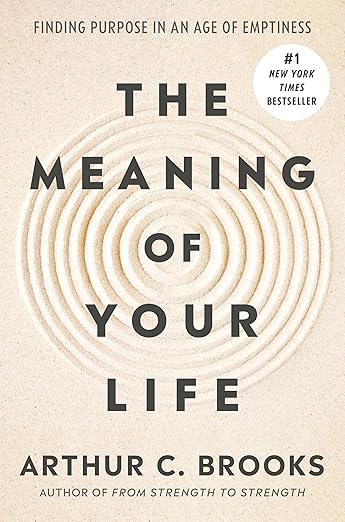
The Meaning of Your Life

Finding Purpose in an Age of Emptiness

by Arthur C. Brooks


Wednesdays • Noon–1:30 p.m.

July 8 • July 15 • July 15 • July 22


Many people today find themselves asking deeper questions about life, purpose, happiness, and meaning. We live in a world that keeps us busy, connected, and entertained, yet many still experience a sense that something important is missing.


Beginning Wednesday, June 17, join Father John for a four-week online discussion of Arthur C. Brooks' insightful and accessible book, The Meaning of Your Life: Finding Purpose in an Age of Emptiness.


Drawing on psychology, philosophy, faith, and practical wisdom, Brooks explores why so many people struggle to find meaning and fulfillment, and offers a path toward a richer, more purposeful life. Together we will reflect on questions such as:


  • What gives life meaning?


  • Why doesn't success always bring fulfillment?


  • What is the difference between happiness and purpose?


  • How do relationships, beauty, faith, and service contribute to a meaningful life?


  • What is God calling us toward in this season of our lives?


Whether you have read the book or are simply curious about the topic, you are welcome to join the conversation.


JOIN BY ZOOM


https://us06web.zoom.us/j/8498487811?pwd=LGq3JwKv396Cba4pfGug7XZLv8B2Ve.1


Meeting ID: 849 848 7811

Passcode: 240226


Join by Phone: +13017158592,,8498487811#,,,,*240226# US (Washington DC)


SERMON SUMMARY

5th Sunday after Pentecost - Proper 8A

Theme: The God Who Provides


Discovering that mature faith is not rooted in certainty or control, but in trusting the God who sees, provides, and faithfully accompanies us through life's most difficult journeys.


Key Points

  • The story of Abraham and Isaac is meant to unsettle us. Rather than rushing to the happy ending, we are invited to wrestle honestly with one of Scripture's most challenging passages.


  • God's test was not to reveal Abraham's faith to God, but to reveal it to Abraham. We often discover the depth of our faith only when life asks more of us than we ever imagined.


  • Each of us has an "Isaac," a person, dream, identity, or future that we cling to so tightly we cannot imagine placing it in God's hands.


  • "Adonai Yireh" means "The Lord will provide" or "The Lord will see to it." God's greatest provision is not always an explanation, but God's abiding presence in the midst of uncertainty.


  • Faith is an ongoing pilgrimage of the heart, requiring open hands rather than clenched fists, trusting God's future more than our own plans.


  • God's provision often comes through ordinary acts of kindness and compassion. We are called not only to trust God's provision for ourselves but also to become God's provision for others.


Questions to Ponder

  • What is your "Isaac," the thing, person, or future you most fear losing?


  • Do you believe, at the bottom of everything, that God will see to it?


  • Where have you experienced God's presence, even when the outcome was uncertain?


  • How might God be inviting you to trust the future with open hands rather than holding tightly to the past?


Invitation to Act

  • Take time this week to identify your own "Isaac" and honestly place it before God in prayer.


  • Trust that God's presence is with you on whatever mountain you are climbing today, even when you cannot yet see the outcome.


  • Look for opportunities to become God's provision for someone else through simple acts of welcome, kindness, encouragement, or prayer.


  • As individuals and as a parish, choose hope over fear, trusting that the God who has been faithful in the past will continue to lead us into the future.


Closing Thought

The story of Abraham and Isaac does not promise that life will be free from difficult mountains to climb. It promises something far greater: that we never climb them alone. The God who provided then still sees, still provides, and still walks beside us today. May we have the courage to entrust our lives—and our future—to the One who is always faithful. 


OUTREACH & COMMUNITY ENGAGEMENT

ST. LUKE'S PARISH EVENTS

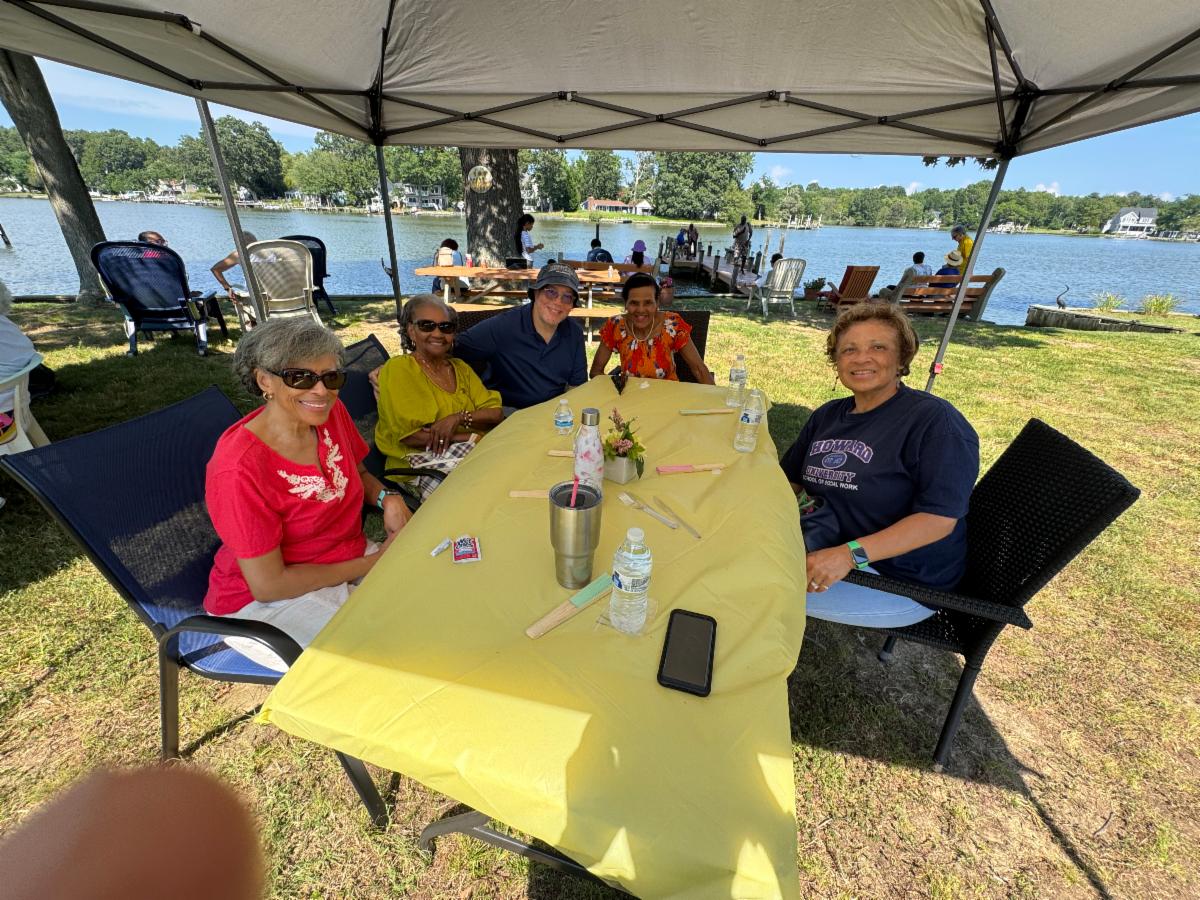
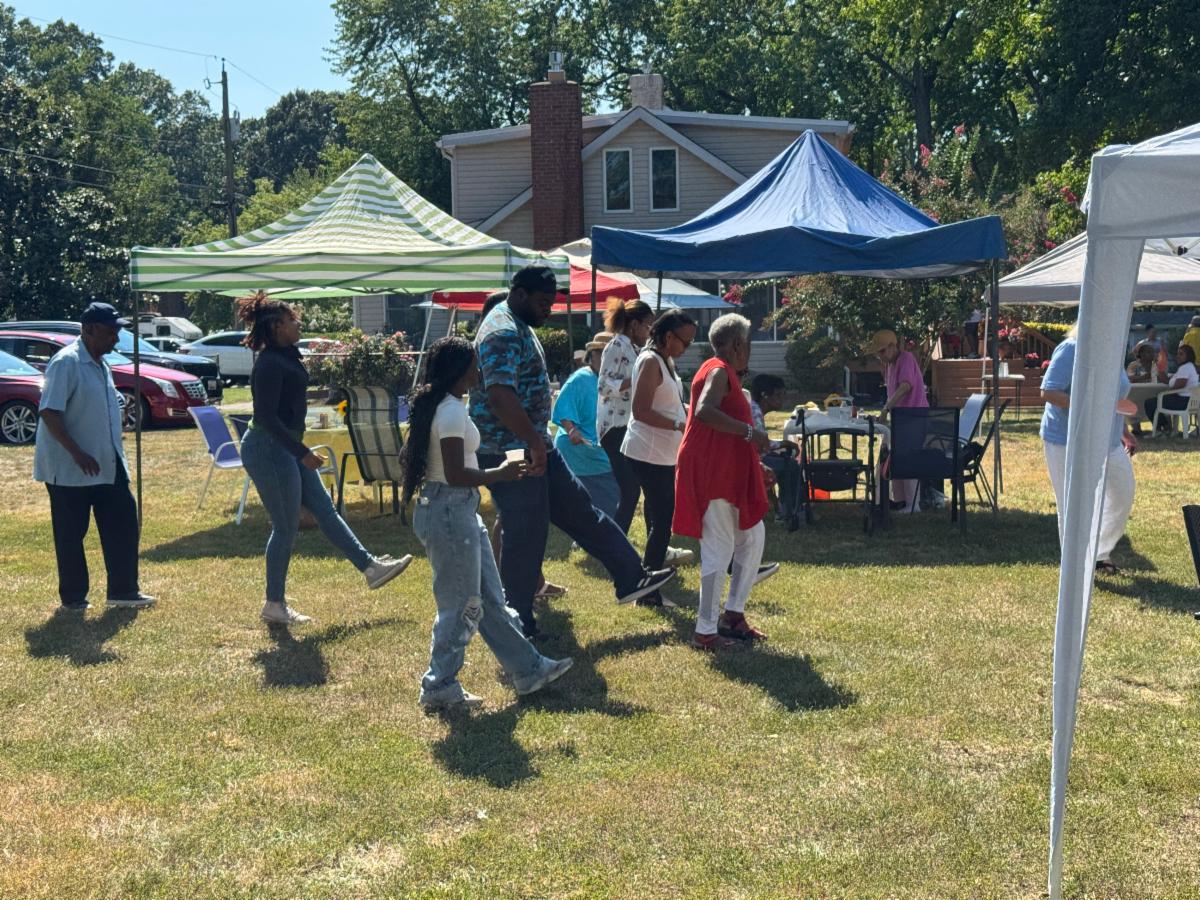
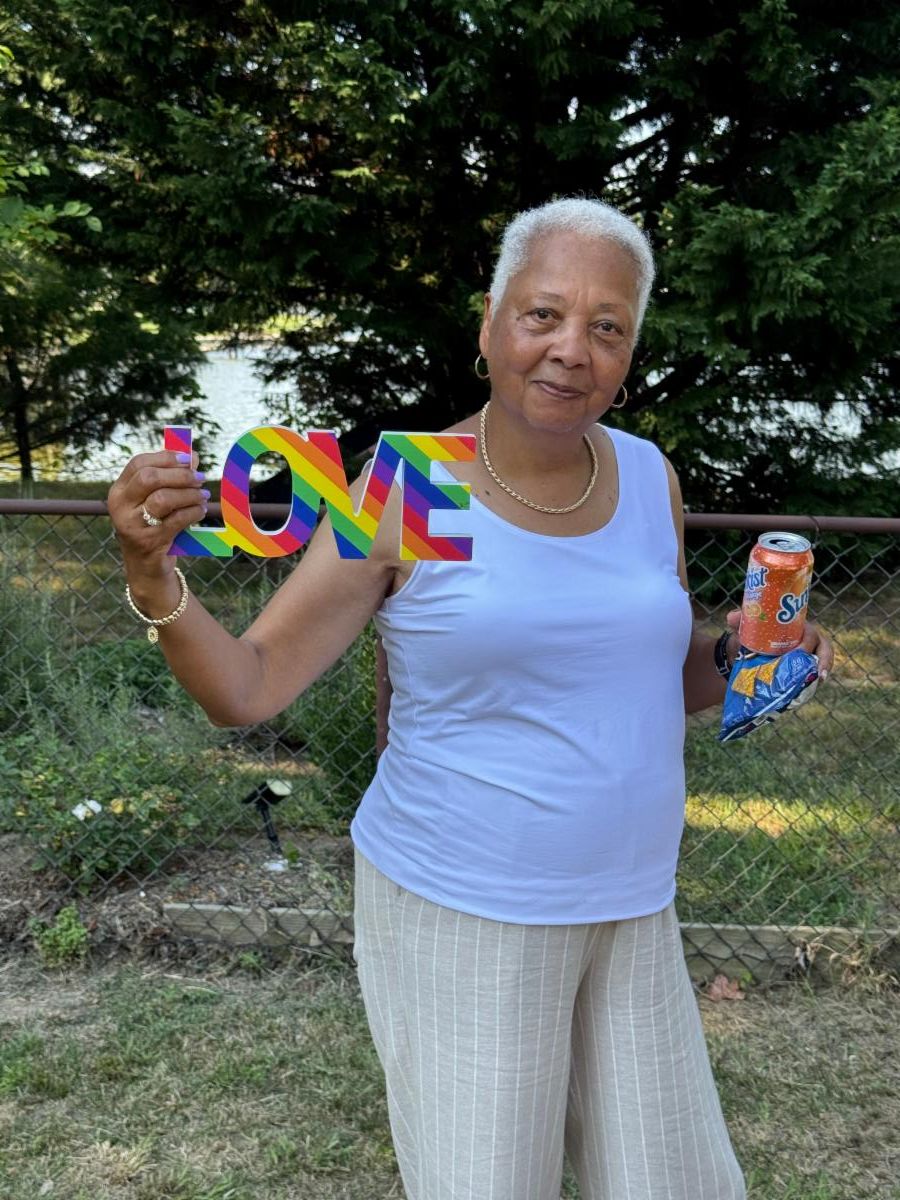
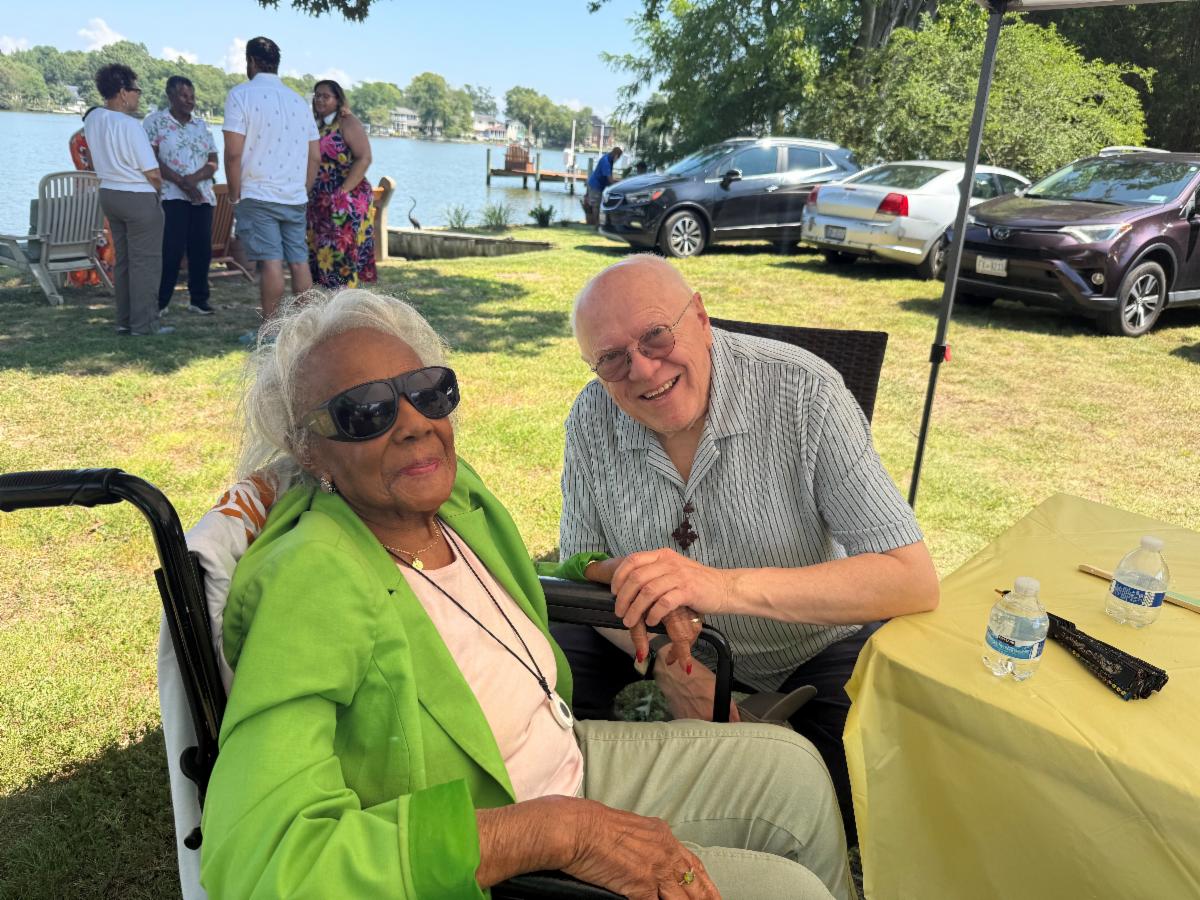
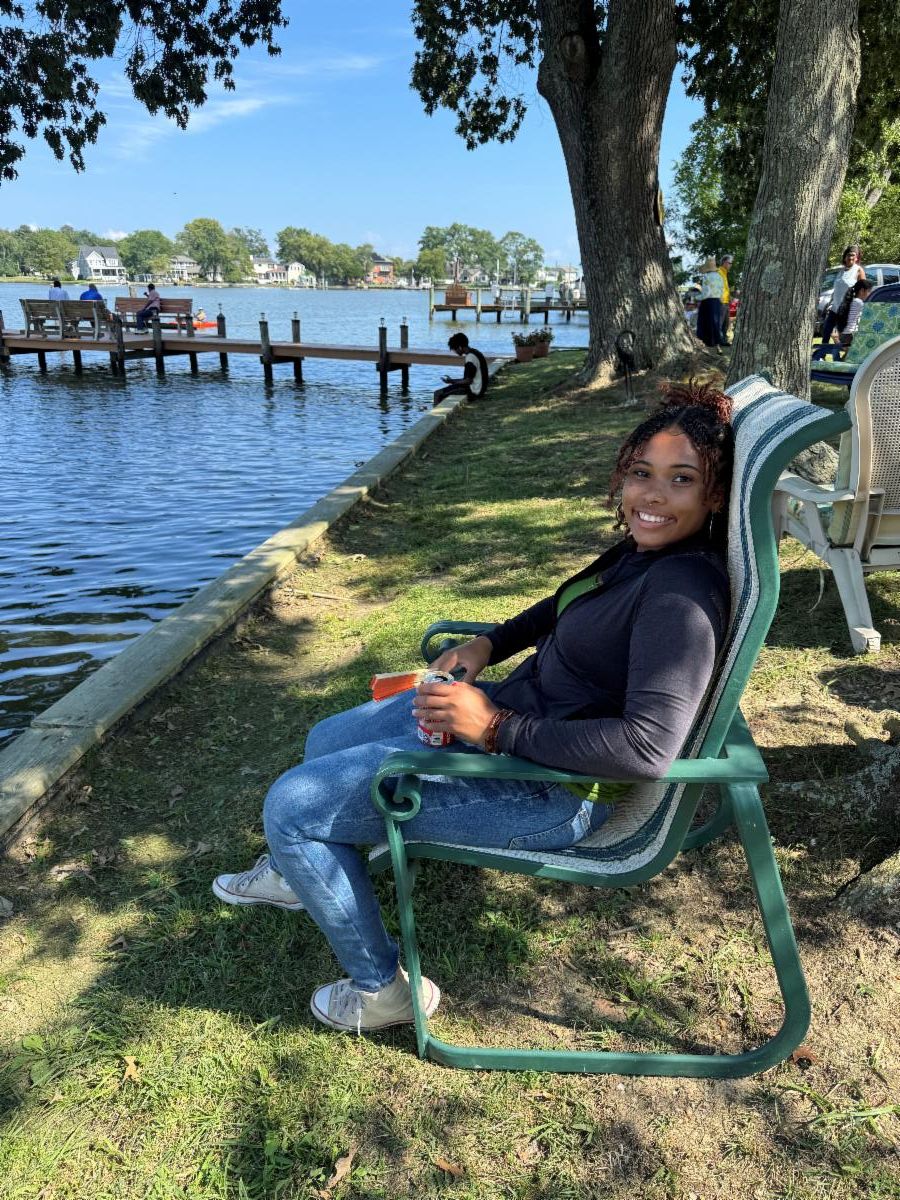
PICTURES

FROM ST. LUKE'S

2025 PICNIC

@ BENNIE'S HOUSE


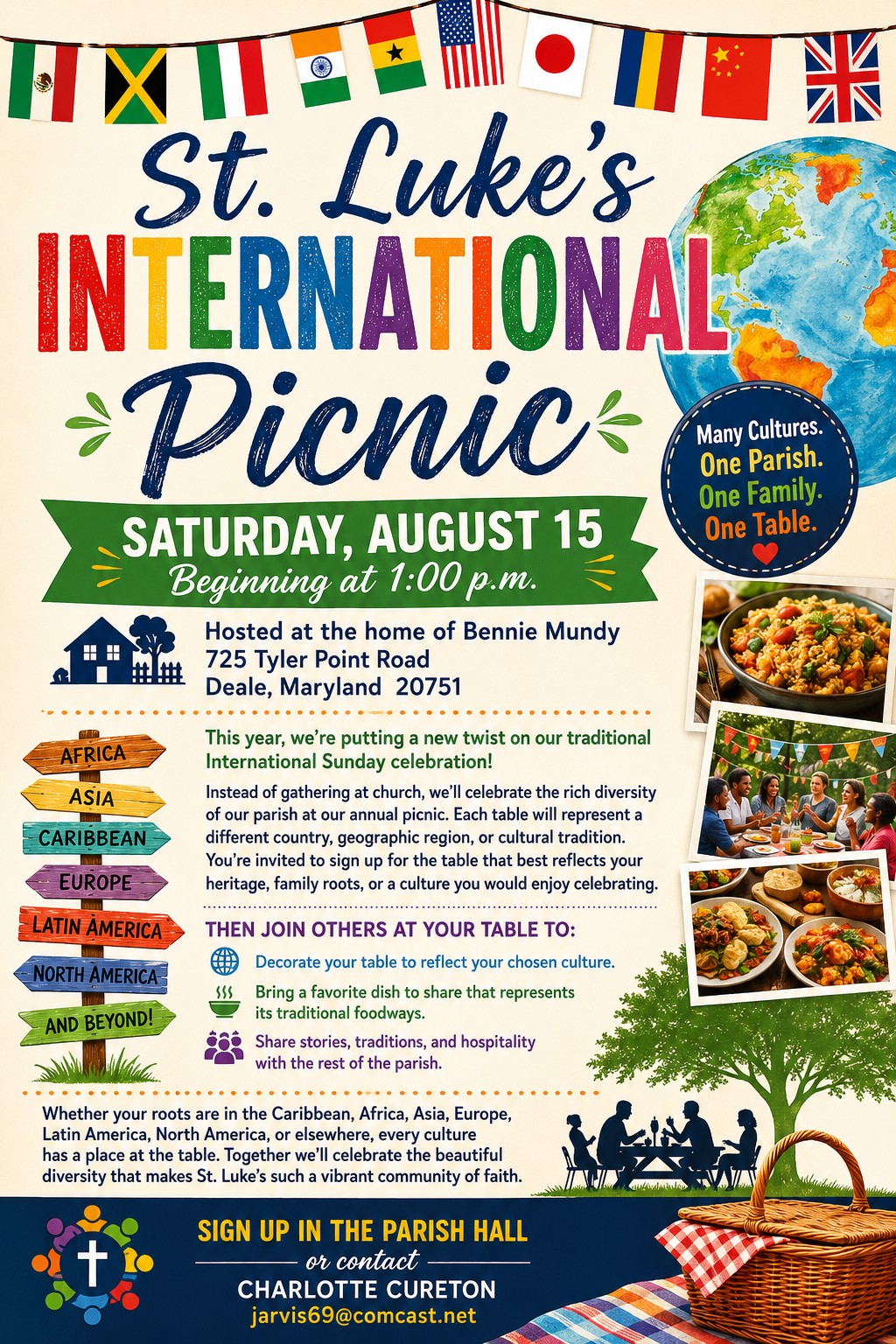
International Picnic


Saturday, August 15th

Beginning at 1:00 p.m.


Hosted at the home of Bennie Mundy


725 Tyler Point Road

Deale, Maryland 20751


This year, we're putting a new twist on our traditional International Sunday celebration!


Instead of gathering at church, we'll celebrate the rich diversity of our parish at our annual picnic. Each table will represent a different country, geographic region, or cultural tradition. You're invited to sign up for the table that best reflects your heritage, family roots, or a culture you would enjoy celebrating.


Then join others at your table to:

  • Decorate your table to reflect your chosen culture.
  • Bring a favorite dish to share that represents its traditional foodways.
  • Share stories, traditions, and hospitality with the rest of the parish.


Whether your roots are in the Caribbean, Africa, Asia, Europe, Latin America, North America, or elsewhere, every culture has a place at the table. Together we'll celebrate the beautiful diversity that makes St. Luke's such a vibrant community of faith.


Sign up in the Parish Hall

or contact Charlotte Cureton at jarvis69@comcast.net.


Vestry Members: Class of 2027 & 2028


Vestry Terms: 2 Years


Class of 2028


Class of 2027


Elected & Appointed Officers of the Vestry 


Delegates to the 2027 Diocesan Convention: 


In accordance with the Parish ByLaws, Vestry meetings are once each month. Meetings are held online by Zoom. Parish members are welcome to attend.


Normally, the monthly Vestry meetnigs are held by Zoom on the third Tuesday of the month from 6:30 - 8:30 pm.


NOTE: The Vestry sometimes takes a hiatus from their regular monthly meeting during the months of July and August. Any Vestry meeting scheduled for July or August will be announced in advance.


https://us06web.zoom.us/j/6422010745?pwd=QmtEQ240Y0cxZVpZWUc2UktreVN2dz09


Meeting ID: 642 201 0745 Passcode: YSJN8e


Dial by your location

+13017158592,,6422010745#,,,,*600872# US (Washington DC)


DONATIONS


St. Luke’s ministry depends on your financial gifts and pledges. There are several

ways to support St. Luke’s financially: 


● Giving electronically to St. Luke’s online at stlukesdc.org/donation/

https://stlukesdc.org/donation/


Use this QR Code to donate online via phone.


● Mailing contributions to: 


St. Luke’s Episcopal Church

1514 15th Street, NW

Washington, DC 20005


● Place offerings in the collection plate during services.


Your generosity makes St. Luke’s ministry to the parish and the broader community possible.


Thank you!