Some Notes on Winter Damage!
Across gardening circles, gardeners are lamenting heavy winter damage to plants, especially broadleaf evergreens (like rhododendrons). We've talked to experts, read what experts have to say and here is a summary of the best intel we found on what went amiss (a particular nod to Planters' Choice Nursery in CT who did a great job of providing summary information we've pulled from heavily):
Winter Drought + Wind Damage: Much of Southern New England entered winter 2024–2025 with dry soil due to a relatively dry fall. Harsh winter winds, especially in open or exposed sites, led to desiccation damage—a major issue for broadleaf and needle evergreens like rhododendrons, hollies, and arborvitae. Many plants looked fine until spring, when damaged buds and branches failed to recover.
Warm Winter, Then Late Freezes: February and March were warmer than average, causing many plants to bud out early. Then, in early April, several areas saw sudden cold snaps—which froze tender new growth, flower buds, and early leaf-out.
Hydrangeas, magnolias, cherries, and early maples were among the hardest hit.
Heavy Spring Rains and Saturated Soils: By April and May, much of Southern New England had well above-average rainfall. This caused root rot, suffocation of young plants, and poor soil oxygen levels. Many spring ephemerals and bulbs emerged on schedule, but woody ornamentals struggled, especially those planted in low-lying or compacted areas.
The damage seen in 2025 wasn’t caused by one single event—it was the accumulation of stress from drought, wild temperature swings, poor planting conditions, and wet soils. Even long-established trees and shrubs that had appeared healthy in 2024 failed to leaf out or flower in 2025. Many of the plants that failed in 2025 were already weakened by previous years of climate extremes. 2022 and 2023 brought droughts during the growing season and flash freezes during winter. Those stresses may not kill plants outright, but they reduce vigor, increase vulnerability to disease, and weaken root systems—setting the stage for decline in 2025. Plants planted within the last 2–3 years, even if they looked healthy in 2024, may have had poorly developed root systems due to summer droughts, compacted or poorly drained soils, overhead irrigation without deep watering. These plants ran out of reserves over winter and never bounced back in spring 2025.
In many cases, plants looked dead, only to push new growth from the base or lower stems weeks later—indicating top dieback, not full death. Some were simply delayed; others needed rejuvenation pruning to recover. In the case of the native plants we prioritize, we saw many people giving up on plants far to early this spring without giving them any opportunity to demonstrate the resilience that they are known for. During times of stress, native plants will often put their energies into the roots, not into top growth. Give them time! Many native plants inherently emerge late and patience pays off!
So what what can you do moving forward?
Choose resilient species: Look for plants with proven tolerance to drought, fluctuating temps, and diseases - most often this means prioritizing native plants!
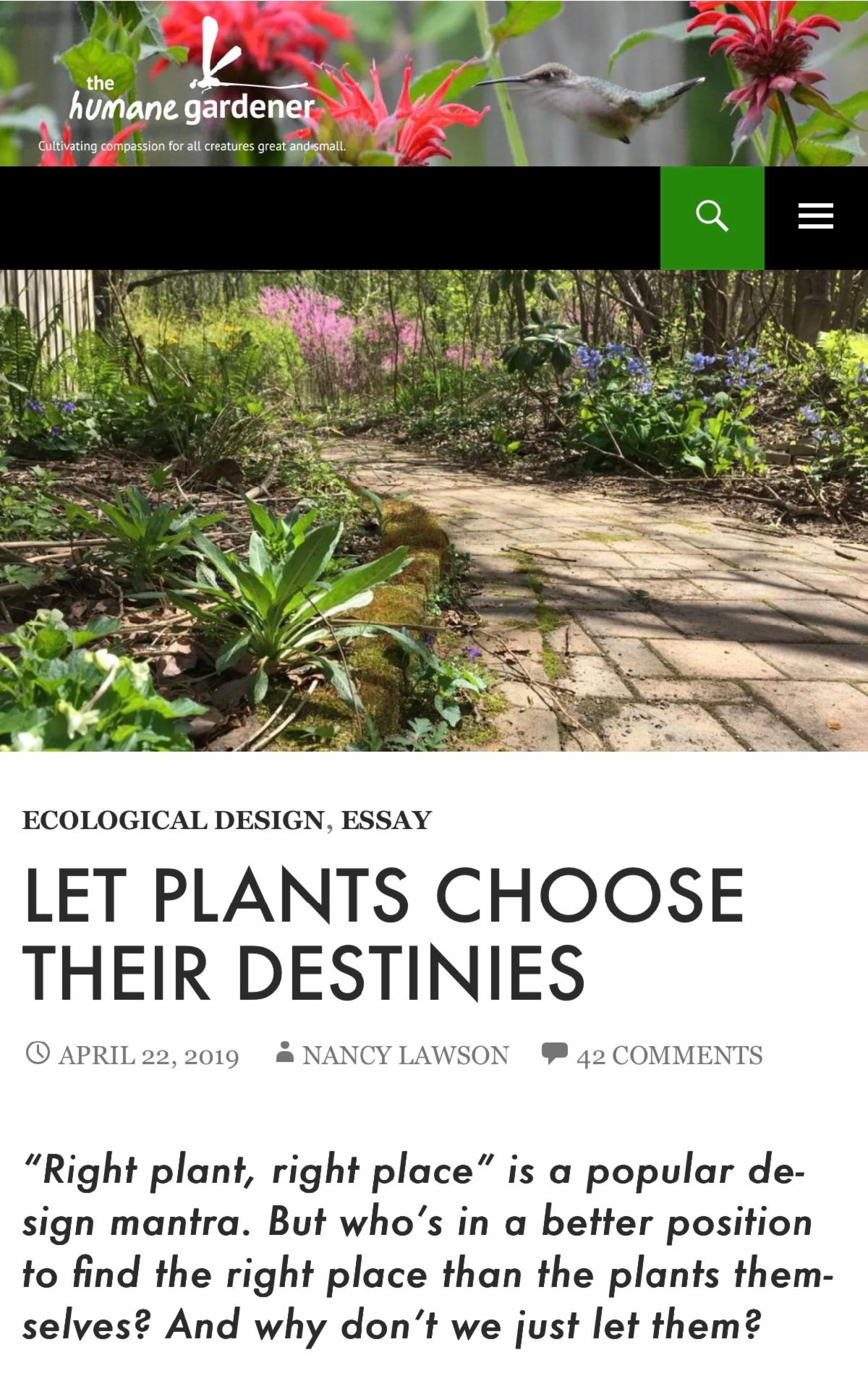
Match the plant to the place: Right plant - right place matters! Learn your site conditions and take the time to select species that are inherently well-suited to the light, soil and water conditions of your site.
Site selection and prep: Ensure proper drainage, deep watering, and correct planting depth.
Avoid late-season fertilization: Your native plants do not need fertilization - we cannot repeat this enough! For other plants, do not fertilize late in the season, this simply forces new, tender growth that may not have time to harden off before winter.
We know that plant losses are tough. As we continue to grapple with a changing climate and weather extremes, it will test gardener's patience for sure. Prioritizing those plants that have evolved here, in many cases over millions of years, is bound to give you the best results and is bound to help our communities move towards resilient futures.
As a side note, we have thousands of plants here on our own patch of planet and we lost a couple this winter - but overall have experienced robust spring regrowth. We tell you this to emphasize that planting not only with resilient plants, but also in resilient ways does matter and does best bolster our landscapes for a changing world.
|