|
Fiber: What it is and Why it Matters
Fiber is a nutrient that many people don't get enough of, even though it plays an important role in overall health. The Dietary Guidelines for Americans recommend 25 grams of fiber per day for women and 38 grams per day for men, yet most Americans fall short of these recommendations.
Getting enough fiber has several health benefits. Fiber supports digestive health, helps promote regularity, and can help you feel full after meals. Eating enough fiber may also support heart health by helping maintain healthy cholesterol levels and support healthy blood sugar levels by slowing the absorption of sugar into the bloodstream. High-fiber foods also provide vitamins, minerals, and other beneficial nutrients that support overall health.
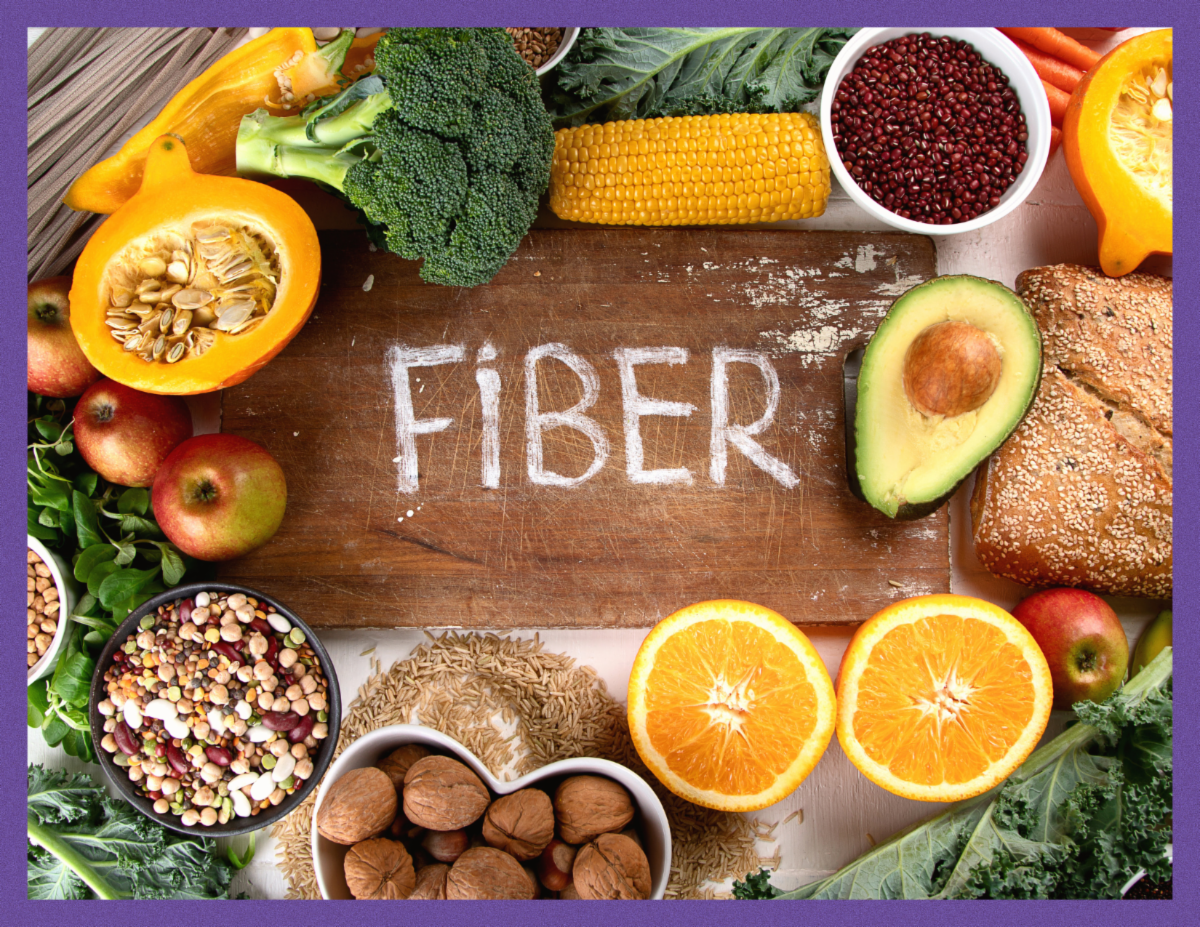
Good sources of fiber include fruits, vegetables, whole grains, beans, lentils, nuts, and seeds. Eating a variety of these foods throughout the day can help you increase your fiber intake while also providing other important nutrients. Choosing whole fruits instead of fruit juice and whole grains instead of refined grains is another easy way to increase your fiber intake.
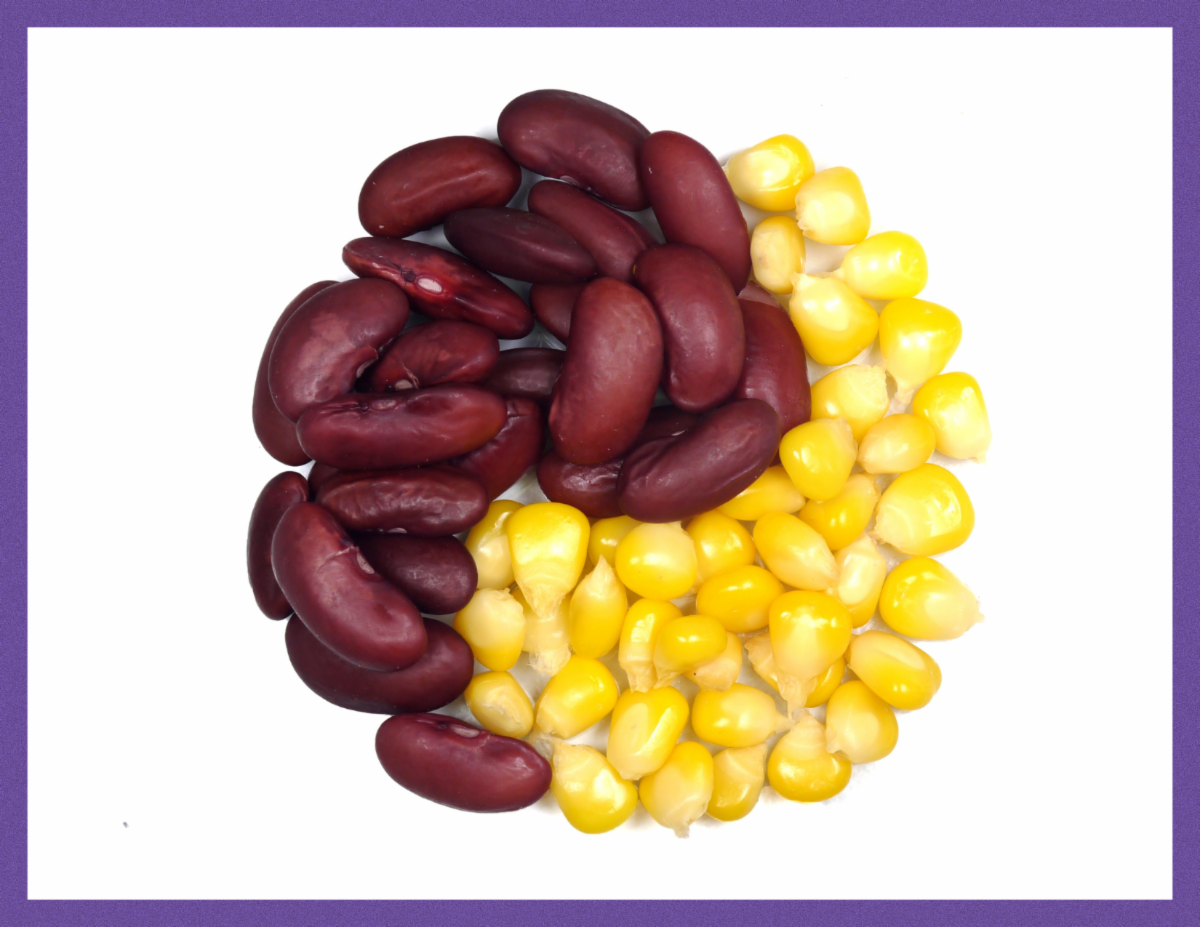
If you're looking to eat more fiber, small changes can make a difference. Try choosing whole grain bread instead of white bread, adding fruit to breakfast, including vegetables with meals and snacks, or sprinkling nuts or seeds on yogurt or oatmeal. You can also add beans to soups, salads, tacos, or pasta dishes for an easy fiber boost.
If you're increasing your fiber intake, remember to do so gradually and drink plenty of fluids. This can help reduce digestive discomfort as your body adjusts. Over time, these small, sustainable changes can add up and help you meet your daily fiber needs while supporting your health.
|