July 2026

Volume 6 Issue 4

Featured Program(s) of the Month!


Learn how to preserve or use your garden produce in different ways!


There are a few spots left for our virtual and in-person food preservation classes! The virtual class provides a high-level overview of getting started with home food preservation, while the in-person class gives you hands-on experience to build your confidence with water bath and pressure canning food.


Also, don't miss our What to Do With Too Many Tomatoes class in August. If you are growing tomatoes, you know you will get to a point and have too many and don't know what to do with them all! Learn different recipes (beyond salsa) for making the most of your harvest.


Register for all these classes and more on our

Johnson County K-State Extension website!


Upcoming Events

Join us for a class, visit us at an event!


Shawnee Mobile Wellness Hub Community

[Free mobile food pantry available]

July 8 | 3:00 PM - 4:30 PM


Kitchen Restore Drop Off

July 11 & 16 | 10 AM - 12 PM


Home Canning: The Basics [Virtual]

July 8 | 12:00 PM - 1:00 PM


Food Preservation 101

[In-person]

July 11 | 9:00 AM - 1:00 PM


Lenexa Farmers Market

July 11 | 8:00 AM - 12:00 PM

(Stop by our booth for recipes and to chat with our Master Food Volunteers!)


Community Baby Shower Hosted by the Department of Health and Environment

July 11 | 8:00 AM - 12:00 PM

(Stop by our booth for recipes and to chat with our Master Food Volunteers!)


The Power of Fresh Milled Flour

July 23 | 6:00 PM - 8:30 PM


What to Do With Too Many Tomatoes

August 8 | 10:30 AM - 12:30 PM


Visit

Programs and Events

to Register!

Need a speaker? Have questions about food, nutrition, or our classes?


Contact us!

foodhelp@jocogov.org

913-715-7000


Your Gut Health Matters!


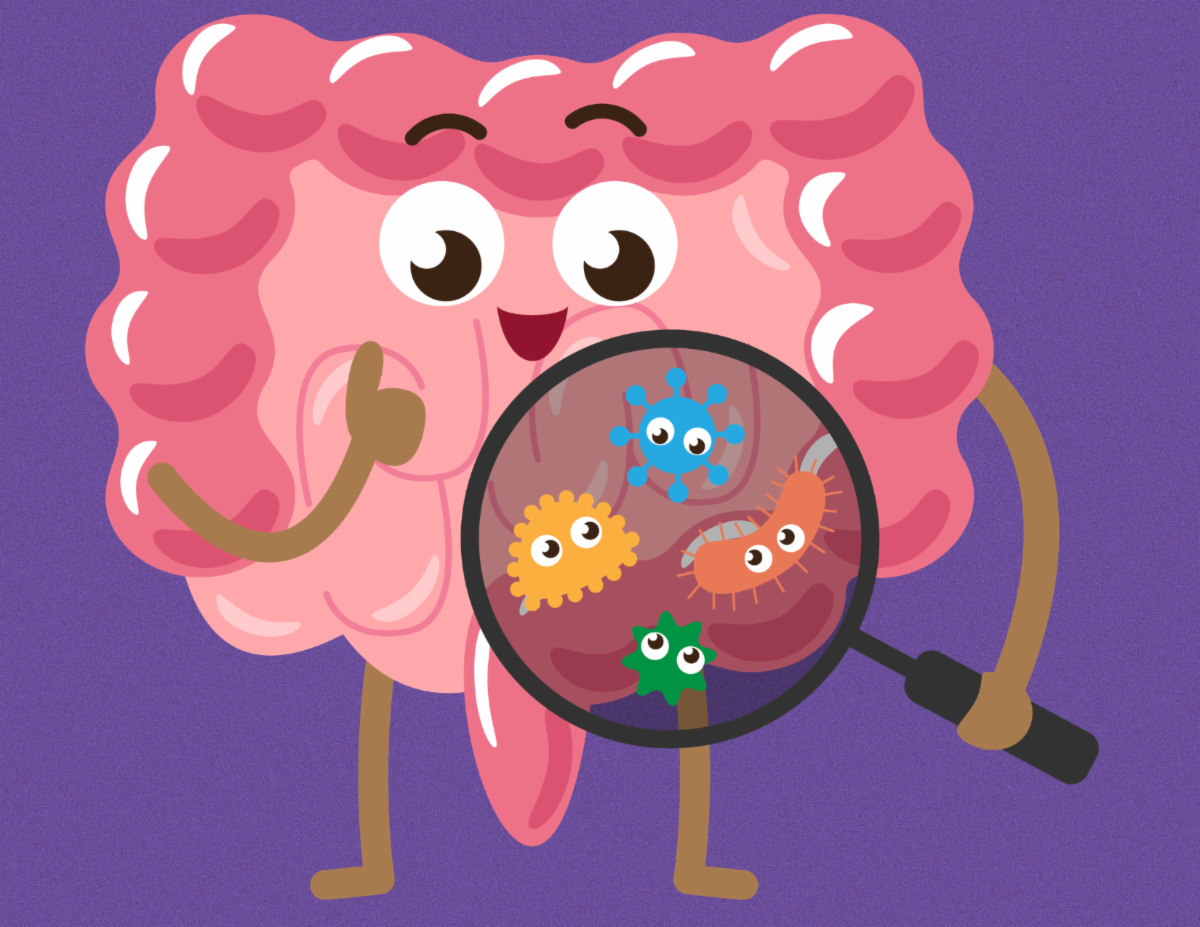
Your gut microbiome plays a large role in your overall health. It’s built up of thousands of species of bacteria, fungi, viruses, and even parasites. Each person's gut microbiome is unique and influenced by genetics, diet, medications, environment, and lifestyle. This creates a unique relationship with your body by interacting with your digestive, endocrine, immune, and nervous systems. The gut microbiome is located roughly within the 

gastrointestinal (GI) tract. It includes parts of the stomach and small intestine; however, the majority lies within the large intestine. Different forms of gut bacteria live in different regions with unique functions. For example, bacteria in your colon are mainly anaerobic 

bacteria, meaning they require low amounts of oxygen to survive. These bacteria help break down indigestible fibers and produce essential nutrients you can't get otherwise. Another 

main function of the microbiome is related to the immune system. About 70–80% of the body's immune cells are associated with the gut, making it one of the body's largest immune organs. These immune cells are important in fighting off different diseases or foreign bacteria that can make you sick. The gut microbiome is so unique that it still has not been fully studied and 

understood exactly what it all does. However, we do know that it plays several essential roles in your overall health.


Nourishing your gut microbiome through a balanced, fiber-rich diet and healthy lifestyle habits can help support your overall health and well-being. Eat plenty of fruits, vegetables, nuts, seeds, legumes, and whole grains to meet your fiber needs!

In Good Health,

Johnson County K-State Extension


Join us for the Johnson County fair July 25 - August 1!


Fun Food Facts

Fuel your gut health with these fun facts!

  • Eating 30 different plant foods each week is linked with a more diverse gut microbiome
  • Beans are among the best foods for your gut, as they are packed with fiber and resistant starch. 
  • Dark chocolate, in moderation, contains polyphenols that can contribute to gut health and your diet. 
  • Slightly green bananas vs riper yellow bananas can feed your gut differently than one another. Green bananas contain more resistant starch, while ripe bananas contain more natural sugar. 

Recipe of the Month

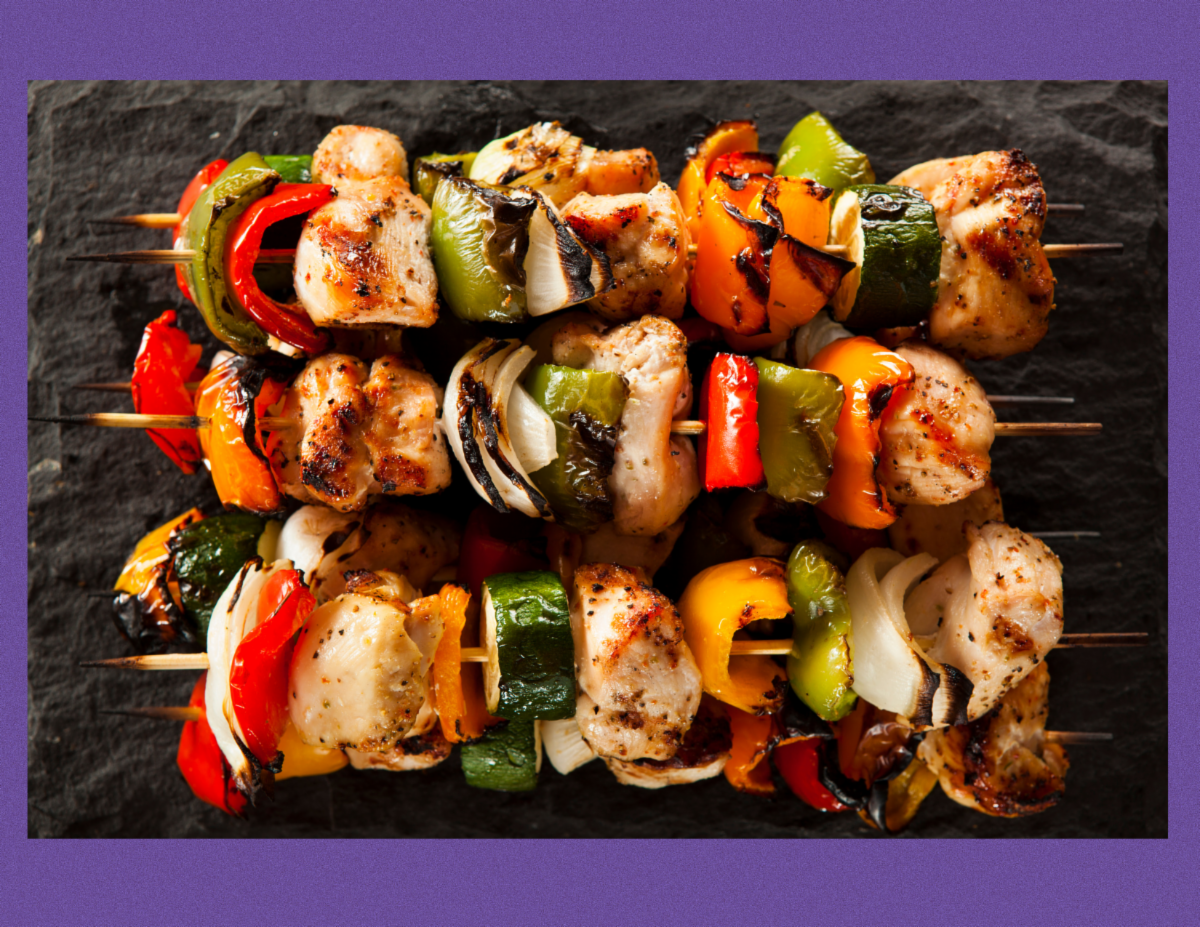
Chicken and Veggie Kabobs

Serves 4

Fire up the grill and load up on your vegetables with these chicken and veggie kabobs!


Ingredients

  • 1/4 cup olive oil 
  • 1/3 cup low sodium soy sauce 
  • 1/4 cup honey 
  • 1 teaspoon minced garlic
  • 1/4 teaspoon salt and pepper
  • 1 pound boneless, skinless chicken breast, cut into 1-inch cubes 
  • 1 red bell pepper, cut into 1-inch cubes 
  • 1 yellow bell pepper, cut into 1-inch cubes
  • 2 small zucchini, cut into 1-inch slices 
  • 1 red onion, cut into 1-inch pieces 
  • 1 tablespoon chopped parsley 

Preparation


  1. In a large bowl, make the marinade by combining olive oil, soy sauce, honey, garlic, and salt and pepper in a bowl. Stir ingredients together using a whisk
  2. Add the cut up chicken, bell peppers, zucchini, and red onion to the bowl with the marinade. Toss to fully coat. Cover and refrigerate for 1 hour or up to 6 hours 
  3. Using a pan or grill, pre-heat until medium/high temperature. 
  4. Add chicken and veggies to skewer. If using wooden skewers be sure to soak in water for 30-60 minutes before using! 
  5. Cook for 5-8 minutes on each side or until chicken reaches an internal temp of 165°F. 
  6. Sprinkle with parsley and serve. 
  7. Refrigerate leftovers in an airtight container within 2 hours.


Contact us for nutrition information.

Kitchen Corner

The month of July always tends to be hot, so it's important to remember and keep up with hydration. As the temperature outside rises, your body tends to sweat more, increasing your risk of dehydration. The importance of staying hydrated helps to regulate the body’s temperature, support digestion, keep joints lubricated, and help the heart and muscles work properly. Hydration extends beyond just water, so here are some tips and tricks in the kitchen to remember! 


  • Hydration starts on your plate (nearly 20% of our daily fluid intake comes from foods) 
  • Filling your plate with produce is a great way to boost hydration naturally (watermelon, cucumbers, tomatoes, lettuce, and more) 
  • Think about water-rich meals (soups, smoothies, yogurt parfaits, salads with fresh vegetables) 
  • Flavoring water naturally without using added sugar (add cucumber, mint, orange slices, and more) 
  • Washing and prepping fruits when you get home from the grocery store can make it easier to have ready-to-eat snacks that are hydrating. 
  • Having a hydration station in your fridge can be a great way to stay hydrated (Some ideas could include cut fruit, a naturally flavored water pitcher, homemade iced tea, and more)


Knowledge for Life newsletter

Interested in learning more about other topics or events around gardening, nature, aging, and so much more? Sign up for our monthly Knowledge for Life newsletter which will you give you the latest happenings in our office.

K-State Research and Extension is committed to providing equal opportunity for participation in all programs, services and activities. Program information may be available in languages other than English. Reasonable accommodations for persons with disabilities, including alternative means for communication (e.g., Braille, large print, audio tape, and American Sign Language) may be requested by contacting the JoCo KSRE Office two weeks prior to the start of the event at (913) 715-7000. Requests received after this date will be honored when it is feasible to do so. Language access services, such as interpretation or translation of vital information will be provided free of charge to limited English proficient individuals upon request.

Let us know how you liked this month's newsletter!
1-star  2-stars  3-stars  4-stars  5-stars
 
Facebook  Twitter  Instagram  YouTube  Web