April 2026

Volume 4 Issue 4

Featured Program of the Month!


Cooking Videos and How to Tips


Did you know that we have several videos available on our YouTube page? We provide short videos on how to prepare delicious and easy recipes as well as tips and tricks to make cooking in the kitchen easier.

Check out our Recipe Videos and our Kitchen Hacks & How To's!


You can find lots of other great educational content on our Johnson County K-State Extension YouTube page.

Upcoming Events

Join us for a class, visit us at an event!


Kitchen Restore Drop Off

Apr 4 & 16 | 10 AM - 12 PM


Healthy Yards Expo

Apr 11 | 9:00 PM - 2:00 PM

(Check out our Nutrition Agent's talk, Harvesting Health: How Produce Promotes Health and Prevents Disease, @ 11:00 am!)


Dig Your Dinner [virtual]

Bountiful Blackberries

Apr 15 | 12 PM - 1 PM


Veggies Made Interesting

Apr 21 | 6:00 PM - 7:30 PM


Johnson County Mental Health Center Resiliency Conference

May 1 | 9:00 AM - 12:30 PM

(Check out our Nutrition Agent's breakout session, Food and Your Mood: How Food Impacts Our Physical and Mental Wellbeing)


JCCC Open Petal Farms Remake Learning Days Festival

May 2 | 10:00 AM - 4:00 PM

(Check out our Extension Master Food Volunteer's booth, leading some fun food-related activities!)


Learning Lunchbox: Main Dish Salads

May 7 | 12:00 PM - 1:00 PM


JCPRD 50+ Programs

Air Fryer Cooking

Apr 21 11:00 am @ New Century Fieldhouse


Good Gut Health

Apr 24 10:30 am @ Meadowbrook Park Clubhouse


Visit

Programs and Events

to Register!

Need a speaker? Have questions about food, nutrition, or our classes?


Contact us!

foodhelp@jocogov.org

913-715-7000


Vitamin D: The Sunshine Vitamin


Vitamin D is an essential nutrient that helps keep our bodies healthy. It was first discovered in 1920 during the research to cure rickets. It is found naturally in only a handful of foods, is added to others, available as a supplement, and can be made by our bodies with the help of sunshine. Data suggests that about 40% of the US population is deficient, but this varies by age, sex, ethnicity, season, and other factors such as sun exposure and latitude.


Vitamin D is best known for supporting strong bones and teeth by helping the body absorb calcium. However, vitamin D has many powerful functions. Research has shown that vitamin D deficiency may be associated with type 2 diabetes, higher BMI, depression, certain cancers, and cardiovascular disease. Consuming adequate amounts of vitamin D in our diet and getting outside and letting the sunshine hit your bare skin (including no sunscreen) will help ensure that your vitamin D levels are optimal for good health.


Naturally occurring vitamin D food sources: fatty fish (e.g., salmon, sardines, tuna) and fish liver oil have the highest concentrations; beef liver, egg yolks, cheese, and mushrooms have lower amounts of vitamin D.

Fortified food sources (vitamin D added): milk, plant-based milk alternatives, orange juice, ready-to-eat cereals, infant formula, and other products. Always read the nutrition label to identify if a food has been fortified.

Made by our bodies: When the sun hits your skin cells, it turns a chemical into D3, which is transported to your liver, then to your kidneys, before it is an active form of vitamin D that your body can use.


The only way to know your vitamin D level is to get it tested by your health care professional. Talk with your doctor about your vitamin D levels at your next appointment. It is important to know that supplements are not regulated by the Food and Drug Administration, and you should consult your health care team before taking any supplements.

In Good Health,

Johnson County K-State Extension


April 19-25 is National Volunteer Week!


Our Extension Master Food Volunteers play a critical role in providing outreach and education to improve the lives of our community.


Our applications for our next cohort open in May, and training begins in August!


Learn more about becoming an Extension Master Food Volunteer!


Fun Food Facts

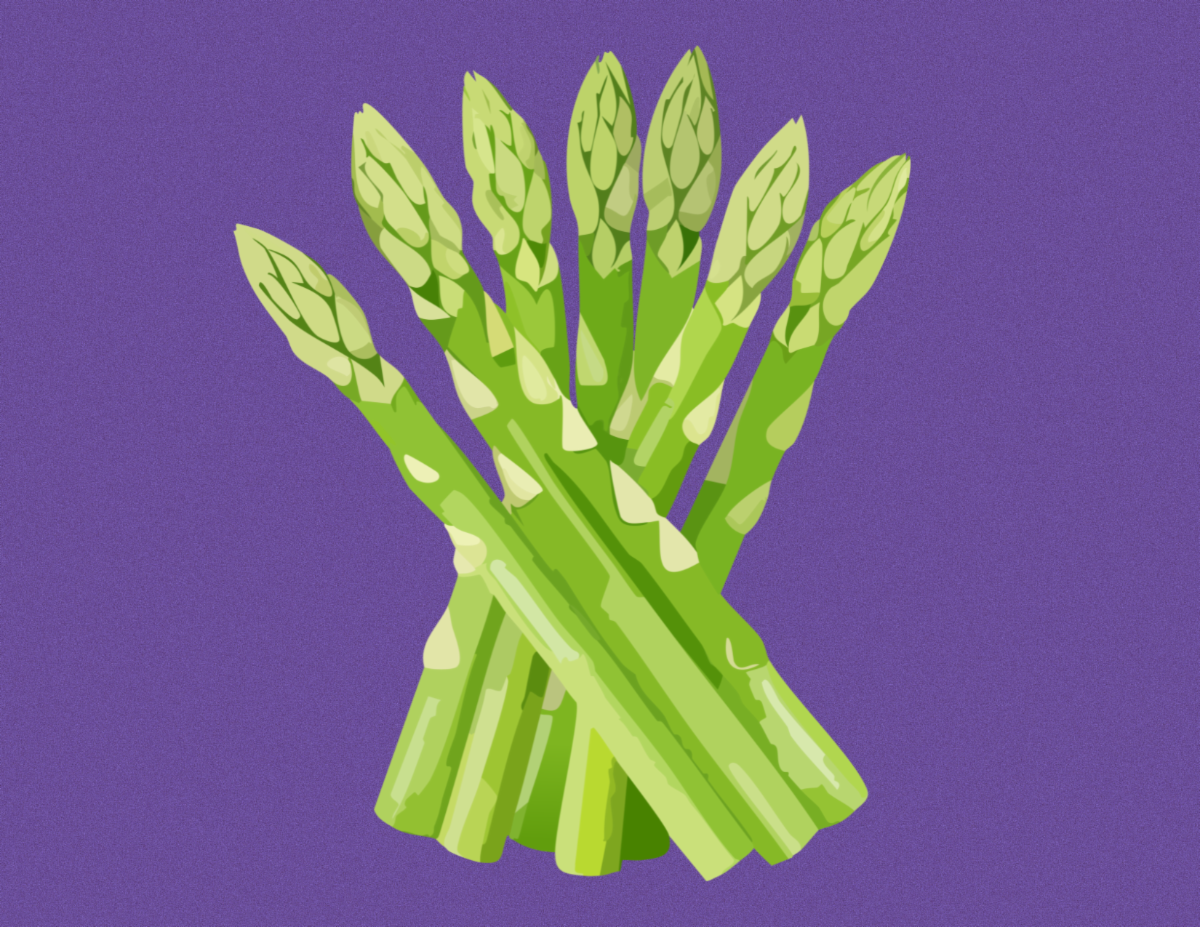
April is peak season for fresh asparagus! This spring veggie can grow up to 10 inches in a single day under the right conditions—making it one of the fastest-growing vegetables! Asparagus can be green, purple, and even white! The white asparagus is grown under soil, preventing photosynthesis and keeping the plant from turning green!

Recipe of the Month

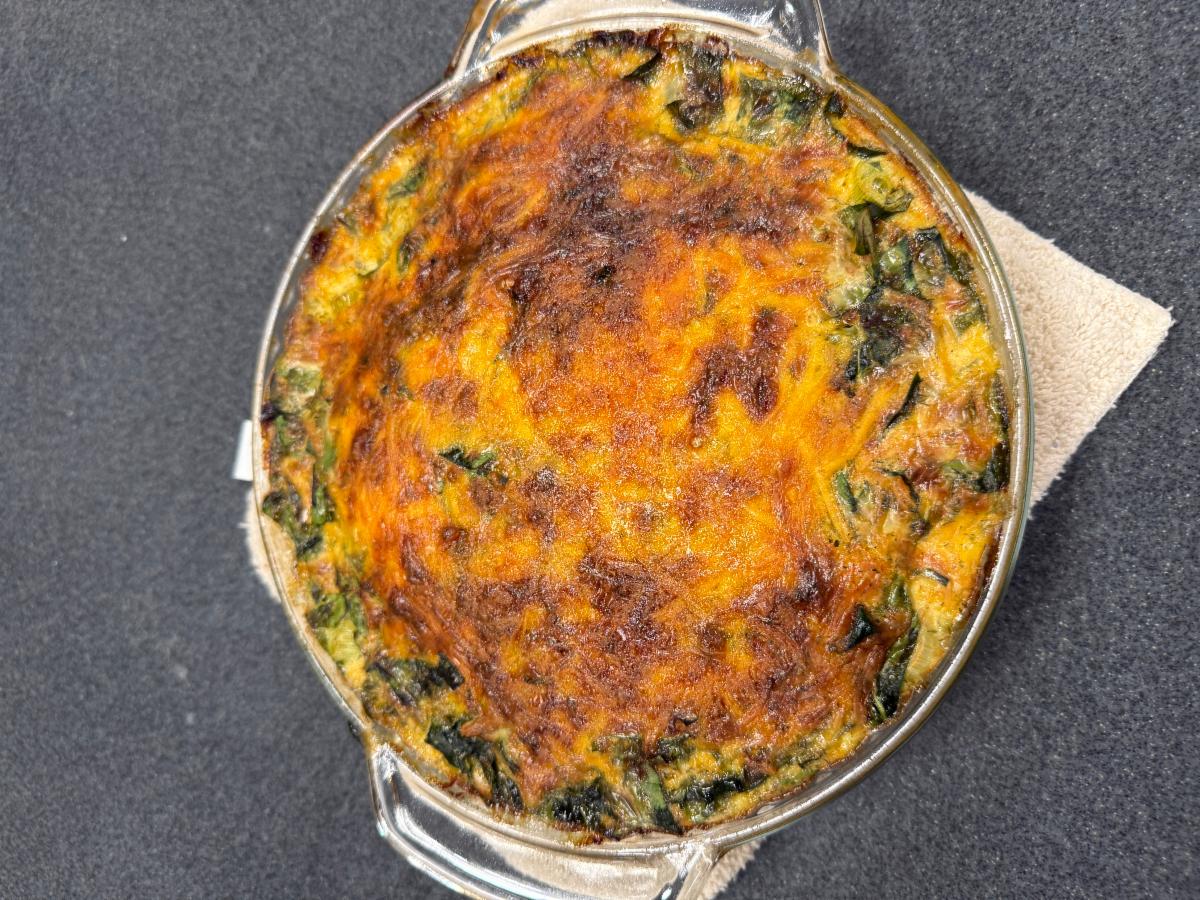
Crustless Salmon Quiche

Makes 6 servings

This crustless salmon quiche can be made for breakfast or make a delicious meal anytime of day! Using canned salmon with bones will provide you additional calcium and salmon is a good food option for heart healthy fats and vitamin D.

Ingredients

  • 1 (14.5 oz) can salmon
  • 4 eggs
  • 1 (12 oz) can evaporated milk
  • 3/4 cup chopped vegetables of choice (broccoli, spinach, onion, bell pepper, and zucchini work well in this recipe)
  • 1/4 teaspoon dried dill
  • 1/2 teaspoon salt
  • 1/4 teaspoon garlic powder
  • Black pepper to taste
  • 1 cup shredded cheese, divided

Preparation

  1. Preheat oven to 350°F. Spray a pie pan with nonstick cooking spray.
  2. Drain the can of salmon and place it on a plate. Flake the salmon with a fork and remove the skin. Note: The bones are edible and a good source of calcium!
  3. In a large bowl, whisk together the eggs, evaporated milk, chopped vegetables, dill, salt, garlic powder, and black pepper until fully mixed. Add 3/4 cup cheddar cheese and stir to combine.
  4. Spread flaked salmon over the bottom of a pie pan. Pour the egg mixture over the salmon, then top with the remaining 1/4 cup of shredded cheese.
  5. Bake 30-40 minutes, or until eggs are fully set and reach an internal temperature of 160°F.

Contact us for nutrition information.

Cook along with our Crustless Quiche Salmon video!

Kitchen Corner

As Spring is upon us and we have an abundance of fresh, leafy greens, salads may become a staple meal in your menu rotation. Salad dressings are a great way to add flavor to our greens, but store-bought versions often have excess calories, fat, added sugars, and sodium. Skip the store-bought and make your own to boost flavor, nutrition, and save you money!


Tips for making your own salad dressing:

  1. Start with 3 parts oil to 1 part acid (add more acid if you like a more acidic flavor). Use neutral oils like olive, avocado, or canola. Use acids like vinegar (balsamic, red wine, apple cider) or citrus.
  2. Add an emulsifier to help keep the mixture together and add flavor. Emulsifiers include mayonnaise, mashed avocado, Greek yogurt, and mustard.
  3. Add flavorings. Use fresh or dried herbs, salt, citrus zest, and other unique flavorings, such as soy sauce, to build your desired flavor profile.
  4. Store in the refrigerator and shake before use.


Click here to check out our Everyday Salad Dressing handout!


Knowledge for Life newsletter

Interested in learning more about other topics or events around gardening, nature, aging, and so much more? Sign up for our monthly Knowledge for Life newsletter which will you give you the latest happenings in our office.

K-State Research and Extension is committed to providing equal opportunity for participation in all programs, services and activities. Program information may be available in languages other than English. Reasonable accommodations for persons with disabilities, including alternative means for communication (e.g., Braille, large print, audio tape, and American Sign Language) may be requested by contacting the JoCo KSRE Office two weeks prior to the start of the event at (913) 715-7000. Requests received after this date will be honored when it is feasible to do so. Language access services, such as interpretation or translation of vital information will be provided free of charge to limited English proficient individuals upon request.

Let us know how you liked this month's newsletter!
1-star  2-stars  3-stars  4-stars  5-stars
 
Facebook  Twitter  Instagram  YouTube  Web