As the summer continues to quickly pass us by, we want to hit pause and honor July, which is Bebe Moore Campbell National Minority Mental Health Awareness Month. This month is meant to shine a spotlight on the stigma and barriers to care faced by BIPOC people seeking mental health treatment and to honor and celebrate steps forward in mental health outcomes. Its namesake, Bebe Moore Campbell, was an American writer, teacher, and mental health advocate who used her well-honed skill of storytelling, paired with political action and community resourcing, to bring awareness to the mental health challenges faced specifically by BIPOC people in the US.


Before a month was named in her memory, Bebe was a parent who struggled to access adequate support and help for her daughter who lived with bipolar disorder. As Bebe navigated her family situation, she didn’t just see one person struggling but saw a larger systemic issue that was impacting not just her daughter’s access to culturally competent care, but access for communities of color at large. In response, she co-founded the National Alliance on Mental Illness Inglewood, which later became NAMI Urban Los Angeles, to provide multilingual and multicultural care for the diverse local community. She wrote multiple books, including “The 72-Hour Hold” and “Sometimes My Mommy Gets Angry,” which normalize mental health struggles, note the harms of racism, and celebrate the power of community.


To recognize and honor her efforts and legacy after her passing, in 2008 the Bebe Moore Campbell National Minority Mental Health Awareness Month was given its name. This July, in honor of Bebe’s impacts on the mental health movement as a whole, we are all empowered to examine our lives and our communities to see where we can move the needle for mental health access. We encourage you to start where you are, right in your own organization. 

Learn how you can move the needle for mental heatlh access
 

A look back: Blazing trails for BIPOC Mental Health


Last year, we spoke with three BIPOC heroes who are making a difference in the mental health space across Tampa Bay and beyond! Read their stories below.

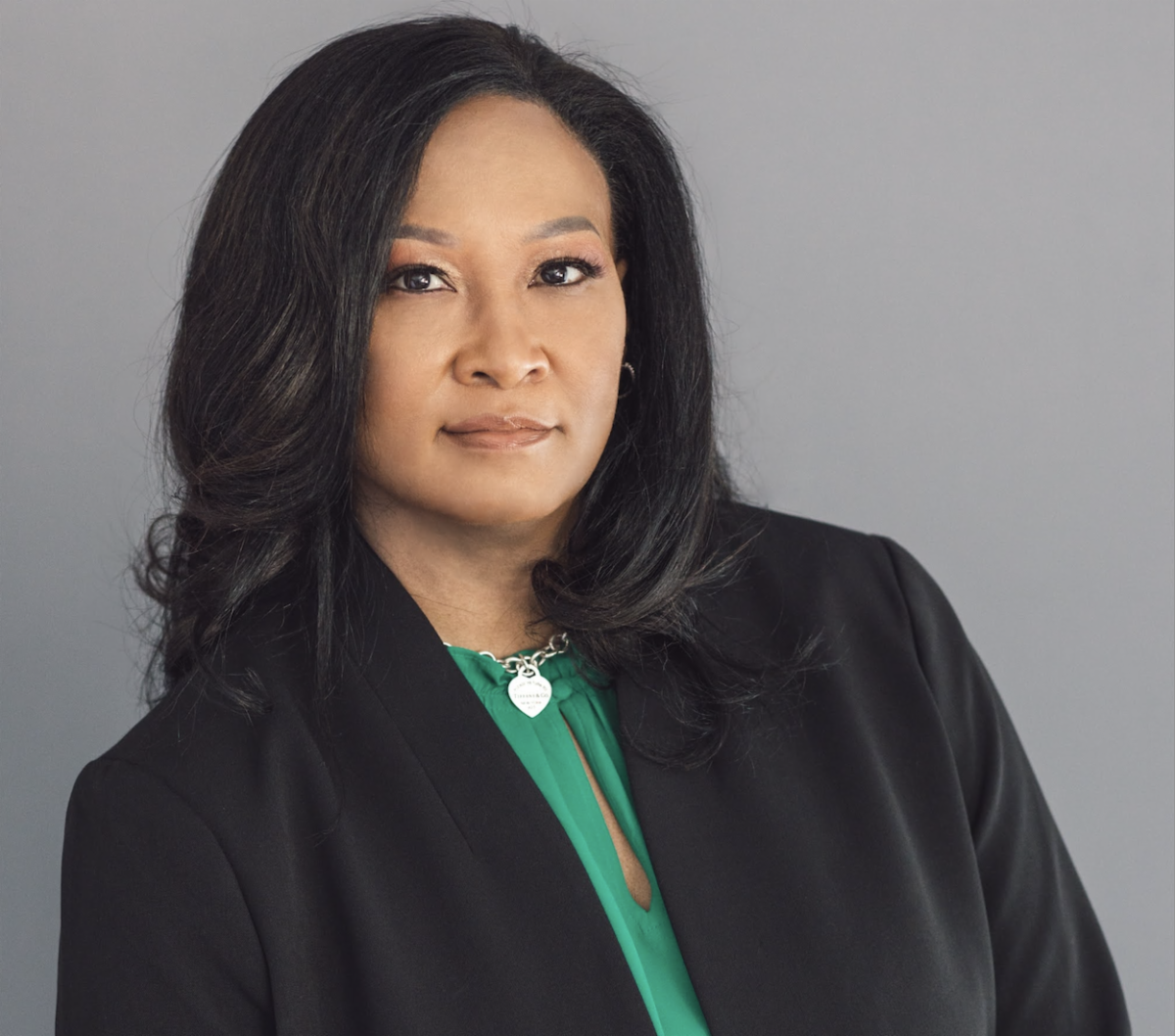
Dr. Stephanie Lockett


Dr. Stephanie Lockett's employer, Included Health, has a department that links clients with psychiatrists with shared backgrounds or interests. When one of her patients told her that they had been matched, she felt an immense sense of pride—and also a greater sense of responsibility.


Read Dr. Lockett's story here.

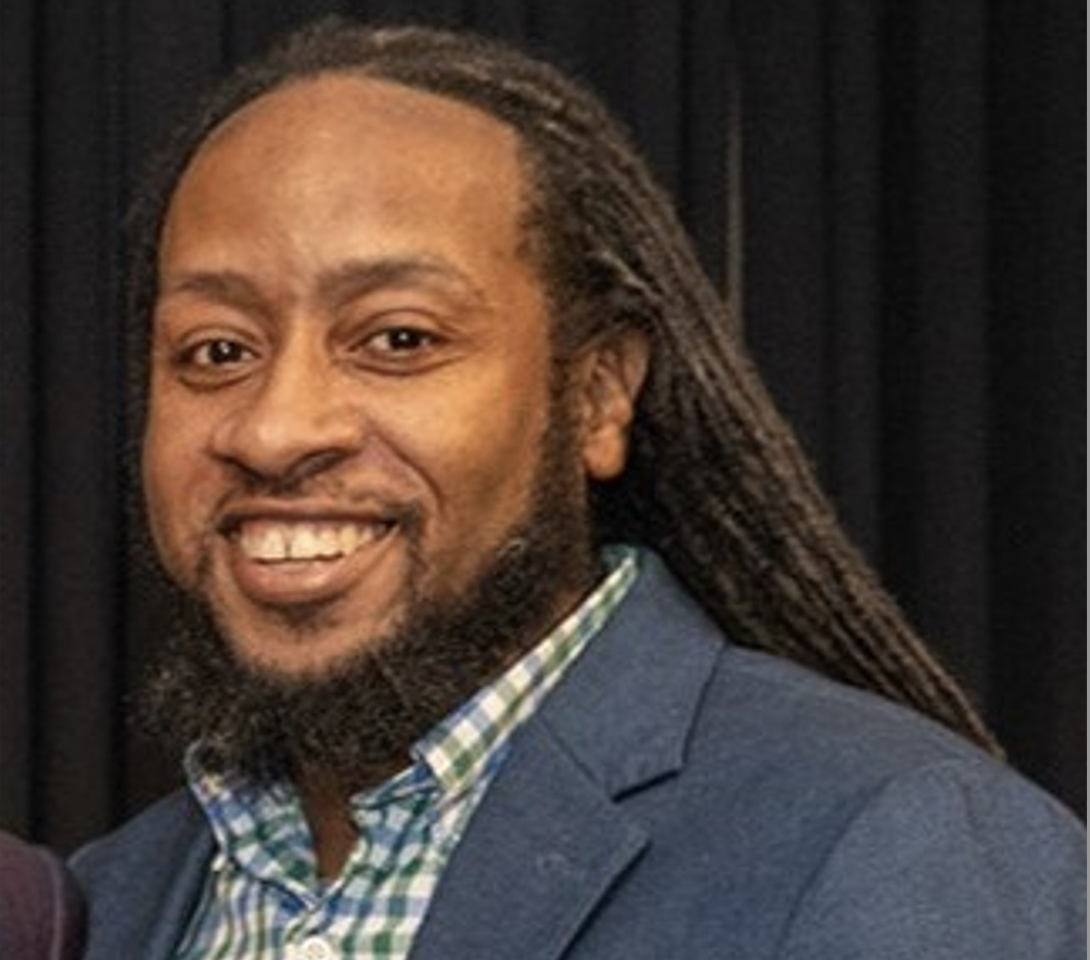
Greg Hill


Greg Hill spent months in a dark place. It was just him, depression, and thoughts of failure as he wallowed in defeat.


But not only did he persevere, he is now helping other families navigate their child custody and co-parenting journeys.


Read Greg's story here.

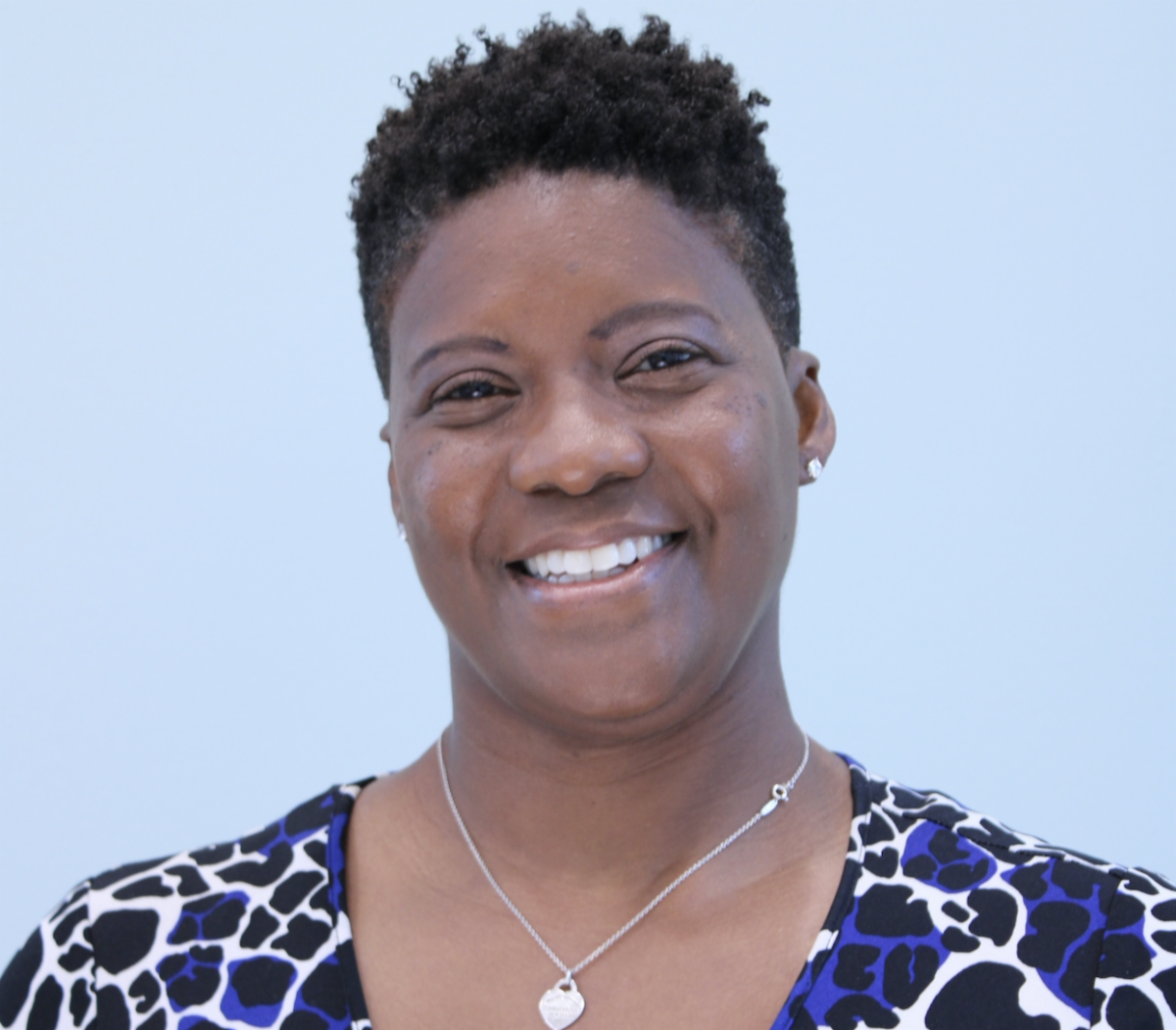
Dr. Latamia White-Green


Dr. Latamia White-Green grew up in a small town in Florida where few African Americans served in the healthcare field. 


Today, she is blazing a trail as a child psychiatrist serving a population of predominantly black and brown children amidst a mental health crisis in America.


Read Dr. Green's story here.

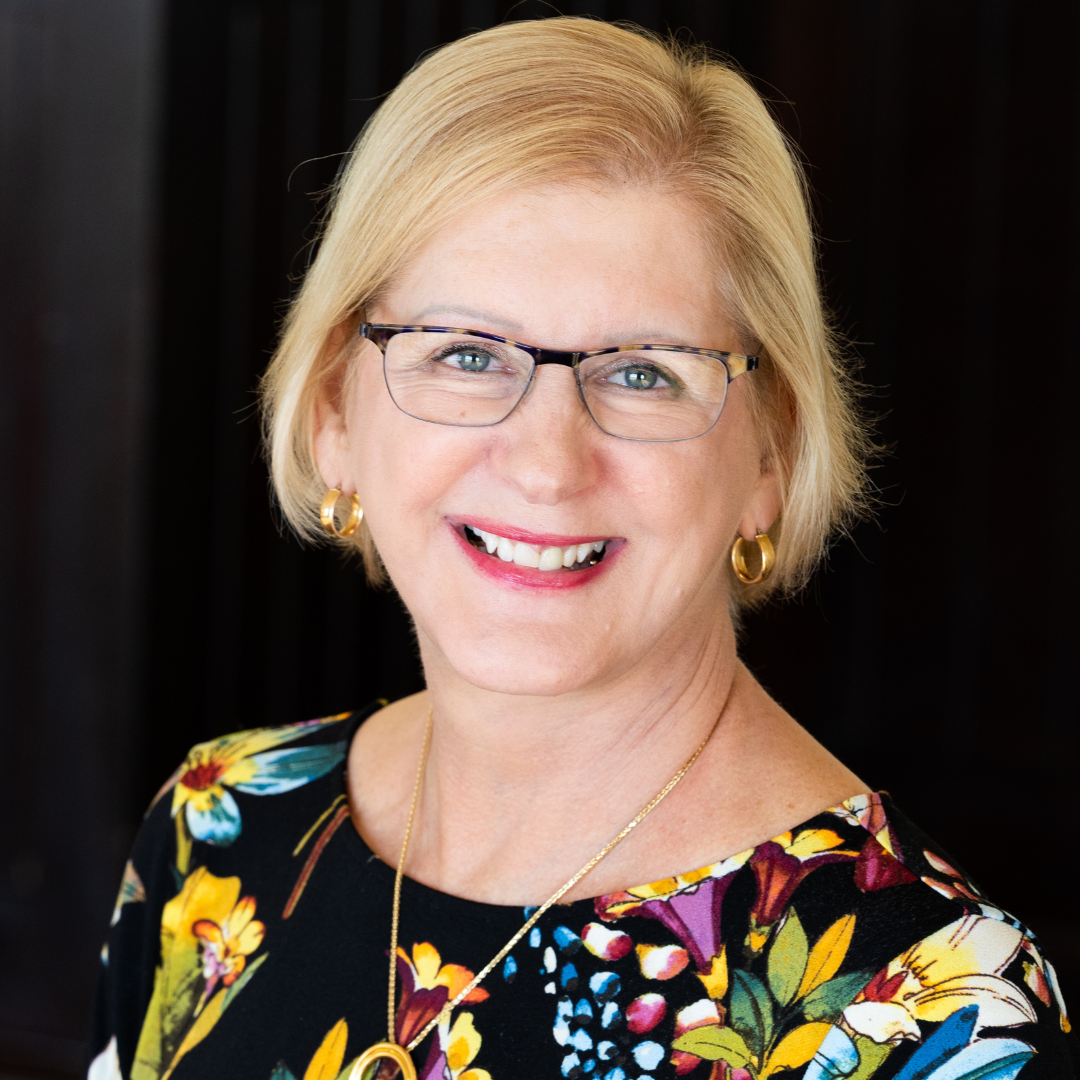
After 24 years as CEO of the Suncoast Center and being a founding board member of TBT, Barbara Daire retired at the end of June. We want to express our deepest gratitude for the incredible contributions she has made during her tenure.


Barbara's influence on our organization will be felt for years to come. Thank you, Barbara, for everything you have done for our community and for being a beacon of support and leadership.

We’ve all been there. Hiding behind a smile, and acting like everything’s ok… When often, it’s not. IYKYK is an invitation to share stories of recovery and hope as well as an opportunity for community members to connect through their struggles and tools for overcoming life’s difficult moments. It shows the victories that come with healing.


Support our anti-stigma campaign and make a difference in our community by sharing your story and spreading the word. Let's break the stigma, together.

Share your story today

This BIPOC Mental Health Month, let’s take meaningful action to support the mental well-being of Black, Indigenous, and people of color (BIPOC). Explore the comprehensive toolkit below to discover resources that can help you make a positive impact on BIPOC mental health.


Acknowledge the barriers. BIPOC experience mental illness at similar rates as white people, but they’re less likely to get treatment due to cultural barriers, stigma, and lack of access to care. Understanding these barriers is the first step in addressing the mental health needs of the BIPOC community. Lyra Health discusses the barriers to BIPOC mental health, shedding light on the unique challenges faced by these communities.


Know what resources are available. It’s crucial to be aware of the resources available to support BIPOC mental health. The Mental Health Coalition provides a comprehensive list of mental health resources tailored for the BIPOC community. Save and share this list to ensure that those who need help can access it. The Mental Health Coalition provides a list of mental health resources available for the BIPOC community. Save and share this list.


Support in the workplace. Psychology Today defines burnout as “a state of emotional, mental, and often physical exhaustion brought on by prolonged or repeated stress.” Burnout can manifest differently for BIPOC individuals, particularly in the workplace. Spring Health discusses the specific challenges of burnout among BIPOC employees and offers insights into what leaders can do to support their teams.


Explore these toolkits for more. Mental Health America and NAMI both provide yearly toolkits for BIPOC Mental Health Month. Learn more about BIPOC mental health and the ways you can amplify your actions to make change.

Have you heard of Let's Talk Tampa Bay? It's our free and confidential support line. Sign up for our Let's Talk monthly newsletter here.

Facebook  Instagram  LinkedIn  Twitter