|
William’s Smile: Finding Joy, Inclusion, and Connection on Our Journey
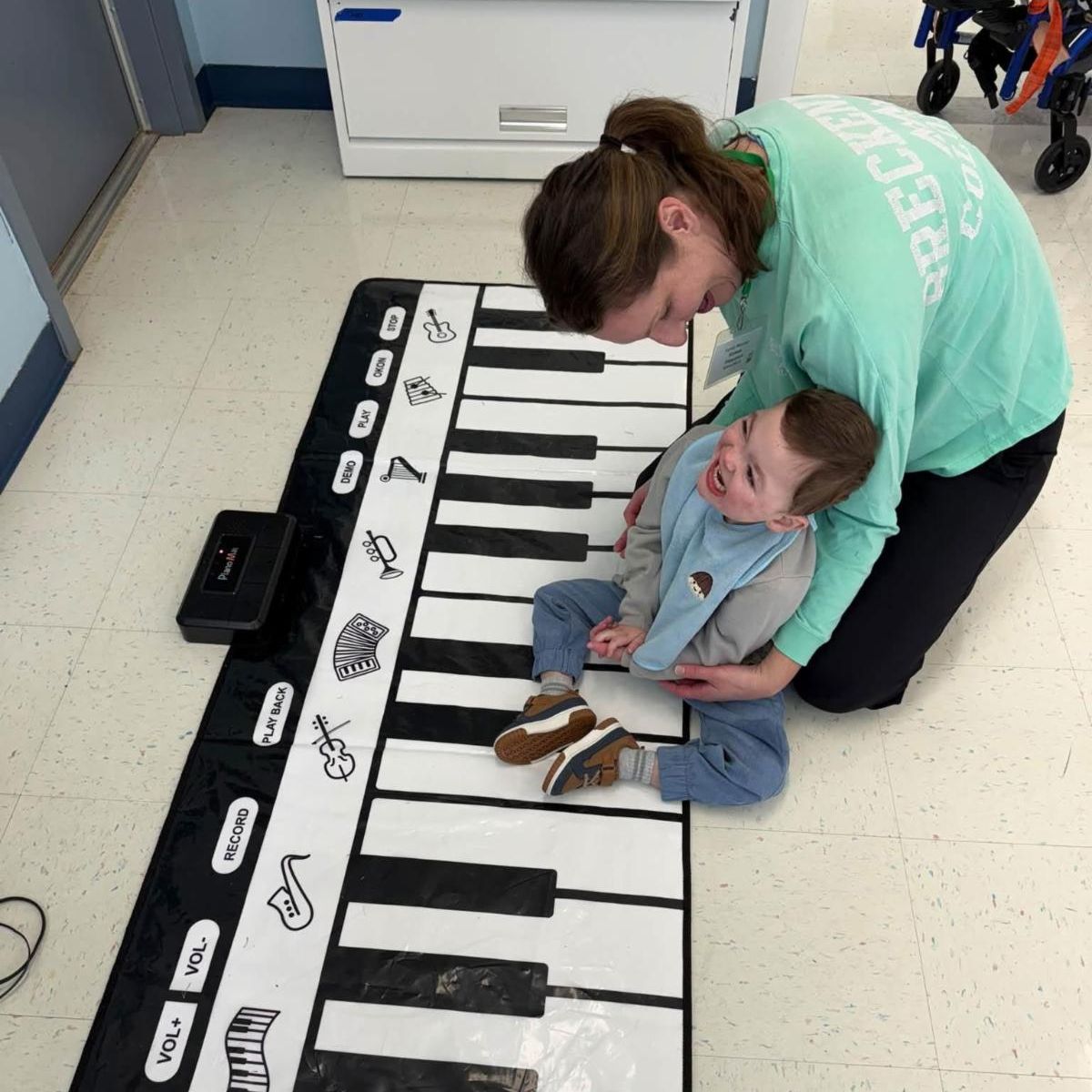
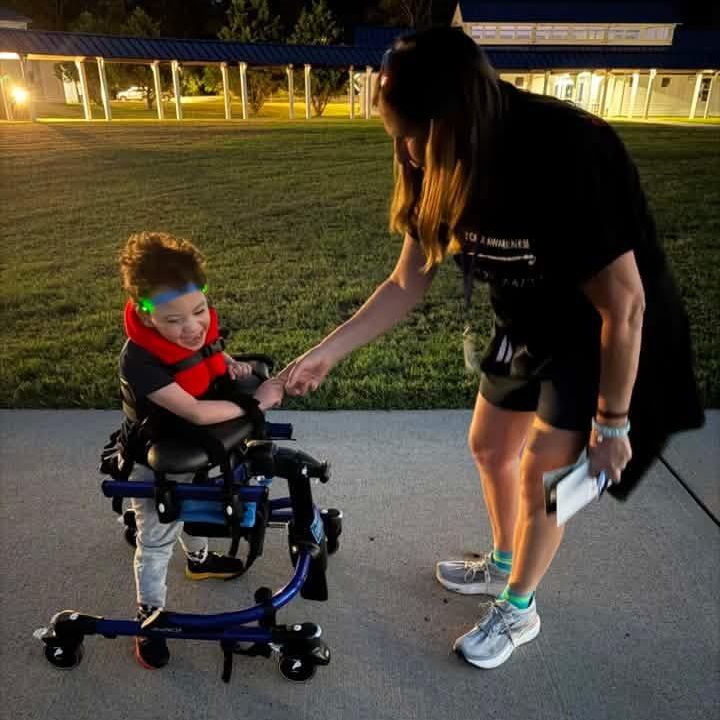
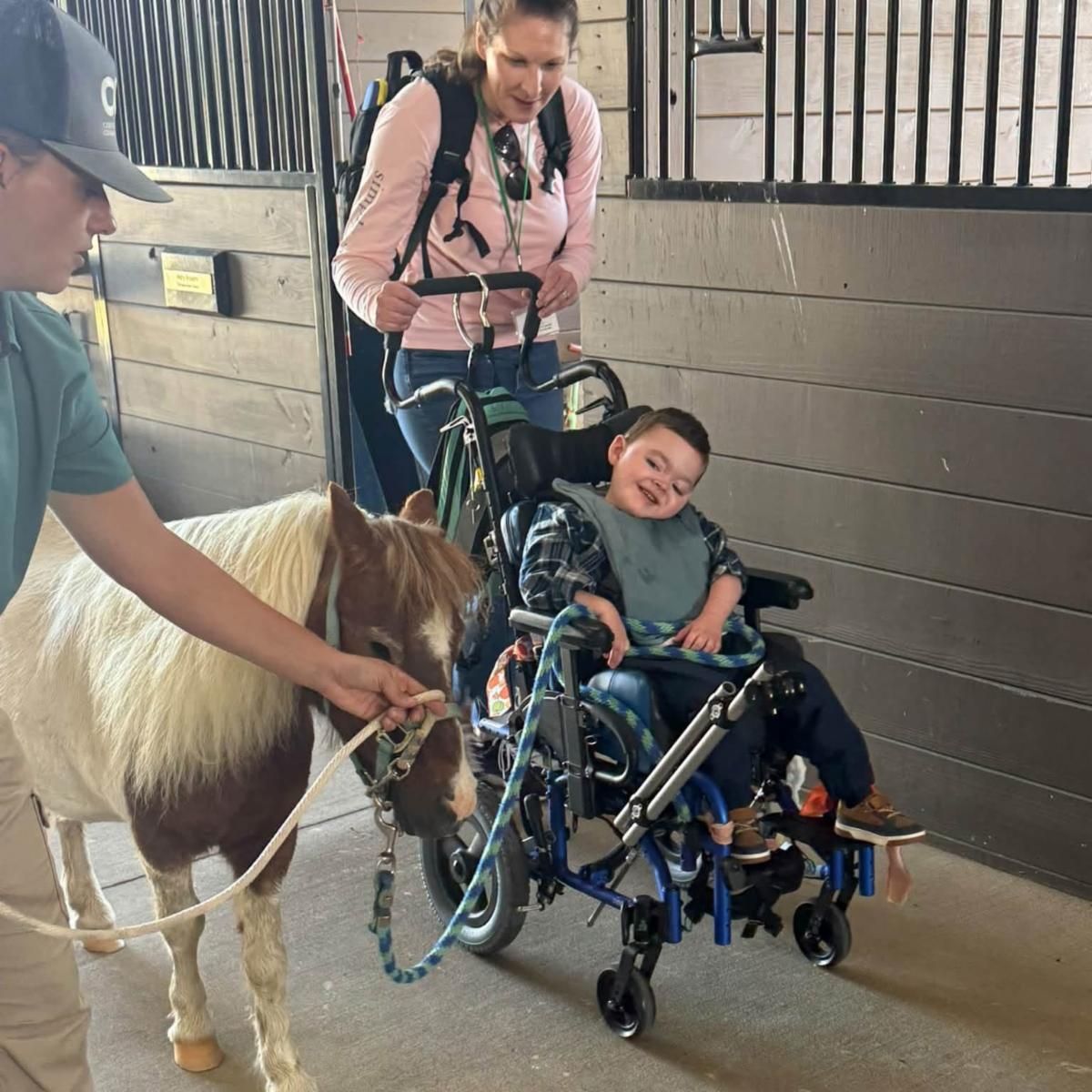
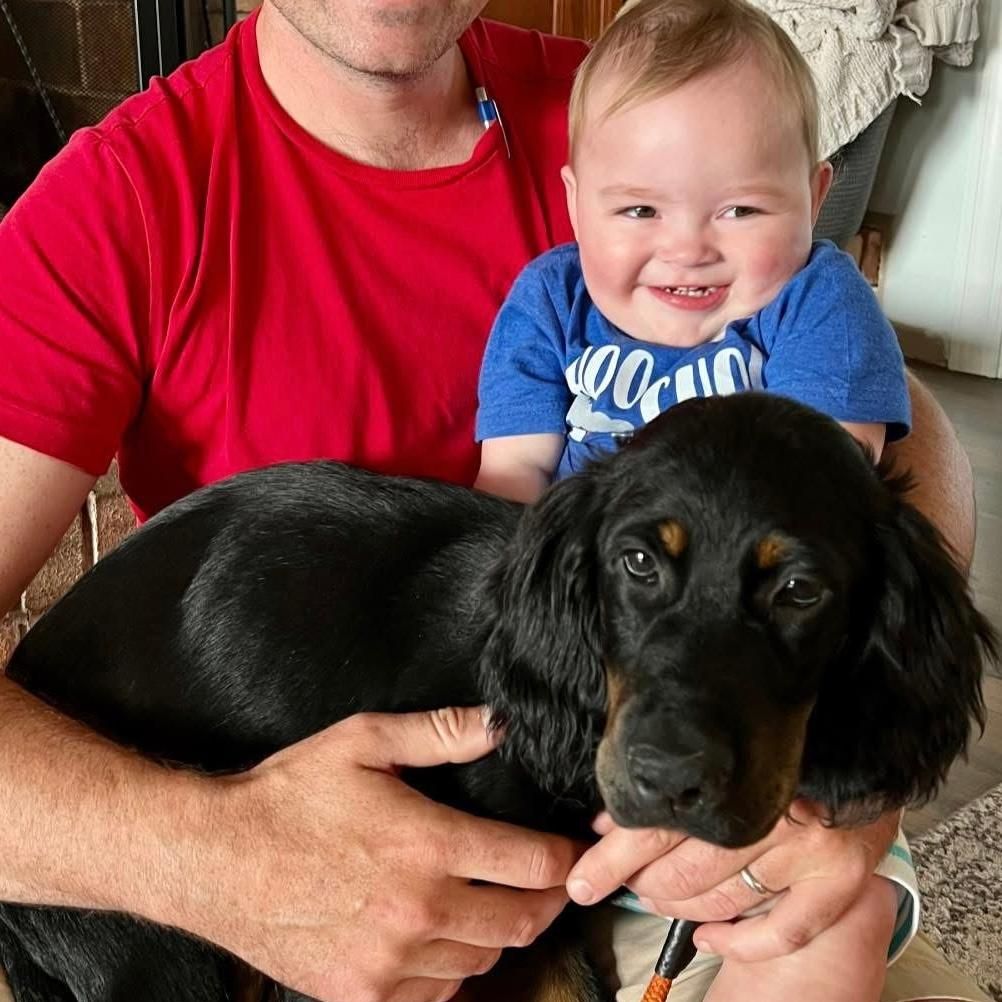
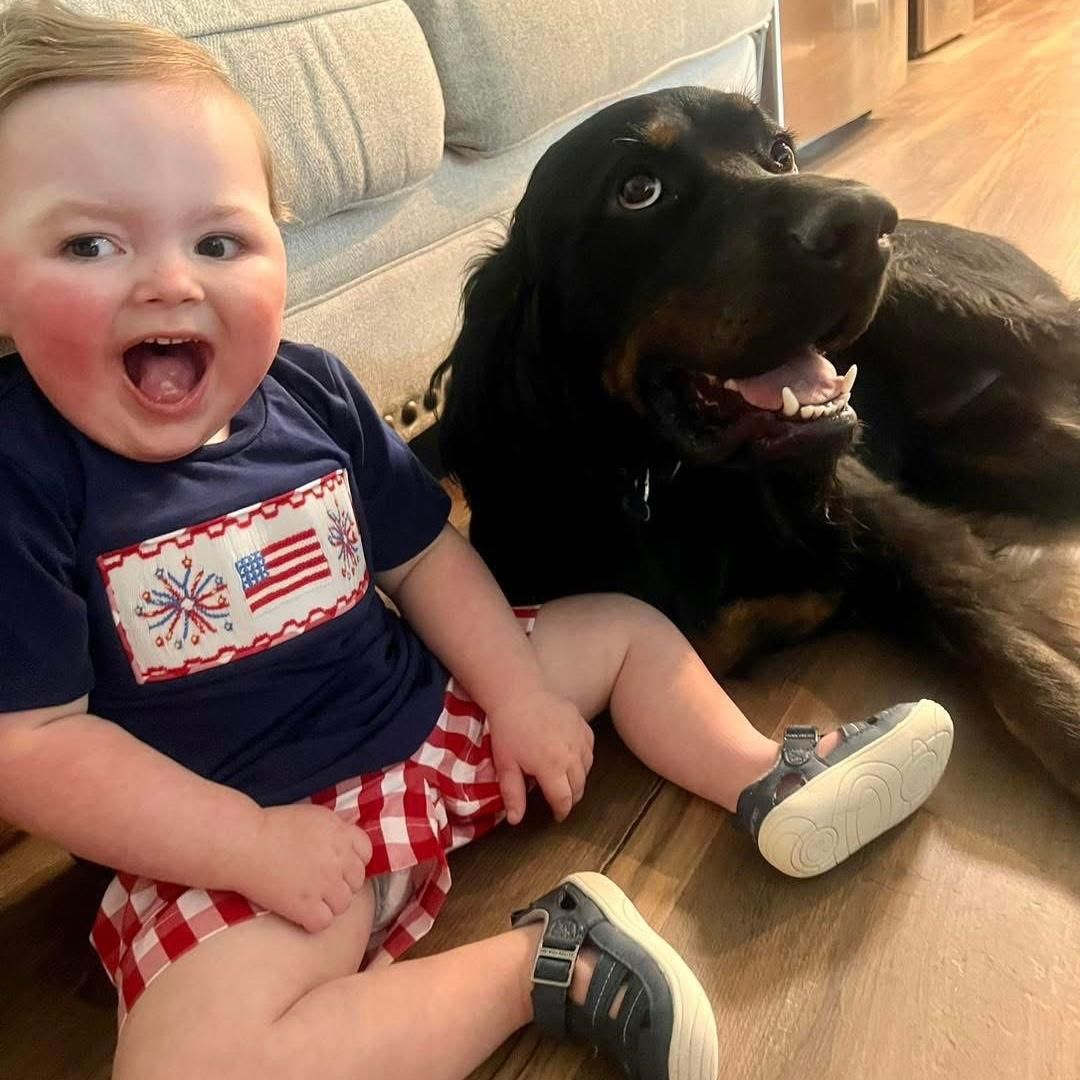
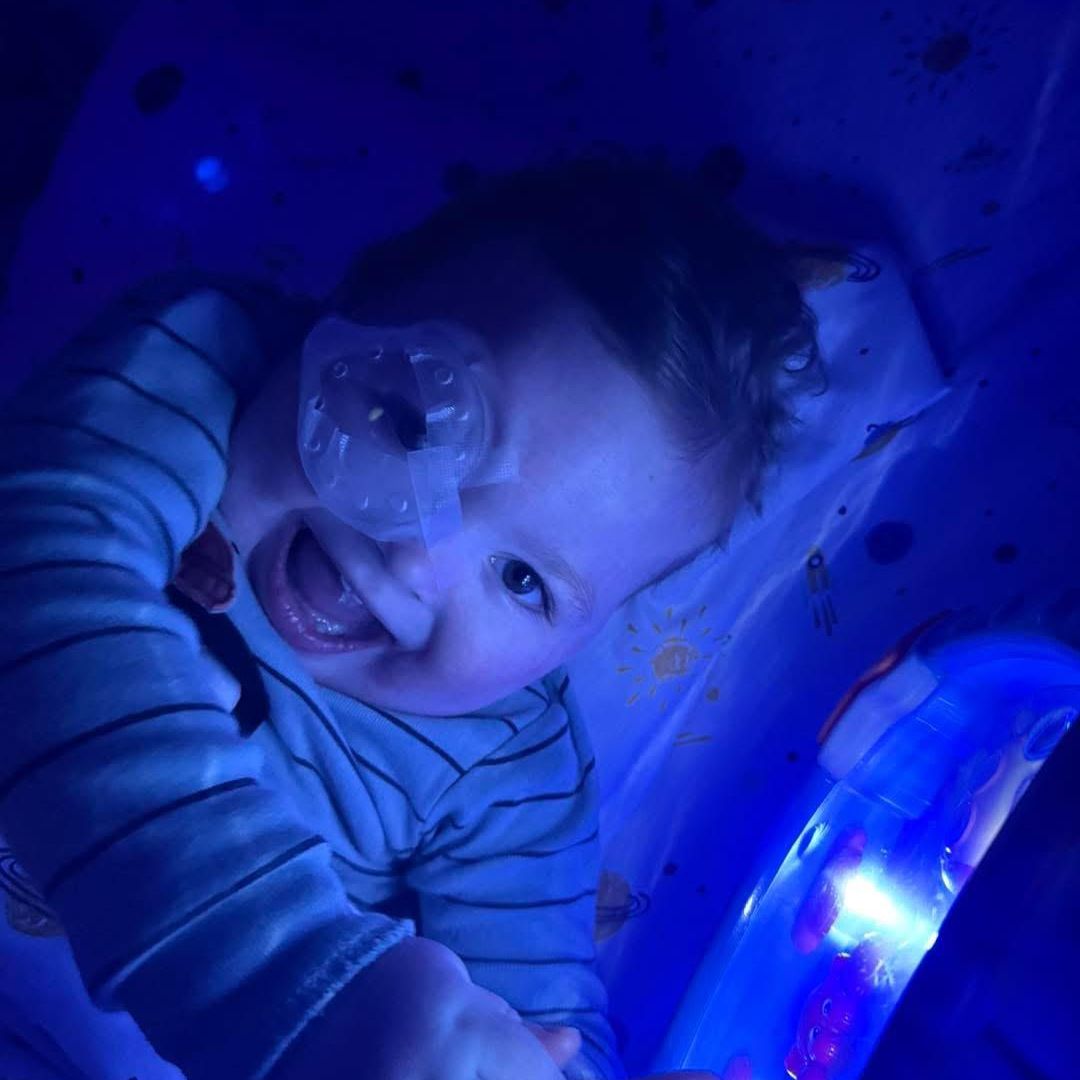
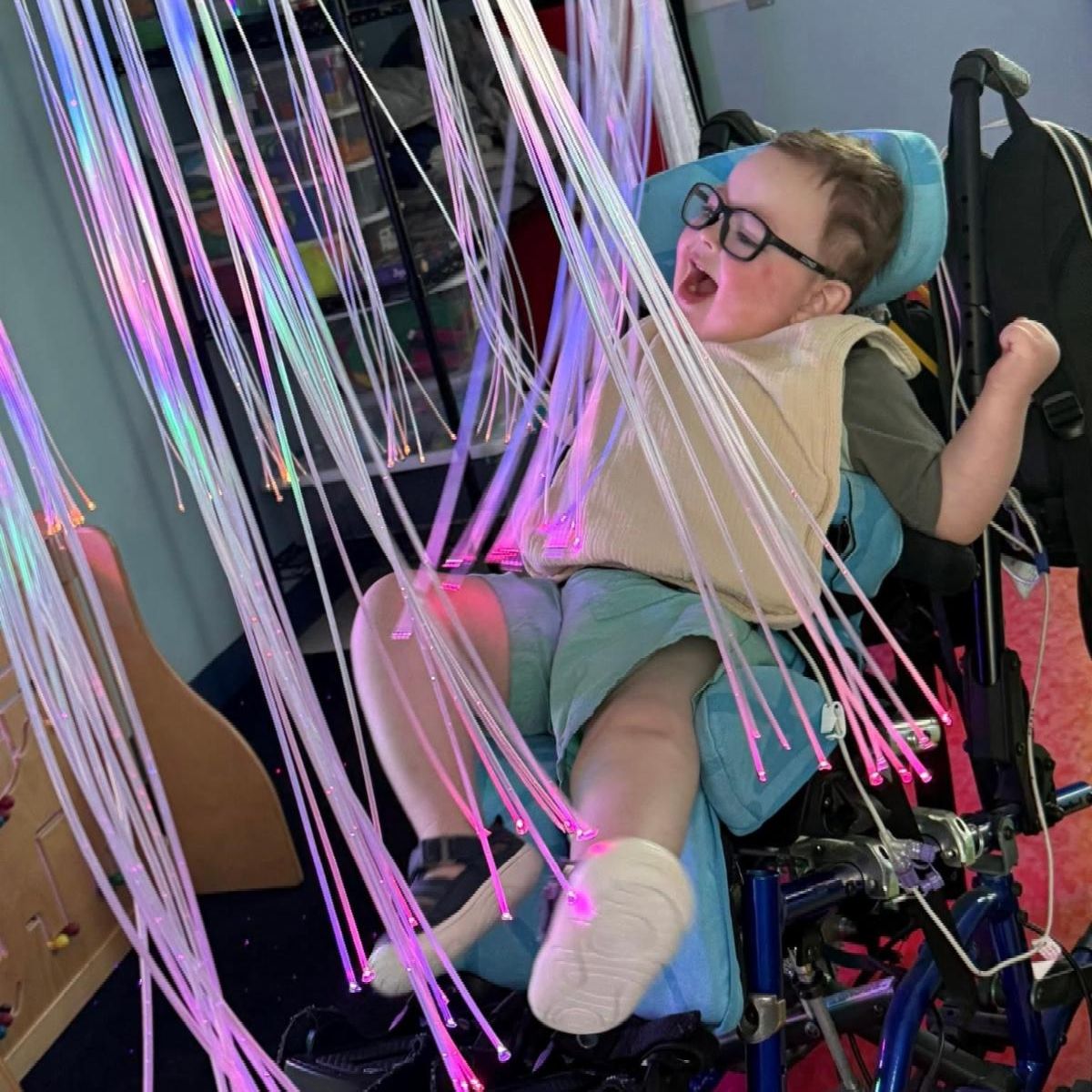
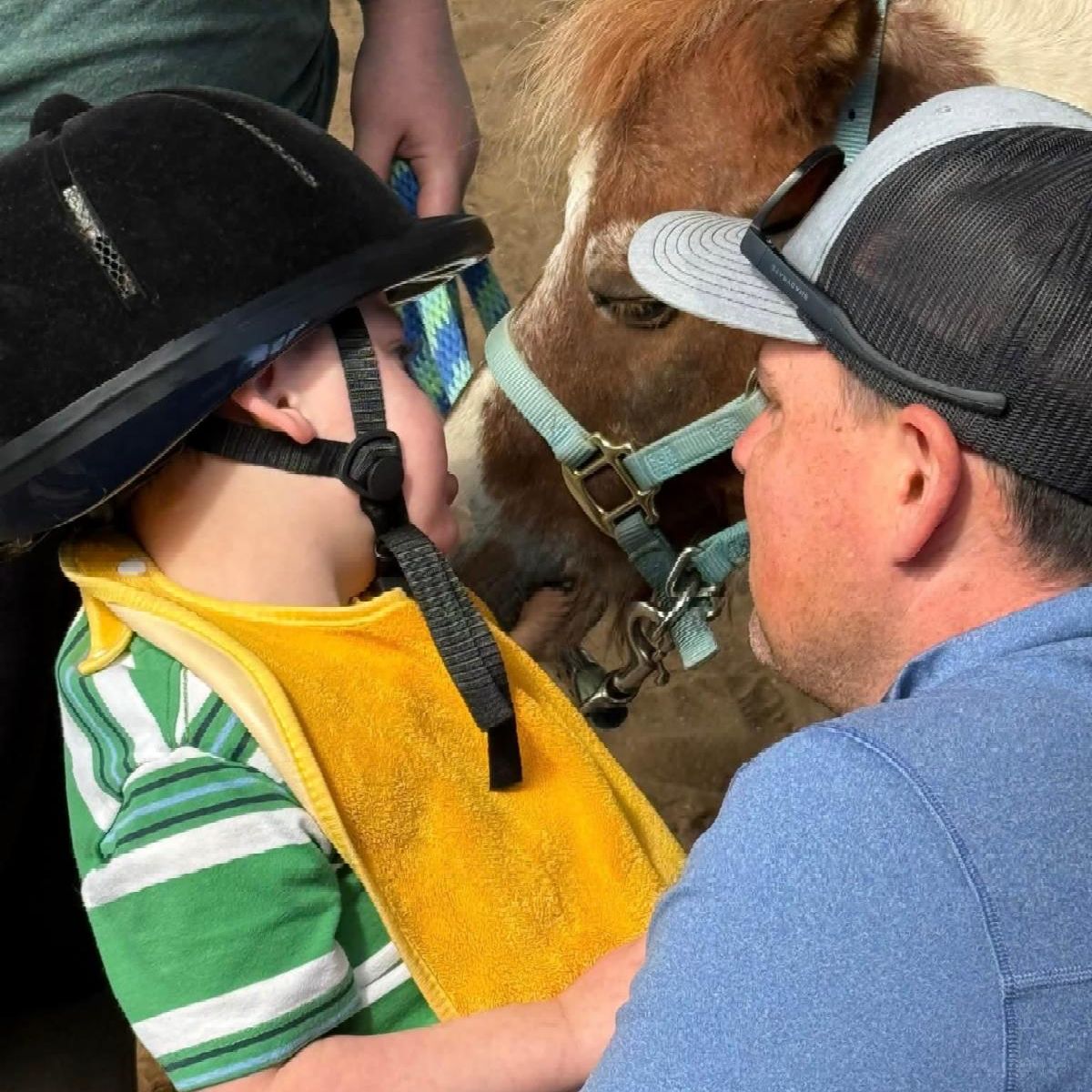
William is a happy little guy. He is almost always smiling, and his smile has a way of making anyone’s day a little better. He is social, loves being around family and friends, and absolutely loves attention—just ask him! He loves being outside, being in the water, spending time with his service dog, Goose, and anything that lights up or plays music. He also loves anything that goes “crash” or “boom.” He is such a boy!
William is also a five-year-old with a complex medical history, physical limitations, and multiple visual impairments, including infantile glaucoma, Cortical Visual Impairment (CVI), nearsightedness, and astigmatism. Of these diagnoses, CVI has become especially important in helping us understand how William sees, processes, and experiences the world around him.
CVI has helped us better understand that the way William sees and processes visual information is different from the way most people do. It has also reminded us that what may look like a limitation from the outside does not tell the whole story of what is happening inside William’s mind.
One of the biggest things we wish people understood about William is that he is much smarter than he may appear to be. Because of his physical limitations and developmental delays, people sometimes assume that he cannot understand as much as he actually does. Sometimes people talk to him like he is a baby or do not include him because they are unsure of what he is capable of.
But William has an incredible amount of drive and determination. He wants to do as much as he possibly can. We have learned that it is important to give him opportunities to try, to learn, and to be challenged—both mentally and physically. His disabilities may mean that he does things differently or that something takes longer, but different does not mean incapable.
Learning to Be William’s Biggest Advocates
As William’s parents, one of the most important things we have learned is that we know him best, and we have to be his biggest advocates. We have also learned that being his advocate does not mean we have to do everything on our own. It means surrounding ourselves with people who are willing to listen, learn about William, and work alongside us to help him reach his full potential.
We value working with doctors, therapists, teachers, and other professionals who see us as part of William’s team. Each person brings a different area of expertise, and when we all work together and share what we know, William benefits the most. We have learned that we have an important perspective as his parents because we see him in all of the different environments and situations that make up his everyday life.
That has also taught us that it is okay to speak up when something does not feel right or when we are uncomfortable with something being done. Advocacy does not mean being difficult. It means asking questions, sharing what we know about our child, and respectfully making sure his needs are being considered.
William’s CVI diagnosis is a great example of why having the right team around him is so important. Understanding CVI has helped us better understand how William sees and processes the world around him, but learning how to support him takes more than a diagnosis. It takes people who are willing to learn alongside us and think about how his visual impairment affects his communication, learning, and everyday activities.
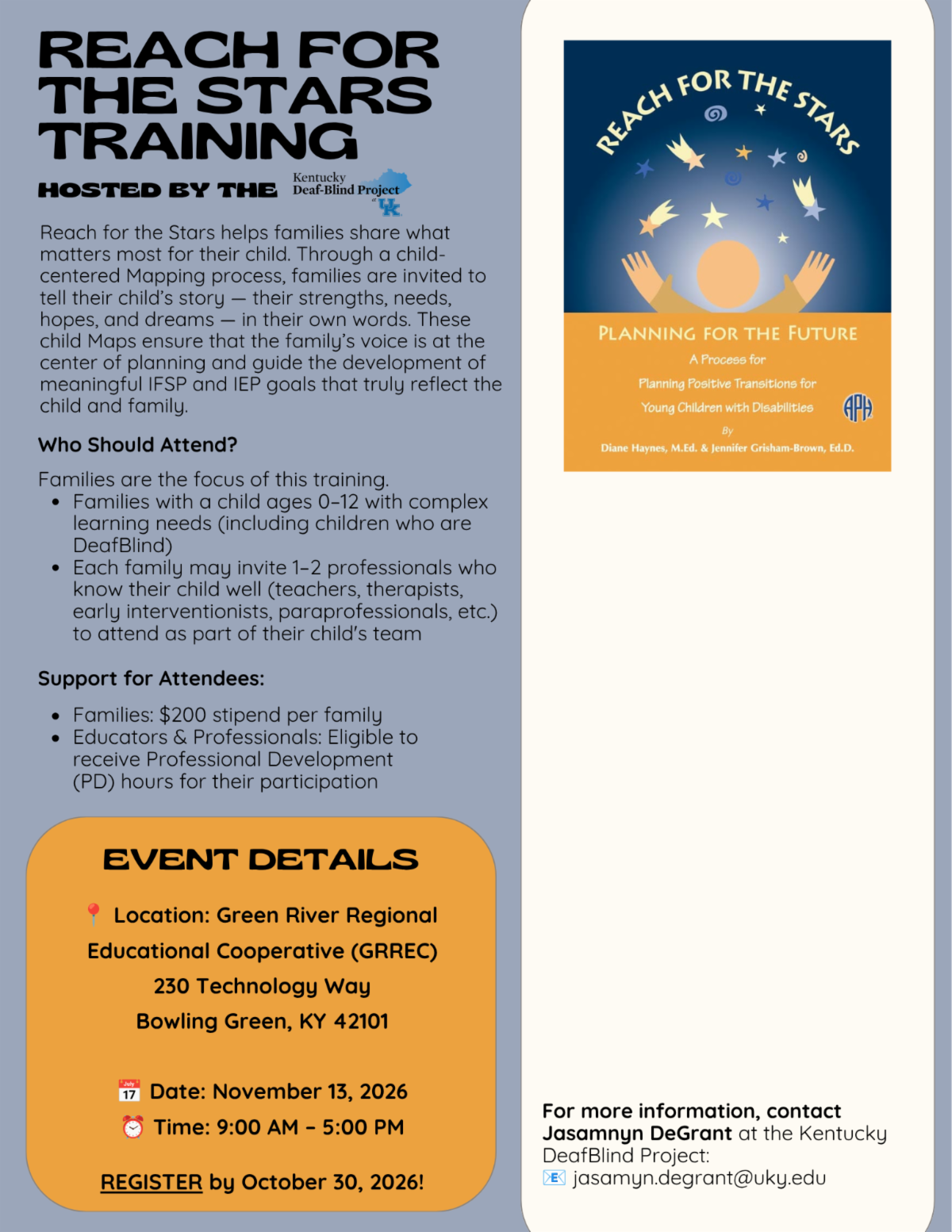
The Kentucky DeafBlind Project has been an important part of that process. They have provided us with resources and guidance to help us better understand CVI and how it affects William. They have even worked directly with his speech therapist to help with his eye-gaze device. Having people who understand CVI and are willing to collaborate with the professionals already working with William has been incredibly valuable to our family.
Inclusion Means Including William
For our family, inclusion means simply including William in our lives.
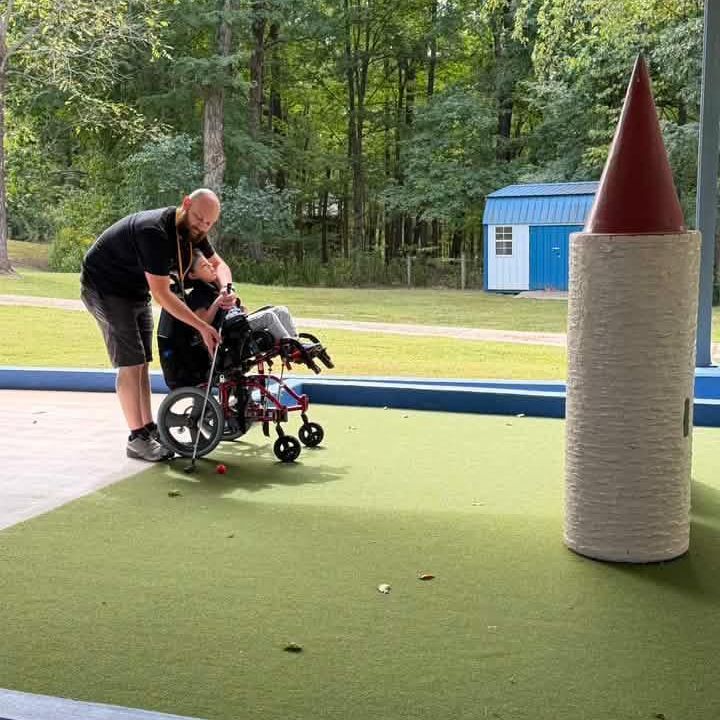
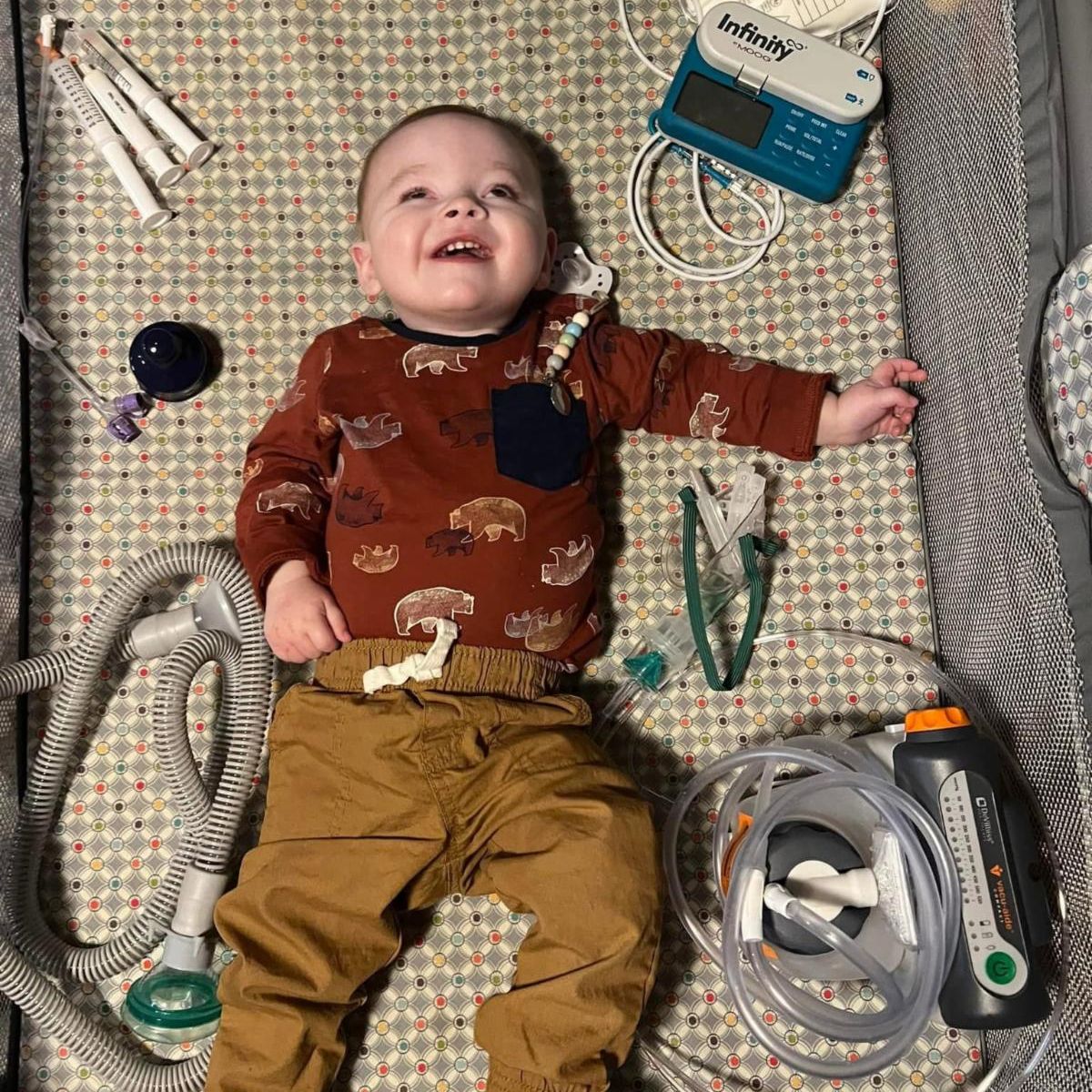
We take him with us and include him in the things our family enjoys. Sometimes it takes more planning. Sometimes an activity takes longer. Sometimes we have a lot of medical equipment to manage, or we have to make sure a facility can accommodate his wheelchair. Sometimes we encounter people who are nervous because they are not sure how to interact with him.
But we do whatever we can because William is still a five-year-old boy who wants to do five-year-old boy things.
Inclusion is not always easy, but it is worth it.
It is also important to us that other children see William participating. We are fortunate that his school does such a wonderful job of creating an inclusive environment. William is in a classroom with children of all abilities, and his classmates have embraced him.
Sometimes his friends want to help with his tube feeds or push his wheelchair. As parents, we have had to learn to allow those moments and help his classmates understand how they can appropriately help William. We answer their questions and show them how they can assist with things he may need help doing.
Those moments are important because children learn from them. They learn that being different is okay. They learn that everyone has strengths and challenges. Most importantly, they learn that a disability does not mean someone cannot be their friend or participate alongside them.
Why We Share William’s Story
We created the Facebook page William’s Smile for several reasons.
First, it gives our family and friends a place to stay updated. When William is in the hospital, keeping up with individual texts and messages can become overwhelming. Having one place where we can share updates allows everyone to know how he is doing without adding another thing to our plate during an already stressful time.
But William’s Smile has also become something much bigger.
Through social media, we have connected with families all across the United States who have medically complex children. Those connections have become an incredible source of information, encouragement, and support.
When you have a medically complex child, there are questions and experiences that are difficult to explain to someone who has not lived them. Other parents who have walked a similar road can be an incredible resource when you have a question or need advice.
But sometimes the most important thing is simply having someone to talk to who understands.
There is something incredibly comforting about being able to say, “I am overwhelmed,” and having another parent respond, “I understand.”
We share the ups and downs of William’s journey because we hope other families will see that they are not alone. Life with a medically complex child and a child with visual impairments can be difficult, but it is also filled with joy, laughter, connection, and moments that we would not trade for anything.
Finding Support Through the Kentucky DeafBlind Project
The Kentucky DeafBlind Project has been an amazing resource for our family.
Everyone we have worked with has been willing to offer resources, answer questions, and help us better understand William’s needs—especially when it comes to his CVI diagnosis.
Having people who understand CVI has helped us feel more confident as advocates for William. The support with his eye-gaze device and communication has been especially meaningful because communication and access are such important parts of helping William become as independent as possible.
We also really enjoy the monthly Zoom parent meetings when we are able to attend. It is wonderful to continue learning while also connecting with other families who understand what this journey can look like.
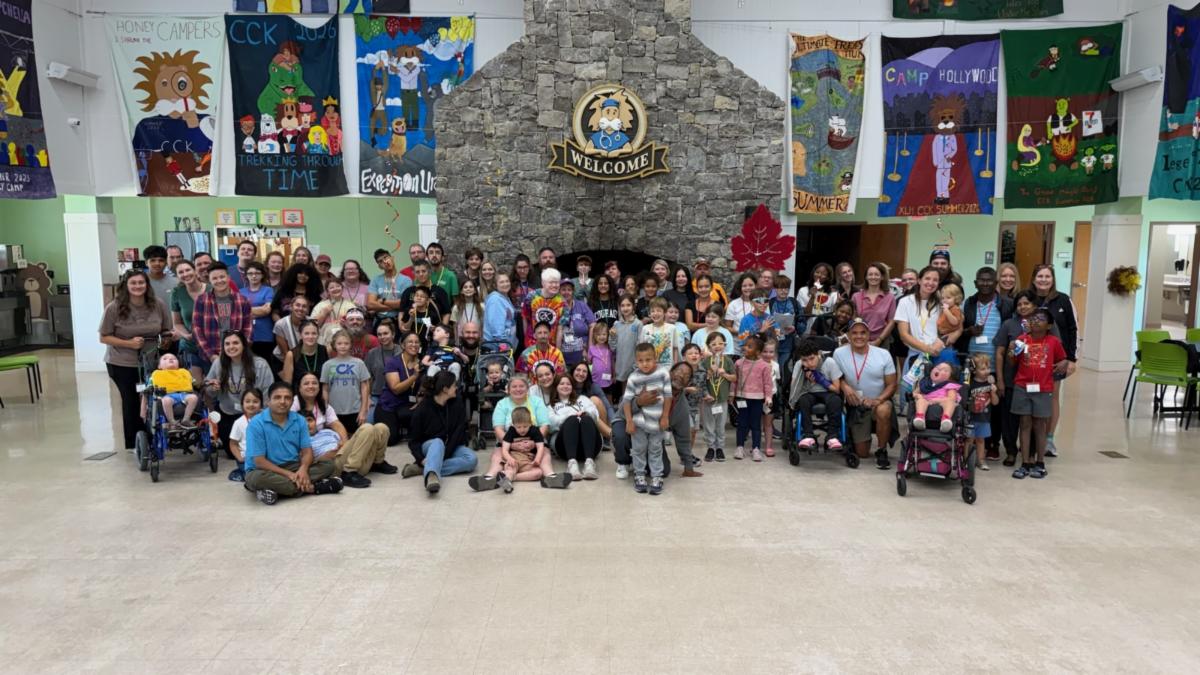
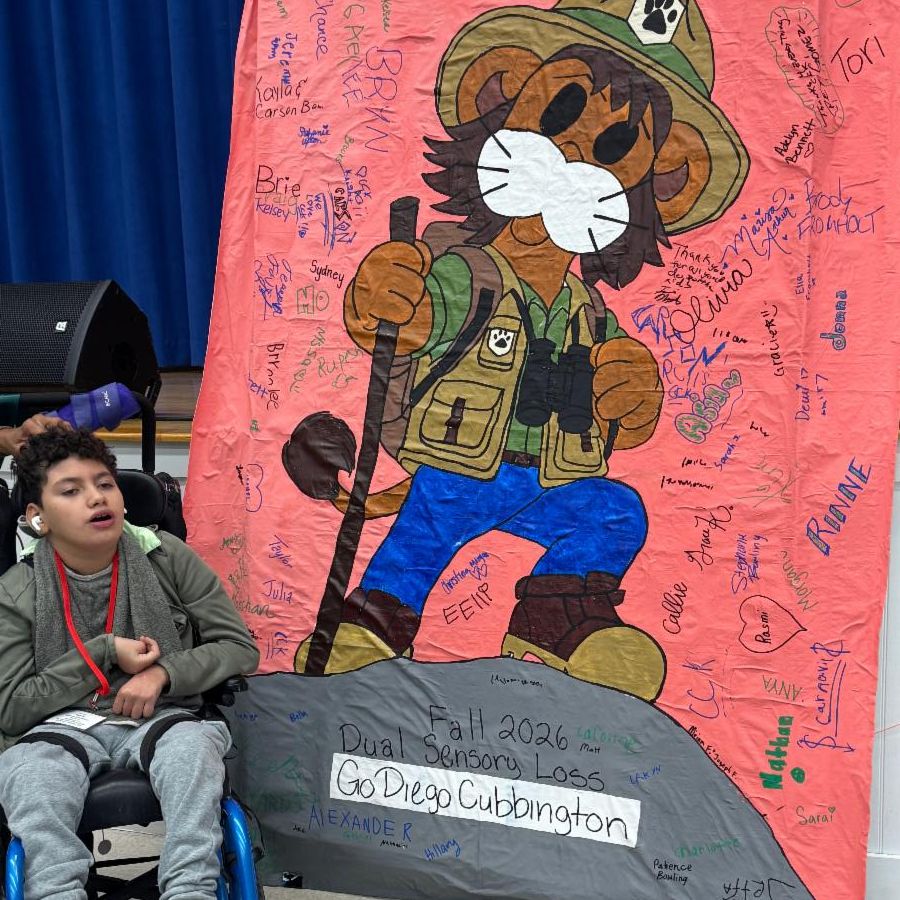
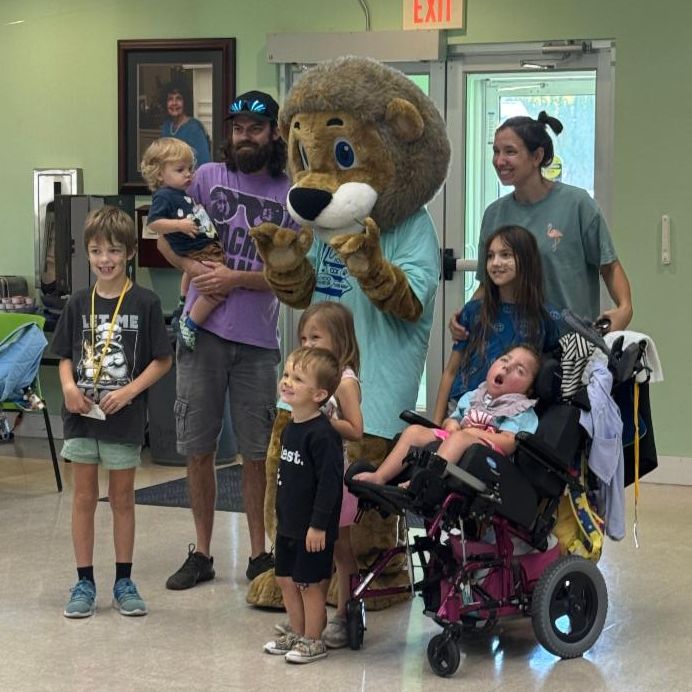
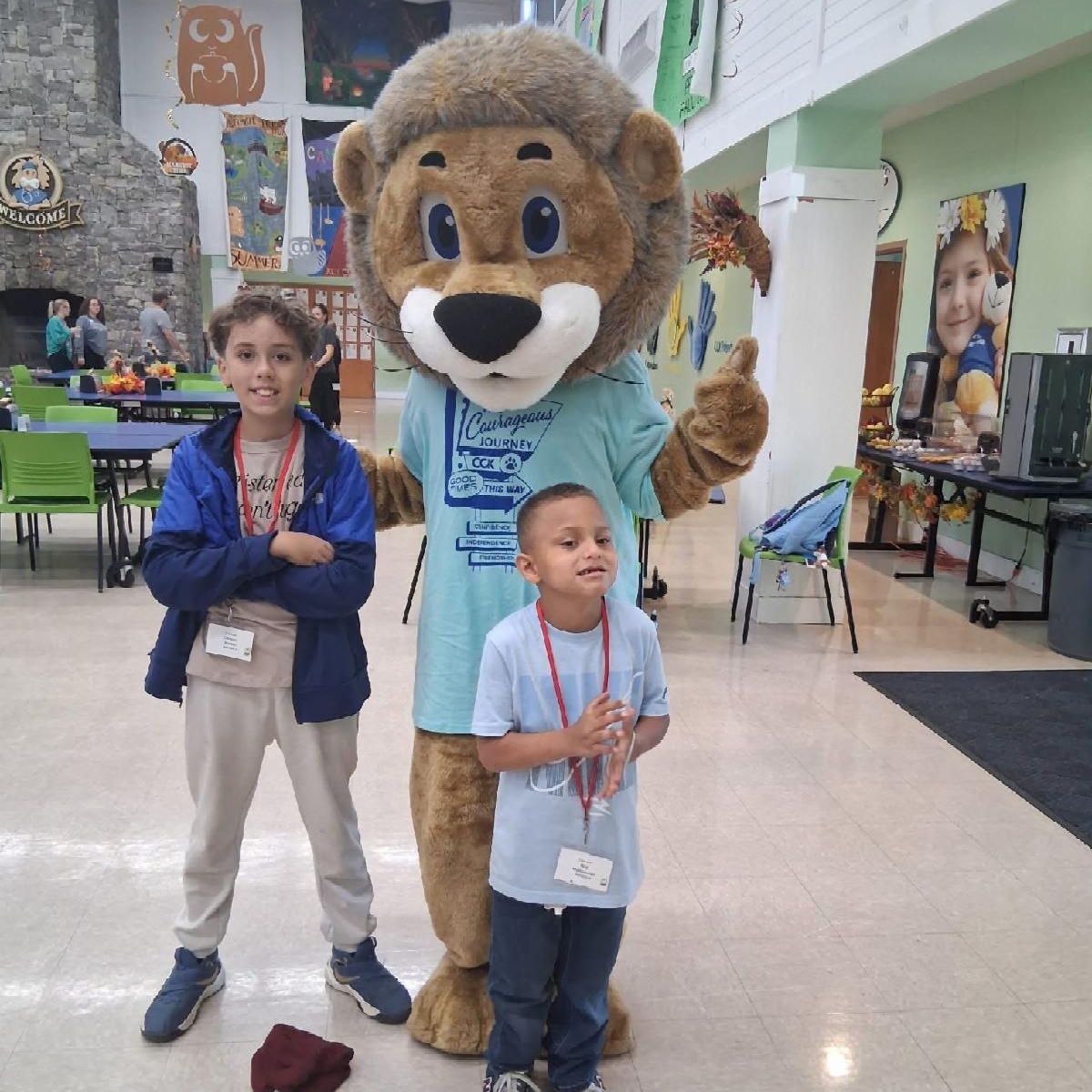
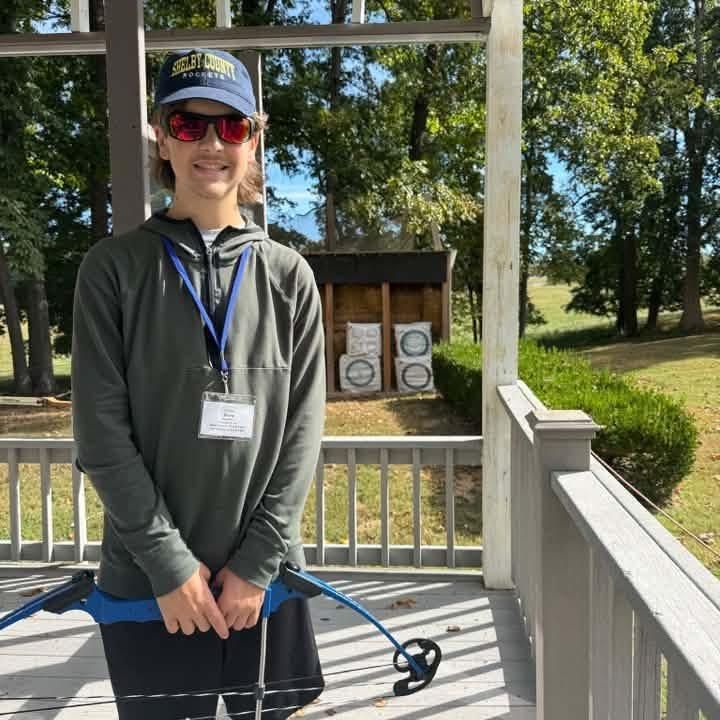
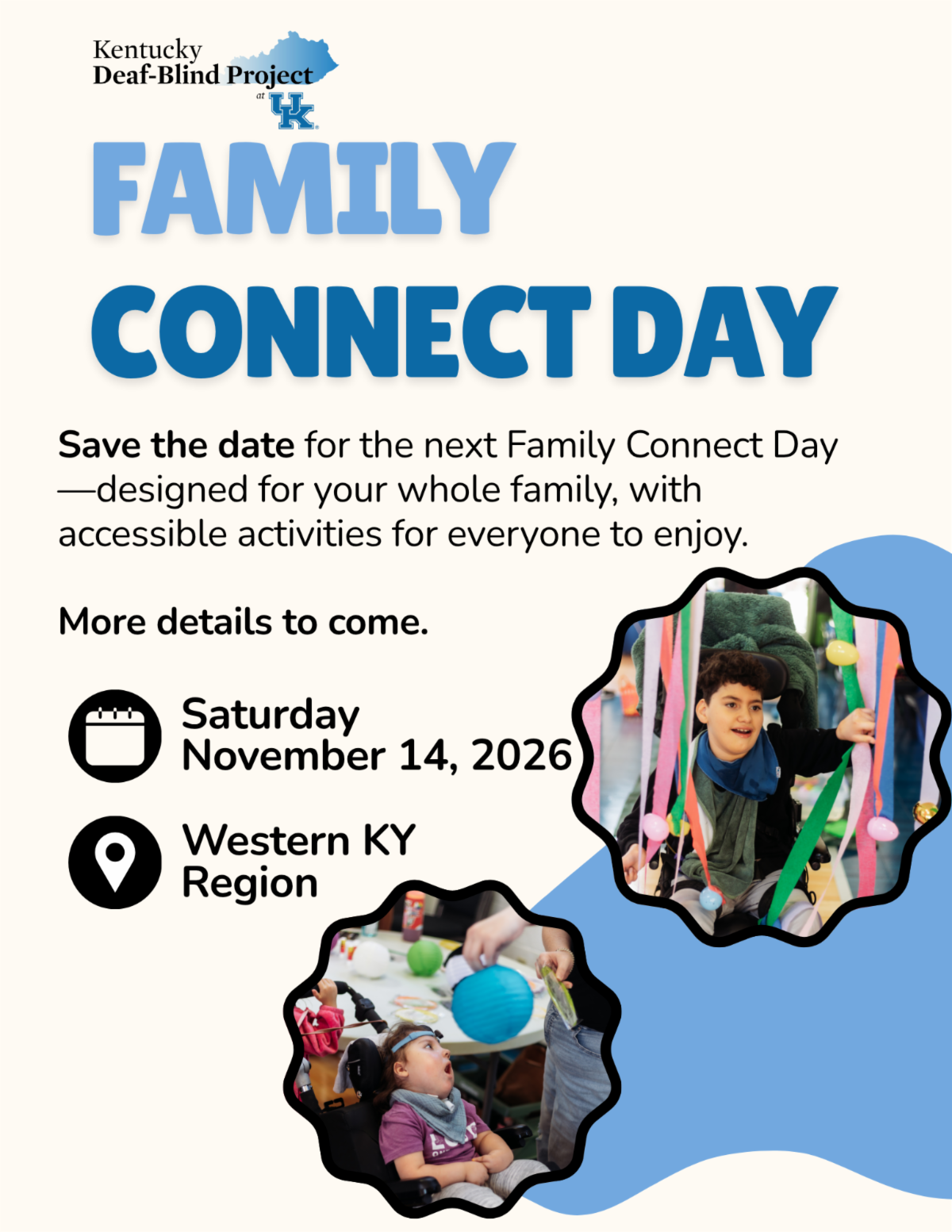
And then there is the family retreat at the Center for Courageous Kids. The past two years have been an absolute blast! It has been such a wonderful experience for William and for our family. Having an opportunity to spend time with other families, make memories, and simply enjoy being together is something we truly appreciate.
For the Family Just Beginning This Journey
If we could offer advice to a family who is just beginning their DeafBlind journey, we would say:
First, breathe.
Second, process.
Third, lean on your sources of strength—whether that is faith, family, friends, or something else that gives you strength.
And then, get involved and get connected.
Find the people and resources that can help you learn about your child and become the best advocate you can be. You do not have to figure everything out overnight.
There will be a lot to learn, and there may be days when it feels completely overwhelming.
Most importantly, do not forget to love on yourself.
As parents, we tend to pour so much of ourselves into our children that we forget that we need care, too. You cannot take care of your child to the best of your ability if you are completely running on empty. Self-care matters.
And if you are married or have a significant other, remember to make time for that relationship, too. Communicate with each other. Everyone processes diagnoses, changes, and difficult situations differently, and the beginning of this journey can bring a tremendous amount of emotion and uncertainty.
Give each other grace.
There will be hard days. There will be unexpected challenges. But there will also be smiles, laughter, accomplishments, friendships, and moments that remind you just how amazing your child is.
So, to the family who is just beginning this journey: breathe, connect, advocate, take care of yourself, and don't be afraid to ask for help.
And don't worry—you've got this.
Because we have learned that William's story is not defined by his diagnoses or his limitations. His story is about a little boy who smiles, loves fiercely, works hard, wants to be included, and continues to show us every day just how much he is capable of.
|