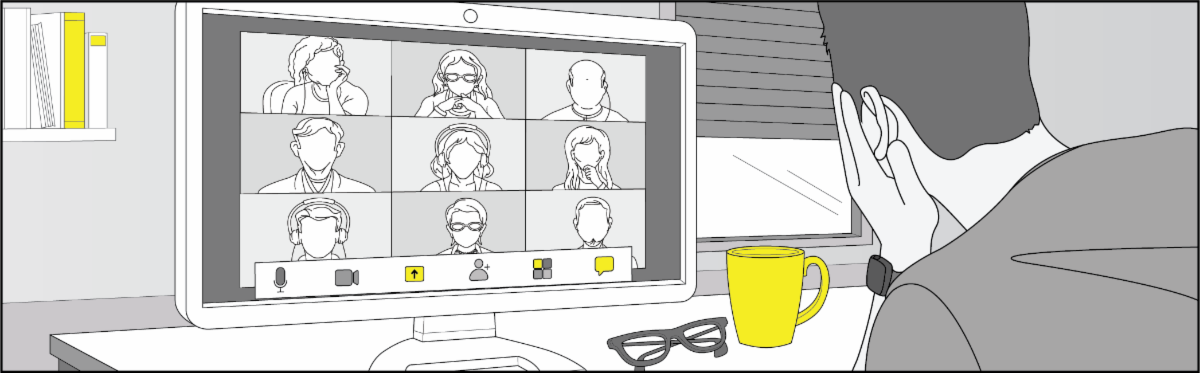
COVID-19 has caused most lawyers to work remotely. That means legal practitioners are spending an unprecedented amount of time in front of computer screens. Since the start of the pandemic, more than 13 hours per day on average are spent in front of a digital device, with 55% of Americans spending more time in front of a computer screen during the pandemic than they previously did.[1] For attorneys and legal professionals, virtual court proceedings on video conferencing platforms like Zoom have become the norm.
The U.S. legal system’s embrace of technology is evident from a recent milestone hit by state courts in Texas, which recently announced they had surpassed 1 million hearings conducted via Zoom since the beginning of the COVID-19 pandemic. Since March of 2020, more than 2,000 state court judges have spent upwards of 2.4 million hours on virtual hearings and proceedings.[2] Additionally, Texas held 25 virtual jury trials and 50 grand jury proceedings. In New York, courts held 450,000 case conferences and ruled on more than 60,000 motions in virtual proceedings during the first eight and a half months of the pandemic.[3] While remote technology has allowed the court system to move forward during the pandemic, conducting virtual proceedings comes with a unique set of challenges.
One of the biggest phenomena to emerge of late is “Zoom fatigue,” which is the exhaustion and burnout experienced by users of virtual communication platforms.[4] While the social and mental stressors of the pandemic are contributing factors, psychologists, researchers, and businesses have recently examined what contributes to Zoom fatigue. A popular theory is that it is easier to lose focus during video conferences because we are distracted by other stimuli such as an incoming email, a message on Teams, Slack, or a text.[5]