In the Lane

Bike Santa Cruz County Newsletter

August 2026 - Issue #18

Photo Credit: Bill Bishoff, Santa Cruz Cycle Fair 2026

In this Issue:

  • Watsonville Community Bike Ride Success
  • BSCC 2026 Cycling Survey Results Are In
  • Advocacy Win! Better Bollards Being Installed on Soquel Drive
  • Fall Volunteer Opportunities with BSCC!
  • Santa Cruz BCycle Hits One Million Rides
  • GO BIKE! Program Returns
  • Cycling as a Component of University Basic Mobility

August is here! Read on for the latest Santa Cruz County bike advocacy updates, upcoming events, and ways you can help support our mission to make our streets safer and more bike-friendly.

Watsonville Community Bike Ride Success!


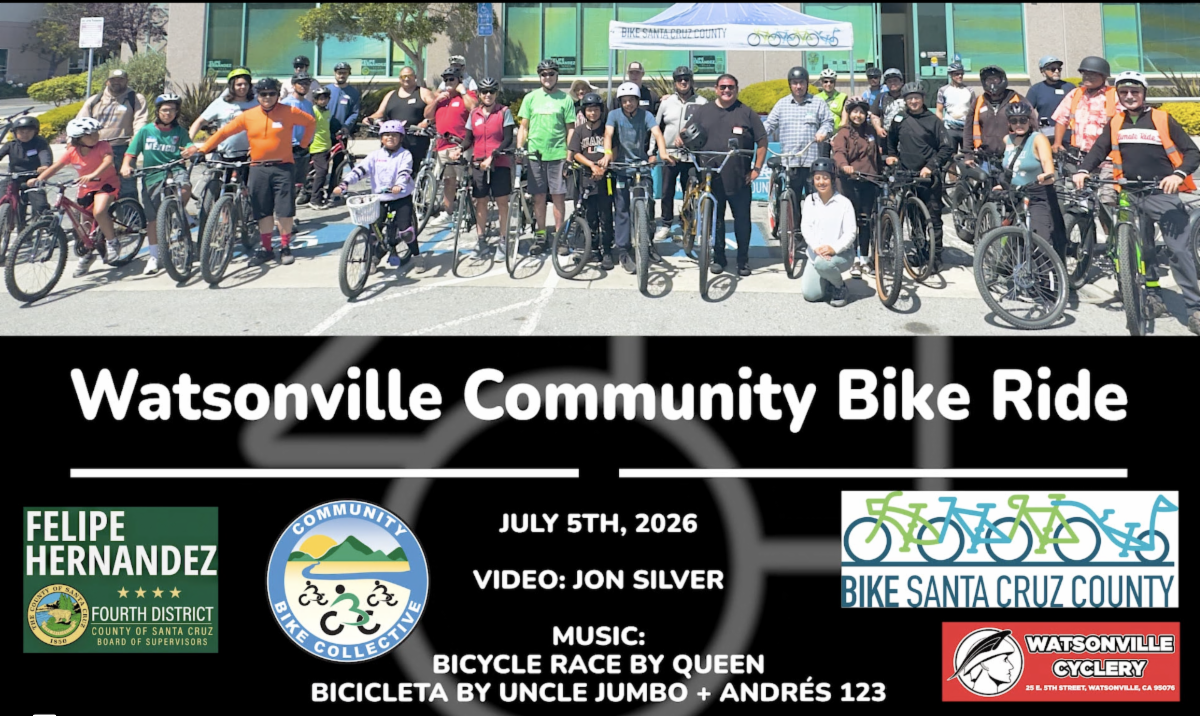
Our July 5th Watsonville Community Bike Ride on the Ohlone Loop Trail was a great success!


Thank you to our community partners including, Community Bike Collective, Watsonville Cyclery, Community Traffic and Safety Coalition & Supervisor Felipe Hernandez, who helped make this all possible!!


Save the Date for our next Watsonville Community Bike Ride: Sunday, Sept 20th at 11 am!


Watch the ride video to see what you missed!

BSCC 2026 Cycling Survey Results Are In


Results of the BSCC 2026 Cycling Survey have been compiled, and they underscore need for safer streets in Santa Cruz County.


A total of 743 people shared how they experience local streets, bike paths, trails, and intersections. Their responses show that traffic stress, close passing, disconnected routes, and difficult crossings continue to limit biking across the county, especially for less-confident and less-experienced riders.


The report looks closely at e-bikes, families, transportation and recreational riders, Watsonville and South County, mountain communities, and the Coastal Rail Trail. We also compared what respondents told us with recent crash data and the County’s Safety Action Plan, helping show where everyday rider experiences align with documented safety concerns.


We sent the report directly to local elected officials, transportation planners, public works staff, and commissioners, and invited agencies to work with us on questions specific to their communities and projects. The data can help inform planning, project design, public engagement, advocacy, and grant applications.


The report has also received coverage from the Santa Cruz Sentinel, KSBW, and Lookout Santa Cruz, helping these findings reach a much wider audience.


This is what “data-driven advocacy” looks like. We are listening to riders, turning their experiences into evidence, and using that evidence to push for safer, better-connected streets and the right solutions to improving active transportation in our County.

Advocacy Win! Better Bollards Being Installed on Soquel Drive


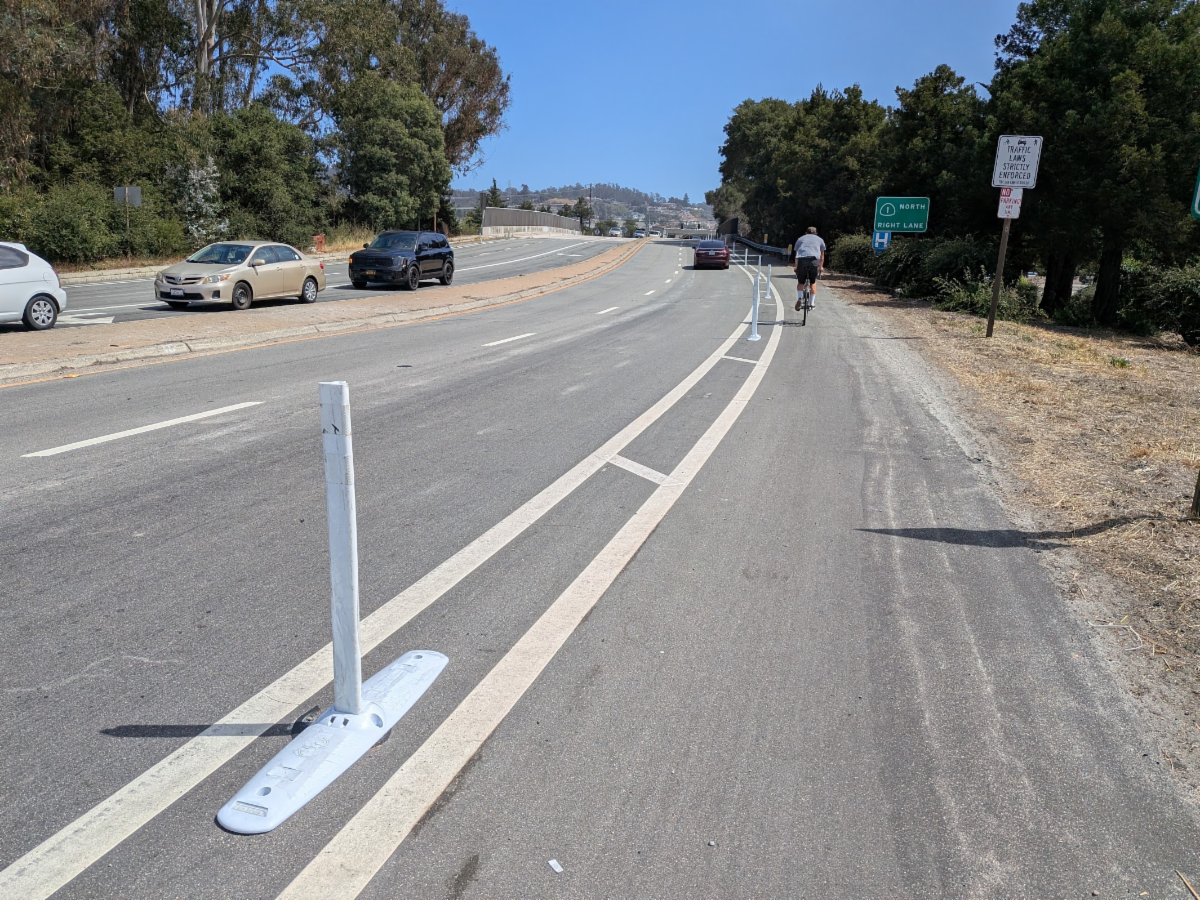
We have some good news to share! Santa Cruz County has begun installing new, more durable bollards along the protected bike lanes on Soquel Drive, starting near Dominican Hospital and continuing east and westbound. These are similar to the bollards already in use on Water Street (going on the hill between Market and B40) and are a meaningful improvement over the flexible posts that have been repeatedly damaged or knocked down along Soquel. Bike Santa Cruz County has been pushing for stronger, more reliable protection on this critical bike corridor, so we’re excited to see the County responding and making improvements. 


This shows the strength of hard data for advocacy. Thanks so much to bike advocate Jack Brown who laboriously documents every downed, broken, hit, and missing bollard as he commutes to work which he has been doing for over a year. He even went so far as to name one chronically hit bollard Post Malone (hit over 15 times!). His data showed that the number of bollards had decreased by more than 70% since their initial installation, every bollard had been struck, and every week 10-30 bollards had been knocked off and often obstructed the bike lane or laying on the roadside. The data describes an irrefutable serious problem with this corridor! By bringing data and practical solutions to the table and working constructively with public agencies we have been successful at advocating for meaningful improvements there. 


We see this as an important first step toward even better physical separation from traffic along Soquel which can help turn the critical corridor into the consistently protected bike route that the community needs and is asking for. There is still more work to do, but this is real progress worth celebrating.

Fall Volunteer Opportunities with BSCC!


Thank you to everyone who has come out these last few months to help out at the various events and activities all around Santa Cruz County. We sincerely appreciate your continued support!! 


We'll continue to have a lot of events and activities in the next few months and could use a helping hand whenever you are able.


Here are the Upcoming Volunteer Opportunities:

  • Saturday, September 19th: Bike Valet Volunteers for Friends of the SC State Parks Birthday Bash: Sign-up Sheet
  • Sunday, September 20th: Watsonville Community Bike Ride: Event & Ride Support Volunteer: Sign-up Sheet
  • Saturday, October 3rd: Bike Valet Volunteers for Sunrise Rotary Finish Line Event: Sign-up Sheet


We love our volunteers and couldn't pull off these events without you!

Santa Cruz BCycle Hits One Million Rides


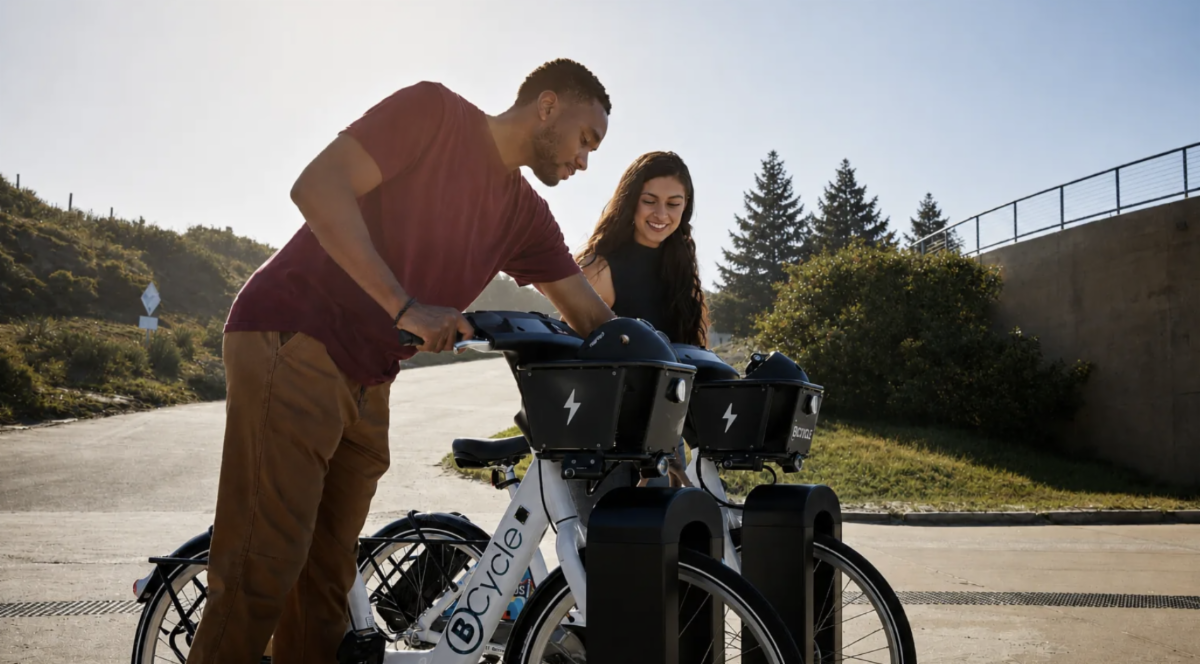
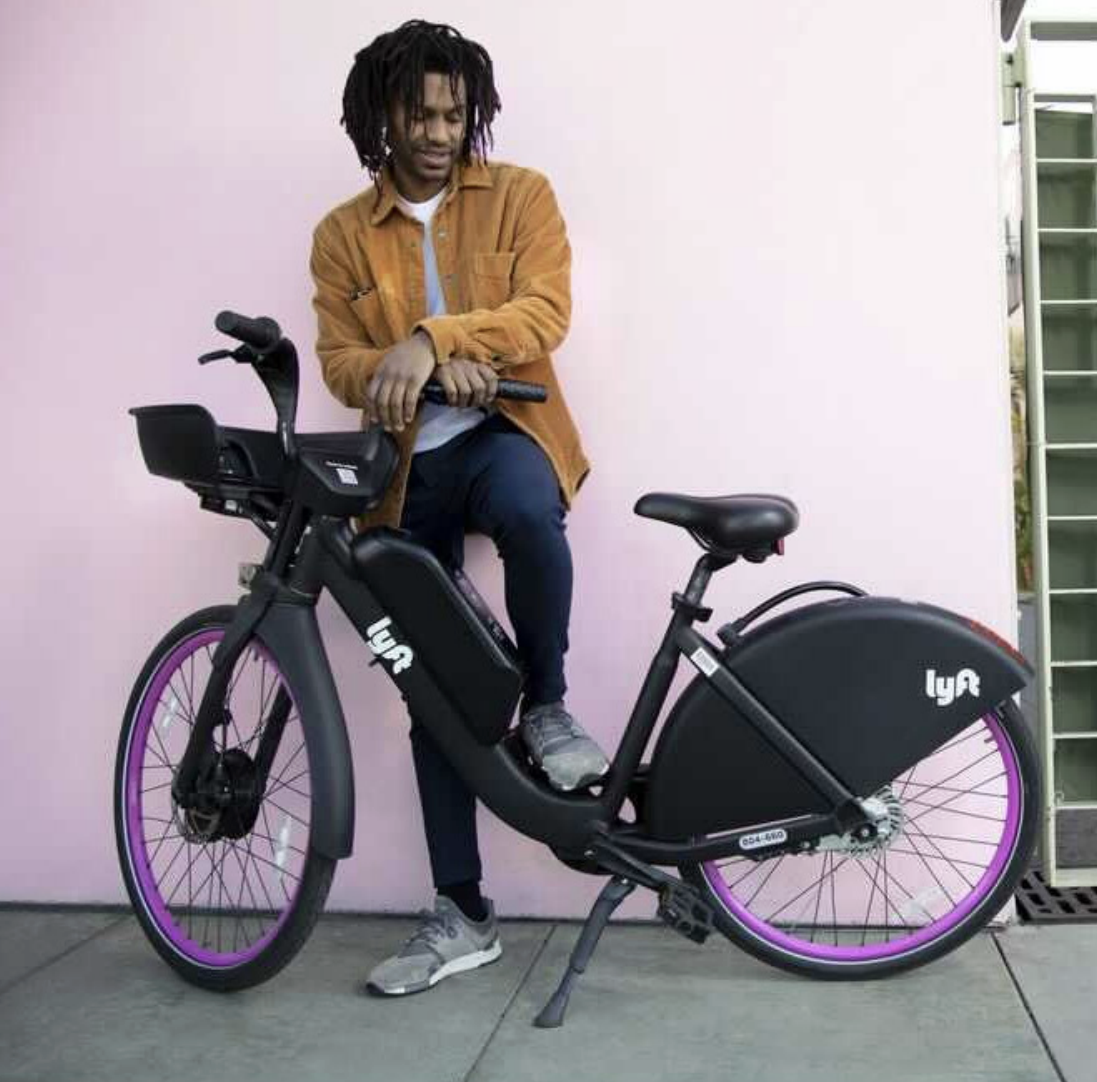
BCycle launched in Santa Cruz in June of 2023 to make bikeshare a convenient, affordable, and sustainable transportation options for locals and visitors alike. Earlier this month, the program celebrated its millionth ride – that’s one million less trips via car and 2,181,956 pounds of greenhouse gases out of Santa Cruz!

GO BIKE! Program Returns


The GO Santa Cruz County’s GO BIKE! incentive program is back! Eligible participants can get cash vouchers for discounts ranging from $300-$1,200 on bikes, e-bikes, and B-Cycle membership. This first-come first-served opportunity is open to community-serving organizations, people who live and work in Santa Cruz county over the age of 18, and currently receive low-income benefits.


Learn more about the details and apply:

Cycling as a Component of University Basic Mobility


A growing number of U.S. transportation agencies have begun to promote the idea of Universal Basic Mobility (UBM), a mode-agnostic concept that emphasizes each individuals’ right to the mobility sufficient to meet their daily needs.  The concept has been embraced by national bike advocacy groups who view cycling as a key method to achieving the goal.  UBM incorporates three overarching concepts:

  • Transportation as a Right: Groups like PeopleForBikes place basic mobiity access on par with utilities, noting that low-income populations and people of color rely heavily on walking and biking for daily essentials. 
  • Mobility Wallets: Advocacy coalitions have supported some city programs that subsidize financial stipends (like those tested in Los Angeles and Oakland) that let users pay for public transit, shared bikes, e-scooters, and even local bicycle repairs or purchases. 
  • Electric Assist Integration: E-bikes are heavily emphasized by advocates to bridge geographical gaps, assist older adults, and accommodate riders with varying physical abilities. 


However, advocates caution that funding micro-mobility through UBM is insufficient without protected bike lanes and traffic calming to protect vulnerable users from vehicular traffic.  To succeed, programs must directly supply physical assets—such as community e-bike lending libraries—to historically underserved neighborhoods rather than only deploying dock-based systems in wealthy commercial zones. 


UBM as successful public policy is predicated on the fundamental concept that mobility is a basic human right, much like food, housing, and healthcare. Since no national structure exists, local agencies are left to themselves to implement the program. Researchers from UCLA's Luskin Center for Innovation have prepared a focused look on a few cities' attempts to implement UBM. You can read their report here: Accelerating Transportation Equity Innovative Partnership Models for Achieving Equitable Micromobility Access in Mid-Sized Cities

Facebook  Instagram