PUBLIC HEALTH

In the Swim Newsletter

January 14th 2026 Winter Issue

Information for commercial pool operators and owners

New Year, New You?

Have you had a change in ownership, name, or contact information? Be sure to let us know as soon as possible to avoid delays during permit renewal season this spring. Operating permits are not transferrable, so be sure to request a change of ownership within 30 days of the change.


Email us here!

Get more out of your sand filter by backwashing less

Backwashing your sand filter is a regular part of pool maintenance, but are you doing it too often? As your sand filter works, it traps dirt and other particles in the space between sand grains. As those spaces fill up they get better at catching smaller particles, meaning a slightly dirty filter can filter out material that a clean filter cannot. If you backwash on a set schedule, you may be doing it before your filter reaches this point.


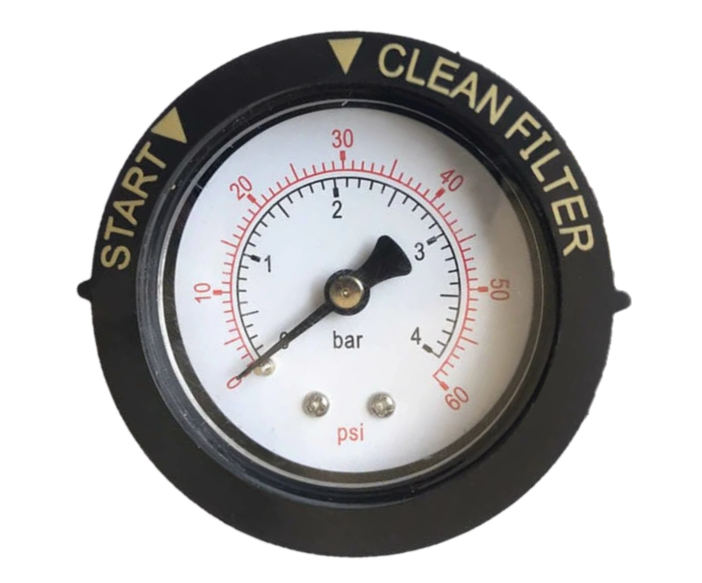
So when should you backwash your filter? If you have pressure gauges on both the inlet and outlet of your filter, you should backwash when the pressure difference between the two reaches 10 to 20 psi. If you only have a single pressure gauge on your filter, then you'll want to backwash when your pressure reaches 8 to 10 psi higher than what its pressure is after a fresh backwash. Be sure to have that baseline pressure level marked or use the adjustable START / CLEAN FILTER pressure gauge cover to mark what your clean filter pressure level is.

2025 Wrapped: Clark County's most common violations

Here are the top 5 violations we found during 2025. Curious about a specific facility?

#1 - Records improperly maintained

Use our county provided logsheets to make sure you're testing everything as often as you need to.


#2 - Test kit is inadequate

Check your pool test kit and replace any expired reagents. If you use a Taylor kit, it must have DPD powder.


#3 - Skimmer missing weir

Weirs are essential to skimmers, but often go missing due to curious swimmers. If this happens frequently, try a floating weir.


#4 - Disinfectant levels are too low (closure)

Low disinfectant levels may require immediate closure depending on disinfectant type, presence of stabilizer, pH, and water feature type.


#5 - Chemicals improperly stored

Follow the manufacturer's recommendations on safe chemical storage. Always store in-use liquid chemicals on a spill tray.


Talking

Do you have a question?


Whether it's about your pool, spa, or favorite swim beach we are here to help. Click the button below to submit a question!

For more pool operator resources, previous newsletters, and other information about the services we provide, visit our website.
Facebook  Twitter  
Clark County Public Health clark.wa.gov/public-health
1601 E. Fourth Plain Blvd, Building 17
Vancouver, WA 98661