"If So Many New Vehicle Shoppers Are Considering EVs, Why Are So Few Buying?"
With ongoing elevated fuel prices, consumer interest in electric vehicles (EVs) remains strong. In May, 26.9% of new vehicle shoppers said they were very likely to consider an EV, the highest level since January 2025. In June, EVs made up only 6.9% of U.S. retail sales, a decline from the 14.4% surge in September 2025 that preceded the end of the federal EV tax credit.
Increased availability of used EVs has certainly affected new vehicle sales, but the affordability of new vehicles remains a significant factor. The average customer-facing transaction price for a new EV was $51,500 in June, compared with $47,000 for an internal combustion-powered vehicle. While EVs can offer long-term savings through lower operating costs, many consumers continue to focus on the higher upfront purchase price.
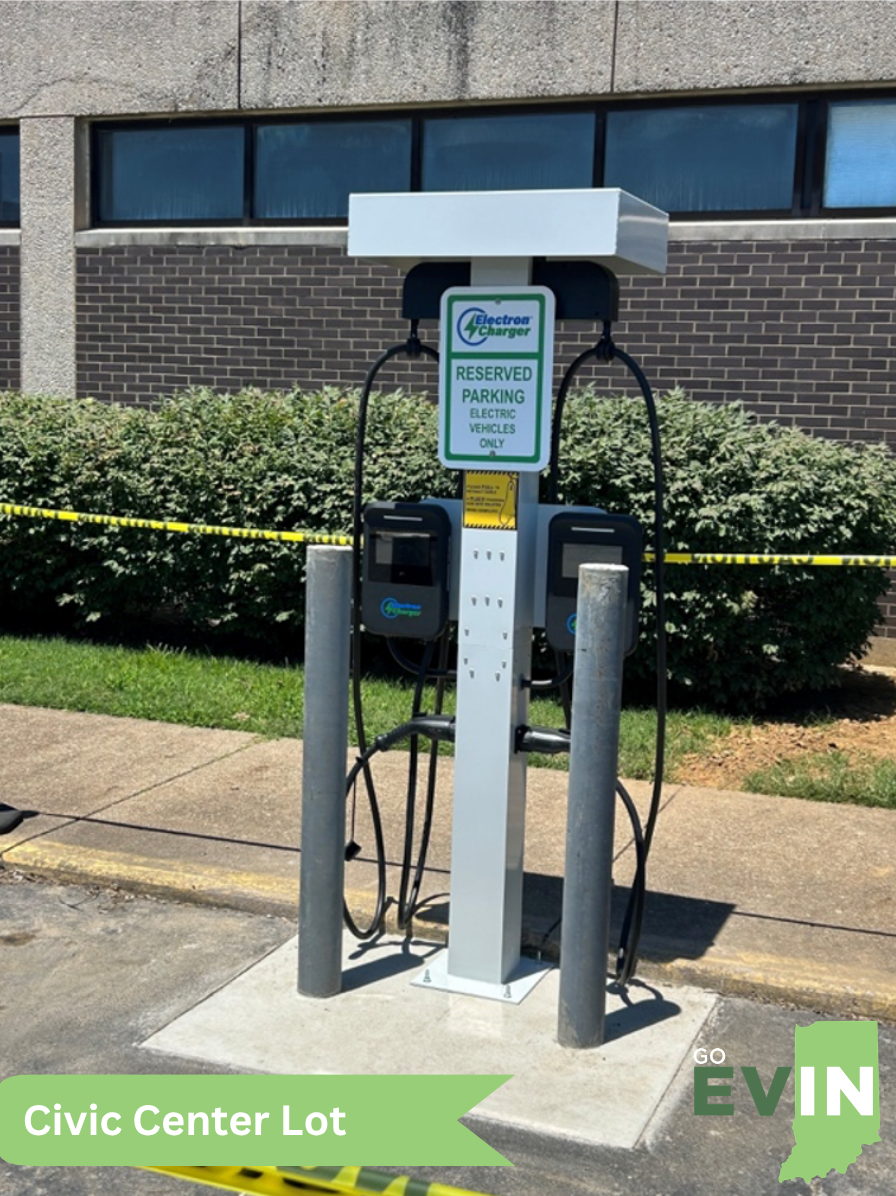
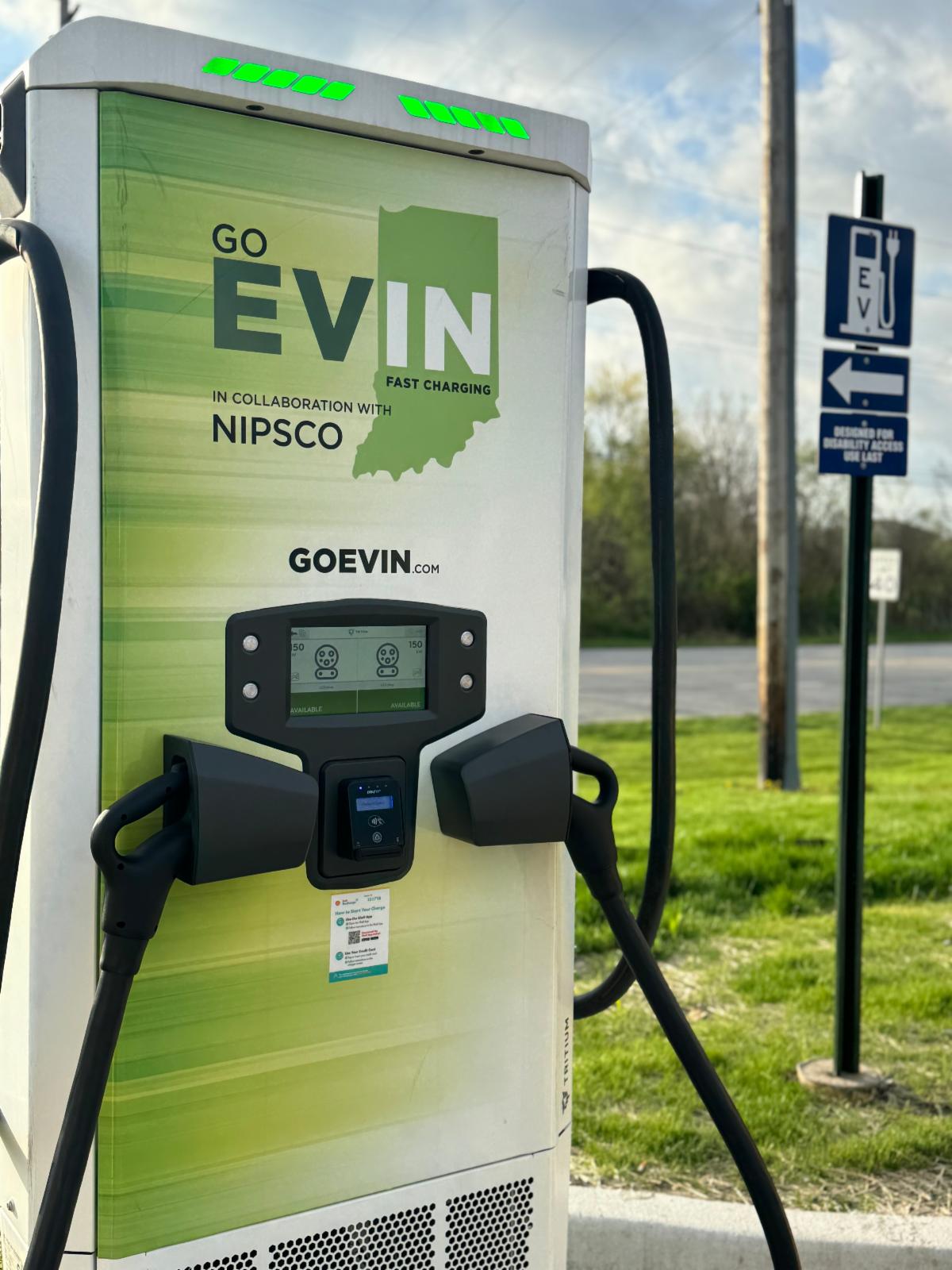
Perceptions around charging infrastructure also remain a challenge. However, public charging availability continues to grow, and current EV owners are reporting higher satisfaction with both charging access and reliability.
The opportunity ahead is clear: interest in EVs is not the issue. Bridging the gap between consideration and purchase will require continued consumer education around the total cost of ownership and the ongoing improvements in charging infrastructure.
Looking ahead, EVs are forecasted to account for 18% of U.S. light-duty vehicle sales by 2030 and 37% by 2035, but as substantial and market-changing as those numbers are, the following report illustrates that the U.S. will be playing catch-up to other automotive markets for quite some time.
|