June 10, 2025

June is National Indigenous History Month, a time to learn about First Nations, Métis and Inuit Peoples. This month serves as an opportunity to honour, validate and amplify Indigenous voices.


National Indigenous Peoples Day was established in 1996 to celebrate the rich and diverse cultures and traditions of Indigenous Peoples in Canada. It is no coincidence that this day is celebrated on June 21, coinciding with the Summer Solstice. Many Indigenous communities have celebrated the start of summer since time immemorial with distinct ceremonies. This spiritually significant day symbolizes a new season of life. A time to embrace the spirit of new beginnings perhaps by engaging with your local Indigenous communities and deepening your understandings of their cultures and legal traditions. One way to accomplish this is to attend a Pow Wow. The Pow Wow Trail begins with the arrival of the Summer Solstice. Here are some considerations for attending Pow Wows:


  • be on time;
  • ensure that the Pow Wow is open to the public (most are);
  • dress modestly to remain respectful of the culture and ceremony;
  • respect the opening prayer;
  • ask permission before taking photos;
  • do not bring alcohol or drugs;
  • pay attention to the announcers;
  • know the difference between traditional and competitive Pow Wows;
  • ask questions to gain a better understanding;
  • offer tobacco (loose or cigarettes) to an Elder or dancer before asking questions to demonstrate respect;
  • browse the local vendors who sell their wares at the Pow Wow grounds;
  • all ages are welcome; and
  • recognize different traditions.  


Read the full article for other ways to learn and support Indigenous businesses and culture.

New Resource: Land Acknowledgment Guide

The Law Society of Alberta offers a variety of free online resources for lawyers and students-at-law. We are pleased to share that a new Land Acknowledgment Guide about the background and appropriate use of land acknowledgments, along with guidance on how to create meaningful land acknowledgments, has been added to our website.


Land acknowledgements are traditional protocol used to give thanks and to pay respect to the traditional peoples and the land on which you live, work and play. Land acknowledgements are one of many protocols followed by Indigenous Peoples. Protocols are the ways of interacting with Indigenous people in a manner which respects their traditional ways of being. Land acknowledgments are an element of building relationships, mutual recognition and respect with Indigenous Peoples.


As we continue on the path of reconciliation, the Law Society opens our events with a land acknowledgment. Lawyers may also wish to use land acknowledgments for their own events, to demonstrate that they are actively thinking about what happened in the past and creating a space for Indigenous reconciliation to happen in the present and for the future. The most meaningful land acknowledgments recognize that the acknowledgment itself is just the first of many steps towards reconciliation.


The guide is designed to provide lawyers and students-at-law with an overview of the things they may consider and include when writing a land acknowledgment, including how to make a personalized acknowledgment. The guide also provides sample acknowledgments for various territories in Alberta and additional resources to help create meaningful acknowledgments depending on the territory where the event is taking place.

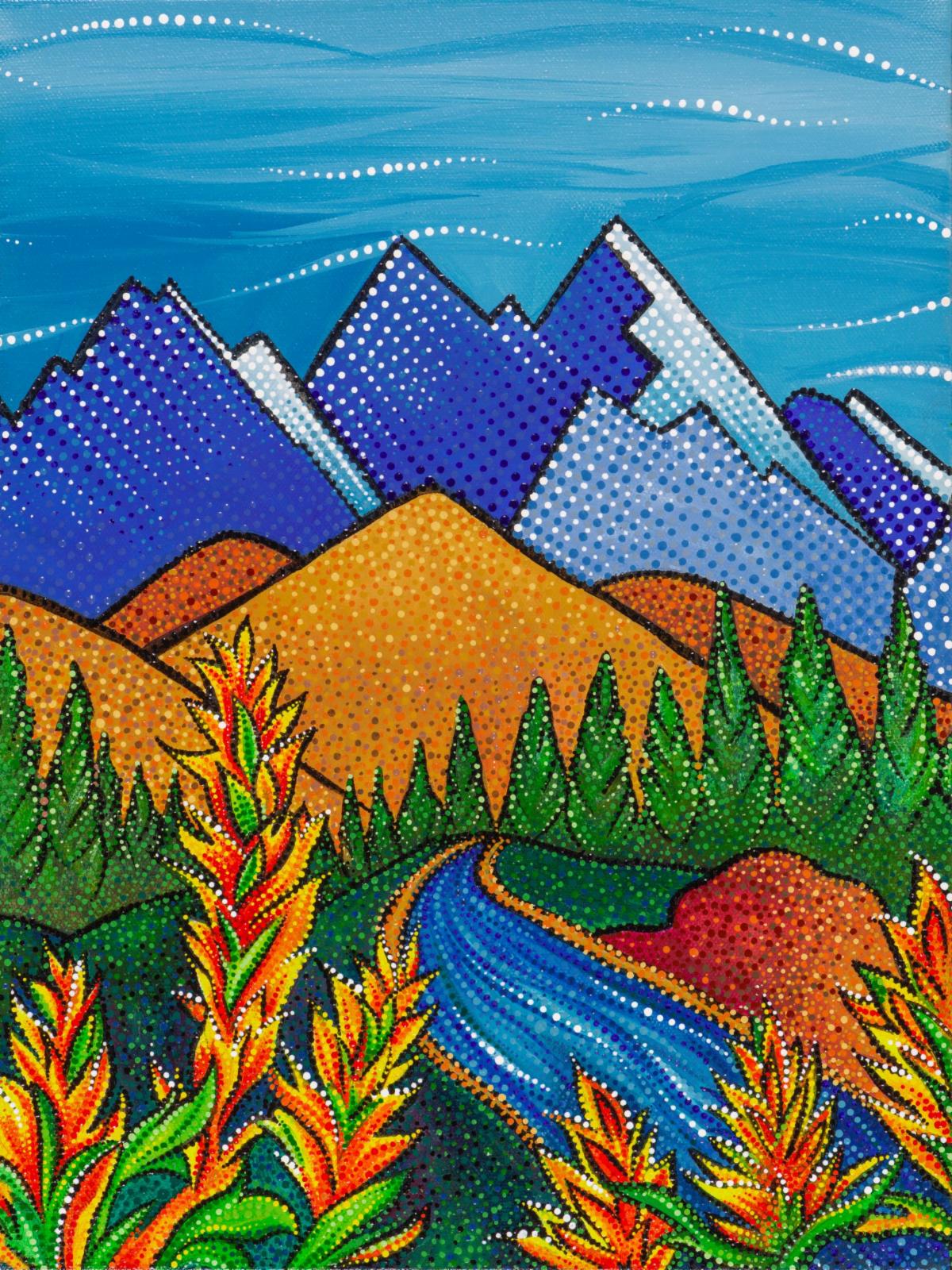
Delreé Dumont Surrounded by Medicine

Meet Crystal Blain: Our New Indigenous Initiatives Advisor

The Law Society of Alberta is committed to meaningful reconciliation with Indigenous communities. However, navigating that journey can be complex. That’s where Crystal Blain comes in.


As the Law Society’s new Indigenous Initiatives Advisor, Crystal brings decades of experience helping organizations bridge the gap between Indigenous and non-Indigenous communities. A proud member of Peguis First Nation and raised in Calgary, Crystal has lived the realities many only read or hear about. Her personal journey — from surviving trauma to becoming a respected leader and consultant — gives her a unique ability to create safe, courageous spaces for tough but necessary conversations.


Drawing from her lived experience and professional background, Crystal helps others engage in reconciliation with openness and respect. She looks at her role as an advisor to the Law Society as not having all the answers, but walking alongside others — offering guidance, asking the hard questions and encouraging meaningful progress, one step at a time.


In her role as an advisor to the Law Society, Crystal will support the Law Society in creating a strategic framework for its reconciliation work. As well, Crystal is working closely with the Reconciliation Advisory Roster. If you are interested in joining the Roster, please complete this form.

Land Acknowledgment

We acknowledge that our office is located on the traditional and ancestral territories of the peoples of the Treaty 7 Region and Métis Nation of Alberta, Battle River Territory, but that we serve the entire province of Alberta, which also includes the ancestral territories of the peoples of the Treaty 6 and 8 Regions, and the North Saskatchewan River, Peace River, Lower Athabasca River and Lesser Slave Lake Territories of the Métis Nation of Alberta.

STAY CONNECTED

LinkedIn  X