Infant & Toddler

Connection of Virginia

November 2024


PART C UPDATES

Test your Knowledge with our Poll Feature

Pick your answer and scroll below to find the correct answer and explanation!

What does potentially eligible for Part B mean?
A. Child meets Part B eligibility requirements.
B. All Part C children are eligible for Part B.
C. Team decides there's a clear expectation child will require services after they turn three.
D. Parents want child referred.


SAVE THE DATE: December 16, 2024, 10:00 AM – 11:30 AM


Tackling Transition and Related TRAC-IT Documentation


Join Kyla Patterson for a webinar covering Virginia’s transition requirements and practices in the context of TRAC-IT data entry. This webinar will be especially relevant for local system managers and service coordinators. It will be recorded for those unable to attend and for reference. Additional information will be provided at a later date.


Possum-bilities


Periodic oversight of systems and methods (POSM) is modeled on differentiated monitoring and support 2.0 (DMS 2.0) as conducted by the U.S. Department of Education, Office of Special Education Programs (OSEP), and provides a mechanism by which each of Virginia’s forty (40) LEIS receives a structured, in-depth review of local Part C implementation. Round one (R1) implementation will see eight (8) localities reviewed each year from SFY25 through SFY29.

POSM is primarily conducted by the state’s Part C monitoring team following protocols developed to guide each local review. The protocols also allow for localities to prepare for POSM by placing a spotlight on monitoring priorities. Throughout R1 implementation, the monitoring team anticipates revisions may be required as more is learned from each local POSM.

Introducing Our Mascot

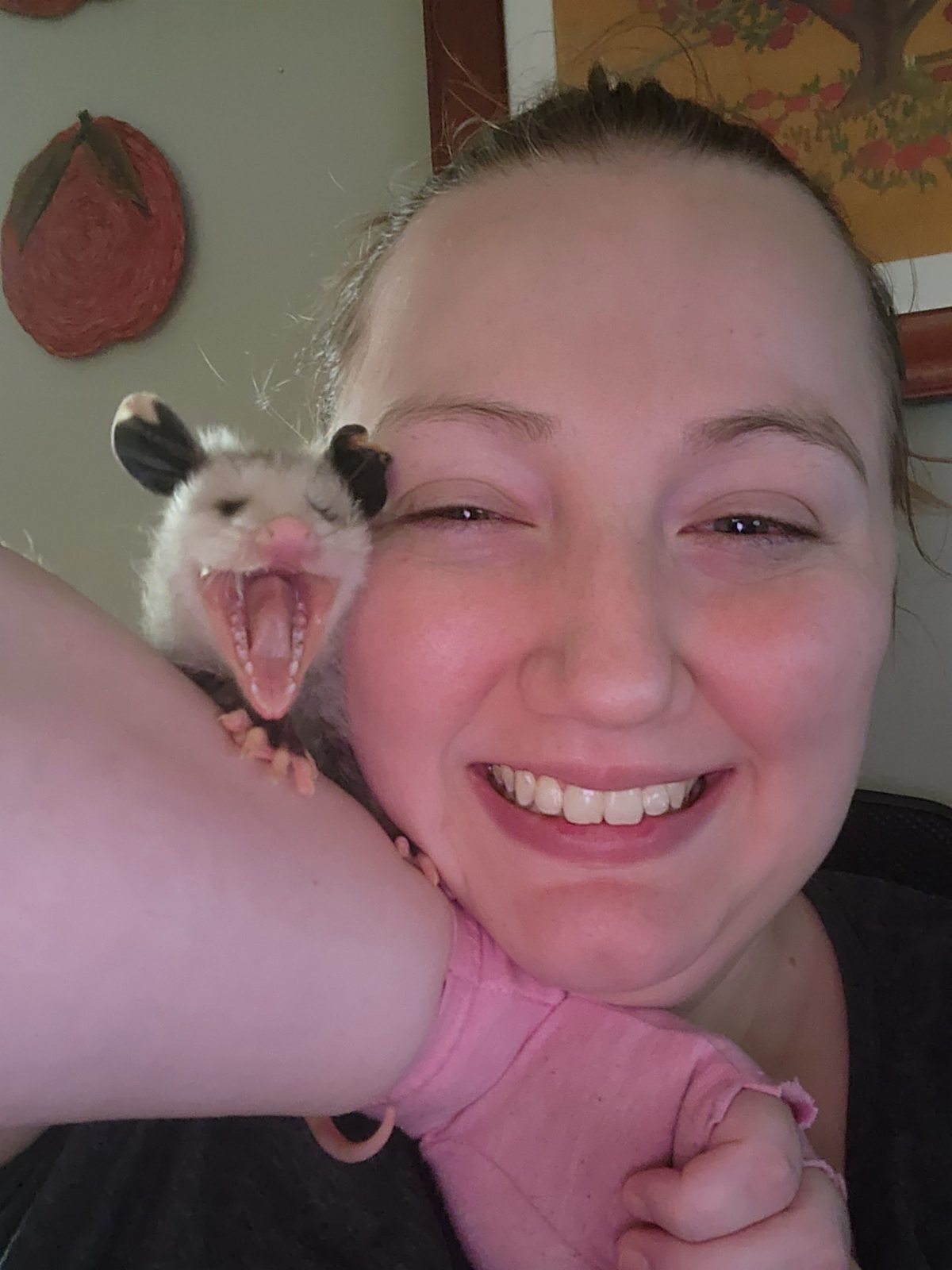
Meet Sammi, the artist behind our new POSM logo:


"My name is Sammi, I am a disabled artist and love to make designs for charities and general good causes (like helping with the ITCVA POSM logo)! I volunteer as a Possum Rehabber under Karen Brace's Awesome Possumz and Possum-billities and have worked with the Ambassadors to educate the public who come to the store and events where we go out to other places like schools. I also sell my art along with almost 60 other local artists at the Possum-billities store in Fredericksburg!

Baby Eva is one of our youngest Ambassadors and is our smallest! She was born without any eyes and with a very teeny, tiny body! We love using her to help children learn about disabilities and see how confident she is even with one that some would consider devastating! She is the most energetic, curious, daring, and cuddliest possum we have by far! She never ceases to amaze us just how well she thrives in a world she cannot see. I have been with Eva since she came as a rehab patient and have watched her grow up to be a spoiled yet wonderful little baby girl!"


To see more of Sammi's art and/or learn about "Awesome Possumz," click the links below!


My Linktree: https://linktr.ee/BlueLocketeer

Awesome Possumz: https://www.awesomepossumz.com/

More Possum-bilities

Jeanine Vassar, Local System Manager

ITC of Goochland-Powhatan

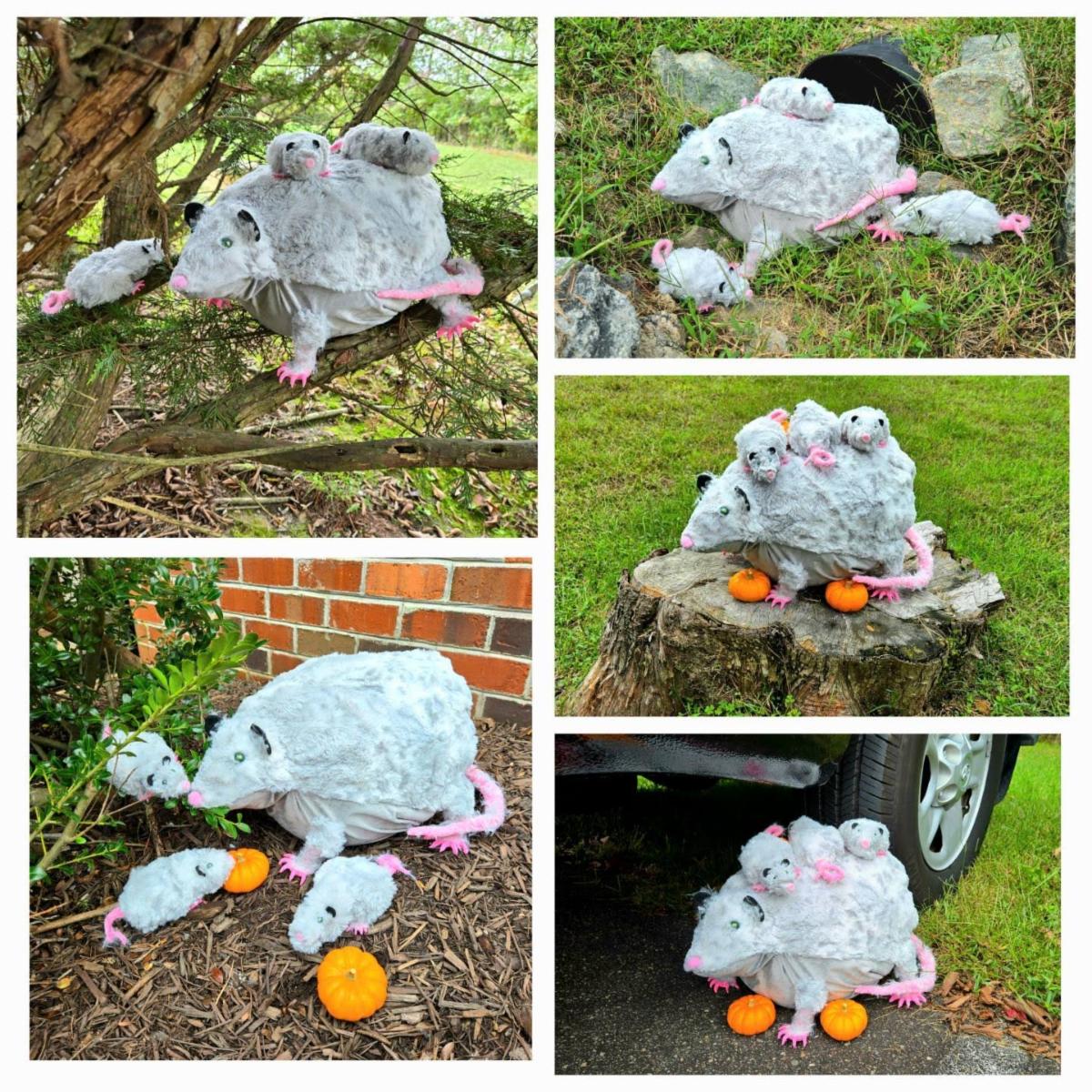
Meet Jeanine's Pumpkin Possom-bility Family!

Terri Nelligan, Technical Assistance Consultant

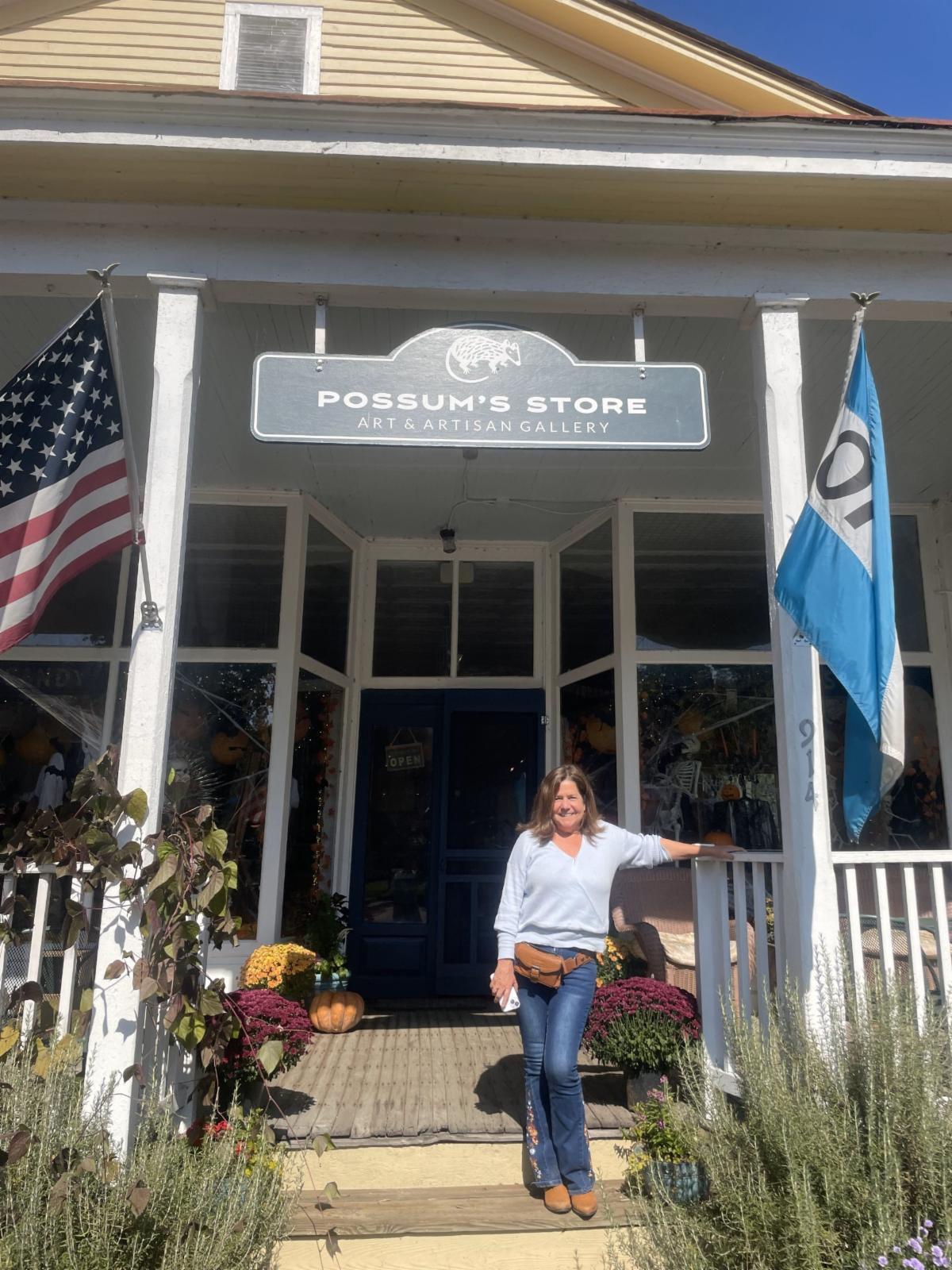
Terri visits the Possum Store!

Send us your Possom-bilities and Share your Creativity in the Part C Update!

anne.brager@dbhda.virginia.gov

Pyramid Model Framework

Practitioner Brief: Culturally Responsive Practices to Collaborate with Families


You do not have to be knowledgeable about all cultures to work with families from diverse backgrounds. Culturally responsive practice uses the experiences and perspectives of children and their families to support them more effectively (Gay, 2002). Therefore, the very first step for working with families is to learn about each family’s experiences and values by building relationships with them.


Learn More: Practitioner Brief: Culturally Responsive Practices to Collaborate with Families (challengingbehavior.org)

PROFESSIONAL DEVELOPMENT


A GEM YOU MIGHT HAVE FORGOTTEN?

WHAT YOU MIGHT HAVE MISSED?

WHAT'S COMING

UP NEXT?

Effective teaming is essential for effective EI service delivery; sharpen your teaming skills with this two-part Talks on Tuesdays series titled Teaming with Purpose.

The inaugural ElevatED EI workshop, titled ElevatED EI: Navigating Substance Use in Homes, is now available to listen to via recording. This workshop allows providers to earn 2.75 hours of professional development credit as well as the most-up-to-date and evidence-based information about supporting families when there is substance use in the home.


November’s Talks on Tuesdays will be on the 12th due to Election Day. Register now to learn more about Gestalt Language Processing: Restart Language Processing: What’s the Buzz?


POLL ANSWER AND EXPLANATION

The correct answer is “C”.


Determining whether a child is potentially eligible for Part B is a key component of developing the transition plan. This discussion should take place at the first meeting to develop the transition plan.


Practice Manual: Chapter 8, page 26

Children in early intervention are considered “potentially eligible” for Part B unless there is a clear expectation that they will no longer require services by the time they reach age 3. The determination of whether a particular child in early intervention is potentially eligible for Part B is made by that toddler’s IFSP team as part of the transition process. 


EMPLOYMENT OPPORTUNITIES


EMPLOYMENT OPPORTUNITIES


The Employment Opportunities page on the ITCVA website receives nearly 5,000 visits each year!


Practitioners: Early intervention needs you! Influence the future of infants and toddlers with developmental delays or disabilities and their families by putting your skills and expertise to work today! Please visit the Employment Opportunities page on the ITCVA website for links to current job openings.


LSMs and local contracted agencies: Let us help connect you to qualified applicants! Are you a Local System Manager (LSM) or the director of an agency that contracts with one or more local early intervention systems in Virginia? Are you looking to find qualified applicants to fill vacant positions? Please visit our Employment Opportunities page for instructions on how to submit a job posting.


ITCVA DIRECT ACCESS

 
INFANT & TODDLER CONNECTION OF VIRGINIA

Looking for the most up-to-date version of the Part C Practice Manual...upcoming meeting dates...or even a new career opportunity? You'll find plenty of helpful information on the Infant & Toddler Connection of Virginia's early intervention website! Be sure to visit and bookmark itcva.online.

MEDICAID ENROLLMENTS

If you have questions about enrollments for children with Medicaid please

contact Keisha White at keisha.white@dbhds.virginia.gov.


EARLY INTERVENTION CERTIFICATION


For questions about intial certification of practitioners, contact Anne Brager- 804-664-2462.

For questions about re-certification of practitioners, contact David Mills • 804-317-7776

For questions related to completing the online application, contact VATRACITsupport@ssg-llc.com or from 8AM-5PM ET by calling 804-508-7229.

Infant & Toddler Connection of Virginia is part of the Department of Behavioral Health and Developmental Services

https://www.itcva.online/itcva-staff-1

1220 Bank Street, 9th Floor, P.O. Box 1797, Richmond, Virginia 23219-1797

Main Office: (804) 786-3710 • Main Fax: (804) 371-7959

Do you have colleagues who aren’t getting the Monthly Part C Update? Ask them to check their spam folder. If they're still not receiving it, have them email anne.brager@dbhds.virginia.gov.

DMAS RESOURCES

DMAS Early Intervention Support


For specific Medicaid questions related to billing and supports for Early Intervention, please use these emails:

M4EarlyIntervention@dmas.virginia.gov:

CCCPlusEarlyIntervention@dmas.virginia.gov

 
1220 Bank Street
Richmond, VA 23219
(804) 664-2462