Infant & Toddler

Connection of Virginia

October 2025


PART C UPDATES


Test your Knowledge with our Poll Feature

Pick your answer and scroll below to find the correct answer and explanation!

When is the use of the decision tree required when determining child outcome ratings?

The correct answer is d – “a” and “b”.

Use of the decision tree is required when determining child outcome ratings at initial assessment for service planning and at exit. If interim ratings are determined for annual IFSPs, the decision tree should be used. Parents and Caregivers should always be included in ratings discussions using the decision tree. For more information about use of the decision tree at initial assessment for service planning, see Chapter 6, page 7 of the Practice Manual. For using the decision tree at exit, see Chapter 8, pages 39-40 of the Practice Manual. The Virginia Child Outcomes Booklet shares valuable information for determining ratings and engaging families in the decision tree process. Watch the COS We Care webinar for additional information.

Important!

Your Input is Needed!

Link to the Survey

Link to the Survey here!

 ITCVA Monitoring Community of Practice (MCoP)


The next ITCVA monthly monitoring community of practice (MCoP) call will be held on October 1, 2025, at 3PM. Thank you to all who have been able to join us for our monthly monitoring calls and for the positive feedback shared! 


ITCVA MCoP calls are held on the first Wednesday of each month beginning at 3:00PM. These calls are open to anyone who may be interested in the topic(s) being discussed. Calls are recorded for those who are unable to attend. Please visit the Monitoring Community of Practice page of the ITCVA website for a list of upcoming topics, the Microsoft Teams meeting link and session resources. 


October 2025 

Making (of) the Grade: Understanding Local Determination Reports 


November 2025 

With Apologies to ABBA: Money, Money, Money…Not So Funny 


December 2025 

Spring Into 2026! – Proactive Planning for CIMV and the Family Survey 


SUPPORTING POSITIVE SOCIAL-EMOTIONAL SKILLS


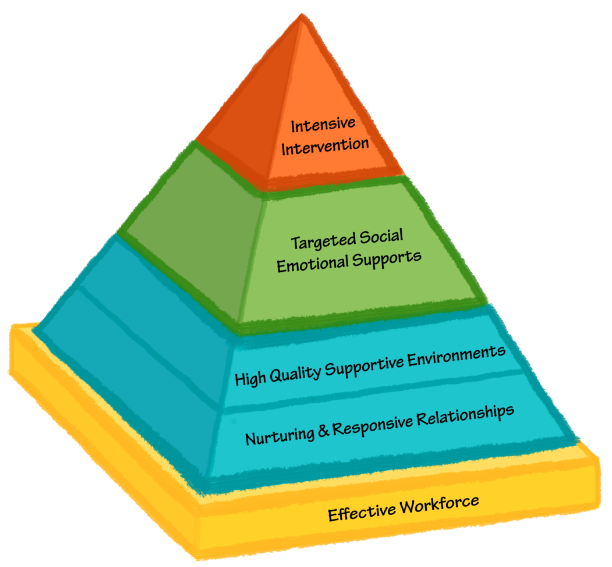
Pyramid Model Framework


I Love this new resource!! Check it out!

Its uses are endless! Whether you're looking for a self reflection tool, a team discussion tool, a staff meeting activity or looking to decompress at the end of a tough day-this resource will help!

What We Bring Workbook

Reflecting and Growing with Children Whose Behavior Challenges Us


This workbook, part reflection guide and part practice resource, supports practitioner coaches, program implementation coaches, infant and early childhood mental health consultants, and early childhood practitioners in having meaningful conversations about approaching children’s behaviors with connection and care.


Understanding the child and their environment is foundational to the Pyramid Model and positive behavior support. This workbook also invites practitioners to turn inward and reflect on how their personal experiences, beliefs, and backgrounds influence what they expect of children, how they understand and support behavior, and how they build positive relationships with every child.


Reflecting on what they bring to challenging moments, learning, and growing with children can help practitioners feel more confident and fulfilled in their work. It can also help children feel safe, connected, and respected


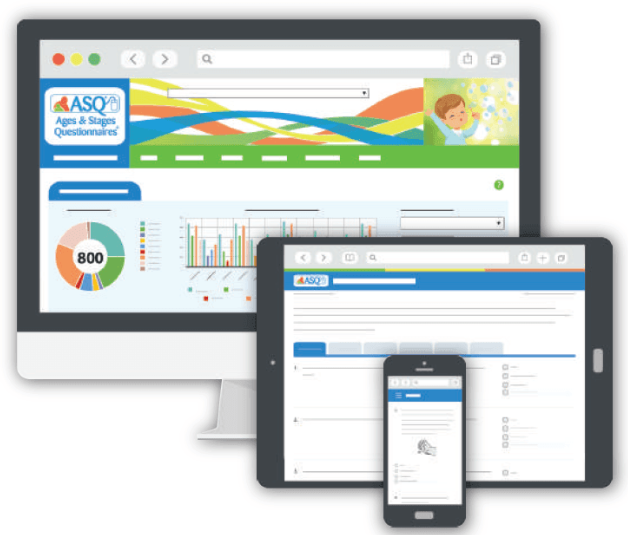
Are you considering using the ASQ online? Here are a couple of resources:


How to Engage Parents and Increase Accuracy Using ASQ Online


The ASQ® Online data management system has many features that can save time in the organization and management of your screening program. However, to ensure the quality and effectiveness of your program, parents* must be engaged and supported in the process of completing questionnaires electronically through ASQ® Family Access. 

Benefits and Challenges to Using the ASQ Online


PROFESSIONAL DEVELOPMENT


A GEM YOU MIGHT HAVE FORGOTTEN?

WHAT YOU MIGHT HAVE MISSED?

WHAT'S COMING

UP NEXT?

Do you know that VEIPD has a Learning Path focused on autism? 


Learning Paths are small collections of curated activities that focus on an early intervention topic. To learn about the topic, you will complete each activity on the path. Activities might include reading an article, taking an online module, watching a video, etc.

Once you complete the learning path, you will take a final quiz to earn a certificate documenting the professional development hours earned

Do you follow VEIPD on social media?


Sharing our posts is a wonderful and easy way to spread the word about best practices and the critical role EI plays in the lives of infants and toddlers and their families. All with just one click of the “share” button! 


Join us on our socials and magnify the voice of early intervention!


Facebook

Instagram

LinkedIn

Youtube

Are you in-the-know about VEIPD's October calendar?


Mark these dates and be sure to stay connected!


VEIPD will be at the Division for Early Childhood (DEC) Conference in Portland from October 6th through the 10th. Follow us on VEIPD’s socials to gather updates and resources. 


The October Talks on Tuesday is on the 21st at noon with the following must see session: Gestalt Language Processing - What’s the Buzz, Part II


Don’t miss the registration announcement for the next ElevatedEI workshop on October 29th! The focus is on PMF-aligned strategies and resources.


View the flyer here.

EMPLOYMENT OPPORTUNITIES


The Employment Opportunities page on the ITCVA website 

receives nearly 5,000 visits each year!


Practitioners: Early intervention needs you! Influence the future of infants and toddlers with developmental delays or disabilities and their families by putting your skills and expertise to work today! Please visit the Employment Opportunities page on the ITCVA website for links to current job openings.


LSMs and local contracted agencies: Let us help connect you to qualified applicants! Are you a Local System Manager (LSM) or the director of an agency that contracts with one or more local early intervention systems in Virginia? Are you looking to find qualified applicants to fill vacant positions? Please visit our Employment Opportunities page for instructions on how to submit a job posting.


ITCVA DIRECT ACCESS

 
INFANT & TODDLER CONNECTION OF VIRGINIA

Looking for the most up-to-date version of the Part C Practice Manual...upcoming meeting dates...or even a new career opportunity? You'll find plenty of helpful information on the Infant & Toddler Connection of Virginia's early intervention website! Be sure to visit and bookmark itcva.online.

MEDICAID ENROLLMENTS

If you have questions about enrollments for children with Medicaid please

contact Brenda Ayala at Brenda.Ayala@dbhds.virginia.gov


EARLY INTERVENTION CERTIFICATION


For questions about certification of practitioners, contact Anne Brager- 804-664-2462.

For questions related to completing the online application, contact VATRACITsupport@ssg-llc.com or from 8AM-5PM ET by calling 804-508-7229.

Infant & Toddler Connection of Virginia is part of the Department of Behavioral Health and Developmental Services


https://itcva.online/itcva-staff/

1220 Bank Street, 9th Floor, P.O. Box 1797, Richmond, Virginia 23219-1797

Main Office: (804) 786-3710 • Main Fax: (804) 371-7959

Do you have colleagues who aren’t getting the Monthly Part C Update? Ask them to check their spam folder. If they're still not receiving it, have them email anne.brager@dbhds.virginia.gov.

DMAS RESOURCES

DMAS Early Intervention Support


For specific Medicaid questions related to billing and supports for Early Intervention, please use these emails:


EarlyIntervention@dmas.virginia.gov

CCCPlusEarlyIntervention@dmas.virginia.gov

 
1220 Bank Street
Richmond, VA 23219
(804) 664-2462