INGRAM GALLERY

Greetings!


In the development of Canadian modernism, Caven Atkins (1907-2000) and Nicholas Hornyansky (1896-1965) both contributed meaningfully to the tradition of creating images of the land. Through a range of different techniques, their works reflect a shared interest in depicting the Canadian landscape and its places, helping to shape how artists interpreted the country’s character through graphic media. As stalwarts of the gallery, we are pleased to present their pairing in this most positive exhibition now on view at the gallery.


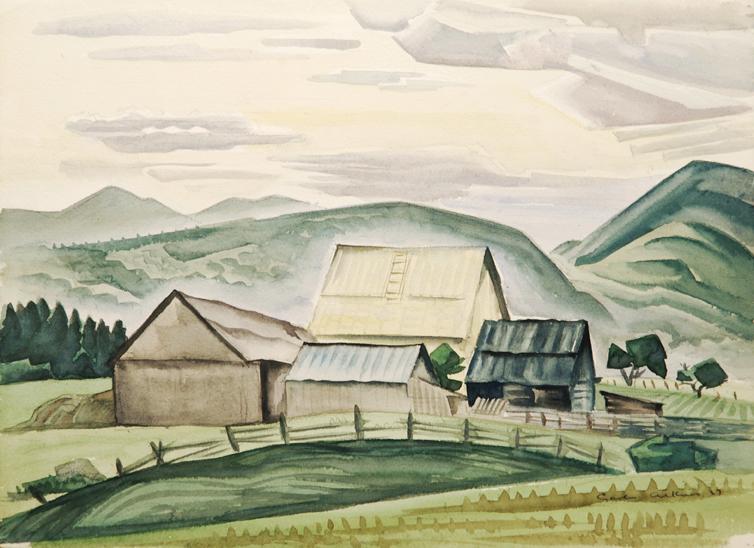
CAVEN ATKINS (1907-2000)

Yellow Barn, Baie St. Paul Québec, 1937 - watercolour, 11.5 x 15.5 inches


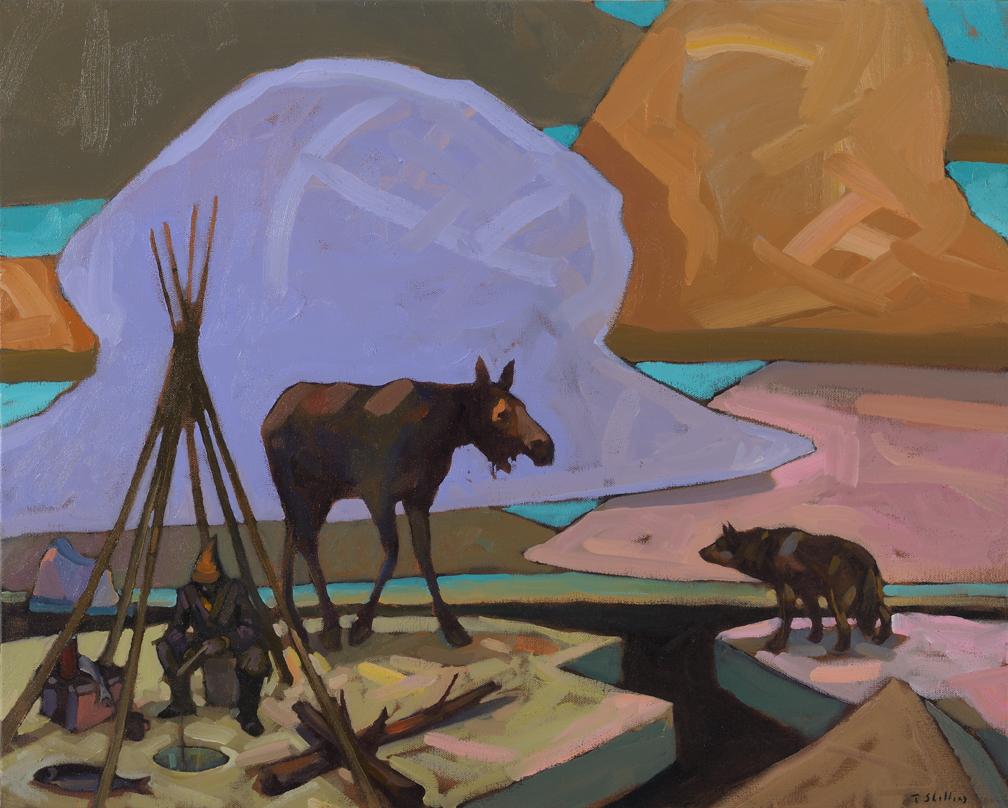
TRAVIS SHILLING

March - oil on canvas, 24 x 30 inches

See it in person!

At the Gallery this May


Additional highlights and all things new and on deck for your next visit include fresh new works from the studios of Jane Everett, Travis Shilling, Anja Karisik, and Luke Pestl. Complementing the Atkins and Hornyansky collection, join us in the Collectors’ Den as we take a deep dive into the history of Canadian printmaking.


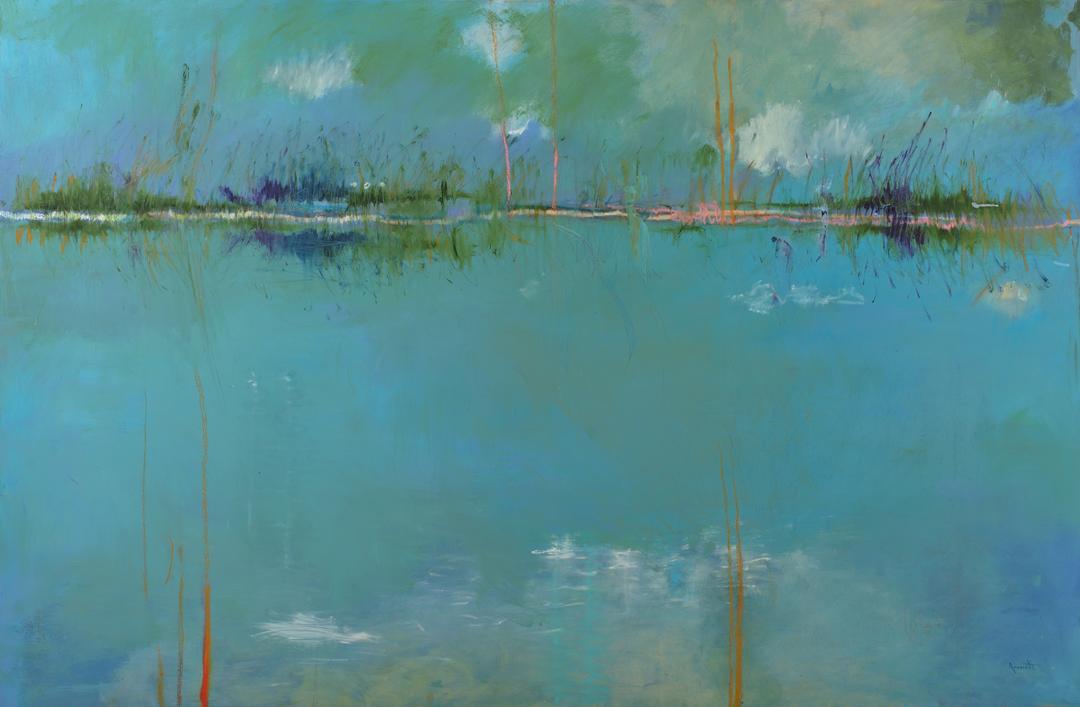
JANE EVERETT

Pink Horizon I - oil on canvas, 48 x 72 inches


CAVEN ATKINS (1907-2000)

and NICHOLAS HORNYANSKY (1896-1965)

Images of the Land

April 30 - May 14, 2026


Mid-century master of media Caven Atkins made his marks in ink, watercolour, oil and graphite. Influenced by fellow artists Fritz Brandtner and Lionel LeMoine FitzGerald, he also created linocuts and woodcuts that captured prairie farms, rivers, and idyllic scenes with directness and texture. Works such as Beausejour Farm (1933) and Brokenhead River (1934) are featured in the important publication Images of the Land: Canadian Block Prints 1919–1945.


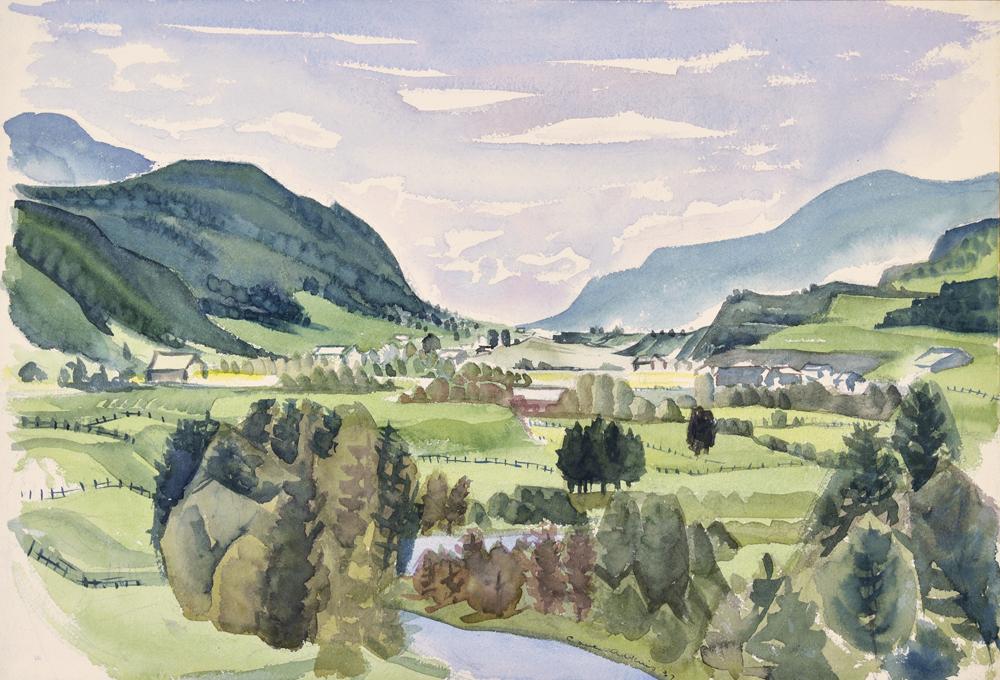
CAVEN ATKINS (1907-2000)

Baie St. Paul, Québec, 1937 - watercolour, 15.5 x 22.5 inches


Nicholas Hornyansky immigrated from Hungary in 1929 and promptly became renowned for his exquisite colour aquatints. He is responsible for introducing this unique printmaking method to Canadian artists. His layered, atmospheric prints frequently portrayed Canadian landscapes alongside important architecture and historical monuments — ranging from Ontario scenes and Québec vistas to coastal and mountain views. Through the aquatint process, he achieved subtle tonal depths and luminous effects that brought a distinctive richness to his images of the land, complementing the bolder contrasts found in relief prints.


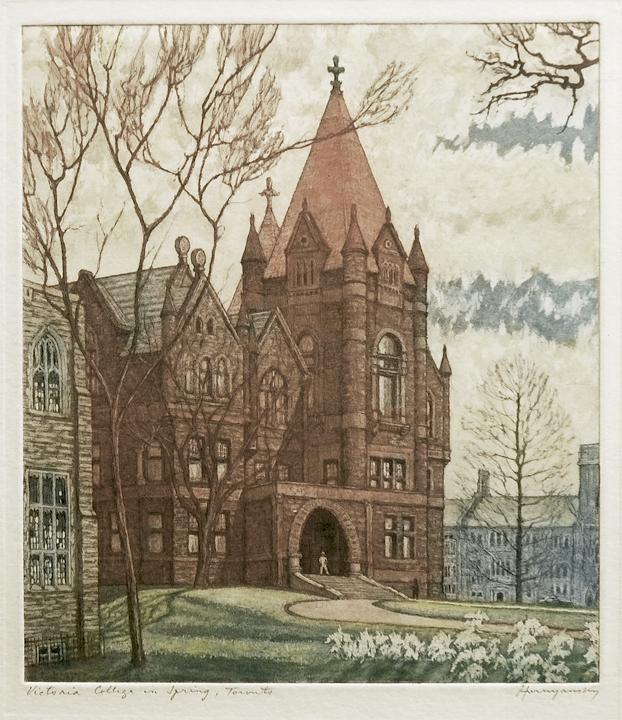
NICHOLAS HORNYANSKY (1896-1965)

Victoria College in Spring, Toronto, 1952 - aquatint, 7.5 x 6.5 inches

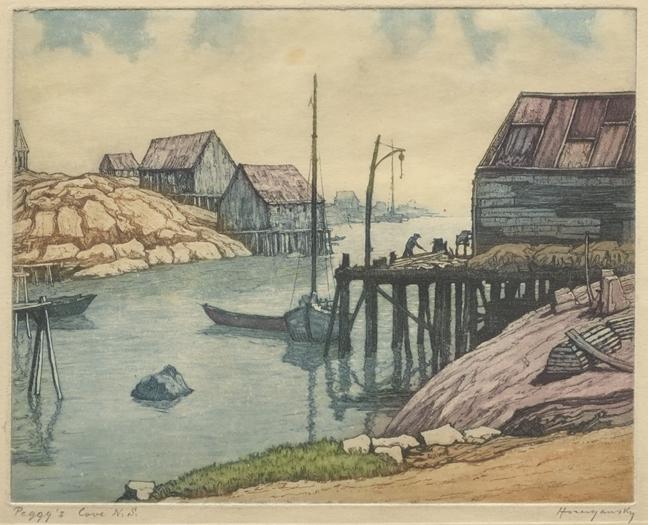
NICHOLAS HORNYANSKY (1896-1965)

Peggy's Cove N.S. - aquatint, 5.5 x 6.75 inches


As active members of the Canadian Society of Graphic Art, both artists supported the recognition of printmaking as a serious medium for interpreting the Canadian landscape. Their prints remain of interest for their technical skill and their role in conveying the spirit of the land.


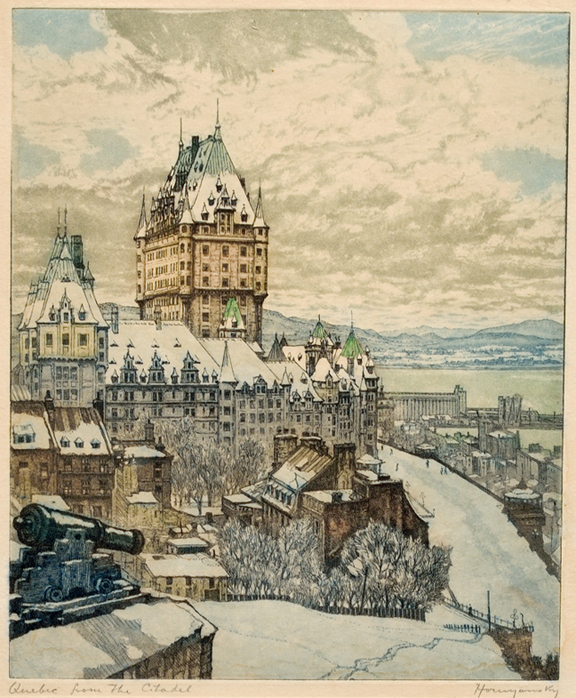
NICHOLAS HORNYANSKY (1896-1965)

Québec from the Citadel, 1944 - aquatint, 8 x 6.5 inches


These works remain compelling today for how beautifully they document and interpret Canada. We are pleased that an exceptional collection by these two artists is available in the gallery, offering collectors an opportunity to appreciate different approaches to the same enduring theme.


You can pore through support materials, studio ephemera, photos, and portfolios of available works in the Collectors’ Den on your visit to the gallery.


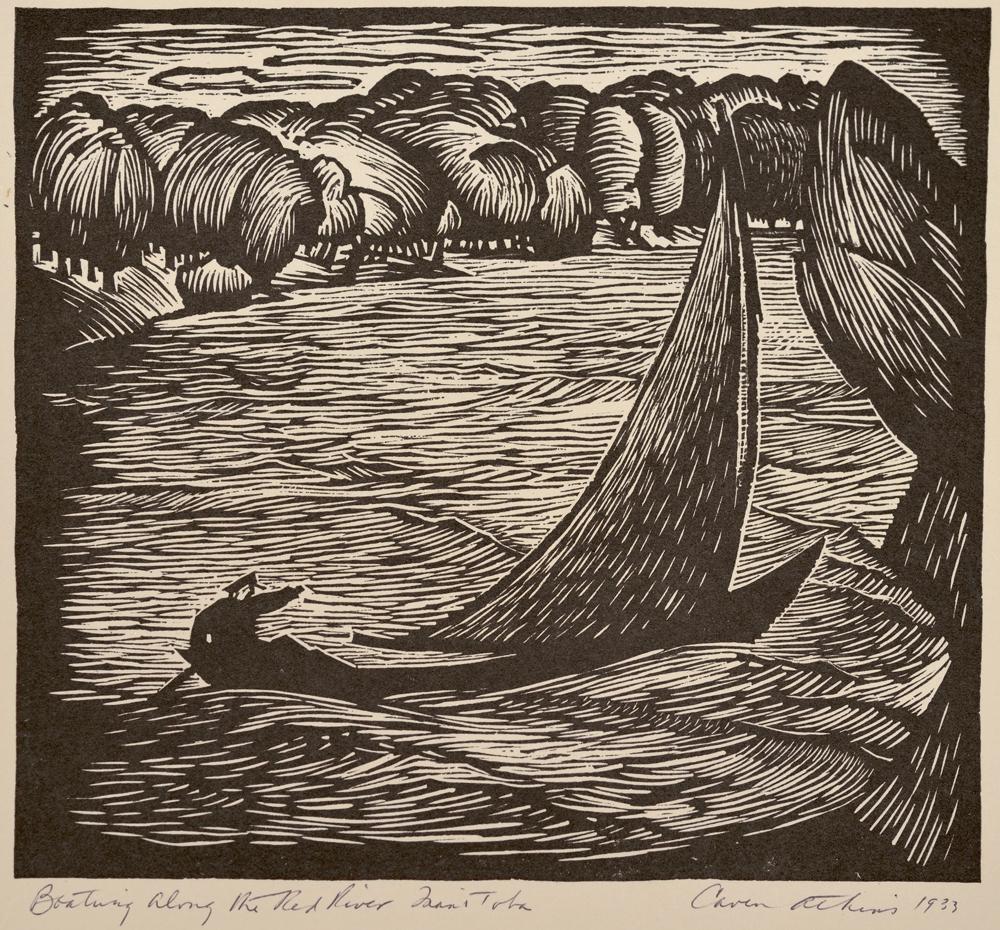
CAVEN ATKINS (1907-2000)

Boating along the Red River, Manitoba, 1933 - linocut, 7 x 8 inches


Excerpt // The Society of Canadian Painter-Etchers and Engravers


The object of this booklet is to acquaint the viewer with the various media used in fine art printmaking. Media fall into four categories:


Relief, which consists of removing the parts from the printing surface not to be printed; 2. Intaglio, the exact opposite of relief in that incised areas are printed; 3. Planography, commonly known as lithography, in which the printing surface remains perfectly flat; 4. Stencil, serigraph, or silk screen, by which areas not to be printed are blocked off.


People frequently ask "What makes a good print?"

Mr. Nicholas Hornyansky, C.P.E., recommends the following check points:


1) An interesting worthwhile subject containing a message, problem or mood.


2) The establishment of a focal point as a centre of interest.


3) Unity of rhythm and a sound pattern.


4) Absence of busy, blurred expressions.


5) Graphic vitality, by which the personal character of the artist is expressed.


6) Luminosity through the relationship of lights and darks.


7) Completeness of the print; that is, the entire area is accounted for.


8) Strong broad pattern combined with distinct design which permits one to take in the print from across the room and also to read it at close quarters.


9) An even balance between subject matter and craft achievement.


©️ Society of Canadian Painter-Etchers and Engravers: A Guide to Printmaking Media, 1962 by Sylvia Hahn


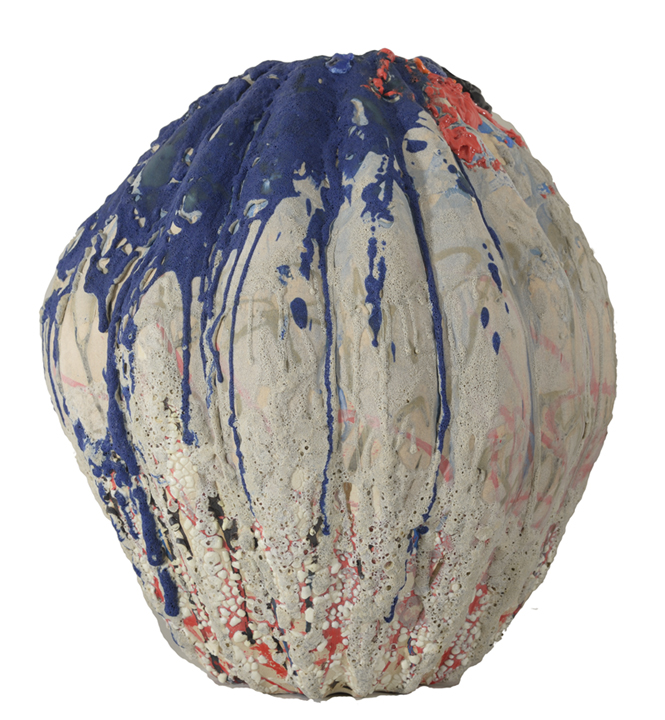
LUKE PESTL

Calyx - glazed stoneware, height: 20 x width: 18 inches


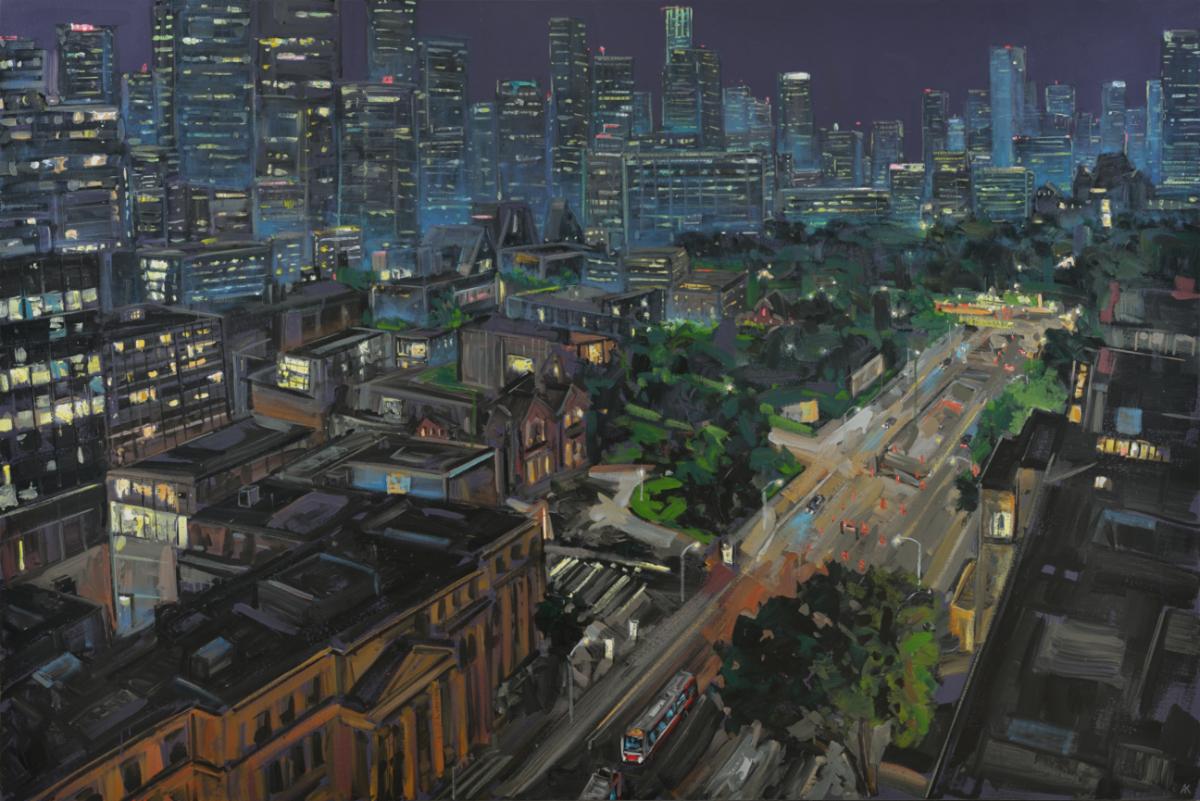
ANJA KARISIK

City Spine - oil and acrylic on canvas, 40 x 60 inches


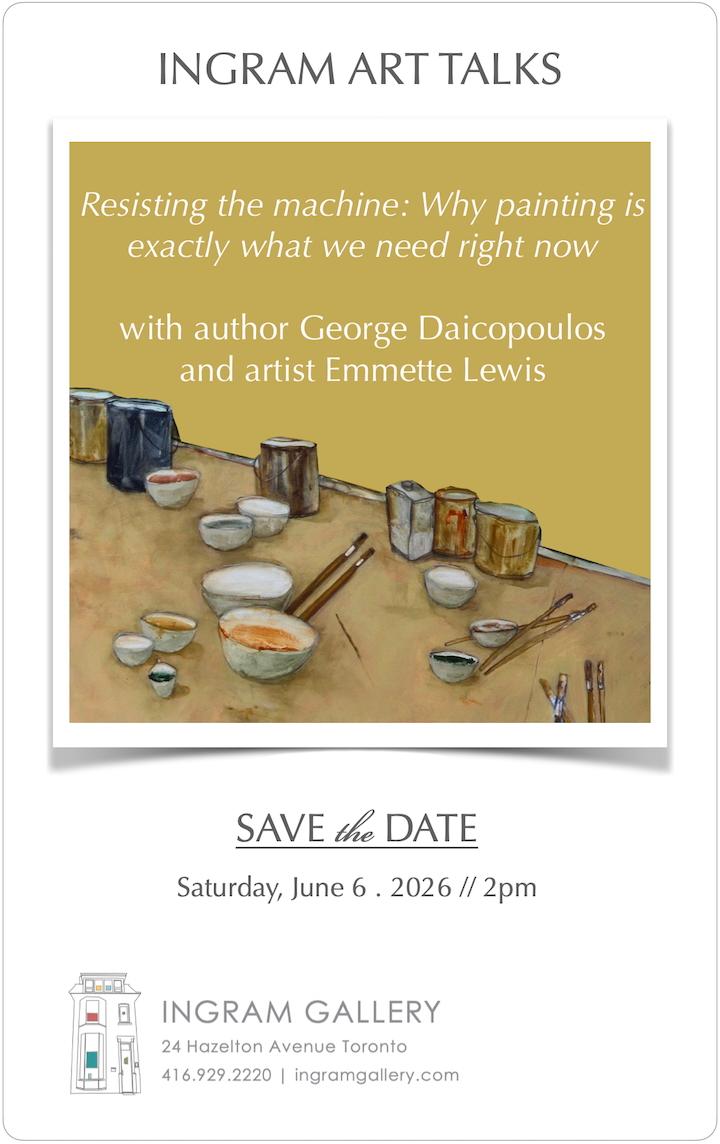
Ingram Art Talks returns this June with author George Daicopoulos and artist Emmette Lewis hosting Resisting the machine: Why painting is exactly what we need right now.  


Join us at the gallery on Saturday, June 6, at 2pm as we discuss:


• How painting continues to defy AI


• Why painting is the most unmediated art form: No committees. No notes. No edits. One vision


• How painting taps into deep and resilient ways of seeing and feeling


We are grateful for the contributions to Canadian art history of Caven Atkins and Nicholas Hornyansky, as well as for the artists we work with who are forging historic paths from their studios in 2026. Please be in touch to receive catalogues for the art and artists on feature.


Our very best to you,

Tarah & Jeff

Ingram Gallery Inc.

24 Hazelton Avenue

Toronto, Ontario

Canada

416-929-2220


For the Love of Art | #AtTheGallery


X