Visual 1st Perspectives


January 22, 2025

InkPoster: an existential threat to printed wall décor, digital photo frames, or neither?


During COVID, I’ve stopped attending CES and have not returned since. Any innovative announcements related to the photo or video industry can be easily watched or read online, and frankly fewer and fewer industry buddies have shown up at CES in the last few years, so that's not a reason to attend either.


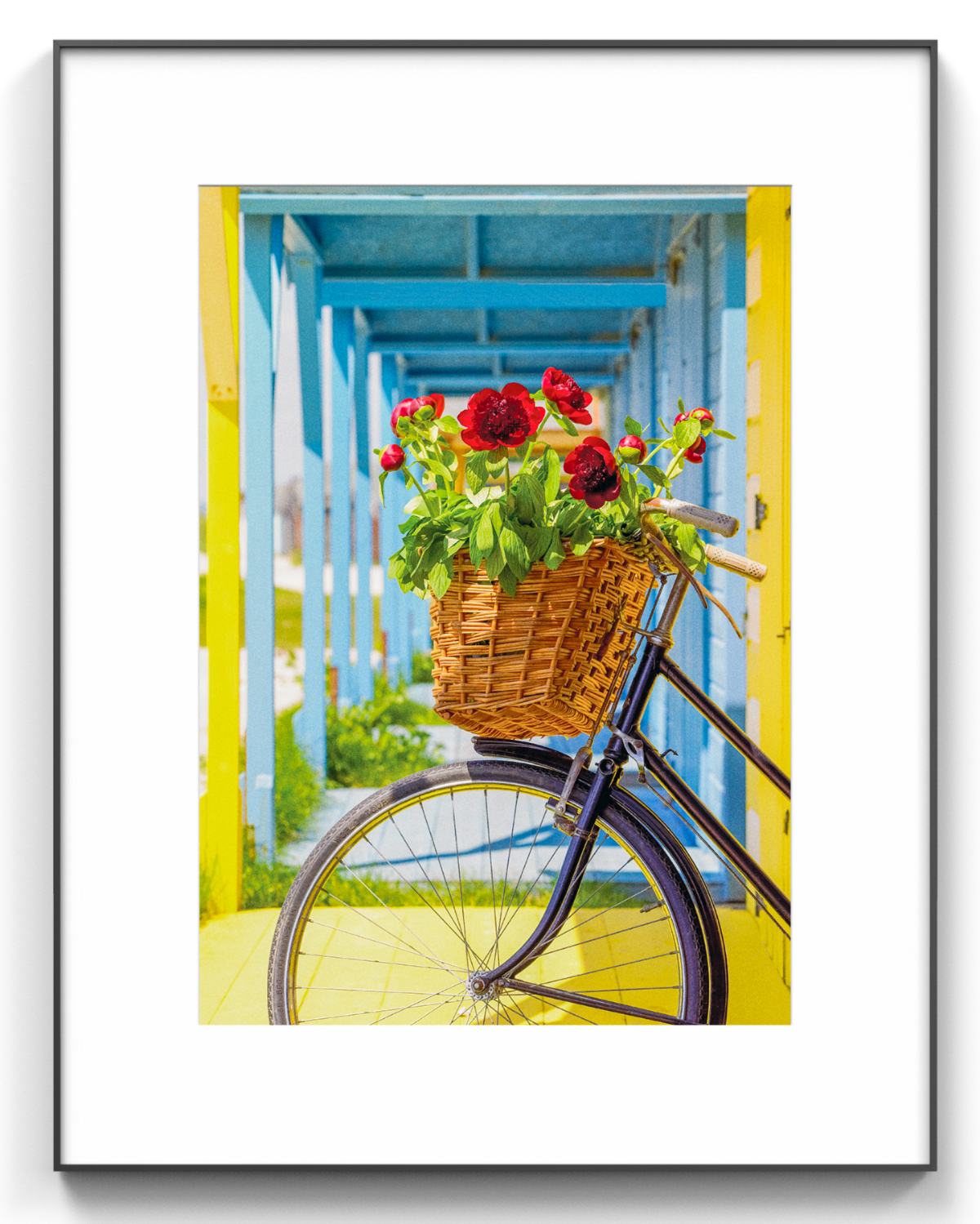
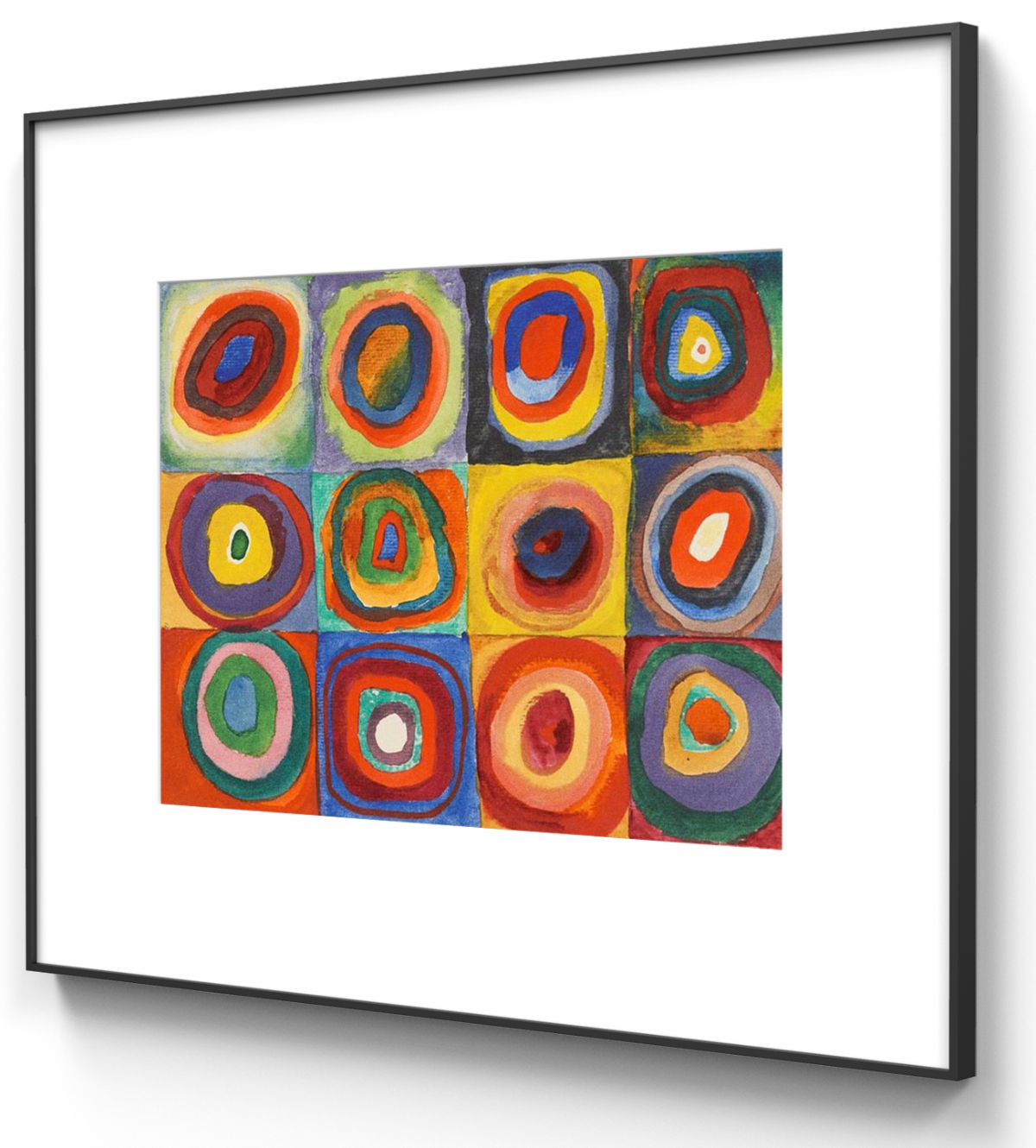
No reason at all then to be there in person? Well, this year there was one exception. I would have loved to inspect the display quality of InkPoster, the digital art frame launched at CES that uses display technology to give digital images the appearance of having been printed on paper. As is increasingly the case among wall décor print product vendors, users can either supply their own photos or subscribe to an offering of artwork supplied by InkPoster.


InkPoster is a brand of Swiss-based PocketBook (makers of E Ink-powered full-color eBook readers), and developed in cooperation with US-based E Ink (developer of display technology used in e-readers, smartwatches and display signage), and Japan-based electronics company Sharp (developer of the IGZO low-power display technology used in TVs, tables and smartphones).


InkPoster offers a paper-like viewing experience based on E Ink’s Spectra 6’s tech and also, for its largest model, Sharp’s IGZO tech. The result: glare-free, sharp images with a 60K color gamut, coupled with low power consumption (it only consumes energy when the image is changed; battery charge typically lasts 1 year, and no power cord is needed).

Photos: InkPoster


Is there a noticeable quality difference between InkPoster and printed wall décor imagery? First impressions so far have been positive. But will the quality be good enough for the discerning eye? For the masses? Or only for specific market segments or particular types of images? And if we'd assume the 1.0 shipping product won’t be perfect yet, can we expect it to be a replacement for most markets and use cases at a later stage?


While the dust has certainly not settled at this point, we can make some high level assumptions as to how InkPoster compares to printed wall décor and digital photo frames.


Here we go:


Main Pros vs. printed wall décor:

  • Ability to change your wall art images at no cost rather than printing new wall art.
  • Nice extra: Businesses, such as hotel or restaurant chains, will be able to change images on all their internet-connected InkPoster devices. 

(Past Visual 1st presenter Framen also focuses on this "centralized content for businesses" use case by displaying photos and videos on internet-connected monitors. They were acquired by German media powerhouse Axel Springer in 2020).


Main Cons vs. printed wall décor:

  • Limited sizes and high upfront costs: At launch InkPoster will offer 3 models: 13” at $599, 31.5” at $1,699 and 28.5” at $2,399.
  • The devices can be expected to be less durable than high quality printed wall décor that could last for decades.


Main Pros vs. digital photo frames:

  • More natural, paper-like display (no glare, no Blue Light emission).
  • Presumably longer lifespan, as it involves less frequent use of electronic components.
  • Battery powered (no cords), lightweight (easy to hang), neglectable heat emission.


Main Cons vs. digital photo frames:

  • No audio or video.
  • No 2-way communication tools for InkPoster users and connected remote uploaders (along the lines of how some digital frames enable users to Like or Comment on photos posted by remote friends or family).


Will InkPoster replace or put a substantial dent in the printed wall décor or digital photo frames markets? My initial thought: certainly not in the foreseeable future. 


But… Two words of caution:


  • Disruptive technology adoption often has a tendency to take longer than you might think – or ends up dissipating and only sticking for fringe use cases or market segments. 

Take eBooks. Remember when E Ink first came out in 2007? Given all its advantages, most importantly, portability and costs per (e)book, excited industry pundits expected it to obliterate the printed book market. But, with the exception of 2020 (the first year of the pandemic) eBook revenues have declined every year since 2014 and are just 7% of the overall book industry revenues. Printed books still rule!


  • But then, of course, you have camera-equipped smartphones. Similar advantages (portability, no costs for buying a dedicated camera in addition to the daily device you can't live without) and a few other plusses, with even one major disadvantage initially (pretty mediocre photo quality). But we all know how fast things went: rapid camera improvements, a fast-proliferating photo apps market to enhance or be creative with your smartphone photos, and within years consumers starting to embrace the smartphone as their camera of choice. We all know what it did to the camera industry.


So my take? At a minimum, if your business centers around printed wall décor photo or digital photo frames, you should definitely keep an eye on what’s going to happen with InkPoster, or anyone else who might come to market with a similar approach.


For now, just don’t jump to assumptions yet as to whether ePaper-like photo wall décor will kill your market or will end up dissipating. 

And a few more things ...


Synthesia. Raising $$$. Past Visual 1st presenter Synthesia raises $180M Series D funding at a valuation to $2.1B. The UK-based startup has now raised $330M to date. Having started as a GenAI-powered video avatar generator, the service has evolved by adding features like dubbing, screen recording, translation, collaboration, and assisted creation.

And why do they need all that money? In short: to make their avatars better.” The company’s “long roadmap” includes more realistic motion; being able to port avatars into different environments; avatars that can interact with objects to, for example, provide physical demonstrations; and avatars that can interact with users. Synthesia says it’s used at 60% of the Fortune 100 companies and has +1M users.


Adobe. AI bulk editing. Adobe is launching new generative AI tools that can automate labor-intensive production tasks like editing large batches of images and translating video presentations. The most notable is “Firefly Bulk Create,” an app that allows users to quickly resize up to 10,000 images or replace all of their backgrounds in a single click instead of tediously editing each picture individually.

Adobe announced it’s making additional new developer APIs for Firefly Services generally available in the coming weeks aimed at developers who'd want to speed up their video and print production workflows. 


Sony. C2PA authentication at the point of capture. Camera vendors announcing support for C2PA authentication is one, actually implementing C2PA has proven to be quite another. Sony just released firmware updates for its flagship cameras, the Sony a1, a1 II, and a9 III that enables its Camera Authenticity Solution (CAS) to verify that an image was, in fact, shot by a camera. CAS creates a digital signature the moment the shutter is clicked, embeds this into the captured image in real-time, and stores the digital keys associated with the pictures in the camera’s chipset. 

Sony’s solution goes even further by capturing 3D depth information in the image metadata, which Sony says makes it “possible to verify the authenticity of images with a high degree of accuracy.”


BRIA AI. C2PA authentication of GenAI images. But what if your images are AI-generated? Past Visual 1st Best Technology Award winner BRIA AI announces that all AI-generated and AI-edited images created with BRIA AI will carry C2PA Content Credentials.

[as a reminder: C2PA is not a standard to certify whether an image is “a real photo” or “AI-generated image”: the standard is aimed at enabling viewers to trust the image by assuring its source and history (provenance)].


Bird Buddy. Capturing more than birds in your backyard. Remember Bird Buddy’s smart bird feeders that feature a camera + AI tech to classify your visiting birds? Well, there is more than birds in your backyard, the developers much have thought. 

At CES, the company announced the Petal camera, which features a camera on a bendable stem that you can clip on anything in your yard. The 4K, 12-MP camera uses AI to help identify plants and insects from the accompanying app. In addition, you can also interact with an AI chatbot that will tell you helpful information about the activity the camera captures, as well as what you can do to help your garden.


Pixelfed. Federated photo- and video sharing going mobile. What if you don’t want your web-shared photos or videos to be in the hands of monolithic social media networks and instead want to enable users of other services than your own to connect with you on your preferred sharing service? The answer is federated sharing from either a community-based federated server or one that you host yourself. Innovator in this space, Pixelfed, is a decentralized alternative to Instagram that is ad-free, open source, and defaults to chronological feeds. The company has now also launched mobile apps that tie into their federated photosharing service.


Smartphoto & System Insight Holdings. Acquisition. Smartphoto, the Belgian personalized photography products and gifts company, announced the acquisition of System Insight Holdings, a U.K. company specializing in event and souvenir photography under the commercial name Image Insight. Last year Smartphoto also acquired TopFanZ, which specializes in fan merchandise in the sports and entertainment sector.


The Customization Group (TCG) & ALDI. Expansion to Austria and Switzerland. Personalized photo print product provider TCG, née Picanova, expands its partnership with grocery store vendor ALDI Germany to Austria (where ALDI operates under the HOFER Österreich brand) and Switzerland (under the brand of ALDI SUISSE AG).

Save the date: Visual 1st 2025!  


When: Tuesday Oct. 28 (PM) + Wednesday Oct. 29 (AM + PM)

Where: Public TV & Radio station KQED’s state-of-the art headquarters, San Francisco

Secure your spot: Buy your $150 off Super Early Bird discount ticket now!

Hope to see you all in San Francisco, Oct. 28-29!


Hans Hartman


Archive & Subscribe | Share your news with us | Connect on LinkedIn