View as Webpage

Disposal Decisions to Support Water Quality

Fall leaves, pool and hot tub water, cooking grease, old medications — do you know how to dispose of these tricky household items? As the weather starts to cool and we shift into the rainy season, it’s time to start thinking about how your chore list supports water quality.


Here are a few examples:

  • Leave the leaves or leave ‘em with us. Remove fall leaves from ditches, curbs, and storm drains to prevent localized flooding. Use the leaves as a natural mulch in your garden or bring them to one of our 34th Annual Leaf Disposal & Food Drive events.


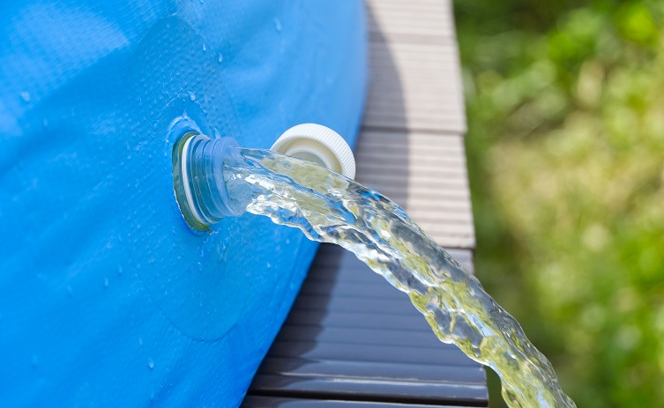
  • If you’re emptying a pool or hot tub, make sure the water is free of chlorine and other chemicals before sending it down the storm drain or using it to water your lawn. Use dechlorination methods or let the water sit untreated for at least two weeks.


The actions we take in our homes can have an impact on your own pipes, the essential stormwater and wastewater infrastructure your rates pay for, the environment around us, and the water resources we all share.


Celebrating Water Professionals

Next month, we will celebrate the first Oregon Water Professionals Appreciation Week, October 3-11. It's an opportunity to celebrate the 450+ staff members who deliver reliable sewer and stormwater services to our community 24/7, as well as our colleagues in the water sector across the state.


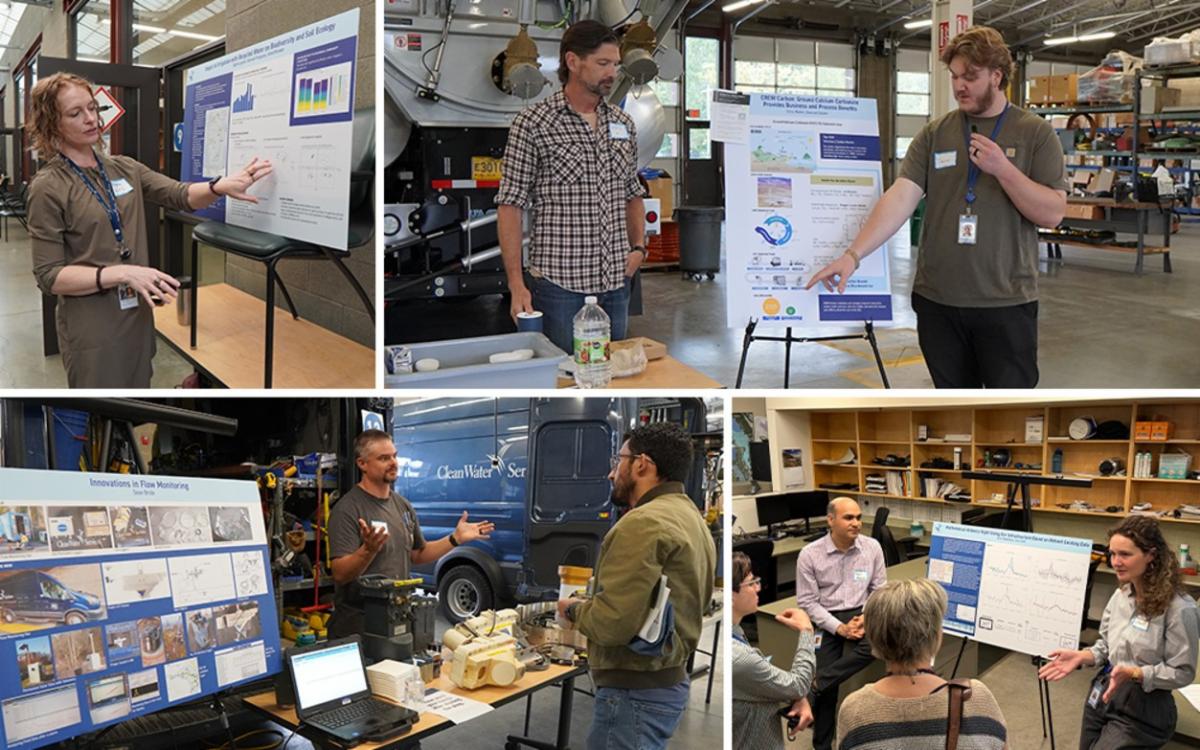
Here at Clean Water Services, we have been hosting showcase events to raise awareness and appreciation within our workforce about the innovative ways we protect our community’s health and the natural environment. It’s not your standard science fair. Instead of model volcanoes and batteries made from potatoes, our recent Innovation Showcase exhibited how our colleagues are thinking outside the box to deliver impactful, reliable, and cost-effective services. Some of the topics included how to better detect and mitigate microplastics in water, tracking salmon migrations through environmental DNA, the impacts of recycled water on soil ecology, improvements to sanitary sewer line inspections and monitoring, and more.


By sharing these efforts and ideas with each other, our staff is better equipped to make informed decisions while on the job and are better connected with colleagues from across our facilities. Follow Clean Water Services on social media and watch for posts highlighting the water professionals who protect your health and the local environment 365 days a year.


Poo-pare, pee-pare, PREPARE!

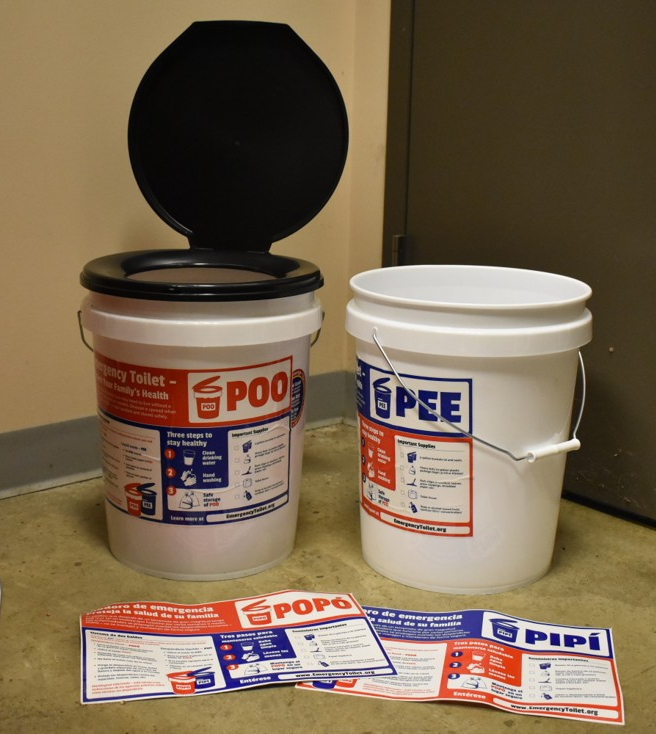
In the event of a major disaster, you and your household will need a solution if your toilet stops working. Your emergency plan should include the two-bucket system.


It could take at least two weeks for the utility services you depend on to be restored following a major natural disaster. That’s why it’s important for households to Be 2 Weeks Ready. This means having an emergency plan and enough supplies for everyone in your household to survive for at least two weeks following a disaster. The two-bucket system requires five-gallon buckets and heavy-duty plastic bags. Plan five gallons of waste from each person each week to help you know how many buckets you’ll need. Make sure to label one bucket for pee and one for poo. Separating pee lessens volume and odor, making contents safer and easier to store and dispose of.


September is National Preparedness Month, and a great time to review or create your household’s emergency plan. For up-to-date and time-sensitive emergency information in our region, sign up for Public Alerts. 


Fall for Your Garden

Fall is prime time to prepare your yard or garden for spring blooms. Did you know fall leaves can act as natural mulch in your garden beds? As they decompose, they keep the soil moist and fertile. Fallen leaves also provide habitat for pollinators and other beneficial critters throughout the winter. 


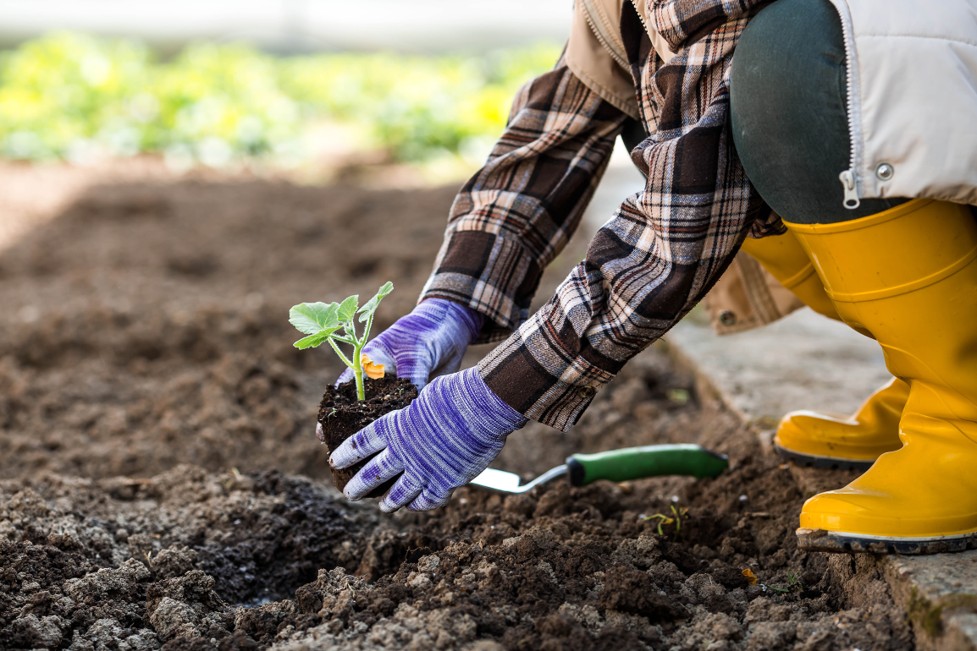
Fall is also time to get native plants and bulbs in the ground. This window is when plants grow and establish strong roots before the ground freezes in the winter. Water plants thoroughly after planting and continue to water regularly until the first freeze.


You can support the watershed beyond your own garden. Help prevent erosion and provide shade to keep waterways cool by volunteering for community planting events. Check out the Friends of Trees volunteer calendar for planting opportunities. The Wetlands Conservancy and SOLVE also have volunteer opportunities, including planting and cleanup efforts.


Stay Informed

For updates on public meetings — including the Board of Directors, the Clean Water Services Advisory Commission, and the CWS Audit Committee — use the button below to sign up to receive our Public Meetings Information newsletter.  


Clean Water Services is a public utility that provides wastewater and stormwater services to more than 600,000 people across the Tualatin River Watershed in Oregon. This includes urban Washington County and parts of Multnomah and Clackamas counties.