May Newsletter

 
Child hands pouring dirt into growing plant

When Traditional Funding Falls Short, 
Local Leaders Get Creative 

As communities contend with ongoing funding uncertainty and cuts to the state and federal resources that support kids, many are turning to new funding options that have not traditionally been directed toward child and youth programs and services. These untapped funding sources—which we like to call emerging funding strategies—leverage existing community assets, development activity, or policy tools at the local level to support a community’s goals for children and youth.


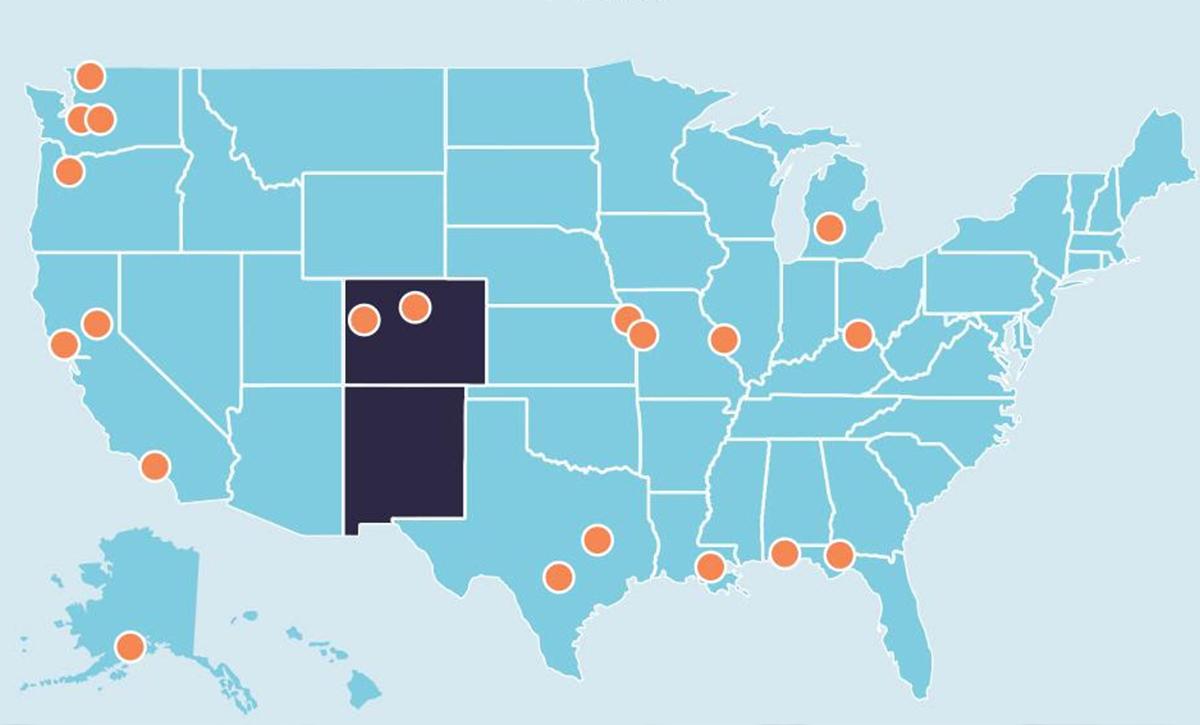
Local local leaders are uniquely positioned to leverage various policy changes and nontax funding sources to support kids such as expanding zoning and land use rules, collaborating with local banks, establishing community benefits agreements, and other economic incentives. Our new webpage, which includes an interactive map, serves as an information hub to introduce these ideas, while a new blog explores how leaders in several localities are putting these strategies into action.


What's New

Unlocking Funding for Youth from Social Media Lawsuits

In a recent webinar, our Founder and CEO Elizabeth Gaines joined Kentucky Attorney General Russell Coleman, Ben Small from LaunchNW, and two youth leaders to discuss how advocates can mobilize to ensure payouts from current social media lawsuits support youth well-being. The webinar showcased the work of Fund IRL, our national coalition working to turn social media accountability into youth opportunity. Watch the video linked below and follow Fund IRL on LinkedIn for news and updates, including Elizabeth’s recent interview about the coalition in The74.


Watch the Webinar


Read the Interview

Kids tugging on a rope together
 

New Voter-Approved Children’s Fund Resources

Our new chart highlights data about the 55 voter-approved children’s funds nationwide that together generate more than $2 billion per year for kids. Be sure also to explore our new profiles to learn how these funds support the children and youth in their communities.


Explore the Chart


Read the Profiles


Provider playing games with young kids

Photo: Agenda for Children

See What Your Taxes Fund

A new tool from USA Facts lets taxpayers see how the federal government spends their tax dollars, offering a glimpse into the various federal programs taxpayers support.


Try the Tool

Pile of receipts
 

In Case You Missed It

Kids working at desk like professionals

Revenue for Kids in State Legislatures

As states continue to face tax cuts and spending reductions, many are exploring ways to raise new revenue. Options range from new excise taxes for things like gambling, cannabis, and sugary beverages, to increased taxes on high-income households, and more.

Graphic from report cover

Children’s Funding Accelerated

In collaboration with our partner advocacy organization Children’s Funding Accelerator, we supported 22 winning voter-approved children’s fund campaigns in five years that secured nearly $1.3 billion in recurring public funding for kids nationwide.


Spotlight on Funding for Infants, Toddlers, and Young Children

Baby in park chewing on a leaf

With events like National Baby Day, Provider Appreciation Day, Day Without Childcare, and of course Mother’s Day, May is commonly recognized as a month to advocate for infants, toddlers, and young children—and the people who care for them. This month, we are joining our partners like the National Collaborative for Infants and Toddlers to mark May All Babies Thrive month to highlight the need for additional investments in the youngest members of our society. 


Funding needs for infants and toddlers span a vast range of programs and services, many of which are facing cuts due to federal policy changes and state budget constraints. That causes cascading effects that adversely impact families and communities well into the future. Our state and local fiscal maps, when filtered by age, help advocates and leaders analyze and understand the gaps in funding for young kids to identify funding solutions. Then, cost models for infant and toddler care can paint the picture of the funding needed to meet the needs of the youngest and most vulnerable members in a community.


Once local leaders know how much money currently supports infants and toddlers in their area, and how much they need to achieve their goals for babies, they can explore a variety of strategies to fill any funding gaps. For example, voters in local elections last year passed up to $300 million per year in dedicated funding to support early childhood services. Meanwhile, in recent years, states like Montana and Connecticut have established new sources of state dedicated funding to support early childhood care and education. Finally, city officials in places like Lincoln, AL; Battle Creek, MI; and Tulsa, OK, have pursued various emerging funding strategies to support child care centers and providers. With the current economic landscape, all manners of strategic public financing will be crucial to support the programs and services infants, toddlers, and their families need and deserve.


Follow Us

LinkedIn  YouTube