Inquiry Services News

April 2026

U.S. Baha'i Office of Communications

Inquiry Services Team


"In light of the growing capacity closer to the grassroots, this does not merely mean adding regional elements to the current national system but entails a reorganization no less significant than that which created the system surrounding the National Center so many decades ago. Such a far-reaching change, wisely implemented, will position you for the many challenges anticipated in the decades ahead. “


 Universal House of Justice March 20, 2023, to the National Spiritual Assembly of the United States


SPECIAL EDITION:

Annual Regional/Subregional 

Seeker Response Reflection Meeting

February 15th, 2026


Focus Topic: Decentralization


Video of the plenary sessions and breakout sessions, as well as related resources and notes now available on our Resource site's Learning Space


Plenary Highlights

Regional and Subregional Seeker Response Coordinators gathered virtually on February 15, 2026 for an annual reflection meeting with members of the Regional Bahá’í Councils.


National Spiritual Assembly Assistant Secretary Saphira Rameshfar opened the gathering with reflections on the second phase of the Nine-Year Plan and recent national and international meetings. She described the fourteen day December 2025 gathering in Haifa, where the Universal House of Justice, the International Teaching Centre, and the Continental Board of Counsellors reviewed progress in the Nine-Year Plan and consulted on the remaining five years.


Ms. Rameshfar then discussed the follow-up national meeting in Pensacola, January 2026 with 500 members of institutions and agencies from the U.S., Alaska and Bermuda. They reflected on insights from Haifa and Regional Councils then returned to their areas to consult and plan with communities at the grassroots level.


Ms. Rameshfar highlighted several key themes discussed at these meetings:


Families as Protagonists: Families increasingly organize community life themselves—hosting gatherings, engaging in service, and participating in spiritual education and fellowship—creating sustainable patterns of community building.


Increasing Complexity: Rather than offering isolated activities, Bahá’ís are fostering a growing movement of souls toward Bahá’u’lláh, shaping how invitations, relationships, and accompaniment unfold.


Decentralization: Greater responsibility rests with regions, clusters, and localities. Seeker Coordinators serve as stewards of the seeker response system, encouraging participation in building new patterns of community life.


One participant,Colorado subregional coordinator, Michael Kanning, shared an apt analogy: "What it calls to mind for me is the growth of an embryo and how cells multiply and so it's the same with the Faith in America, all our structures and our systems, they multiply and differentiate, and it's not all just centralized in one place at the National Center, but things devolve down to the Region and the Subregion and... 'We're multiplying, not dividing. Because whenever at any level when there's that question of do we decentralize something further, we don't want to divide ourselves but multiply ourselves."


Transition Time: Participants reflected on the transition between the first and second phases of the Nine-Year Plan. Continued growth of clusters—especially the development of more Milestone 3 clusters and stronger support between clusters—remains essential. Community-building efforts should be understood not simply as activities, but as a way of life.


In a time of tempest, Bahá’ís are striving to build spiritual communities alongside their neighbors, inviting all to participate. The current social climate offers opportunities for change, and believers are encouraged to adopt a goal-oriented mindset and scale their efforts while recognizing that organic growth does not mean slow progress.


Ms. Rameshfar concluded by conveying the love and prayers of the Universal House of Justice at the Holy Shrines.


Breakout Sessions--Highlights: Engaging Whole Families,

 facilitated by Jeffrey Albert

Participants in this breakout studied excerpts on engaging whole families from the 30 December 2021 –Universal House of Justice message to the Conference of the Continental Board of Counsellors such as:


“...It is evident that the pattern of activity unfolding at the grassroots opens up a variety of settings in which receptive souls—sometimes whole families or peer groups—can take part in meaningful conversations which awaken interest in the vision of the Faith and the Person of Bahá’u’lláh...


"...many believers are discovering that a vibrant, expanding pattern of activity can naturally lead to families, groups of friends, and even clusters of households being ready to enter the Cause."


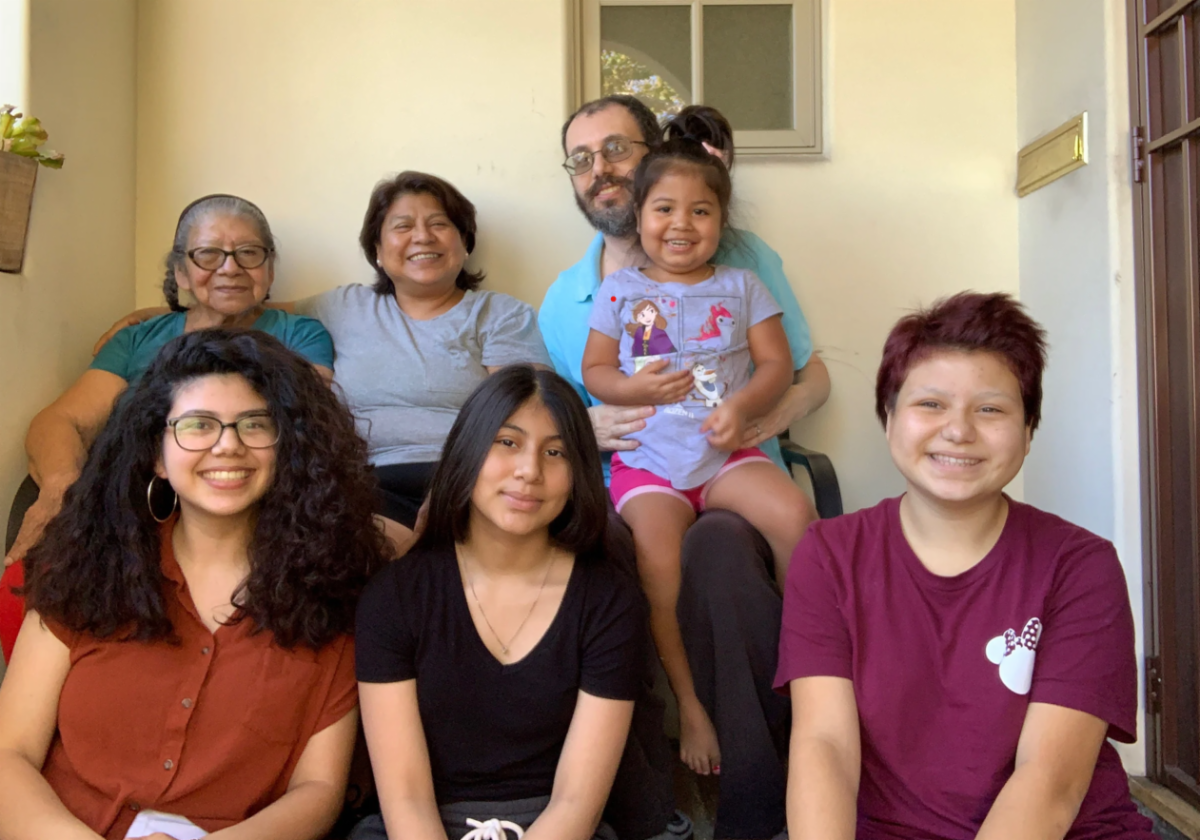
Shift from individuals to families & communities

  • Move beyond engaging individual seekers to building relationships with entire families
  • Sustainable growth happens when families feel welcomed and included from the beginning--important to show curiosity early on
  • Avoids isolation and supports long-term engagement


Challenge: Some seekers may not want to involve their families


Prioritizing genuine relationships

  • Trust develops through consistent, personal interaction
  • Key elements: hospitality, accompaniment, and follow-up


Role of cultural sensitivity

  • Embrace and learn from diverse cultural backgrounds
  • Allow different cultures to shape the community itself


Youth are key drivers of process

  • Youth often lead initiatives often lead to efforts that spread through peer and family networks
  • In tight-knit cultural communities, growth often happens organically through relationships built over time


Effective approaches which foster a sense of ownership and belonging:

  • Home visits
  • Family-oriented gatherings
  • Children’s classes that involve parents

Multi-generational community events

Expansion of Nuclei: Seeing Everyone as Protagonists, Accompaniment of Seekers-Breakout facilitated by Sereena Fiorini


"Raising up and accompanying an expanding nucleus of individuals in each place—not just at the level of the cluster but within neighbourhoods and villages—is at once a formidable challenge and a critical need." -Universal House of Justice, Message of Ridvan 2018


Highlights:

1. Conversations with Seekers

  • Conversations with seekers should create deep understanding and genuine relationships, potentially leading to spiritual transformation and lasting friendships.
  • The main goal is not enrollment, but helping individuals feel welcome to begin a path of service.

2. Integrating Seekers into Community Life

  • Communication tools (such as community calendars or websites) help share opportunities

3. Importance of Personal Relationships

  • Inviting seekers to home visits or "coffee"/personal meetings first, rather than large events, allows responders to:
  • Understand the seeker’s interests and struggles.
  • Provide a clearer introduction to the Baha’i Faith.
  • Build trust before introducing community activities.

4. The Path of Spiritual Development

  • Encouraging seekers to develop habit of prayer and studying the Word of God, begins a process of spiritual transformation
  • Participating in study circles is a key way for a seeker to move from a passive participant in activities to an active contributor.

5. Inviting those at the Threshold

  • Demystify what it means to become a Baha’i--believing in Baha’u’llah and joining a global community committed to service.
  • Twofold moral purpose (personal spiritual growth and contributing to society) helps seekers understand the Faith’s goals.

6. Systematic Approaches to Growth:

  • Fueled by study, consultation, action, and reflection
  • Assess resources and opportunities.
  • Adjust strategies.
  • Learn from experience.
  • Build capacity over time.

7. Building Networks of Collaborators

  • Growth requires developing networks of cluster coordinators and teaching teams who can accompany seekers.

8. Challenges to Overcome

  • Limited communication between communities.
  • Difficulty tracking what happens after a seeker is referred
  • Lack of inquiries in some regions.
  • Isolation in rural areas.

9. Next Steps

  • Regular reflection meetings (weekly or biweekly) among coordinators and collaborators
  • Follow-up systems and reminders.
  • Engage in shared learning across communities.
  • Greater coordination between institutions and responder networks.


Training Responders Breakout

A breakout on Training Responders, facilitated by Allison Ashley focused on strengthening the capacity to follow up with seekers and support their spiritual journey. Key themes included:

1. Encouraging multiple follow-ups with seekers

Participants emphasized reaching out more than once using different or combined methods such as text, phone calls, and email. Coordinators can support responders by checking in after initial contact, suggesting additional outreach, and sharing that seekers may have genuine reasons for delayed responses.

2. Building supportive relationships with responders

Positive relationships are essential. Responders should feel supported rather than pressured, and know it's ok to decline requests when unavailable. Appreciation and encouragement sustain motivation.

3. Effective communication methods with seekers

  • Texting seekers before calling to introduce oneself.
  • Coordinating with local believers before connecting with a seeker.
  • Listening carefully to seekers’ interests and responding accordingly, rather than imposing a predetermined agenda.

4. Offering a clear introduction and explaining membership

Seekers can be offered an overview of the Faith (e.g. Anna’s Conversation) in a conversational tone, including receiving responses to their questions. If a seeker expresses belief in Baha’u’llah and interest in becoming a Baha'i, responders can reverently guide them through the enrollment process.

5. Supporting seekers after initial contact

Connect seekers with nearby believers, invite them to devotional gatherings or study circles, and inform local communities so they can continue accompanying the seeker.


Learning from Advanced Clusters Breakout facilitated by Mary Hansen

Shared Learnings:

  • Training and accompaniment: Effective systems combine large trainings with “just-in-time” support when a seeker is assigned. Building relationships with responders and offering one-on-one support helps ensure follow-through.
  • Planning for fluctuating seeker numbers: Even when inquiries are low, regions should prepare by identifying additional helpers, language resources, and institutional partners who can respond if inquiries suddenly increase.
  • Reporting and communication: Clear reporting systems help regional institutions institutions such as Auxiliary Board members and Local Spiritual Assemblies.
  • Understand trends and assess whether teaching efforts are having an impact. Communication between coordinators, councils, and other bodies is essential to avoid confusion.
  • Human resources: Each cluster should ideally have a designated coordinator so there is always someone responsible for responding to seekers, with backup support from subregional coordinators when needed.
  • Supporting isolated seekers or believers: Online resources such as regional firesides, devotionals, and institute study can help nurture individuals in areas without local Baha’i communities.
  • Learning from other regions: Participants shared ideas such as regional online firesides and using data more effectively to guide planning.
  • Regional Firesides: "After years of wonderful Baha’i Firesides for Beginners at a centralized level, it appears to me that regional level on-line Firesides for Beginners makes good sense and supports the concept of decentralization, as well as skill development. This can be hosted by a volunteer or group of volunteers in the region, rotated among hosts, or however the Regional body sees fit. I also feel brief training or check sheet for speaking with registrants might be helpful to new sub-regional coordinators/coordinators." ---Plans are now underway for this.


Summary: Strong seeker response systems rely on preparation, flexible training, clear communication, and collaboration across institutions to accompany seekers effectively and sustain growth


Participant feedback included:

  • "[Hearing about a region] planning for the next 20 cycles was amazing."
  • "It helped me see the importance in our subregion of...creating a pattern in which local coordinators meet for reflection."
  • "It helped reinforce the importance of offering training to new local responders."
  • "The [Regional Council] liaison needs to be more connected with the current process"
  • "It was really cool seeing representatives around the country in one space sharing their insights."
  • "I am particularly interested in learning how to reorient our efforts beyond the individual seeker, toward the inclusion of whole families"
  • "It helped me to form a better conception of who these seekers are "on the other end of the line"... I found the recordings and shared responses really changed those ideas for me, and led me to a far more positive orientation and desire to keep trying to connect back."


With deepest appreciation for your service!

Inquiry Services serves in the recently merged Office of Communications and Office of Public Affairs.


Inquiry Service Team:


*Appalachia, Atlantic, Florida, Northeast, Southeast:

Setareh Vahdati-Shams Svahdati-Shams@bahai.us

(847) 425-8604 (call onlyl)


*California, Northwest, South Central: 

Nicole Zamir Nicole.Zamir@bahai.us

(847) 733-3408 (call onlyl)


*Four Corners, Heartland, Midwest, Northern Plains, Prairie States:

Kimberly Kurrus Kkurrus@bahai.us

847-733-3433 (call onlyl)


*IMS Development:

IMS-help@bahai.us