|
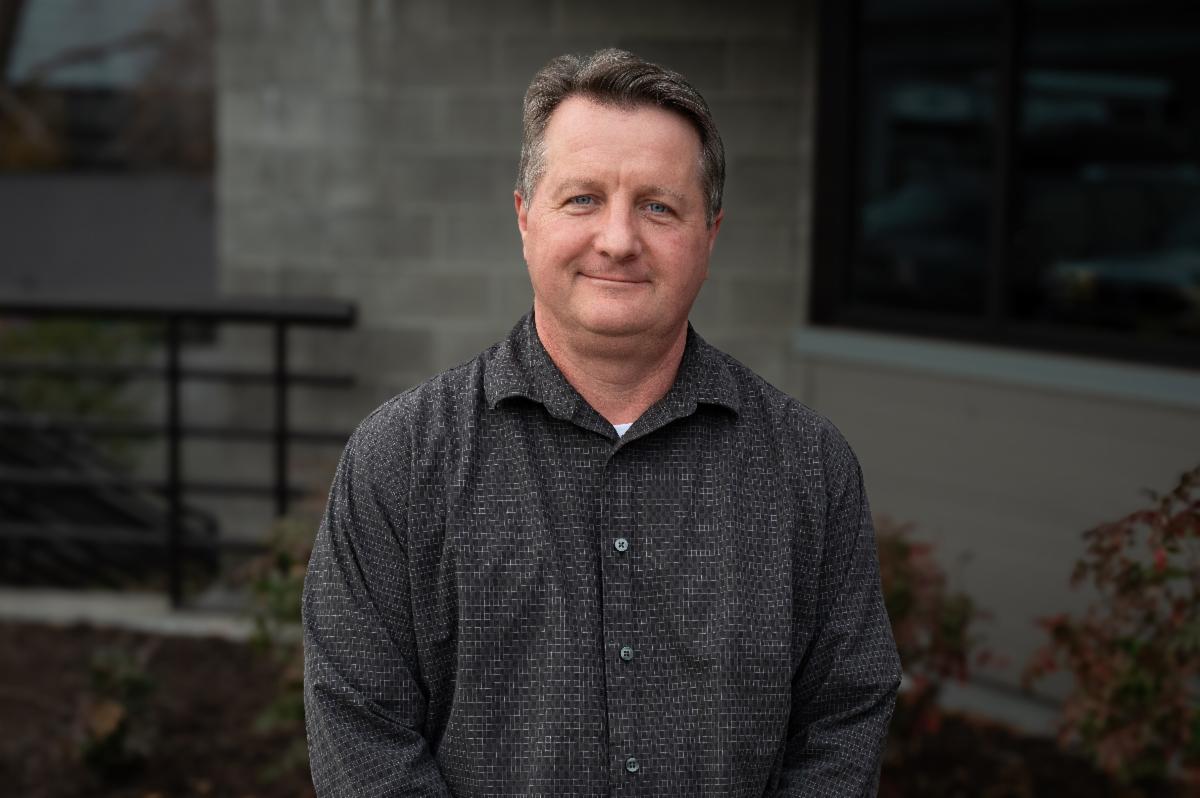
Most people don’t think about what happens after they flush. Todd Cleveland thinks about it for a living, and after nearly three decades in onsite wastewater, he can often smell when something isn’t right.
Cleveland manages the Onsite Wastewater Division at Deschutes County Community Development, guiding homeowners through septic approvals, reviewing soil and inspecting installs. With a master’s degree in soil microbiology, he approaches each project like a scientist and a problem-solver.
“We use soil to clean water and protect public health,” says Cleveland. “It’s a physical, chemical and biological process, and I like applying that knowledge to real-world problems.”
Oregon’s volcanic landscape keeps the work interesting. One parcel may take a simple system, another a sand filter the size of a small hill.
“I’ve had to stop kids from using a sand filter as a bike ramp. If they knew it could cost $25,000 to fix, they’d probably stop.”
Not all days are routine. Cleveland has walked properties with deputies, supported Environmental Health during restaurant closures and responded when sewage surfaced on the ground.
“Getting people to understand why the rules exist is half the job. Most folks come around once they get it.”
Ask him what decades in the field do to a person and he will laugh. He will also tell you about the unexpected superpower he never planned for, a finely tuned sense of smell.
“I’ve sampled so many systems that now, walking downtown, I can tell if someone dumped graywater in an alley. I know if it’s kitchen water because I can smell the food in it.”
It is all part of protecting groundwater and community health. Cleveland is particularly proud of the South County groundwater work, which has influenced wastewater practices statewide.
“I get paid to go play in the dirt and make mud pies,” he said. “People want to flush the toilet and never think about it again. My job is to make sure they don’t have to.”
And if something smells off, Cleveland will probably be the first to know.
|