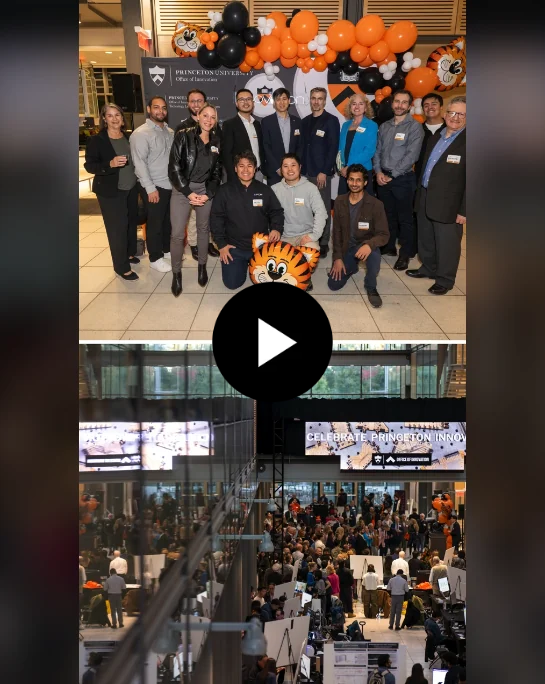
“Innovation ecosystem” is a phrase that we often use to describe the vast network of people, partnerships, ideas, and opportunities that exist within Princeton’s translational infrastructure. These networks are maintained by the Office of Innovation to help our community transform research discoveries into real-world applications. And while the ecosystem continues to grow across the campus, once a year at Celebrate Princeton Innovation it feels as if the entire community is in one room.  


Our office hosts this annual event to showcase some of the breakthrough research discoveries that hold meaningful potential. We had more than 400 faculty members, researchers, students, inventors, entrepreneurs, investors and government leaders for an evening of presentations, networking, and, of course, celebration.  


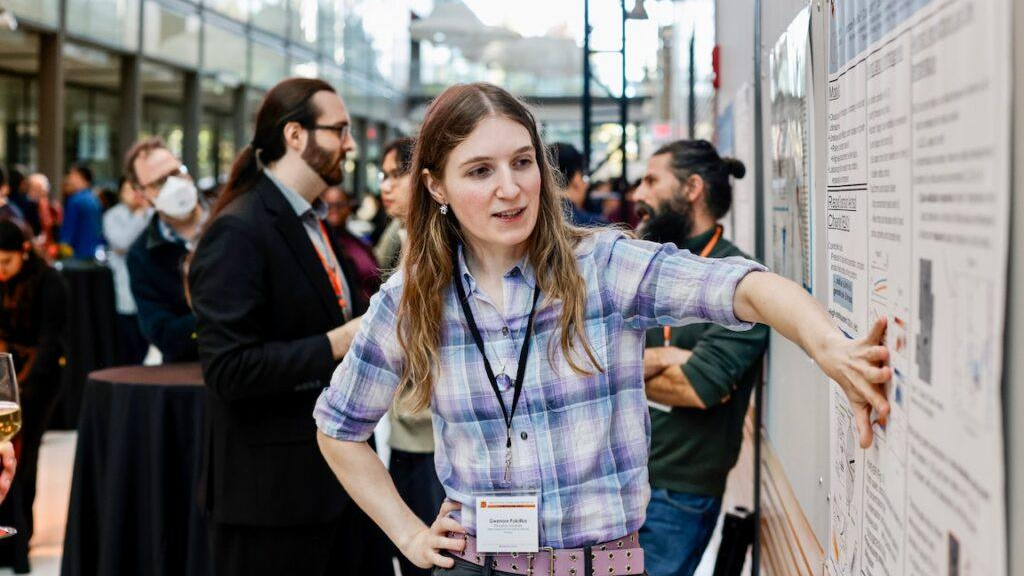
Presentations by Princeton faculty and their research teams are the centerpiece of Celebrate Princeton Innovation. This year, we were proud to host 12 exhibitors from architecture, chemistry, engineering, the Lewis Center for the Arts, molecular biology, physics, and the Princeton Neuroscience Institute. You can read a full recap with an album of photos on our website.  


Every year as I navigate the atrium packed with attendees, I see firsthand the talented people that are powering breakthroughs which will shape the future. And although this event is only once per year, I am grateful that I get the chance to work with the dedicated team in the Office of Innovation who are helping innovators move ideas forward each and every day.   


Thanks to everyone in our innovation ecosystem for helping create the environment that allows Princeton innovations to thrive!  


Craig B. Arnold

Vice Dean for Innovation and University Innovation Officer, Susan Dod Brown Professor of Mechanical and Aerospace Engineering 


Watch the video recap on LinkedIn and read the story on our website.

Annual Report

The Office of Innovation's Annual Report for Fiscal Year 2026 is available now. This report is a showcase of the people and pathways that drive ideas from discovery to impact. In this newsletter we will be highlighting excerpts from the report, starting with the growth of Corporate Affiliate Programs.


Corporate Affiliate Programs


Corporate Affiliate Programs (CAPs) are membership-based initiatives through which universities and companies can engage with each other on themes of common research interest. Prior to 2026, CAPs at Princeton included the Princeton E-ffiliates Partnership for energy and the environment (launched 2011), the Princeton Catalysis Initiative for new fields of research (2015), and Princeton NextG for wireless communications and sensing (2023). In 2026, Princeton is considerably expanding its portfolio of CAPs in fields of broad crosscutting interest, creating more opportunities for industry engagement. This year, our office launched two new CAPs in rapidly growing fields, the Princeton Quantum Initiative and Princeton AI. Looking ahead, our team is assessing the potential for future CAPs in other research areas across the University. In December 2026, the Strategic Partnerships and Engagement team is hosting a CAP Showcase event that will bring together leaders, scientists, and engineers from Princeton, industry, government, and nonprofits to explore existing and emerging CAPs.


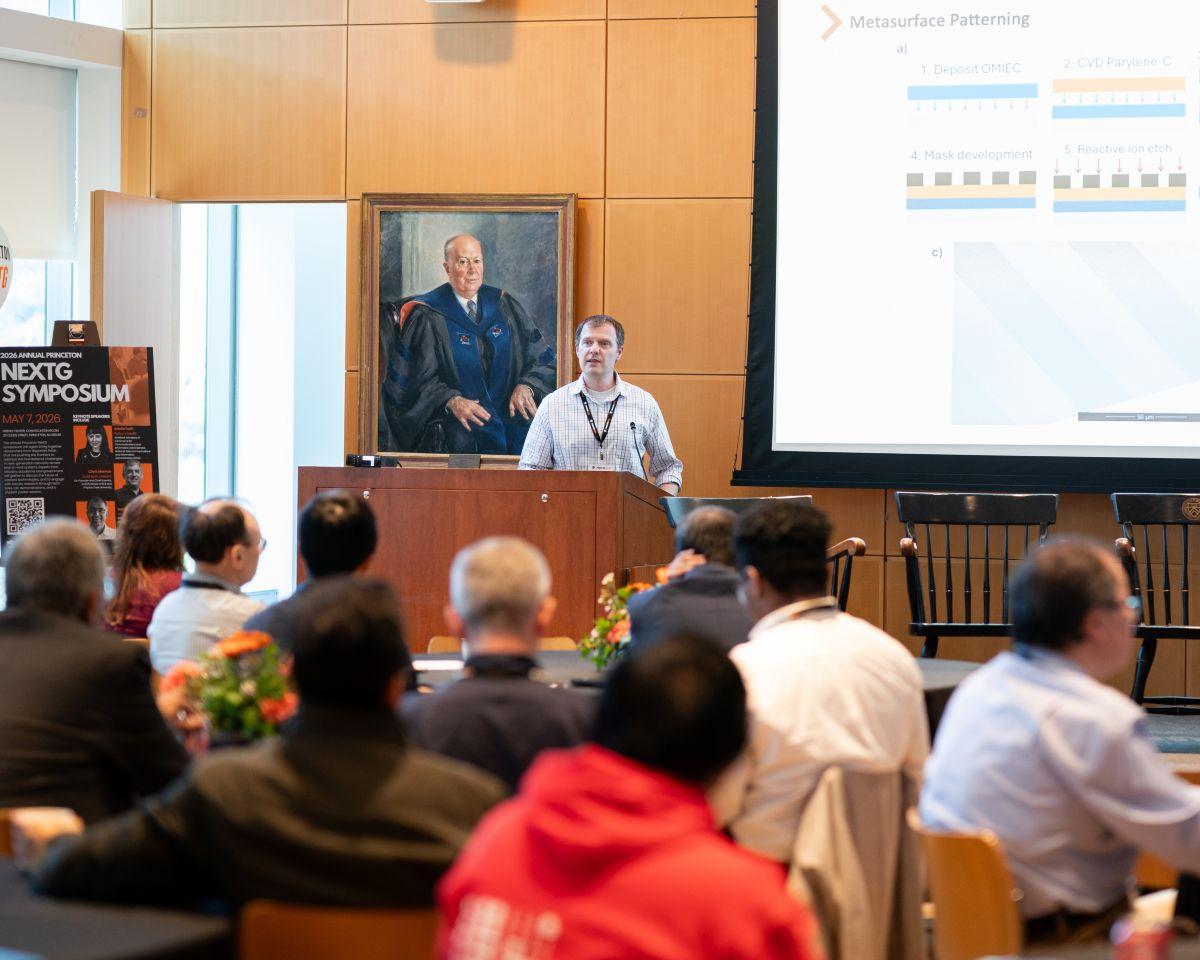
Pictured: Professor Barry P. Rand (electrical & computer engineering) presenting at the 2026 Annual Princeton NextG Symposium in May 2026. Photo by Sameer Khan/Fotobuddy.


By the Numbers

Numbers reported for July 1, 2025 through June 30, 2026. Visit the "By the Numbers" section of the Annual Report for additional data.

143


New inventions disclosed


254


New U.S. patent applications


22


New license and options agreements


66


U.S. patents issued (83% increase in patents issued from FY25)

$140m+


External funding raised by Princeton faculty startups in FY26

9


Startups based on discoveries made at Princeton University

7


Intellectual Property Fund awards


14


Faculty New Venture awards


Princeton Patent Highlight

Technology inspired by biology to support navigation in robots and autonomous vehicles


Fleets of autonomous vehicles and robots are increasingly used in logistics, transportation, and defense, but in navigating complex environments, they can encounter interactions that leave them stuck, cause delays, or lead to damage. Professor Naomi Ehrich Leonard, postdoc Dr. Himani Sinhmar and a colleague have built a biologically inspired control system to overcome these challenges, helping people and robots get where they need to go safely and efficiently.


Learn more about this technology and explore other Princeton patents.

University Innovations and News

Research, collaboration celebrated in banner year for Princeton Catalysis Initiative Symposium

NJ ACTS Translational Science Grants Awarded to Three Princeton Research Teams

Celebrate Princeton Innovation showcases research discoveries with industry potential

Princeton Engineering grants could help build a moon base, block foodborne illness, and map the brain