View as Webpage

 
LinkedIn  Facebook  X  Web  YouTube


DTC in Perspective


Issue 710 | April 23, 2026

Our DTC Conversation with FDA Commissioner Makary


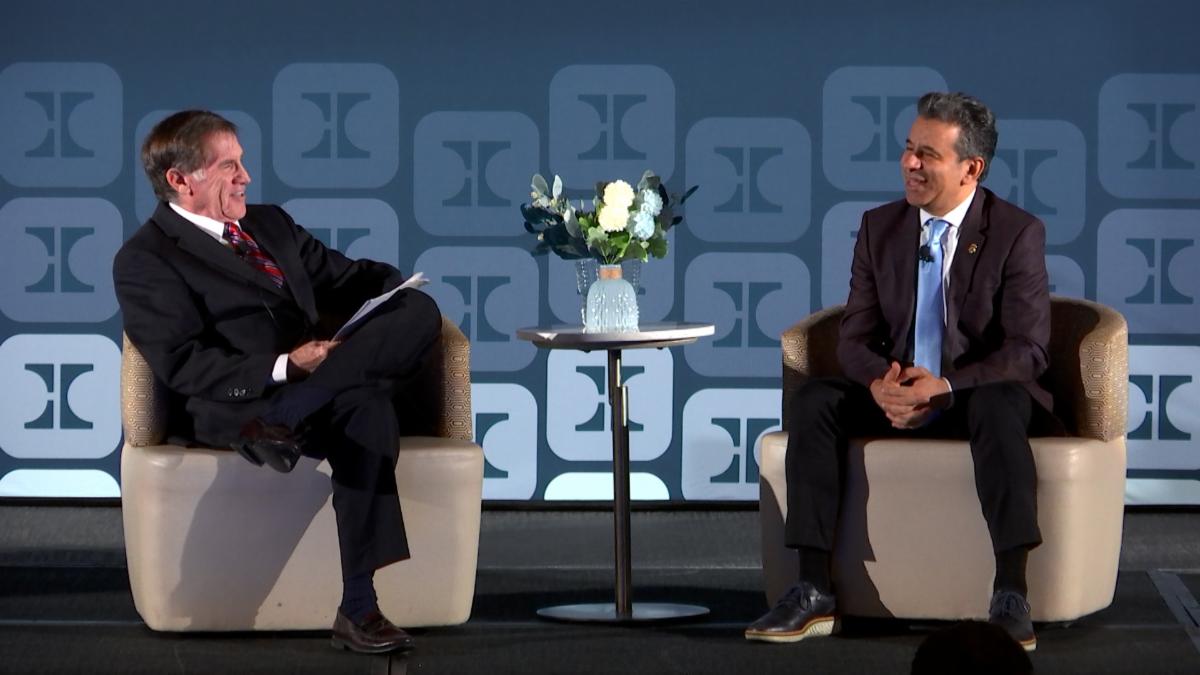
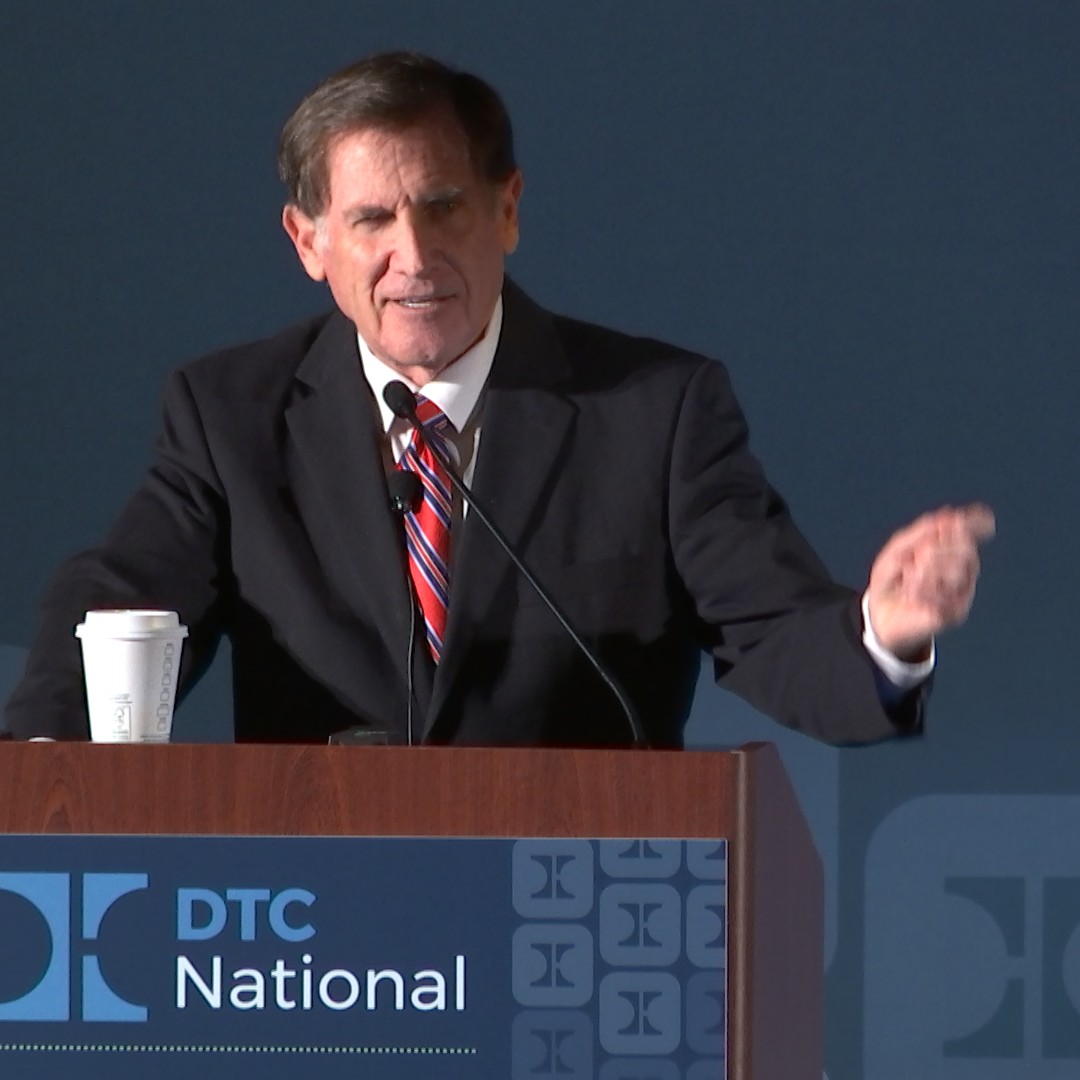
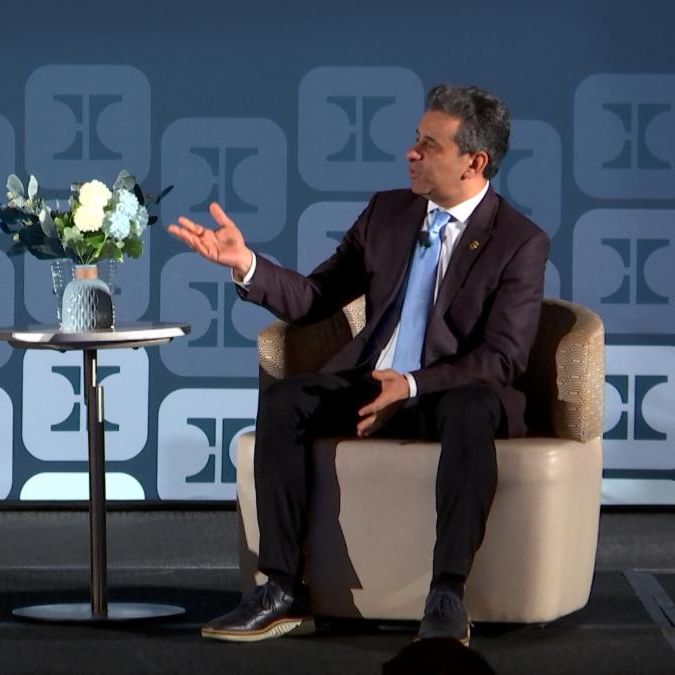
On 4/21 at the DTC National, we were honored to host Dr. Marty Makary for a one-on-one discussion. Our goal was to better understand where the FDA stands in its stated desire to further restrict DTC advertising, particularly on television. Last September, HHS Secretary Kennedy openly said he would like to ban DTC. The FDA also indicated a goal of ending the “adequate provision” section of the regulations, which has allowed for the television ads we see today.


Dr. Makary has previously said the FDA will crack down on ads that are misleading. In fact, since September 2025, OPDP has issued 72 untitled letters across various brands, compared to just one issued in 2023–2024. I pressed Dr. Makary on the long-term viability of the 60–90 second television ad. Is the FDA’s goal to eliminate television ads, or are they open to alternatives?


Bob Ehrlich

CEO

DTC Perspectives


"I asked whether Secretary Kennedy is still pressuring the FDA to further restrict DTC. Dr. Makary said no."


The encouraging news is that Dr. Makary said he does not intend to pursue measures that would make the 60–90 second format impossible to execute. The FDA will continue actively sending letters on ads they find misleading, and that approach is likely to keep advertisers compliant. While many DTC marketers view the letters as subjective, the reality is that drug makers were able to make changes to satisfy the FDA in over 90% of cases.


Dr. Makary also seemed open to increased dialogue between OPDP and the industry. He encouraged drug makers to discuss their DTC plans with regulators through pre-clearance or other informal channels.


I asked whether Secretary Kennedy is still pressuring the FDA to further restrict DTC. Dr. Makary said no. He referenced commercial free speech rights and acknowledged that a ban or severe restrictions could present challenges on those grounds. The FDA is focused on adding more regulatory teeth to address misleading ads and is exploring how best to do that. For now, he appears satisfied that increased OPDP scrutiny and enforcement letters are achieving the FDA’s goal of ensuring fair balance.


“We think the First Amendment is important… There have been benefits that we’ve seen of people being educated or informed about conditions because of advertisements, but we would like to see a level playing field… We do think the current adequate provision regulation is inadequate… we’re very open to your ideas on this.”

Dr. Marty Makary, FDA Commissioner, remarks at DTC National, April 21


We also discussed the many DTC ads that show patients post-treatment engaging in beach walks, hiking, and other vigorous activities. Dr. Makary emphasized the importance of ads being realistic in depicting clinically proven benefits. Many recent FDA enforcement letters were issued for portraying patients as “transformed” after taking a drug, when the clinical data did not support that level of improvement.


I believe the audience at the DTC National left more reassured that DTC can continue in its current format. We should expect more enforcement letters, and internal MLR teams will likely adopt stricter standards for approval. We may lose some beach and mountain scenes, but we will adapt. A more straightforward, less glitzy DTC ad may be the way forward, and frankly, just as impactful.


I was impressed that Dr. Makary was willing to engage directly with our marketers. He is the first sitting FDA Commissioner to attend the DTC National. We thank him for his candor and his willingness to work with us to ensure continued consumer access to DTC advertising.

 
96a58730-5827-417d-9407-9476147206b8 image
 

Bob Ehrlich

CEO

DTC Perspectives


DTC Perspectives | 16228 Andalucia Lane | Delray Beach, FL 33446 US