Newsletter | July 09, 2026 | | |
IN THIS ISSUE
ON THE LOCAL FRONT
IN THE NEWS
POLICY
POLITICAL NEWS
ECONOMY
| | |
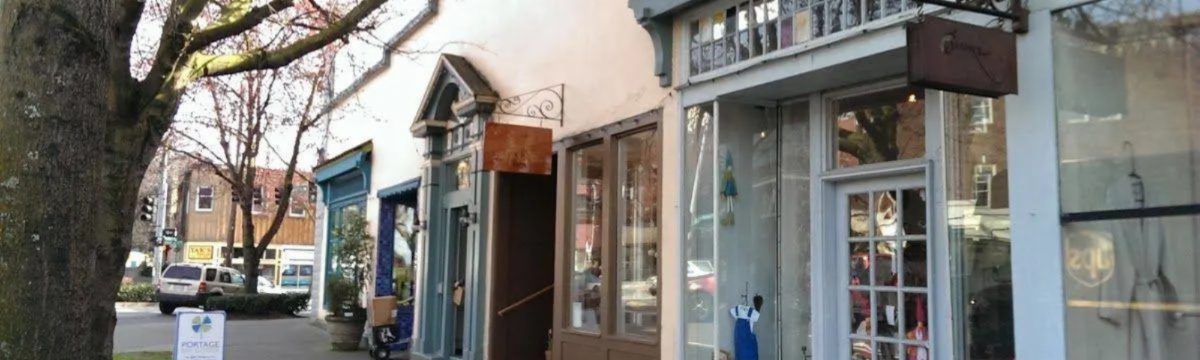
Fremont construction project sparks community conversation
A recent episode of The Weekly Seattle explored the ongoing construction impacts in Fremont and the changes surrounding the Route 40 project. Host Rachel Horgan spoke with Pete Hanning, Executive Director of the Fremont Chamber of Commerce, about the project’s goals, challenges, and the community response throughout the construction process.
The conversation highlighted the importance of communication between businesses, residents, and project partners as major infrastructure improvements move forward. Hanning shared insights into how the project has affected the Fremont business community and discussed the unexpected moments that helped shape the conversation around the work underway.
The Fremont Chamber of Commerce has been engaged with local businesses for decades, helping advocate for a vibrant and connected neighborhood. The discussion also emphasized the role local organizations play in bringing community perspectives to larger projects that impact daily operations.
For retailers and businesses, infrastructure projects can create both challenges and opportunities.
Listen here
| | |
Seattle addresses public safety concerns on Aurora Avenue
Seattle leaders announced new efforts to address ongoing public safety concerns along Aurora Avenue North, including increased gun violence, human trafficking, and related criminal activity. Mayor Katie Wilson said the city will temporarily close several streets between 96th and 102nd avenues to reduce vehicle circulation in the area and direct additional city resources toward enforcement and support services.
Seattle City Attorney Erika Evans announced plans to pursue a new strategy aimed at removing firearms from individuals believed to be involved in trafficking and violent activity. The approach would use Extreme Risk Protection Orders, a legal tool that allows courts to temporarily restrict firearm access when someone is considered a significant safety risk.
The actions follow concerns raised by nearby residents, businesses, and community members who have called for additional measures to improve safety. City officials said the goal is to reduce violence while also connecting individuals impacted by exploitation with needed resources.
The effort represents a coordinated response among city departments and elected leaders as Seattle continues to evaluate strategies for improving public safety and addressing challenges affecting businesses, workers, and neighborhoods.
| | |
Downtown Seattle continues to attract residents, visitors, and retailers
New data highlights the continued strength of downtown Seattle as a retail, dining, and entertainment destination. According to information compiled by the Downtown Seattle Association, the area is home to more than 109,000 residents and serves a primary trade area of more than 712,000 people. Average household income is approximately $194,000, and more than 72% of residents hold a bachelor's degree or higher.
Downtown Seattle remains a major economic hub for the Puget Sound region, attracting millions of visitors and workers each year. Visit Seattle reported that King County welcomed 40 million visitors in 2024, while Downtown Seattle Association data showed an average of more than 154,000 weekday workers in mid-2025.
Consumer research indicates that downtown's customer base is largely made up of educated, technology-oriented professionals who value convenience, experiences, culture, wellness, and quality retail offerings. Many are frequent users of restaurants, entertainment venues, fitness facilities, and premium grocery stores, while also embracing online shopping and digital engagement.
For retailers, the concentration of affluent consumers, strong visitor activity, and ongoing population growth present continued opportunities. The retail core includes major national brands, independent businesses, cultural attractions, Pike Place Market, and Seattle's revitalized waterfront, reinforcing downtown's role as one of the region's premier shopping and lifestyle destinations.
Downtown Seattle Association
| | |
Seattle faces mixed outlook in national investment ranking
Seattle ranked 11th in the Financial Times and Nikkei Investing in America ranking, highlighting both strengths and challenges in the city’s business environment. The ranking evaluated 95 U.S. cities across categories including workforce and talent, business environment, quality of life, investment trends, and energy resilience.
Seattle received strong marks for workforce and talent at 81 out of 100 and foreign business needs at 82, reflecting the city’s skilled workforce and global economic connections. The city also scored 65 for investment trends and 67 for trade war resilience.
Areas of opportunity included business environment, which scored 47, quality of life at 44, openness at 53, and energy resilience at 38. The data shows Seattle continues to benefit from a strong talent base and economic assets while facing challenges that may impact business growth and investment decisions.
The Washington Retail Association (WR) continues to monitor economic trends affecting retailers and communities across Washington. Understanding these indicators helps businesses, policymakers, and stakeholders identify opportunities to strengthen the state’s retail environment and support long-term economic vitality.
| | |
Celebrating Alesha Shemwell's service as Interim CEO
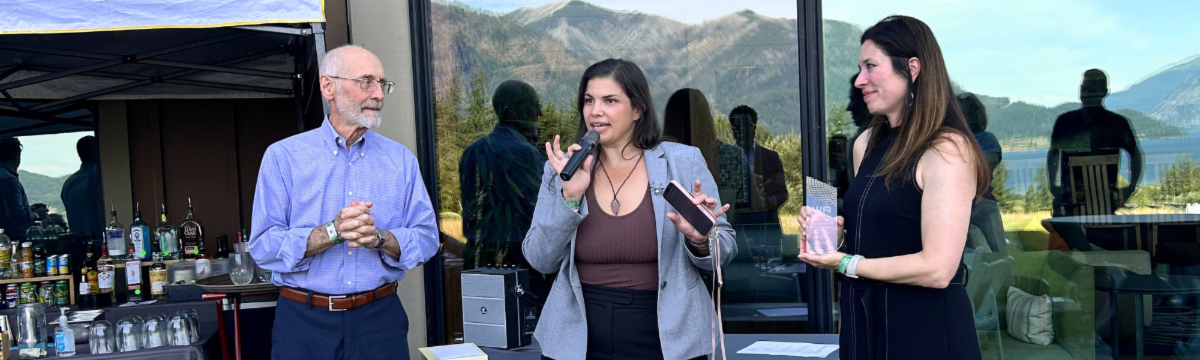
June 30 marked the conclusion of Alesha Shemwell's service as Interim CEO of the Washington Retail Association (WR), closing an important chapter in the association's history while beginning an exciting new one.
When WR entered a leadership transition in December 2025, Shemwell stepped into the role with a commitment to ensuring the association continued to move forward. Drawing on more than two decades of executive retail leadership experience and her deep knowledge of WR as a former Board Chair, she provided the steady leadership needed during a pivotal time.
Over the past seven months, Shemwell did more than guide WR through a transition. She helped position the association for long-term success by maintaining operational stability, advancing advocacy efforts, strengthening member engagement, and supporting the dedicated staff and Board of Directors. Thanks to her leadership, WR not only maintained its momentum but emerged from the transition stronger and ready for the future.
Her willingness to step into an unexpected role exemplifies the servant leadership and dedication that have defined her career. She provided confidence, continuity, and a clear vision at a time when it mattered most, helping create a seamless path for WR's new President and CEO to build upon.
While her time as Interim CEO has come to a close, Shemwell's involvement with WR is far from over. She will continue serving the association in a Retail Advisory position on the WR Board, where her industry expertise and institutional knowledge will remain valuable assets as WR continues to advocate for retailers across Washington.
On behalf of the WR Board of Directors, staff, and members, thank you, Alesha, for your leadership, generosity, and unwavering commitment to Washington's retail community. Your impact on WR will be felt for years to come, and we look forward to your continued contributions in your new advisory role.
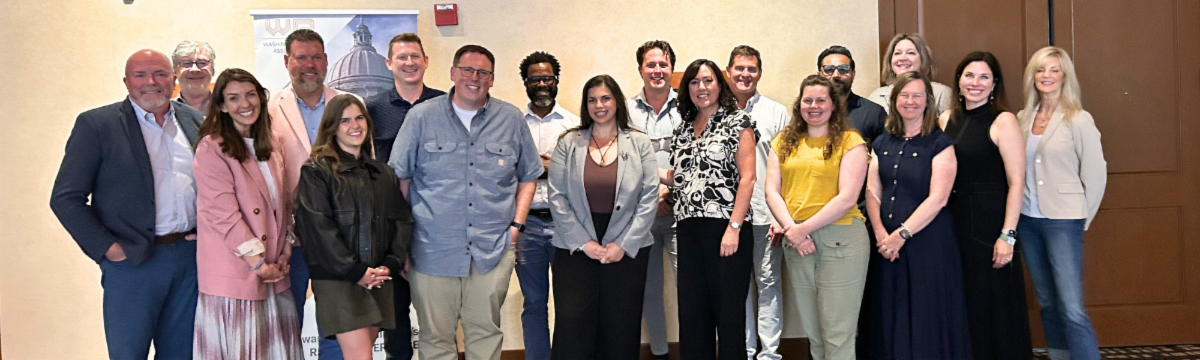
| | Washington Retail Association Board members with Representative McClintock (R-18) and Representative Waters (R-17) | | |
Washington Retail Association welcomes new and incoming board members
The Washington Retail Association is pleased to welcome new and incoming members to its Board of Directors. Each brings valuable experience in retail, government affairs, legal counsel, operations, and business leadership.
Meegan Brooks, Ballard Spahr
Meegan Brooks is an attorney with Ballard Spahr who has spent her career defending and advising retailers, e-commerce companies, and manufacturers. She has extensive experience in consumer class actions, privacy matters, advertising review, pricing policies, loyalty terms, and other issues affecting the retail industry. Meegan brings deep legal and regulatory expertise to the WR Board.
Anne Christie, Gap Inc.
Anne Christie is a Manager of State & Local Government Affairs at Gap Inc., where she supports engagement on public policy issues affecting employees, customers, and communities across key state and local markets. Her background includes policy work at SPUR and legislative and constituent work in the Office of U.S. Senator Dianne Feinstein. A Seattle native, Anne brings strong public policy experience and Washington roots to WR.
John Dillon, The Home Depot
John Dillon is Director of State and Local Government Relations at The Home Depot, where he leads government relations across 29 states and U.S. territories in the Western United States. His work focuses on issues including organized retail crime and housing policy. John brings extensive experience in public policy, advocacy, and retail industry leadership.
Zach Dooley, Tractor Supply Company
Zach Dooley serves as Senior Manager of Government Relations and Stakeholder Engagement at Tractor Supply Company. He began his career on Capitol Hill, working on issues including commerce, transportation, and infrastructure policy, and later served as a senior policy advisor in the Texas Senate. Zach also brings experience in community and government relations from Vulcan Materials Company, along with a strong background in state and federal policy.
Matthew Humphrey, Matthew Steele Salon Spa & Steele Studio
Matthew Humphrey is a business owner behind Matthew Steele Salon Spa, Steele Studio, and Steele Barber. His businesses are known for technical quality, premium service, and a people-first culture. With decades of experience building respected neighborhood retail brands in Seattle, Matthew brings an important small business and customer service perspective to the WR Board.
NaTasha Magnusson, Mud Bay
NaTasha Magnusson serves as Safety Compliance and Workplace Safety Manager at Mud Bay, where she helps support safe operations and strong compliance practices for employees and customers. A passionate animal welfare advocate and environmental conservationist, NaTasha brings a strong commitment to responsible business practices and community stewardship.
Together, these leaders will help strengthen WR’s work on behalf of retailers across the state.
| | |
Rose Gundersen retired from Washington Retail Association on June 10, 2026
Rose Gundersen, State and Local Government Affairs Associate, retired from the Washington Retail Association (WR) on June 10, 2026, concluding a distinguished career marked by dedicated service, effective advocacy, and unwavering support for WR members.
Rose joined WR in 2019, initially leading administration of the Workers’ Compensation Retro Program, a safety-focused initiative that rewards participating members for strong workplace practices and loss prevention. Her work quickly expanded as she became a trusted resource to members navigating complex systems and compliance requirements.
In 2025, Rose transitioned to the Government Affairs team, where she broadened her focus to employment law, workforce policy, and emerging regulatory issues impacting retailers statewide. Her deep understanding of labor standards was informed by a diverse professional background spanning insurance, banking, entrepreneurship in both nonprofit and private sectors, and her prior role as Small Business Liaison Manager at the Washington State Department of Labor & Industries.
Rose also played a key role in advancing WR’s Retail Workforce Initiative, grounded in the association’s Justice, Equity, Diversity & Inclusion principles, helping elevate awareness of retail as a meaningful career pathway.
A bilingual professional raised in Hong Kong, Rose brought a global perspective and strong community commitment to her work, including volunteer service with youth and refugee support organizations.
WR extends its appreciation for her years of dedicated service and wishes her the very best in retirement.
| | |
Representative Mari Leavitt recognized as Champion of Organized Retail Crime and Public Safety
The Washington Retail Association is proud to recognize Representative Mari Leavitt as a Champion of Organized Retail Crime and Public Safety for her leadership in advancing solutions that protect retailers, workers, customers, and communities across Washington.
Rep. Leavitt, who represents the 28th Legislative District and serves as Deputy Majority Whip, has long focused on public safety, community well-being, workforce development, and support for small businesses. A small business owner, former human services administrator, and longtime higher education leader, she brings a practical, community-centered perspective to her legislative work.
During the 2026 legislative session, Rep. Leavitt worked across the aisle to help advance HB 1276, addressing organized retail theft, and HB 2729, the Retail Theft Accountability Act. These efforts strengthen coordination, improve accountability, and give law enforcement better tools to respond to organized retail crime.
Organized retail crime affects more than businesses. It impacts employees, shoppers, neighborhoods, and the broader economy. Rep. Leavitt’s leadership reflects a strong commitment to building safer, more welcoming places to live, work, and shop.
WR is grateful for Rep. Leavitt’s partnership and her continued dedication to safer, stronger communities across Washington.
| | |
Representative Larry Springer recognized as Washington Retail Association’s Legislator of the Year
The Washington Retail Association is proud to recognize Representative Larry Springer as WR’s Legislator of the Year for his longstanding commitment to small businesses, community building, and thoughtful public policy.
Rep. Springer, who represents the 45th Legislative District and serves as Deputy Majority Leader in the House of Representatives, brings a unique and valuable perspective to the Legislature as a longtime small business owner. Since 1985, he has owned a family-run retail wine store in Kirkland, giving him firsthand experience with the opportunities and challenges facing local retailers.
A lifelong resident of East King County, Rep. Springer has spent decades serving his community. Before his election to the Legislature in 2004, he served 11 years on the Kirkland City Council, including four years as Mayor. His public service has been guided by a commitment to economic development, education, the arts, and creating strong, connected communities.
Rep. Springer has also played an important role in building bridges between the small business community and state lawmakers. WR is grateful for his leadership, partnership, and continued dedication to supporting retailers and strengthening communities across Washington.
| | |
How Lawmakers Voted on Retail Affordability in 2026
The Washington Retail Association (WR) has released its 2026 Consumer Affordability Scorecard, highlighting how lawmakers voted on key issues affecting retailers, employees, and the customers they serve. These votes reflect WR’s advocacy priorities and the work our team conducted throughout session through legislative testimony, direct engagement with lawmakers, and coalition partnerships focused on creating a safer, more competitive, and more affordable Washington.
Why Affordability Was the Focus
Every legislative session, decisions made in Olympia shape what Washington families pay at the register and what retailers must absorb to keep their doors open. From taxes and labor costs to public safety, liability exposure, and business regulation, these votes have real consequences for Main Street businesses, large employers, and consumers across the state.
What the Scorecard Tracks
The 2026 Consumer Affordability Scorecard tracks final recorded floor votes on priority legislation where WR took a formal support or oppose position and communicated that position to lawmakers before the vote was cast. The Scorecard is intended to provide transparency and help members better understand which policymakers supported policies that promote a safer, more competitive, and more affordable retail environment in Washington.
WR Releases Two Scorecards
In addition to the Consumer Affordability Scorecard, WR released a dedicated Income Tax Scorecard focused on Senate Bill 6346 and related floor amendments. This separate scorecard reflects the significance of the Legislature’s passage of the first broad personal income tax since the state Supreme Court struck one down in 1933, following more than 24 consecutive hours of debate on the House floor.
Key Issues Included
The Consumer Affordability Scorecard includes votes on key issues from the 2026 legislative session, including policies affecting public safety, labor, taxation, consumer costs, and business regulation. It also includes a review of the Governor’s actions on key legislation that impacted Washington’s retail landscape.
View the Full Scorecard
To view the full 2026 Consumer Affordability Scorecard, click here.
To learn more about WR’s advocacy efforts, please contact Crystal Leatherman, WR’s Director of Policy & Government Affairs, at cleatherman@washingtonretail.org.
| | |
2026 Legislative Law Review released to Washington Retail Association Members
The Washington Retail Association (WR) has finalized and distributed its 2026 Legislative Law Review to all dues-paying members.
Produced following the conclusion of the 2026 legislative session, this comprehensive guide provides retailers with a detailed overview of key legislation impacting the retail industry. The Law Review includes bills that passed and bills that failed, giving members a clearer picture of the policy issues WR tracked, engaged on, supported, opposed, or monitored throughout session.
For bills signed into law, the Law Review outlines important compliance information, effective dates, and potential impacts on retail operations. This helps retailers prepare for upcoming changes and better understand how new laws may affect their businesses, employees, and customers.
The publication also highlights legislation WR successfully opposed on behalf of the retail community. Throughout the session, WR advocated for policies that support a healthy business climate and worked to prevent proposals that would have created unnecessary costs, operational challenges, or regulatory burdens for retailers.
The Legislative Law Review is one of many resources available exclusively to WR members and serves as an important tool for staying informed about Washington’s evolving legislative and regulatory landscape.
If you are interested in becoming a WR member and receiving the 2026 Legislative Law Review, along with access to advocacy, resources, and member services, please contact Katie Davies at kdavies@washingtonretail.org.
Current members who did not receive a copy of the 2026 Legislative Law Review should also contact Katie Davies at kdavies@washingtonretail.org to request one.
| | |
Reminder: Washington overtime salary threshold increases in 2027
Retailers should keep Washington’s overtime salary threshold in mind as they plan 2027 budgets. Beginning January 1, 2027, the minimum salary required for certain overtime-exempt employees is scheduled to increase.
Washington’s overtime exemption salary threshold is tied to the state minimum wage and is calculated as a multiplier of a 40-hour workweek. Employees must generally meet both the salary threshold and applicable duties tests to qualify as exempt from overtime.
For 2027, the projected salary thresholds are:
- Small employers, 1–50 employees: $1,583.10 per week, or $82,321.20 annually
- Large employers, 51 or more employees: $1,759.00 per week, or $91,468.00 annually
This is an important reminder for retailers reviewing compensation, staffing, and budget plans for the coming year. Employers should review exempt employee salaries ahead of January 1, 2027, to determine whether adjustments may be needed.
Implementation schedule
| | |
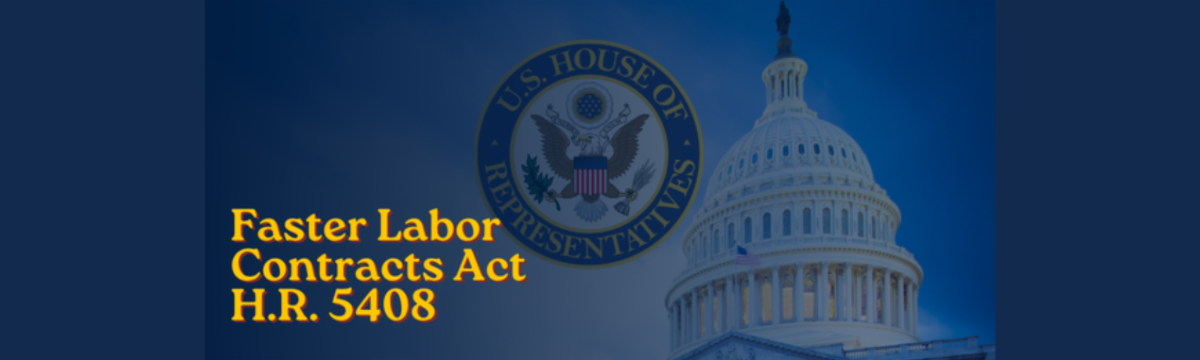
Faster Labor Contracts Act raises questions about collective bargaining process
Proposed federal legislation known as the Faster Labor Contracts Act (FLCA) would change the process for reaching initial collective bargaining agreements between employers and newly organized employees.
The legislation would require employers and unions to reach a first contract within 120 days or enter binding interest arbitration, where a federally appointed panel would determine contract terms, including wages, benefits, scheduling, safety policies, and other workplace conditions.
Supporters of the bill argue it could help workers reach agreements more quickly. Opponents, including many business groups, argue it could reduce the role of employees and employers in negotiating agreements directly and limit workers’ ability to approve or reject final contract terms.
Under current labor law, collective bargaining is generally based on voluntary negotiations between employers and employees. The FLCA would introduce a process where unresolved negotiations could result in an outside panel determining the outcome.
| | |
"Surveillance Pricing" Policy May Be Heading for Seattle
A new category of retail policy is cropping up across the country, and Washington is squarely in the mix. By spring 2026, legislative trackers counted more than 40 bills across two dozen-plus states targeting what's commonly called "surveillance pricing." The practice (also called personalized, individualized, surge, or algorithmic pricing) allegedly uses data about a specific consumer including location, device, or purchase history, to tailor a price to that individual.
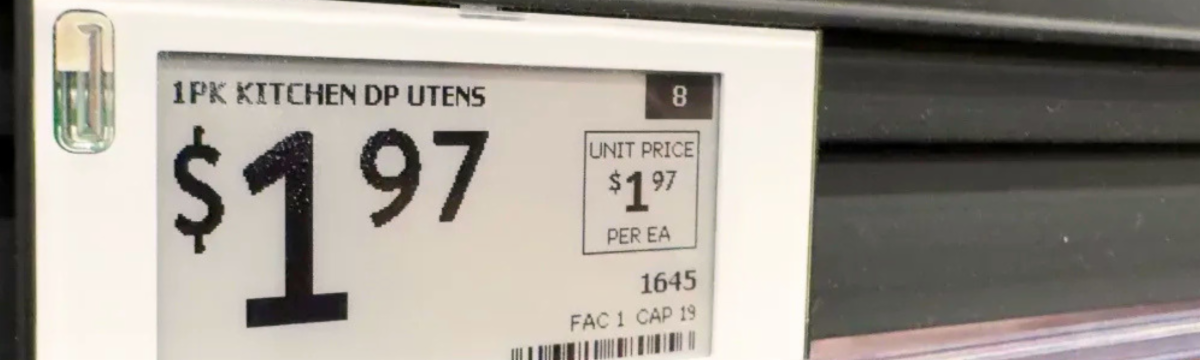
New York enacted the first disclosure law, requiring notice when an algorithm uses a shopper's personal data to set a price, and Maryland became the first state to ban the practice outright for grocery and food delivery. Washington joined the wave this year: during the 2026 session, state lawmakers introduced companion bills (HB 2481 / SB 6312) with similar goals — banning data-driven personalized pricing on groceries, restricting surge pricing on essential goods, and banning the use of electronic shelf labels.
Now the issue is moving to the local level. The Seattle Mayor's Office has signaled interest in pursuing a "Fair Pricing & Transparency" ordinance at the city level that would affect retailers, particularly grocers — and by default the customers they serve.
Where Washington Retail Stands
WR supports banning discriminatory pricing. The industry is not asking us to defend a policy of charging someone more for the same product because of who an algorithm thinks they are.
Our concern is how these policies are written — and here, the drafting isn't a technicality. It's the whole ballgame. Broad or ambiguous language can produce real unintended consequences for the very retailers and customers these measures intend to help:
-
It can sweep in ordinary, pro-consumer practices. Definitions that don't distinguish individualized pricing from routine store-level or demand-based pricing risk banning loyalty discounts, digital coupons, senior and student pricing, and markdowns on food nearing its sell-by date. The likeliest response to legal uncertainty isn't more transparency, it's limiting or pulling personalized discounts from the market altogether, leaving shoppers paying more.
-
It can create litigation exposure that outruns the harm. Broad, ambiguous rules enforced through civil litigation can balloon far beyond any actual consumer injury — pressure that lands hardest on thin-margin grocers.
-
It can chill legitimate activity and useful technology. When retailers can't tell which everyday practices are lawful, they could ban practices that benefit consumers.
None of this argues against acting. It argues for acting precisely: defining prohibited conduct narrowly, protecting the practices consumers rely on, and calibrating enforcement to real harm.
The retail community is aligned on the goal. Whether these measures protect consumers or produce collateral damage for the stores and shoppers they're meant to help comes down to the words on the page. WR is committed to working with lawmakers at every level to get this policy right.
WR is tracking surveillance pricing proposals at the city, state, and national level. Questions about how these and other policy proposals could affect your business? Contact the WR Policy & Government Affairs team.
| | |
Repeal effort for Washington’s income tax moves toward November ballot
A campaign to repeal Washington's newly enacted income tax has taken a major step toward appearing on the November general election ballot.
Supporters of Initiative 645 submitted 511,408 signatures to the Washington Secretary of State on July 2, well above the 308,911 valid signatures required to qualify. Election officials will now verify the petitions, a process expected to take about two weeks. If enough signatures are validated, voters will decide the measure in the Nov. 3 election.
The initiative would repeal the State's recently approved 9.9 percent tax on adjusted gross income above $1 million for Washington households. The tax, approved by the Legislature earlier this year, is scheduled to take effect in 2028, with revenue collections beginning in 2029 if it remains in place. Lawmakers estimate the tax would generate between $3 billion and $4 billion annually to support the state operating budget, including funding for K-12 education, higher education, health care, corrections, foster care, childcare, and early learning programs.
Supporters of Initiative 645 argue the measure will give voters the opportunity to reject what they view as a new state income tax and have raised concerns about future expansion of the policy. Opponents contend that repealing the tax would reduce funding for public services while leaving other tax relief measures in place, creating a significant budget gap.
The proposal is also the subject of separate legal challenges filed by business owners who question its constitutionality under longstanding Washington Supreme Court precedent regarding income taxes. Those cases are expected to proceed independently of the ballot measure.
| | |
US House passes Combating Organized Retail Crime Act
The U.S. House of Representatives has passed the bipartisan Combating Organized Retail Crime Act (CORCA), legislation aimed at addressing the growing impact of organized retail theft and supply chain crime nationwide. The bill, introduced by Josh Riley, would expand federal tools available for investigating and prosecuting organized retail crime networks.
According to supporters of the measure, the legislation would allow prosecutors to combine theft activity over 12 months when pursuing charges tied to organized crime operations. The bill also includes provisions focused on anti-money laundering enforcement, asset forfeiture, prepaid and gift card fraud, and improved coordination through a Department of Homeland Security center dedicated to organized retail and supply chain crime.
Retail industry data cited by lawmakers estimates that organized retail crime costs businesses and consumers more than $121 billion annually. Reports from retailers also show continued increases in cargo theft, supply chain theft, digital fraud, and large-scale organized theft operations. Supporters say the legislation is intended to strengthen enforcement efforts while helping reduce financial impacts on businesses, workers, and consumers.
| | |
Ferguson forms economic council amid concerns over Washington economy
Gov. Bob Ferguson has signed an executive order creating a 26-member Governor’s Economic Development Council to advise his administration on improving Washington’s economic competitiveness and shaping a statewide development strategy due next year. The announcement comes as state leaders confront signs of economic strain, including slower-than-expected job growth, an unemployment rate above the national average, and continued layoffs in the technology sector. Some businesses have also raised concerns about leaving the state amid cost and regulatory pressures.
The council will bring together leaders from business, labor, and government, including representatives from major employers such as Microsoft, Boeing, and T-Mobile, as well as labor organizations and state officials. Ferguson said the group is intended to provide candid discussion and practical recommendations on how Washington can strengthen job creation, attract new businesses, and address barriers to growth. The governor said he plans to attend each quarterly meeting and noted the state has not convened a similar panel in about two decades.
State fiscal challenges are also shaping the backdrop for the effort. Washington has faced recent and regular budget shortfalls addressed through a mix of large tax increases and limited spending cuts, and credit rating agencies have cautioned about reliance on one-time budget solutions. A further gap is projected in 2027. Ferguson said maintaining the state’s strong credit rating is a priority as he prepares his first two-year budget proposal.
Business groups have expressed concerns about rising costs, regulatory complexity, and policy uncertainty. Recent survey data cited by business organizations indicates many employers view taxes as a major challenge, with a significant share expecting a possible recession in the coming year. At the same time, some leaders have pointed to the need for more predictable policy conditions to support investment and hiring decisions.
Ferguson said the council will also evaluate Washington’s competitiveness compared to other states and identify strategies to improve economic performance. While acknowledging challenges, he said Washington retains strong economic fundamentals and productivity. He emphasized that future policy decisions should better reflect their impact on businesses and overall job creation across the state.
| | |
Seattle growth slows sharply after years of expansion
Seattle’s long period of rapid population growth has slowed significantly, according to new estimates from the Washington Office of Financial Management. Between April 2025 and April 2026, the city added about 6,800 residents, bringing its total population to 823,400. That represents a growth rate of roughly 0.8%, a notable decline from annual increases above 2% earlier in the decade.
From 2021 through 2025, Seattle consistently posted strong gains, with yearly growth ranging from 2.2% to 2.7% and net increases of roughly 16,700 to 20,100 residents annually. The latest estimate marks a return to growth levels last seen during the early pandemic period, when the city’s expansion briefly slowed.
The state’s figures differ from federal estimates, which have generally shown more conservative growth for Seattle in recent years. Differences stem from methodology and timing, with state estimates measured as of April 1 and federal estimates typically using July 1 benchmarks.
While Seattle’s growth decelerated, surrounding communities continued to expand, though at varying rates. In King and Snohomish counties, smaller cities and suburban areas saw stronger gains. Stanwood and Carnation each posted growth above 4%, while Gold Bar grew about 3%.
Among larger cities with populations over 10,000, Snohomish led regional growth at about 2.6%, followed by Woodinville at 2.1%. Marysville, Shoreline, and Tukwila also posted modest increases ranging from 1.4% to 1.6%.
In contrast, Bellevue saw minimal change, growing just 0.2% to reach about 158,300 residents. Overall population growth in King County slowed from 1.4% to 0.5%, mirroring Seattle’s broader cooling trend.
Statewide, Washington added approximately 61,200 residents, bringing its total population to about 8.18 million. The 0.75% growth rate marks one of the slowest increases in decades.
Analysts note that immigration has been a key driver of regional population growth in recent years, and recent declines in international migration may be contributing to the slowdown. It remains unclear whether Seattle’s reduced growth represents a temporary shift or a longer-term trend.
| |
WR diversity statement
WR is committed to the principles of justice, equity, diversity, and inclusion. We strive to create a safe, welcoming environment in which these principles can thrive.
We value all people regardless of race, ethnicity, gender, religion, age, identity, sexual orientation, nationality, or disability, and that is the foundation of our commitment to those we serve.
| | |
Jan Himebaugh
President & CEO
360.200.6450
Email
| |
John Engber
Director, Retail Industry
Coalition of Seattle
206.850.5517
| | | | |